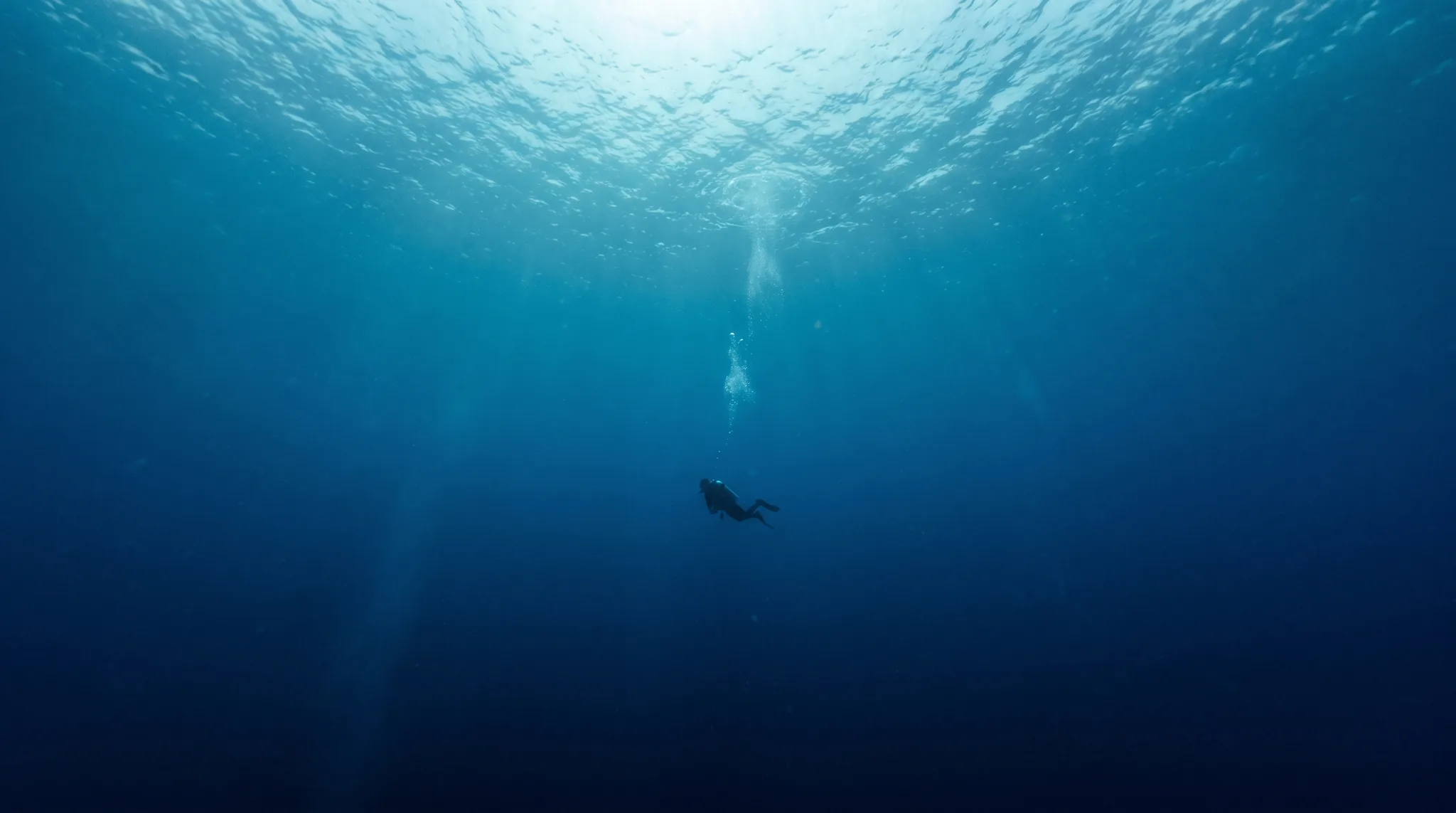
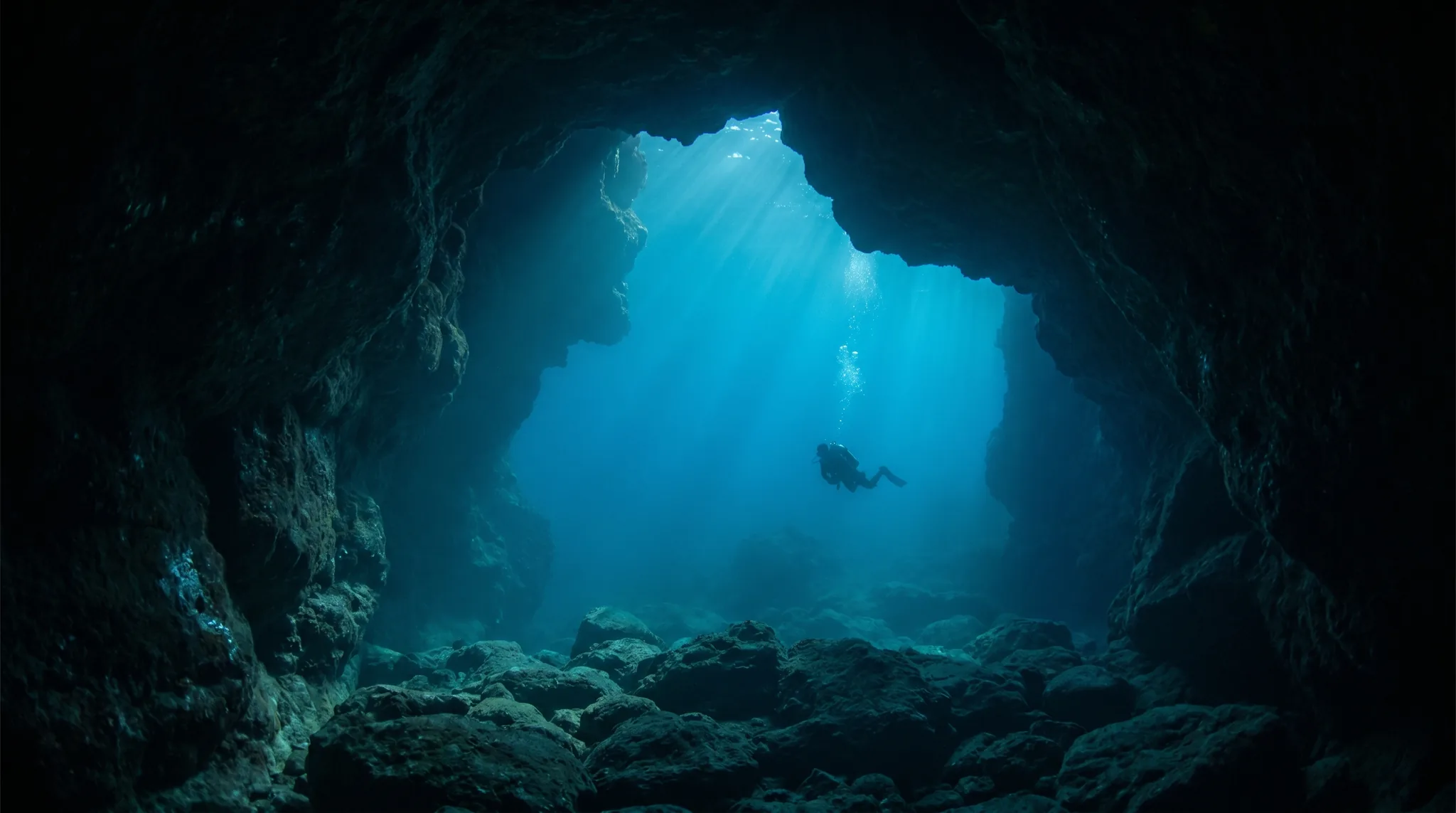
Shimoji and Irabu are defined by caves. The overwhelming majority of sites here involve some form of overhead environment, from beginner-friendly grottos like Twin Cave and Mini Grotto to the deep blue hole and drop-off at Tori Ike. Shimoji Island holds the denser concentration of cave systems, while Irabu adds walls and arches. Yellowtail Clownfish, Blackback Clownfish, and Cauliflower Coral appear across virtually every site, and Giant Moray, Titan Triggerfish, and Sea Krait are the species that define the region's character.

Monthly water temperature across Shimoji & Irabu's sites, from satellite sea-surface data corrected for depth. The band shows the site-to-site spread.
Water stays warm throughout the year, rising to its peak warmth through the summer months and cooling only modestly through winter. The warmest and most visited period runs from late spring through early autumn. Sites range from sheltered grottos that suit early-certification divers to deep systems requiring advanced skills, so conditions and appropriate sites vary considerably by experience level.
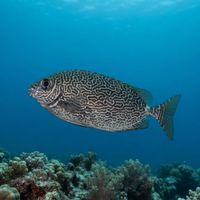
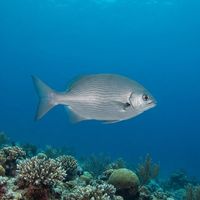
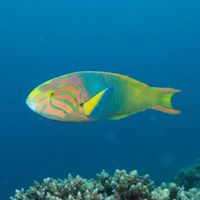
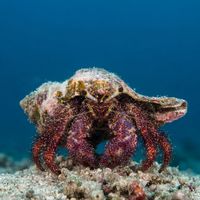
9 more sites to explore
Water temperature around Shimoji & Irabu ranges from about 23°C in January to 30°C in August, based on satellite sea-temperature data for its dive sites.
In the warm season (about 30°C) a rash guard or 3mm shorty is comfortable in Shimoji & Irabu; in the coldest months (about 23°C) step up to a 3mm full suit.
Fin maps 21 sites in Shimoji & Irabu (21 scuba diving sites and 3 snorkelling spots, with some suited to both).
Across Shimoji & Irabu's dive sites, April, June, July, August and September are most often reported as the best months to visit.
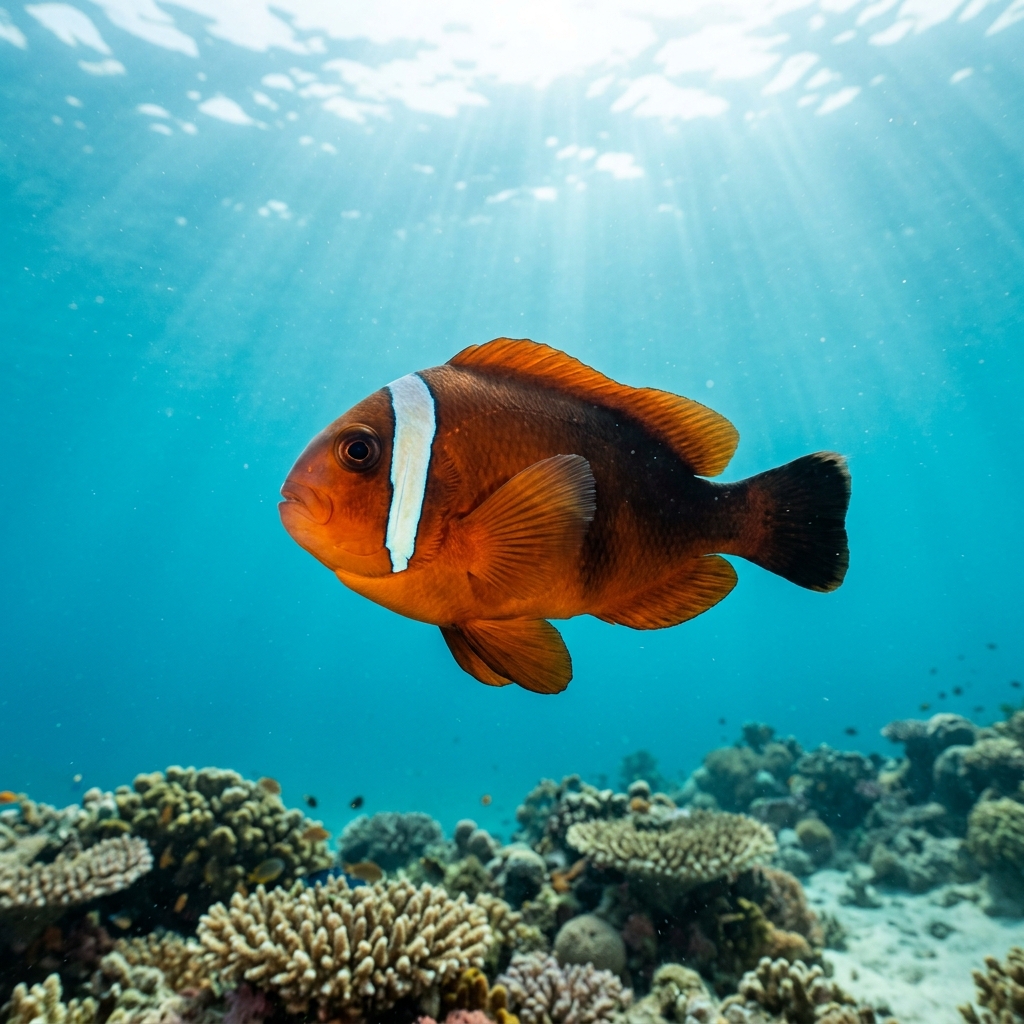
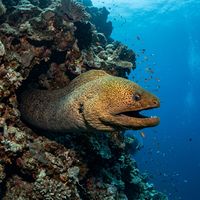
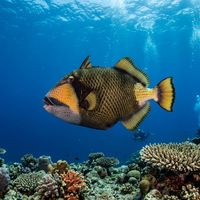
Yellowtail Clownfish and Blackback Clownfish are found across the sites, typically settled in Bubble Tip Sea Anemone. Cauliflower Coral and Lined Bristletooth are similarly widespread. The signature species that stand out are Giant Moray, Titan Triggerfish, and Sea Krait, all of which have been recorded across a broad range of sites. Varicose Wart Slug and Blue Dragon add interest for nudibranch enthusiasts.
Not at all. Many sites here are rated for beginners, including Twin Cave, Naruhodo The Cave, W Arch, Cross Hole, and the shallow reef at Crystal Park. That said, several sites such as The Devil's Palace and Tori Ike are strictly for advanced divers due to depth and overhead complexity. Intermediate divers have good options too, including Antonio Gaudi and Nakanoshima Channel.
The vast majority of sites require boat access, and the region has several operators including Miyakojima Diving Aquatic Adventure. A small number of sites, notably Marine Lake on Shimoji Island and Shiratori on Irabu, can also be entered from shore. Having a local operator is particularly useful given the prevalence of cave and overhead environments across the area.
Shimoji holds the greater concentration of cave systems, including the blue hole at Tori Ike and the unique land-locked environment at Marine Lake. Irabu offers a broader mix of site types, with arches such as W Arch and L Arch alongside wall diving at Shiratori and shallower reef sites like Crystal Park. Both islands are reached by boat for most dives.