Chaetodon plebeius
Spot the Blueblotched Butterflyfish in Okinawa or Queensland reefs. Know its blue oval patch, and when to look in water from 22 to 28°C.
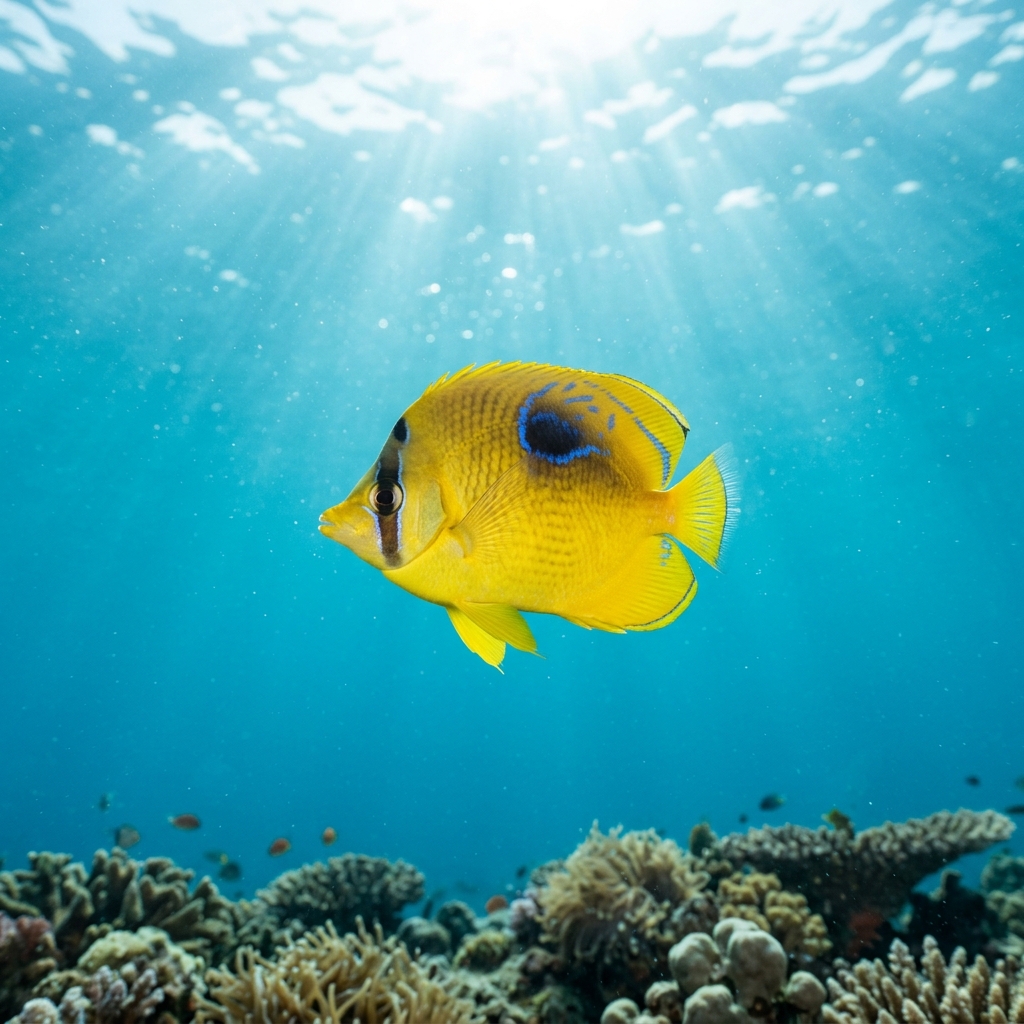
A compact, disc-shaped butterflyfish with a bright yellow body and a bold, iridescent blue oval blotch sitting mid-flank, which is the single mark you key on immediately. A dark eye-bar runs through the head, and the rear of the body typically shows a darker or dusky band near the tail. It is a small fish, easy to overlook against busy coral, but that blue blotch is striking once your eye finds it.
Usually seen moving slowly and alone across coral-rich reef flats and slopes, picking at coral polyps with its small, pointed mouth. It tends to stay close to the reef structure and will drift away rather than bolt when a diver approaches, giving you a reasonable window for observation if you move unhurriedly. Pairs are occasionally spotted together, particularly around coral heads that appear to serve as a regular feeding territory.
Like several butterflyfish, blueblotched butterflyfish are understood to be corallivores (coral-feeders), targeting live coral polyps directly. This tight dietary link means their presence is a useful indicator of healthy hard-coral cover on a reef.
Seasonality data from the Southern Hemisphere points to sightings concentrating from May through February, suggesting a broad warm-season window. In the northern range, such as Okinawa, resident populations mean encounters are possible across much of the year wherever water temperatures hold between 22 and 28°C.
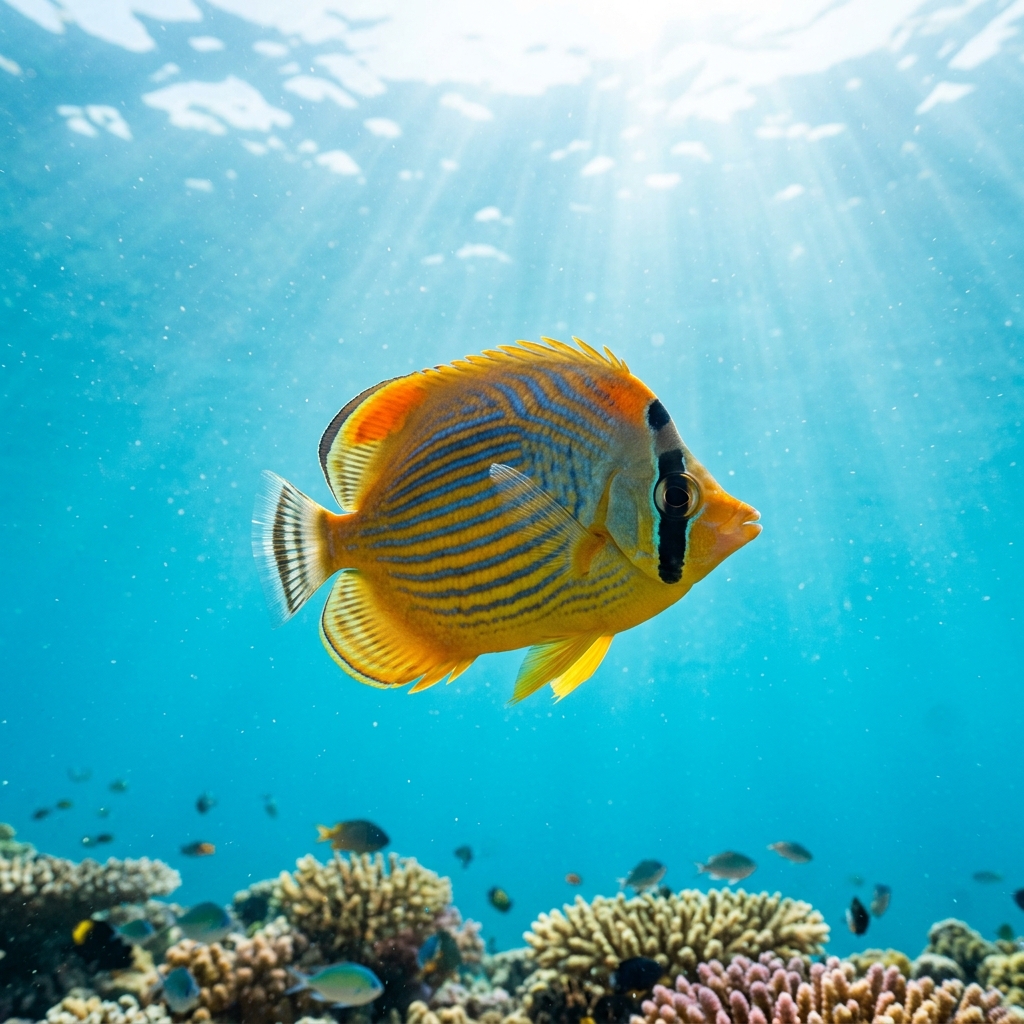
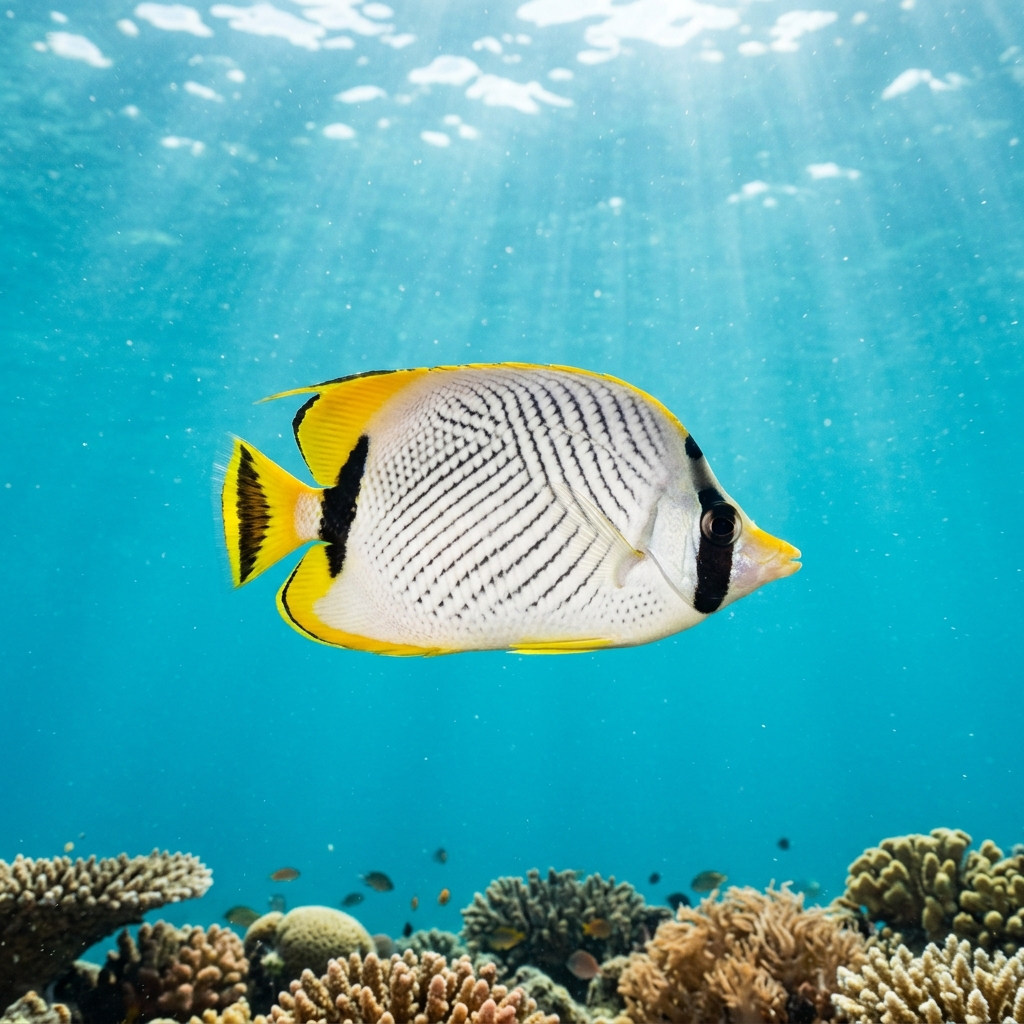
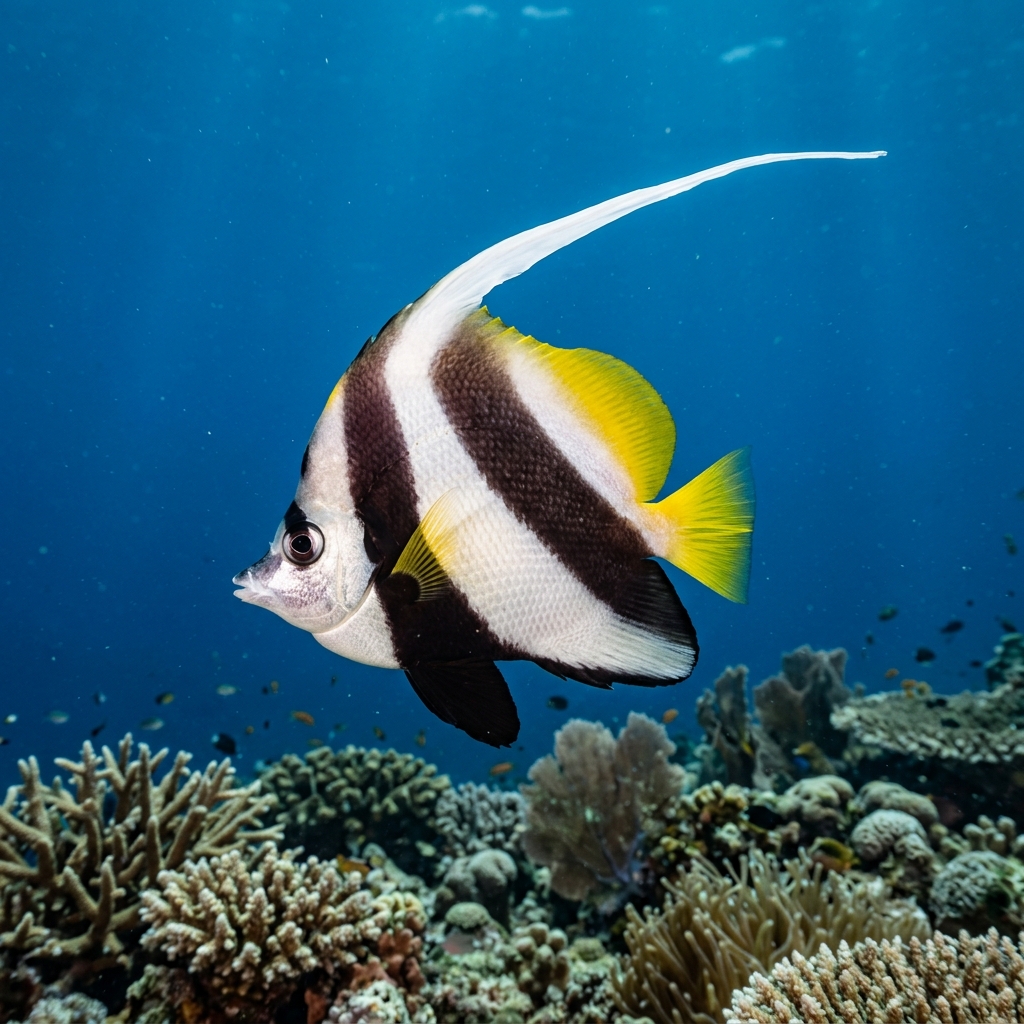
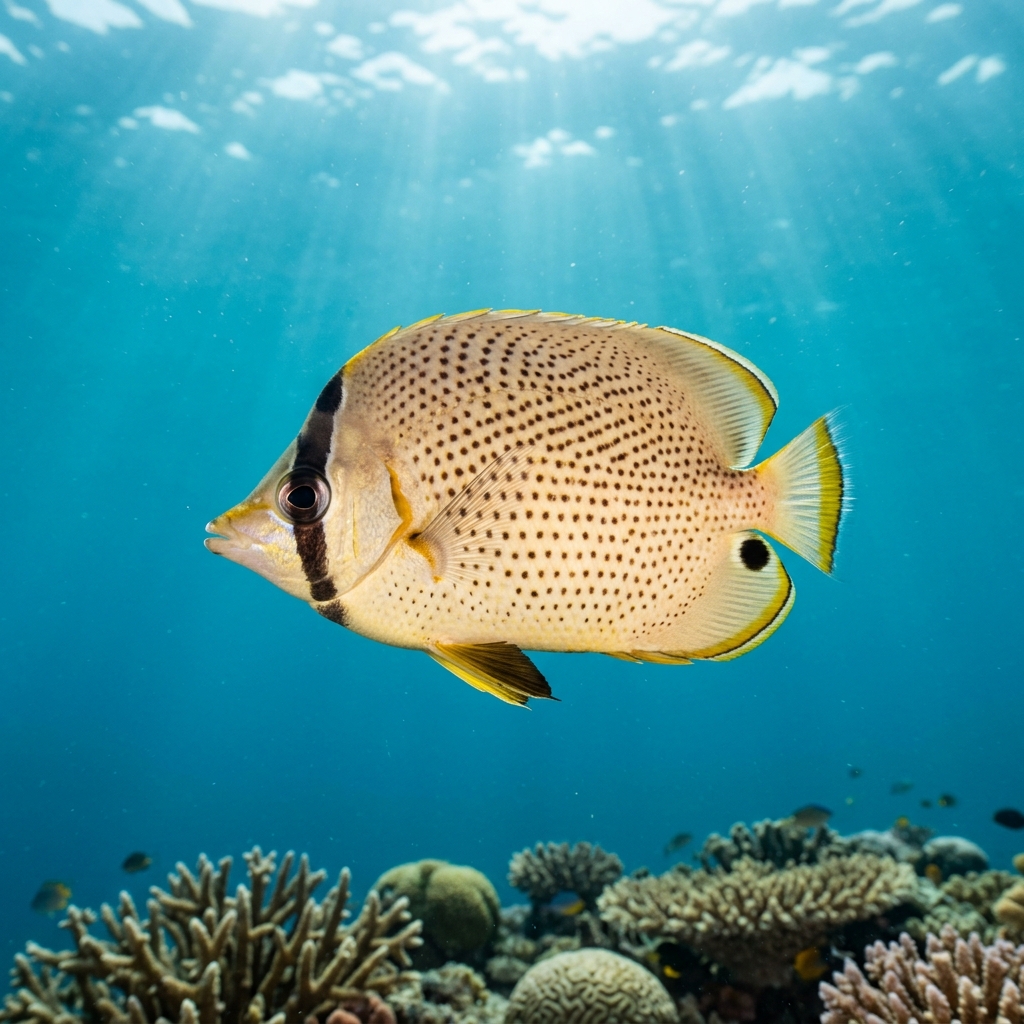
Reef neighbours a diver could mistake it for. Use the identification notes above to tell them apart.
Most logged in Australia and Japan, with the Okinawa Islands and Queensland leading the count by a wide margin. Western Australia adds a solid spread of sightings, while Viti Levu and Taveuni in Fiji and the reefs around Nouméa in New Caledonia round out the best bets. Norfolk Island also carries records if you happen to be diving there.
Mapping where Blueblotched Butterflyfish is logged…
The strongest records come from the Okinawa Islands in Japan and Queensland in Australia, with further sightings across Western Australia, Fiji (particularly Viti Levu and Taveuni), and the reefs near Nouméa in New Caledonia. Norfolk Island also carries a small number of confirmed sightings.
In the Southern Hemisphere, sightings concentrate from May through February, broadly covering the warmer months and into autumn. In Japan's Okinawa Islands the species can be found across much of the year, as water temperatures there often stay within its preferred 22 to 28°C range.
Look for a small, disc-shaped yellow fish with a single vivid blue oval blotch on its mid-flank, the feature that gives the species its name. A dark bar runs through the eye, typical of butterflyfish. That blue patch is unique among the butterflyfish you are likely to encounter in its range, making identification straightforward if you get a clear side-on view.
Across most sites where divers log this species it is classed as rare or uncommon, so a sighting should not be taken for granted. Only a small number of sites return consistent common sightings, mostly concentrated in the Okinawa Islands and Queensland. Slow, careful reef inspection improves your chances.
No. Blueblotched Butterflyfish pose no risk to divers whatsoever. They are small, shy reef fish that will drift away from close approach rather than display any defensive behaviour.
Site and sighting data is aggregated from diver logs, iNaturalist and GBIF. For taxonomy and conservation status: