Chrysiptera cyanea
Electric-blue and barely 5cm, this damselfish is a common find on reefs across Okinawa, Sulawesi and Queensland year-round.
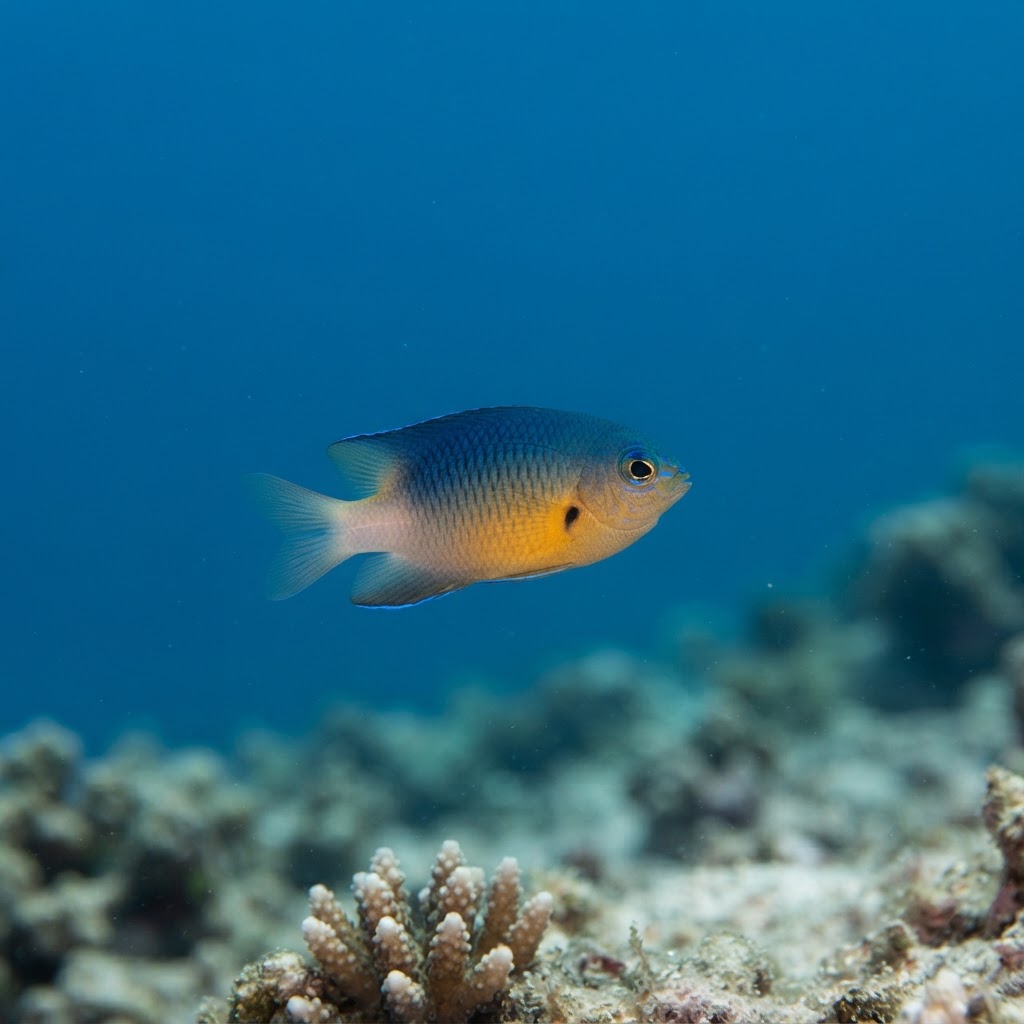
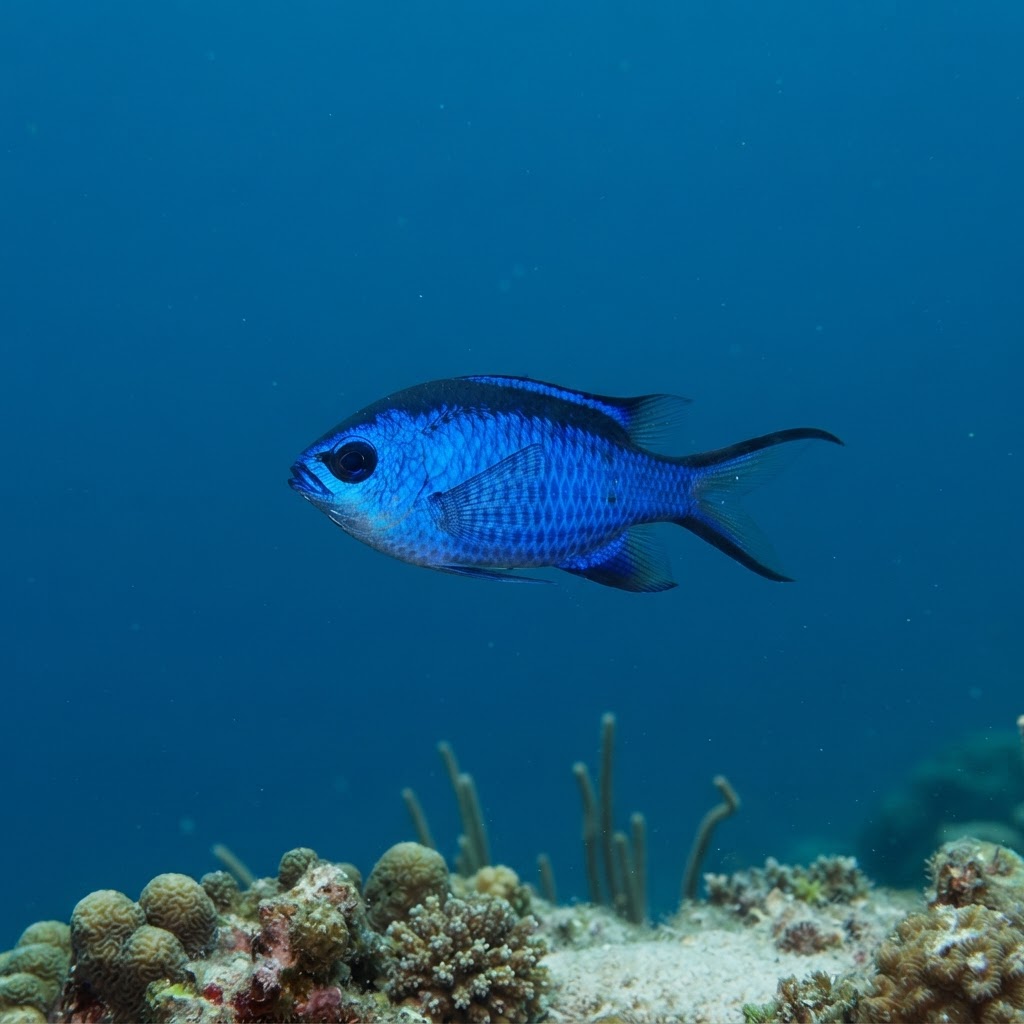
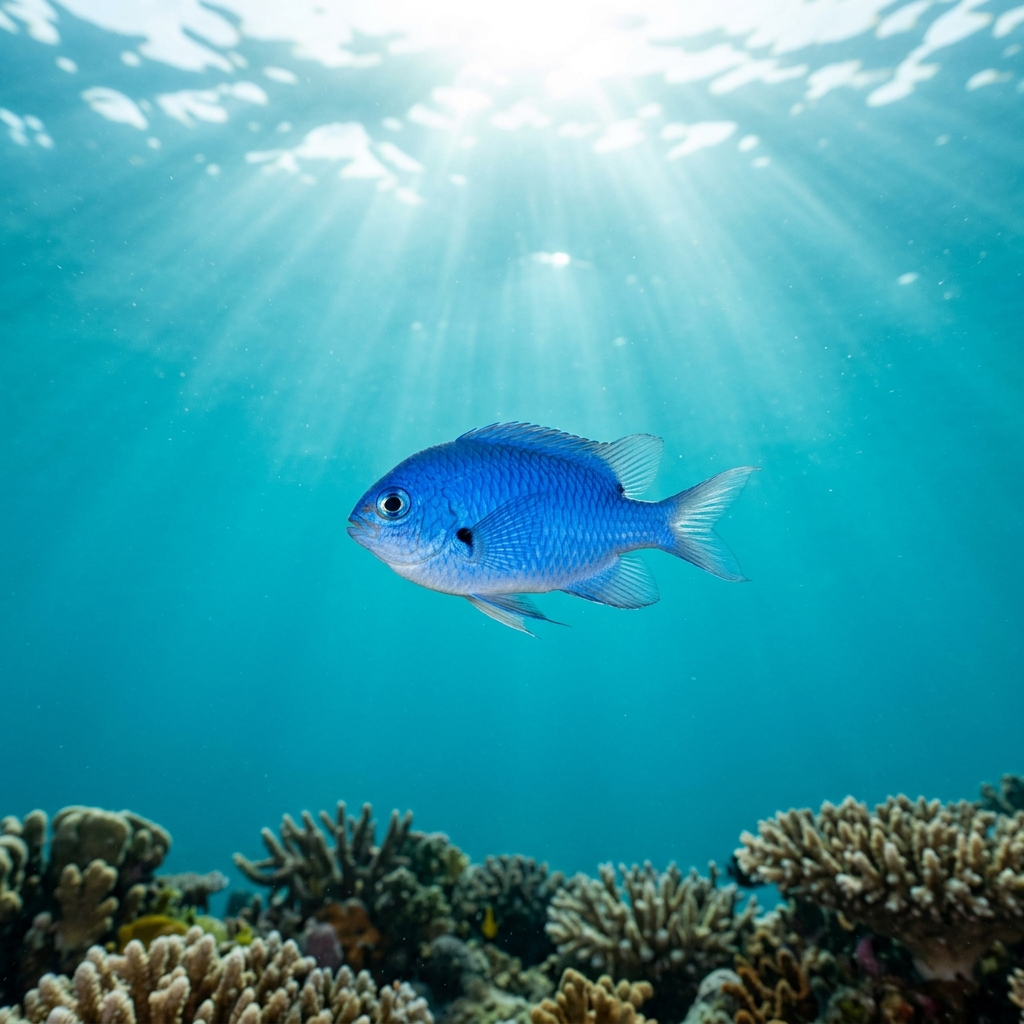
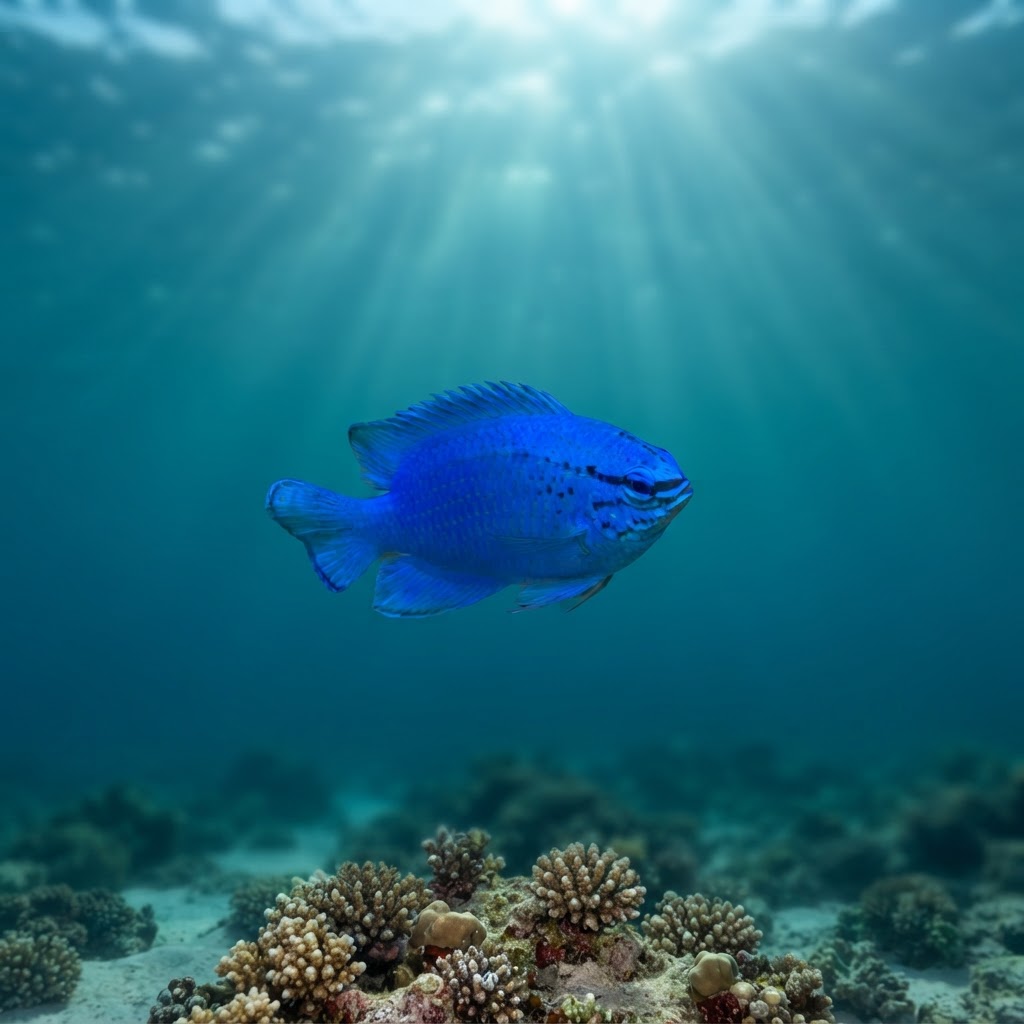
A tiny, deep-bodied fish that flashes an almost neon electric blue over its whole body, capped with a black-edged tail and, in males, an orange-yellow wash on the tail fin. It rarely tops 5 cm, so it reads as a bright blue speck darting around rubble and coral heads rather than a fish you approach head-on. Juveniles are an even more saturated blue with fine black speckling that fades with age.
Look for it hovering just above its chosen patch of rubble or dead coral in shallow water, usually under 10 m, darting out to snap at plankton before retreating to the same shelter. It holds territory fiercely for its size, chasing off other small fish and even nipping at divers who linger too close to its patch. Most sightings are on sunny, calm shallows where the light picks out its colour against the reef.
Males turn a deeper blue and develop a yellow tail flush when guarding eggs, which they tend and defend on the reef substrate until the young hatch.
No clear seasonal pattern shows up in sightings, and with a comfortable range of roughly 26 to 29 C it stays active on shallow reefs all year. Plan around water conditions and visibility at your chosen site rather than chasing a particular month.
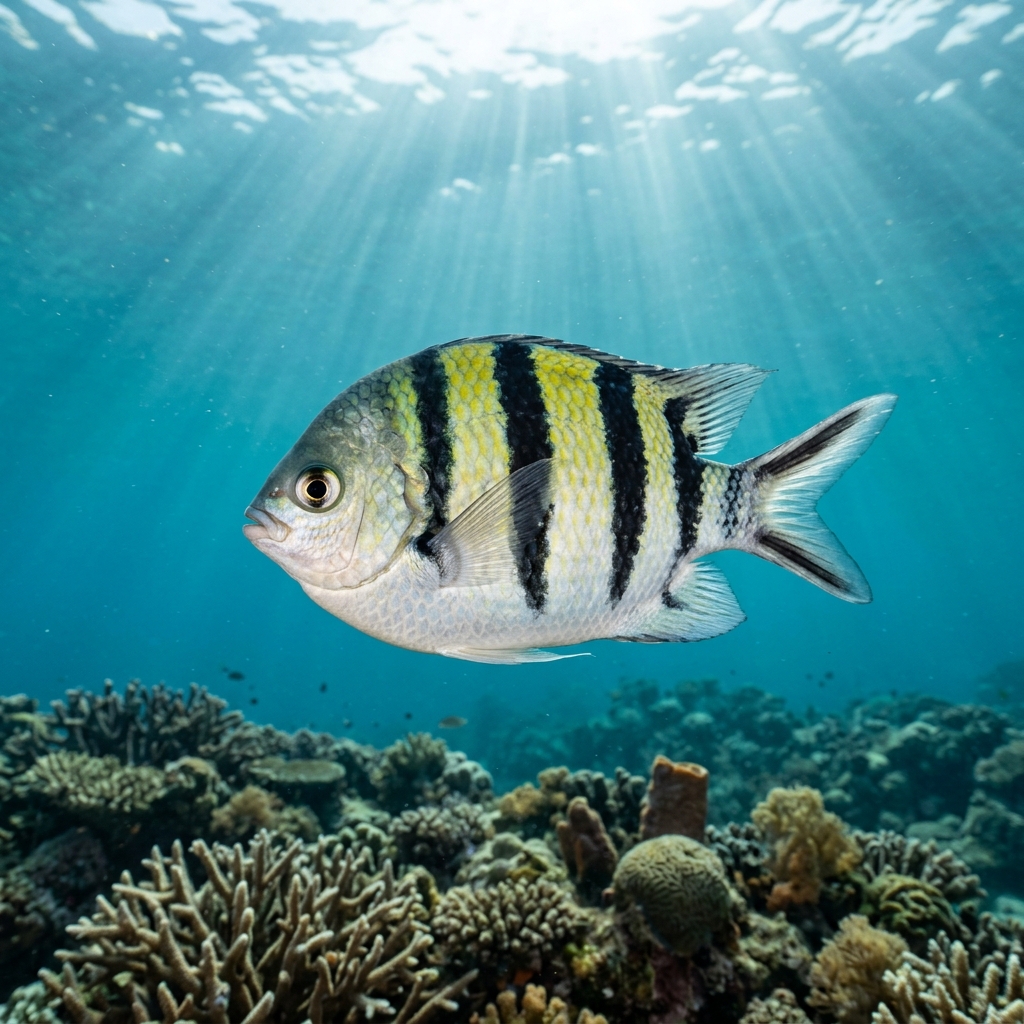
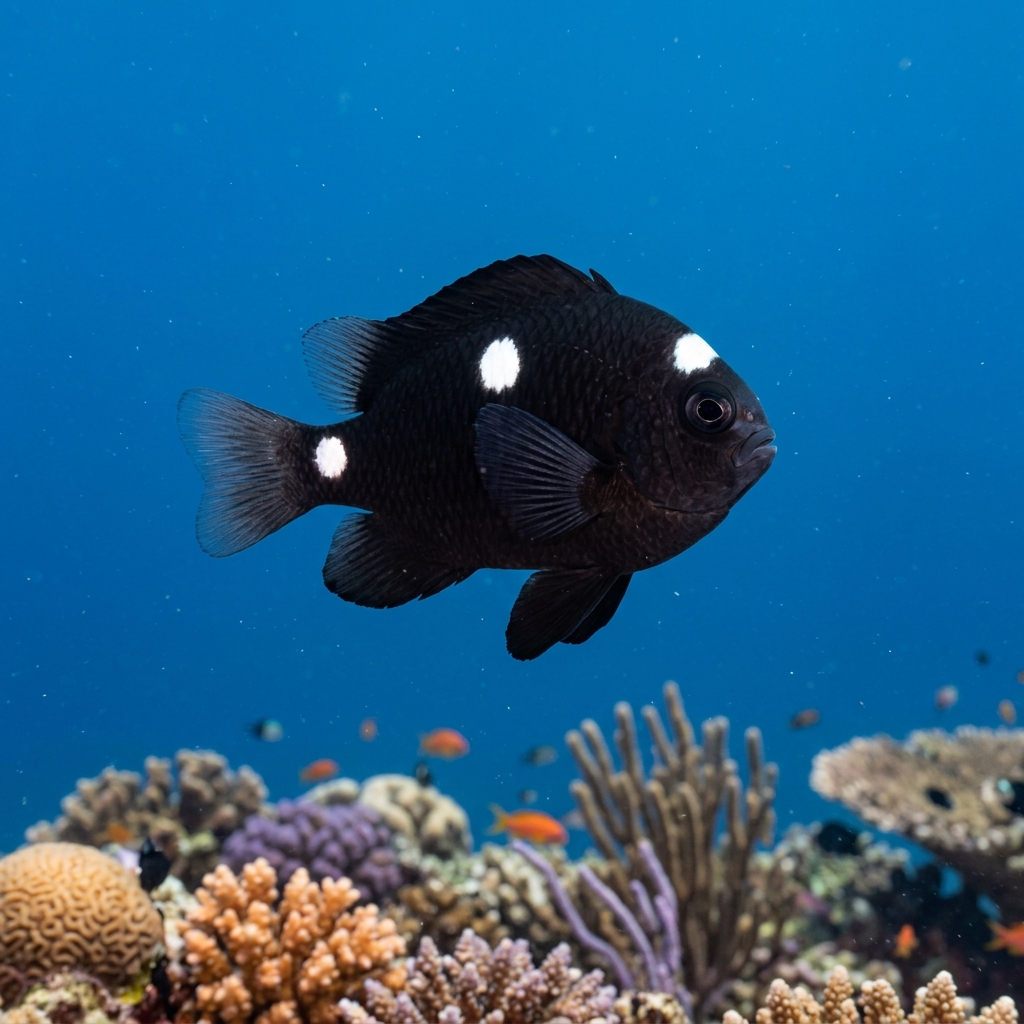
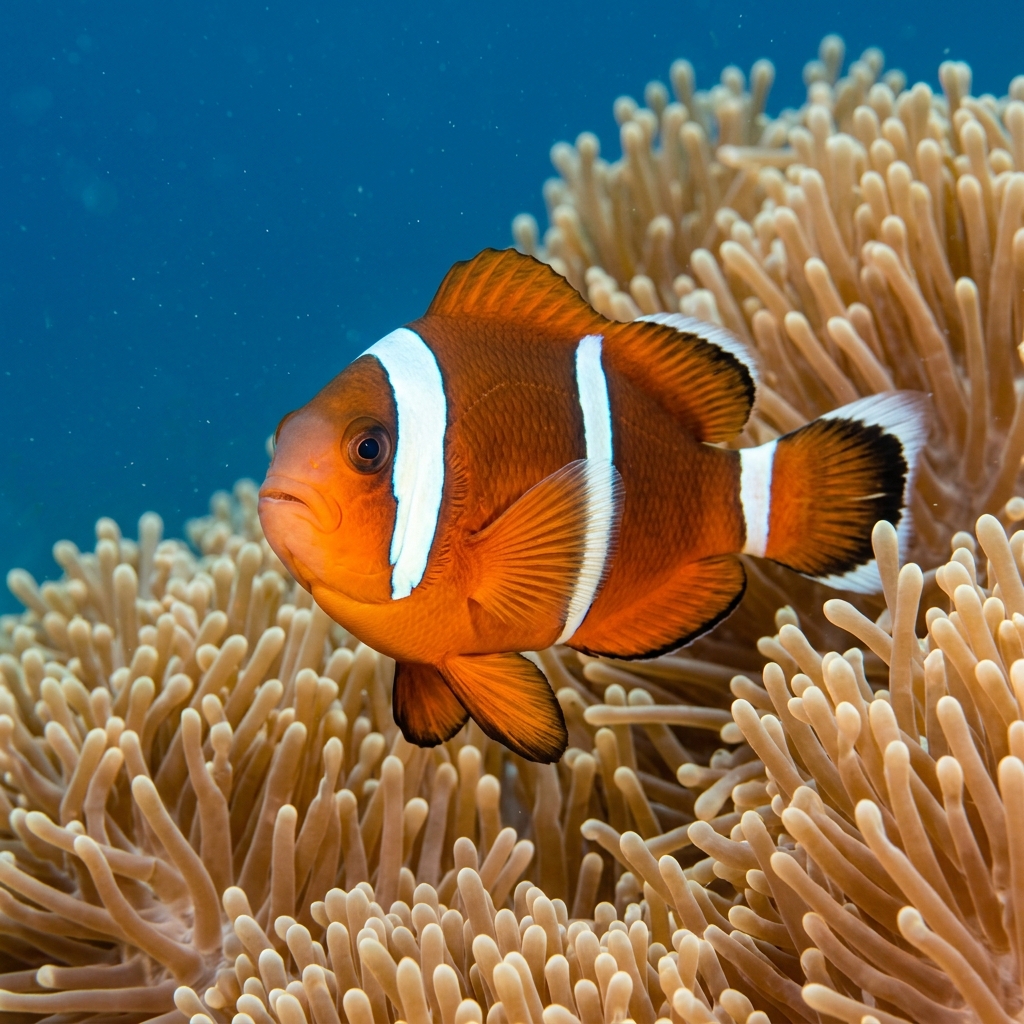
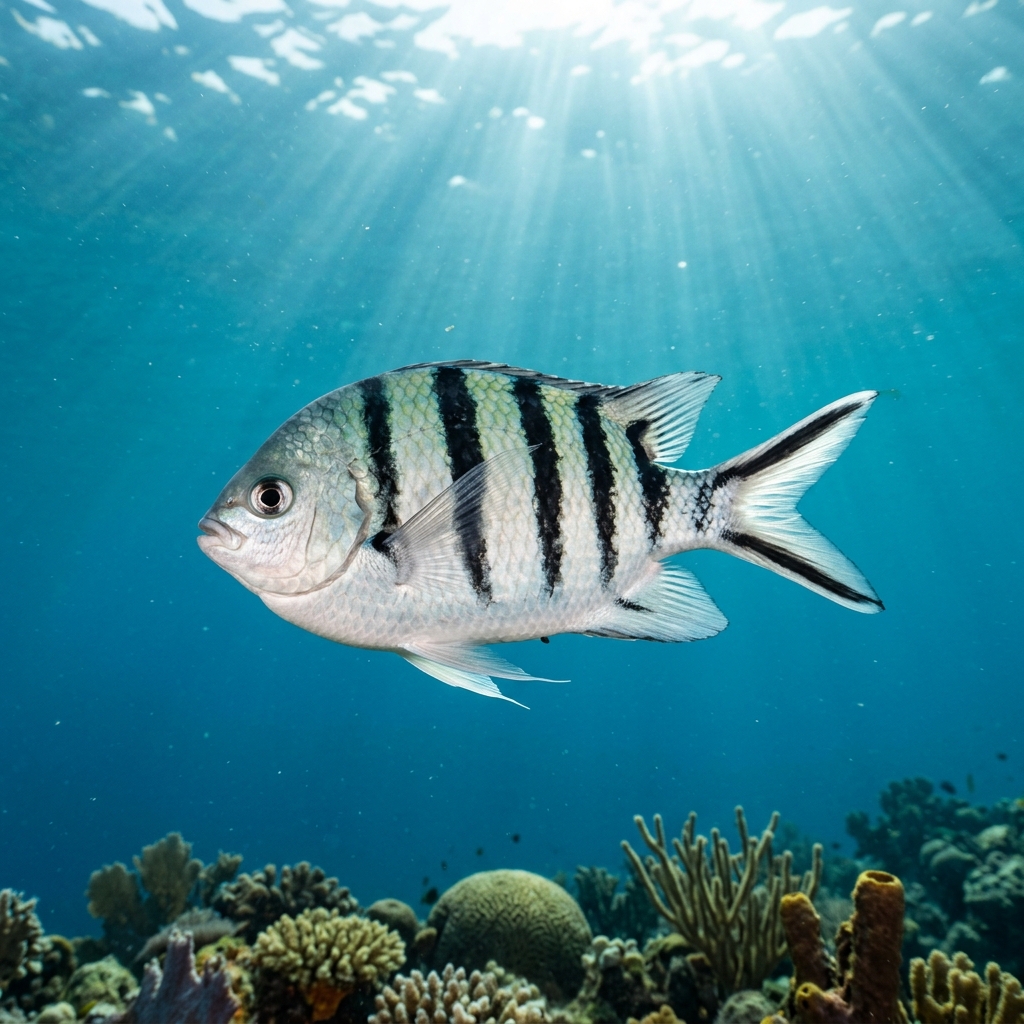
Reef neighbours a diver could mistake it for. Use the identification notes above to tell them apart.
This is one of the most consistently logged small reef fish in Japan, especially through Okinawa and the wider Ryukyu Islands, and it also turns up reliably across Sulawesi in Indonesia. Divers also find it on reefs in Queensland, Australia, the Visayas and Luzon in the Philippines, and Atauro Island in Timor-Leste, usually in shallow water close to shore.
Mapping where Blue Damselfish is logged…
Okinawa and the Ryukyu Islands in Japan are the most reliable spot, with strong numbers also in Sulawesi, Indonesia, and on reefs in Queensland, Australia. The Philippines and Timor-Leste's Atauro Island are other solid options.
There is no strong seasonal pattern, so they are seen year-round on tropical reefs. Warm water between roughly 26 and 29 C keeps them active whenever you dive.
Look for a small, deep-bodied fish in solid electric blue, no bigger than about 5 cm, hovering near rubble or coral heads. Males show a yellow-orange tinge on the tail fin, and the tail edge is often outlined in black.
They stay small, typically around 5 cm, making them one of the tinier fish you will spot on a reef. Their size combined with bright blue colour is actually what makes them easy to pick out against darker coral and rubble.
No, they pose no real danger to divers. They can nip at fingers or masks if you get too close to their territory, but this is a defensive bluff rather than a real threat.
Males guard and defend a patch of eggs laid on the reef substrate, turning a deeper blue with a yellow tail flush during this period. They will confront fish and divers many times their size to protect the nest.
Site and sighting data is aggregated from diver logs, iNaturalist and GBIF. For taxonomy and conservation status:
Dascyllus
3,697 sites