Acanthurus olivaceus
Grey-brown surgeonfish with an orange teardrop mark, logged from Hawaii to Bali, comfortable in 24.5-28.7C reef water year-round.
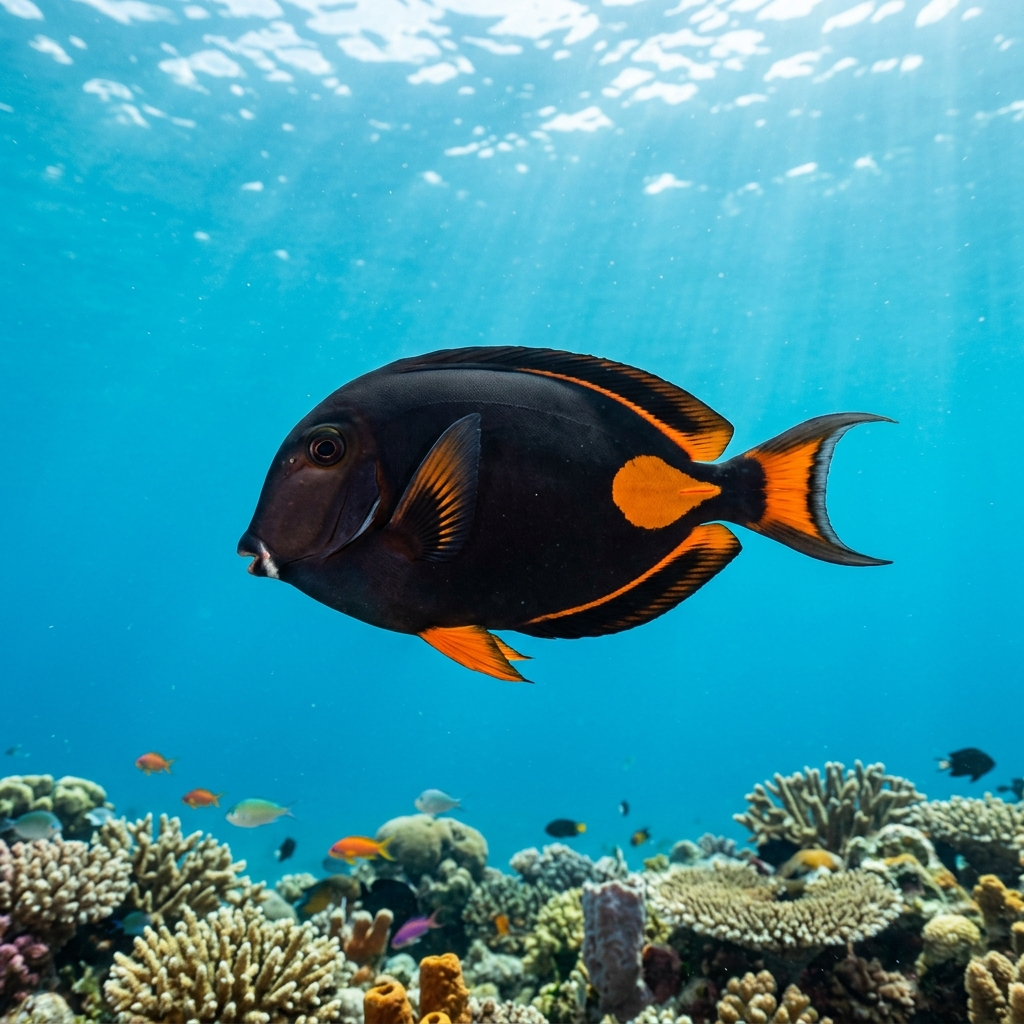
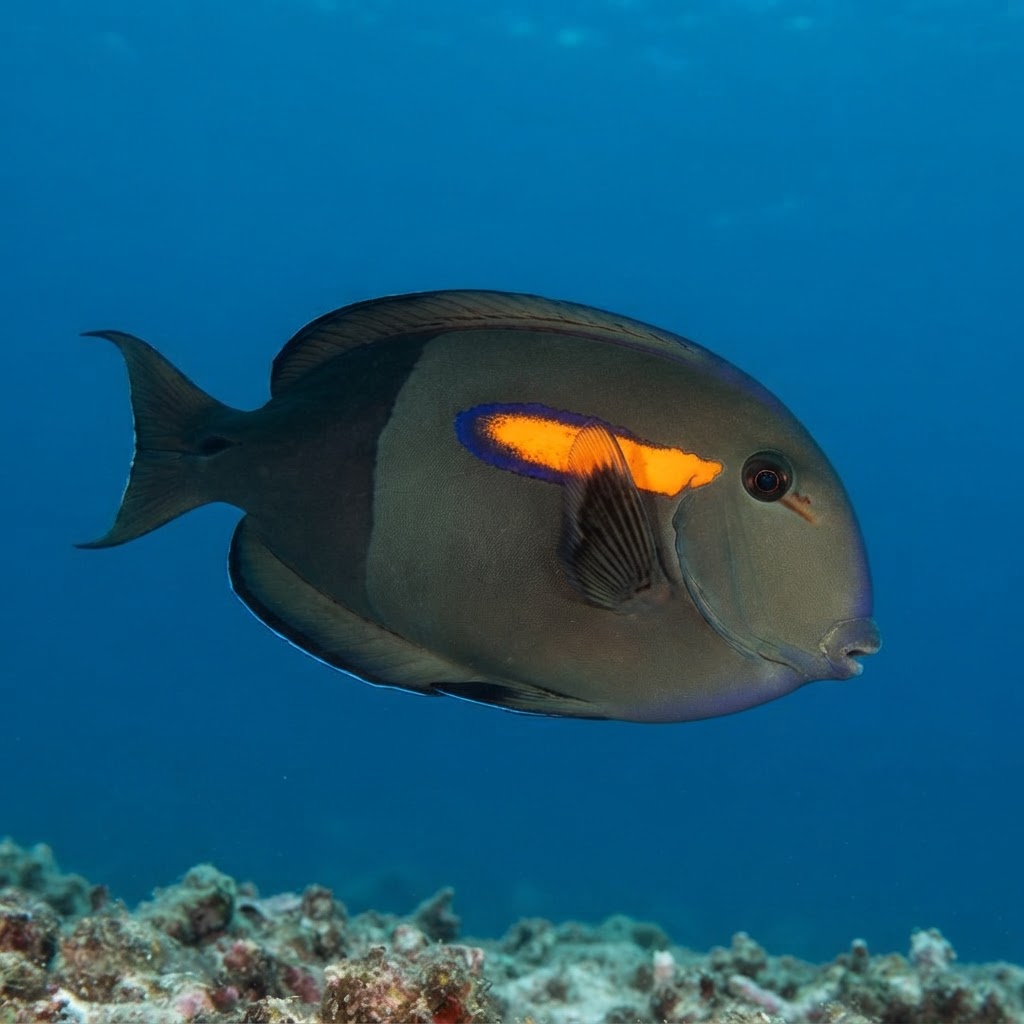
Look for an oval, laterally flattened body in muted grey-brown to purplish tones, growing to around 24 cm, with a distinct bright orange teardrop-shaped patch behind the gill cover, just above the pectoral fin. The tail is pale with a dark trailing edge, and like other surgeonfish it carries a sharp scalpel-like spine near the base of the tail that is only visible when raised in defence. Younger fish are a more uniform yellow-grey and lack the sharp orange marking until they mature.
Usually seen grazing algae off rock and rubble patches on the reef slope, often solitary or in loose pairs rather than large schools. It tends to keep a bit of distance from divers but won't bolt for cover the way some shyer surgeonfish do, making it an easy fish to watch for a few minutes if you hold still. Most sightings come from mid-depth reef areas rather than the shallows or the drop-off.
Like other surgeonfish it carries a razor-sharp spine folded flat near the tail base, flicked out sideways only as a last-resort defence against predators rather than divers.
No clear seasonal pattern shows up in the sighting data, and with a comfortable range of about 24.5 to 28.7C it stays on tropical and subtropical reefs year-round. Plan around your destination's general dive season rather than a specific month for this species.
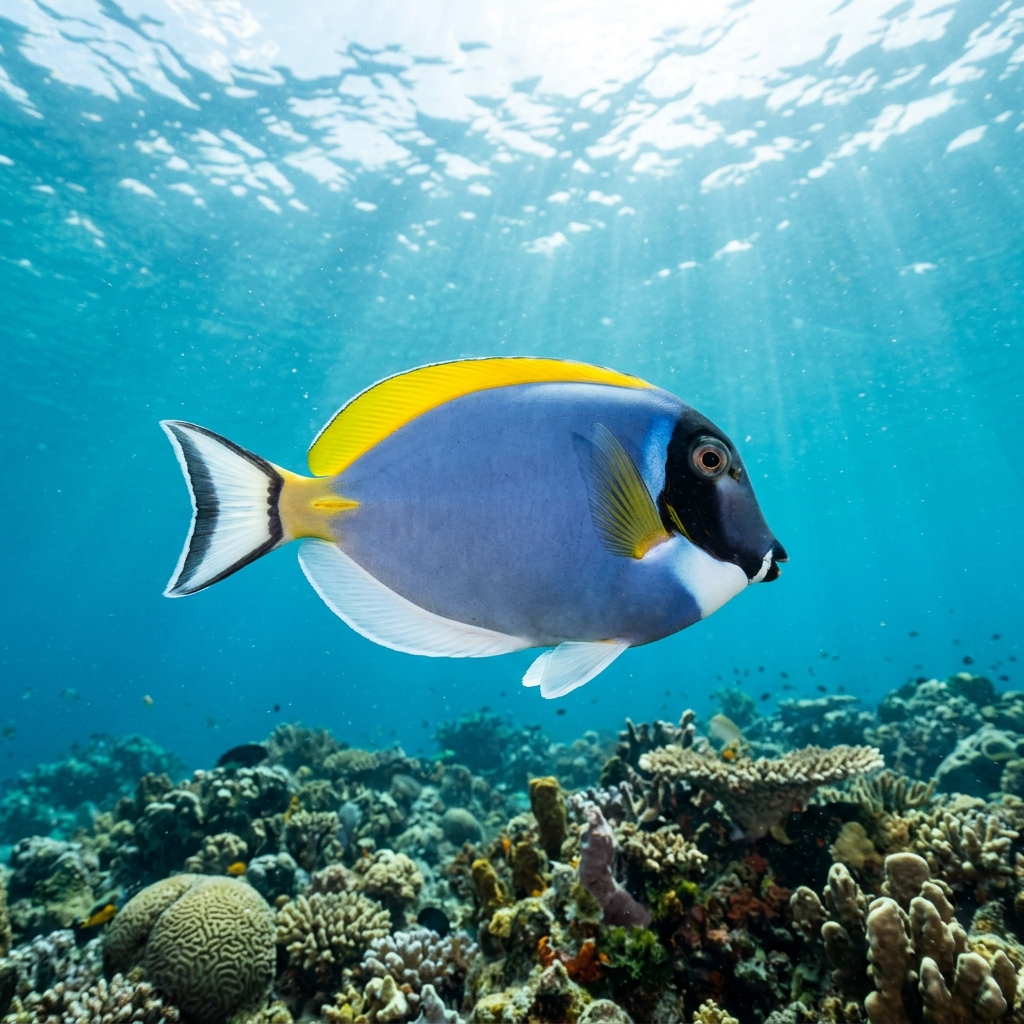
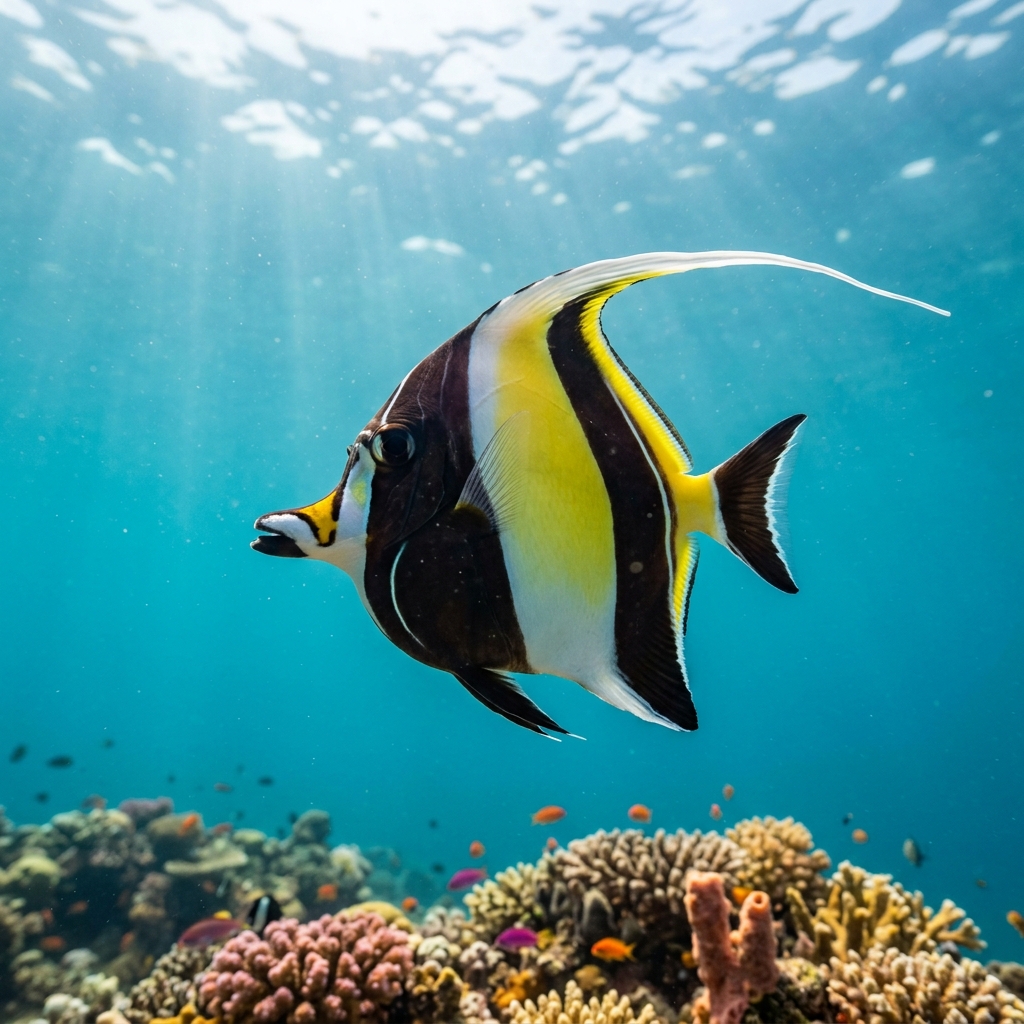
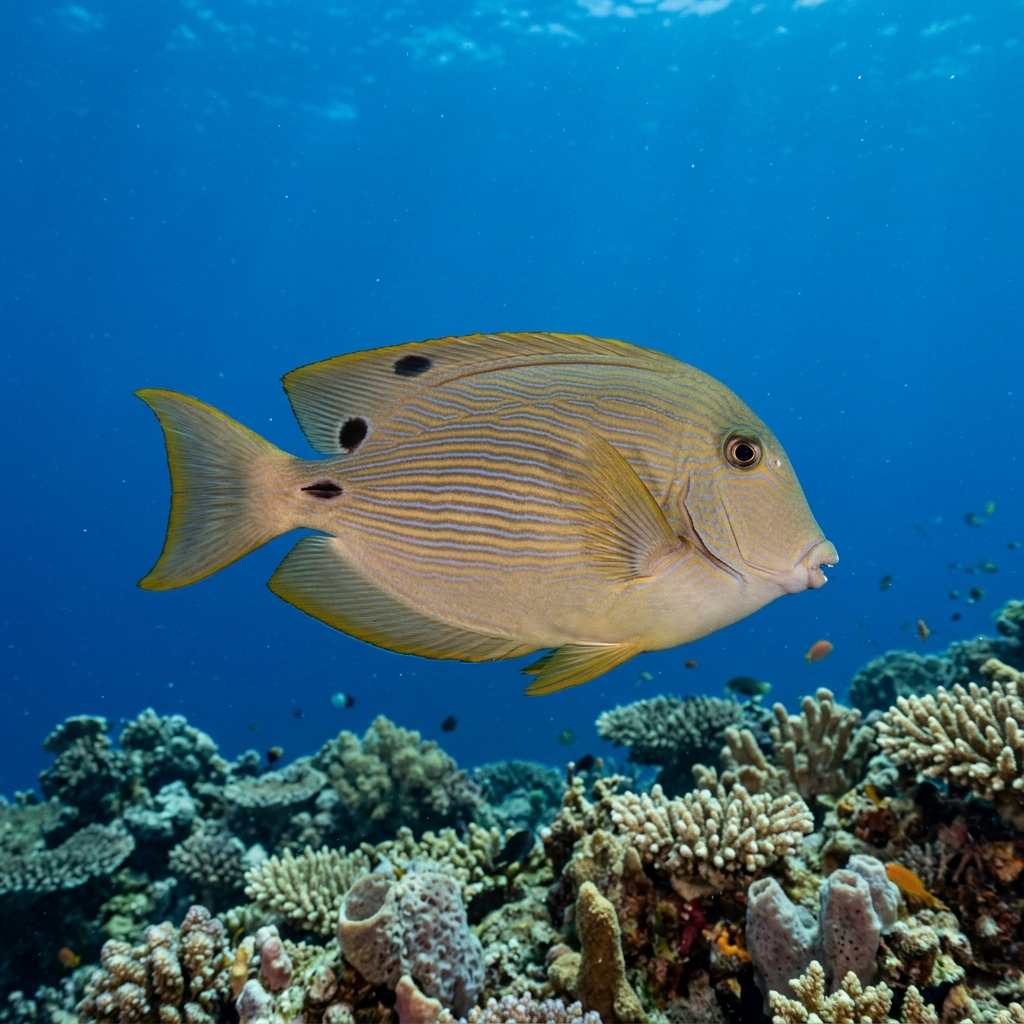
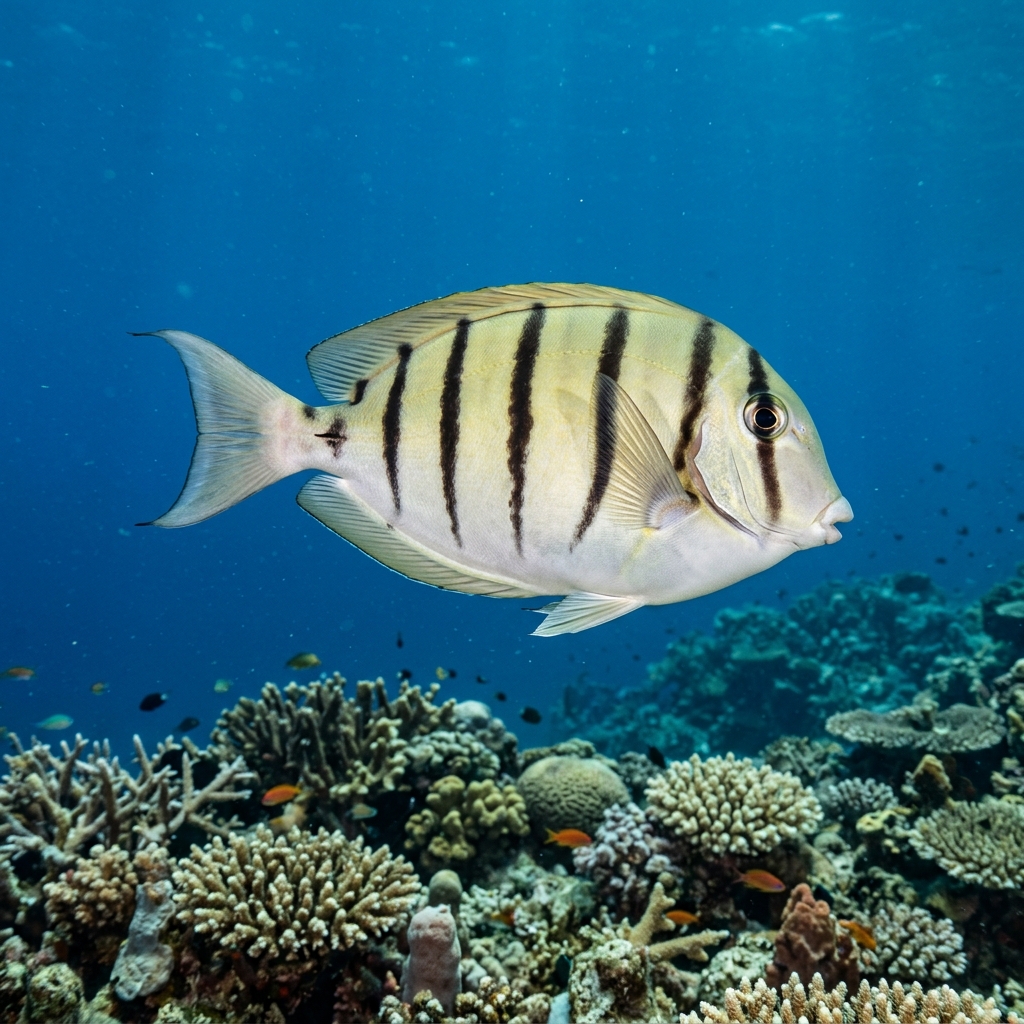
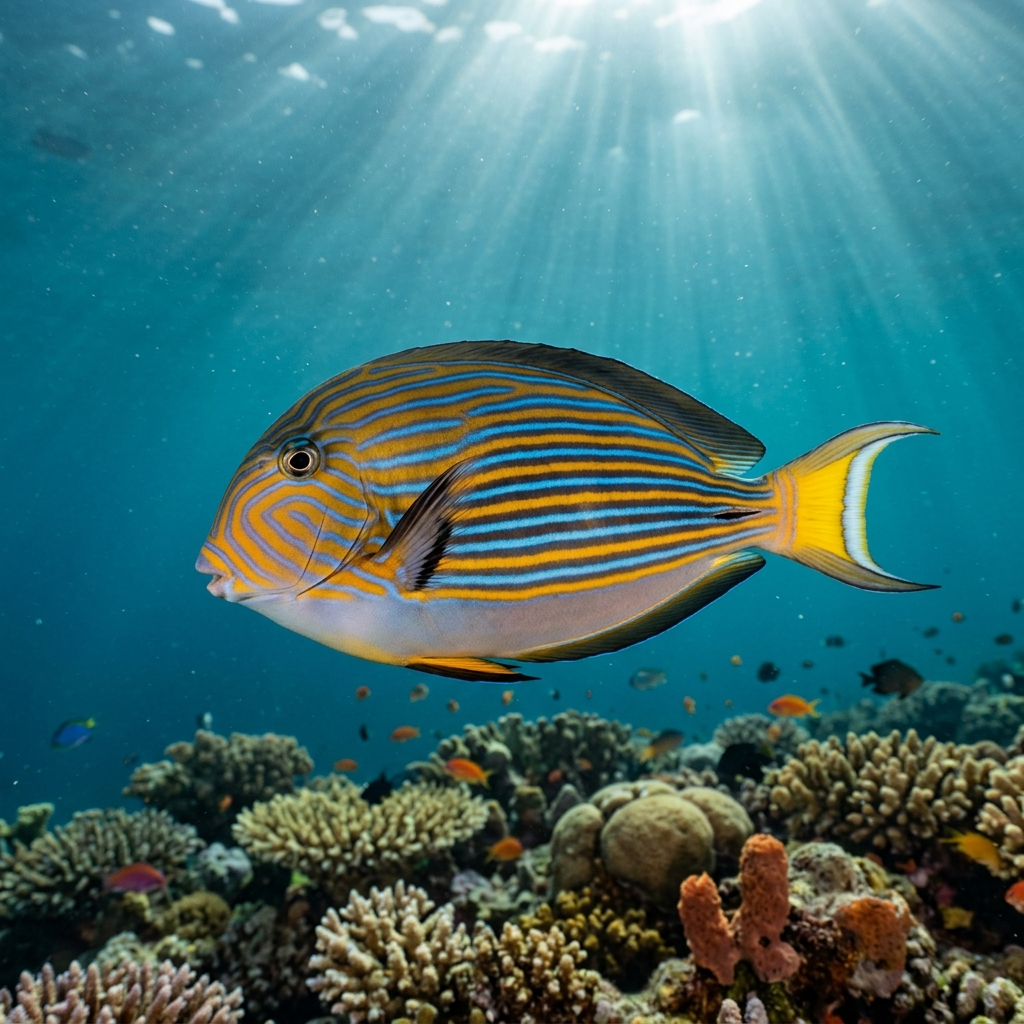
Reef neighbours a diver could mistake it for. Use the identification notes above to tell them apart.
Most reliably logged around Hawaii, which dominates sightings, with strong populations also across the Society Islands in French Polynesia and the Okinawa and Ryukyu Islands of Japan. Indonesia turns it up regularly too, particularly in Nusa Tenggara and Bali, with further sightings in New South Wales, Australia, Orchid Island in Taiwan, and around Rarotonga in the Cook Islands.
Mapping where Orange Spot Tang is logged…
Hawaii is the standout location, with the Society Islands in French Polynesia and Okinawa in Japan also strong. Indonesia's Nusa Tenggara and Bali, plus Taiwan's Orchid Island and Rarotonga in the Cook Islands, are other reliable spots.
There's no strong seasonal signal in the sightings, and its temperature comfort zone of roughly 24.5 to 28.7C keeps it on reefs all year. Any time you'd normally dive its home region should work.
Check for a grey-brown oval body with a bright orange teardrop patch just behind the gill cover, above the pectoral fin. The pale tail with a dark rear edge is another useful clue at a glance.
They typically reach around 24 cm, a mid-sized surgeonfish easily judged against nearby reef fish or coral heads for scale.
No, they pose no real threat to divers. Like all surgeonfish they carry a sharp spine near the tail base for defence against predators, but it's not a concern if you simply avoid grabbing or cornering them.
Most divers who log one describe it as uncommon rather than common, so it's a nice find but not guaranteed on every dive. Some sites, especially in Hawaii, report it more regularly.
Site and sighting data is aggregated from diver logs, iNaturalist and GBIF. For taxonomy and conservation status:
Striped Surgeonfish
3,289 sites