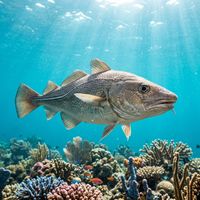
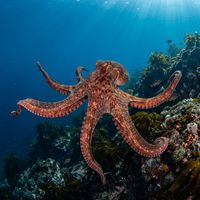
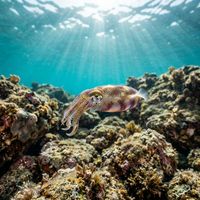
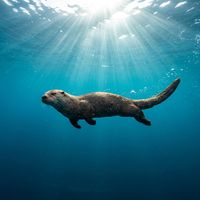
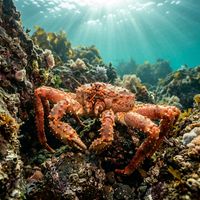
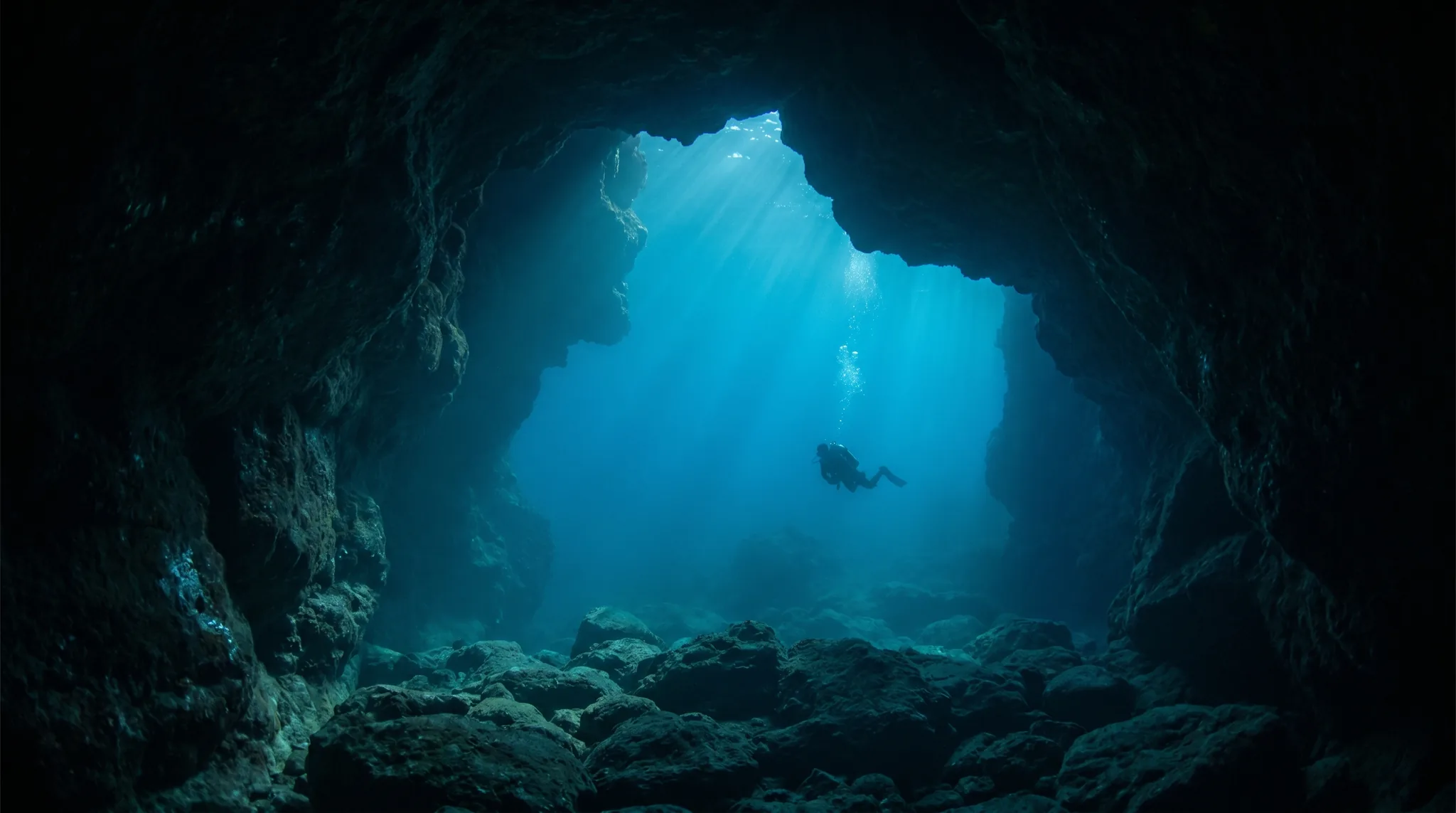
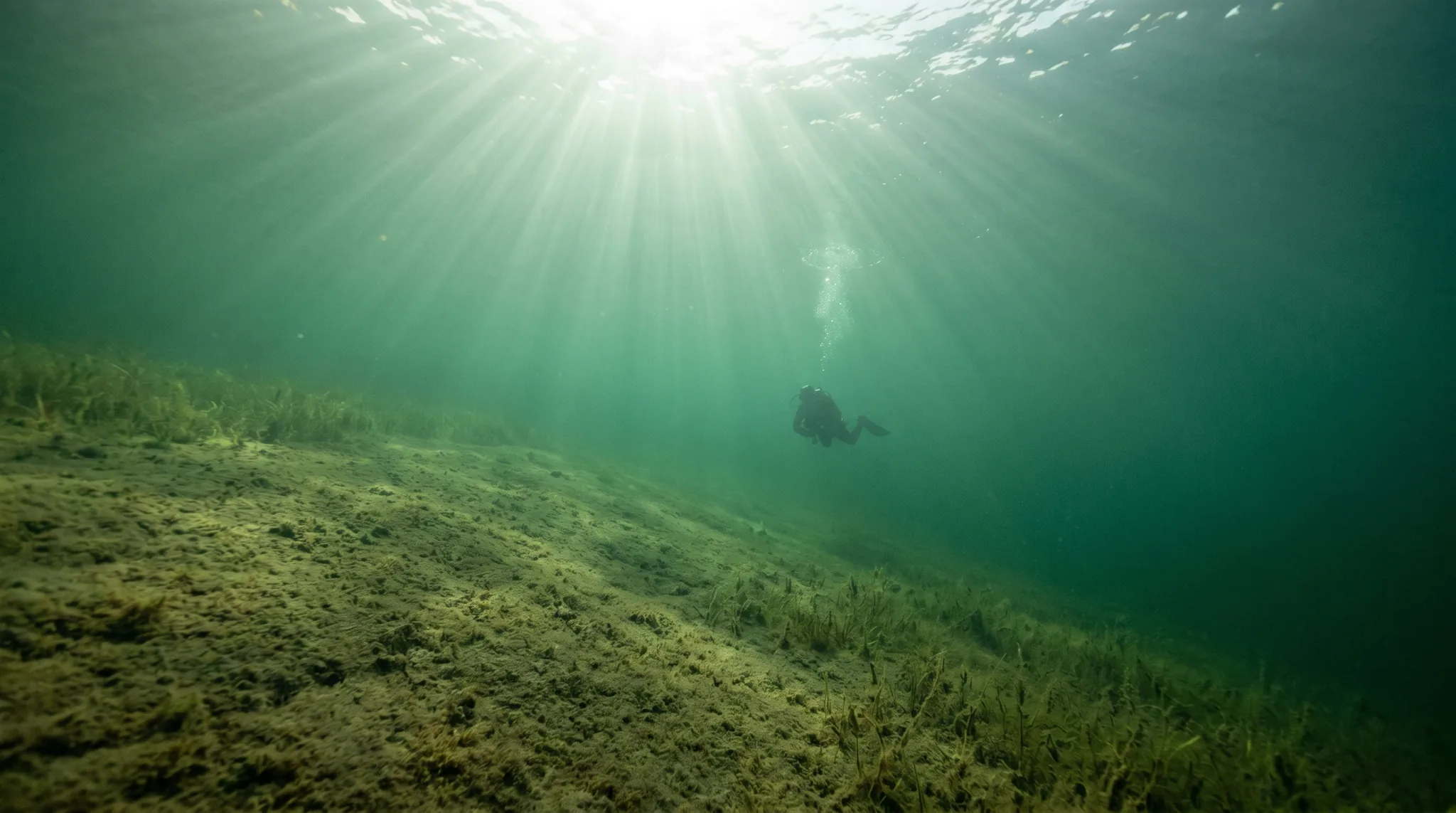
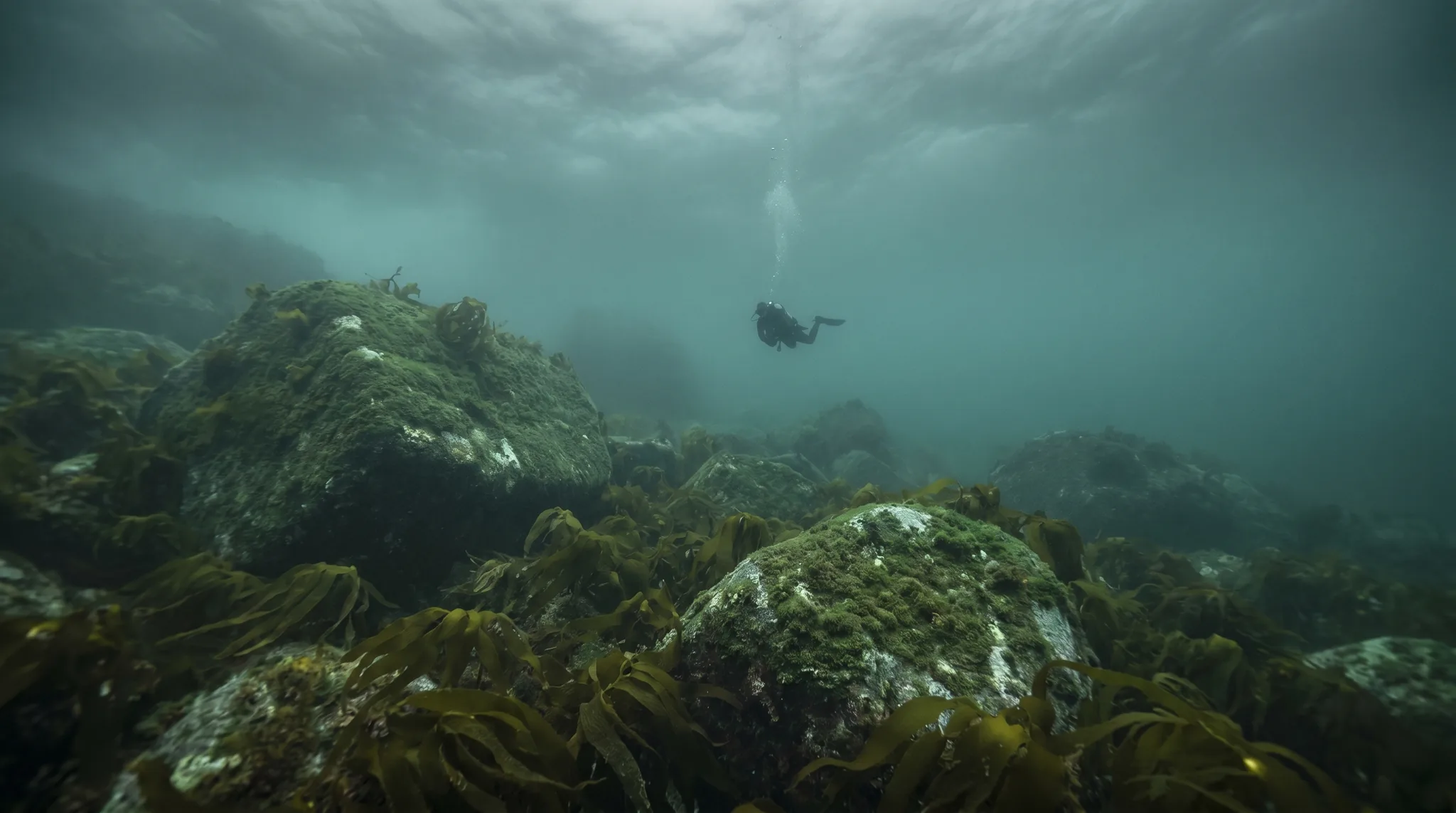
Hokkaido offers an unusually broad scope for a single region: cold saltwater diving in the Sea of Japan, the Sea of Okhotsk, and the Pacific Ocean, plus freshwater diving in Lake Shikotsu. Temperatures drop well below ten degrees Celsius in winter and rarely exceed the low twenties in summer, so thermal protection is essential throughout the year. Sites in our database include the kelp-forest drift at Rausu, the freshwater drop-off at Shikotsuko Lake, and cave systems at Candle Rock and Bikuni Treasure Island. Recorded species include orca, Steller sea lions, king crab, gorgonians, and several nudibranch species, reflecting the cold-water biodiversity the region is known for.
Monthly water temperature across Hokkaido's sites, from satellite sea-surface data corrected for depth. The band shows the site-to-site spread.
Temperatures range from around three degrees Celsius in late winter to the low twenties in late summer, with the warmest window running through August and September. Divers planning winter visits should be equipped for near-freezing conditions; those targeting summer benefit from the longest comfortable dive windows and the best visibility at freshwater sites like Shikotsuko Lake.
1 operator
Water temperature around Hokkaido ranges from about 6°C in February to 22°C in September, based on satellite sea-temperature data for its dive sites.
In the warm season (about 22°C) a 3mm full suit is comfortable in Hokkaido; in the coldest months (about 6°C) step up to a drysuit.
Fin maps 8 sites in Hokkaido (8 scuba diving sites).
2 more sites to explore