Best for advanced divers, 8-25m, boat entry, strong current.
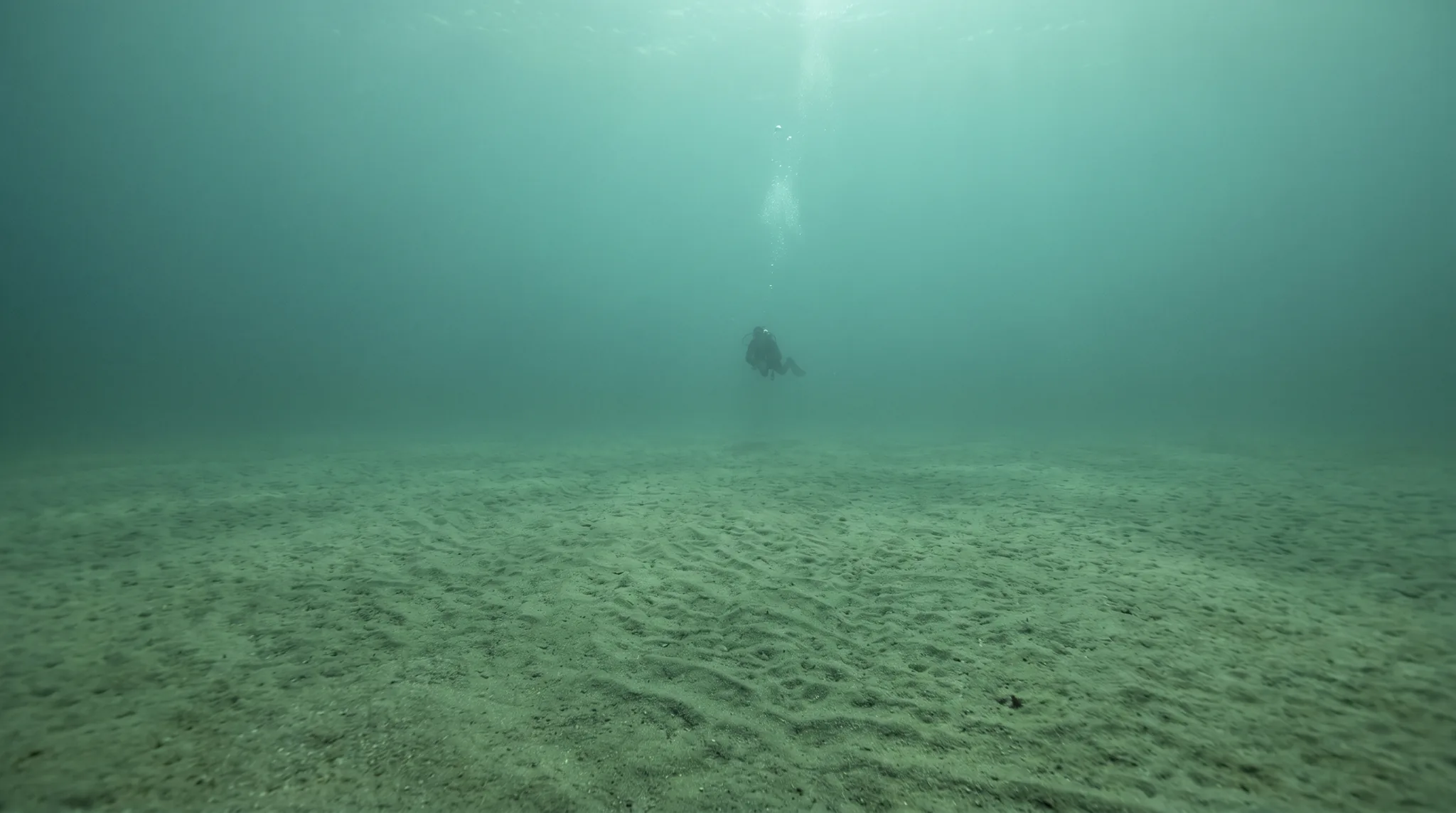
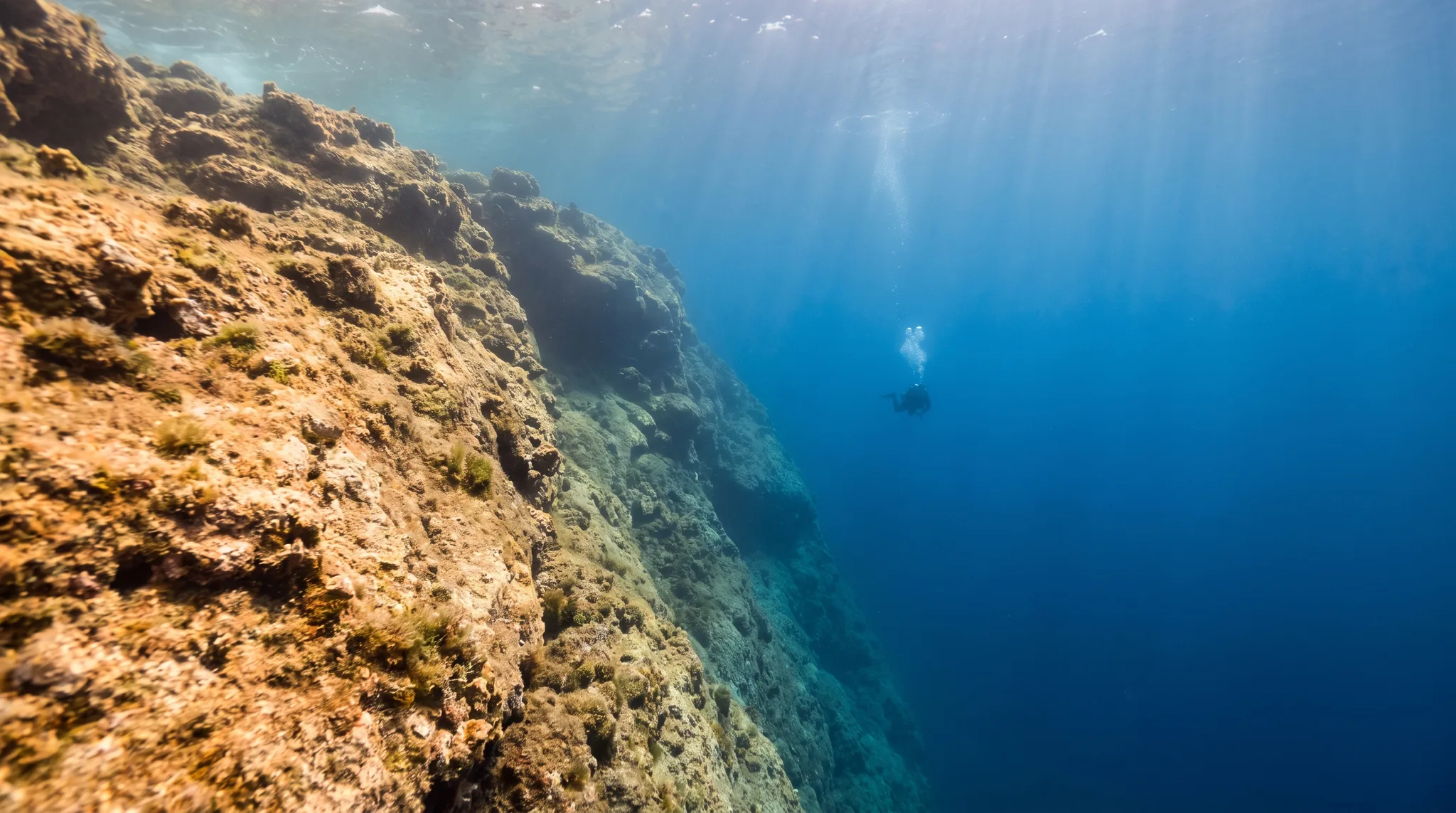
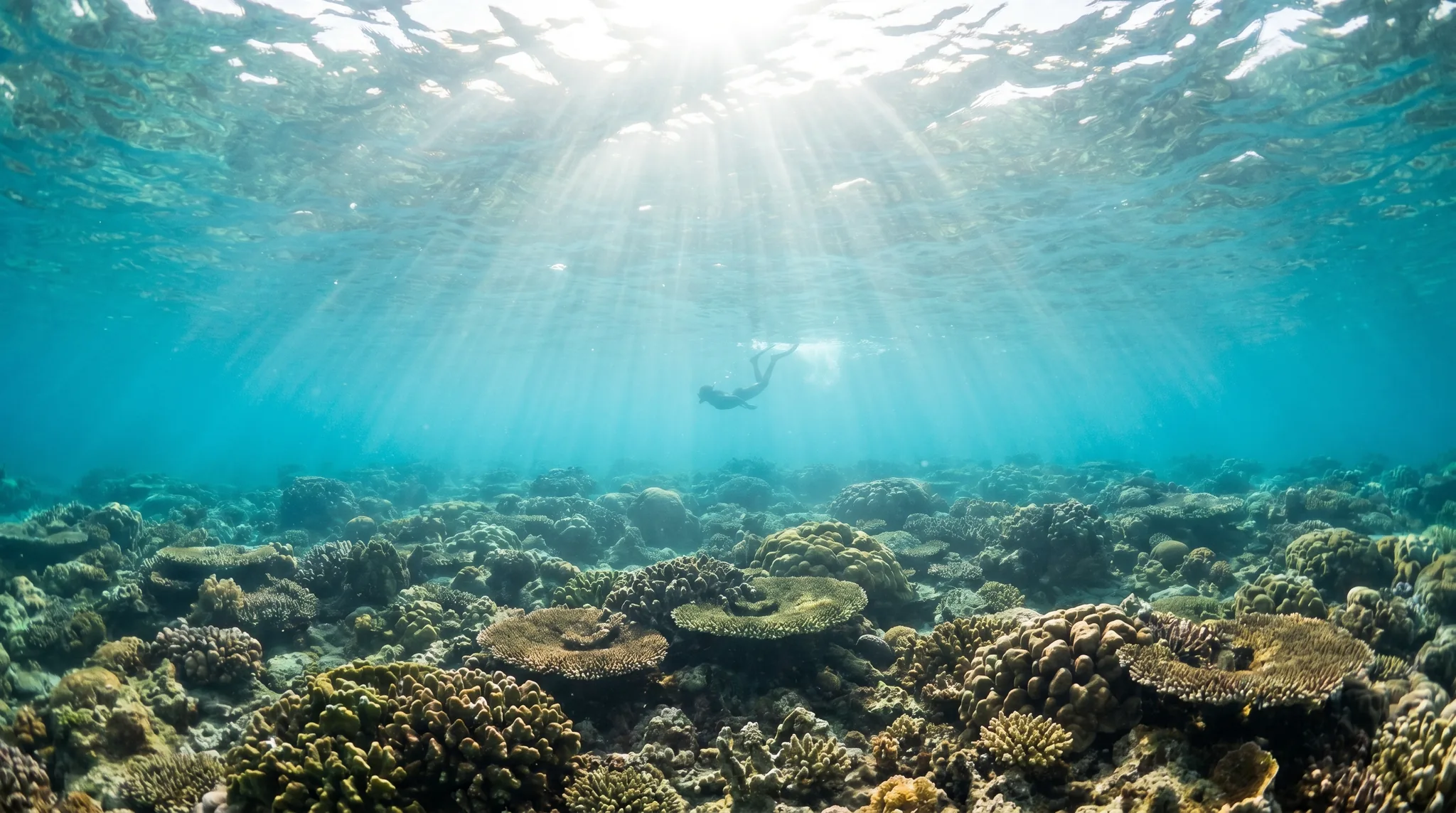
Nishikawana is a varied dive site on the Izu Peninsula featuring a combination of reef, drop-off, and cavern topography. Depths range from 8 to 25 metres, with an average of 16 metres. The site is defined by strong, shifting currents resulting from the collision of the warm Kuroshio Current and colder water masses. Visibility typically spans 10 to 20 metres. Due to the constant, strong currents and the need for drift diving proficiency, this site is strictly for advanced divers. Access is by boat only, and divers must maintain close proximity to the vessel during entry and exit. Typical dive duration is 50 minutes.
34.97623, 139.77421
The strong current at Nishikawana can shift direction unpredictably, so brief carefully with your divemaster before the boat drops you. Timing your descent to coincide with slack water, where possible, gives you the most control when navigating the cavern section.
Located at the tip of the Boso Peninsula, 90 minutes from Tokyo by car.
Recorded at this site
Depth
8-25m
Visibility
10-20m
Skill Level
Advanced
Entry
Boat
Boat required
Water Temp
17-25°C
Current
Strong
Typical Dive
50 min
Best Time
Year-round
This site requires an advanced certification due to the constant, strong currents and the necessity for drift diving skills.
The site ranges from 8 to 25 metres in depth, with an average depth of 16 metres.
Nishikawana is a boat-only dive site. Divers must remain close to the boat during deployment and recovery due to the strong currents.
Water temperatures range from 17C to 25C throughout the year, influenced by the interaction of the Kuroshio Current and colder currents.
Facilities include a dive shop, parking, showers, changing rooms, and rinse stations. Guided tours are also available.
Diving at Nishikawana in Tateyama requires the following certifications: Advanced. Always dive within your training limits.
The best months to visit Nishikawana in Tateyama are January, February, March, April, May, June, July, August, September, October, November, and December. Conditions outside these months can still be good but are less predictable.