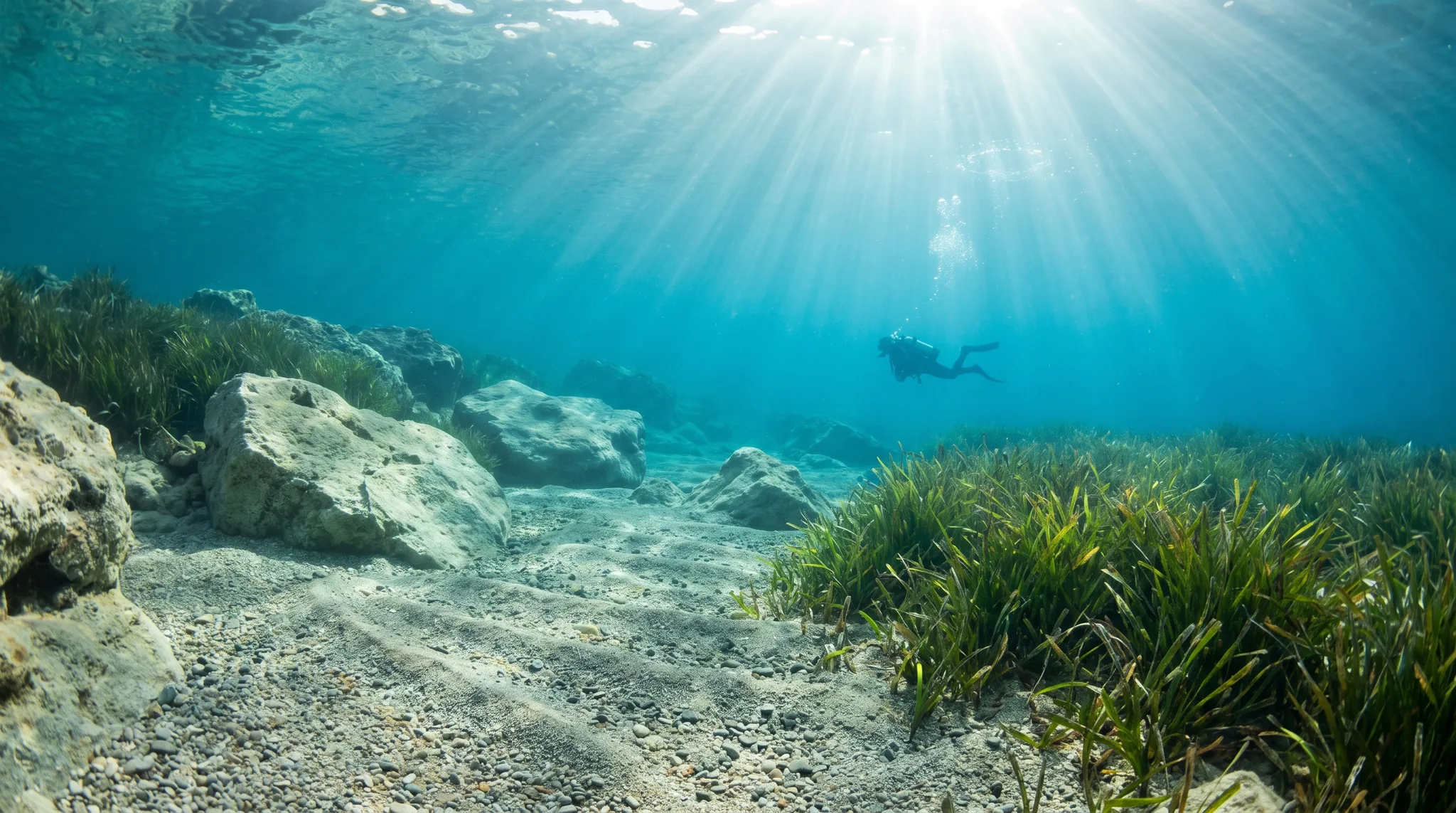
Dogashima and Tago offer a compact but varied dive scene anchored by caves, walls, pinnacles and artificial reef structures. The topography shifts notably between sites: Futou combines natural reef with cave and artificial reef from shore, while Dougashima adds drop-offs accessible by boat. Crab, Wrasses and Striped Shore Crab are consistently present across sites, and Frogfish and Blue Dorid Nudibranch stand out as signature finds. Conditions peak through summer and early autumn, when the water warms noticeably.
Monthly water temperature across Dogashima & Tago's sites, from satellite sea-surface data corrected for depth. The band shows the site-to-site spread.
Water temperature follows a clear seasonal arc, sitting at its coolest in late winter and climbing steadily through spring into a warm summer peak. The warmest and most popular months run from June through October, when visibility also tends to be at its best. Outside that window, cooler conditions persist through winter but the sites remain diveable, rewarding those willing to don an extra layer.
13 operators
6 more sites to explore
Water temperature around Dogashima & Tago ranges from about 16°C in February to 26°C in September, based on satellite sea-temperature data for its dive sites.
In the warm season (about 26°C) a 3mm full suit is comfortable in Dogashima & Tago; in the coldest months (about 16°C) step up to a 7mm or semi-dry suit.
Fin maps 12 sites in Dogashima & Tago (12 scuba diving sites and 3 snorkelling spots, with some suited to both).
Across Dogashima & Tago's dive sites, June, July, August, September and October are most often reported as the best months to visit.
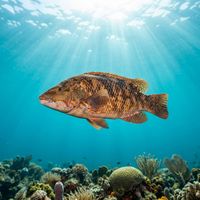
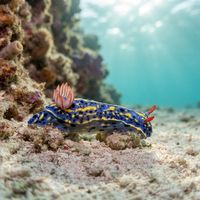
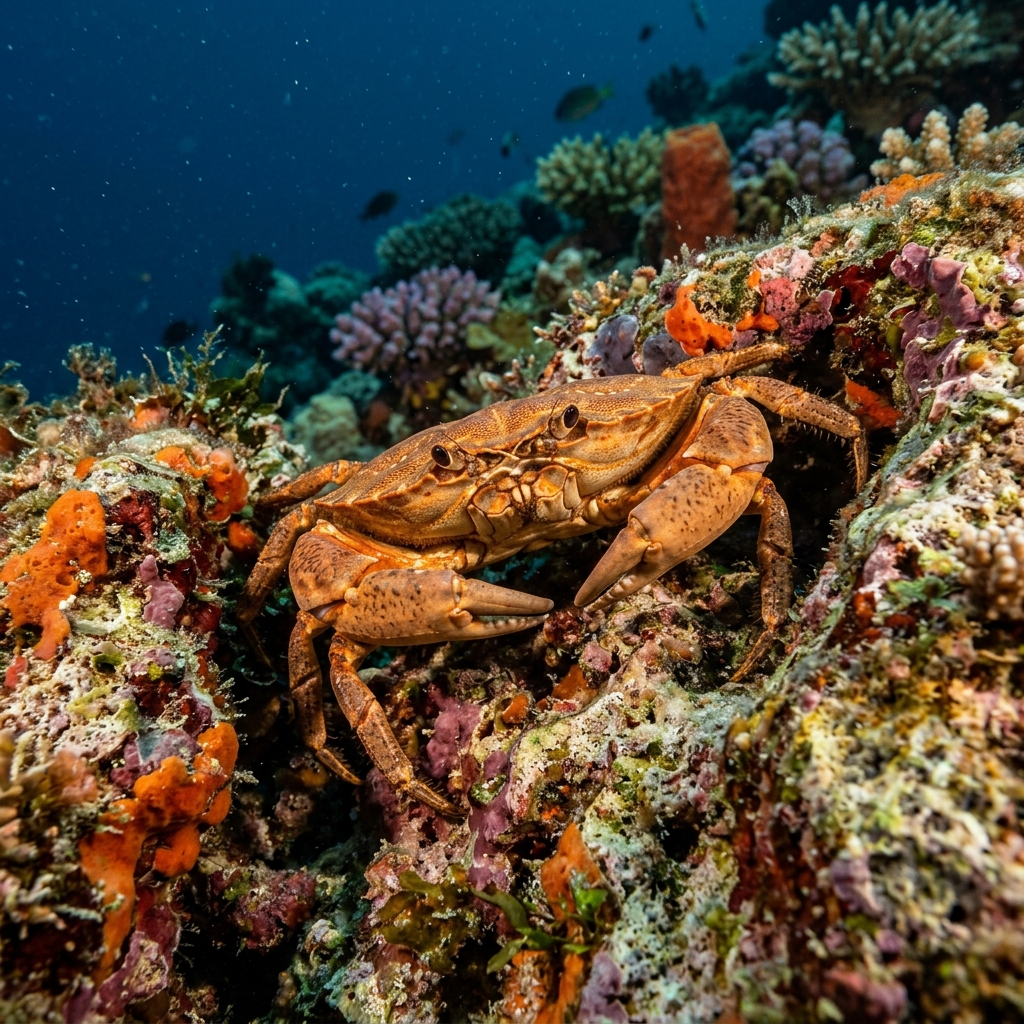
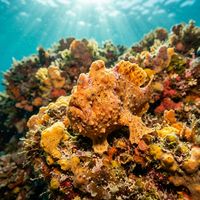
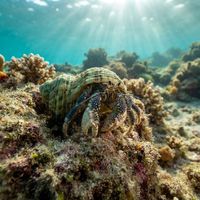
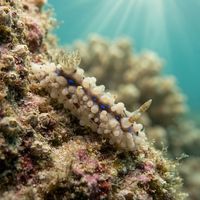
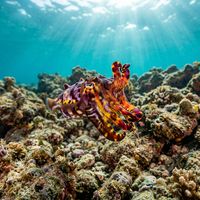
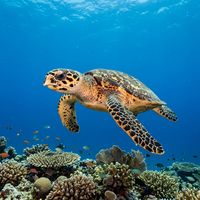
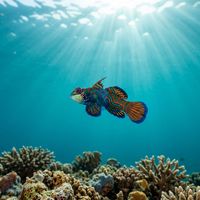
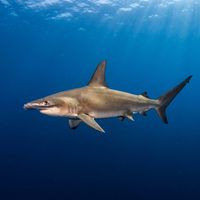
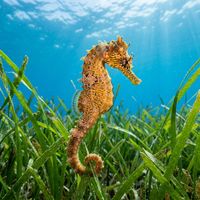
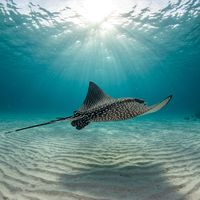
Wrasses and Crab are found across virtually all sites, with Striped Shore Crab also very common. Frogfish and Blue Dorid Nudibranch are the signature finds here, and patient divers have also recorded Seahorse, Flamboyant Cuttlefish, Mandarinfish and Spotted Eagle Ray. Scalloped Hammerhead and Hawksbill Sea Turtle have been observed, though less frequently.
Several sites are rated beginner-friendly, including Futou, Dougashima, Tago and Toi Beach, so the area works well for less experienced divers. Futou and Toi Beach are both shore-entry sites, which makes logistics straightforward. Kumomi Ushitsuki Rock is rated advanced, given its cave network and pinnacle topography, so more complex sites are also available for experienced divers looking for a challenge.
Both access types are well represented across the region. Futou and Toi Beach are shore entries, while Arari is boat-only. Dougashima and Tago offer both options, giving divers flexibility depending on the operator and conditions. Several local operators, including Marine Station Dogashima and Koganezaki Dive Center, are based in the area and can advise on the best access for each site.
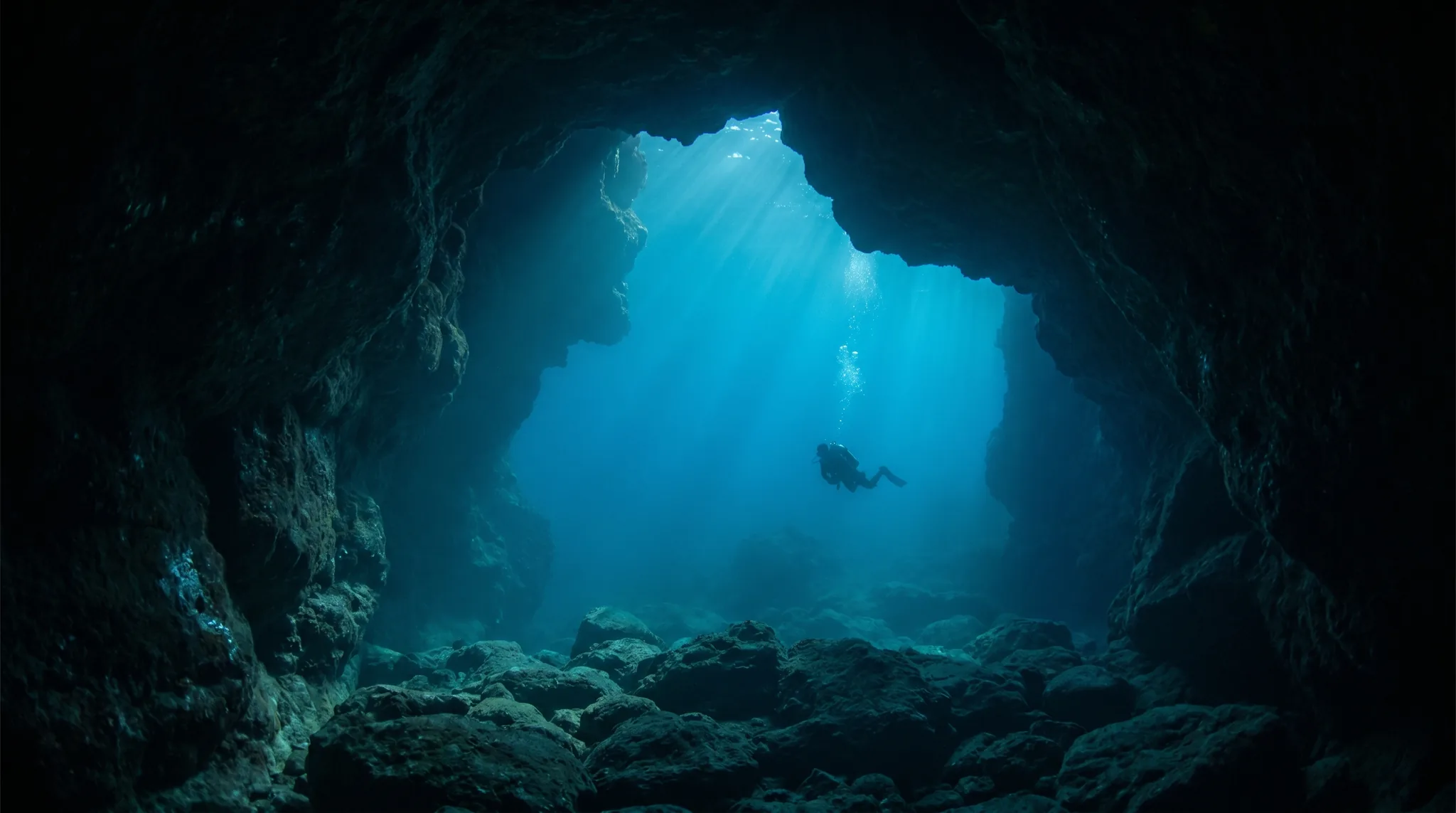
The region is characterised by considerable variety for a compact area. Caves feature at Futou, Kumomi Ushitsuki Rock and Dougashima, while walls appear at Arari and Dougashima. Pinnacles at Kumomi Ushitsuki Rock and Tago add further structure, and artificial reef elements at Futou, Tago and Toi Beach create additional habitat. This mix of terrain types is a key reason the area suits divers across skill levels.