Lutjanus kasmira
Four vivid blue stripes on yellow: spot Bluestriped Snapper in schools across the Maldives, Philippines and Red Sea. Tips on when and where to find them.
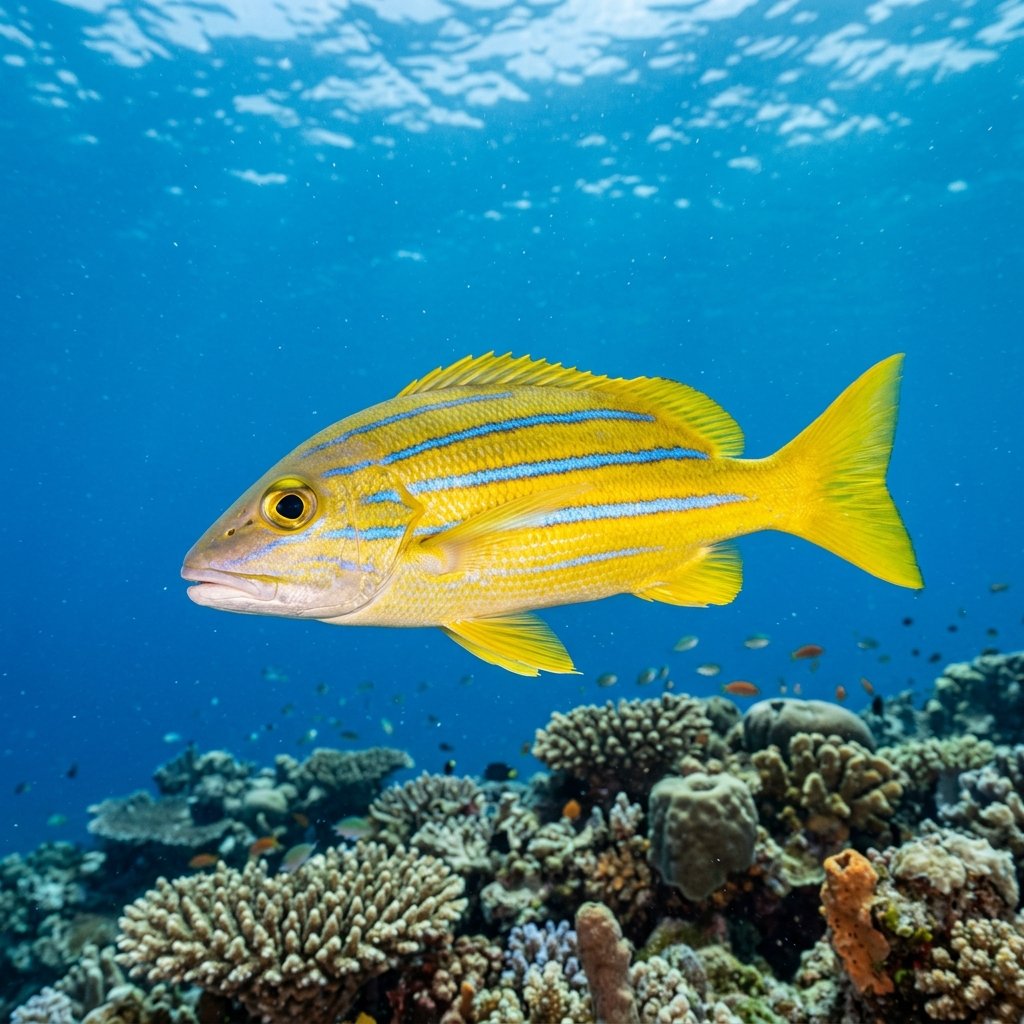
Four electric-blue horizontal stripes running the length of a yellow body make this one of the easier reef fish to name underwater. It reaches roughly 28 cm, giving it a solid, oval snapper silhouette without the bulk of larger relatives. The underside is pale to white, and the fins are yellow, blending cleanly into the body colour. Schools often appear as a shimmering mass of yellow-and-blue above coral structures.
Schools hang loosely around coral heads and reef walls during the day, often suspending in mid-water just above the structure. They are relaxed around divers and snorkellers, rarely bolting unless approached very directly, which makes them rewarding to watch at close range. Within the school, coordinated sweeps and occasional bursts of activity signal active feeding on small invertebrates or fish.
Bluestriped Snapper are nocturnal hunters that use the school as a daytime resting strategy; when darkness falls, individuals break away to forage more aggressively across the reef and into sandy areas.
In the Northern Hemisphere, sightings concentrate from July through to May, leaving only a quieter window around June. In the Southern Hemisphere, the peak runs from October through to June, so the austral summer and autumn cover Queensland and similar destinations well.
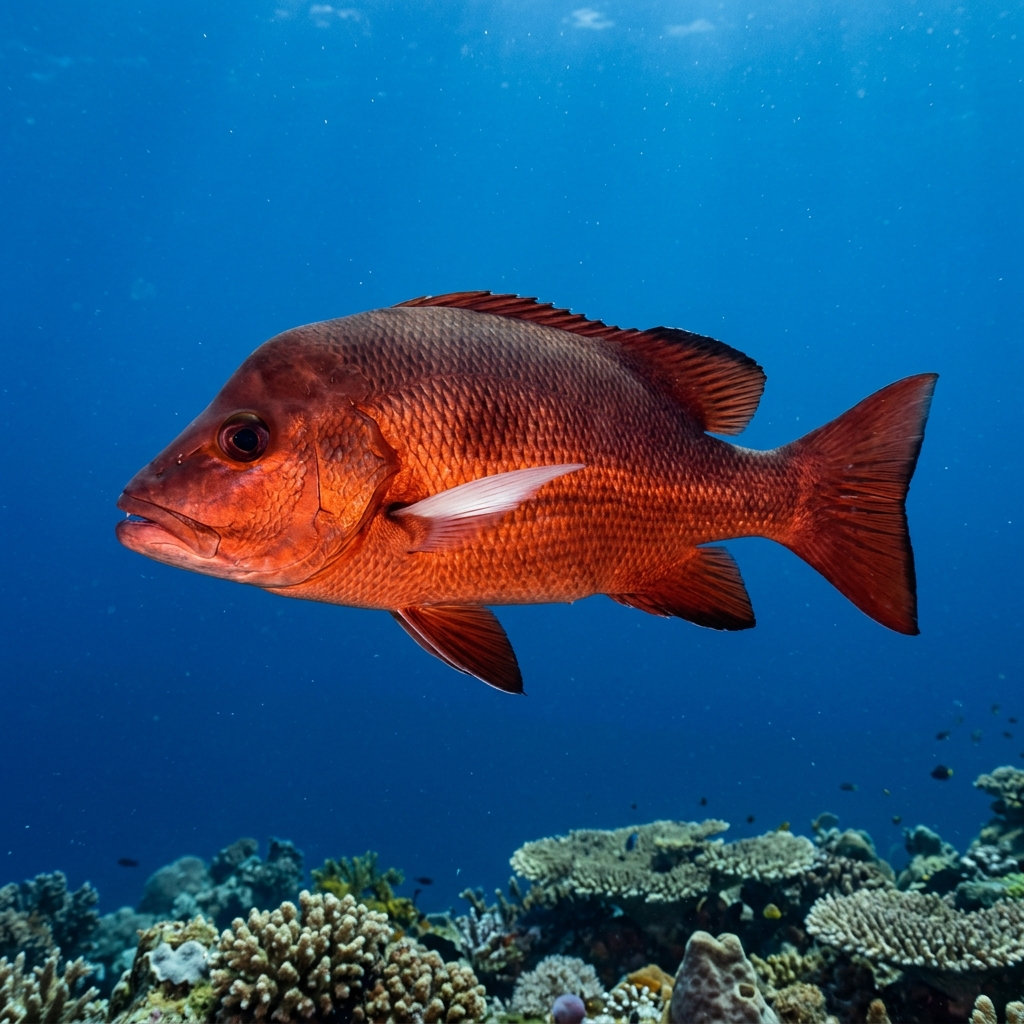
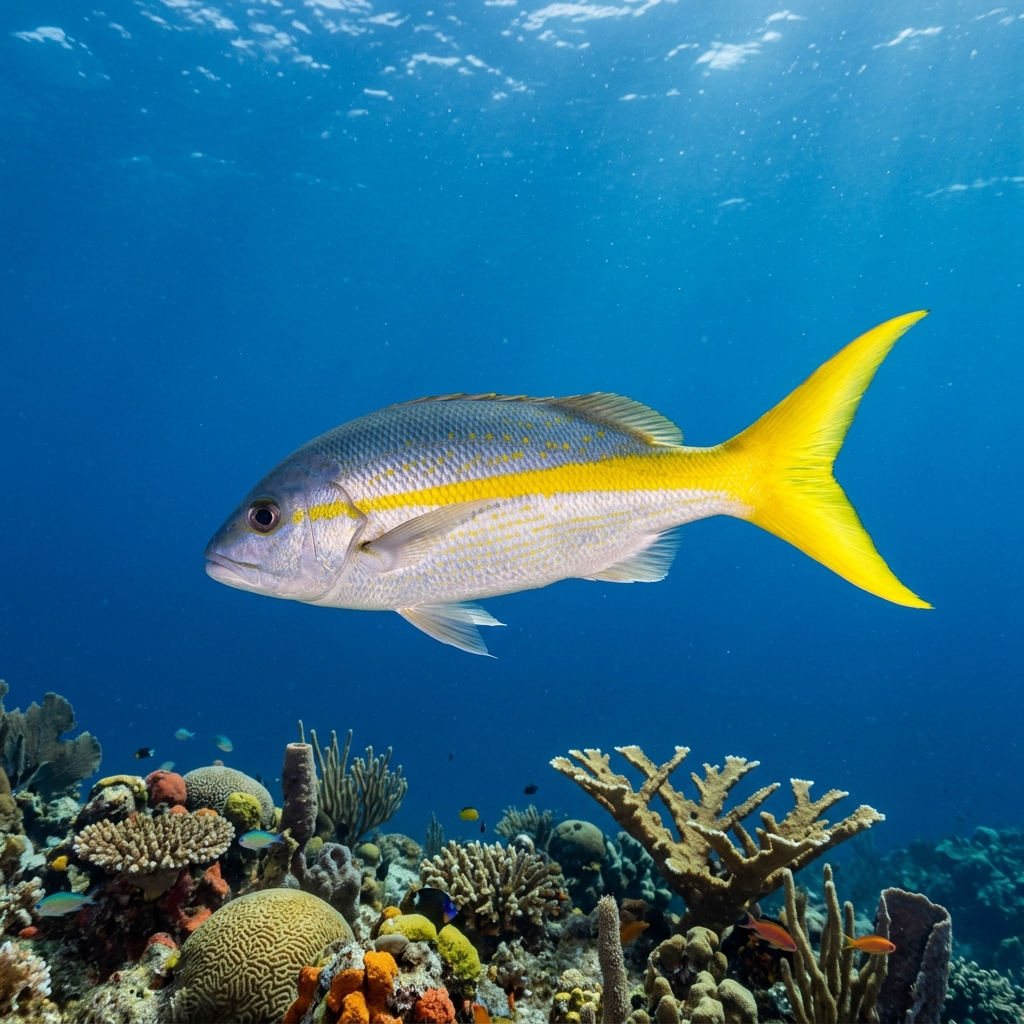
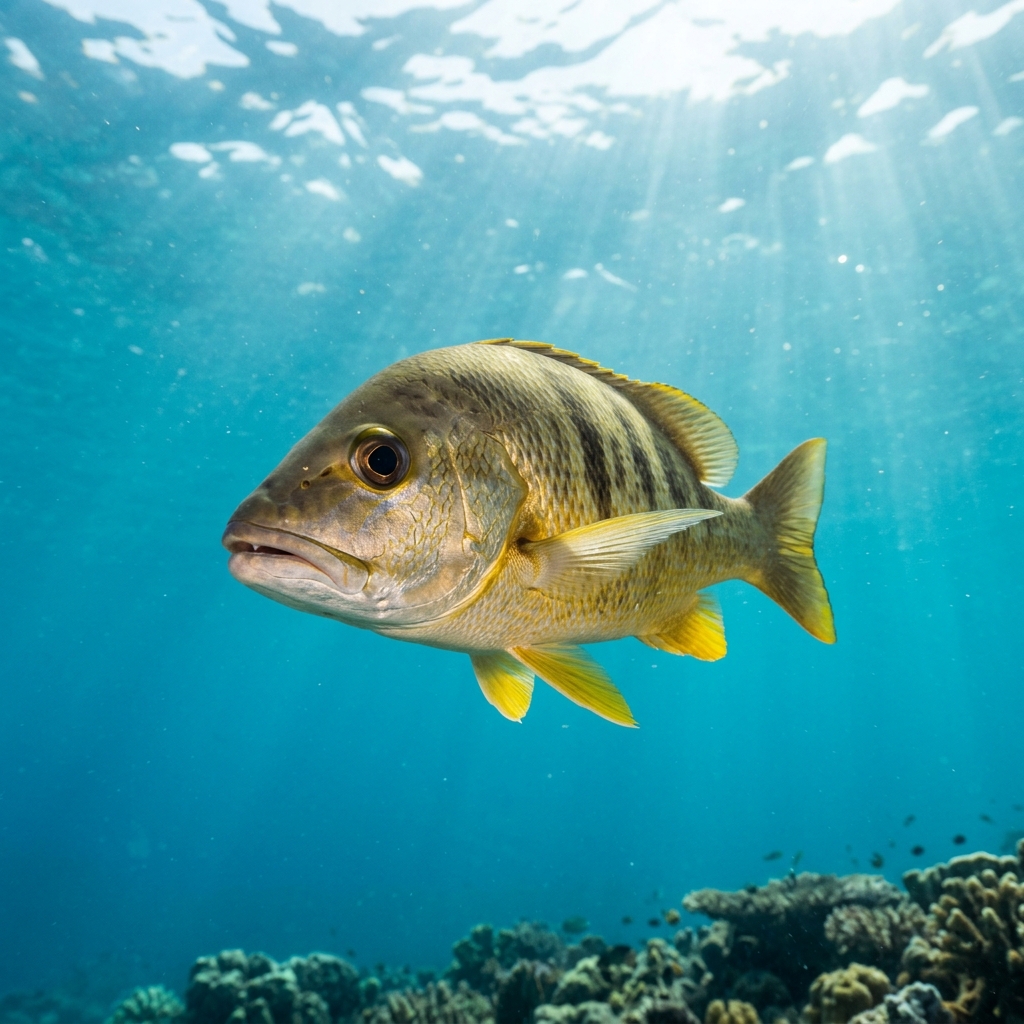
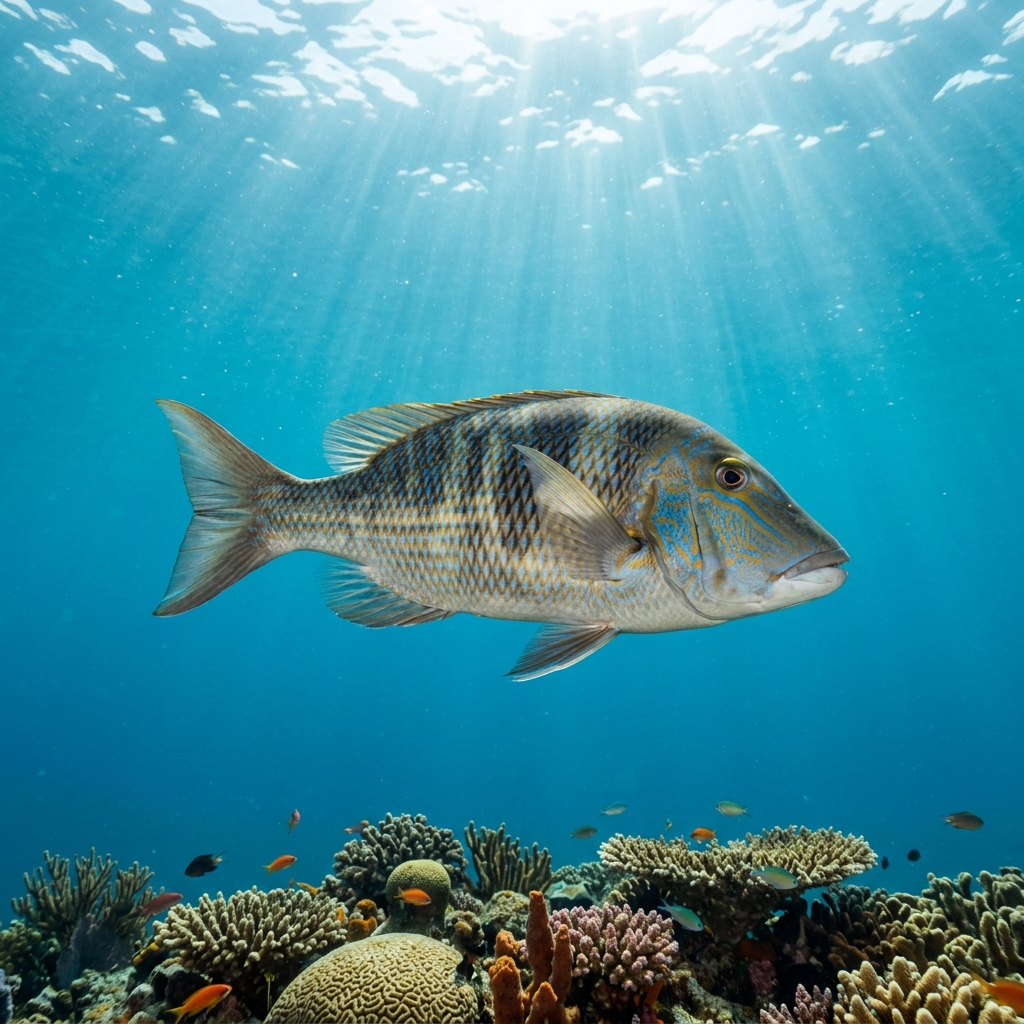
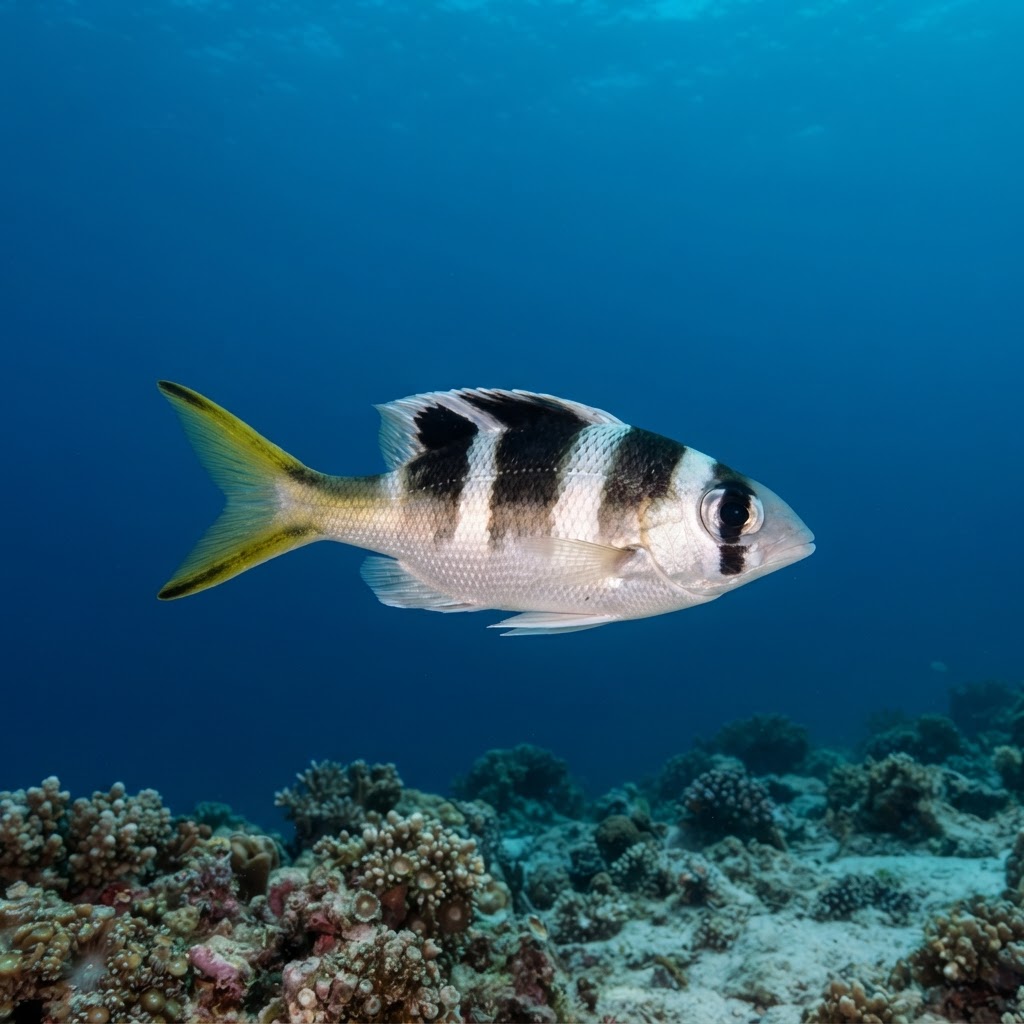
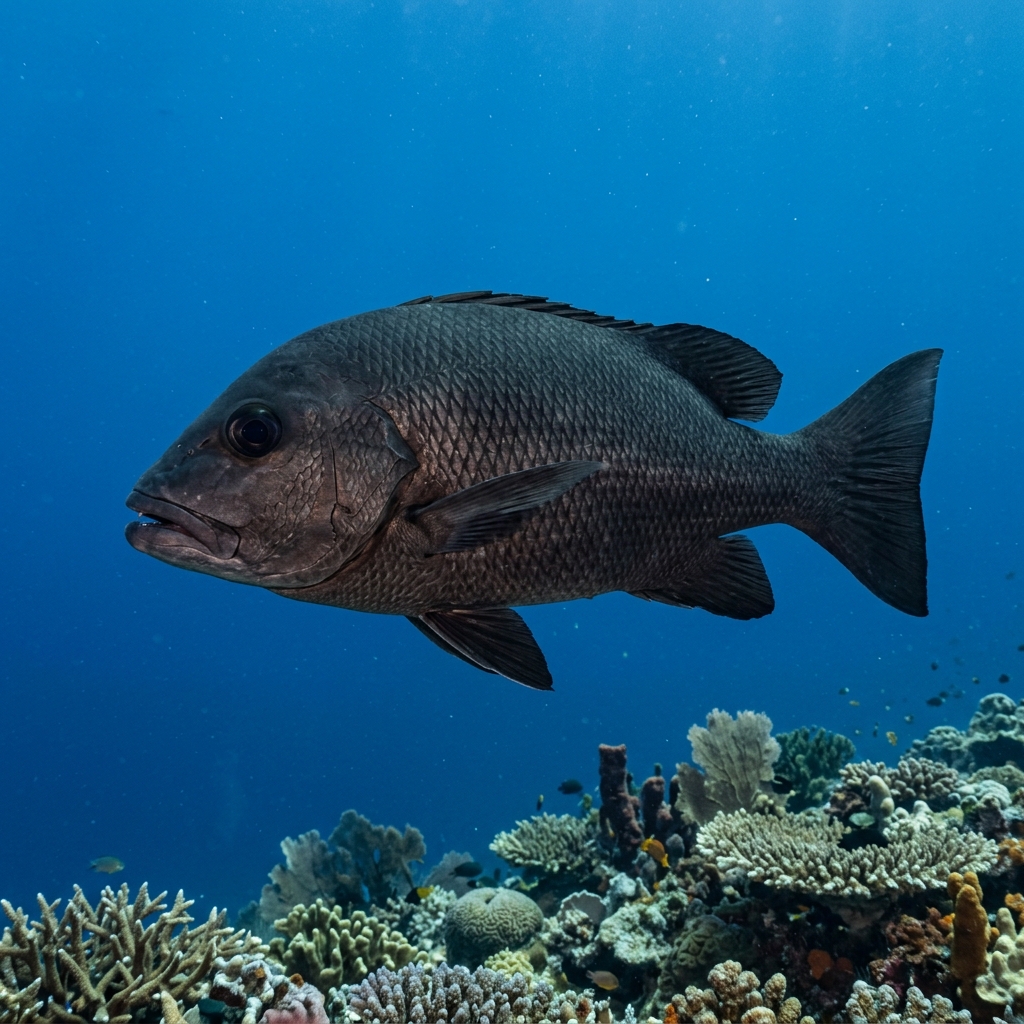
Reef neighbours a diver could mistake it for. Use the identification notes above to tell them apart.
Most commonly logged in the Maldives, where the Male and Ari Atolls and the North and Central Atolls together hold the strongest sighting record globally. The Philippines (particularly Palawan and Apo Reef, and the Visayas), Queensland in Australia, and Hawaii are also well-represented, and the Egyptian Red Sea adds a reliable Indo-Pacific outpost for divers based in that region.
Mapping where Bluestriped Snapper is logged…
The Maldives holds the largest number of logged dive sites for this species, with the Male, Ari, and northern atolls all performing well. Strong populations are also recorded in the Philippines, Queensland (Australia), Hawaii, and the Egyptian Red Sea, making them accessible to divers across much of the Indo-Pacific.
For Northern Hemisphere destinations such as the Maldives, Philippines, and Red Sea, sightings are concentrated between July and May. In Southern Hemisphere locations like Queensland, the October to June window covers the core season. They are absent from sighting records for only a short period in each hemisphere.
Look for four vivid, continuous blue stripes running head to tail on a bright yellow body, with a pale underside. No other common reef snapper combines that shade of yellow with multiple bold blue horizontal lines. Schools and the fish's oval snapper body shape help confirm the ID.
A typical adult is around 28 cm, roughly the length of a standard ruler. That places them among the mid-sized snappers on a reef, noticeably smaller than species like the Emperor Red Snapper but large enough to be easily spotted at a distance.
No. They pose no threat to divers or snorkellers and are generally unbothered by human presence. Schools will simply move aside if approached too quickly, but there is no defensive or aggressive behaviour to be aware of.
Site and sighting data is aggregated from diver logs, iNaturalist and GBIF. For taxonomy and conservation status:
Yellowtail Snapper
2,012 sites