
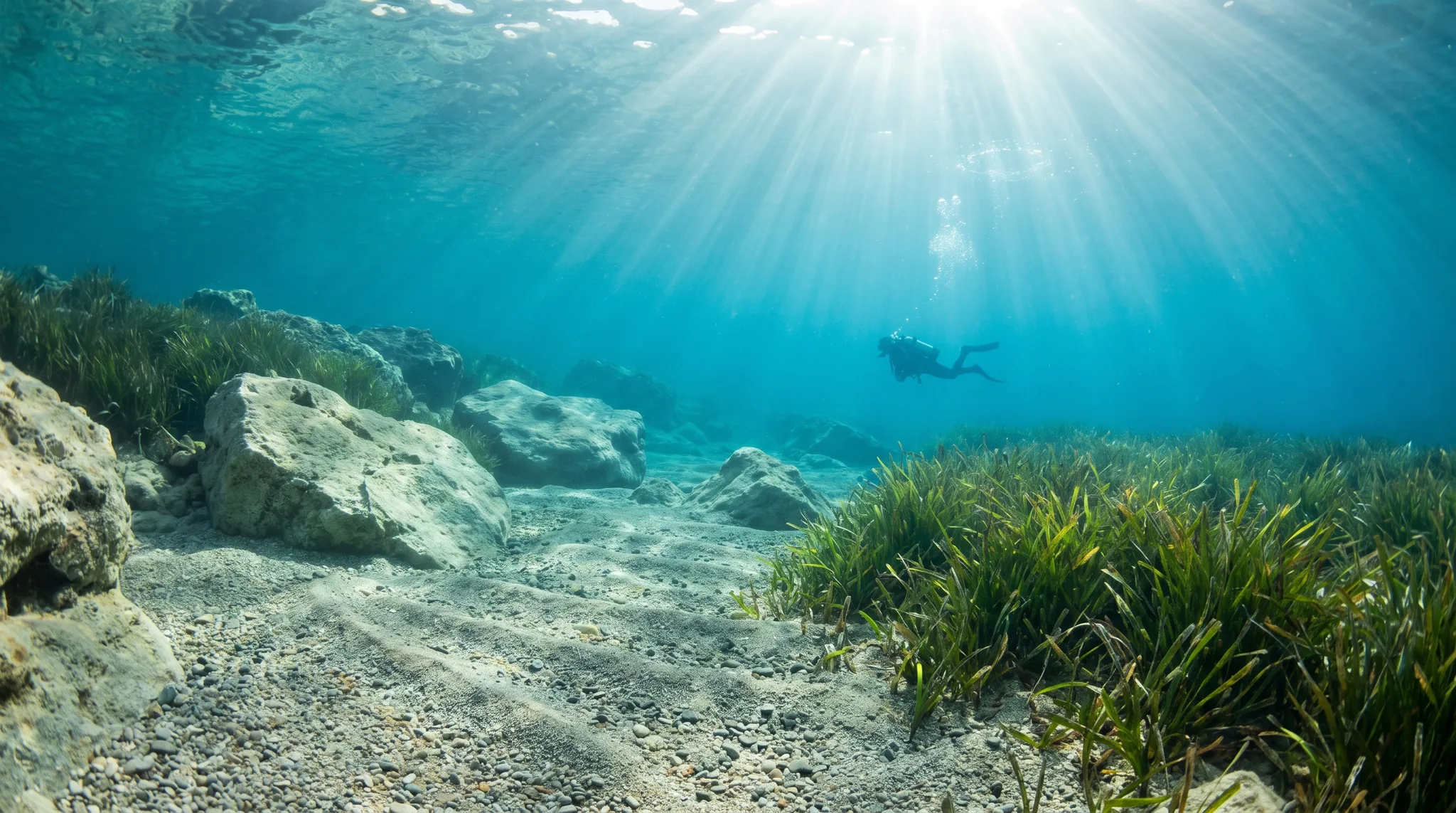
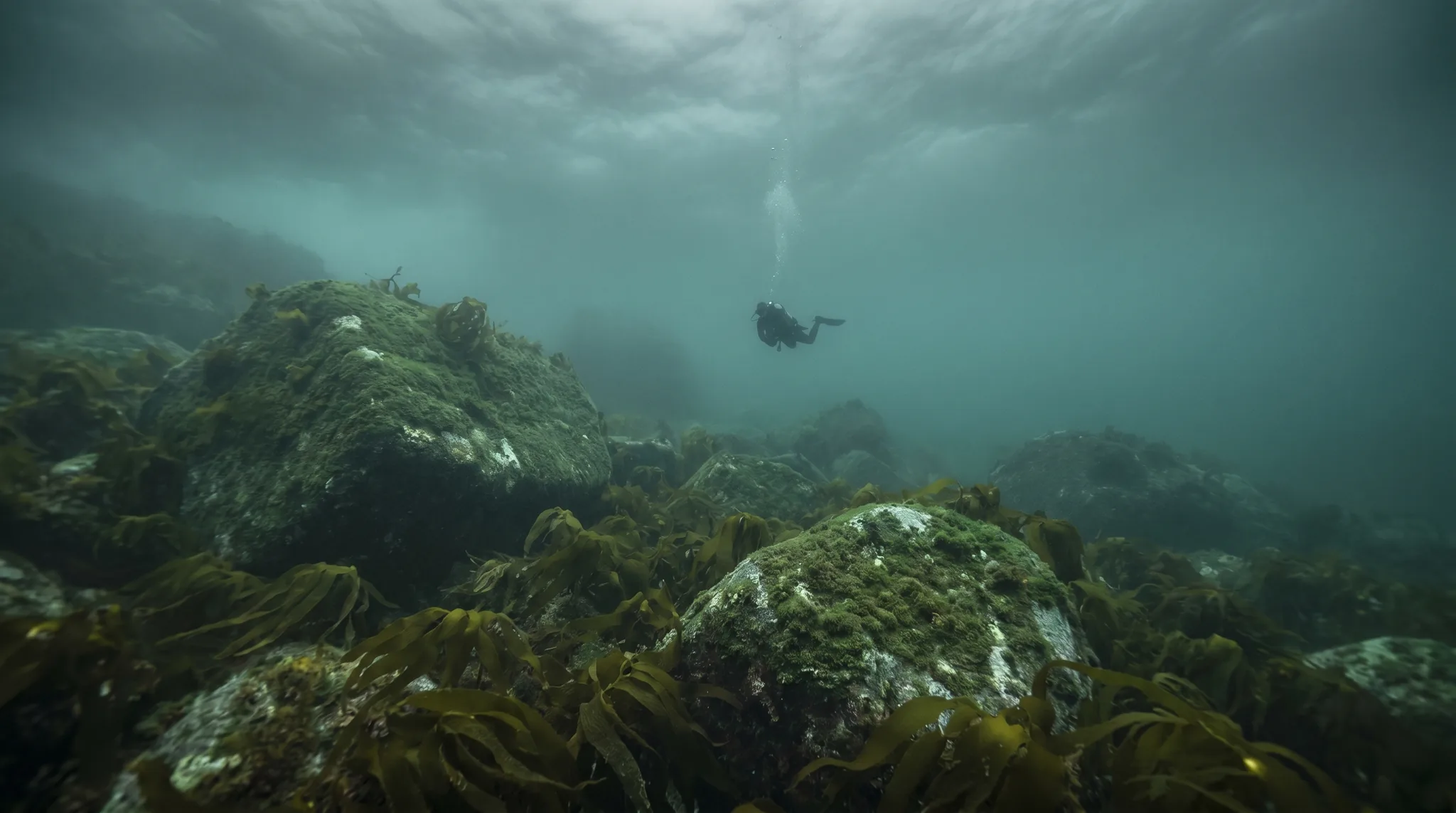
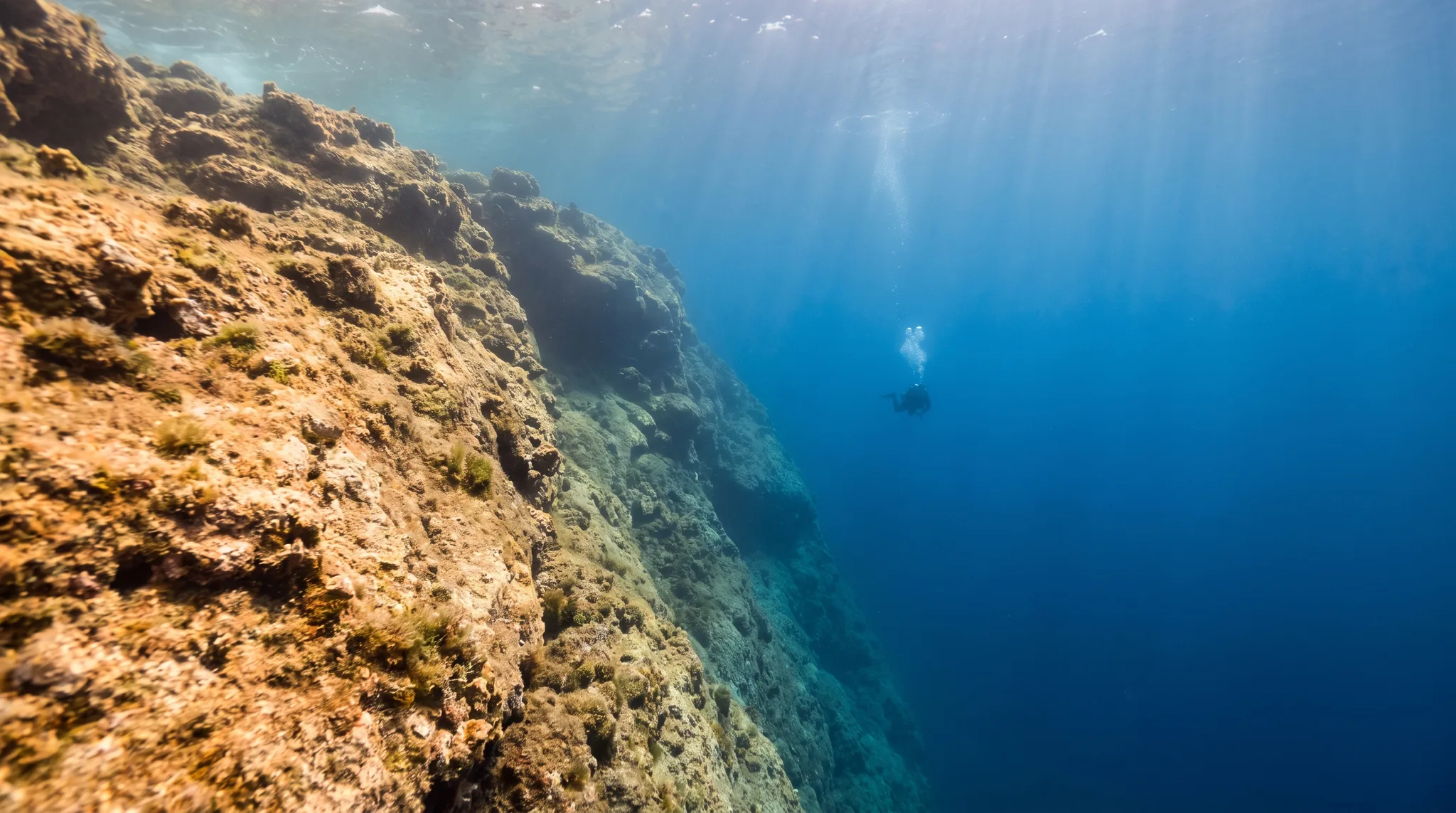
The Lavezzi Islands present a compact but varied underwater landscape, running from shallow seagrass bays ideal for snorkelling through to deep walls and pinnacles that demand advanced skills. Reefs dominate the site mix, with caves, drop-offs and at least one wreck adding variety. Wrasse species are ubiquitous, European Common Cuttlefish are reliably encountered across the area, and Mediterranean Moray and Great Barracuda appear regularly on the deeper sites. Boat access opens the most rewarding dives; several sheltered shores suit beginners and families.
Monthly water temperature across Lavezzi Islands's sites, from satellite sea-surface data corrected for depth. The band shows the site-to-site spread.
Water temperatures climb through late spring and peak in summer, making June through September the most comfortable months for longer dives without heavy exposure protection. The shoulder months of May and October still offer good conditions, though cooler water calls for an extra layer. Several sites are exposed to current and wind, so boat captains and operators such as Plongée Nature and Bonifacio Plongée typically advise on timing to make the best of settled windows.
21 operators
France
7 more sites to explore
Water temperature around Lavezzi Islands ranges from about 14°C in February to 23°C in August, based on satellite sea-temperature data for its dive sites.
In the warm season (about 23°C) a 3mm full suit is comfortable in Lavezzi Islands; in the coldest months (about 14°C) step up to a 7mm or semi-dry suit.
Fin maps 19 sites in Lavezzi Islands (13 scuba diving sites and 10 snorkelling spots, with some suited to both).
Across Lavezzi Islands's dive sites, June and September are most often reported as the best months to visit.
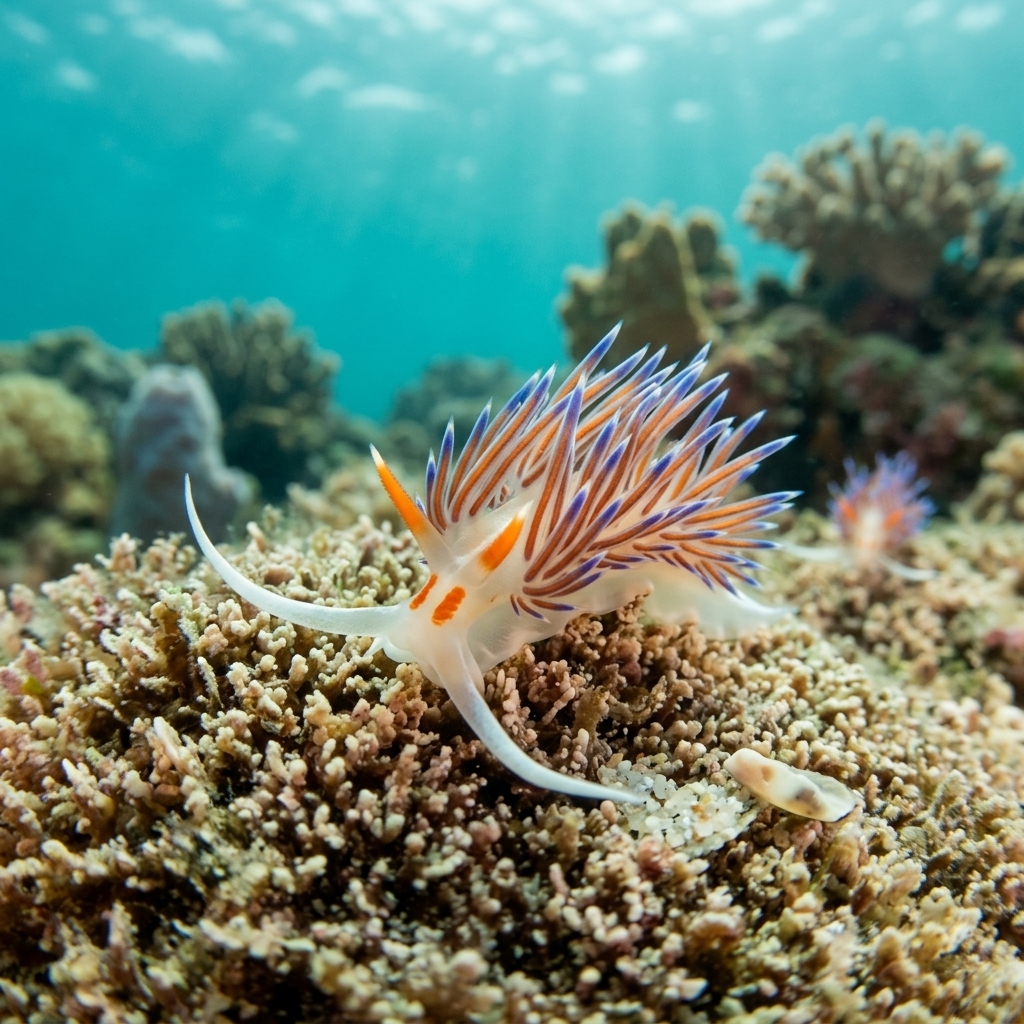
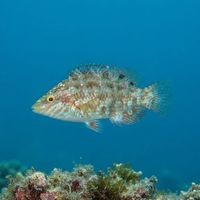
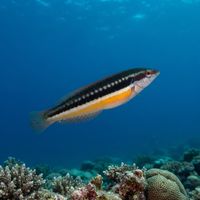
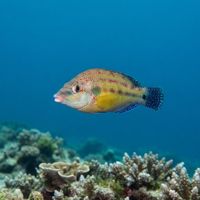
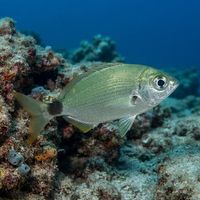
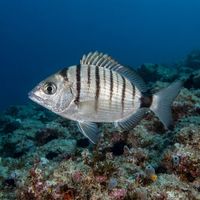
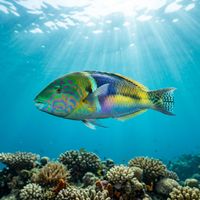
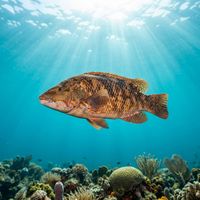
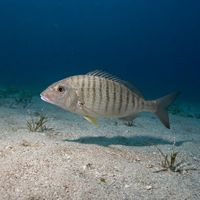
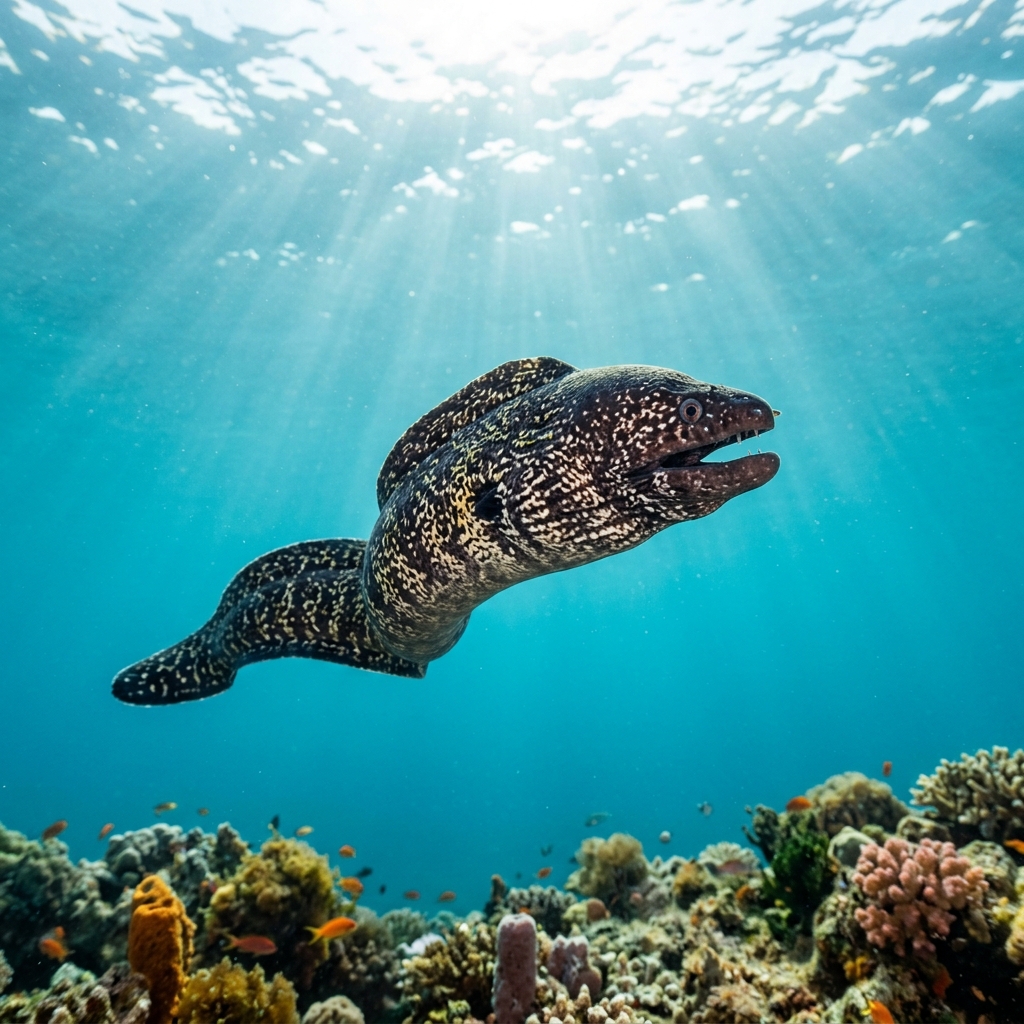
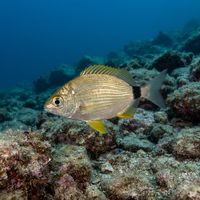
Wrasse species are the constant companions here: Five-spotted Wrasse, Peacock Wrasse, Turkish Wrasse and Mediterranean Rainbow Wrasse are all very commonly observed. European Common Cuttlefish turn up across virtually every site, while Mediterranean Moray and Great Barracuda appear regularly on the deeper reefs and walls. Cratena Slug, Striped Red Mullet and Castagnole round out a species list that rewards attention at every depth.
Yes, a good portion of the sites are rated beginner level. La Vacca Nord, Le vieux port and Danger du Toro all offer shallower, manageable profiles accessible by boat or shore. Intermediate and advanced sites such as La Tortue and Le Pain de Sucre are also available for those wanting to progress, so the area accommodates a range of experience within the same trip.
Most of the rewarding dive sites, including La Vacca, Les Arches and Le Danger de la Vacca, require boat access, and the area has a strong operator base to support this. Shore entry is available at several snorkel-friendly spots such as Rondinara and Santa Giulia, as well as at La Chiappa and Palombaggia for those who prefer to enter directly from land. Pointe de la Chiappa offers both options, giving flexible divers and snorkellers the choice on the day.
Reefs form the backbone of the site list, but the variety is broader than that single label suggests. Walls and drop-offs feature at sites like Pointe de la Chiappa and La Vacca, a pinnacle rises at Le Pain de Sucre, and a cave system can be explored at Le Danger de la Vacca. Le vieux port adds a shallow wreck to the mix, making it easy to build a multi-day itinerary without repeating the same type of dive.