Eunicella cavolini
Yellow gorgonian fans the Mediterranean's rocky walls from the French Riviera to Croatia. Best sightings April to August in 14-25°C water.
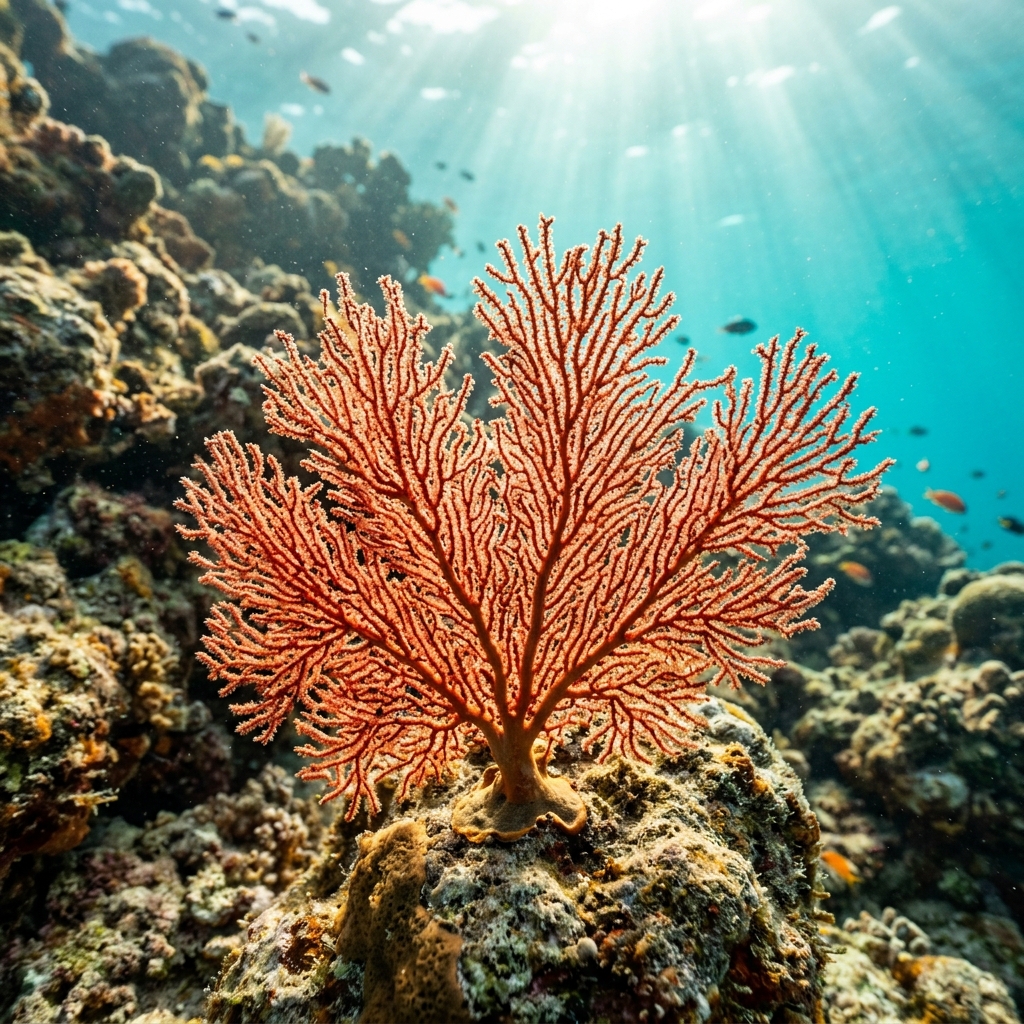
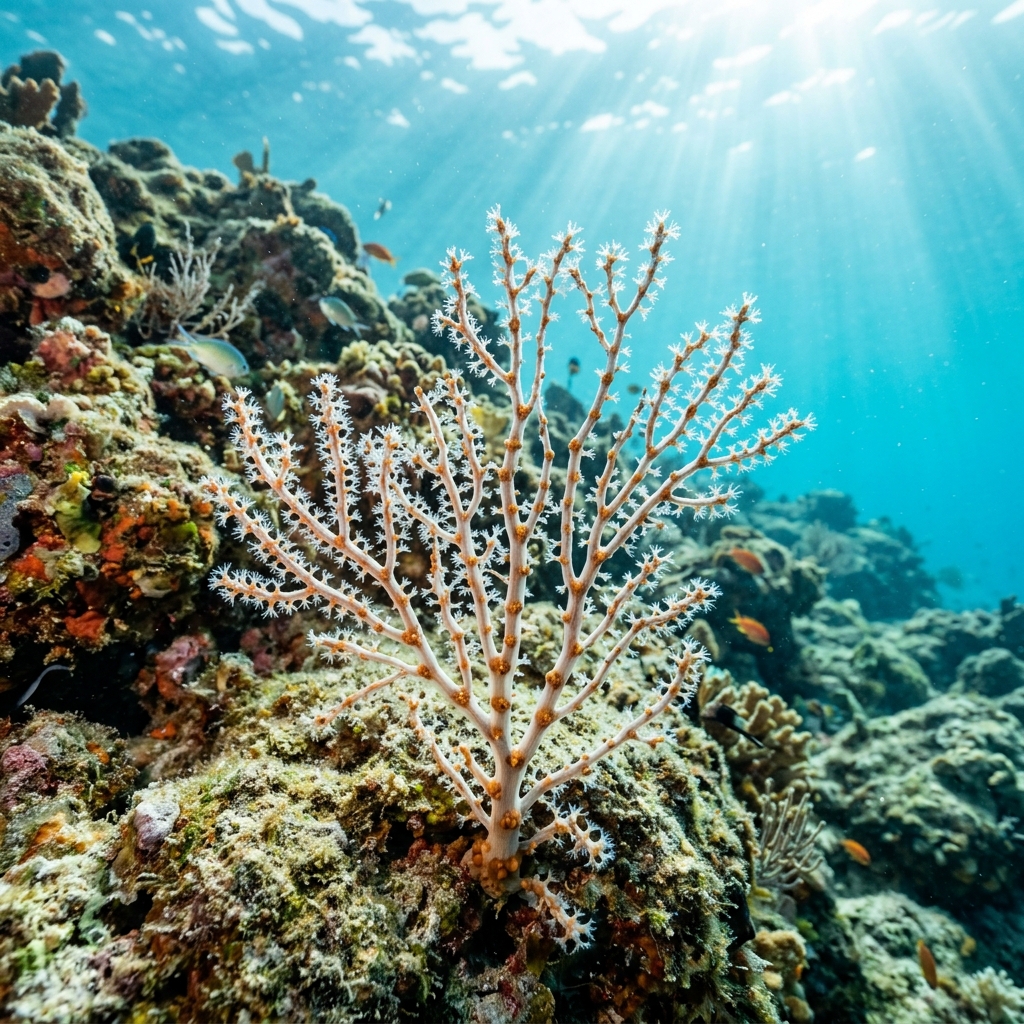
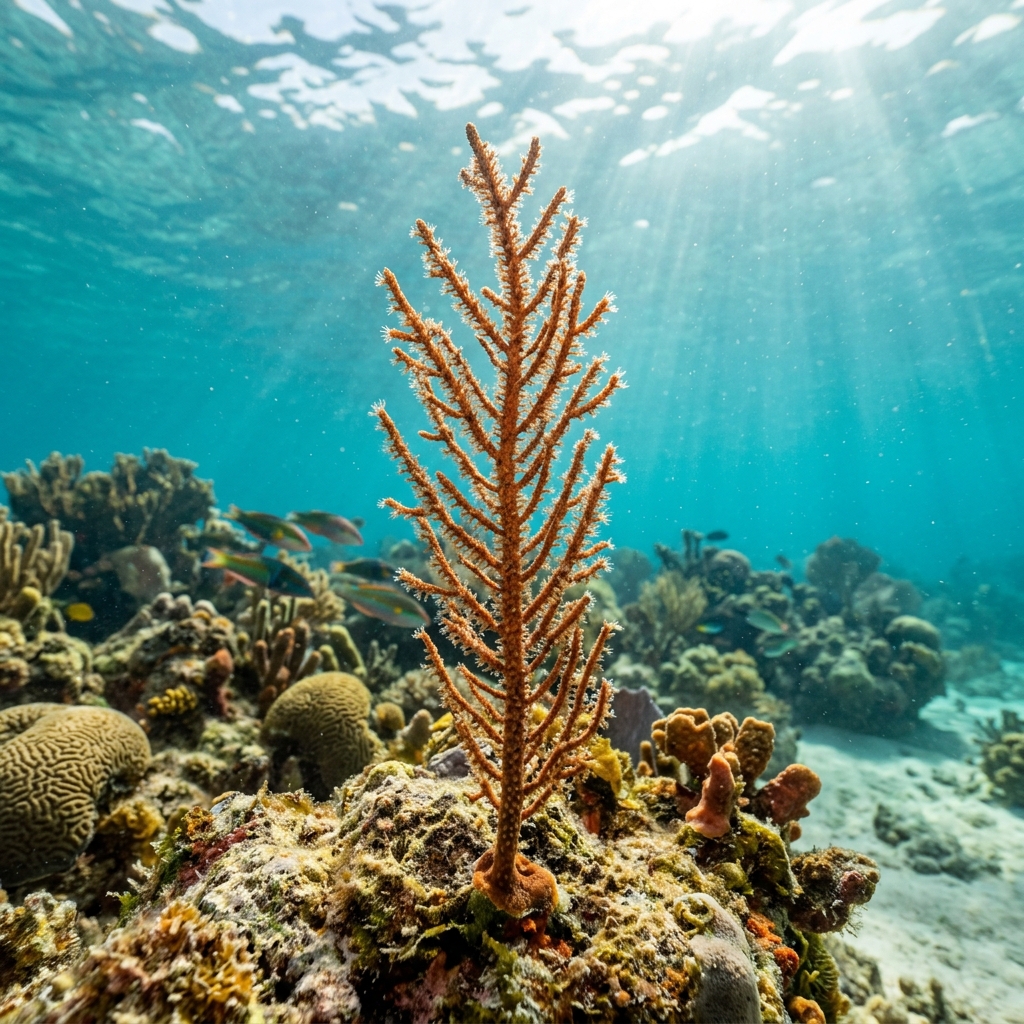
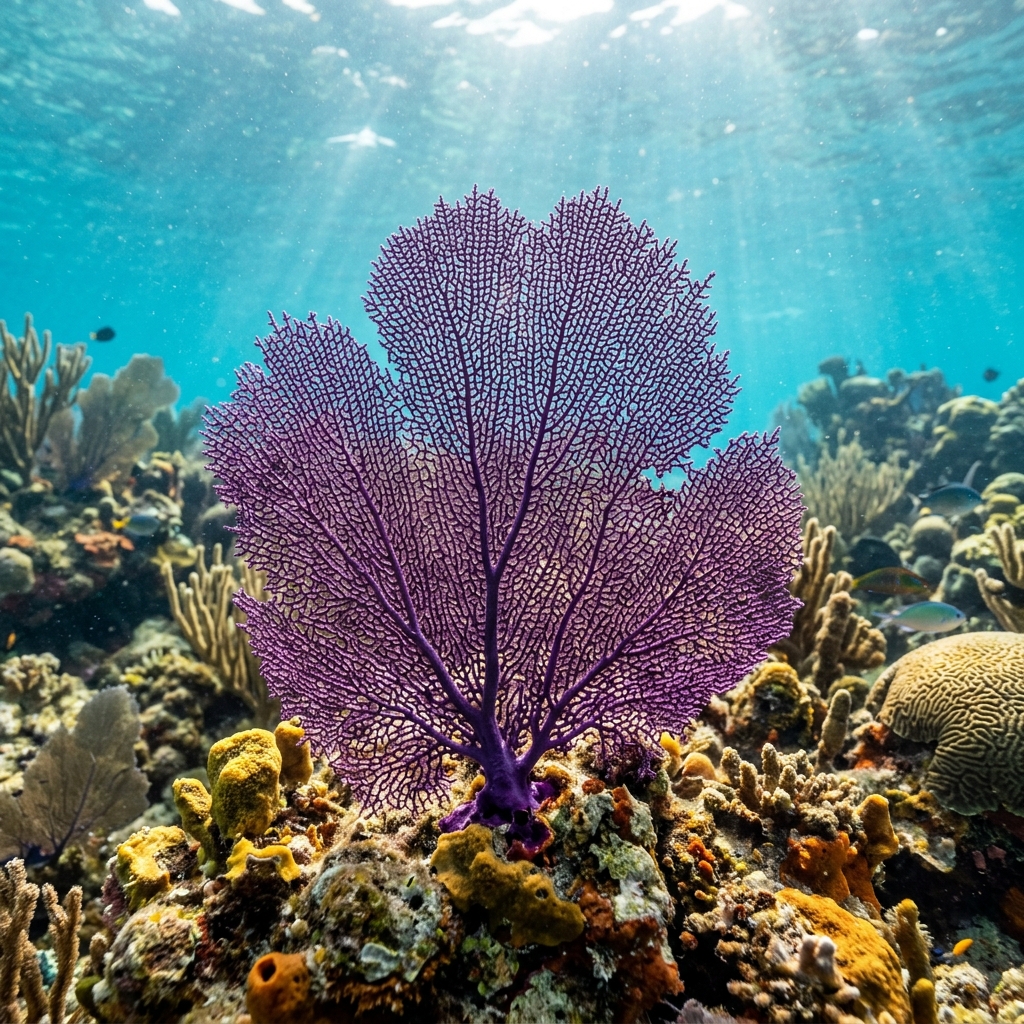
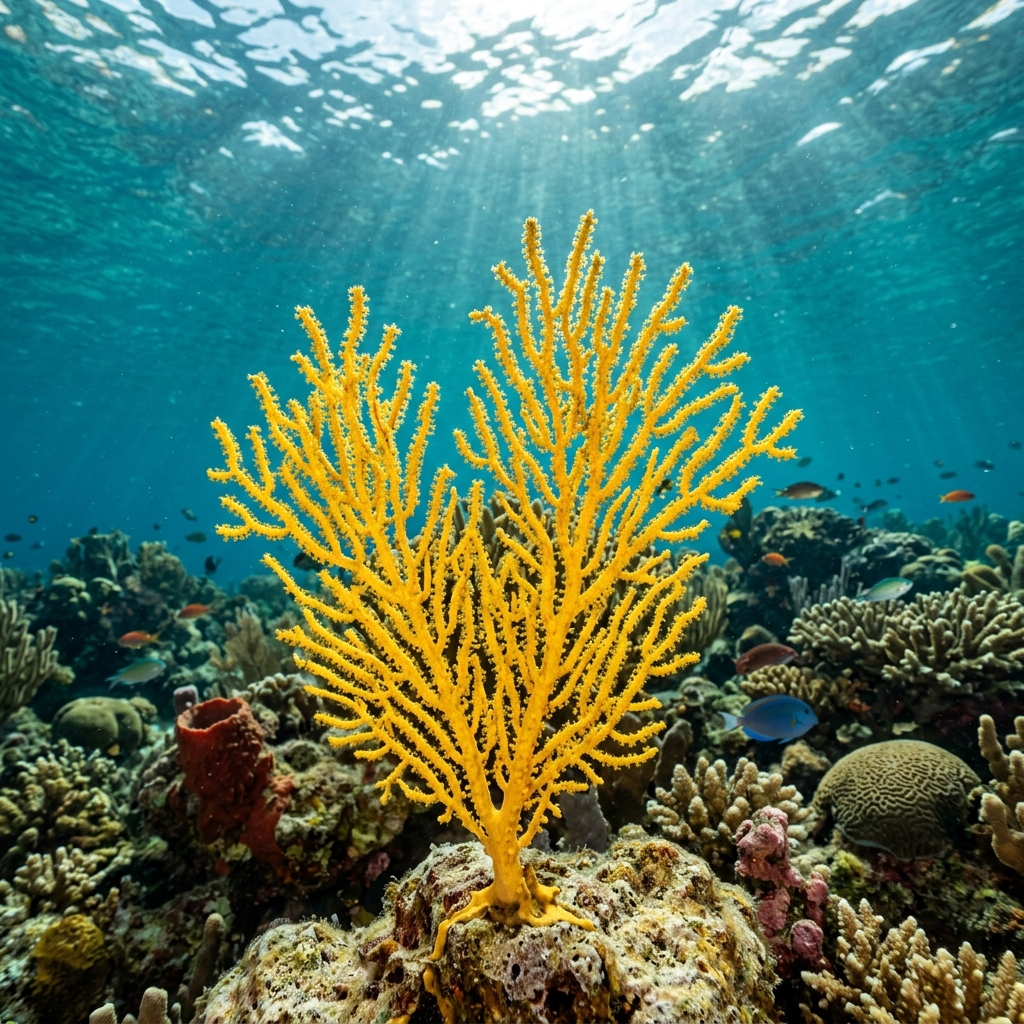
Bright sulphur-yellow colouring makes this sea fan one of the easier gorgonians to spot underwater, standing out sharply against dark rocky walls and slopes. Colonies form flattened, tree-like fans with fine, interlacing branches that sway noticeably in any current. Up close, tiny white polyps (the individual feeding animals of the colony) line the branches and may be extended when the colony is actively feeding. Size can vary considerably, but mature fans are typically broad enough to dwarf a diver's hand.
Rooted permanently to rocky substrate, yellow gorgonian does nothing fast, it simply holds its position on walls, slopes, and overhangs, fanning out its branches to catch food drifting past in the current. In stronger flow, the whole colony bends and pulses rhythmically, which is often how divers first notice it. It has no reaction to your approach, so you can move in close to study the polyps and the small fish, shrimps, and nudibranchs that shelter among the branches.
Yellow gorgonian colonies can take decades to grow to full size, meaning a large fan you photograph today may well have been there before many divers were born. Accidental damage from fins, anchor lines, or careless buoyancy can erase that growth in an instant.
Sightings concentrate from April through August in the Northern Hemisphere, which aligns with calmer seas and increasing diver activity across Mediterranean sites. The species tolerates water temperatures from around 14°C up to nearly 25°C, so it persists outside peak season but is most reliably encountered in spring and summer.
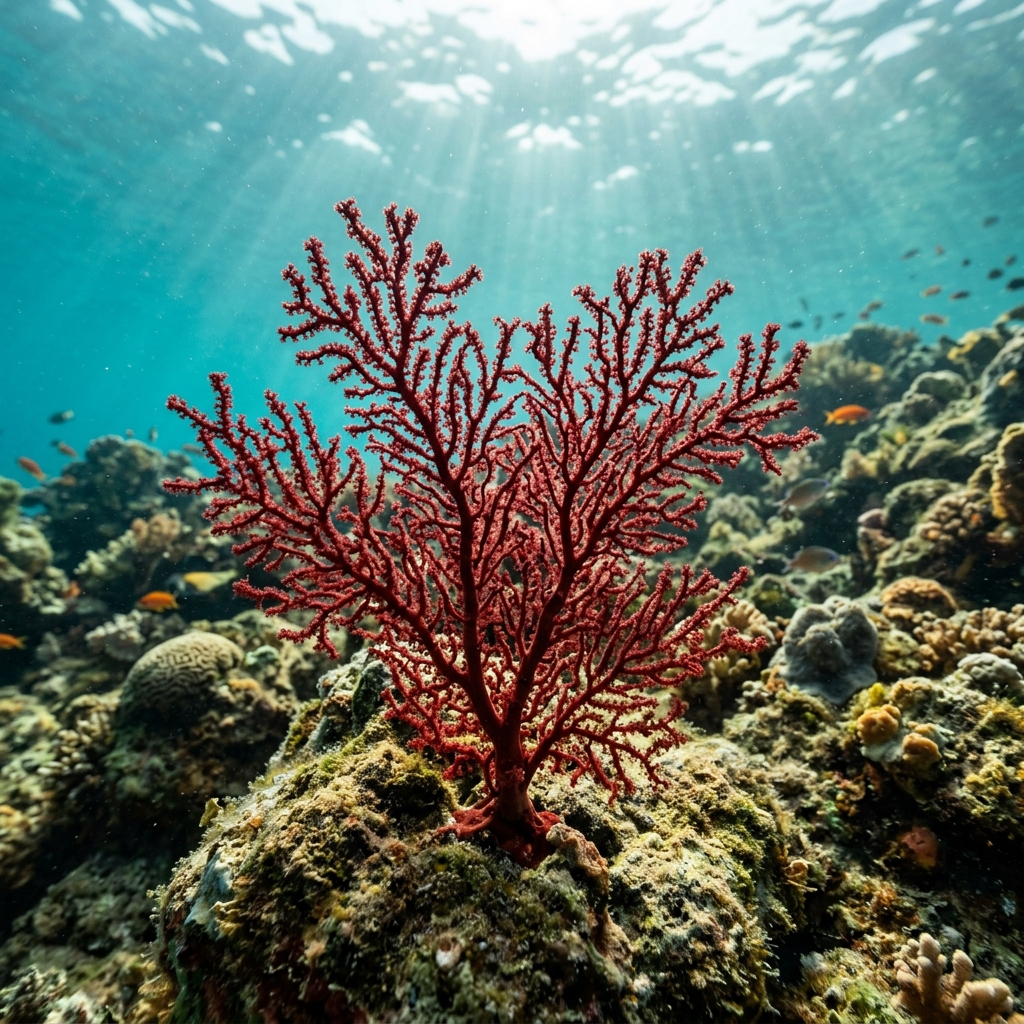
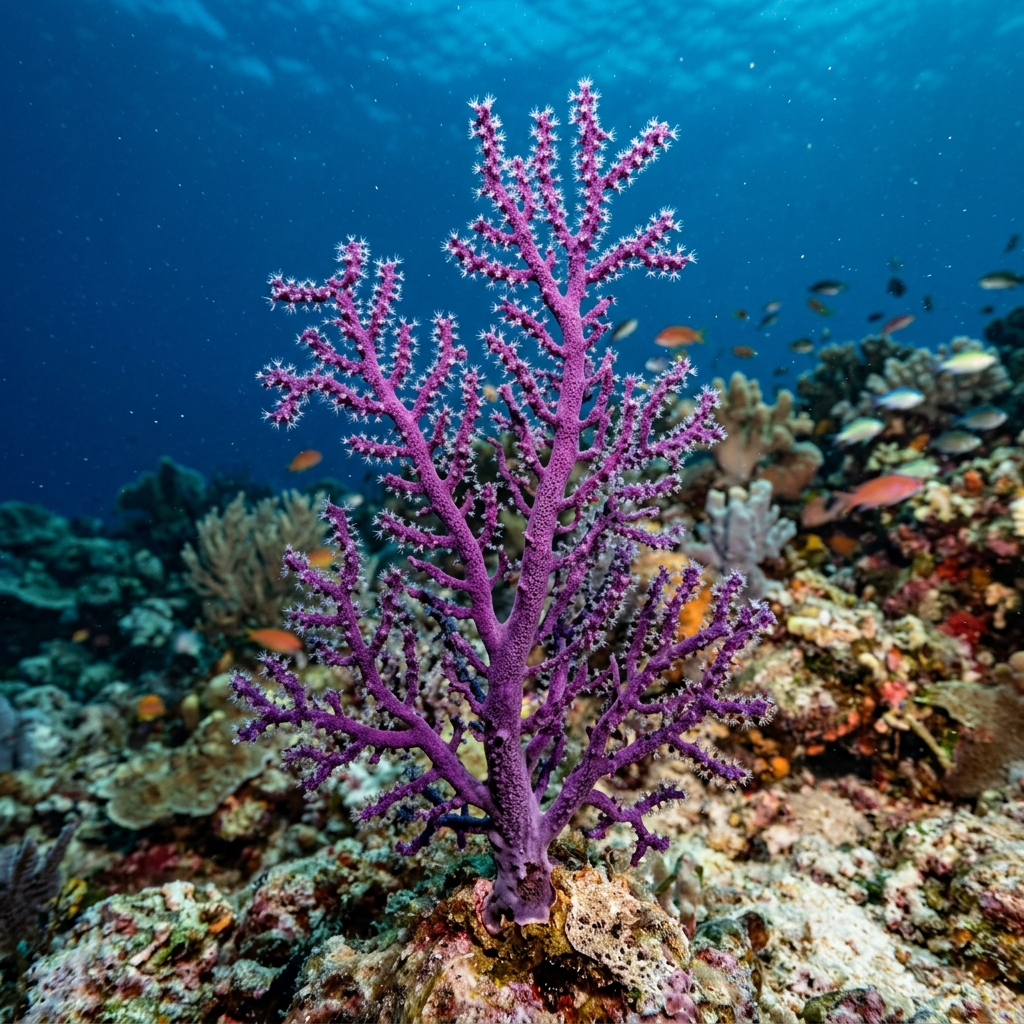
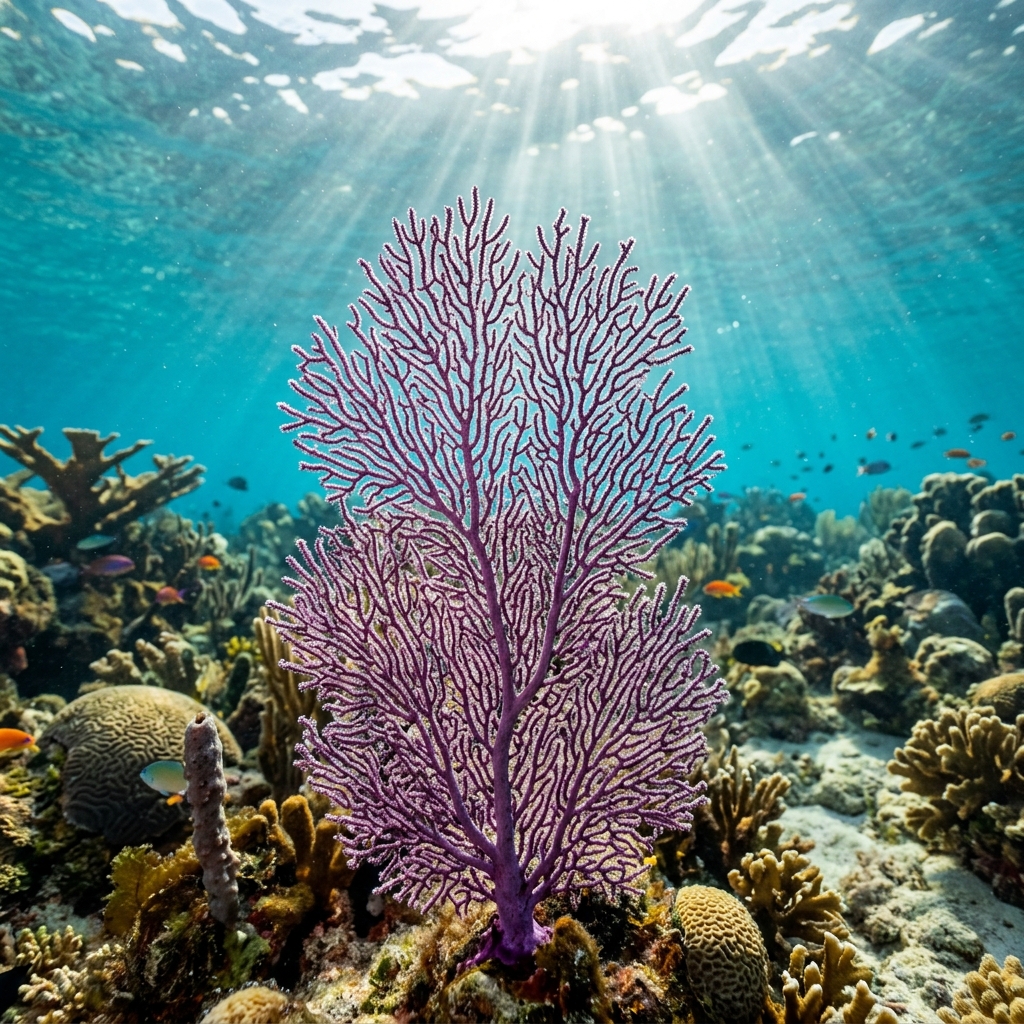
Reef neighbours a diver could mistake it for. Use the identification notes above to tell them apart.
Most commonly logged across the western and central Mediterranean, with Italy and France leading by a wide margin. The French Riviera and Provence coast, Sardinia, and the Kvarner Gulf in Croatia are particularly strong areas. Greece and Turkey round out reliable options further east, making the entire northern Mediterranean coastline productive territory.
Mapping where Yellow Gorgonian is logged…
Yellow gorgonian is almost exclusively a Mediterranean species for divers. Italy and France have the strongest presence, particularly the French Riviera, Sardinia, and the Kvarner Gulf in Croatia. Greece, Turkey, Spain, and Cyprus all offer reliable sightings too.
April to August is the peak window across Mediterranean dive sites, combining good visibility, accessible conditions, and the highest diver-reported sighting rates. The colonies are present year-round but are most frequently encountered during spring and summer months.
The vivid sulphur-yellow colour of the branches is the key feature. Look for flat, fan-shaped colonies on rocky walls, with fine branching and small white polyps along the edges. The red gorgonian shares a similar fan shape but is distinctly red or orange-red rather than yellow.
Across the sites where it has been recorded, yellow gorgonian is most often rated uncommon. You are unlikely to see it on every dive even in areas like the French Riviera, but targeted dives on rocky walls and drop-offs in the right regions give you a reasonable chance. Spotting one is a reward for attentive diving rather than a guaranteed encounter.
No. Yellow gorgonian poses no threat to divers at all. The main risk runs the other way: fragile colonies can be broken by careless buoyancy or accidental fin contact, so good control around them matters.
Site and sighting data is aggregated from diver logs, iNaturalist and GBIF. For taxonomy and conservation status:
Red Gorgonian
3,278 sites