Paramuricea clavata
Spot the violet-purple branches of Paramuricea clavata across the French Riviera, Costa Brava, and the Adriatic. Sightings peak Feb, Oct at 20-42 m.
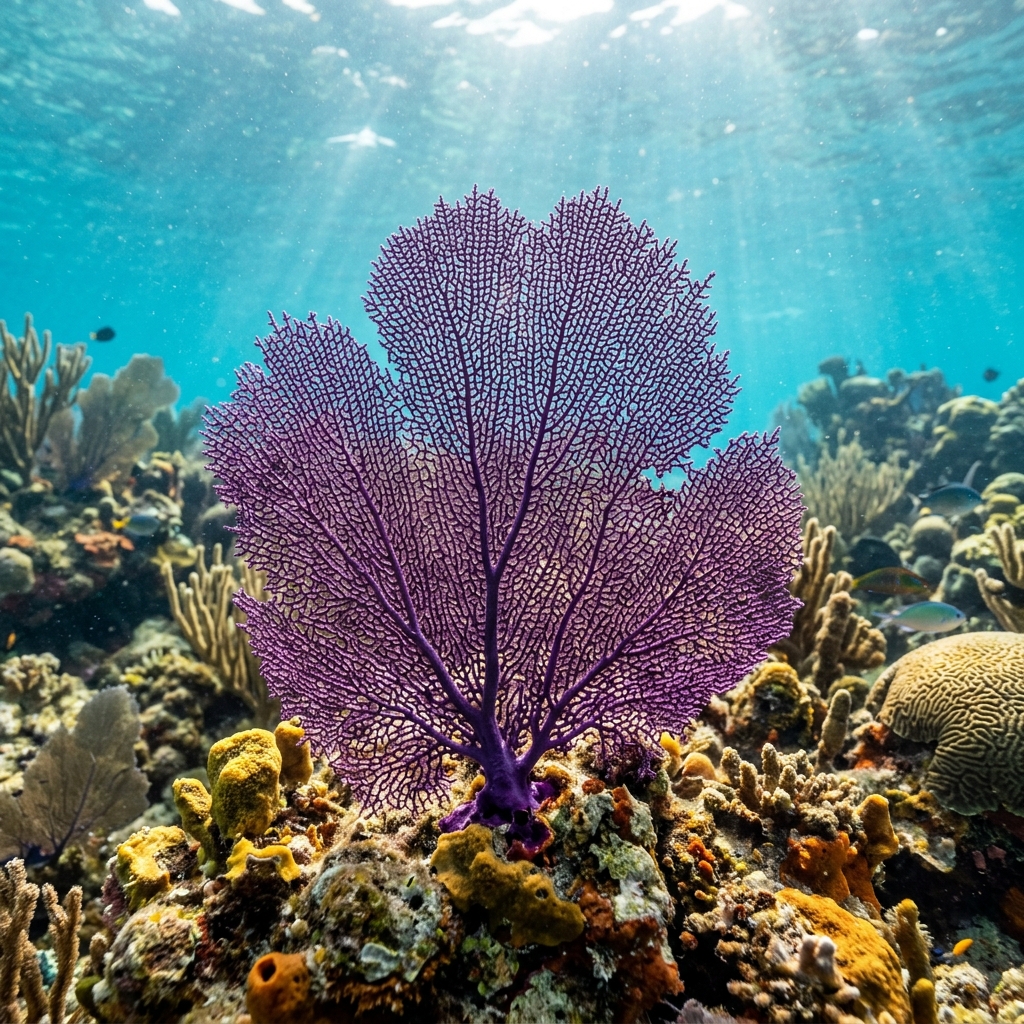
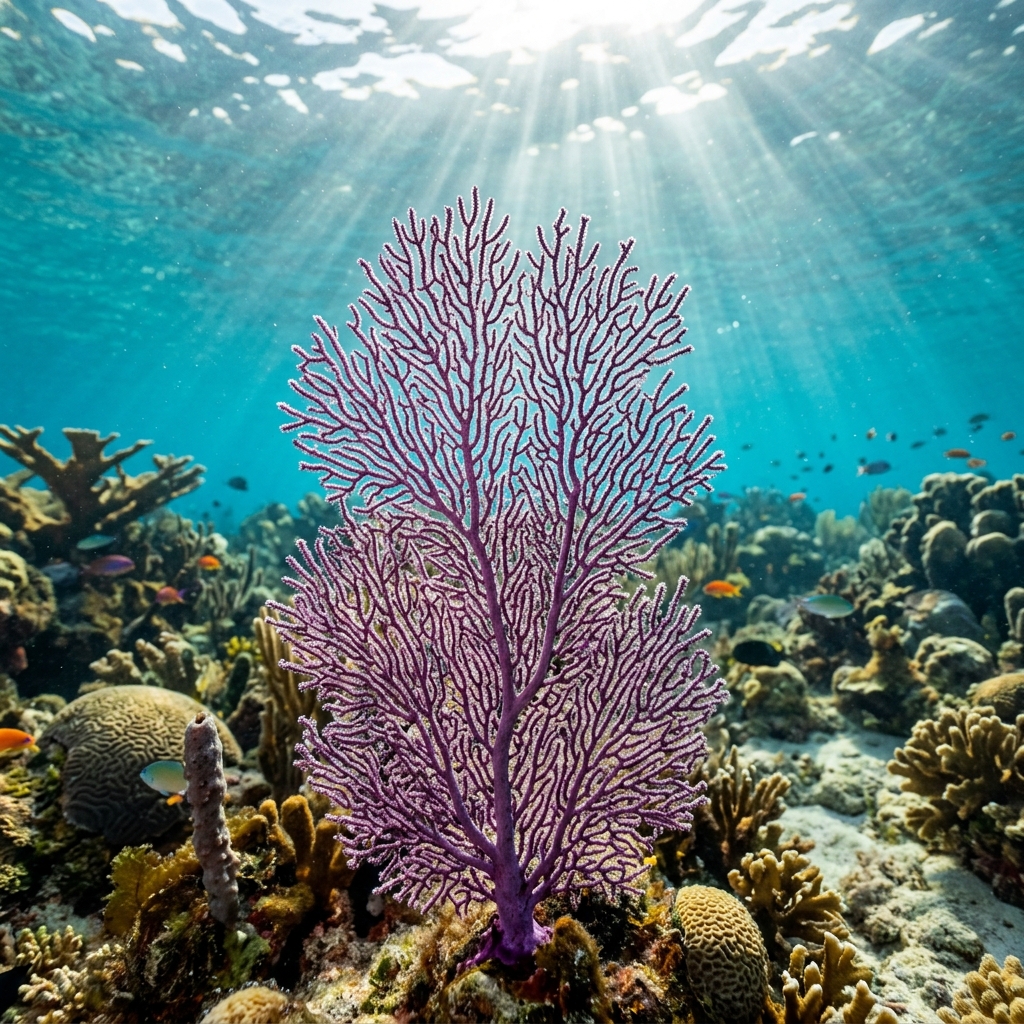
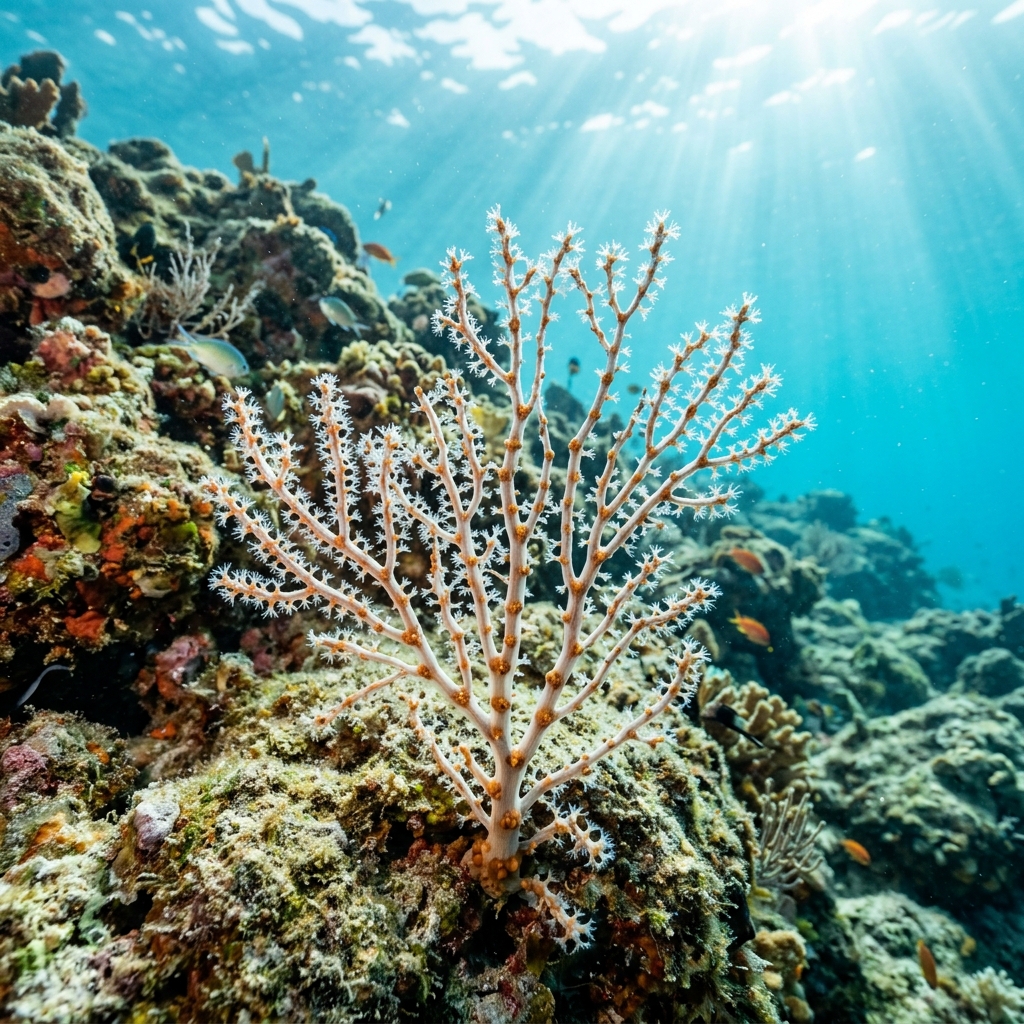
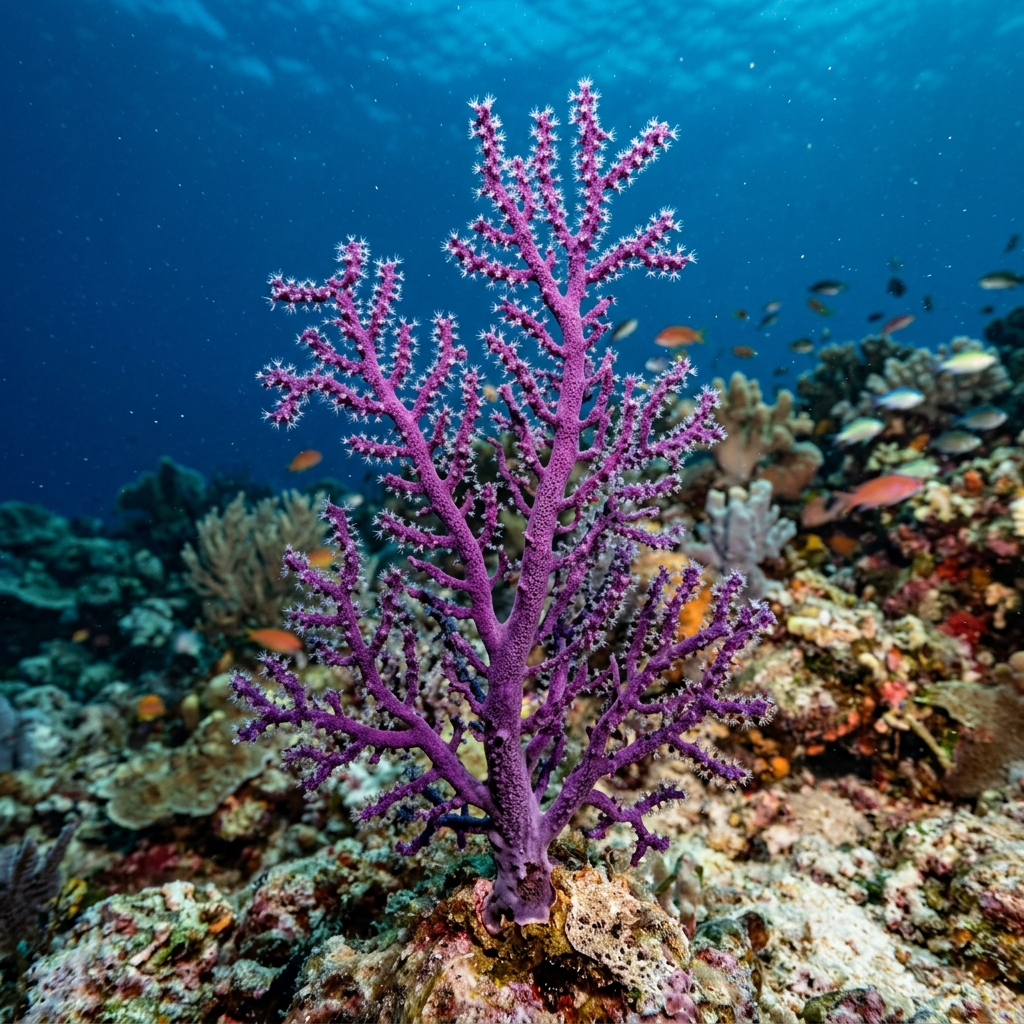
Look for a fan-shaped colony of stiff, branching arms coloured in deep violet to purple, sometimes shading towards reddish-purple, spreading laterally from a central holdfast on the rock. When the polyps are extended you can see small white or pale feeding tentacles fringing each branch, giving the colony a feathery texture. Depth is a reliable clue: you will almost always encounter it below 20 m, and the colour becomes more distinctive as your eyes adjust to the reduced ambient light at those depths.
Attached firmly to the rock, a violescent sea-whip spends its entire life in one spot, orientating its fan broadside to the prevailing current to intercept passing plankton. Visit during periods of moderate current and you are most likely to find the tiny polyps fully extended and feeding, which is when the colony looks its most alive and detailed. It takes no notice of divers, so you can settle in close and watch the polyps at work without any reaction from the animal.
Paramuricea clavata is one of the species hardest hit by Mediterranean marine heat waves. When summer water temperatures stay anomalously high for extended periods, entire colonies can suffer mass mortality events, making it a useful indicator species for reef health on deeper slopes.
Sightings concentrate from February through October across the Mediterranean. Outside that window, winter conditions and reduced visibility mean encounters drop off noticeably.
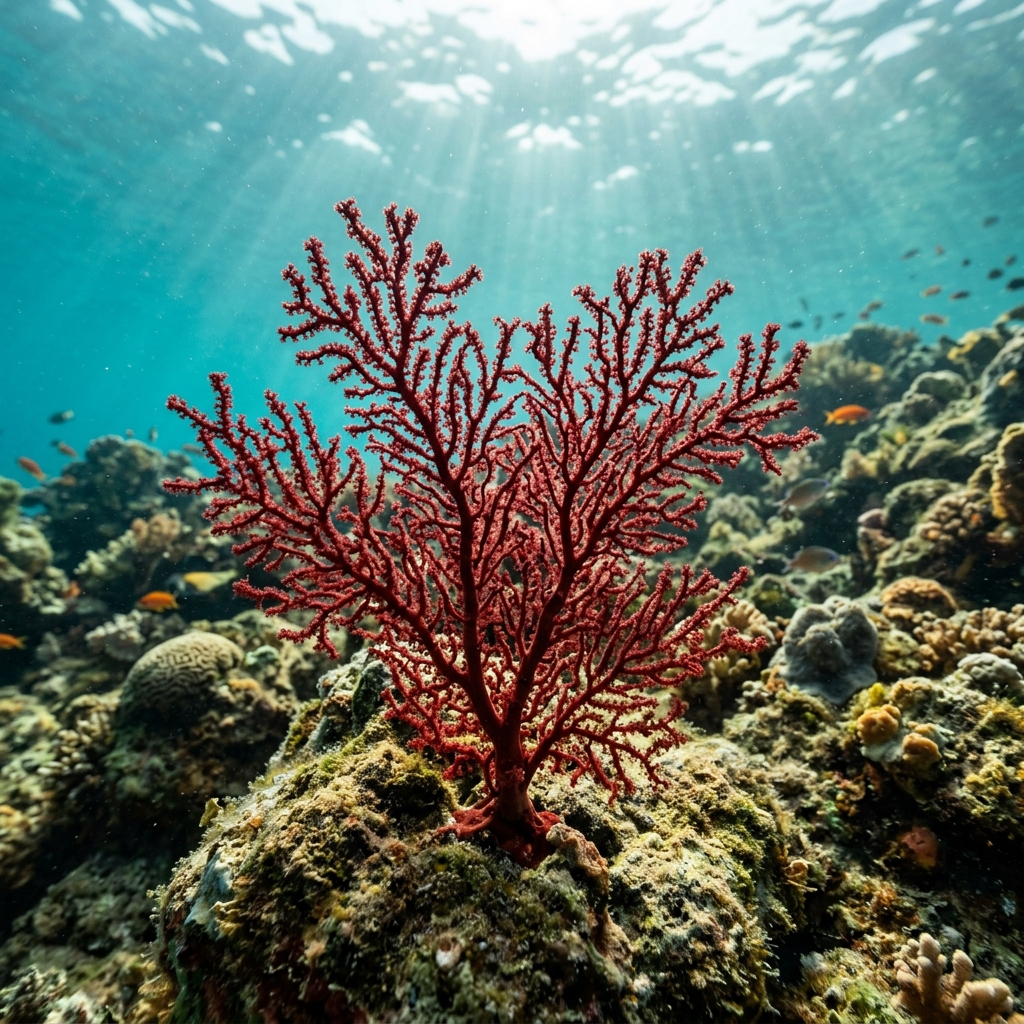
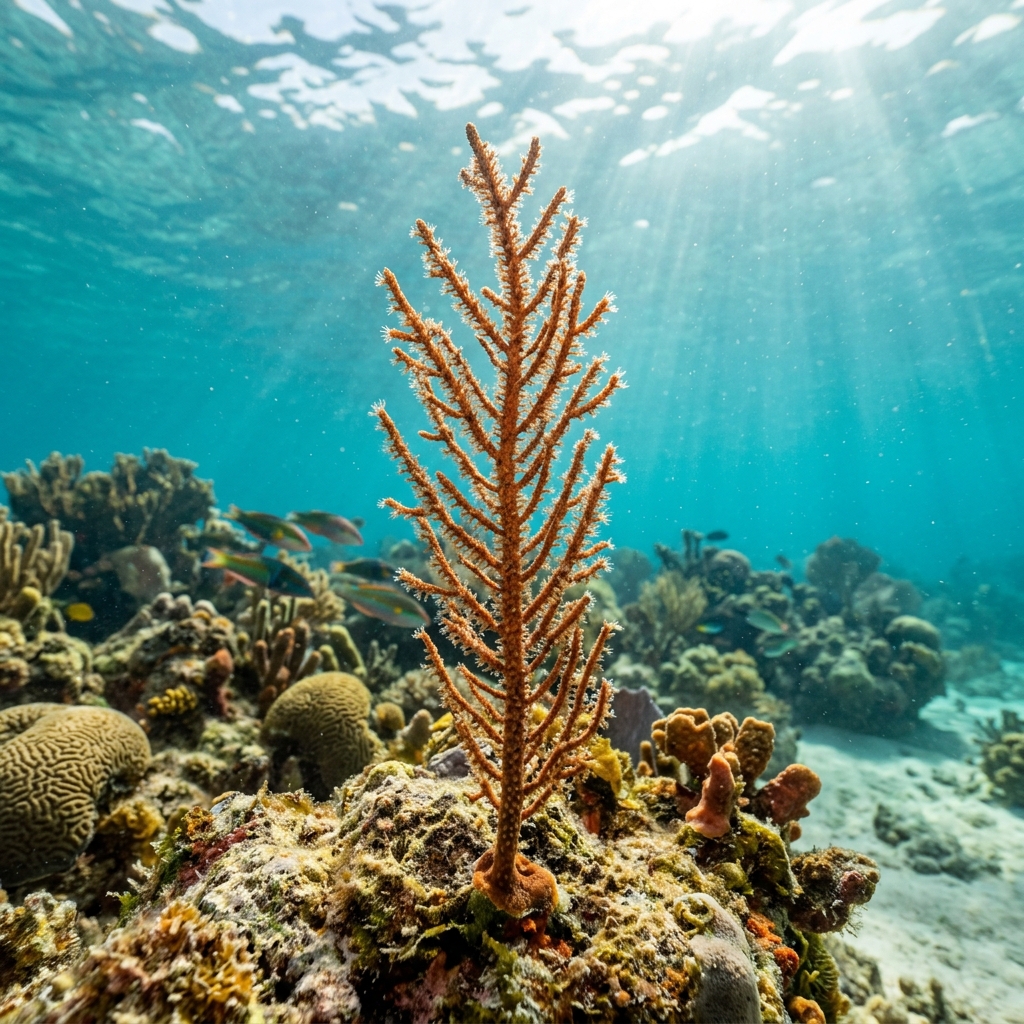
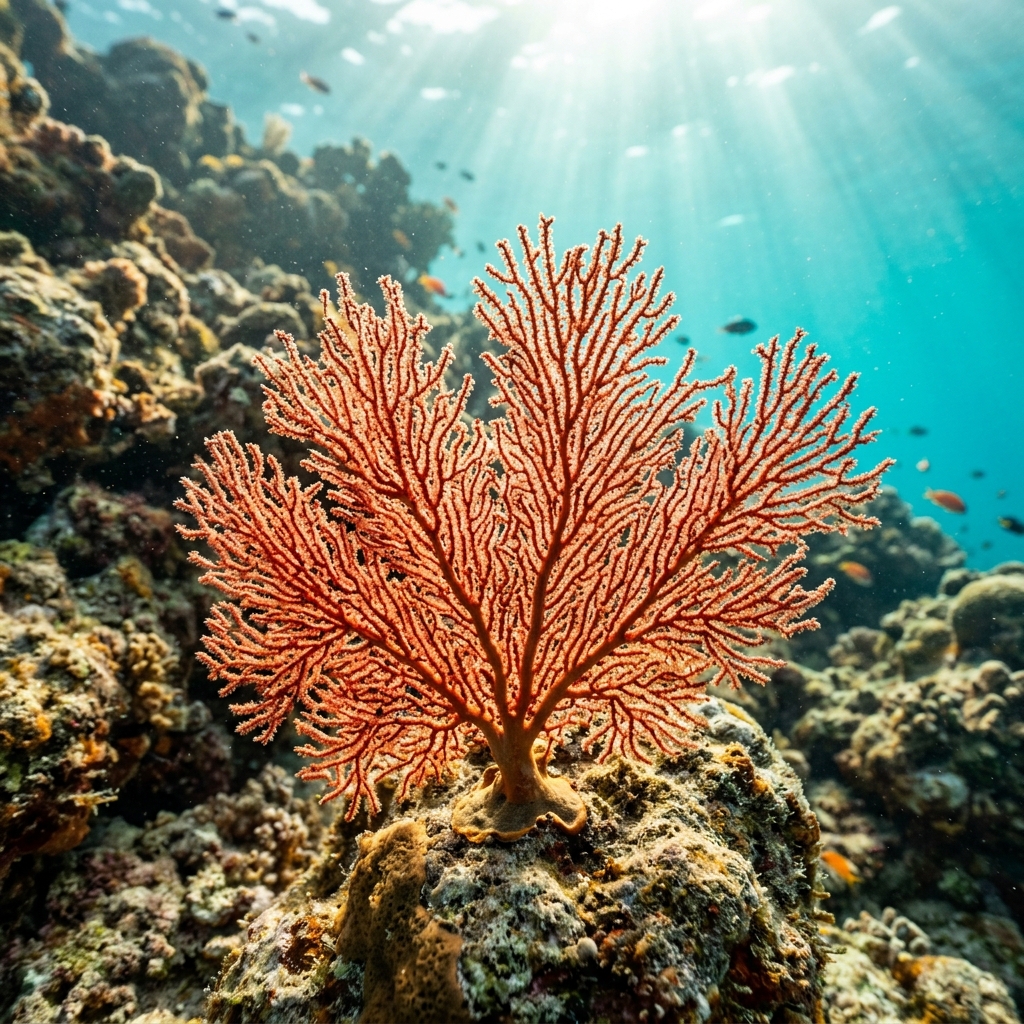
Reef neighbours a diver could mistake it for. Use the identification notes above to tell them apart.
Most commonly logged across the western and central Mediterranean, with France (particularly the French Riviera and Provence coast), Italy (Sicilia, Sardegna, and the northwest), and Spain (especially the Costa Brava) leading the records. Greece, Croatia, Turkey, and Cyprus also hold strong populations, making this essentially a Med-specialist's species, with additional sightings in the Azores for Atlantic divers.
Mapping where Violescent Sea-whip is logged…
The French Riviera and Provence coast holds the strongest records, followed by the Costa Brava in Spain and Sicily, Sardinia, and northwest Italy. Croatia's Kvarner Gulf, the Aegean coast of Turkey, Greece, and Cyprus all offer regular sightings, and the Azores extends the range into the Atlantic.
Sightings across the Mediterranean concentrate between February and October. Peak conditions are when water temperatures sit in the mid-range of this species' comfort zone and moderate currents are running, as that is when the polyps are most reliably extended.
The deep violet to purple colour of the branching fan is the first thing to look for. Below 20 m on rocky walls or slopes, that colouring combined with a flattened, fan-like growth form is usually enough. When current is running, watch for the tiny pale polyps extending along each branch, which confirm a healthy, actively feeding colony.
Divers reliably find them from around 20 m down to at least 42 m. They prefer the cooler, dimmer conditions of deeper rocky slopes and walls, which is why shallower snorkellers rarely encounter them.
No, they pose no risk to divers. They are sessile (fixed to the rock) and entirely passive. The main concern goes the other way: careless fin kicks and physical contact can break fragile branches that may have taken decades to grow, so hover carefully and keep your fins clear.
Site and sighting data is aggregated from diver logs, iNaturalist and GBIF. For taxonomy and conservation status:
Red Gorgonian
3,278 sites