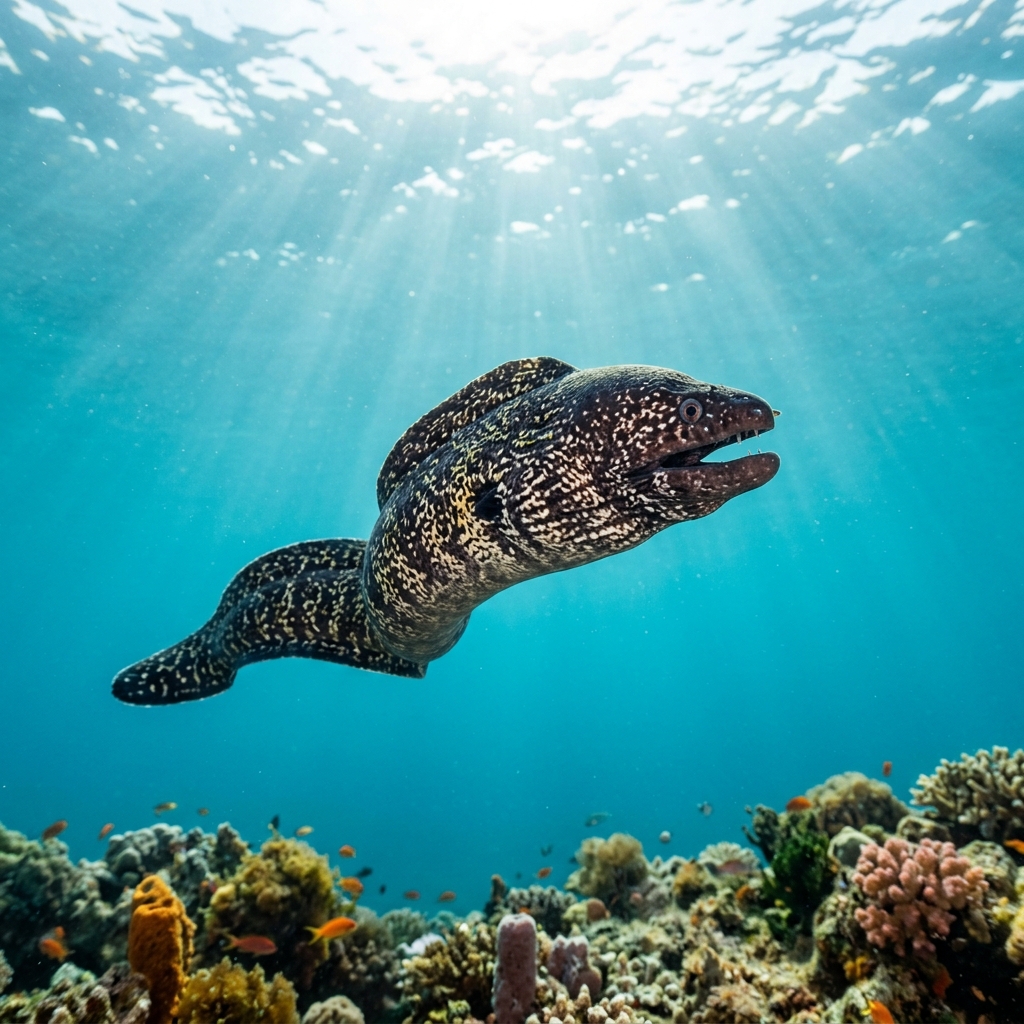
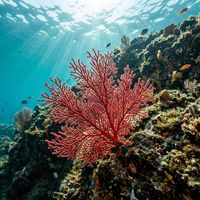
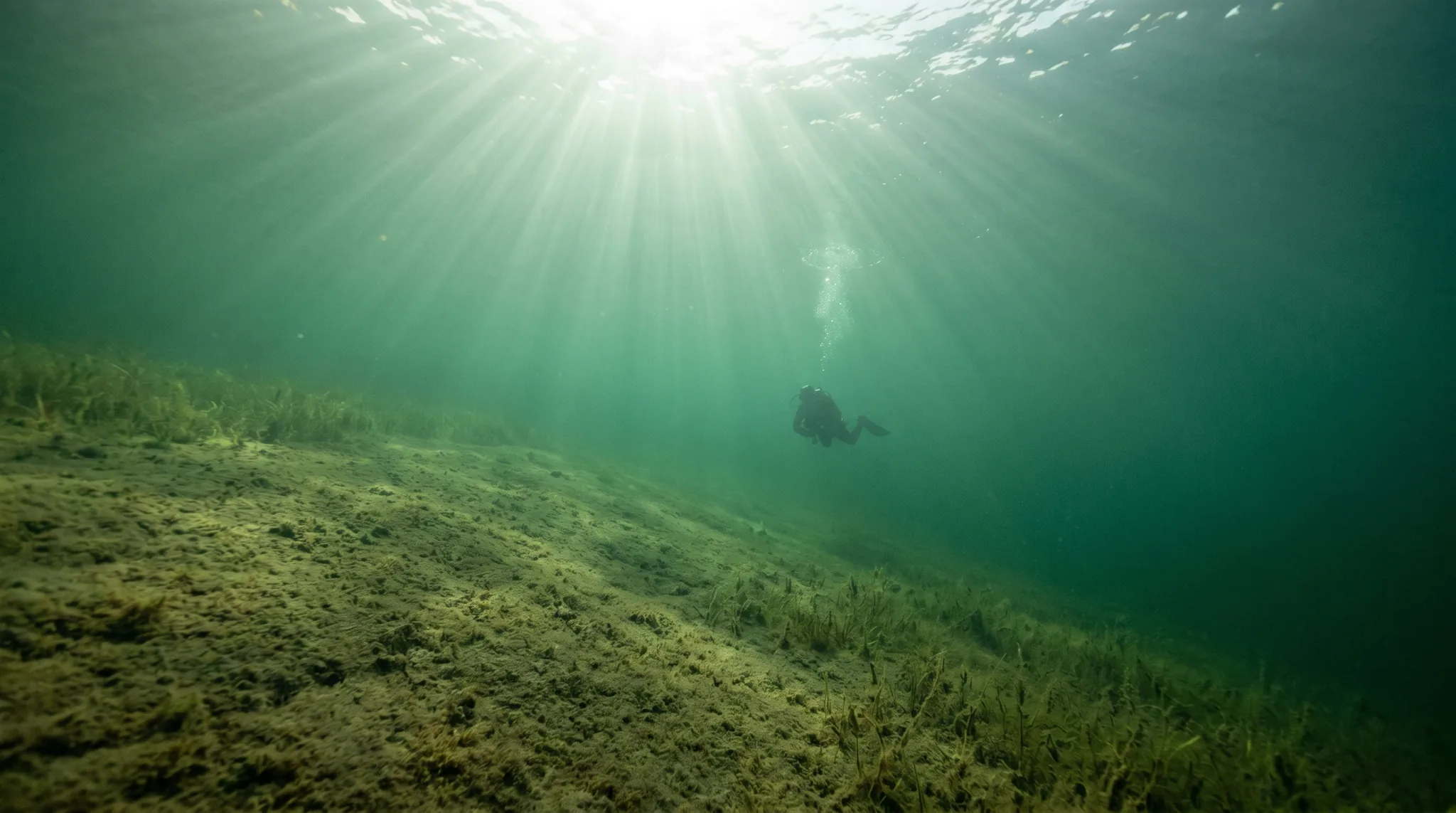
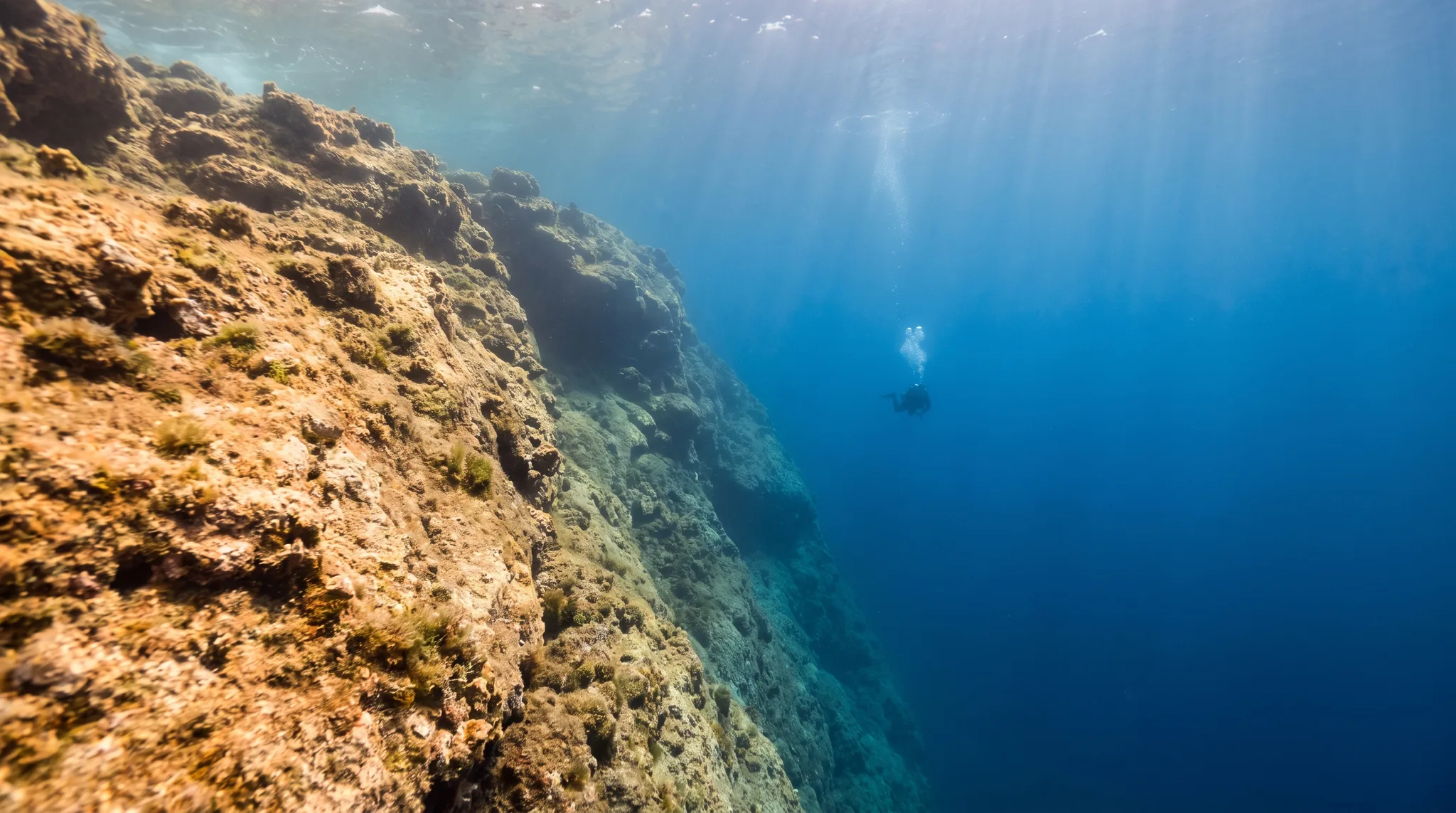
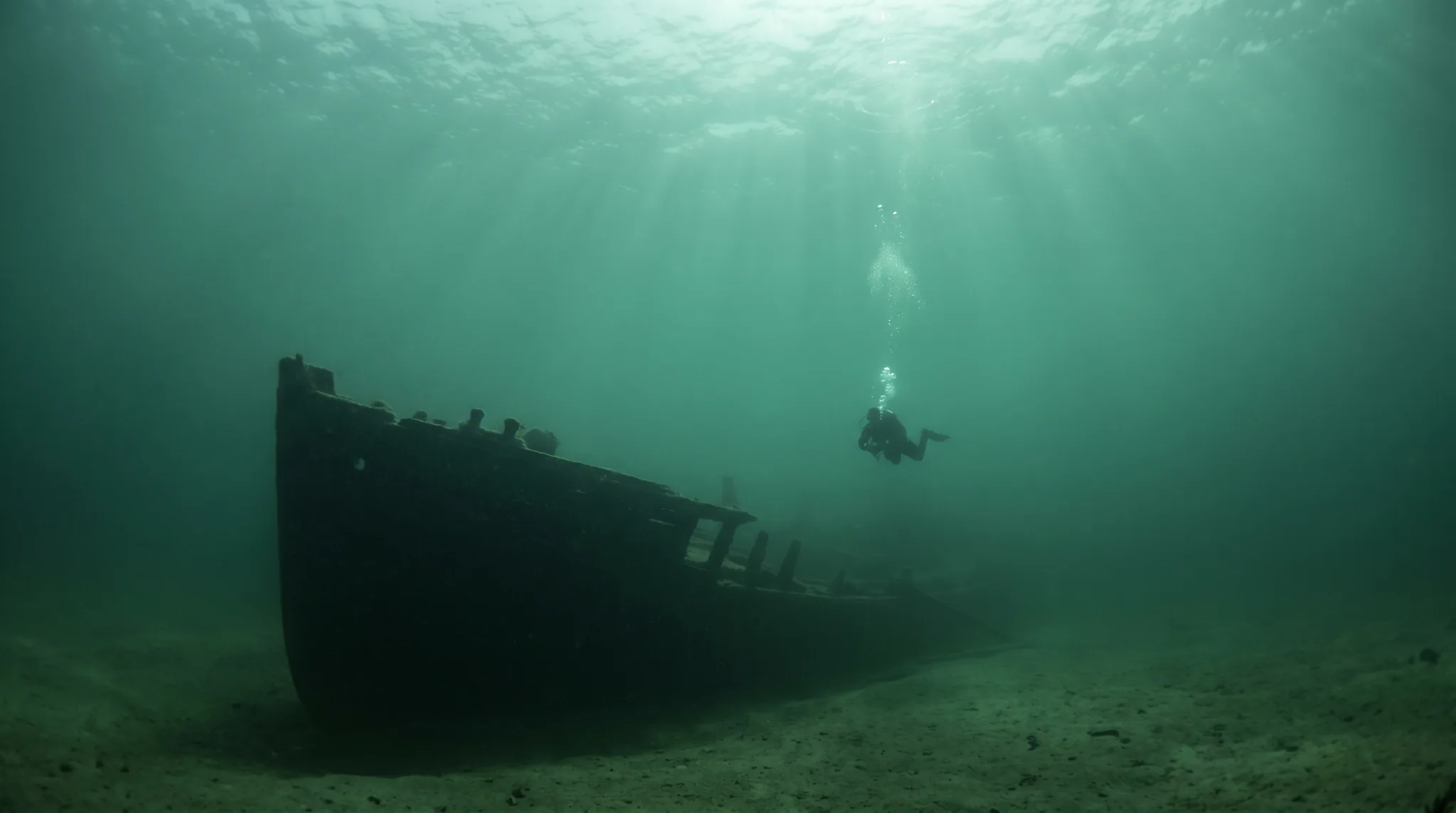
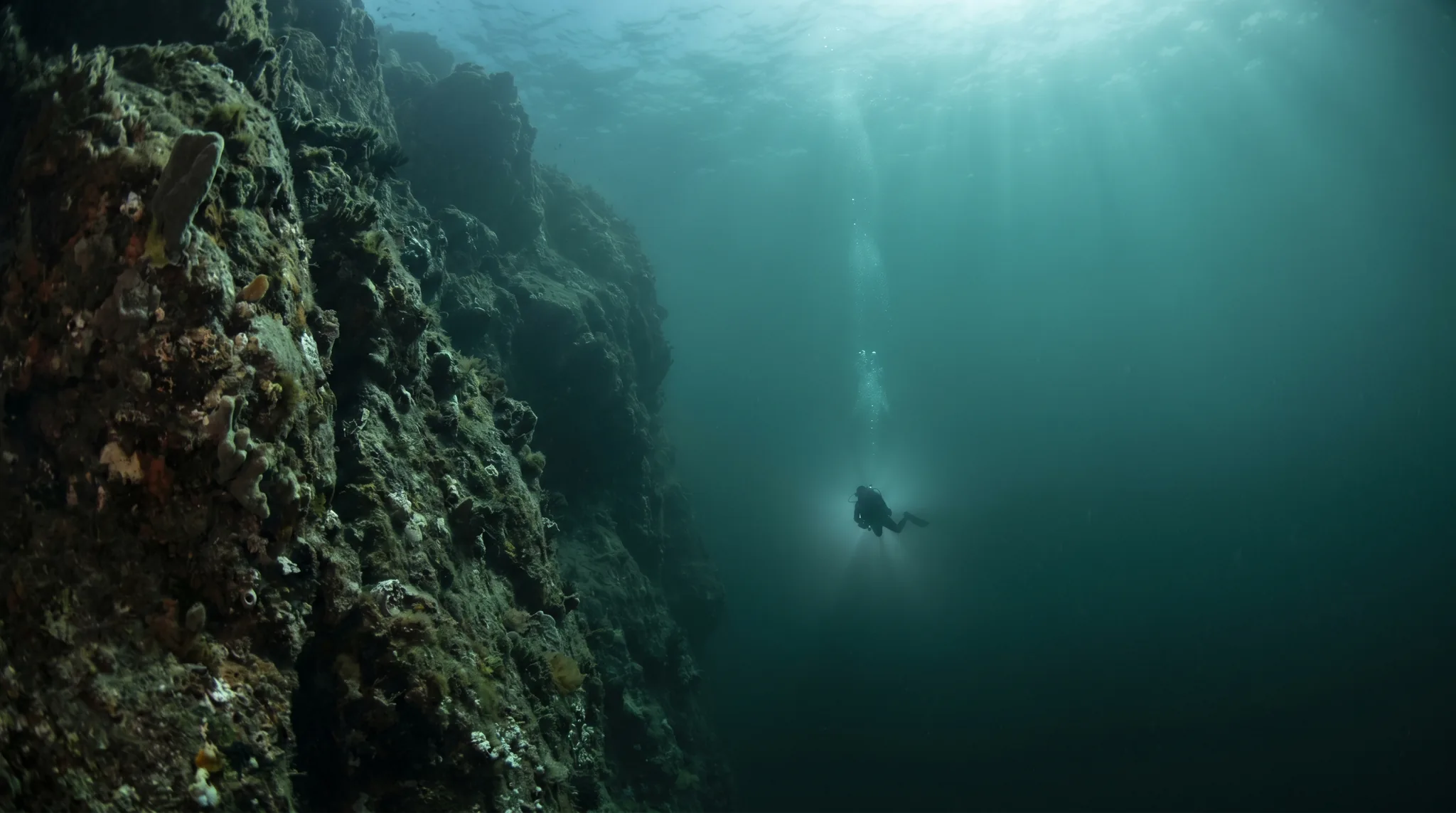
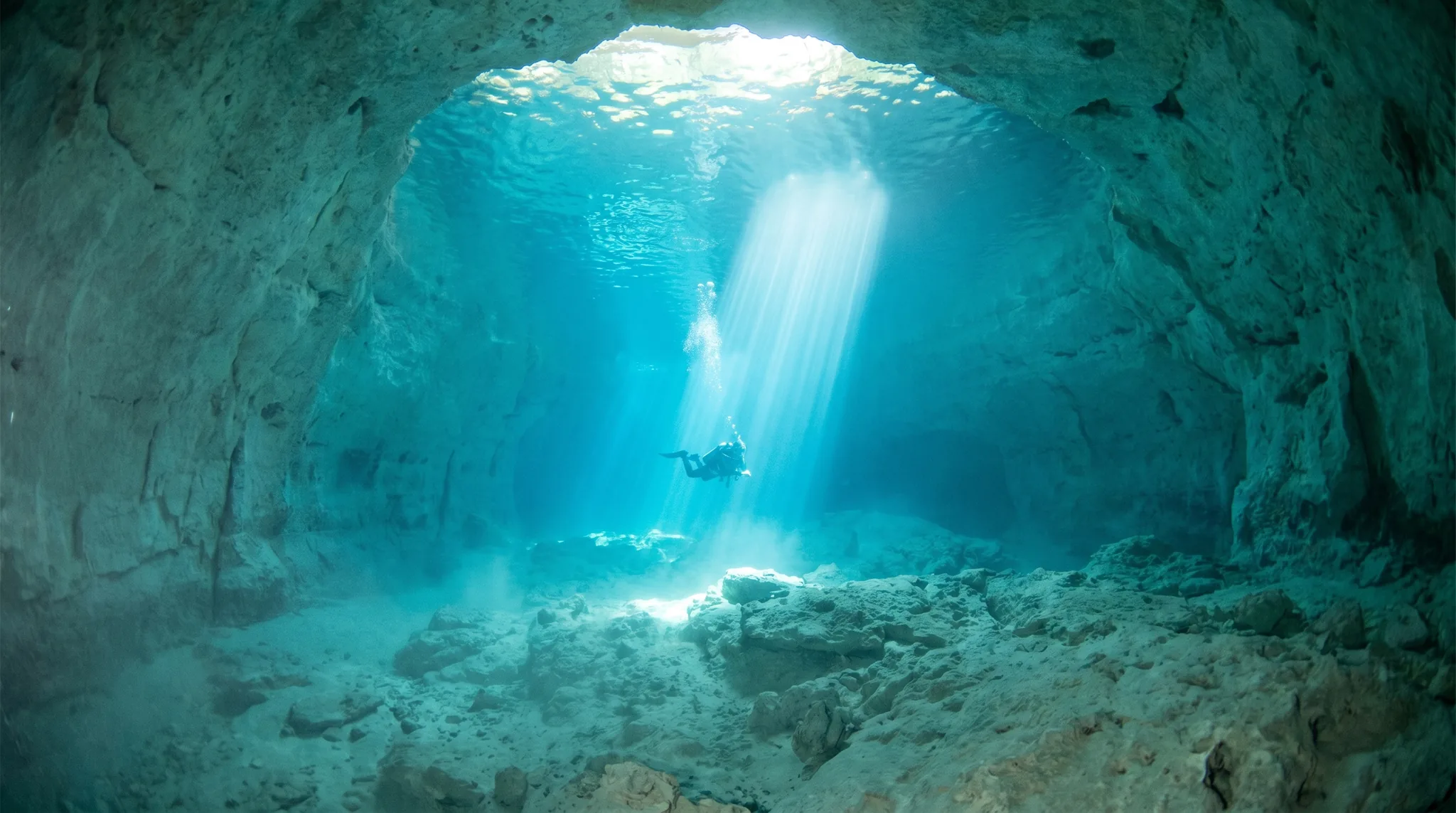
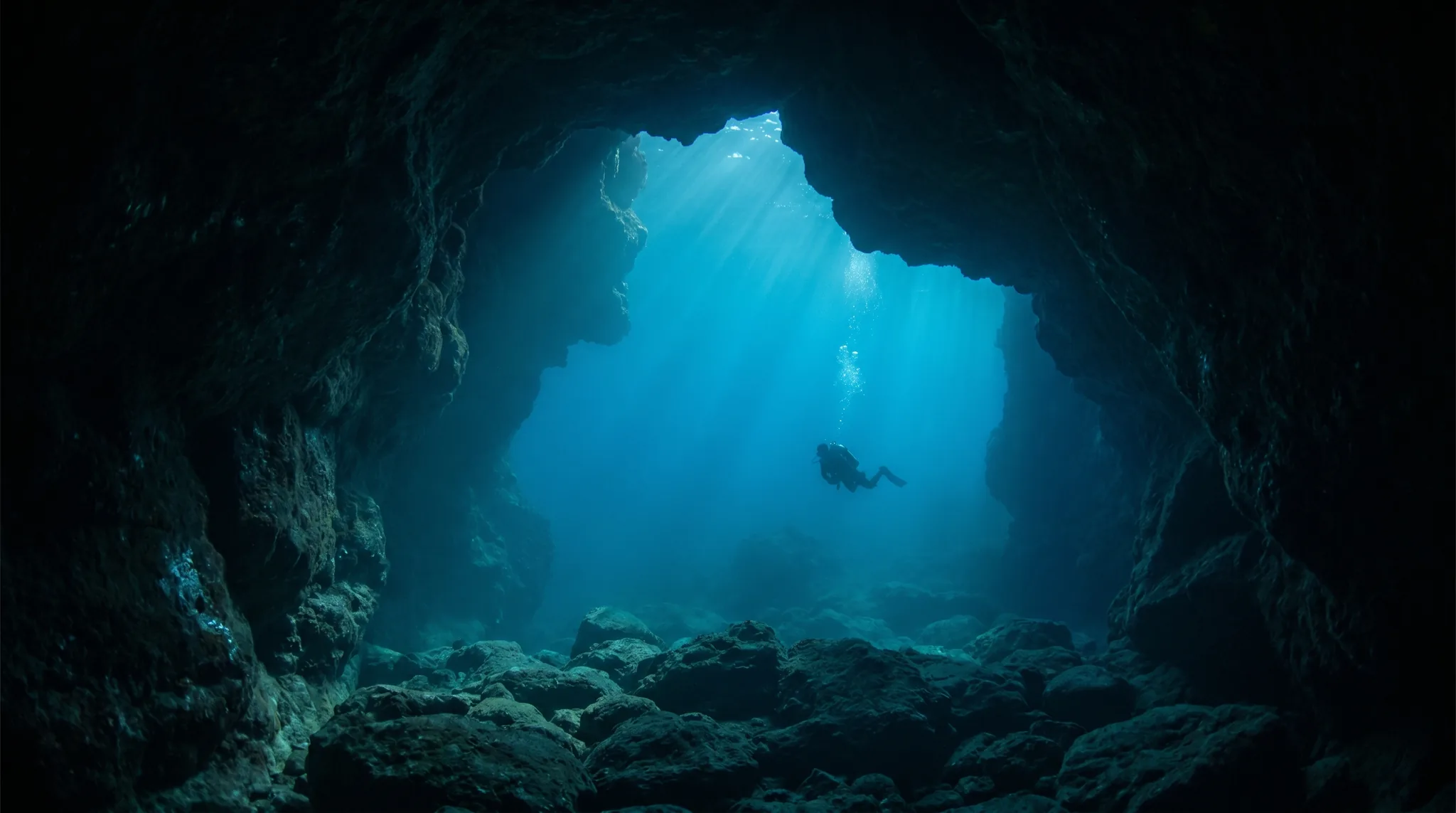
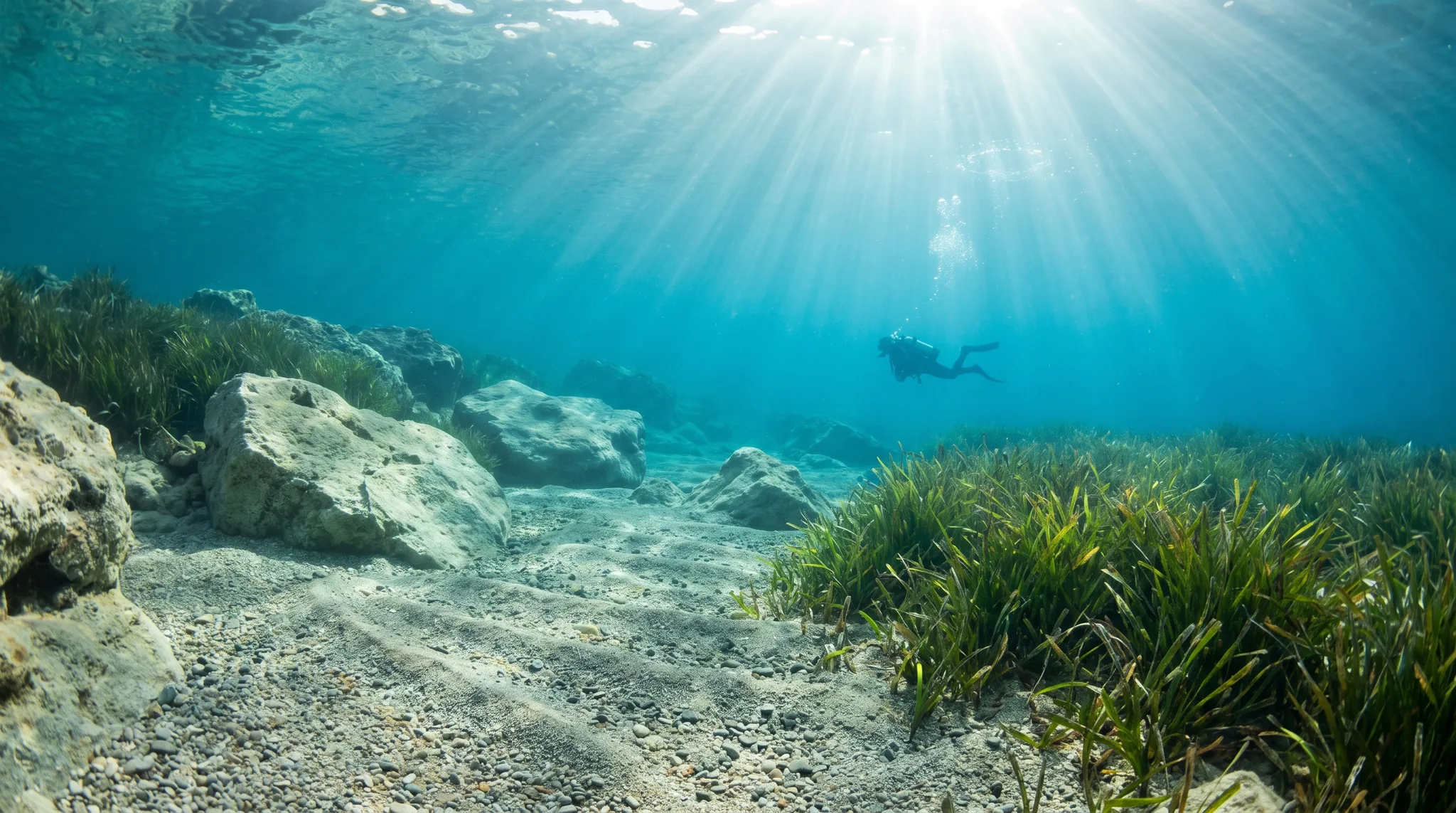
The Tremiti Islands deliver a diving landscape built around walls, pinnacles, caves and reef structures, all draped in Red Gorgonian and Yellow Gorgonian. Advanced sites such as Gli Archi and I Picchi di Elena drop to serious depths with drift conditions, while shallower beginner reefs and the freshwater cave dive at Lago di Capodacqua broaden the range considerably. Mediterranean Moray, Conger Eel, Scorpionfish and the occasional Ocean Sunfish are reliably observed across the sites.
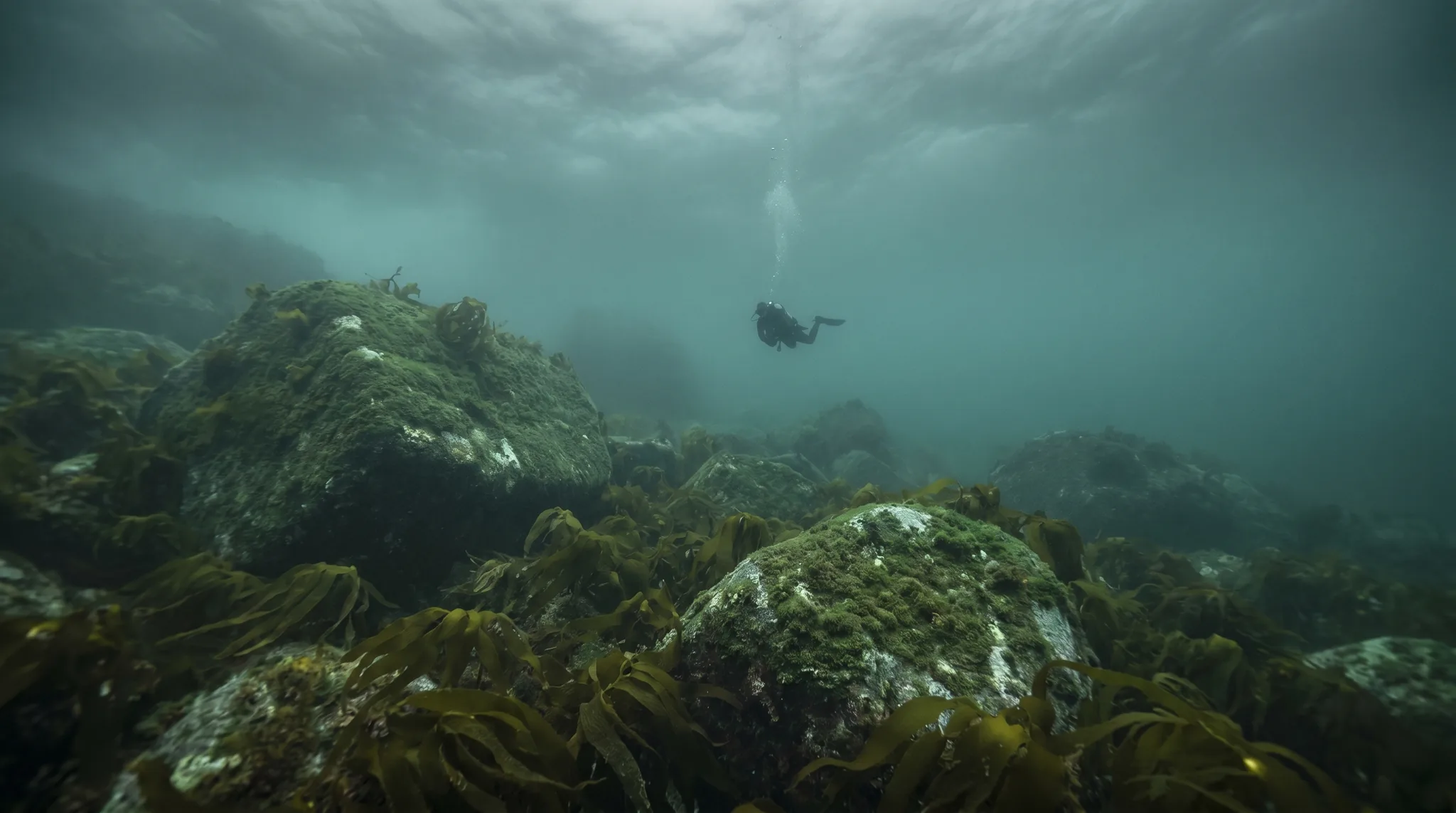
Monthly water temperature across Tremiti Islands's sites, from satellite sea-surface data corrected for depth. The band shows the site-to-site spread.
Water is coolest in late winter and early spring, making a thicker wetsuit advisable for those months. Temperatures climb steadily through summer and peak in September, which sits among the most popular months for diving. Summer and early autumn bring the warmest conditions and the highest diver activity, while winter months see far quieter waters.
21 operators

Isole Tremiti, Italy
5 more sites to explore
Water temperature around Tremiti Islands ranges from about 13°C in March to 21°C in September, based on satellite sea-temperature data for its dive sites.
In the warm season (about 21°C) a 5mm suit is comfortable in Tremiti Islands; in the coldest months (about 13°C) step up to a 7mm or semi-dry suit.
Fin maps 12 sites in Tremiti Islands (12 scuba diving sites and 1 snorkelling spots, with some suited to both).
Across Tremiti Islands's dive sites, June, July, August, September and October are most often reported as the best months to visit.
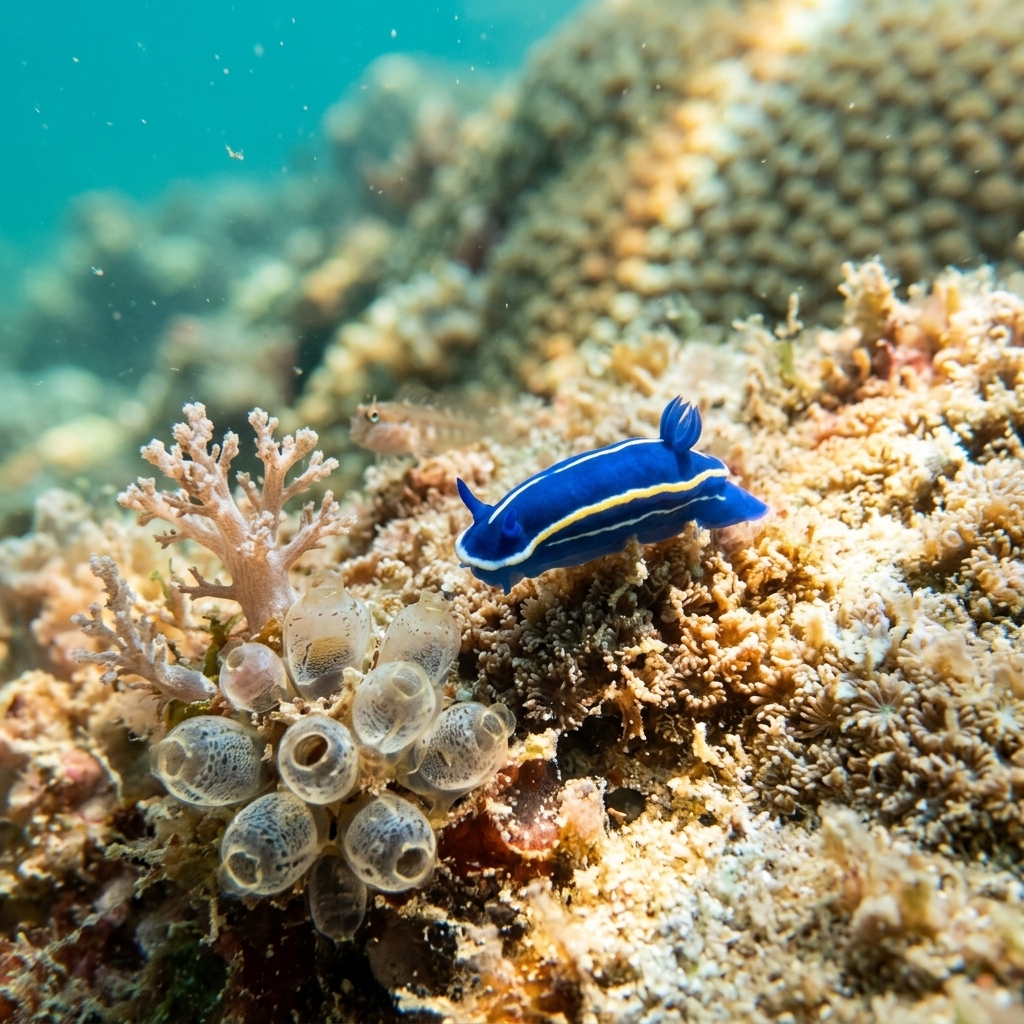
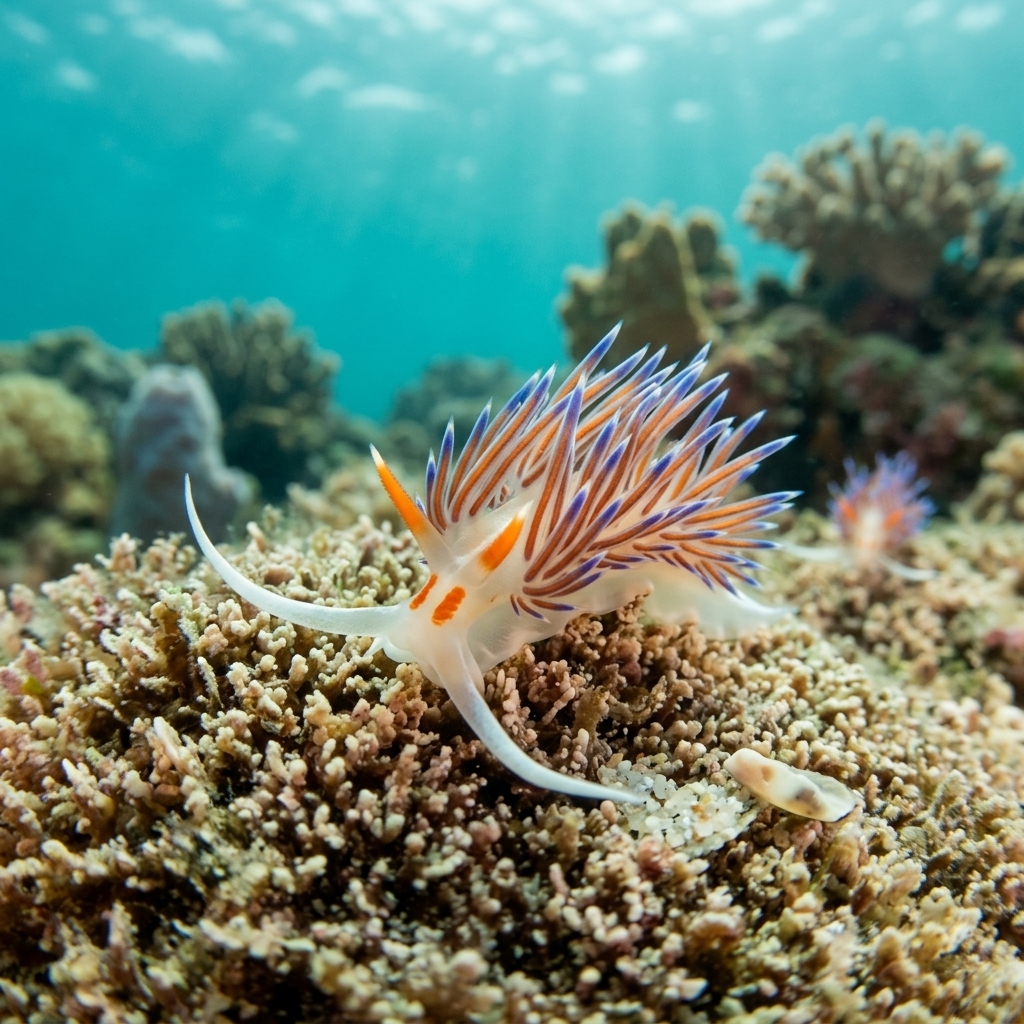
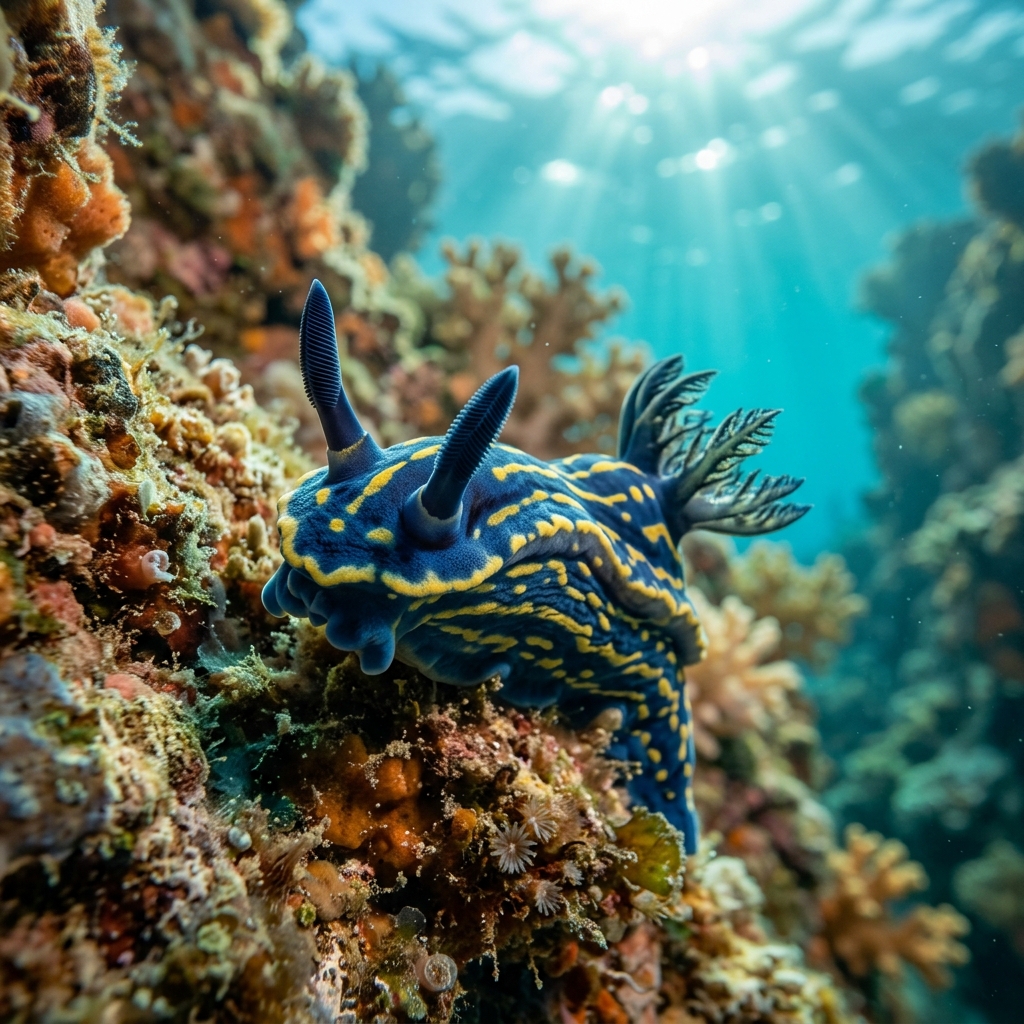
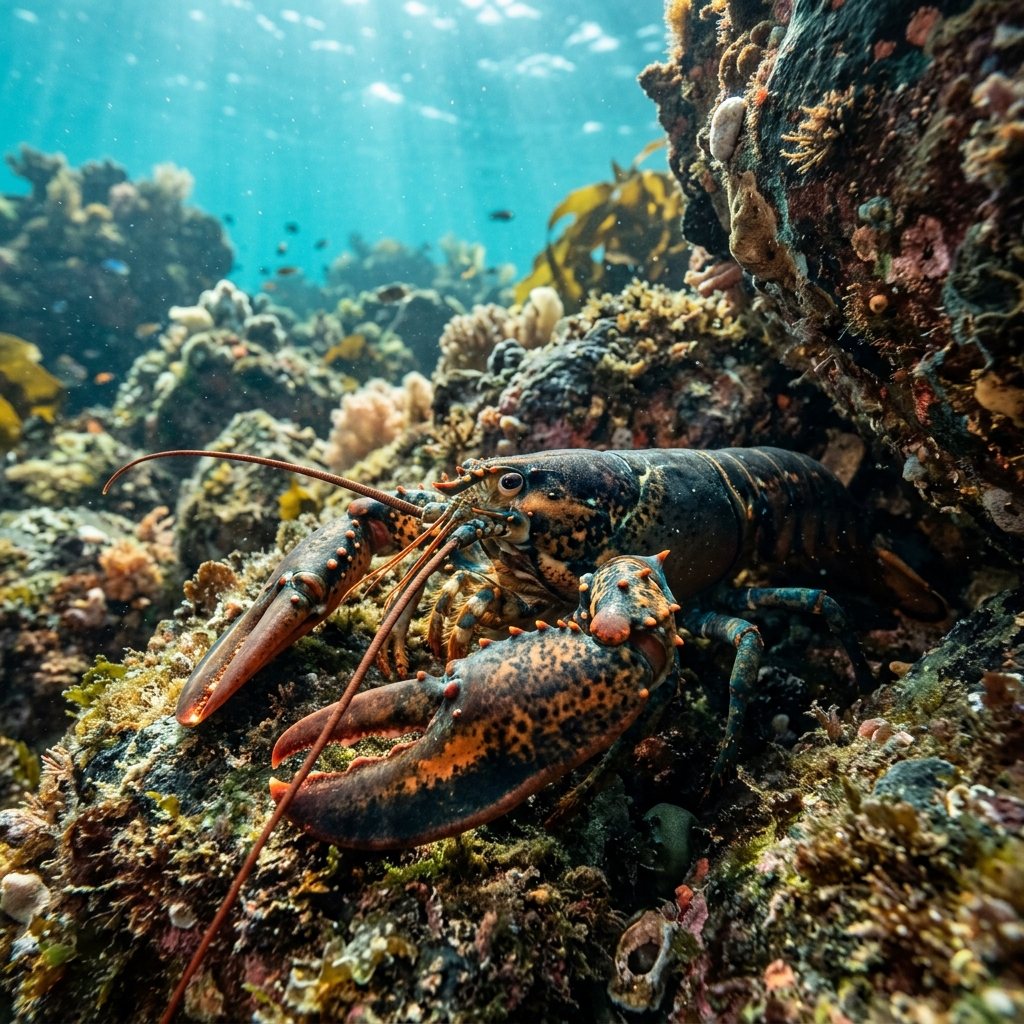
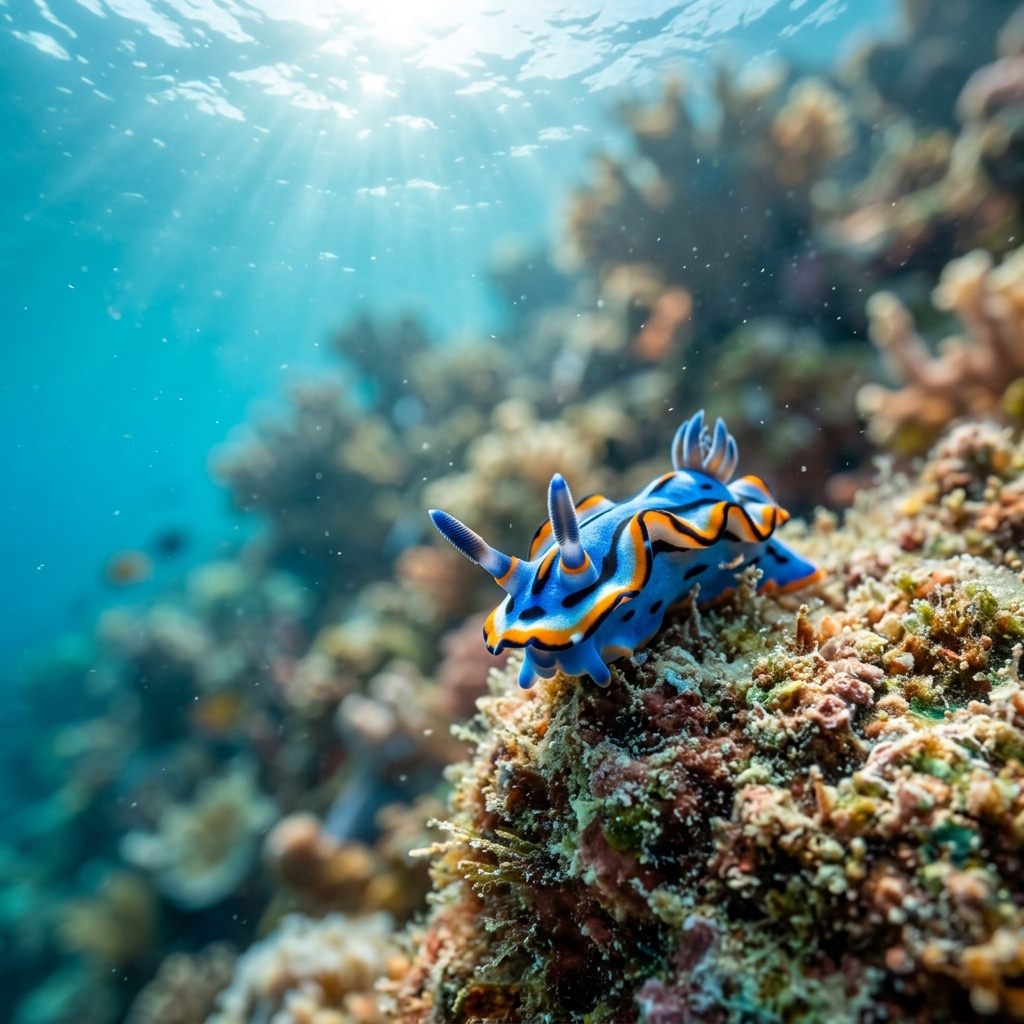
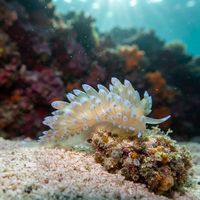
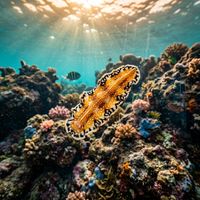
Red Gorgonian and Yellow Gorgonian are observed across nearly all sites. Mediterranean Moray, Conger Eel, Scorpionfish and Bream are common on the reefs, while Squat Lobster, Common Lobster and a range of nudibranchs including the Cratena Slug, Giant Doris and Felimare orsinii turn up regularly. Ocean Sunfish and Great Barracuda make occasional appearances, and Seahorse has been recorded at some sites.
Several sites are rated for beginners, including the shallow freshwater cave dive at Lago di Capodacqua and the reef at Scoglio della Cernia. More exposed walls and pinnacles such as Gli Archi, Punta Secca and I Picchi di Elena are rated advanced and involve significant depth and potential drift. Intermediate divers are also catered for at sites like Cala dei Turchi.
The majority of sites require boat access, and many of the well-known operators based here run regular boat dives. Lago di Capodacqua is a notable exception, accessible from shore. Cala dei Turchi offers both shore and boat entry. With a large number of local dive operators available, including Tremiti Diving Center, Acquatica Scuba ASD and H2O Dive, arranging guided boat trips is straightforward.
The region offers a varied mix: vertical walls, natural arches, submerged pinnacles, caves and open reefs all feature across the site list. Lago di Capodacqua adds a freshwater cave and wreck combination that stands apart from the typical marine dives. Drift diving is part of the experience at exposed sites, and gorgonian growth is a consistent feature throughout.