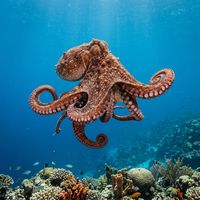
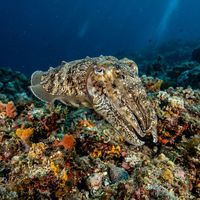
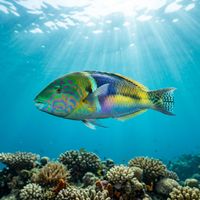
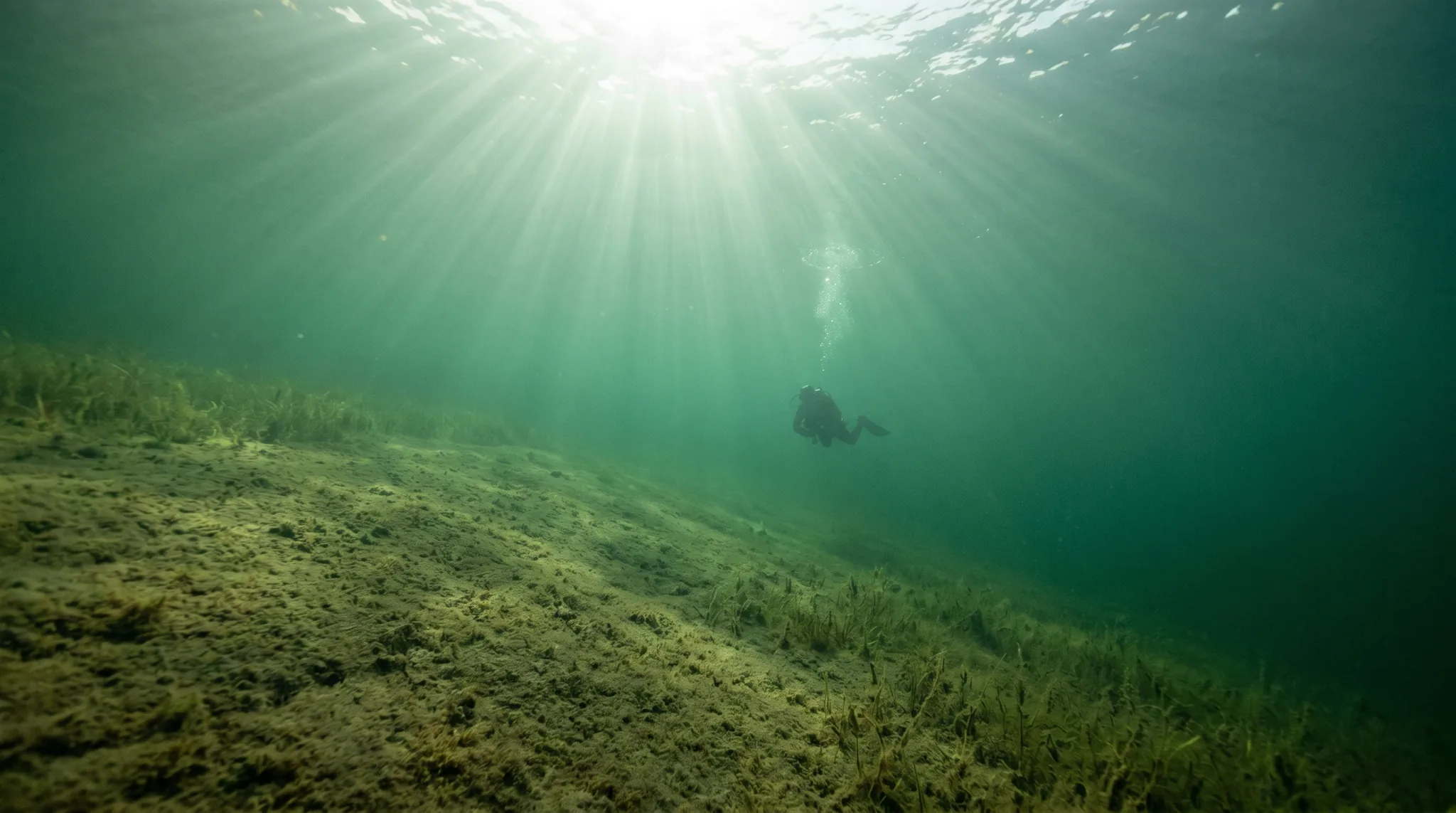
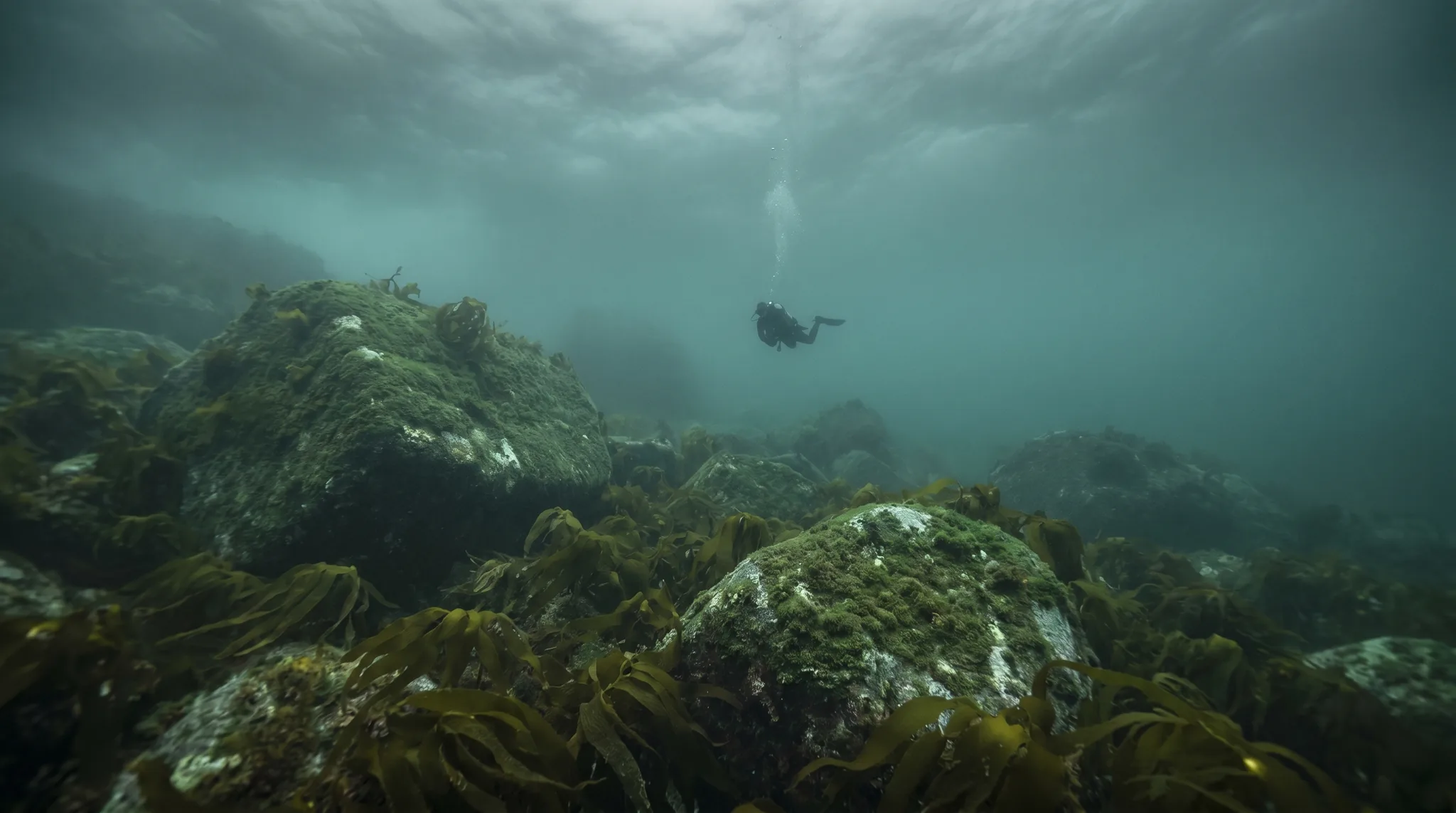
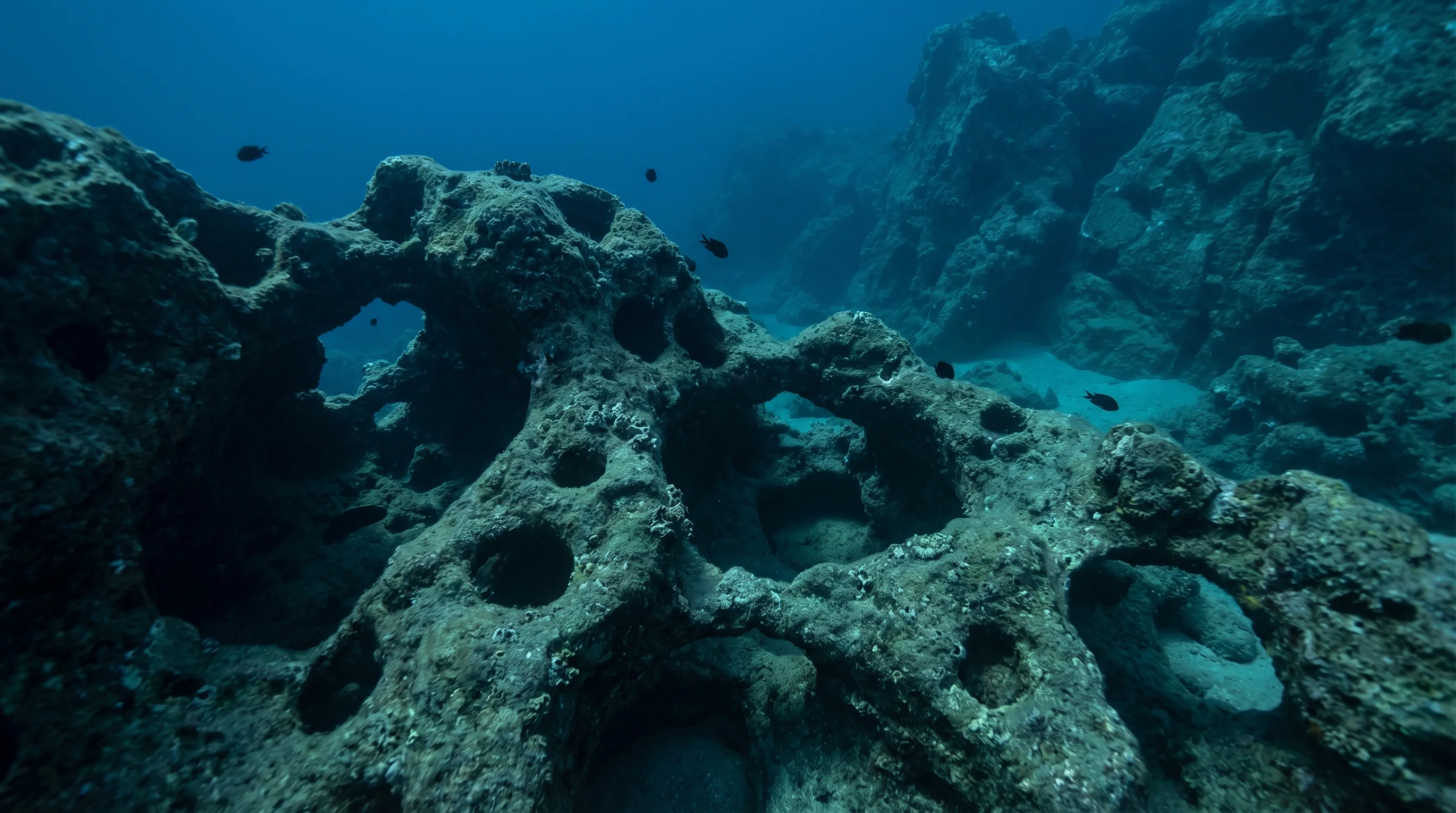
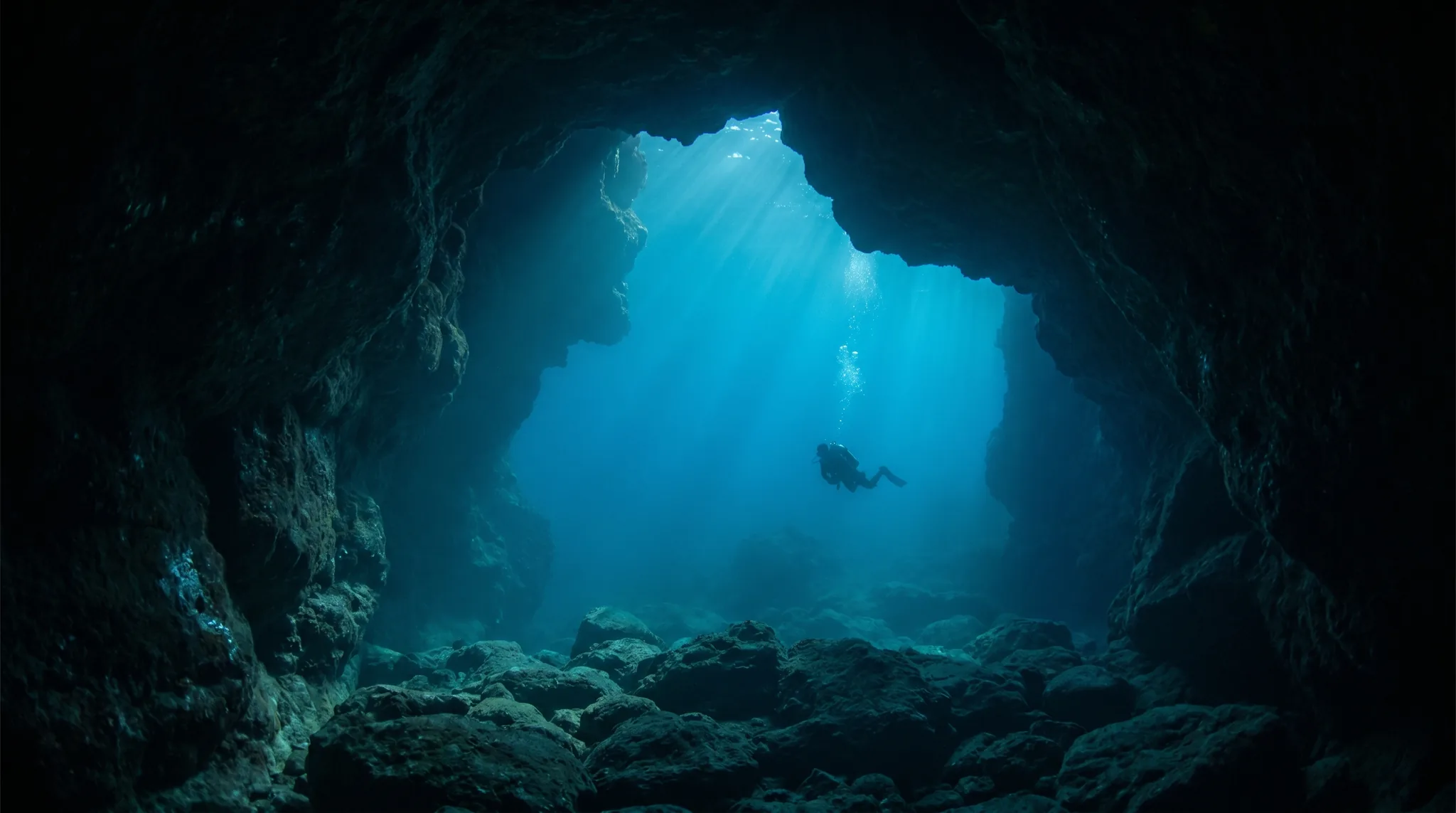
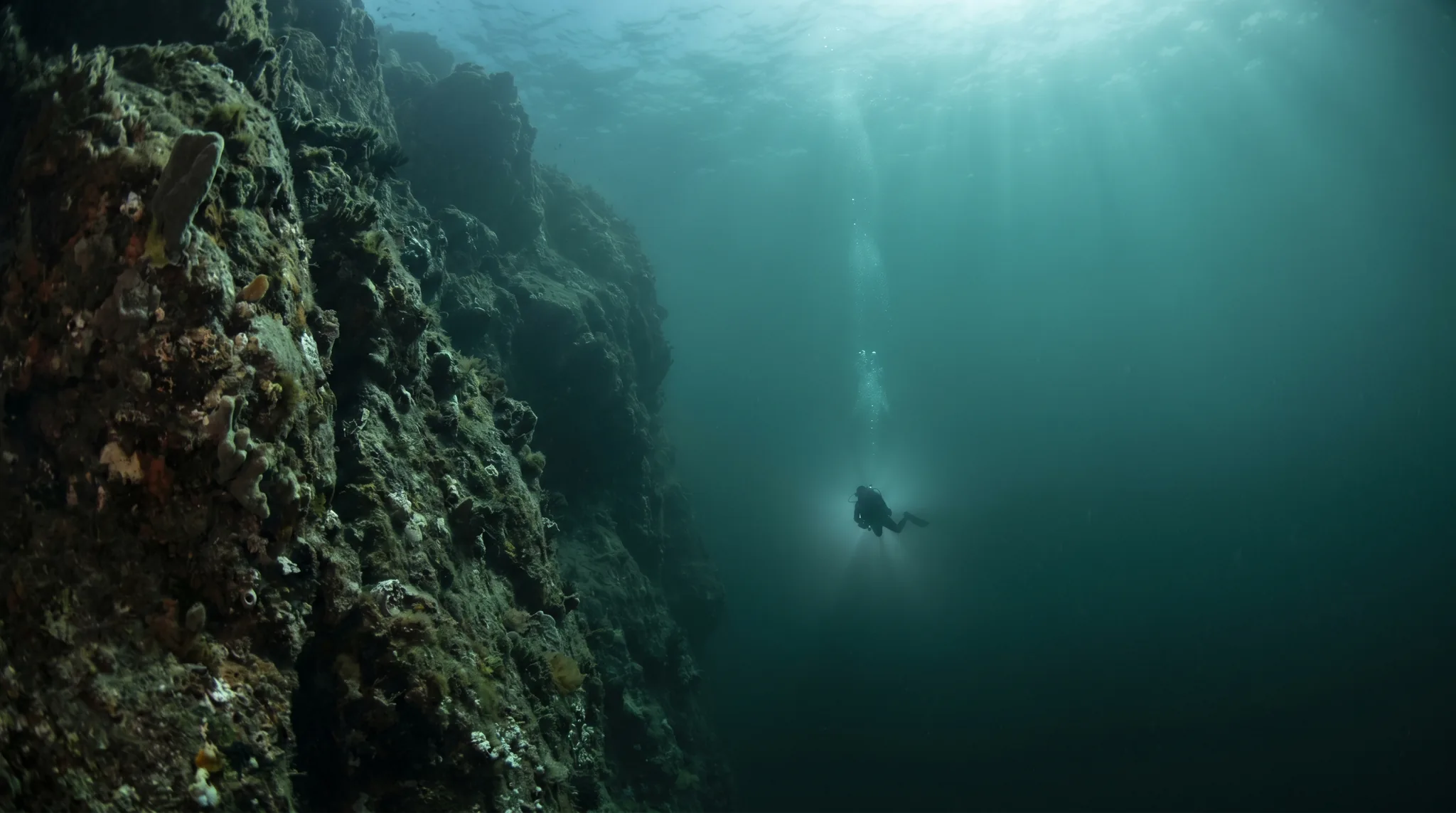
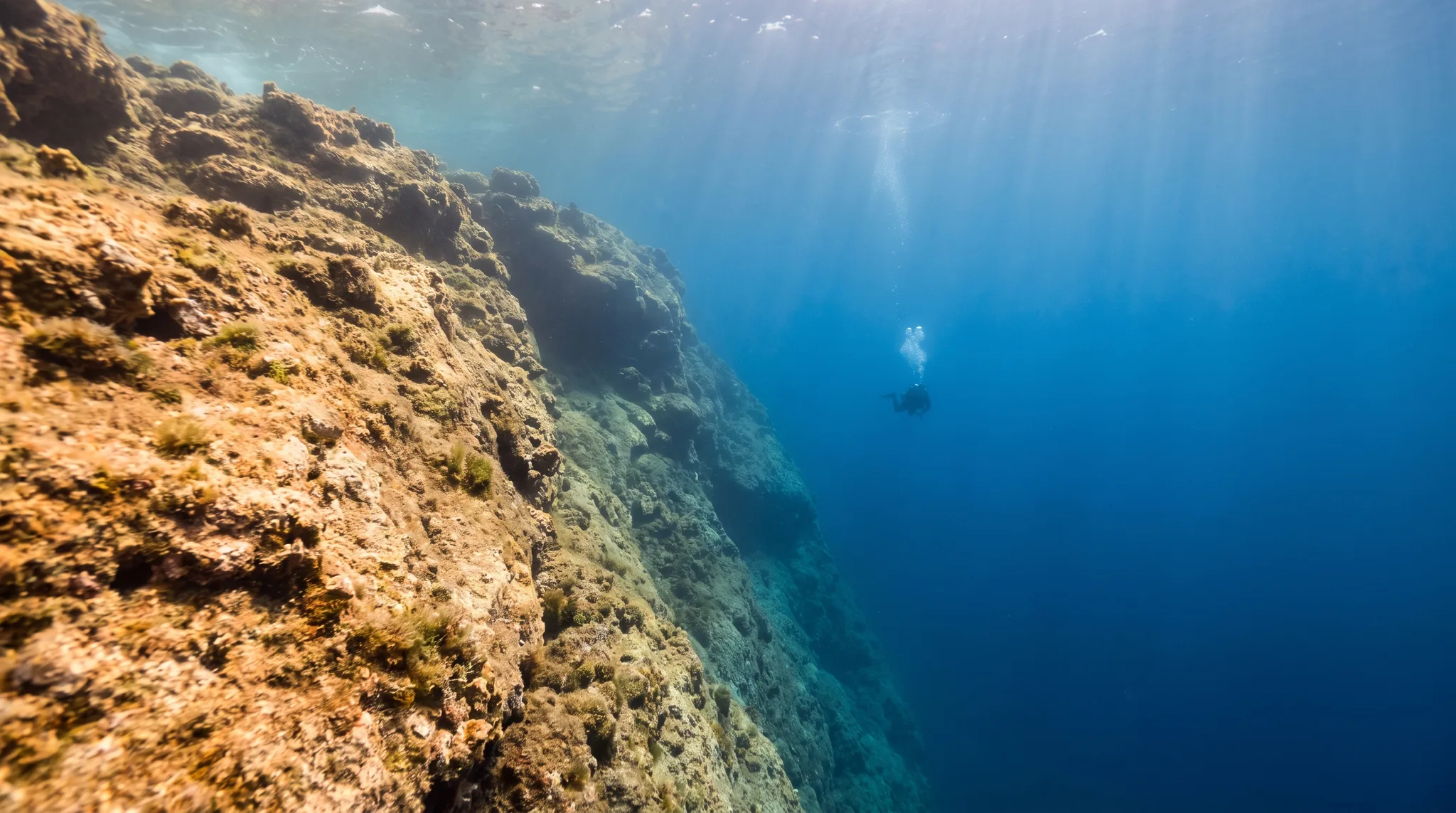
Salento's dive sites span a broad range of terrain: shore-entry reefs suitable for beginners, deep walls and pinnacles reserved for advanced divers, and boat-accessed wrecks including Roman-era anchors at Il cimitero delle ancore and ancient amphorae at La Palombara. Cave systems appear at several sites, notably Terradico and La Cattedrale. The Turkish Wrasse is the most consistently observed species, while the Common Octopus and European Common Cuttlefish define the character of the reefs. October draws the strongest diver interest.
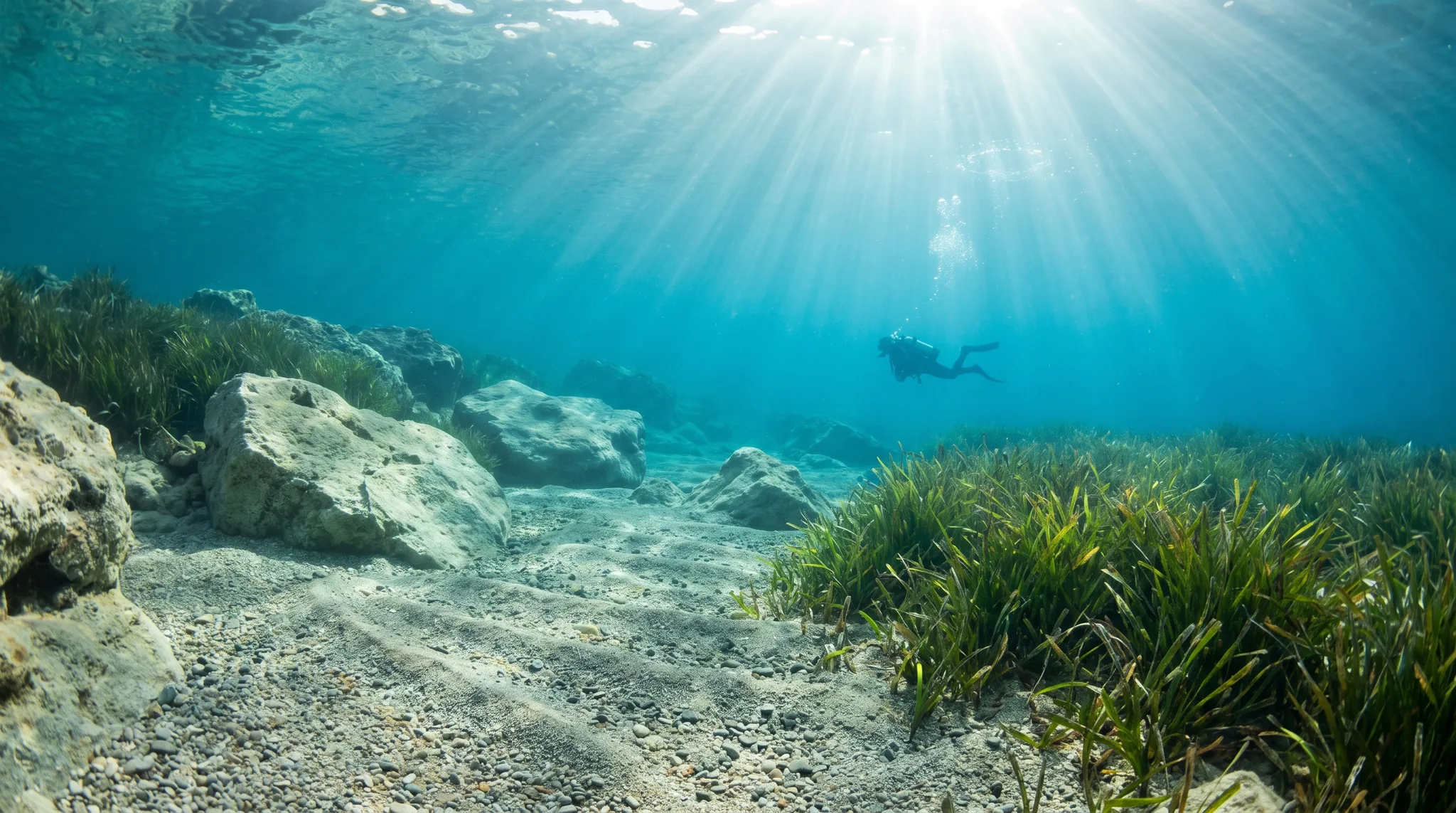
Monthly water temperature across Salento's sites, from satellite sea-surface data corrected for depth. The band shows the site-to-site spread.
Water stays cool through winter and spring before warming noticeably from June onward, peaking in late summer. Autumn brings the warmest combined conditions of temperature and diver activity, with October particularly favoured. Some sites, such as Malepasso, sit in bays that offer shelter from prevailing winds, while exposed wall dives can carry current.
16 operators
Leuca, Italy
Italy
9 more sites to explore
Water temperature around Salento ranges from about 15°C in January to 23°C in August, based on satellite sea-temperature data for its dive sites.
In the warm season (about 23°C) a 3mm full suit is comfortable in Salento; in the coldest months (about 15°C) step up to a 7mm or semi-dry suit.
Fin maps 21 sites in Salento (21 scuba diving sites).
Across Salento's dive sites, June and October are most often reported as the best months to visit.
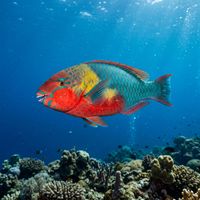
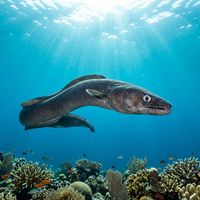
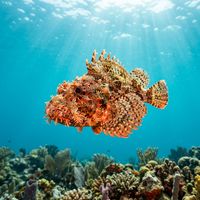
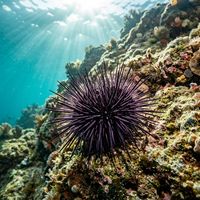
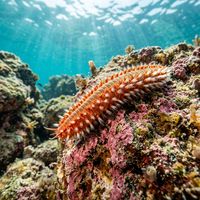
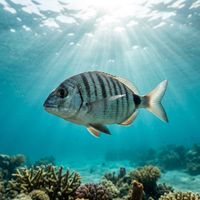
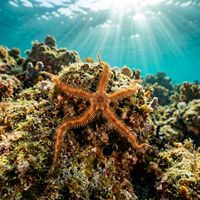
The Common Octopus and European Common Cuttlefish are the signature species across the reefs. Turkish Wrasse and White Seabream are observed with high frequency, while Conger Eel, Scorpionfish, Mediterranean Moray and Tompot Blenny reward attentive divers. Grouper appear occasionally, and the invertebrate life includes Brittle Star, Hermit Crab and Sea Urchin.
A good number of sites are rated for beginners, including the shore-entry reef at Torre S Emiliano and the boat-accessed La Cattedrale and Punta della Lea. These sites are relatively shallow and straightforward in structure. Advanced sites such as Secca del Pisello and Il canyon fantasma are deeper and more demanding, so the region caters well to a mixed-ability group.
The majority of sites require boat access, and several dive operators including UP Salento Diving, Acquazzurra and Salento Diving are available in the region. A smaller number of sites, including Torre S Emiliano and Canyon, are accessible directly from shore. Santa Caterina offers both options.
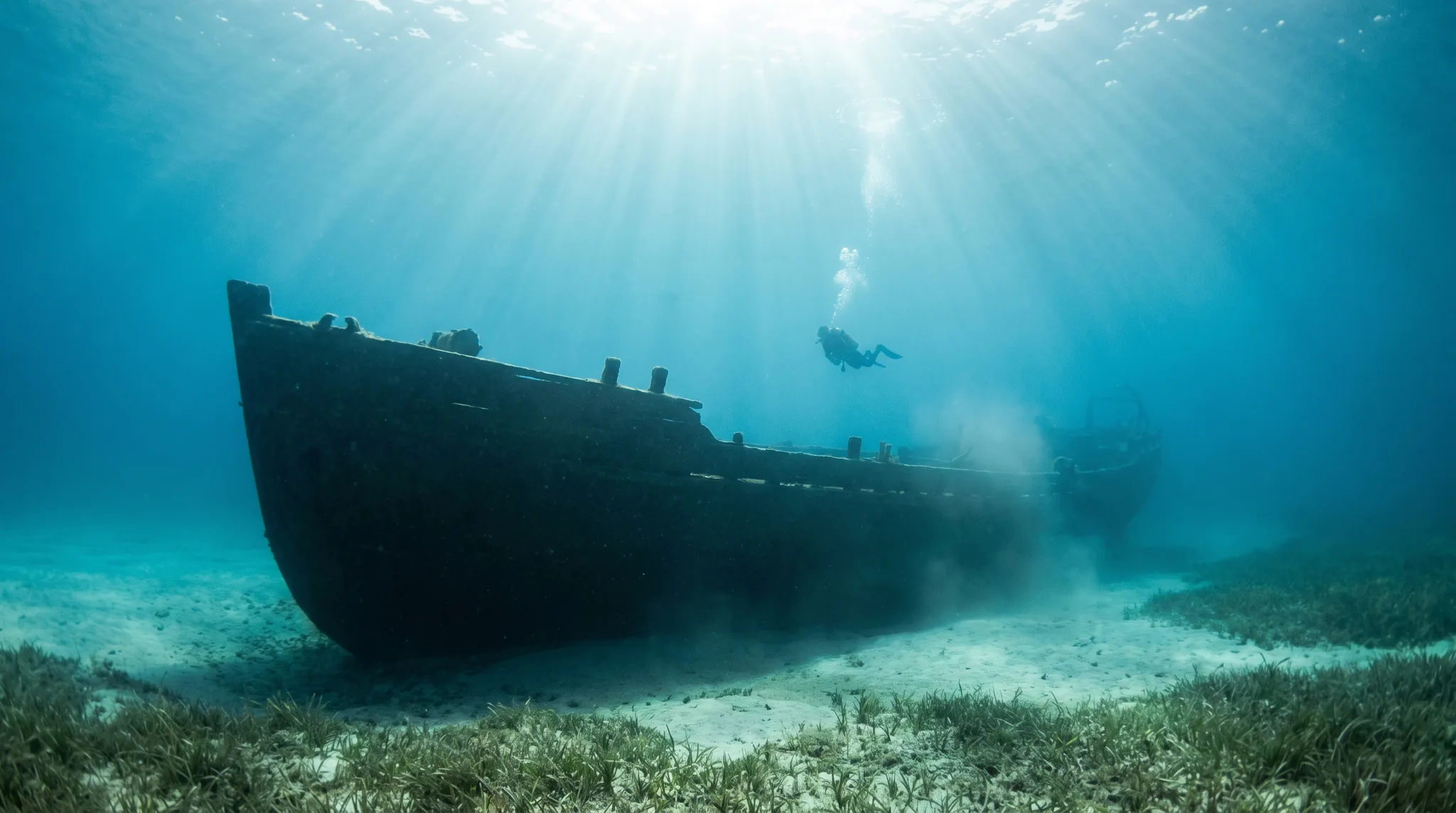
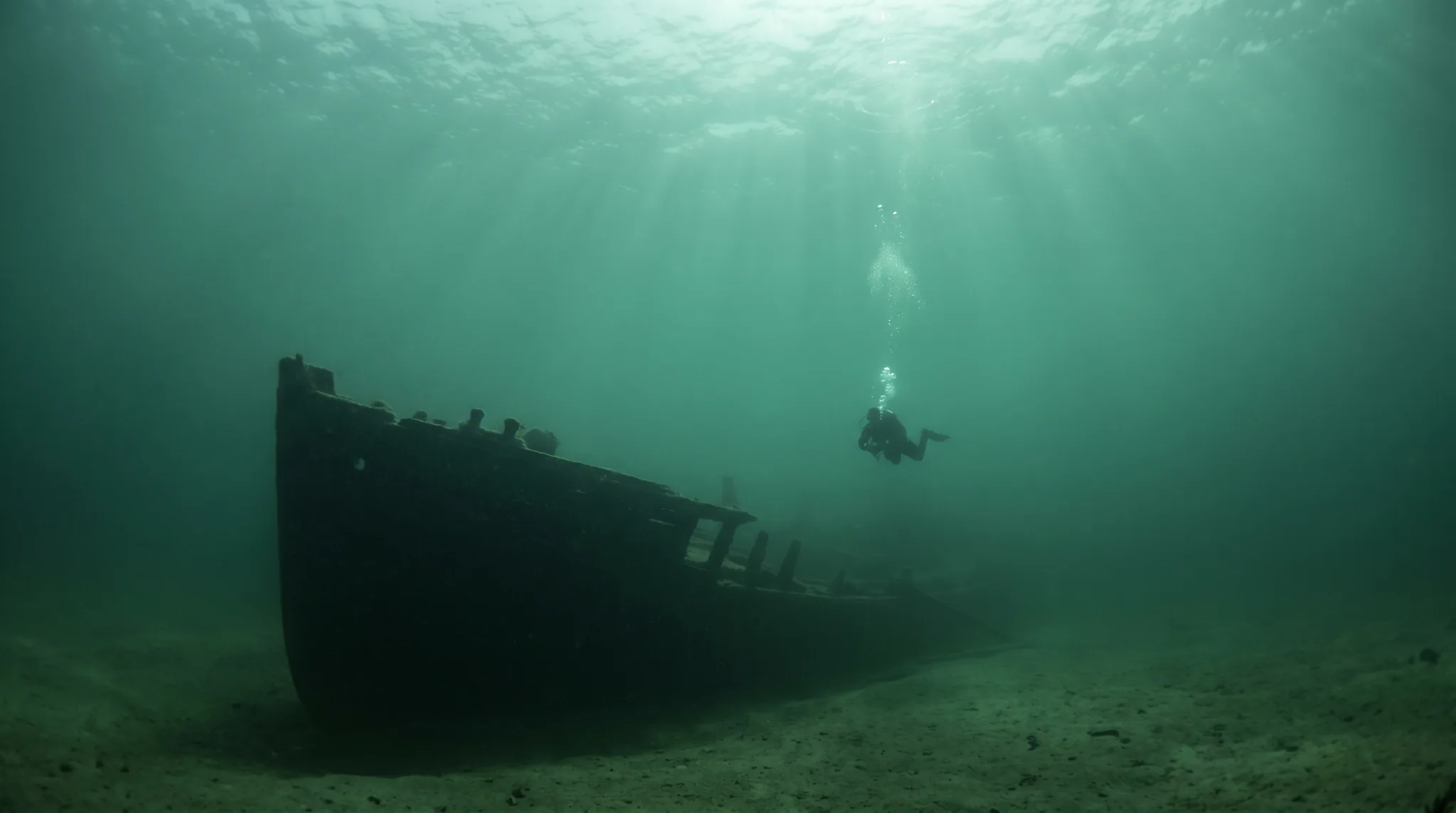
The site mix covers reefs, walls, caves, wrecks and artificial reefs, as well as a pinnacle at Secca del Pisello. Notable wreck dives include Il cimitero delle ancore, which features Roman-era anchors, and La Palombara, known for ancient amphorae. Il canyon fantasma adds an unusual geological feature with sulfurous waters rising through the wall.