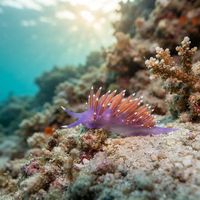
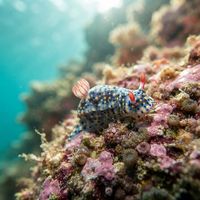
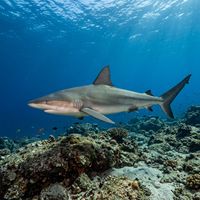
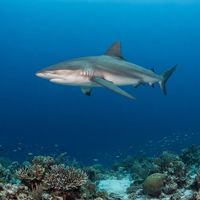
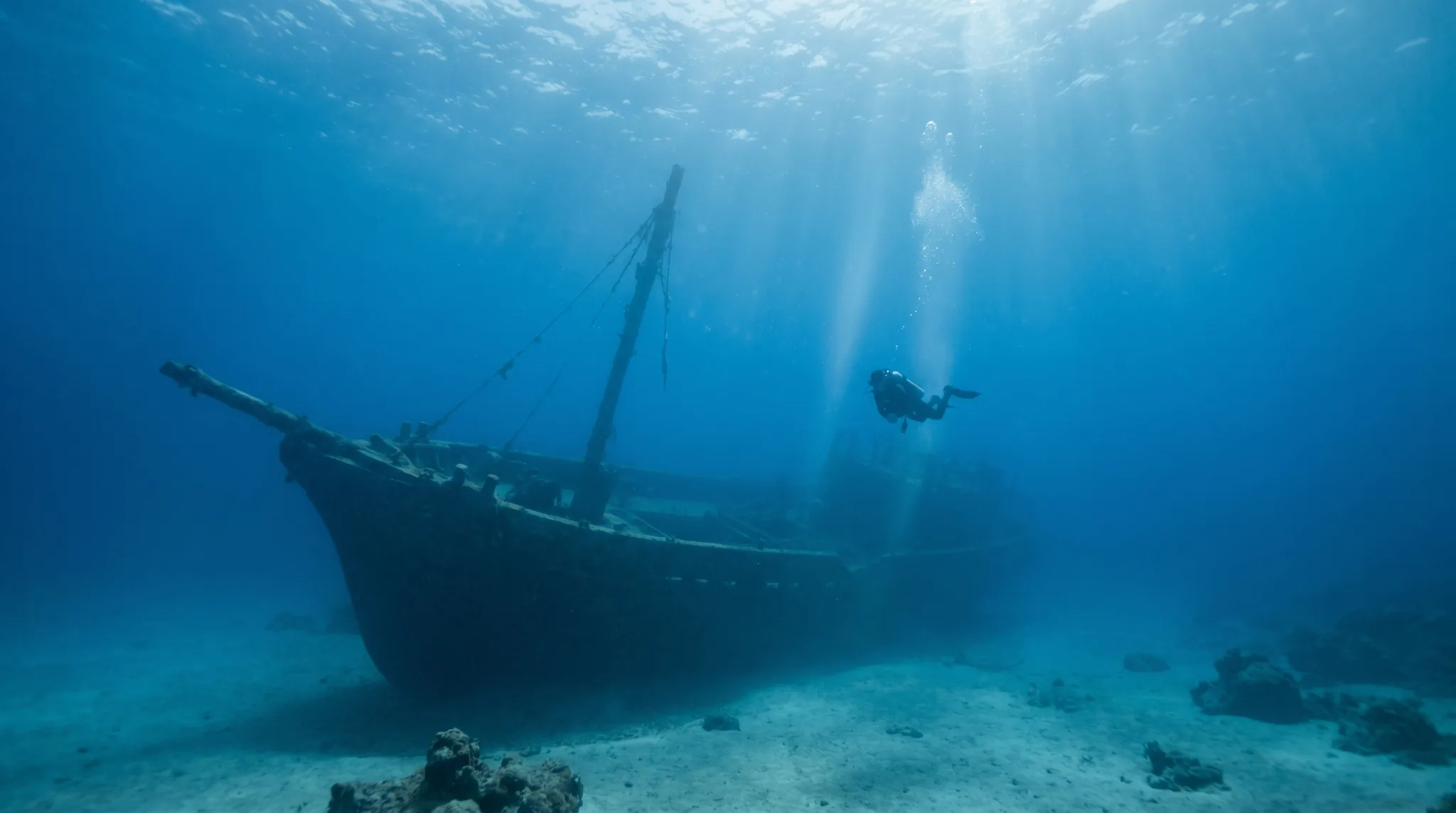
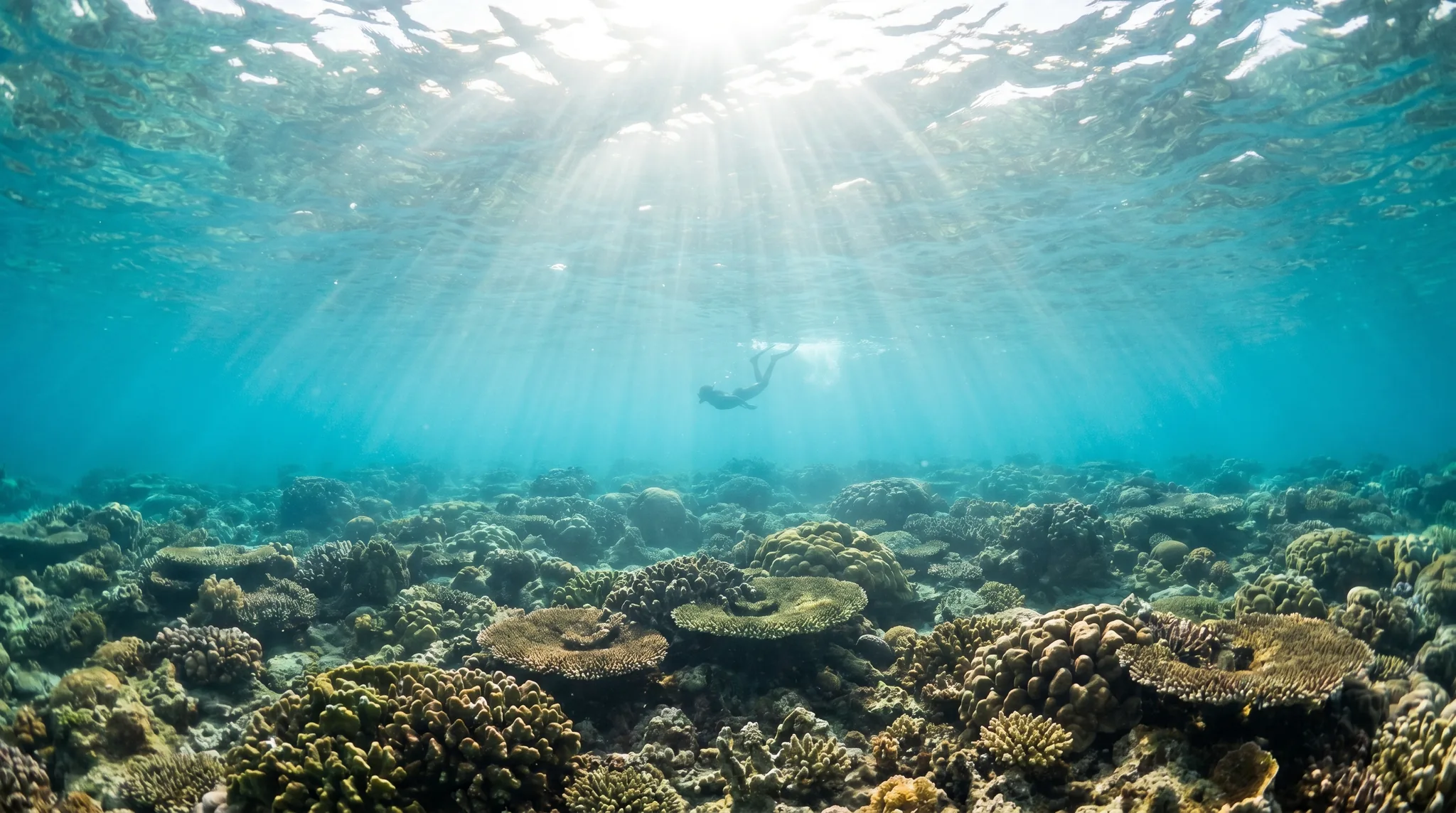
Israel's Mediterranean Coast offers a varied underwater landscape across four sub-areas: Tel Aviv, Ashdod, Caesarea, and Rosh HaNikra. Shore-entry reefs dominate, making the coastline accessible without a boat for most visits, though deeper wrecks off Ashdod reward those who venture further out. Caesarea stands apart with submerged archaeological remains, while Rosh HaNikra adds sea caves to the mix. The Rabbitfish and Sea Hare are encountered at almost every site, the Dusky Grouper and Common Octopus appear regularly, and the occasional Green Sea Turtle or Sandbar Shark lifts any dive into memorable territory.
4 areas
7Urban Mediterranean diving with caverns, wrecks, and reefs ranging from shallow shore dives to deeper boat sites.
6Shore reefs and deep wrecks on the southern Mediterranean coast, with sites spread across all experience levels.
3Shore diving through ancient Roman harbour ruins and a thermally unusual artificial reef on Israel's Mediterranean coast.
3Monthly water temperature across Mediterranean Coast's sites, from satellite sea-surface data corrected for depth. The band shows the site-to-site spread.
Water temperatures rise steadily through late spring into a warm summer peak, making the warmer months the most comfortable for longer dives. Spring and autumn offer a good balance of pleasant temperatures and generally favourable conditions. Winter remains diveable, though cooler water and variable surface conditions call for more exposure protection. Most sites are shore-entry with shallow to moderate depths, though the deeper wrecks off Ashdod are boat-access only and suit more experienced divers.
45 operators
Israel's largest marine reserve, combining sea caves, a wreck, a canyon, and reef walls on the northernmost Mediterranean coast.
Water temperature around Mediterranean Coast ranges from about 18°C in February to 29°C in August, based on satellite sea-temperature data for its dive sites.
In the warm season (about 29°C) a rash guard or 3mm shorty is comfortable in Mediterranean Coast; in the coldest months (about 18°C) step up to a 5mm suit.
Fin maps 19 sites in Mediterranean Coast (17 scuba diving sites and 7 snorkelling spots, with some suited to both), organised into 4 areas.
Across Mediterranean Coast's dive sites, March, May, June, July, October and November are most often reported as the best months to visit.
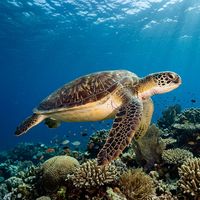
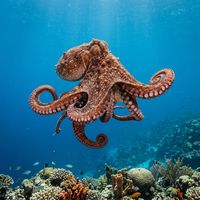
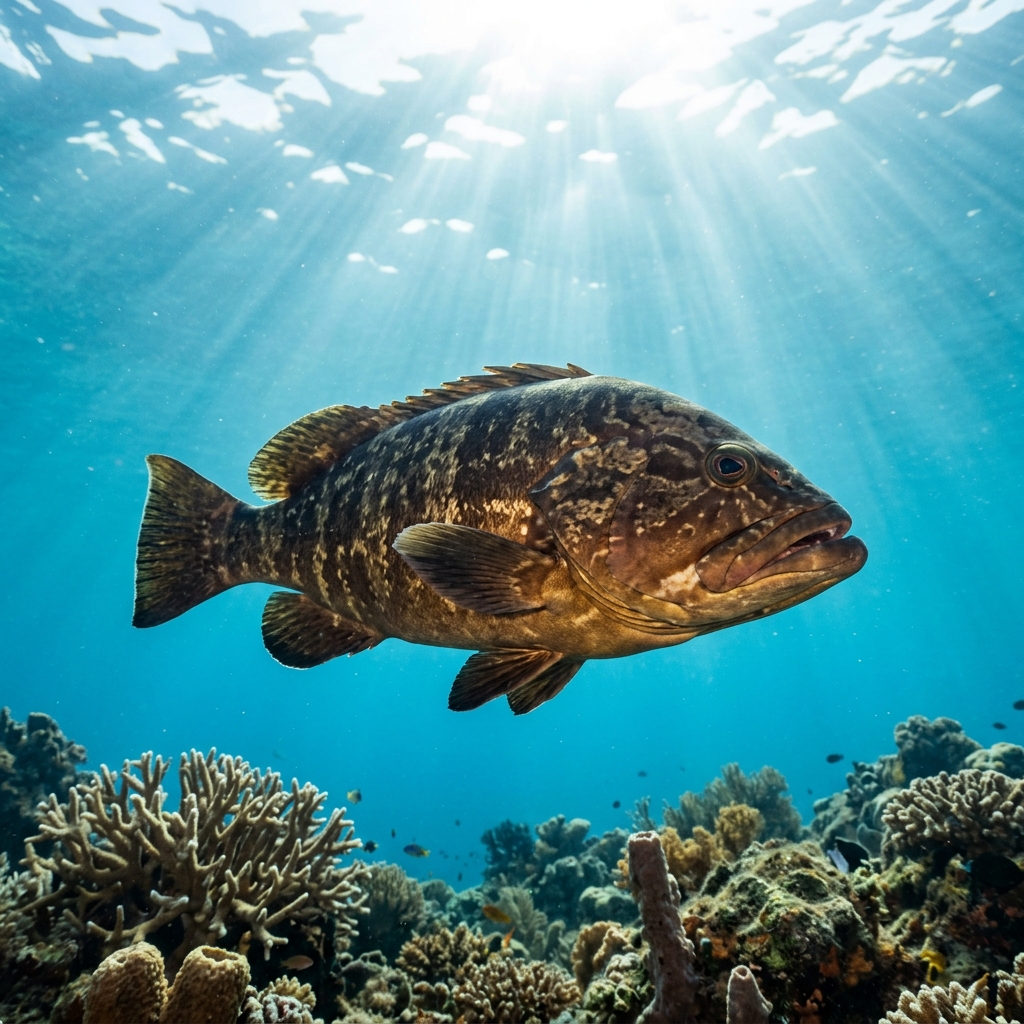
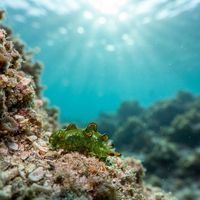
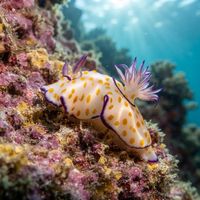
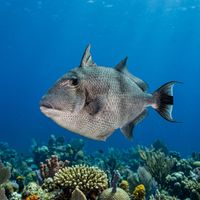
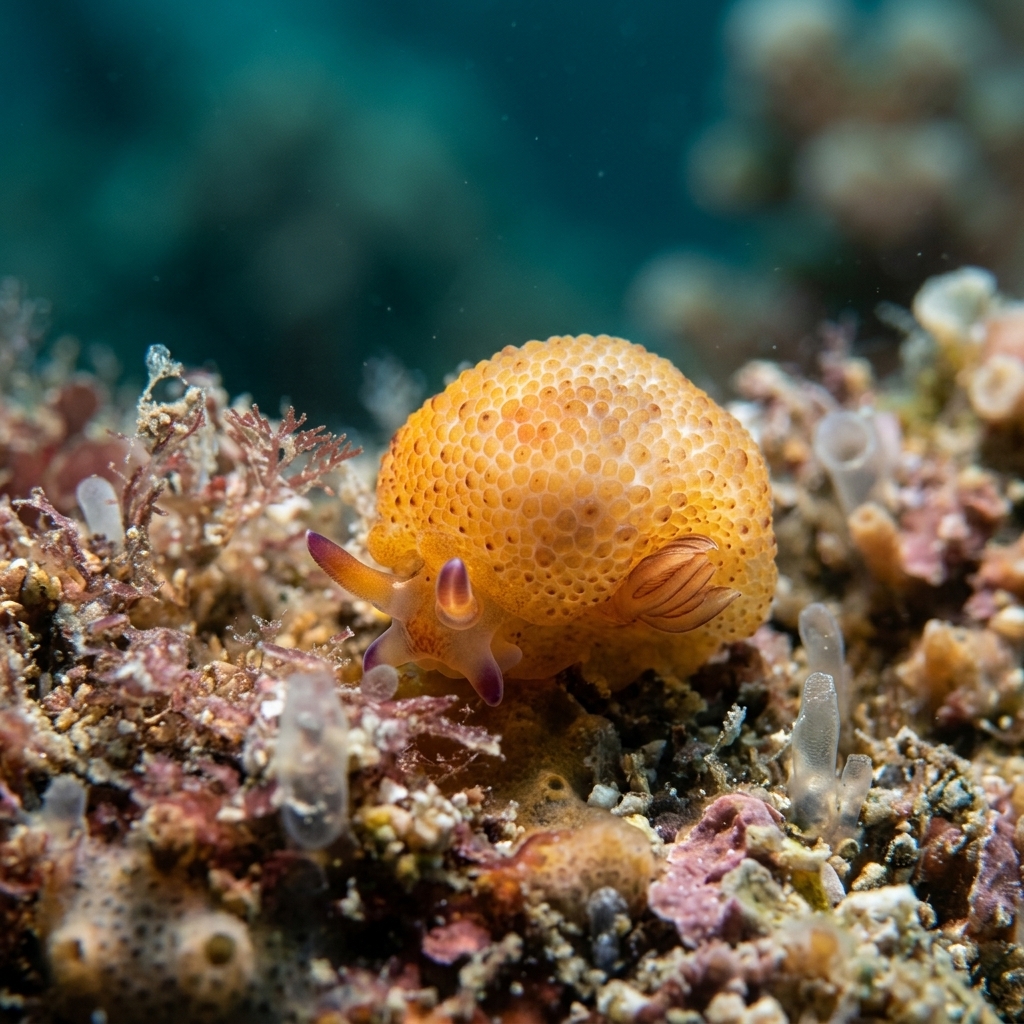
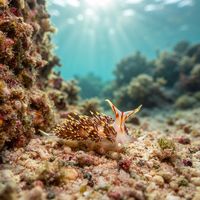
The most reliably seen species are the Sea Hare and Rabbitfish, which appear across almost all sites. The Common Octopus, Dusky Grouper, Grey Triggerfish, and White Seabream are also frequently observed. The Green Sea Turtle and Sandbar Shark are occasional highlights, and cephalopod fans may encounter the European Common Cuttlefish.
Most sites along this coastline can be reached directly from shore, which keeps things logistically straightforward for independent divers. The exceptions are the deeper wrecks off Ashdod, including Sea Guard and the Elisha Wreck, as well as Achziv Canyon further north, all of which require boat access. Several operators based along the coast offer guided boat dives to these sites.
Tel Aviv has the largest concentration of sites, including cavern dives at The Gordon Caverns and a shallow accessible wreck at the SS Bilbeis. Ashdod is the go-to area for wreck diving, with both shallow artificial reefs and deeper boat-access wrecks. Caesarea is distinctive for its submerged ancient port remains and the unusual thermal environment at Stream of Sharks. Rosh HaNikra, at the northern end of the coast, offers sea cave diving at Rosh Hanikra Caverns and more dramatic topography at Achziv Canyon.