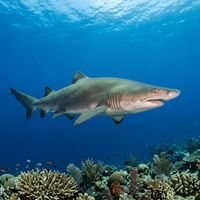
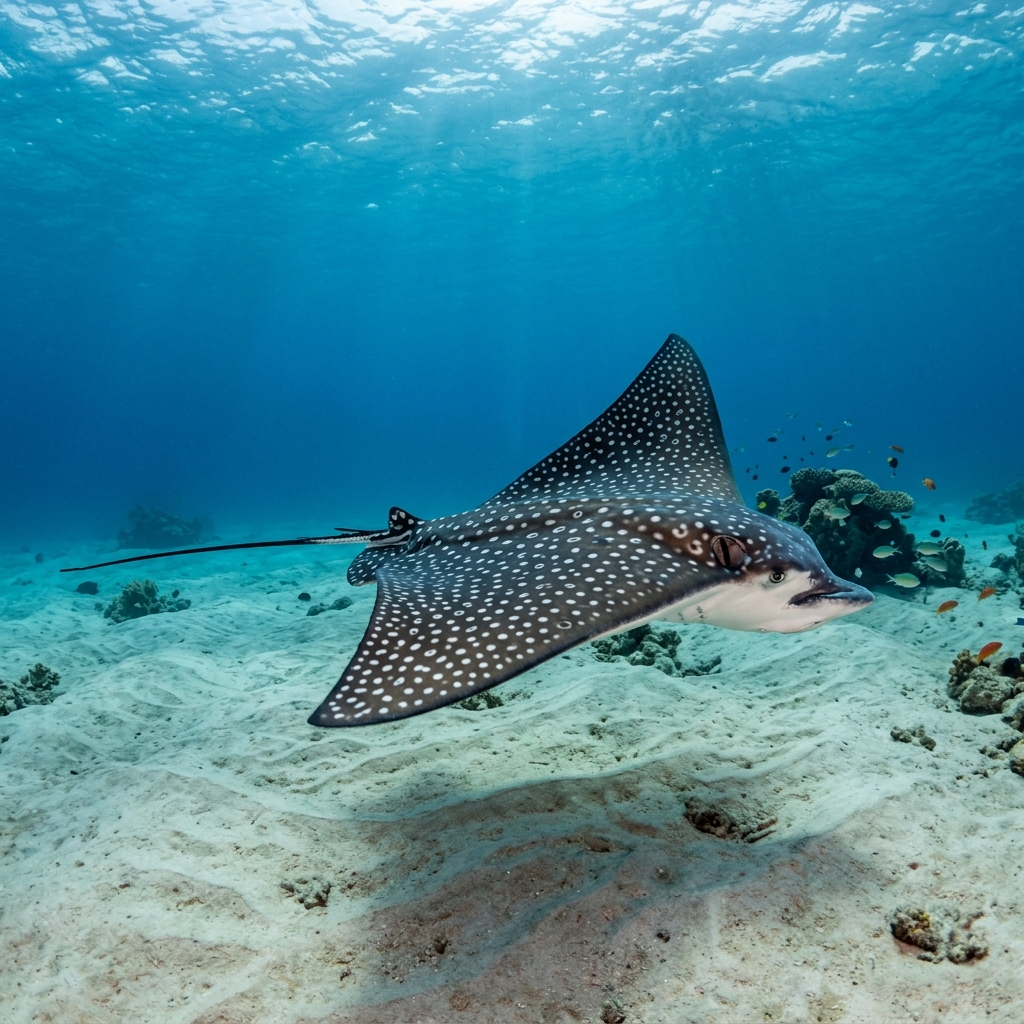
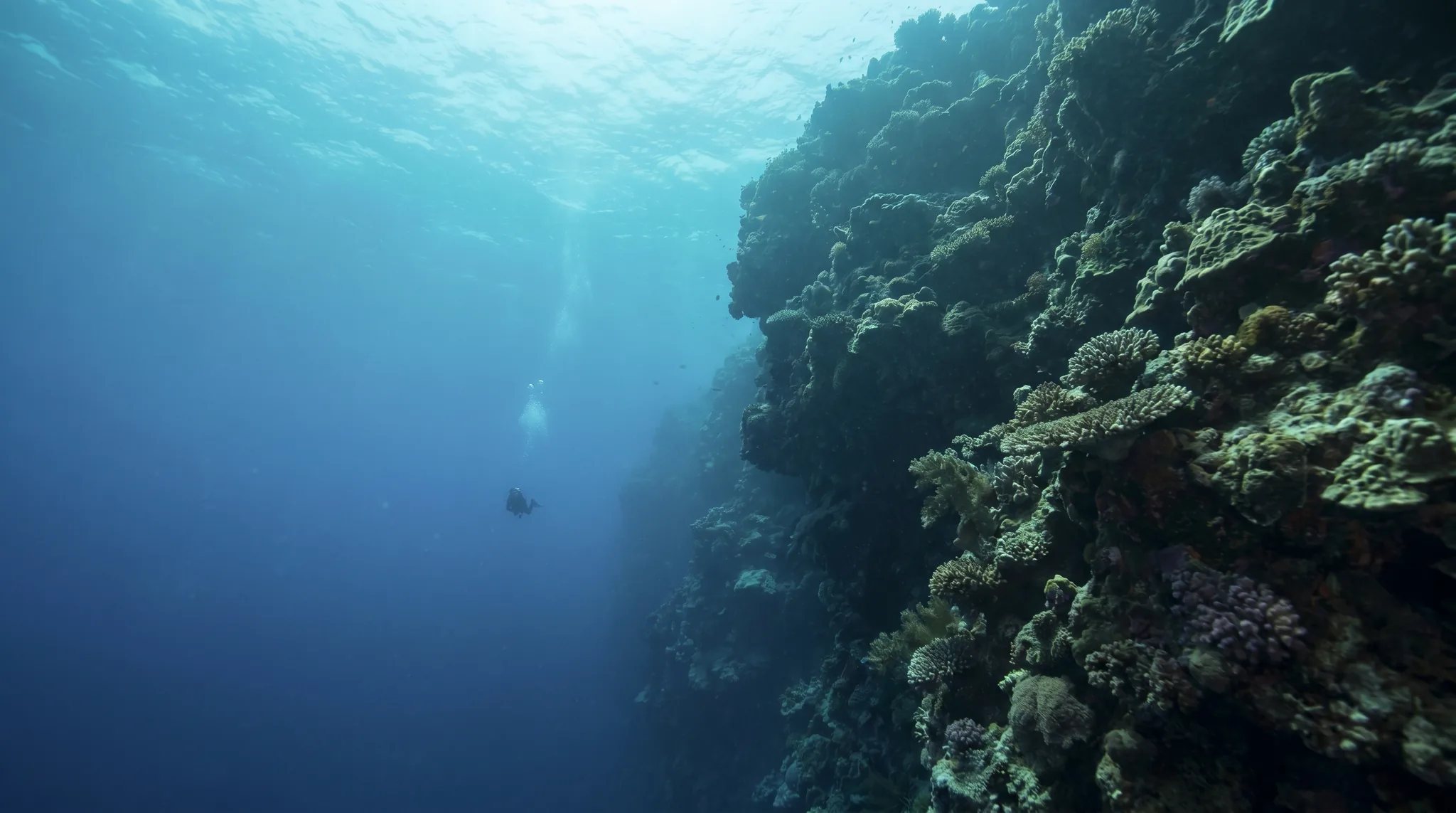
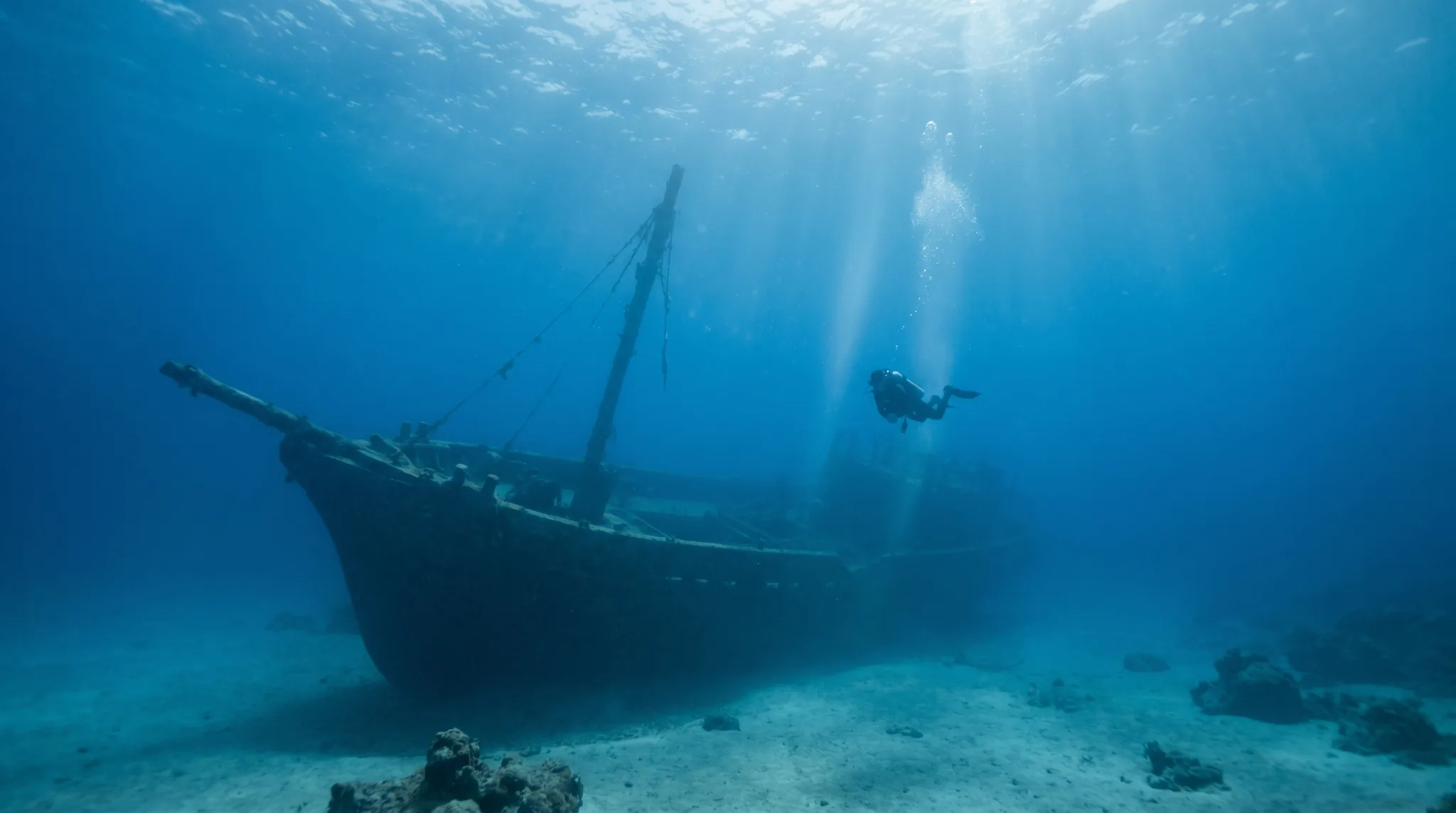
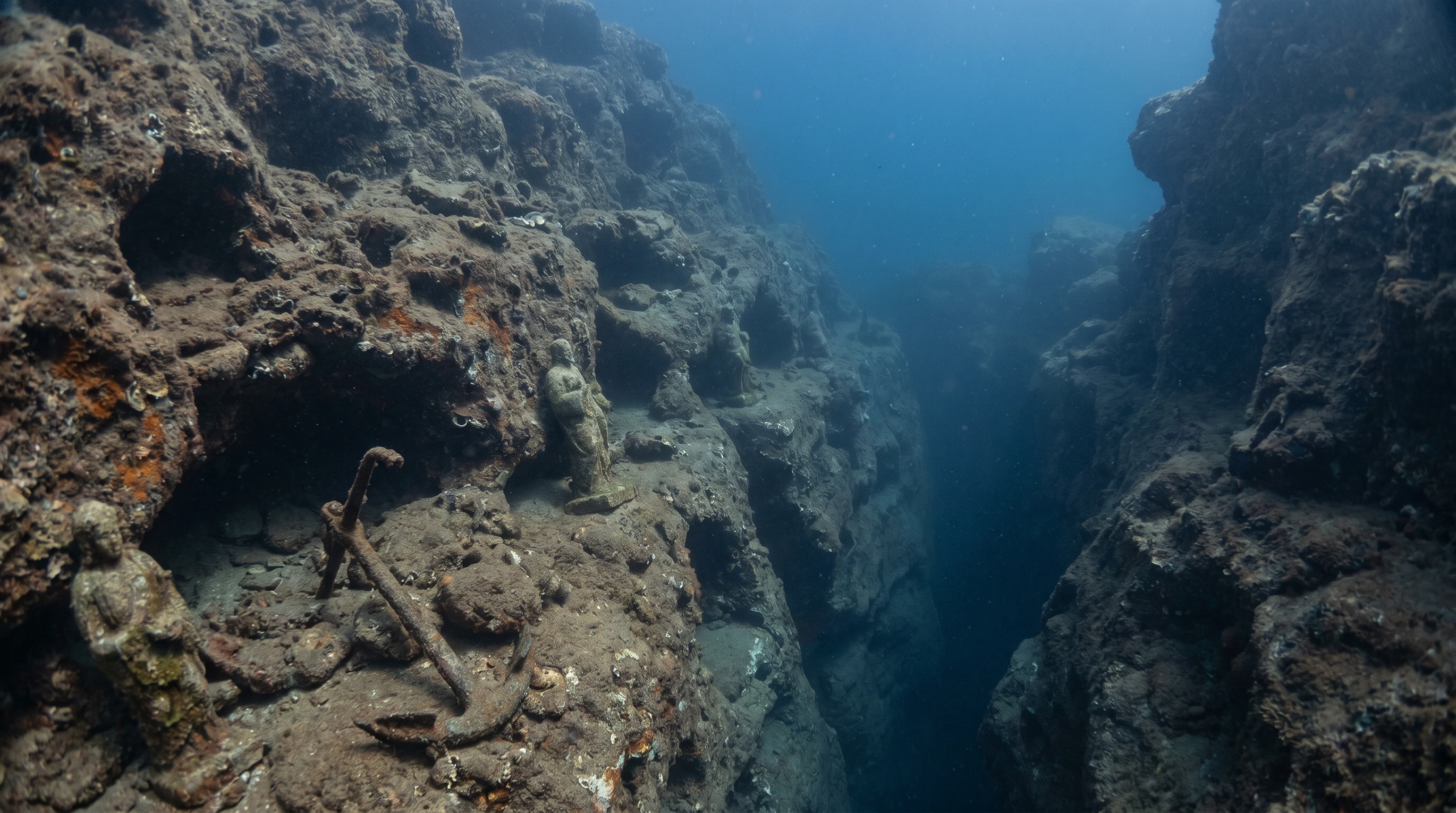
Beirut's dive sites lie in the eastern Mediterranean directly off the Lebanese capital, covering a wide depth range from very shallow reef work to technical-depth wrecks. The lineup includes the Macedonia, a beginner-friendly artificial reef close to shore, the AUB Wall with its combined wall and canyon topography, and Shark Point, a deeper reef and wall site where grey nurse sharks have been observed in summer. Le Souffleur is a deep wreck requiring advanced certification and nitrox experience. Visibility is generally better from October through to early summer; jellyfish can be a nuisance mid-summer. Species on record include common octopus, gorgonians, European spiny lobster, nudibranch, and spinetail devil ray.

Monthly water temperature across Beirut's sites, from satellite sea-surface data corrected for depth. The band shows the site-to-site spread.
Temperatures are coolest in late winter and warmest from late summer through early autumn. Visibility tends to be at its most reliable from October to early summer. Mid-summer brings warmer water but also jellyfish, which can affect comfort at surface level.
19 operators
Water temperature around Beirut ranges from about 18°C in February to 27°C in September, based on satellite sea-temperature data for its dive sites.
In the warm season (about 27°C) a rash guard or 3mm shorty is comfortable in Beirut; in the coldest months (about 18°C) step up to a 5mm suit.
Fin maps 5 sites in Beirut (5 scuba diving sites).
Across Beirut's dive sites, June, July, August and September are most often reported as the best months to visit.
5 more sites to explore