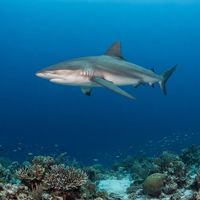
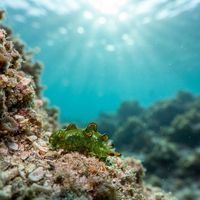
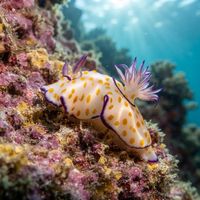
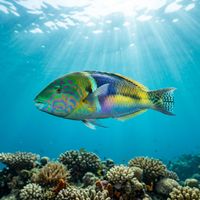
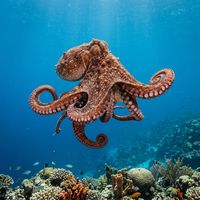
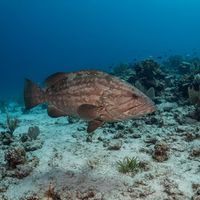
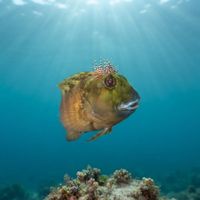
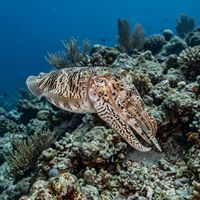
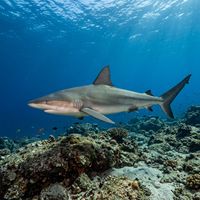
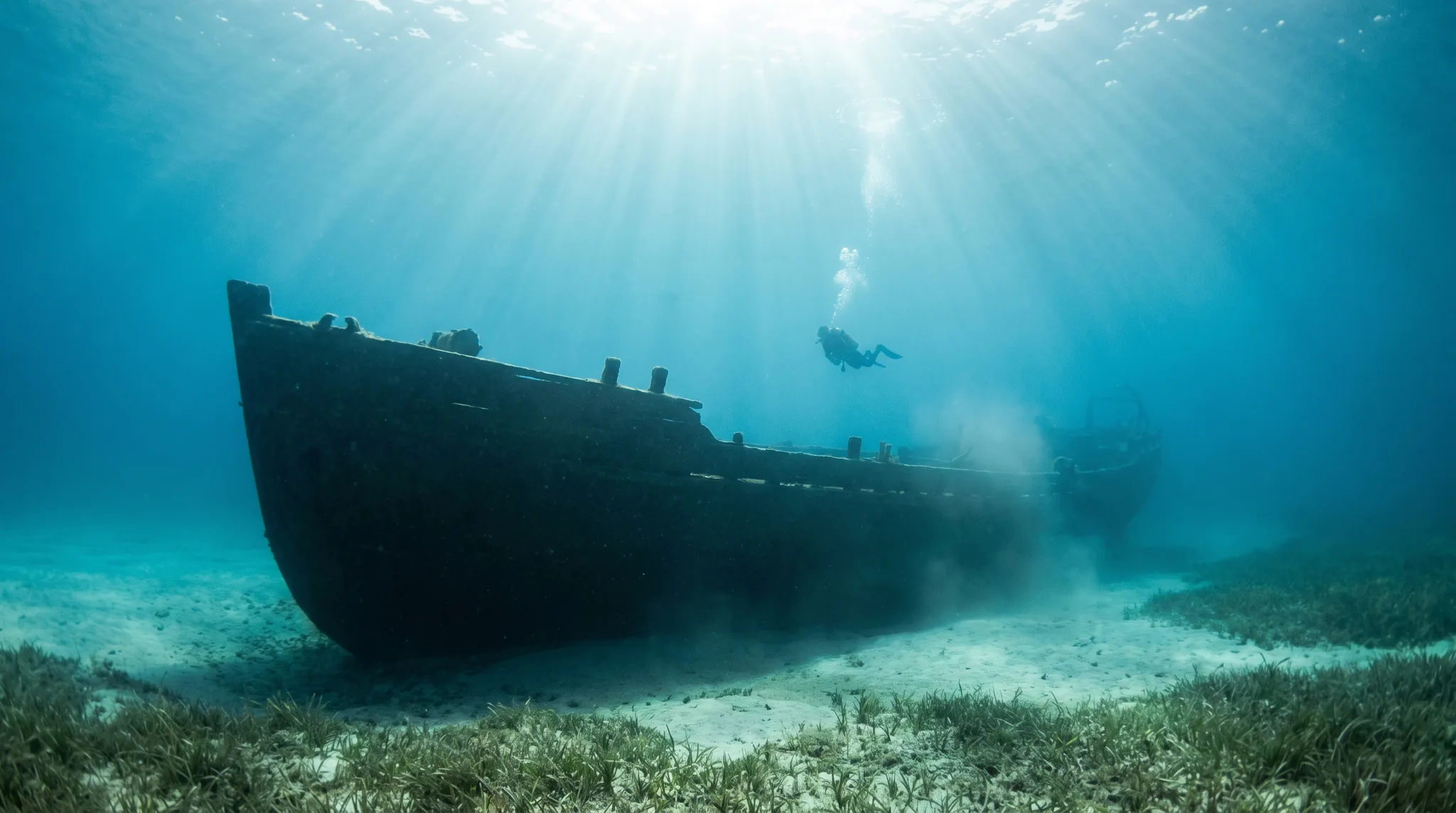
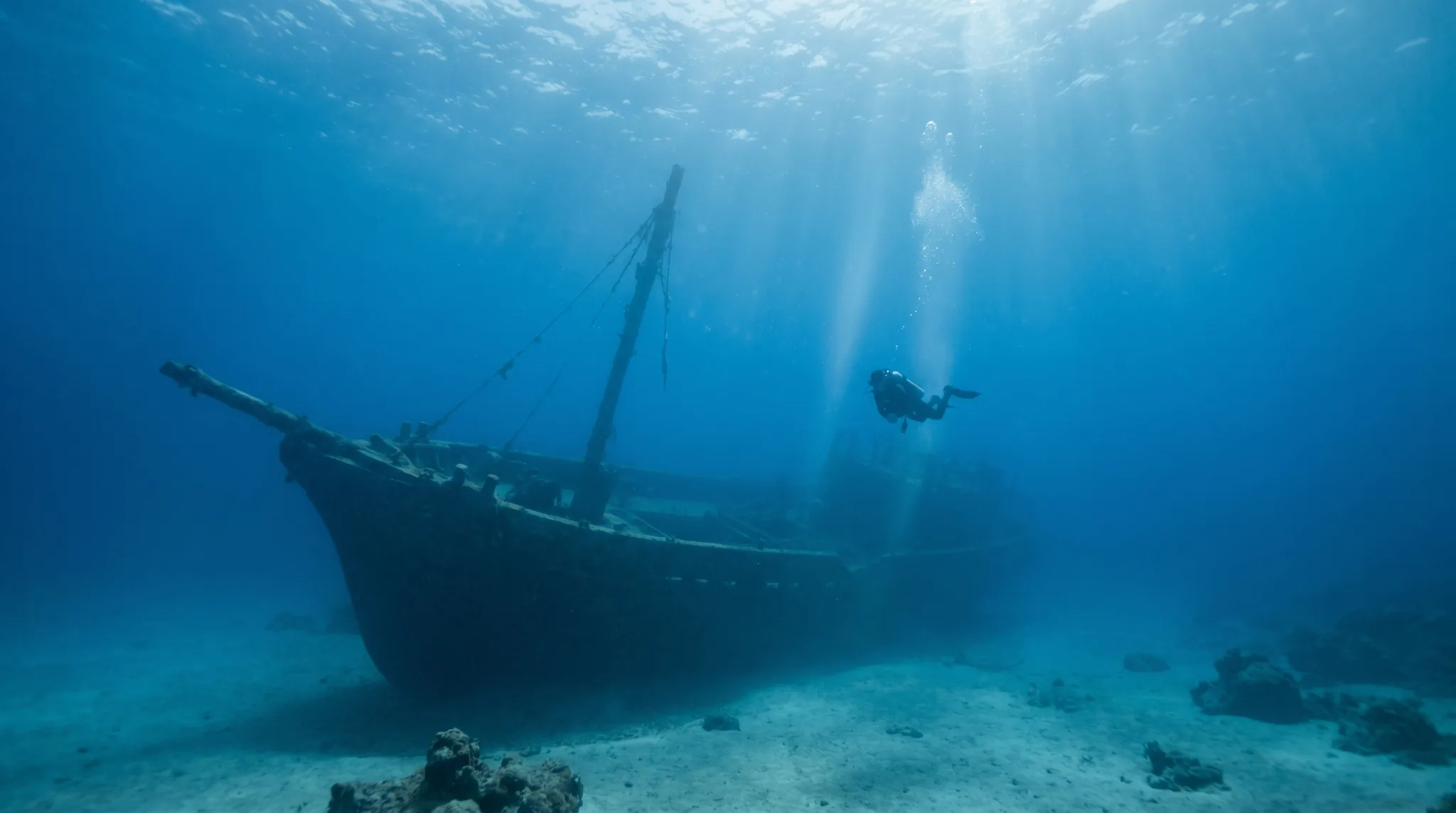
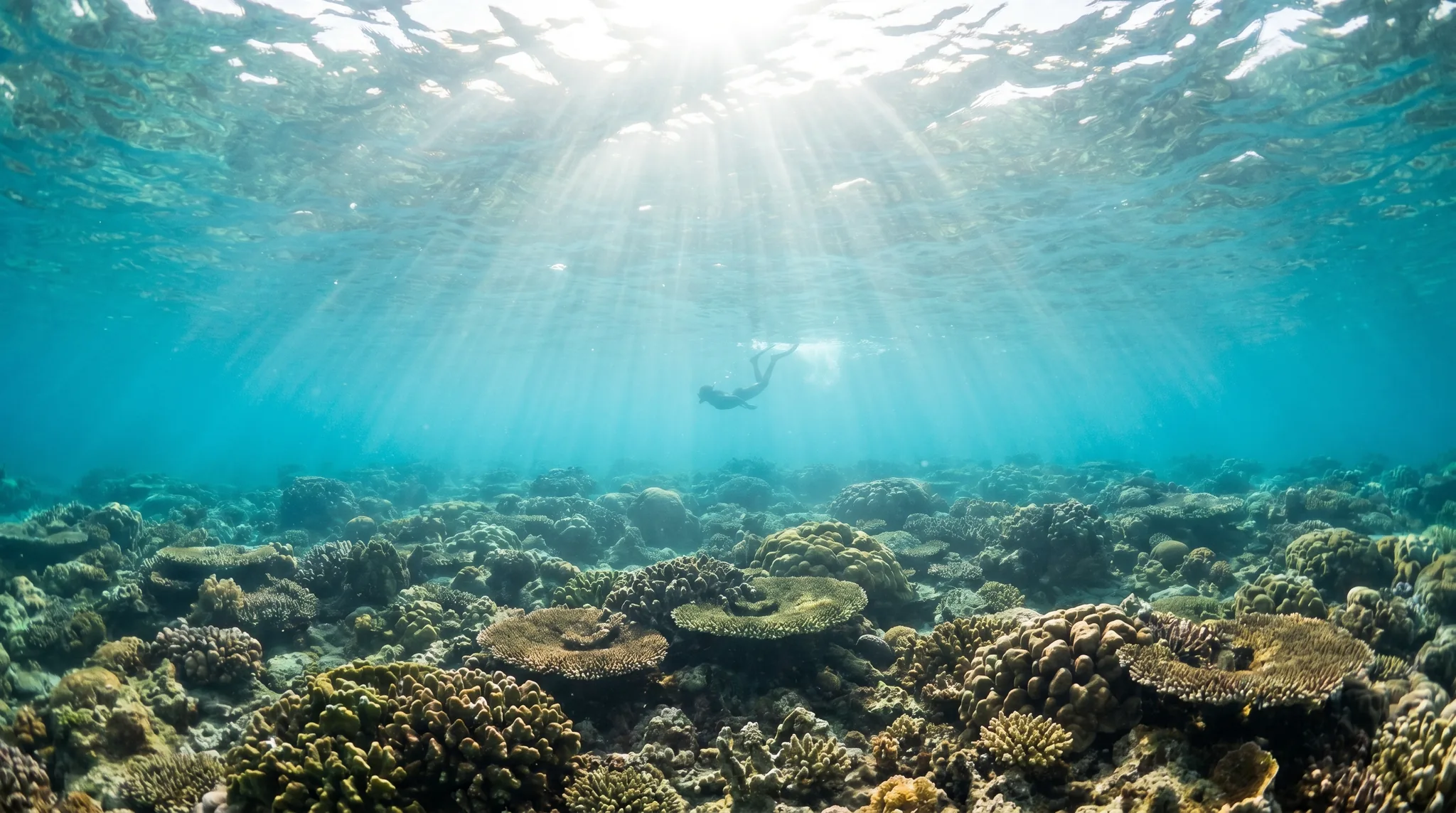
Caesarea sits on the Mediterranean coast of Israel, where the submerged remains of the ancient Herodian port of Sebastos form the centrepiece of diving here. Sites lie within Caesarea National Park and include rope-guided archaeological trails through columns, quays, and anchors that are more than two thousand years old. All sites are shore entries and remain shallow throughout, making the area well suited to beginners and snorkellers. Beyond the archaeology, divers encounter species including common octopus, pharaoh cuttlefish, sandbar shark, and dusky shark. The artificial reef at Stream of Sharks is shaped by warm-water discharge from a nearby power plant, creating a thermal environment markedly warmer than the surrounding sea, though strong currents and variable visibility require care.
Monthly water temperature across Caesarea's sites, from satellite sea-surface data corrected for depth. The band shows the site-to-site spread.
Water temperature stays cool through winter and early spring, then climbs steadily from late spring to peak warmth in late summer and early autumn. The warm months offer the most comfortable conditions, though sea state rather than temperature is the more common limiting factor. Winter swells can reduce visibility and make shore entry less practical.
2 operators
Israel
Water temperature around Caesarea ranges from about 18°C in February to 29°C in August, based on satellite sea-temperature data for its dive sites.
In the warm season (about 29°C) a rash guard or 3mm shorty is comfortable in Caesarea; in the coldest months (about 18°C) step up to a 5mm suit.
Fin maps 3 sites in Caesarea (3 scuba diving sites and 1 snorkelling spots, with some suited to both).