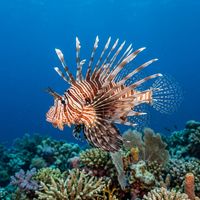
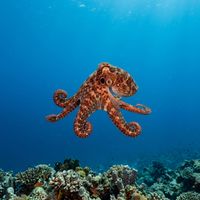
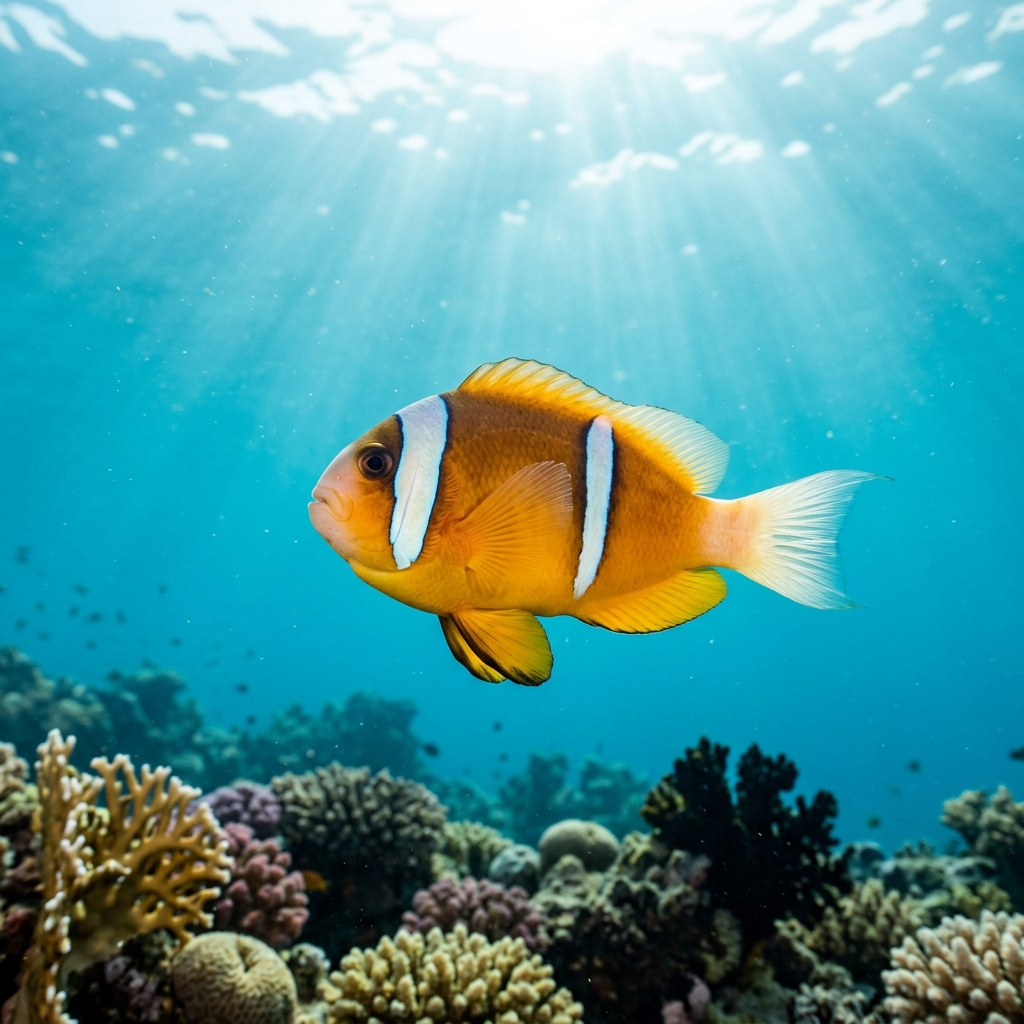
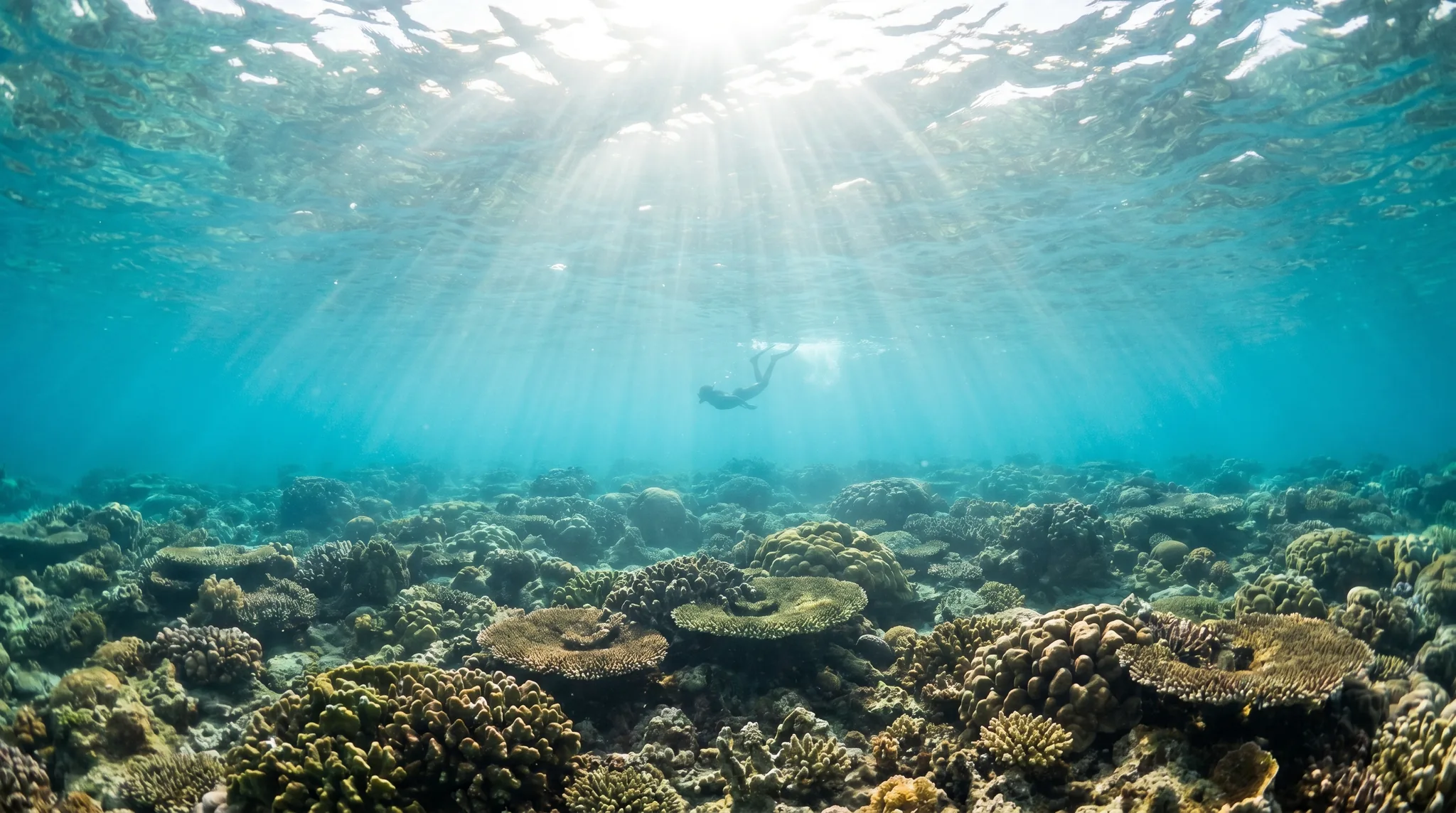
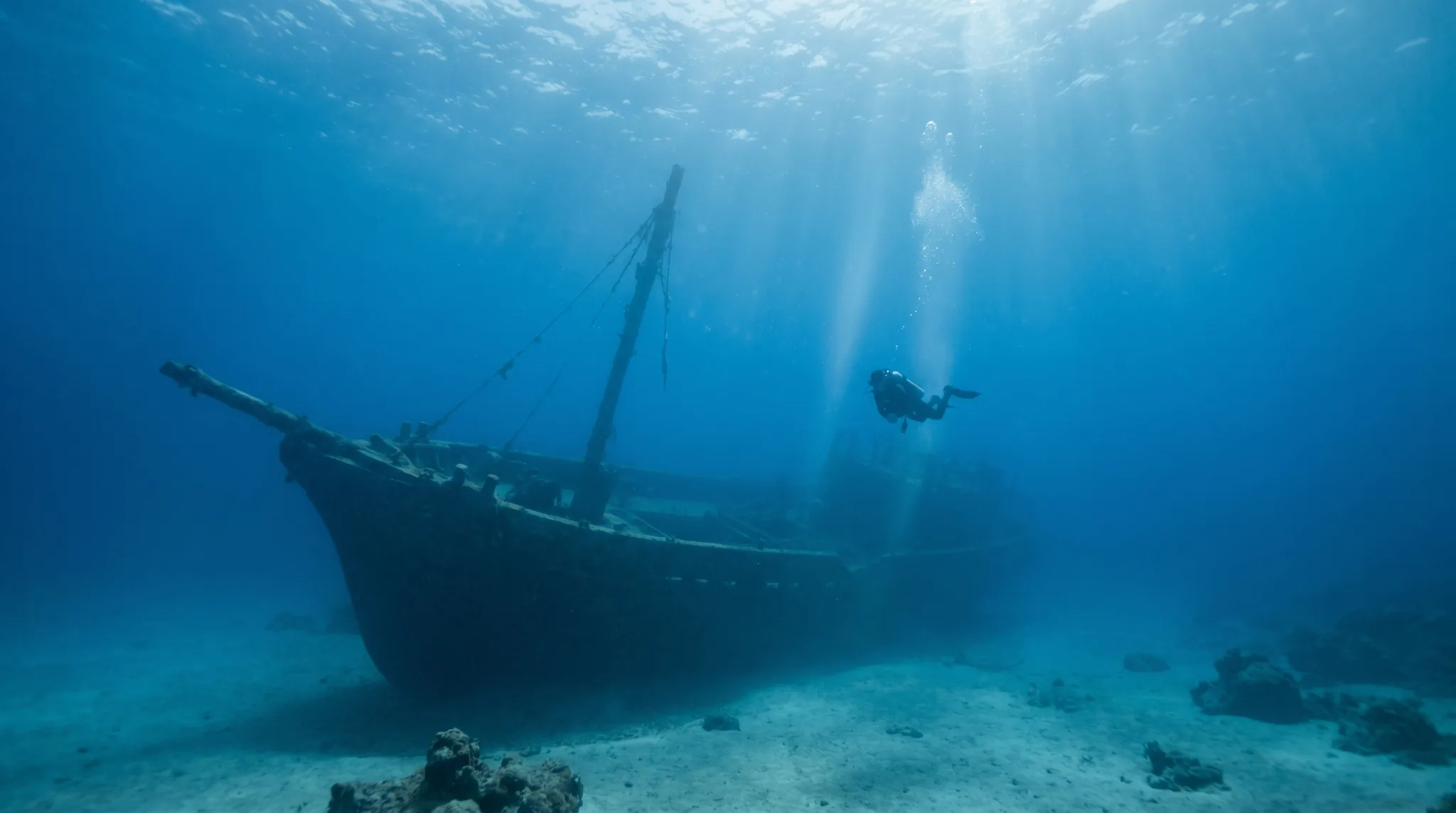
Eilat offers a compact but varied underwater landscape built around coral reef, artificial structures, wrecks, walls, and even canyon topography. Shore entry dominates, meaning most sites are accessible without a boat. The reef at Coral Beach anchors the region, hosting sites ranging from shallow snorkelling grounds to deeper drop-offs and the demanding Yealat Wreck. Marine life is richly documented: the Indian Lionfish, Twoband Clownfish, Day Octopus, Chromodoris Nudibranch, and Crocodilefish are among the species observed across the majority of sites. Most sites suit beginners, while Dekel Canyon and Pyramid offer more technical terrain for experienced divers.
Monthly water temperature across Eilat's sites, from satellite sea-surface data corrected for depth. The band shows the site-to-site spread.
Water temperatures remain warm throughout the year, rising to their peak through summer and easing back through autumn, making diving comfortable in any season. Spring and autumn see the strongest concentration of favourable conditions according to the best-months data. The mix of sheltered shore entries and occasional exposed boat sites means conditions vary by location rather than season alone.
12 more sites to explore
Water temperature around Eilat ranges from about 22°C in January to 28°C in August, based on satellite sea-temperature data for its dive sites.
In the warm season (about 28°C) a rash guard or 3mm shorty is comfortable in Eilat; in the coldest months (about 22°C) step up to a 3mm full suit.
Fin maps 24 sites in Eilat (20 scuba diving sites and 8 snorkelling spots, with some suited to both).
Across Eilat's dive sites, May and October are most often reported as the best months to visit.
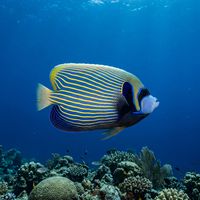
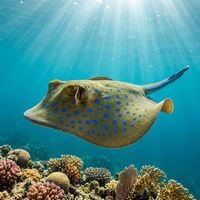
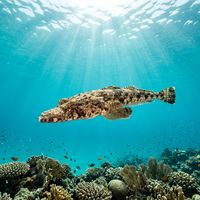
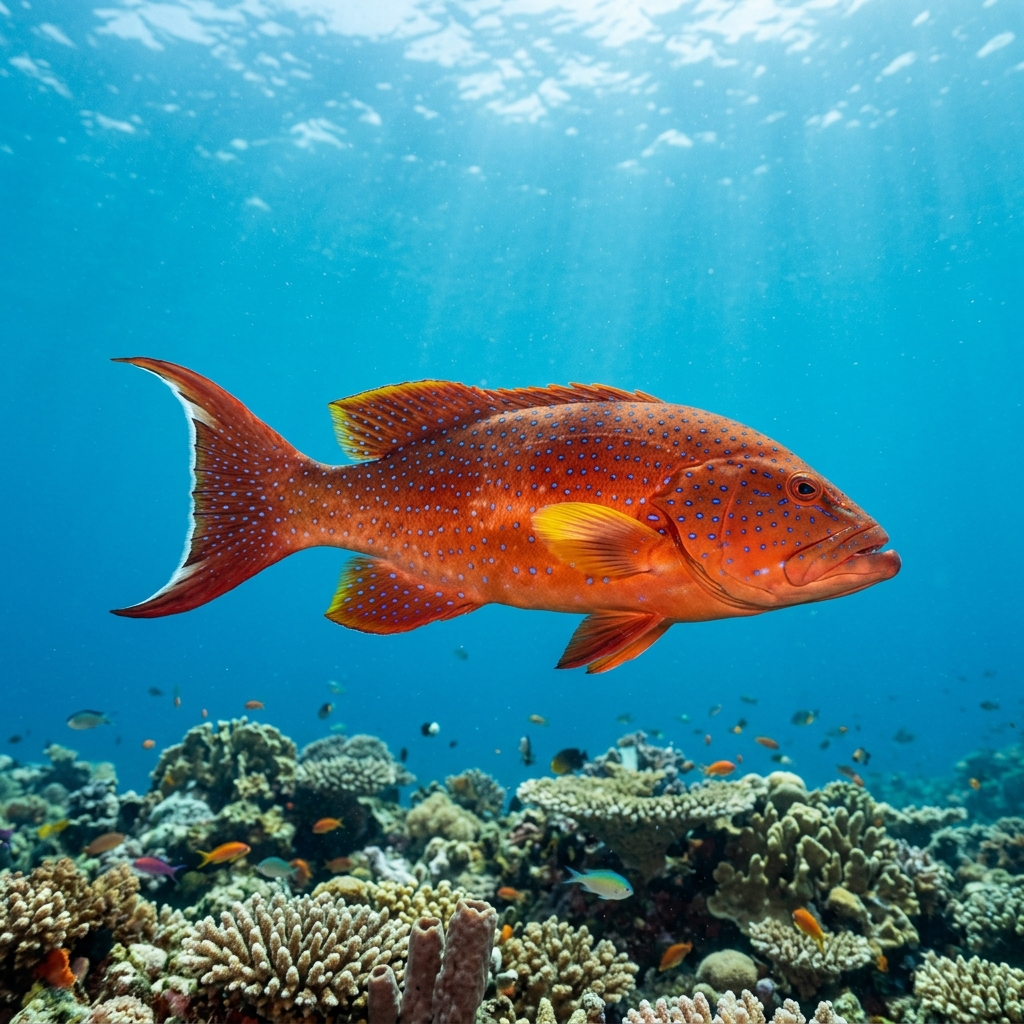
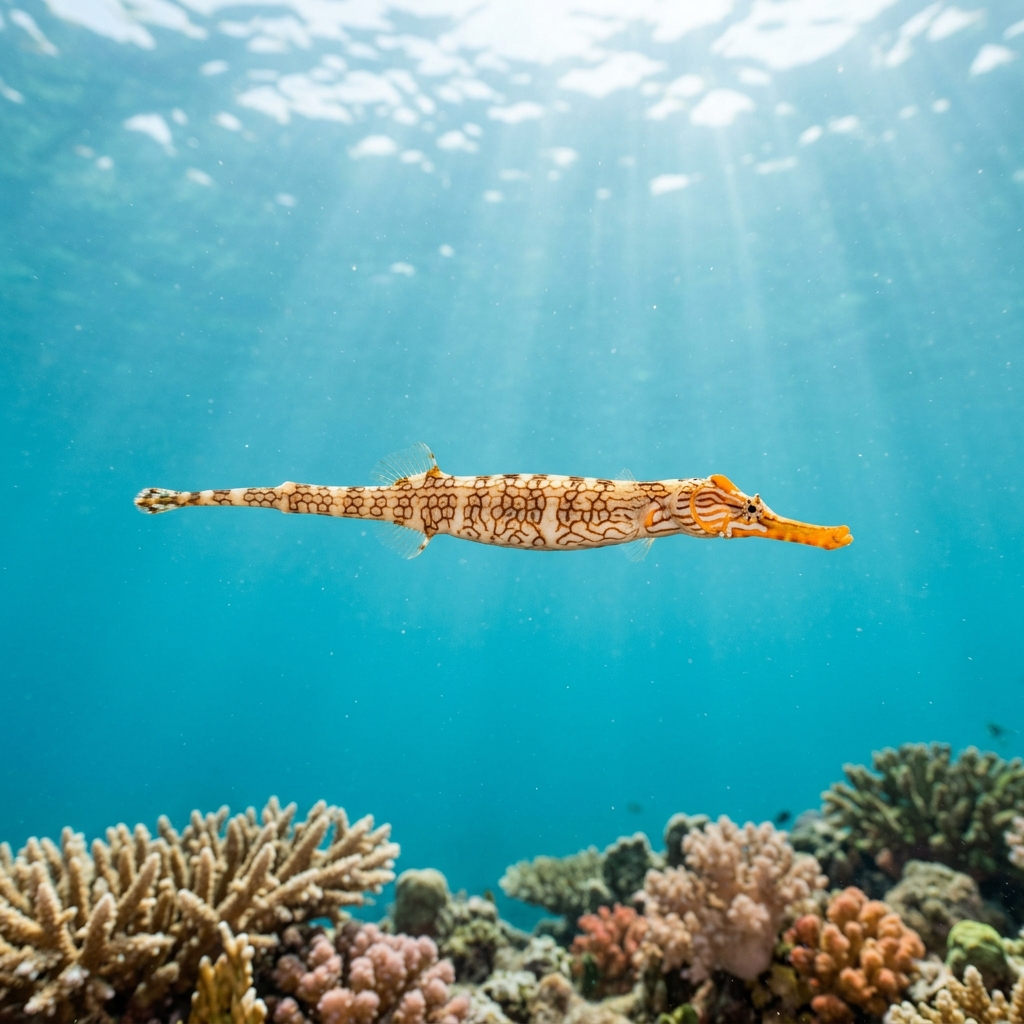
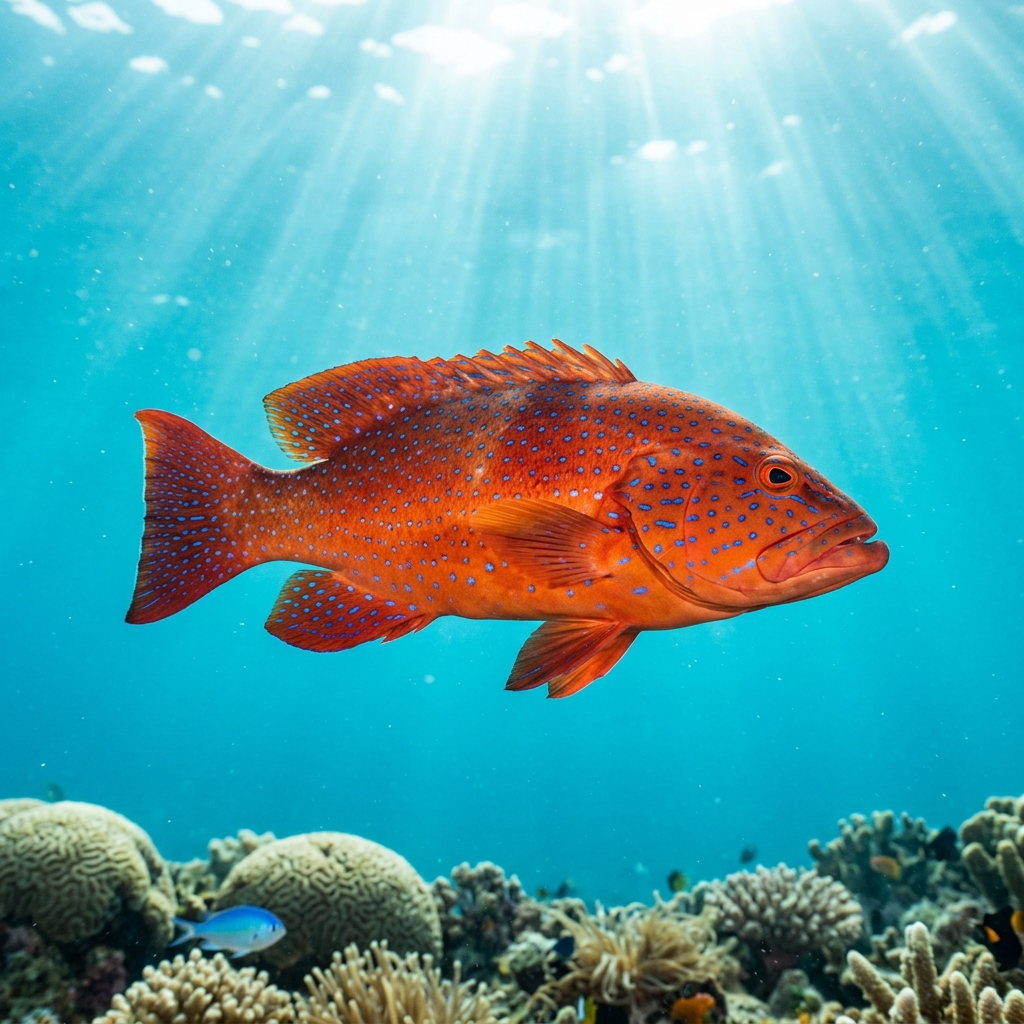
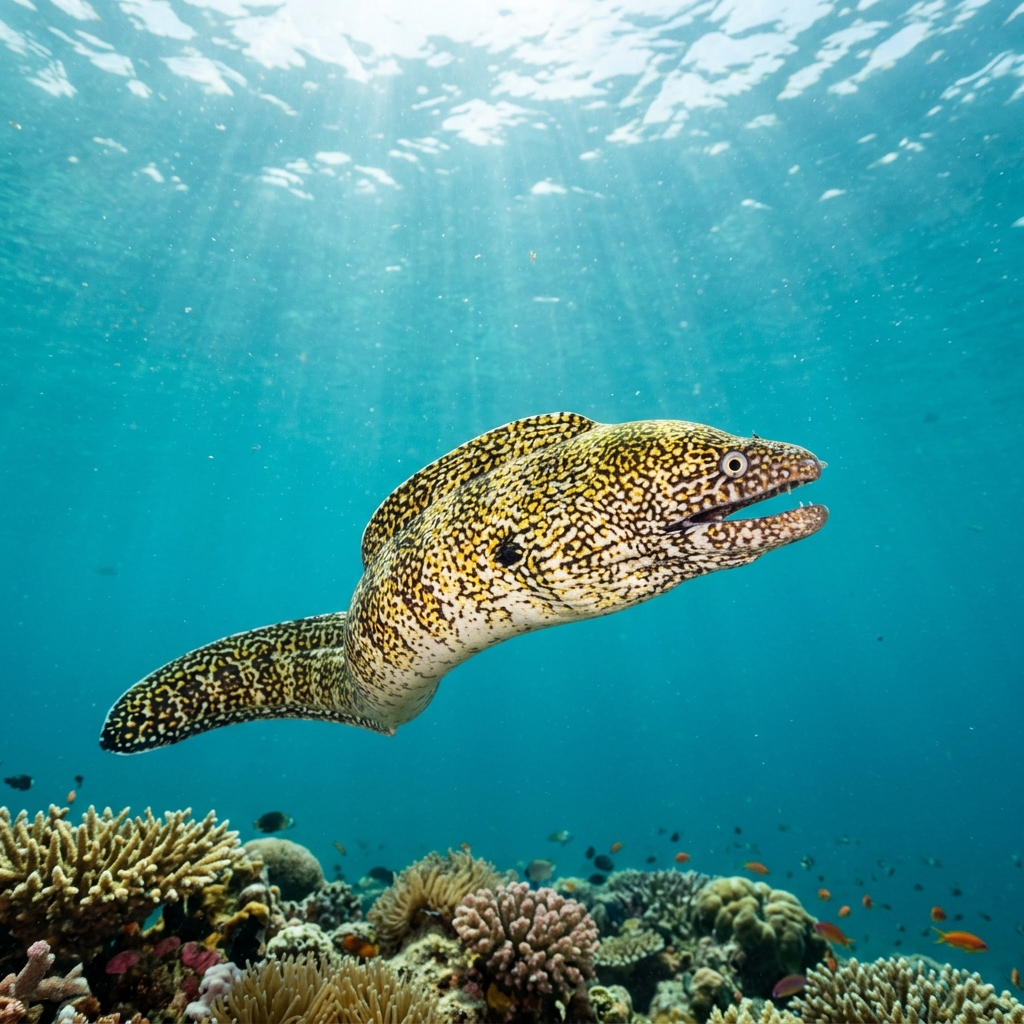
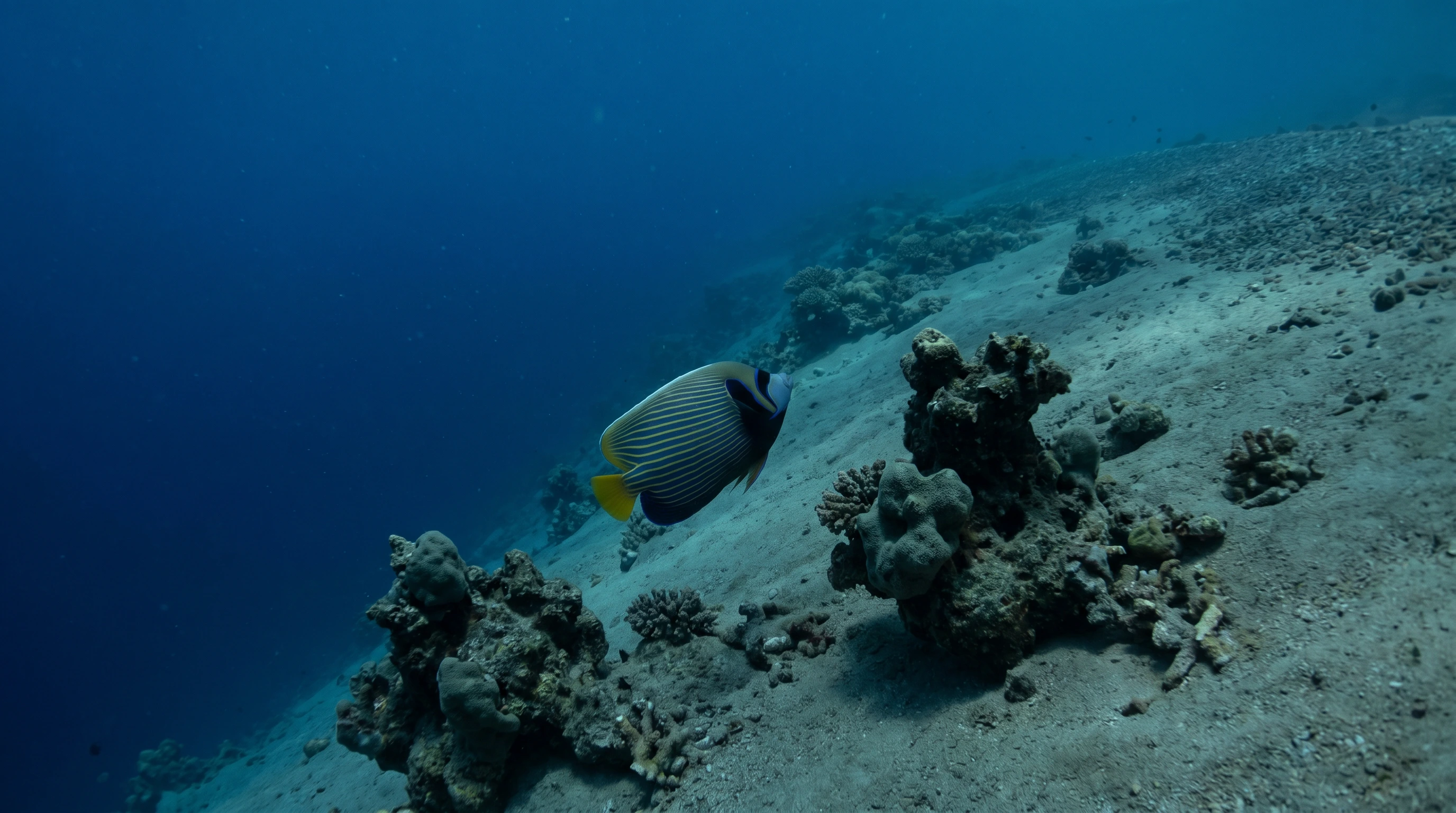
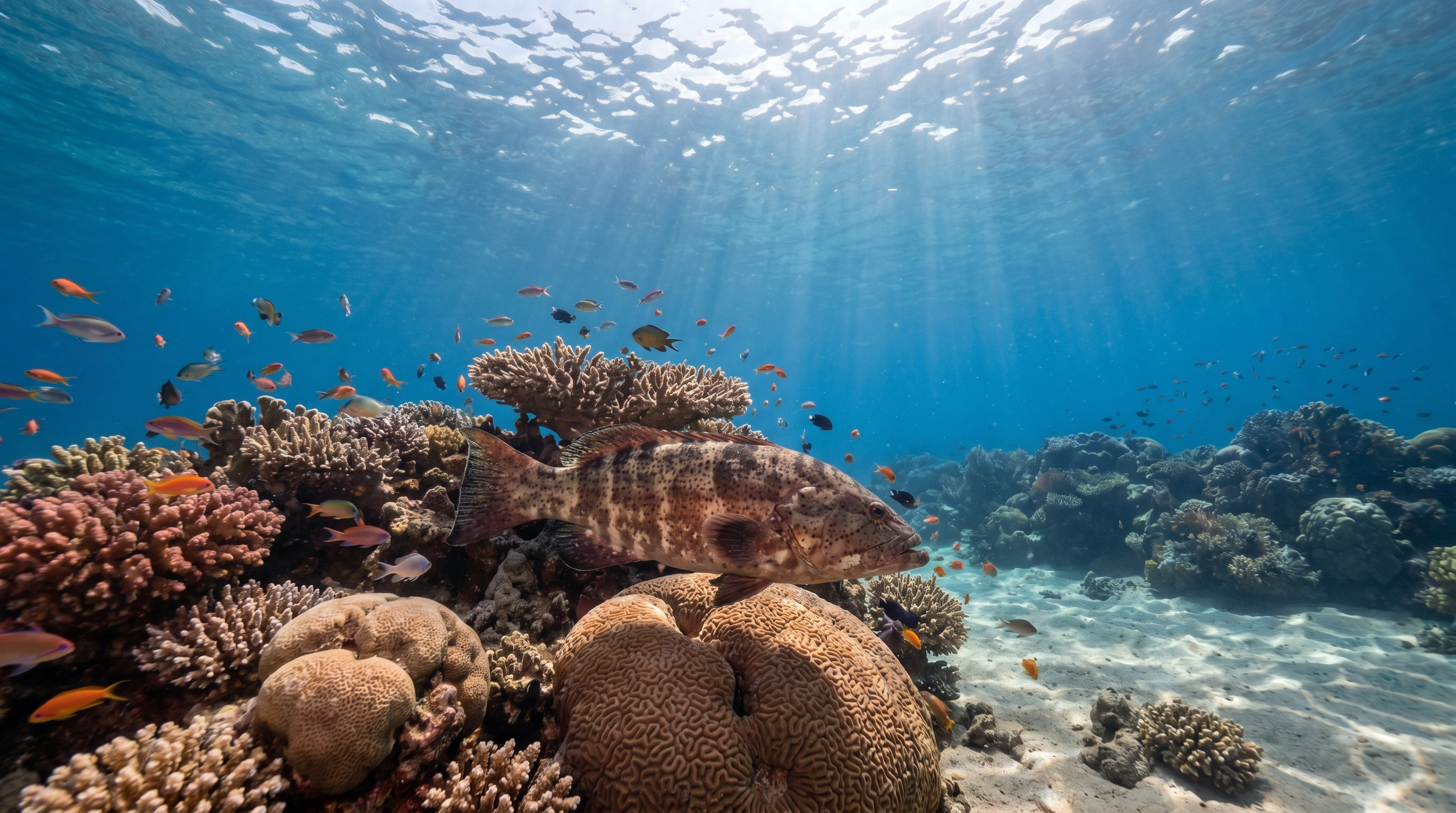
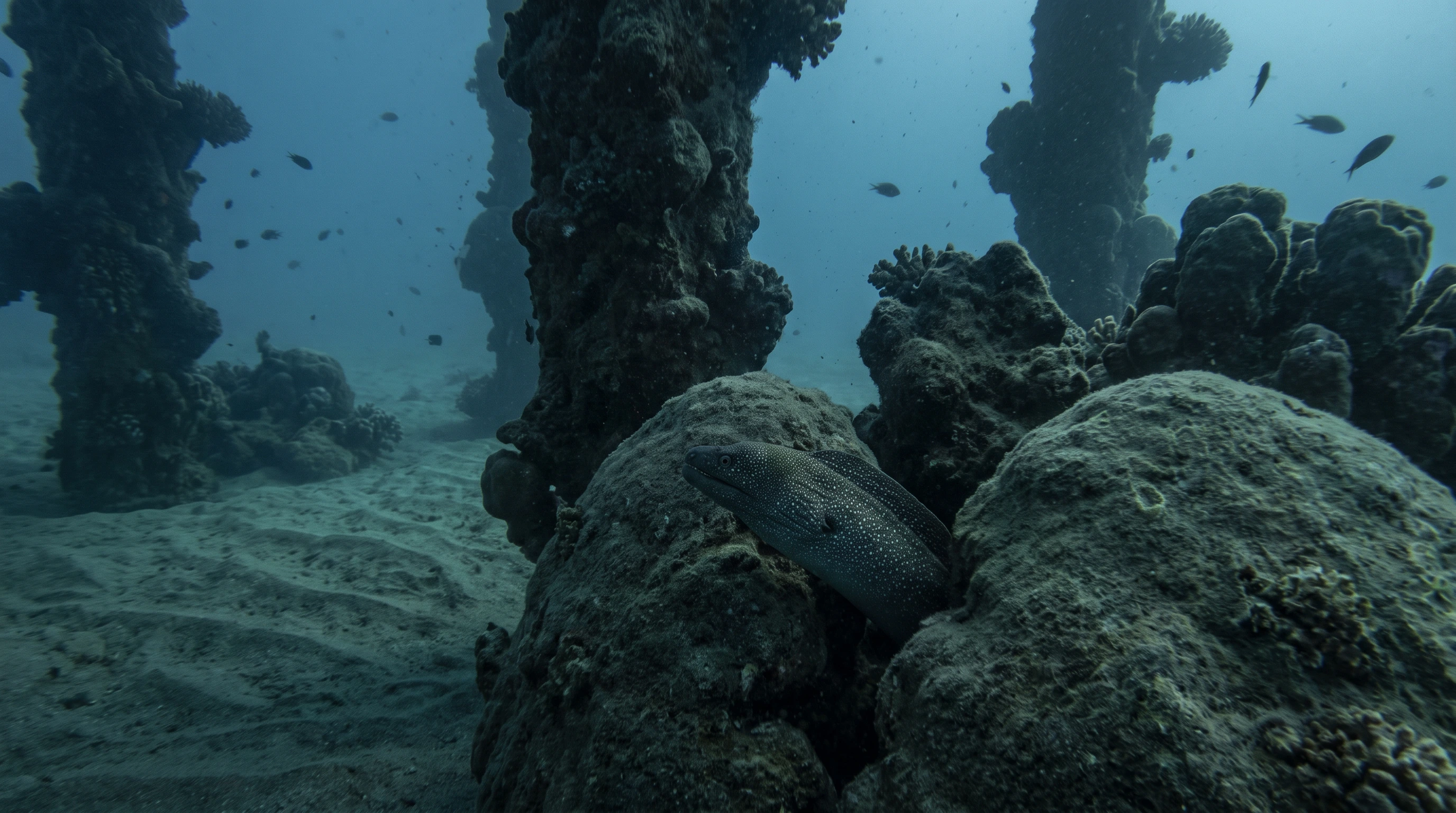
Eilat's reefs support a well-documented species list observed across a wide range of sites. The Indian Lionfish and Wrasses are present at virtually every site, while the Emperor Angelfish, Bluespotted Fantail Ray, Day Octopus, and Chromodoris Nudibranch are commonly recorded. Camouflaged species such as the Crocodilefish and Scorpionfish reward careful observation, and the Starry Moray and Undulated Moray are regularly found in reef crevices.
The majority of Eilat's dive sites are rated for beginners, and most are shore-entry, removing the need for boat handling experience. Sites such as Eilat IUI, Coral Beach, and The Border Line all offer sheltered, accessible conditions. Intermediate and advanced divers are catered for at Dekel Canyon, Pyramid, and the deep Yealat Wreck, so there is real progression available within a single destination.
Shore entry is the dominant access style across Eilat's sites, which is one of the region's practical strengths for independent divers. Sites including Veronica Beach, Katza Beach, Mosh Beach, and Dekel Canyon all start from the beach. A handful of sites such as Japanese Garden and Pyramid require or offer boat access, and several operators including Aqua Sport, Nautilus Red Sea, and Marina Divers can arrange guided boat dives.
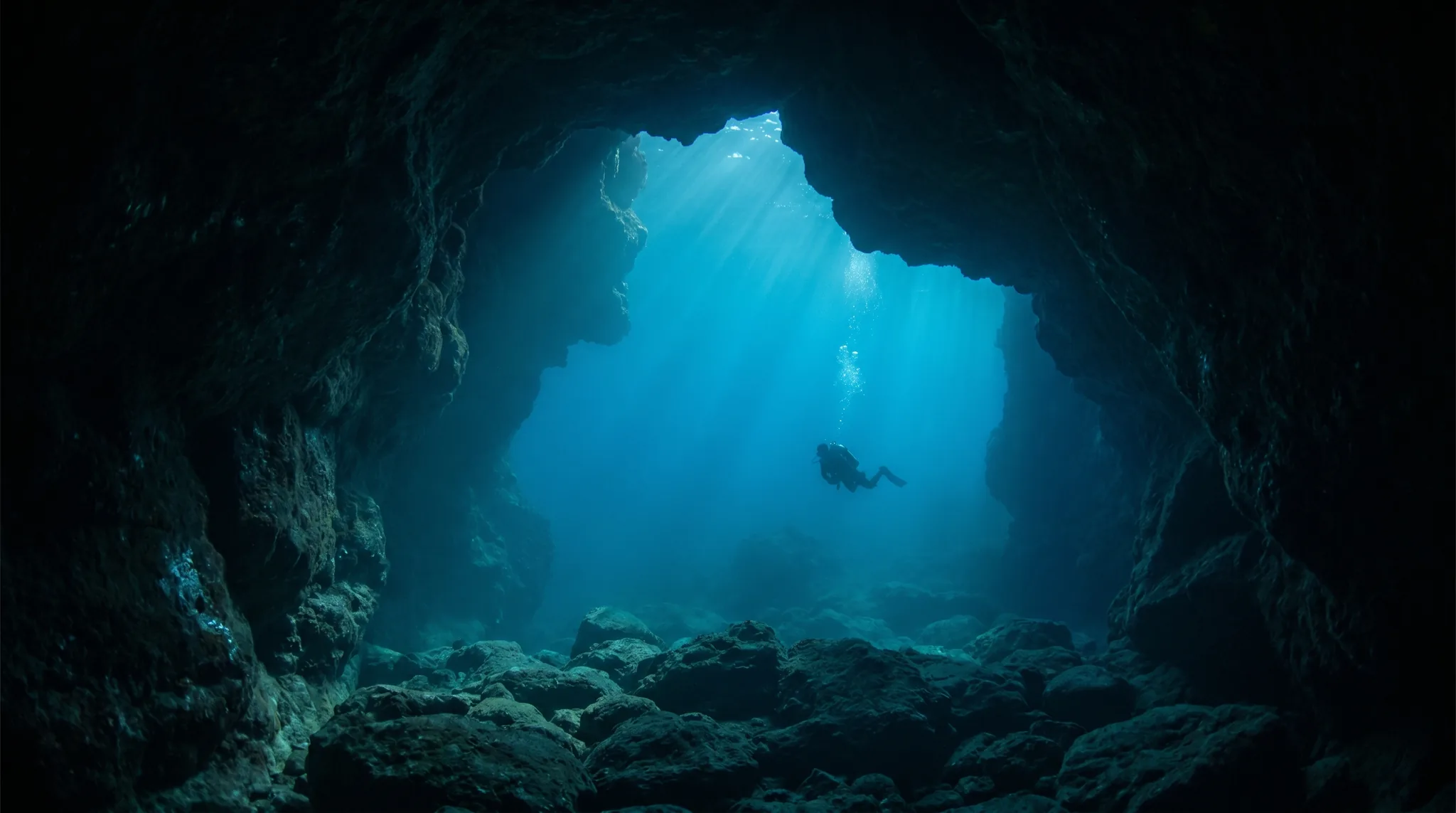
Eilat mixes natural reef, purpose-built artificial reef, wrecks, walls, pinnacles, and canyon passages within a small geographic area. Shallow reef and artificial structure sites like Coral Beach and Eapc Beach are ideal for relaxed exploration, while the canyon walls of Dekel Canyon and the pinnacle formations at Three Sisters offer more dramatic topography. The Yealat Wreck sits at considerable depth and is reserved for experienced divers seeking a more demanding objective.