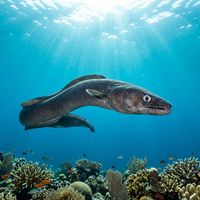
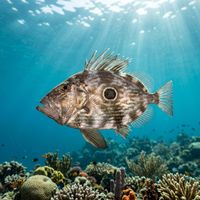
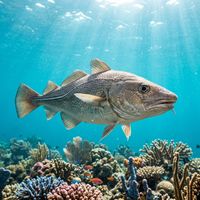
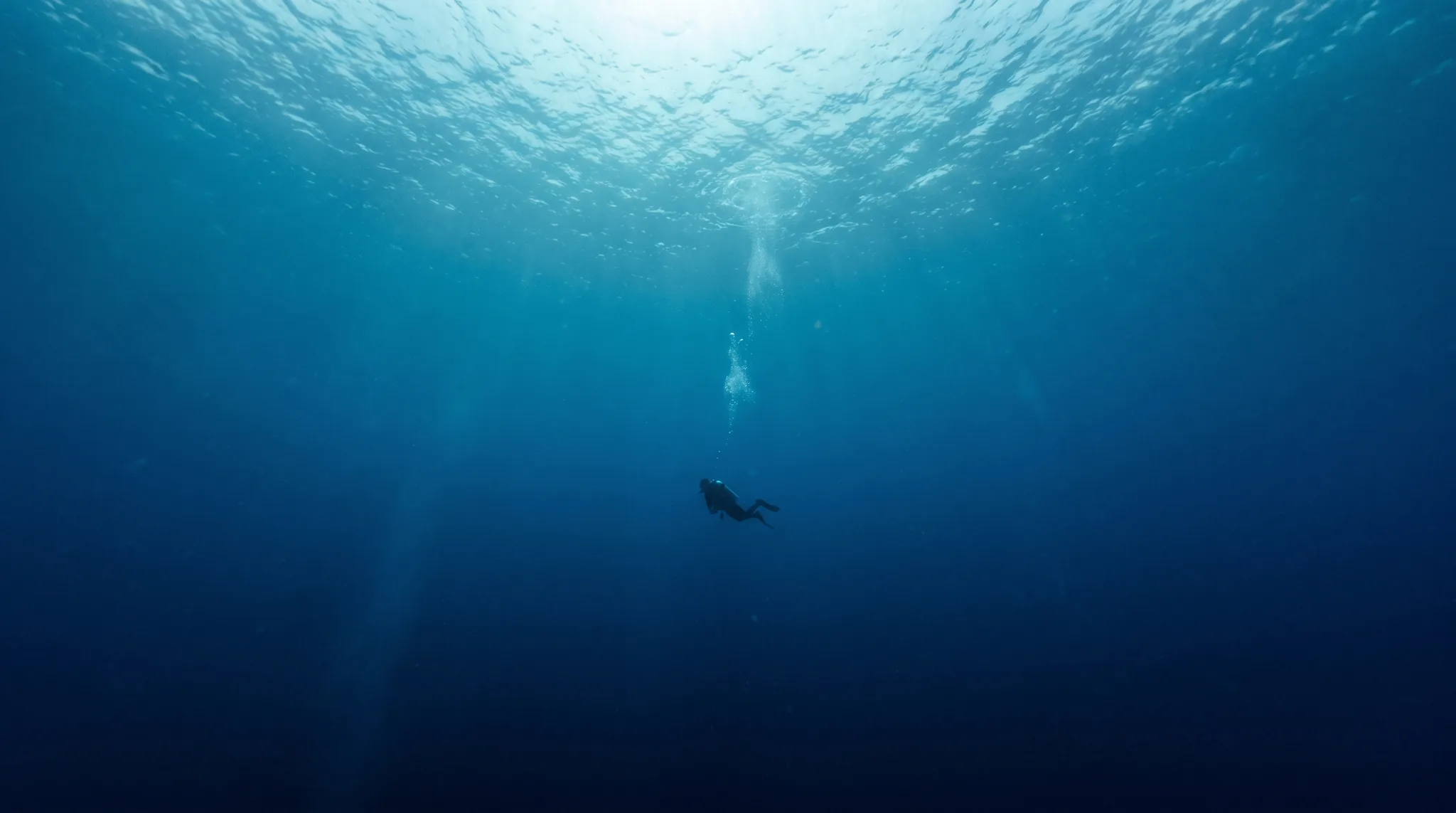
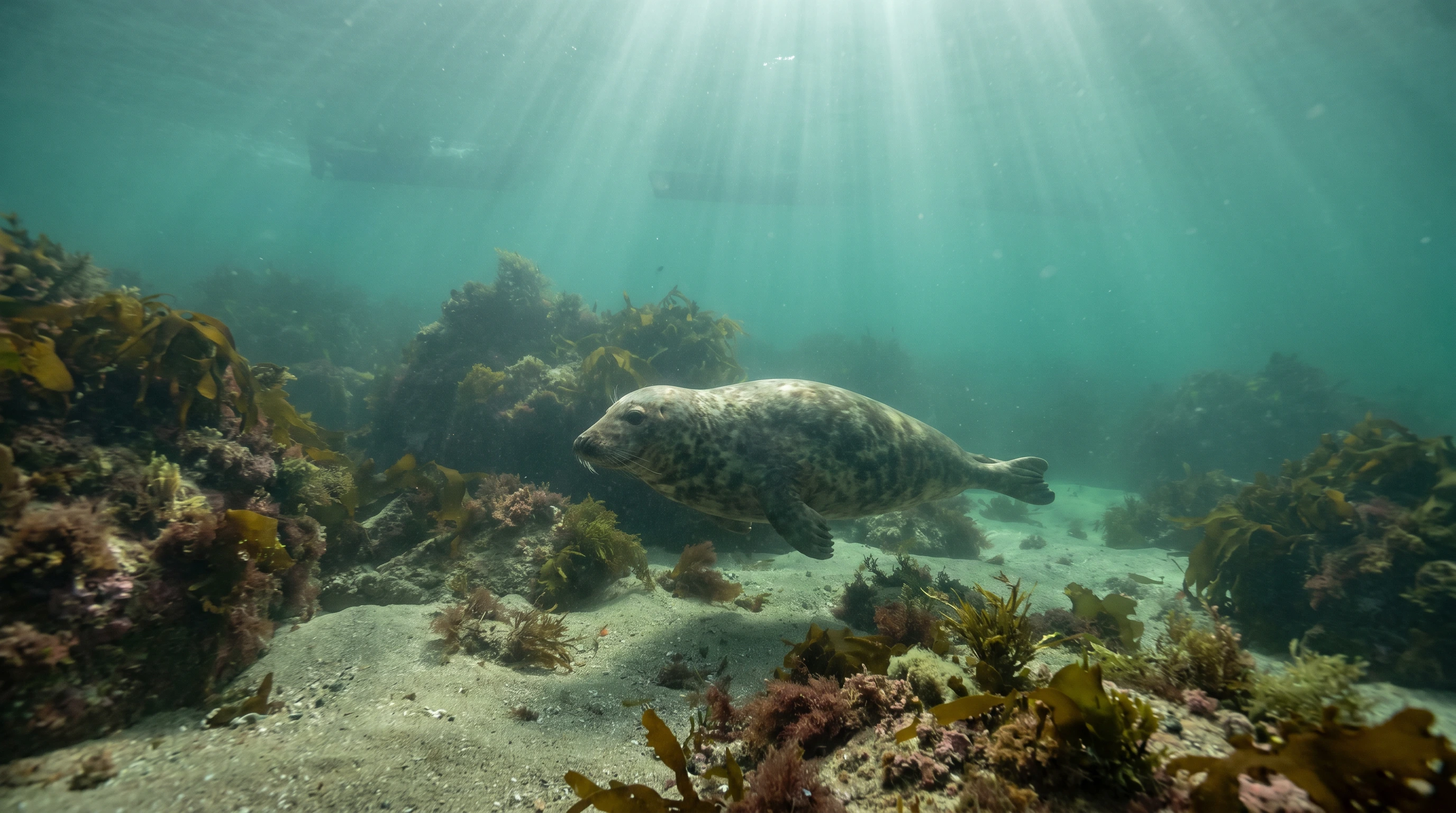
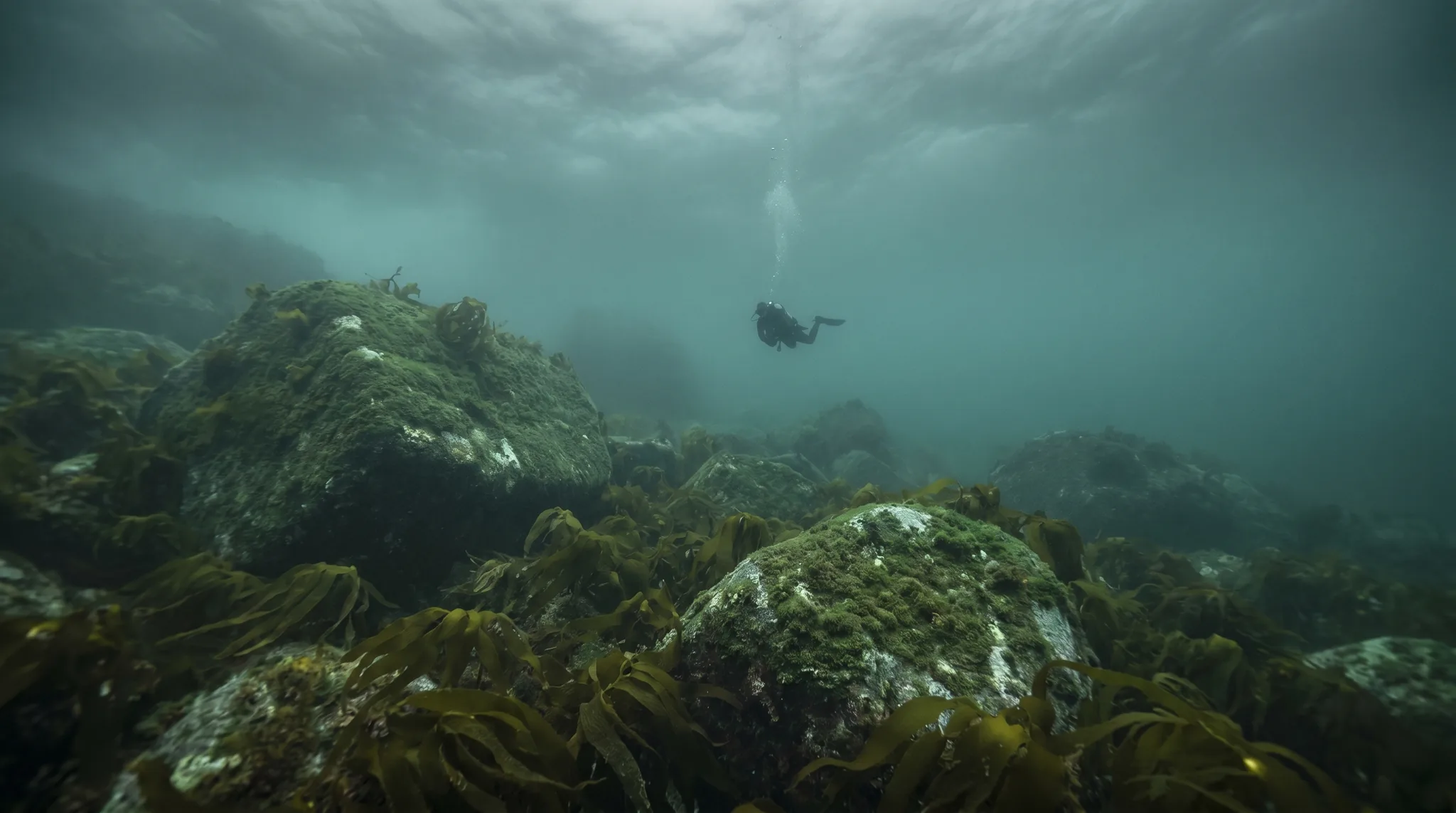
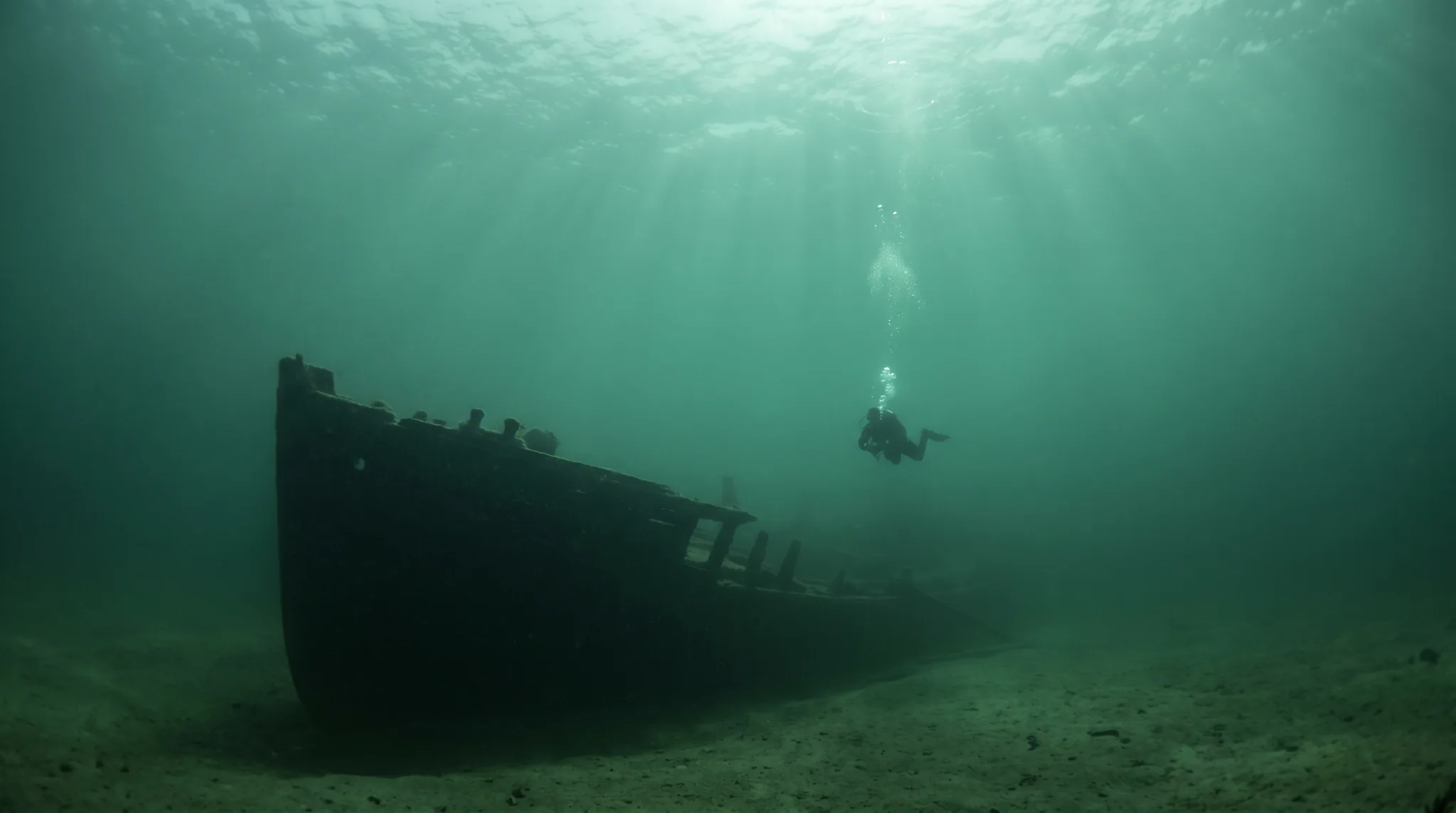
Hook Head offers a varied mix of reefs, wrecks, caves, and caverns, all accessible from shore. The site suits beginners through to more experienced divers, with shallow entry points leading down to considerable depth. Conger Eel, Cod, John Dory, and Tompot Blenny are consistently observed across the sites, while Gray Seal is the signature encounter. Water is cool year-round, warming slightly through summer, and visibility can shift with conditions.
Monthly water temperature across Hook Head's sites, from satellite sea-surface data corrected for depth. The band shows the site-to-site spread.
Temperatures sit at their lowest through late winter and early spring, then climb gradually to a summer peak before falling again through autumn. The cooler months still attract divers, with winter and early spring appearing well-represented in logged visits alongside summer. Exposure to swell and current is a factor at this headland site, so checking conditions before entry is advisable.
4 operators
Ireland
Water temperature around Hook Head ranges from about 9°C in February to 16°C in August, based on satellite sea-temperature data for its dive sites.
10 more sites to explore
In the warm season (about 16°C) a 7mm or semi-dry suit is comfortable in Hook Head; in the coldest months (about 9°C) step up to a drysuit.
Fin maps 11 sites in Hook Head (10 scuba diving sites and 2 snorkelling spots, with some suited to both).
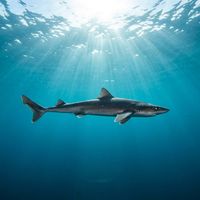
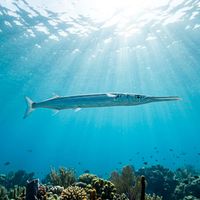
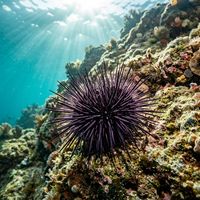
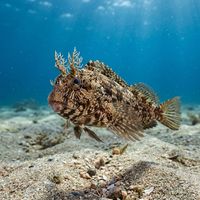
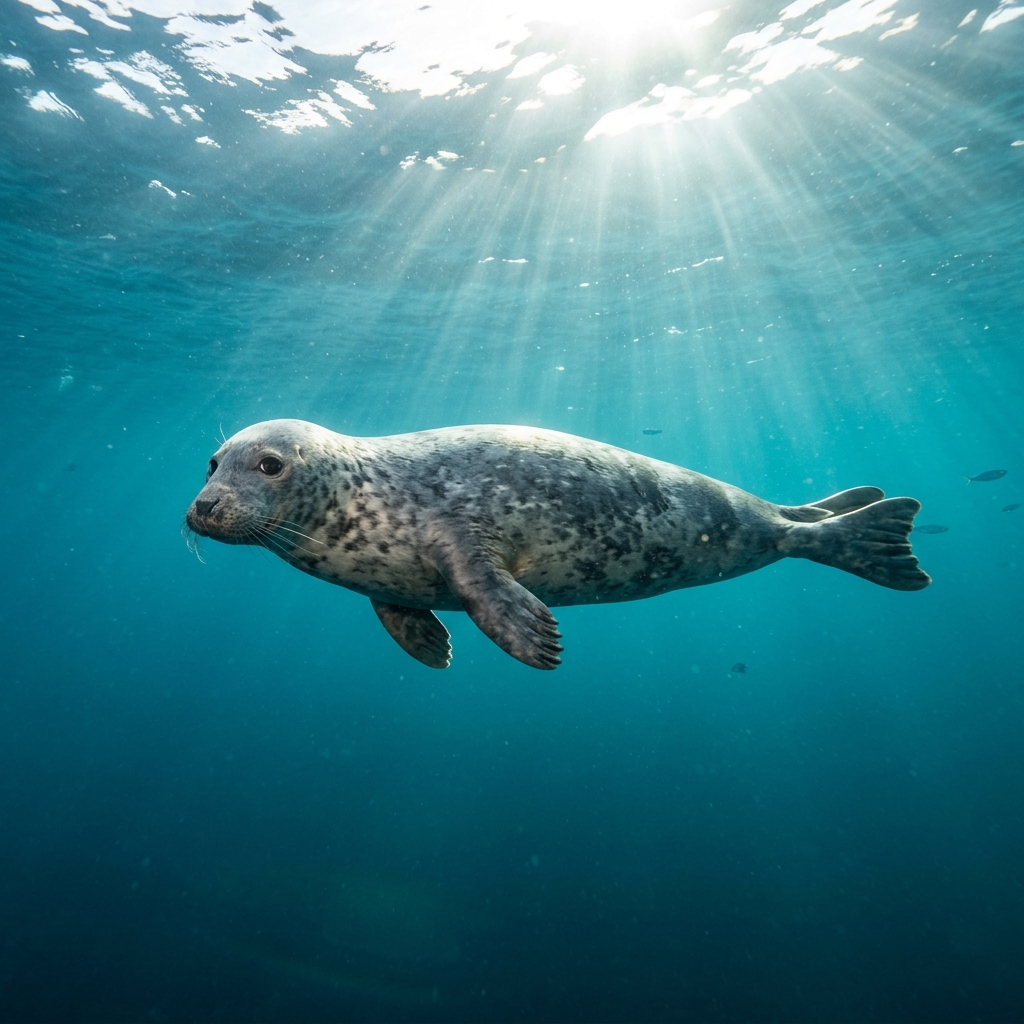
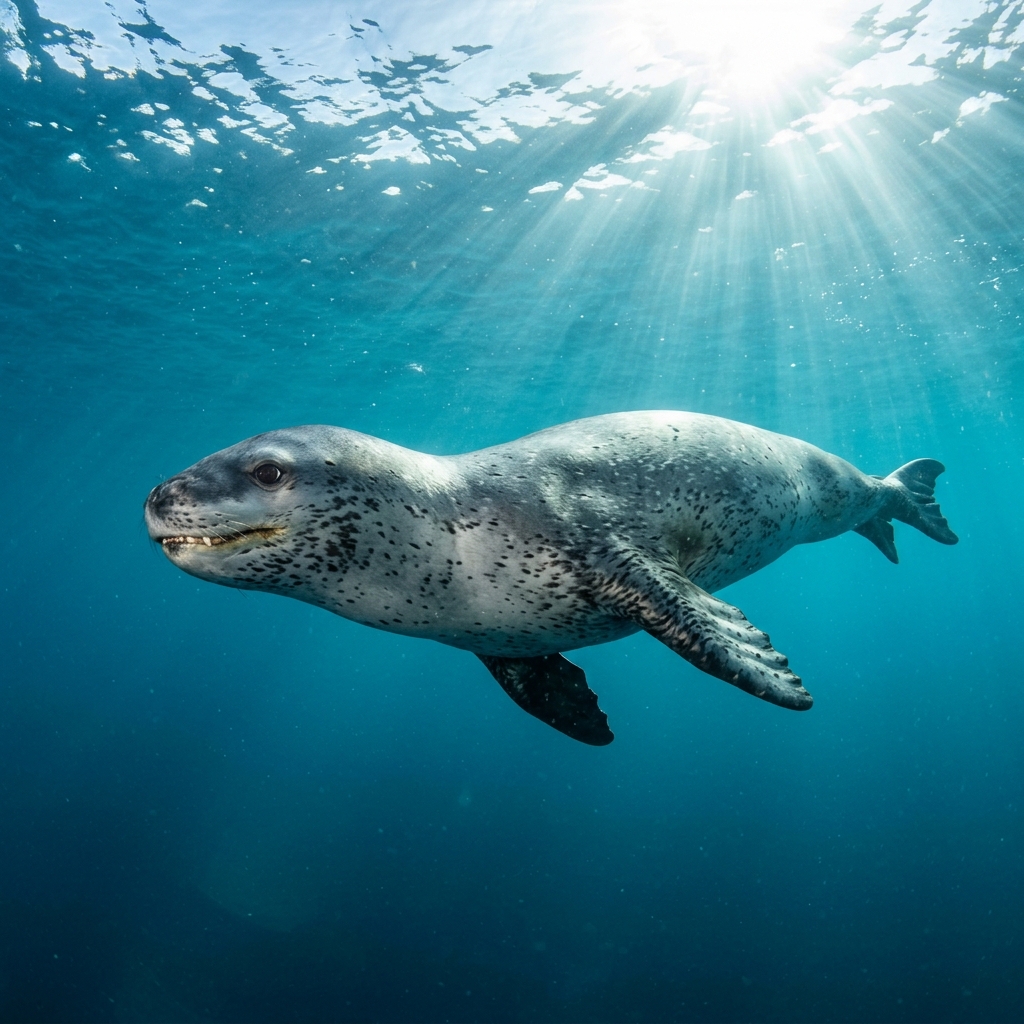
Conger Eel, Cod, John Dory, Tompot Blenny, Dogfish, Sand Eel, and Sea Urchin are all very commonly observed. Wrasses and Crab appear on a good portion of dives, and the Gray Seal is the signature species of the area. Occasional sightings of Bottlenose Dolphin have also been logged.
The main Hook Head site is rated as suitable for beginners, and shore entry makes logistics straightforward. Shallower areas provide a gentle introduction, though the site also extends to significant depth for those wanting more. Conditions at the headland can be variable, so novice divers should pick calm days.
The sites are shore-entry, meaning no boat charter is required to get in the water. This makes planning more flexible, as divers can assess conditions on arrival and choose their timing accordingly. There are currently no listed dive operators based in the area, so visiting divers should come self-sufficient.
The area combines reef, wreck, cave, and cavern diving within a single region. This variety means a diver can move between open reef exploration and more enclosed environments on the same trip. The mix of site types suits divers who want to cover different skills and experiences without travelling far.