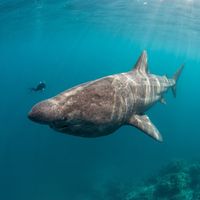
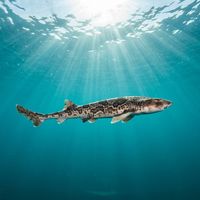
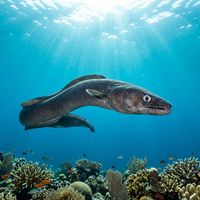
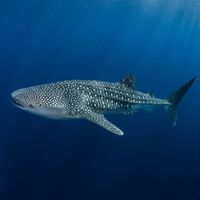
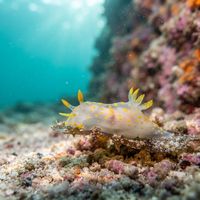
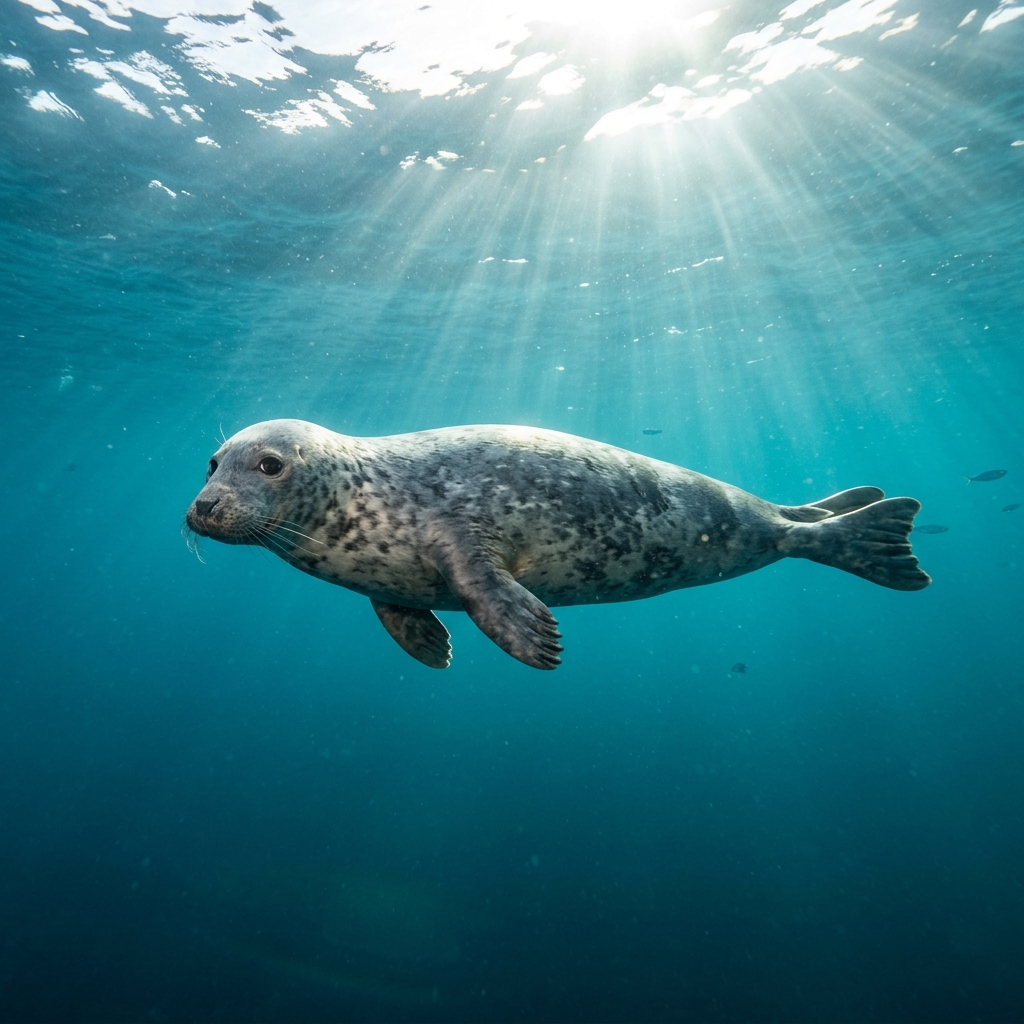
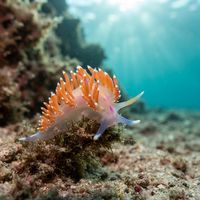
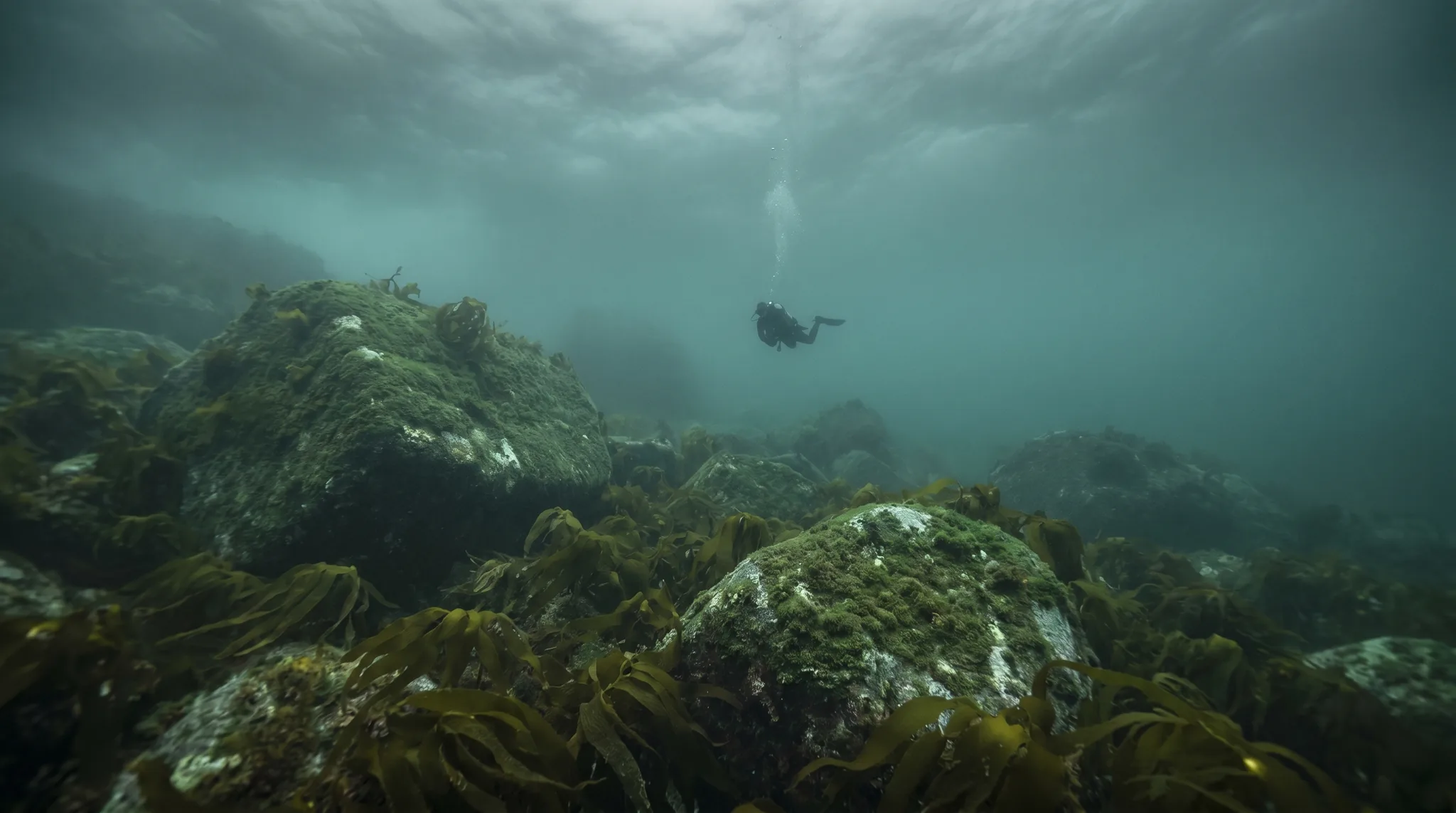
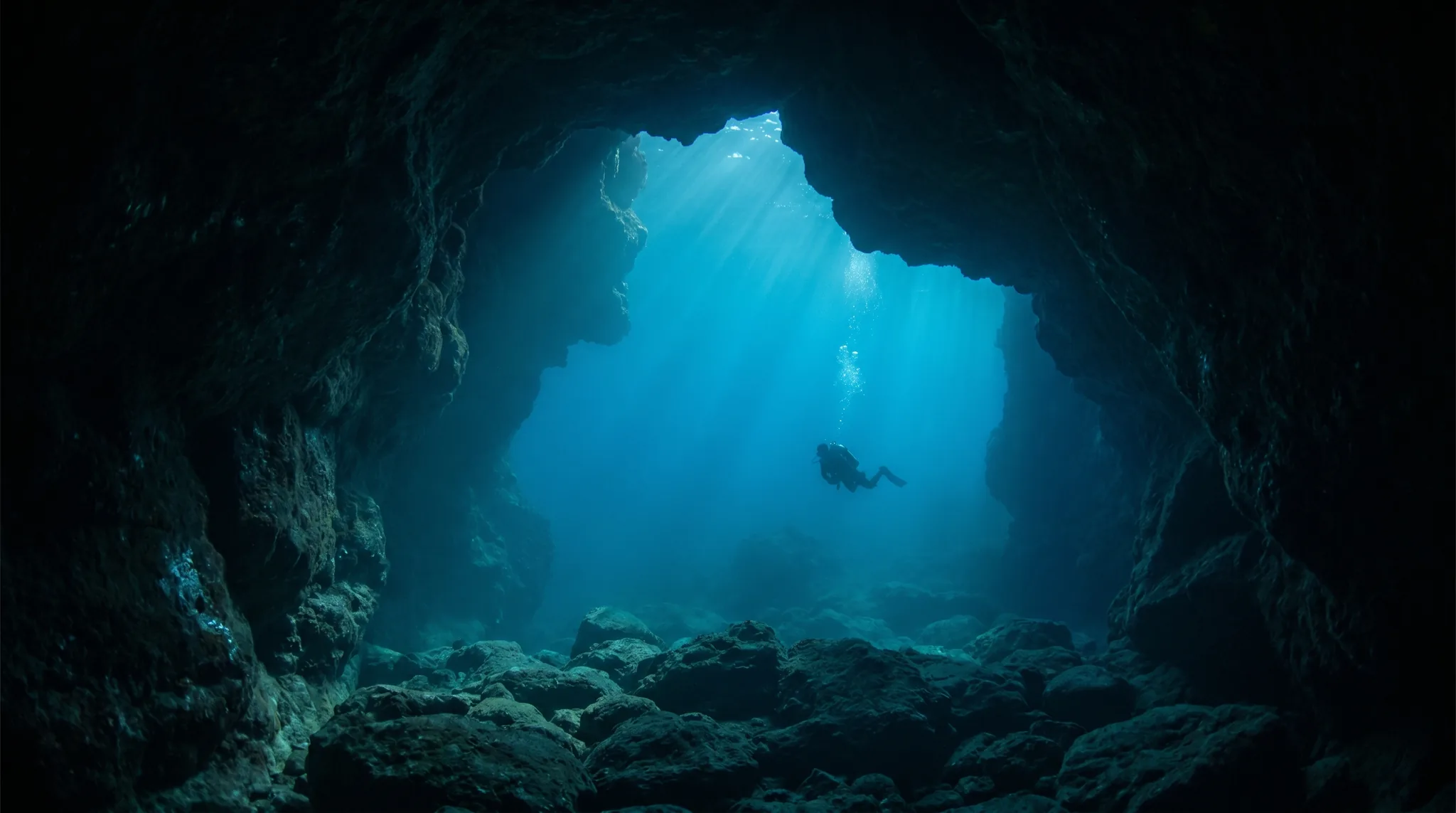
Valentia Island's diving is defined by exposed Atlantic reef and wall topography, with cave systems adding an overhead dimension at sites such as Smugglers Cave. The mix of boat and shore entries suits a range of plans, though most sites lean intermediate in character. Catshark, Conger Eel, Brittle Star and Squat Lobster are reliably encountered across the sites, while occasional Gray Seal and Whale Shark sightings give the area real edge.
Monthly water temperature across Valentia Island's sites, from satellite sea-surface data corrected for depth. The band shows the site-to-site spread.
Water stays cold through winter and early spring before warming gradually toward late summer, when conditions are at their most inviting. The peak window runs from June through August, with activity tapering into autumn as temperatures drop. Exposed sites can be affected by Atlantic swell, so conditions should be checked before committing to boat dives.
9 operators
Farranacoush, Ireland
Ireland
Ireland
12 more sites to explore
Water temperature around Valentia Island ranges from about 10°C in January to 16°C in August, based on satellite sea-temperature data for its dive sites.
In the warm season (about 16°C) a 7mm or semi-dry suit is comfortable in Valentia Island; in the coldest months (about 10°C) step up to a drysuit.
Fin maps 15 sites in Valentia Island (13 scuba diving sites and 4 snorkelling spots, with some suited to both).
Across Valentia Island's dive sites, June, July and August are most often reported as the best months to visit.
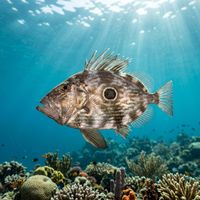
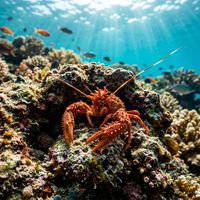
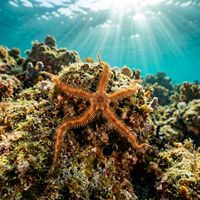
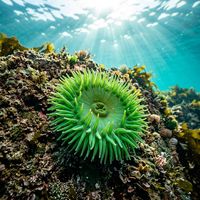
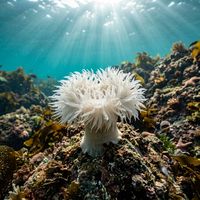
Catshark, Conger Eel, John Dory, Squat Lobster and Brittle Star are very commonly observed across the sites. Spiny Spider Crab and Sea Anemone are also frequently encountered. On occasion, divers have recorded Gray Seal and even Whale Shark, which are regarded as signature species for the area.
The site mix leans toward intermediate level, with exposed reef and wall dives and an overhead cave environment at Smugglers Cave requiring appropriate experience. Yellow Island is listed as suitable for beginners, offering a more accessible reef dive. Newer divers should assess conditions carefully given the exposed Atlantic character of many sites.
Both entry types are represented. Smugglers Cave is a shore-entry site, while Inishnabro and Yellow Island require a boat. Checking sea state before heading out is advisable, as exposed sites can be affected by Atlantic swell and visibility can vary considerably.
The area features reef and wall diving at exposed sites such as Inishnabro, along with a cave and reef combination at Smugglers Cave. The cave at Smugglers Cave presents an overhead environment, making it more appropriate for divers with cavern or overhead experience rather than those on open-water dives only.