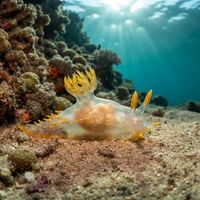
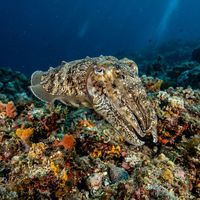
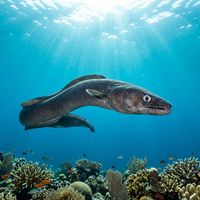
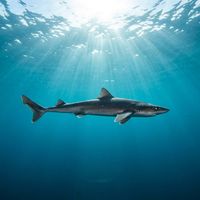
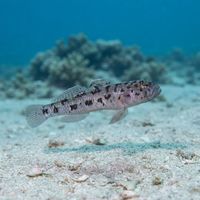
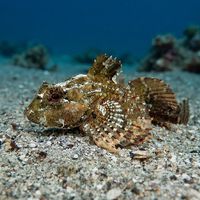
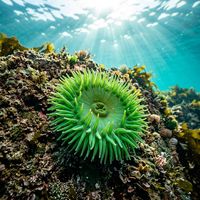
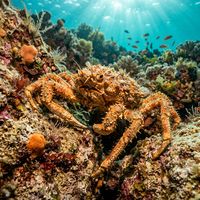
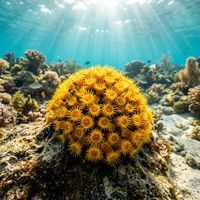
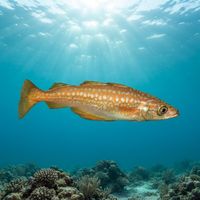
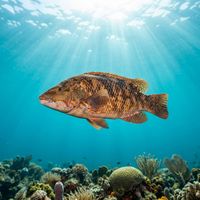
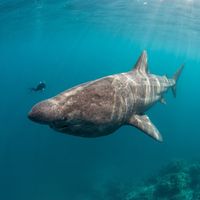
Dingle's diving splits between two distinct sub-areas: the varied reef and wall sites of Dingle Bay Reefs, and the deeper, more dramatic terrain around Brandon Creek. Boat access is the norm across the region, with sites ranging from shallow beginner reefs to advanced drift and wall dives. European Common Cuttlefish and Jewel Anemone appear across virtually every site, while Conger Eel and Dogfish are reliable finds in the gullies and overhangs. Blue Shark visits occasionally in open water.
2 areas
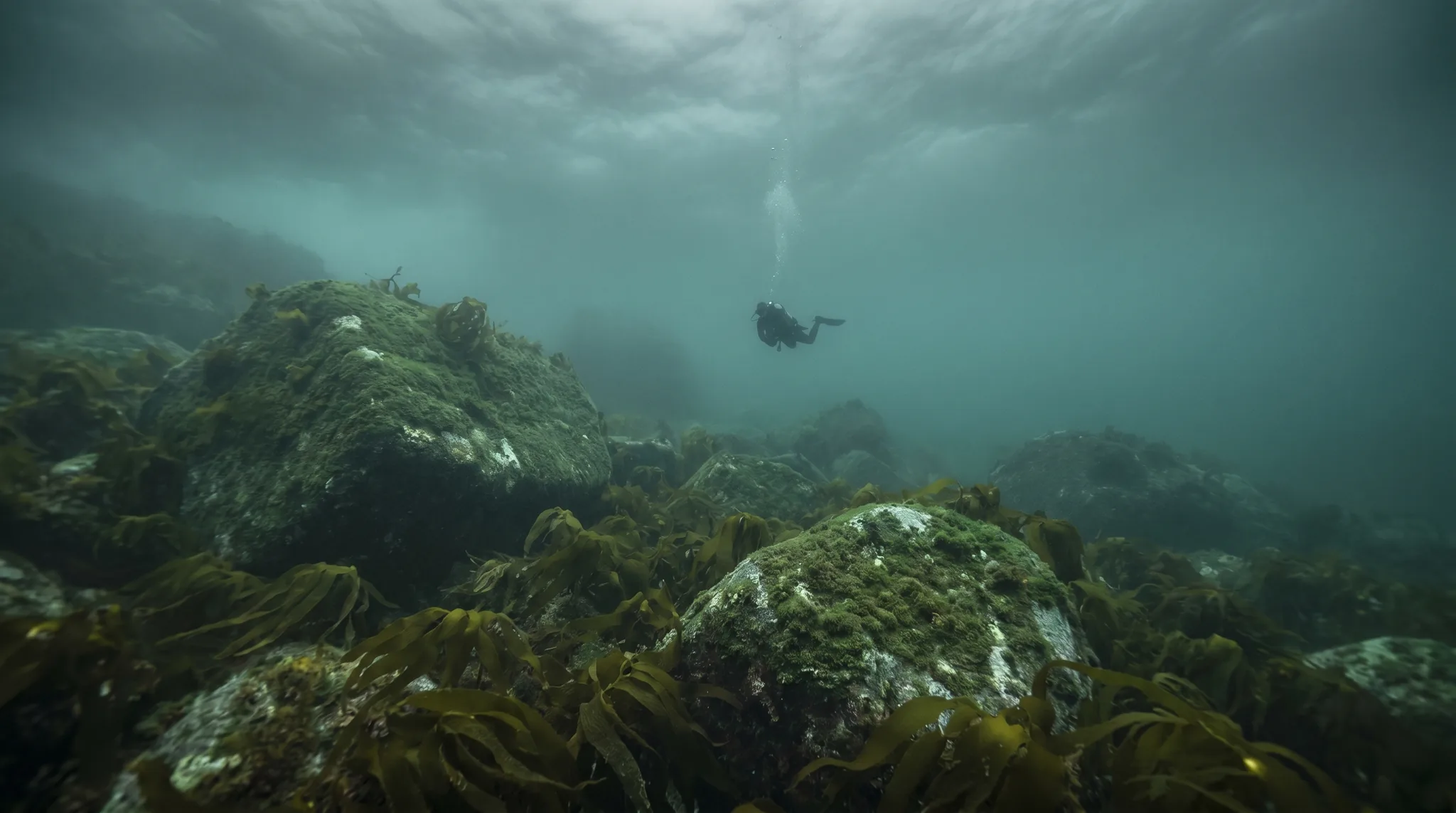
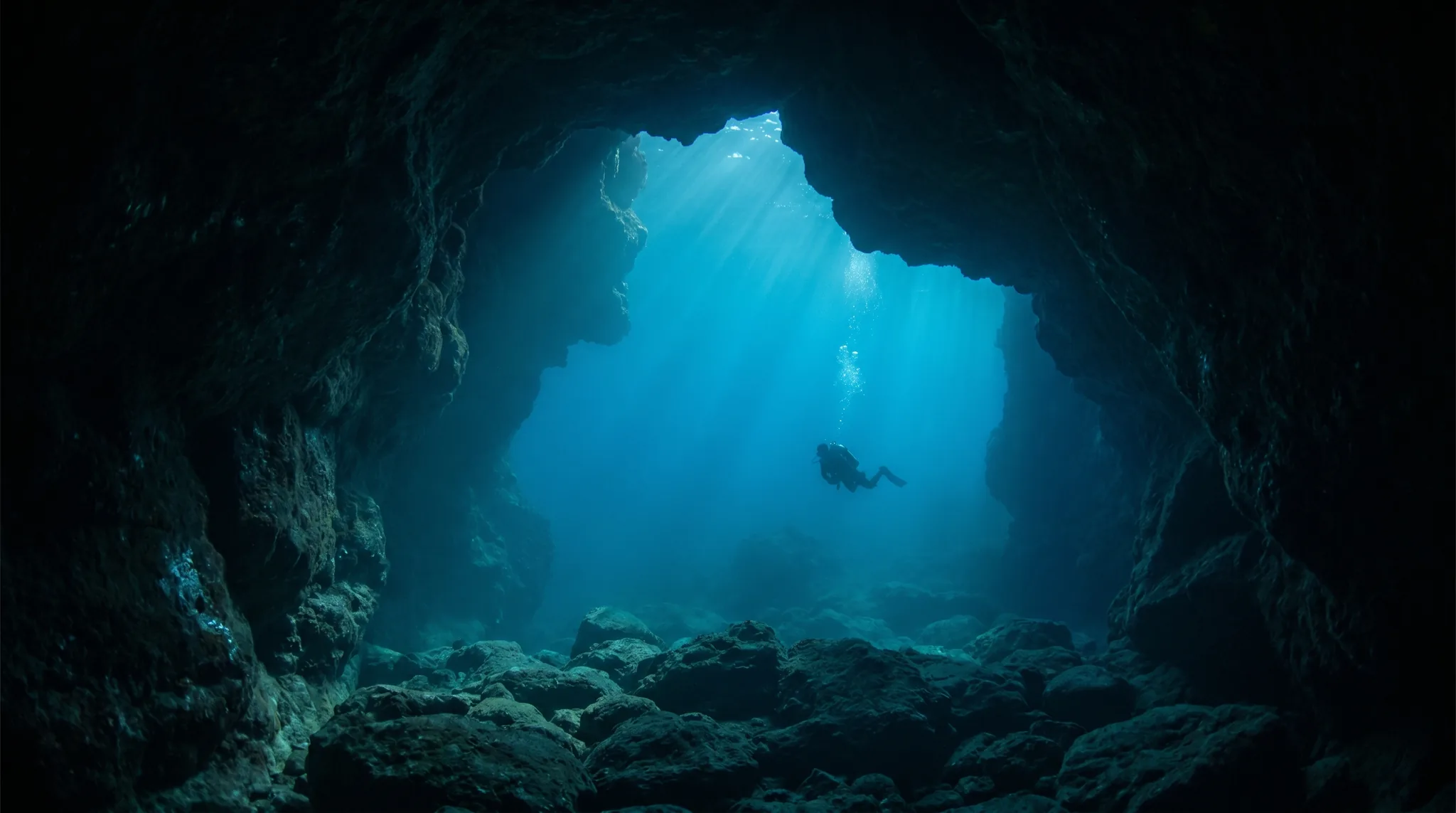
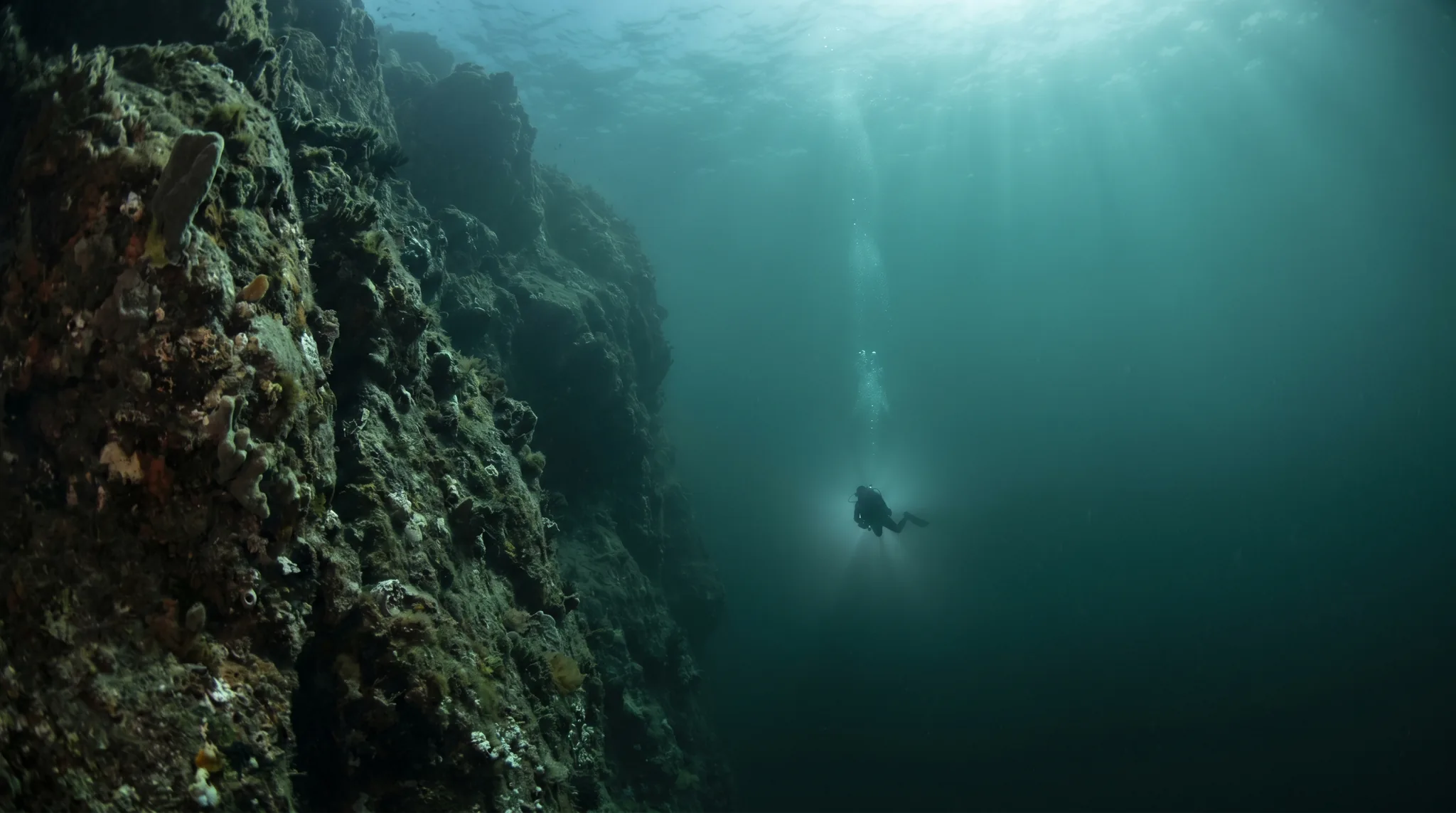
Monthly water temperature across Dingle's sites, from satellite sea-surface data corrected for depth. The band shows the site-to-site spread.
Water temperatures rise through summer and peak in late summer, making July through October the most comfortable period for extended dives. Cooler conditions persist from winter into spring, when exposure to swell on outer sites can be more significant. The Brandon Creek sites in particular can carry stronger currents, favouring divers who time their visits around settled conditions.
11 operators
Dingle, Ireland
Kilrush, Ireland
8 more sites to explore
Water temperature around Dingle ranges from about 9°C in February to 15°C in July, based on satellite sea-temperature data for its dive sites.
In the warm season (about 15°C) a 7mm or semi-dry suit is comfortable in Dingle; in the coldest months (about 9°C) step up to a drysuit.
Fin maps 20 sites in Dingle (20 scuba diving sites), organised into 2 areas.
Across Dingle's dive sites, June, July, September and October are most often reported as the best months to visit.
European Common Cuttlefish and Squat Lobster are observed across the sites, and Jewel Anemone and Dead Man's Fingers colour the walls throughout the region. Conger Eel and Dogfish are very commonly encountered in crevices and gullies. Blue Shark appears occasionally in open water, and Gray Seal and Common Dolphin have also been recorded.
Yes, several sites cater to beginners. Illaunabarnagh and The Necklace in Dingle Bay Reefs are boat-access reef dives at manageable depths, while Scraggane Bay offers a shallow shore dive over reef and seagrass. These sites give newer divers a solid introduction to the region's underwater character without the current or depth demands of the advanced sites.
Dingle Bay Reefs holds the majority of sites and offers the widest range of experiences, from shallow beginner reefs and kelp gullies to wall and overhang dives. Brandon Creek sites such as Sick Man's Rock and The Tunnel tend toward greater depth and more pronounced topography, with notable drop-offs and cave passages that suit intermediate to advanced divers.
Almost all sites in Dingle are accessed by boat. Scraggane Bay is the notable exception, offering a shore entry over a shallow reef and seagrass habitat within Dingle Bay Reefs. Waterworld Dive Centre operates in the area and can facilitate boat access to the wider range of sites.