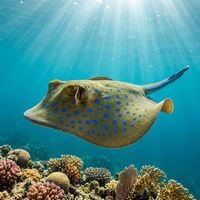
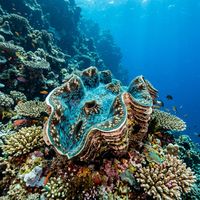
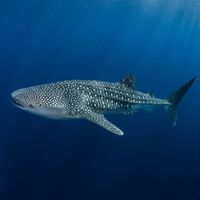
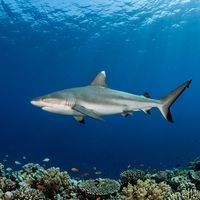
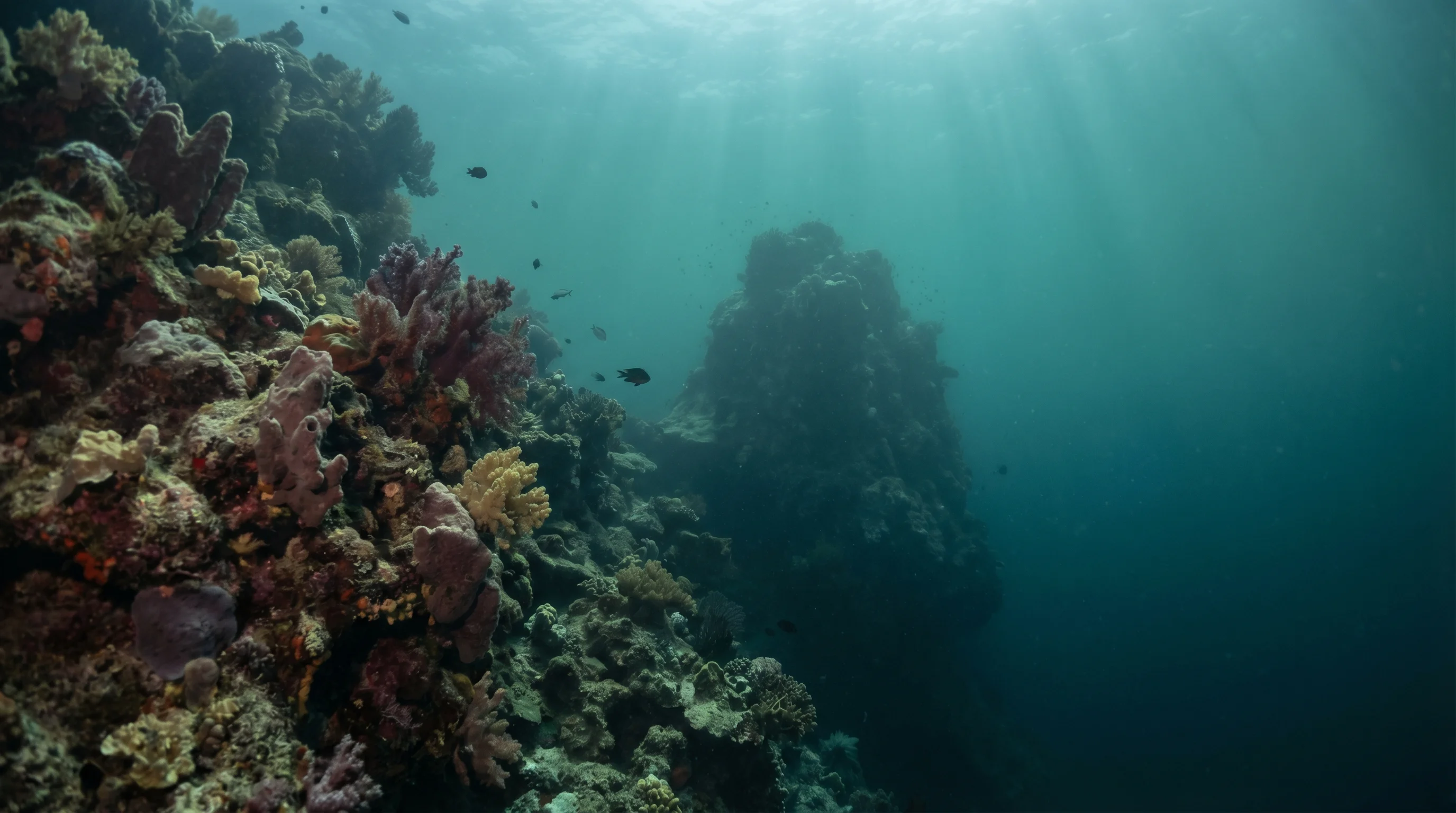
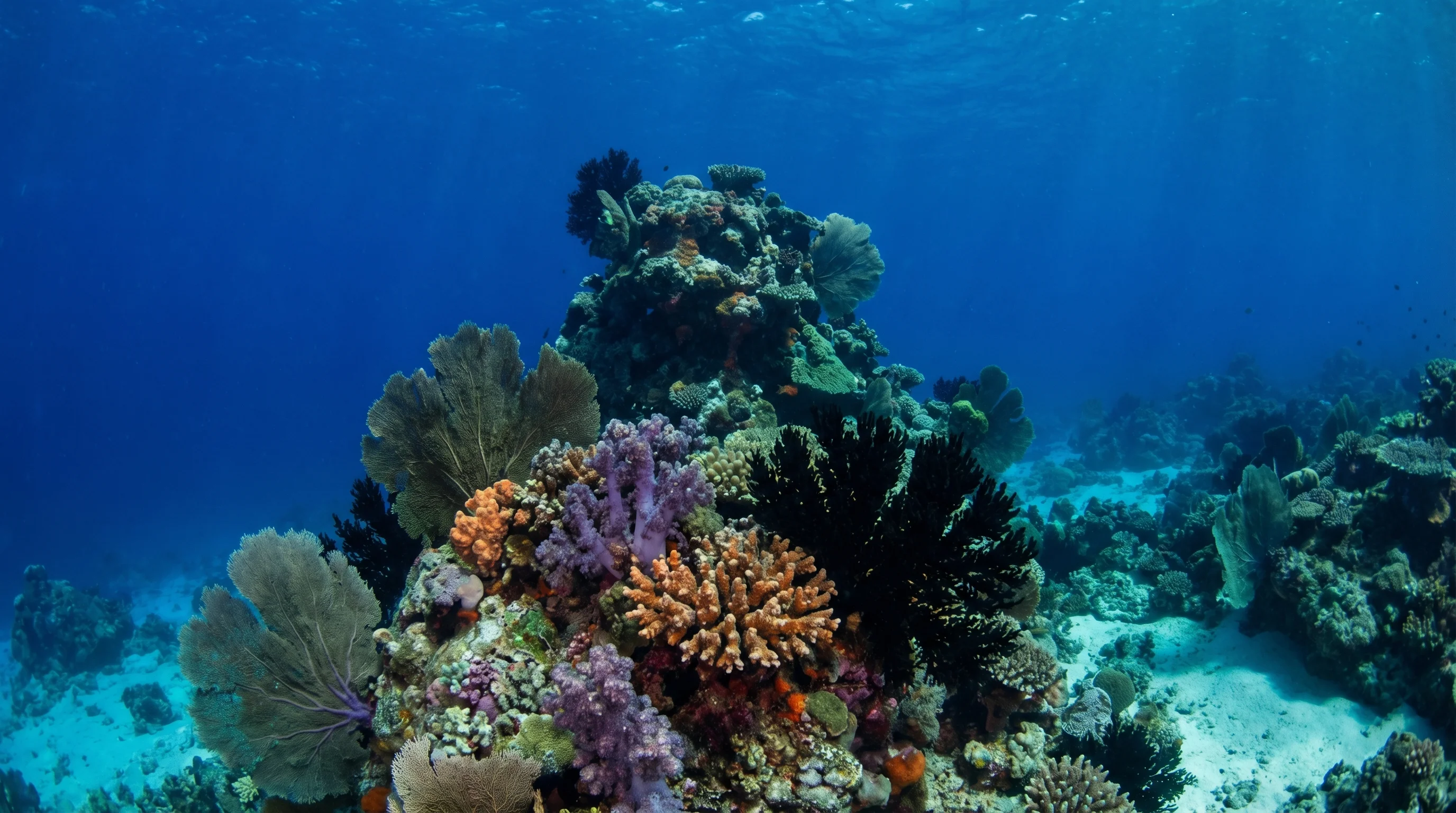
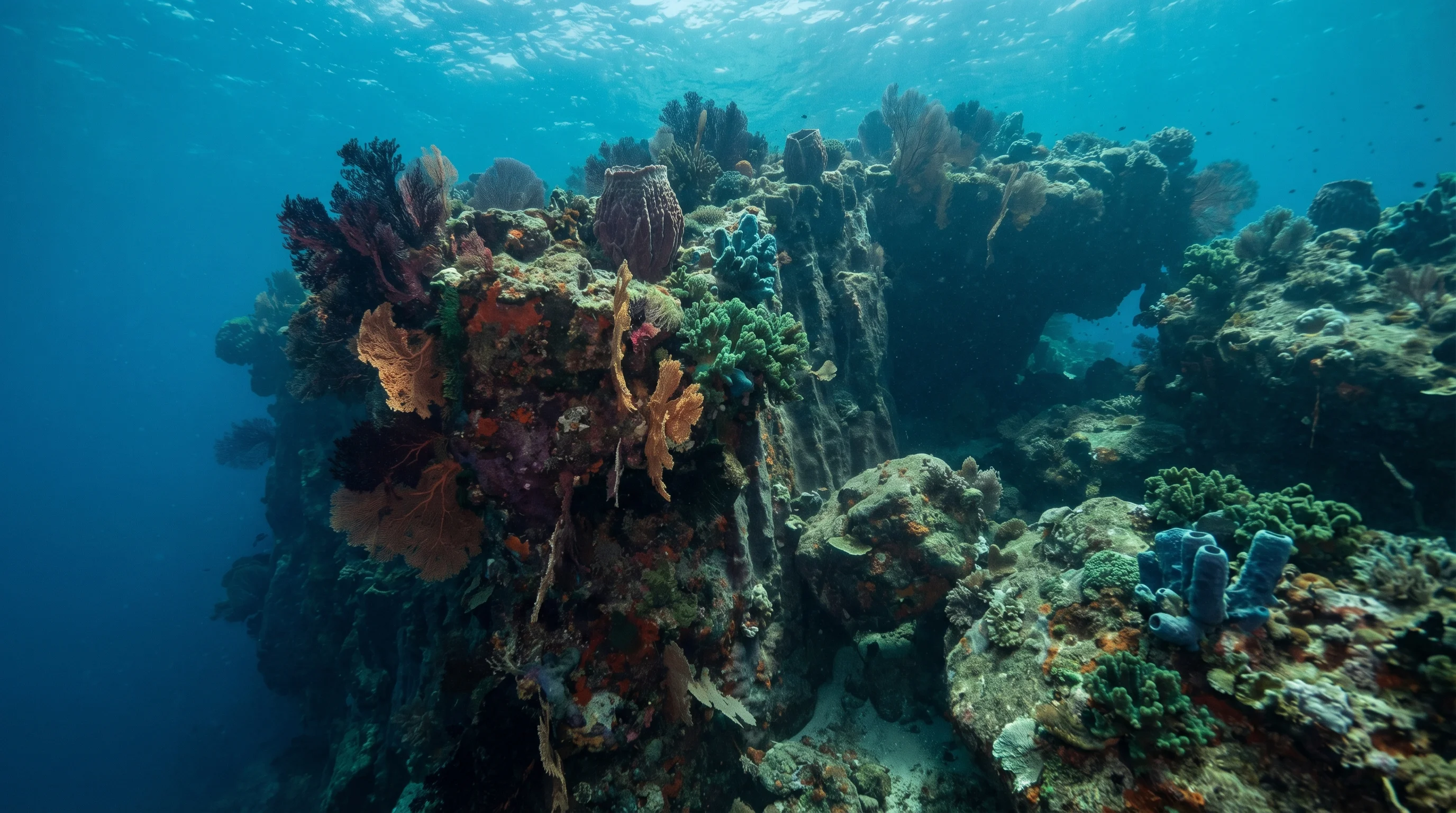
Cenderawasih Bay, in West Papua, Indonesia, is a diving destination built around warm, consistently warm water year-round and a rich mix of reef, wall, drift and pinnacle sites. The Whale Shark is a signature presence, alongside the Grey Reef Shark, Bluespotted Fantail Ray and Giant Clam seen across most sites. The Biak sub-area holds the majority of the region's sites. Conditions include moderate currents, making intermediate-level divers the best fit for most dives.
1 areas

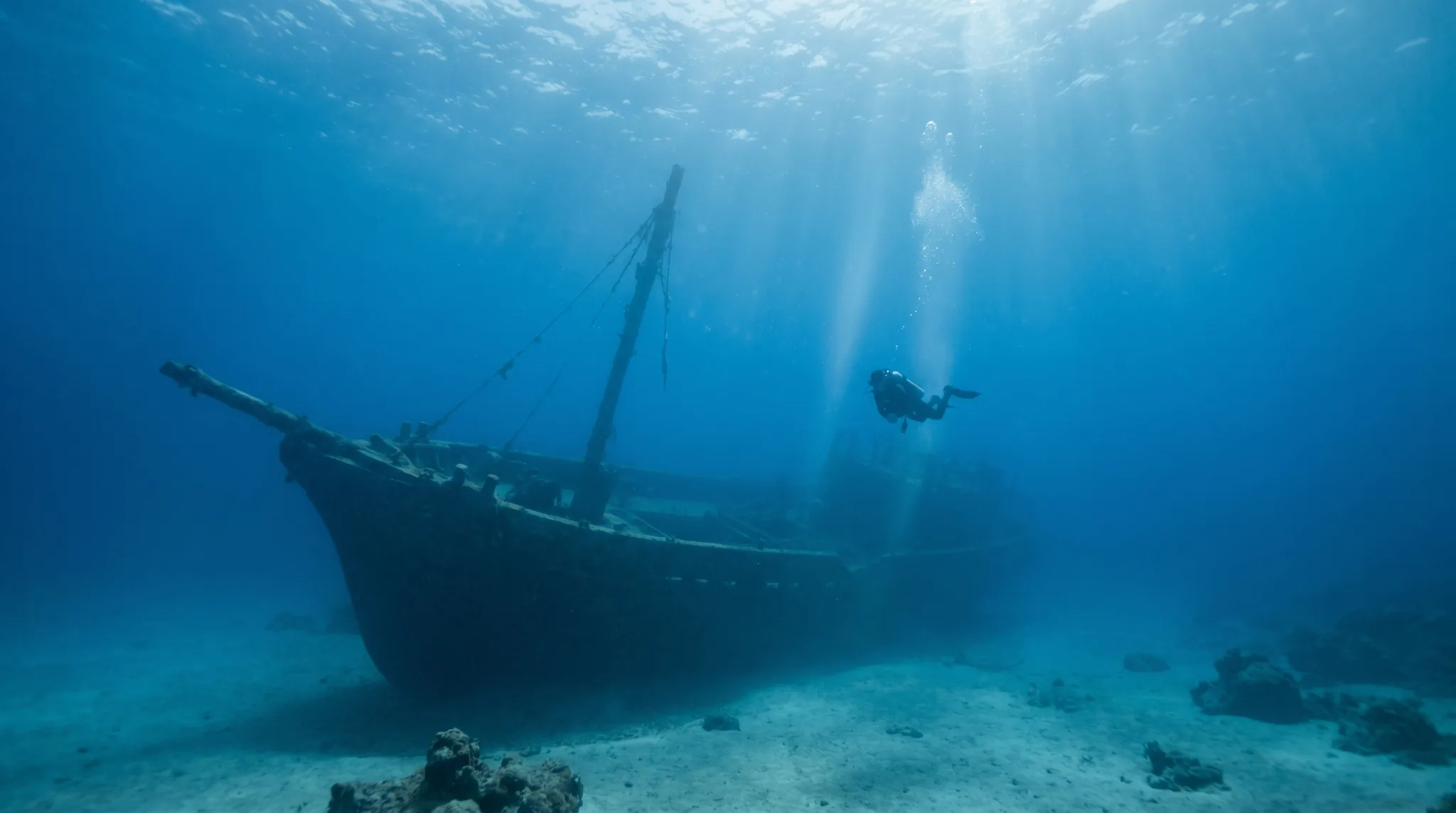
Monthly water temperature across Cenderawasih Bay's sites, from satellite sea-surface data corrected for depth. The band shows the site-to-site spread.
Water temperature stays consistently warm through every month of the year, with only the slightest dip mid-year, so thermal comfort is rarely a concern. Visibility varies meaningfully across sites, from modest to excellent, depending on conditions and location. The data points to a long favourable season running from mid-spring through to late autumn, with conditions easing slightly in the early months of the year.
Water around Cenderawasih Bay stays near 30°C all year, based on satellite sea-temperature data for its dive sites.
13 more sites to explore
With water around 29–30°C, a rash guard or 3mm shorty works in Cenderawasih Bay year-round.
Fin maps 15 sites in Cenderawasih Bay (15 scuba diving sites).
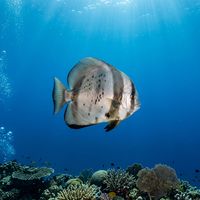
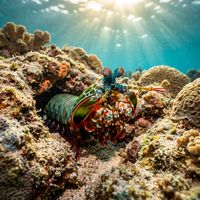
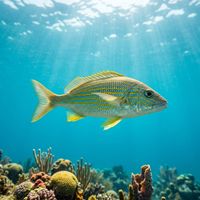
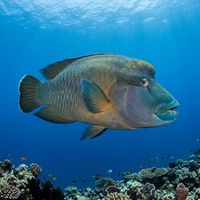
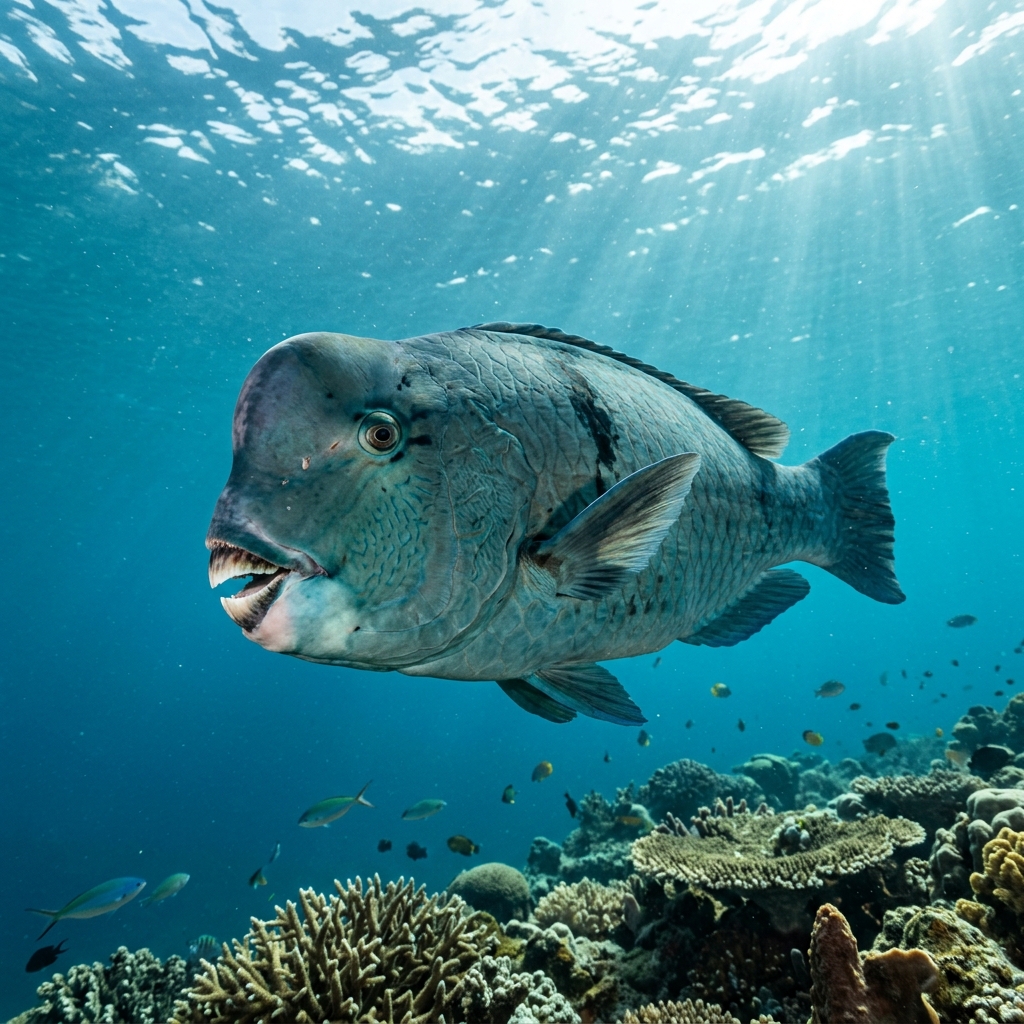
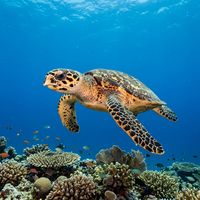
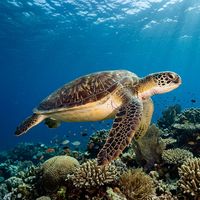
The region has a broad species list, with Bluespotted Fantail Ray, Giant Clam, Batfish, Mantis Shrimp and Grunt recorded as very common across sites. Grey Reef Shark and Fusilier are common visitors, and the Whale Shark is an occasional but real highlight. Divers have also observed Napoleon Wrasse, Bumphead Parrotfish, Hawksbill Sea Turtle, Spotted Wobbegong and Eagle Ray.
The sites listed, including Ahe Island and Catalina, are rated for intermediate-level divers. Moderate currents are noted at Ahe Island, and Catalina combines wall, drift and pinnacle topography at depth. Beginners would benefit from building experience before visiting.
Sites range from shallow reef tops to deep walls and pinnacles. Catalina, for example, combines reef, wall, drift and pinnacle diving within a single site, while Ahe Island offers a broad depth range accessible from both shore and boat. This variety means divers can move between quite different underwater landscapes within the same region.
Boat entry is the standard access method for most sites, though Ahe Island also offers a shore entry option. Nirmala Dive Resort Biak and Yacht Club is the operator serving the region, and the Biak sub-area is the main hub for dive operations.