Hippocampus bargibanti
Spot pygmy seahorses across the Philippines, Indonesia and beyond in warm 26-29 °C waters. Learn what to look for on sea fans in the Visayas and Palawan.
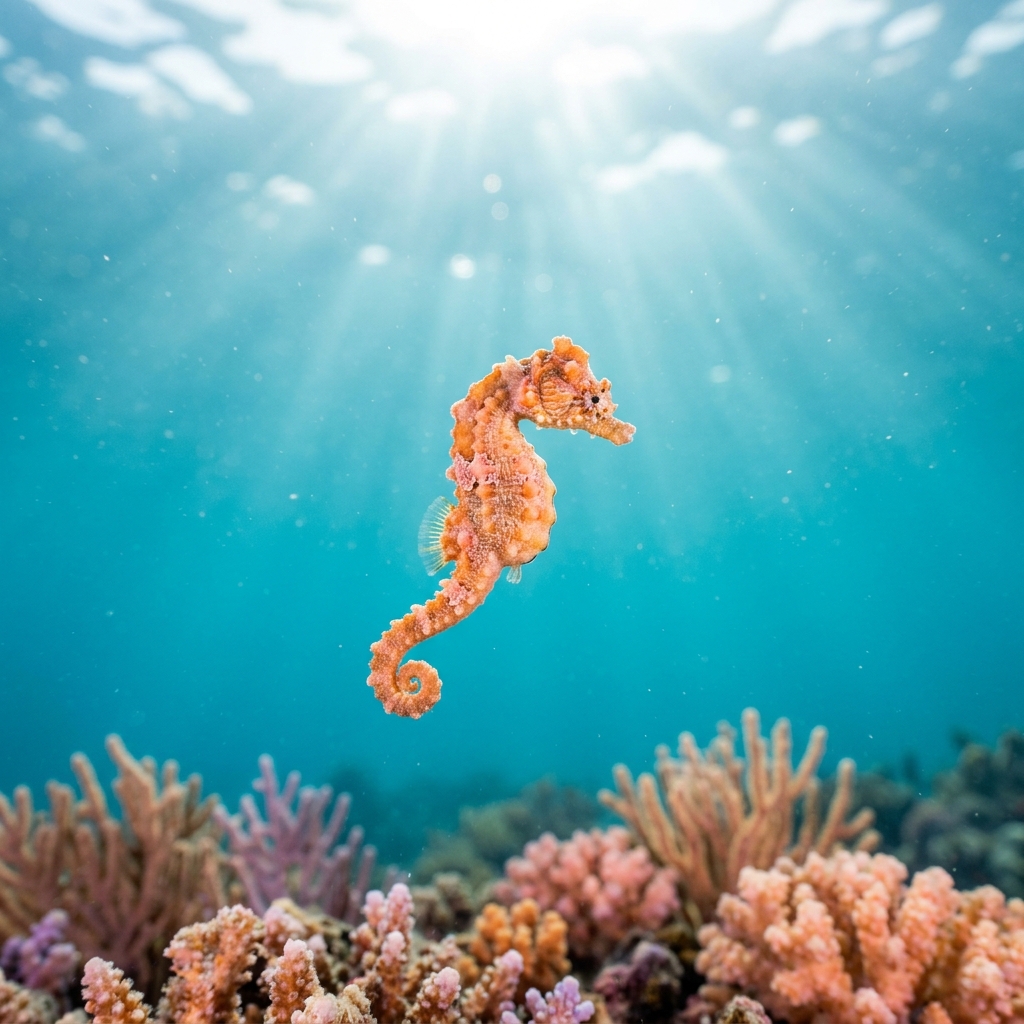
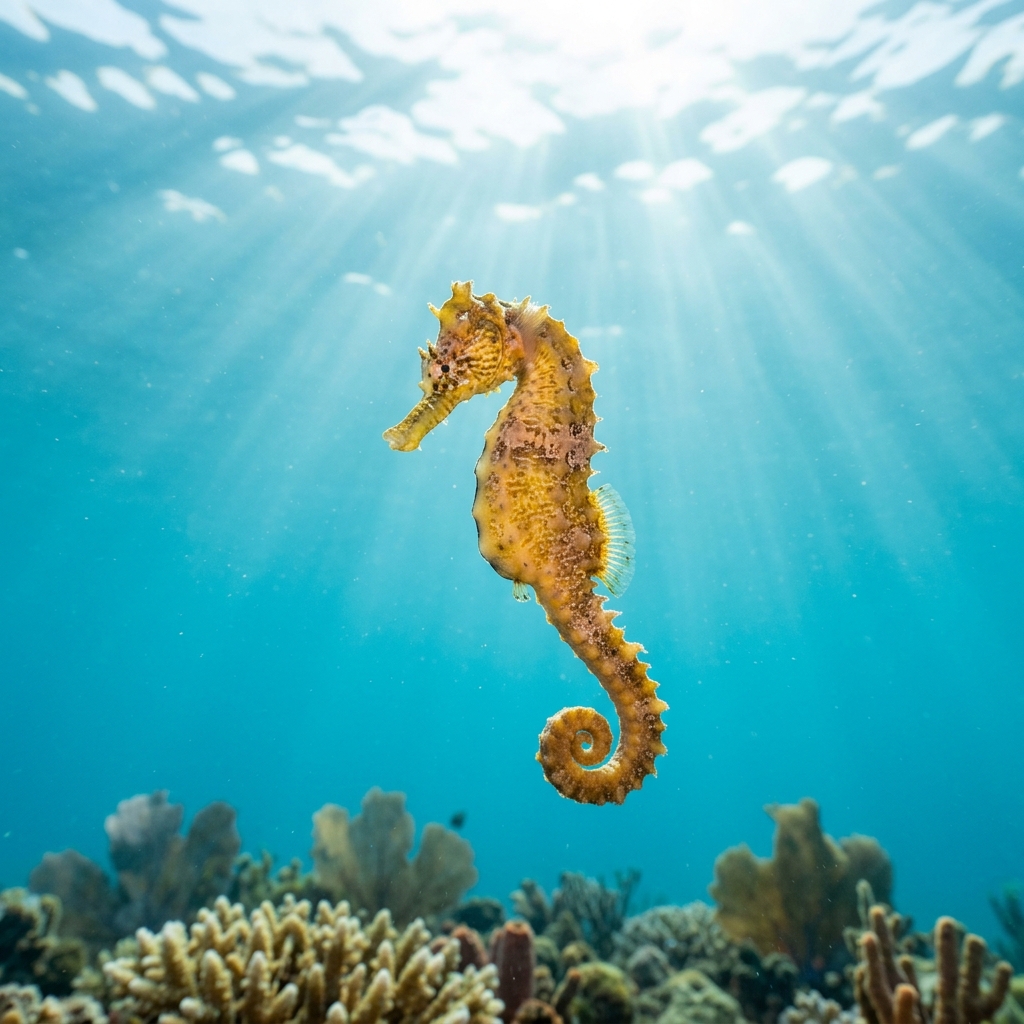
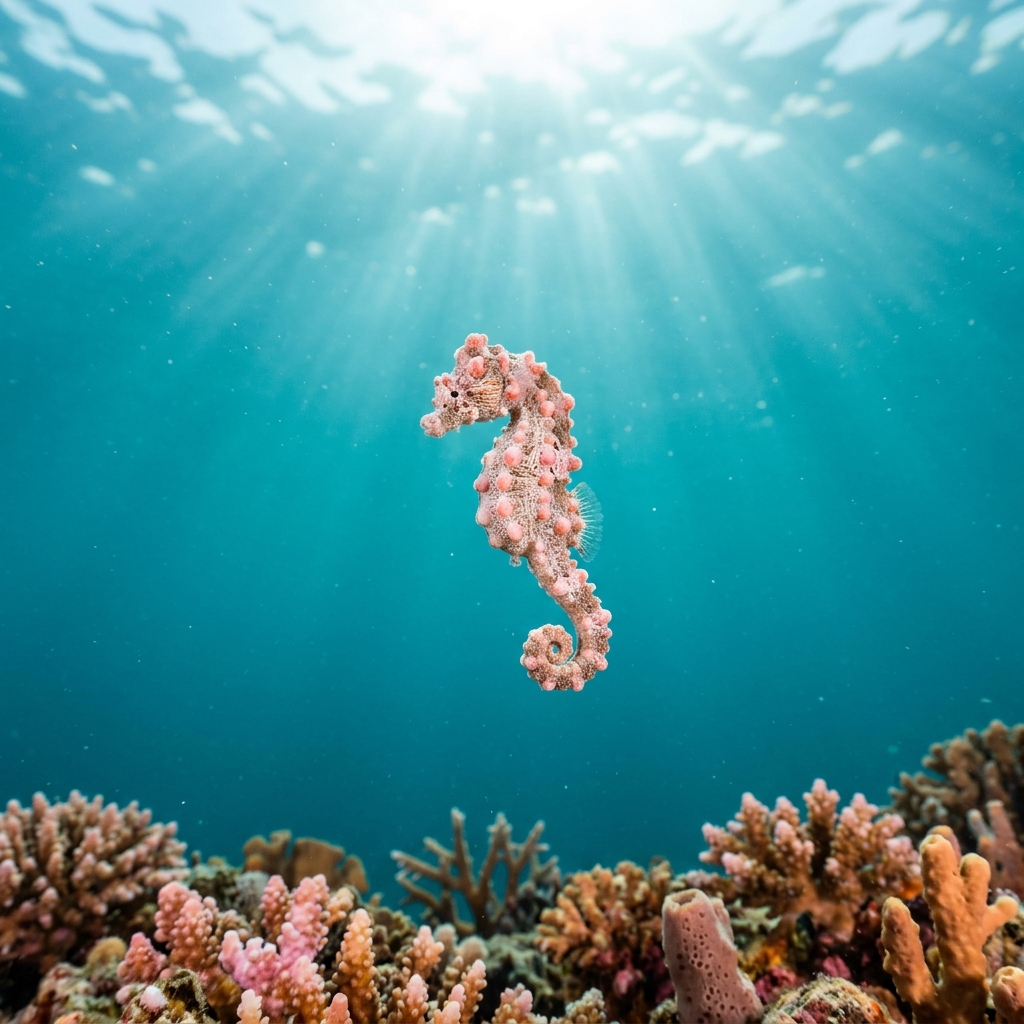
Barely larger than a thumbnail, this tiny seahorse is built for camouflage rather than swimming speed. Its body is covered in rounded tubercles (fleshy bumps) that match the colour and texture of the gorgonian sea fans it clings to, ranging from vivid pink-red to grey-purple depending on the host coral. Look for a stubby snout, a tightly coiled prehensile tail, and almost no visible neck. The camouflage is so precise that finding one is usually a matter of knowing exactly where on the fan to look, rather than spotting the animal itself.
You will almost always find one motionless, anchored to a gorgonian sea fan by its tail, relying entirely on camouflage rather than flight. When a diver approaches, it may rotate slowly to the far side of the fan branch rather than swimming away. They are ambush predators, drawing tiny crustaceans within reach of their small snouts, so extended stillness is normal and not a sign of stress.
Male pygmy seahorses carry and give birth to the young, like all seahorses, but unusually, both sexes are thought to remain on the same gorgonian fan for life, meaning a pair found today is likely the same pair a returning diver will find months later.
No strong seasonal pattern emerges from the data, and the species sits comfortably in 26-29 °C water, meaning it is present on tropical Indo-Pacific reefs year-round. There is no compelling reason to favour one season over another.
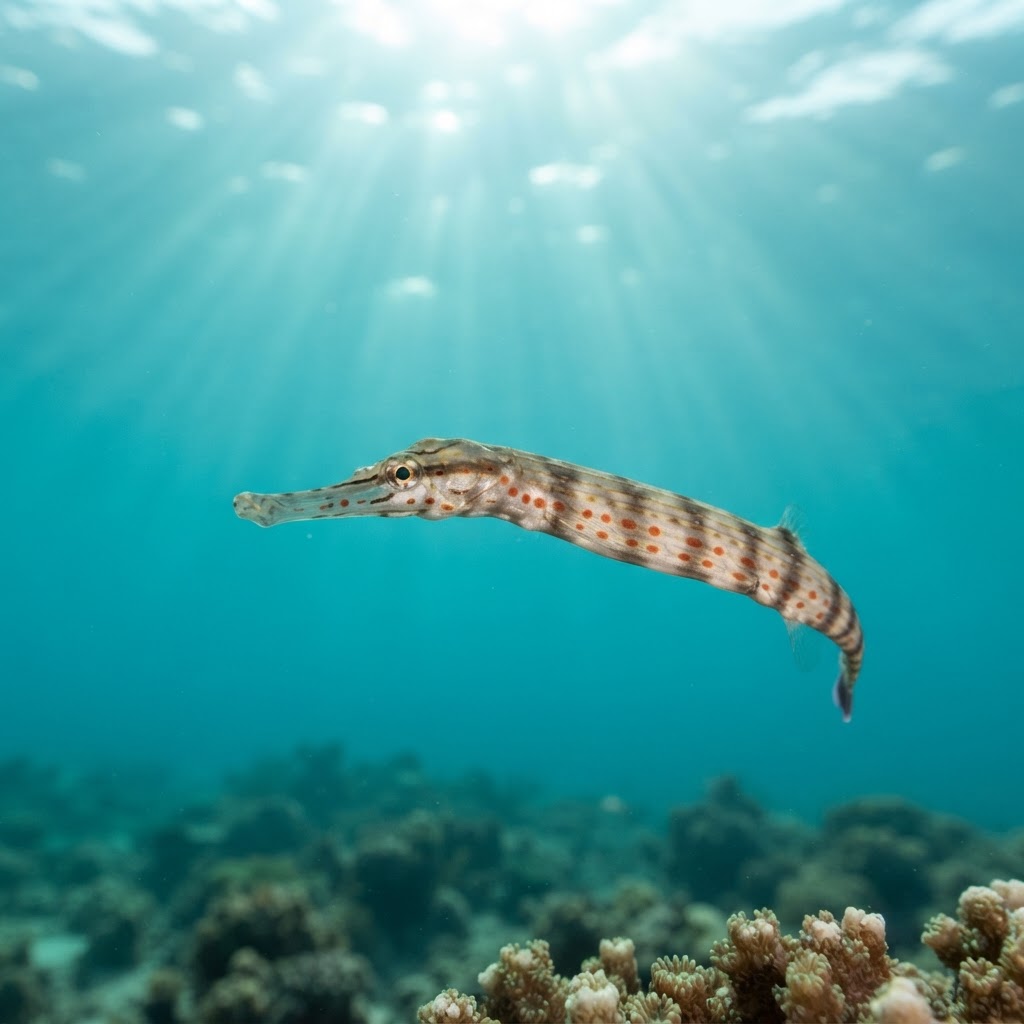
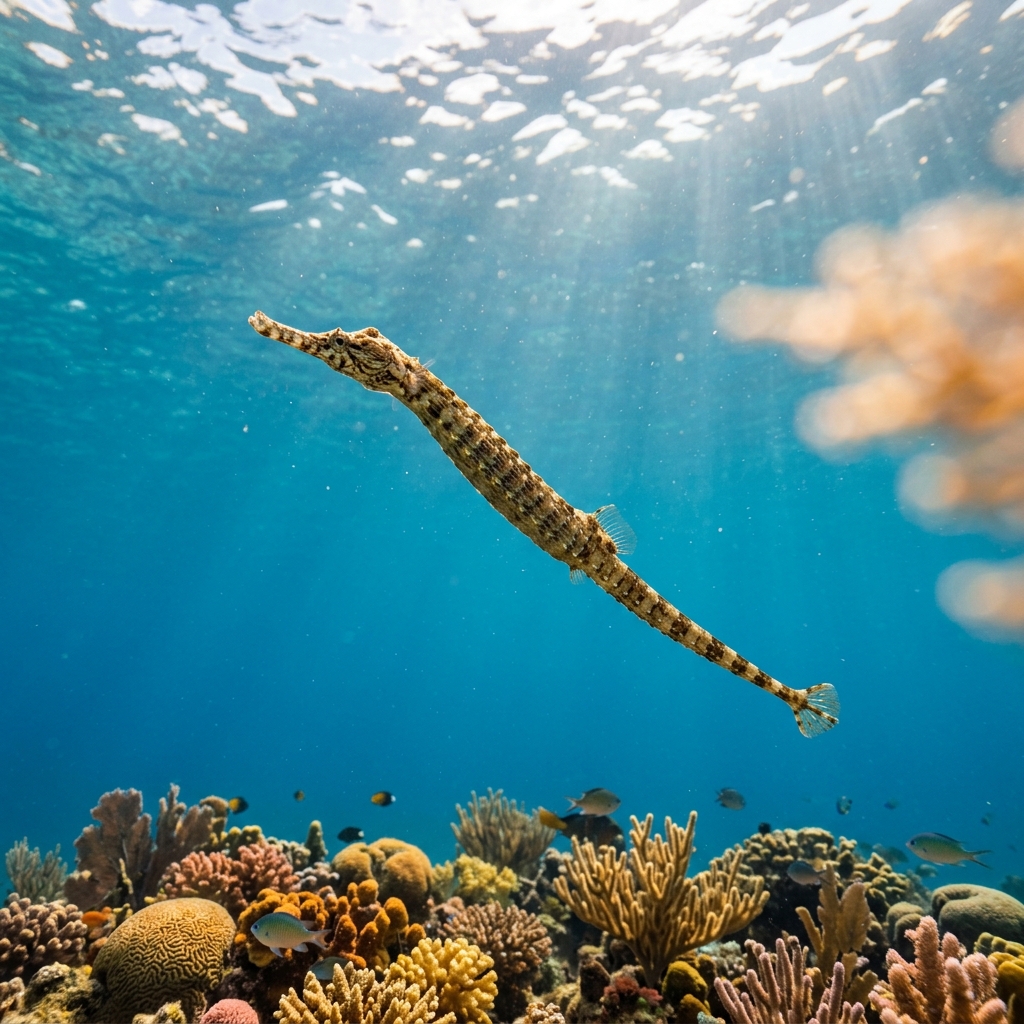
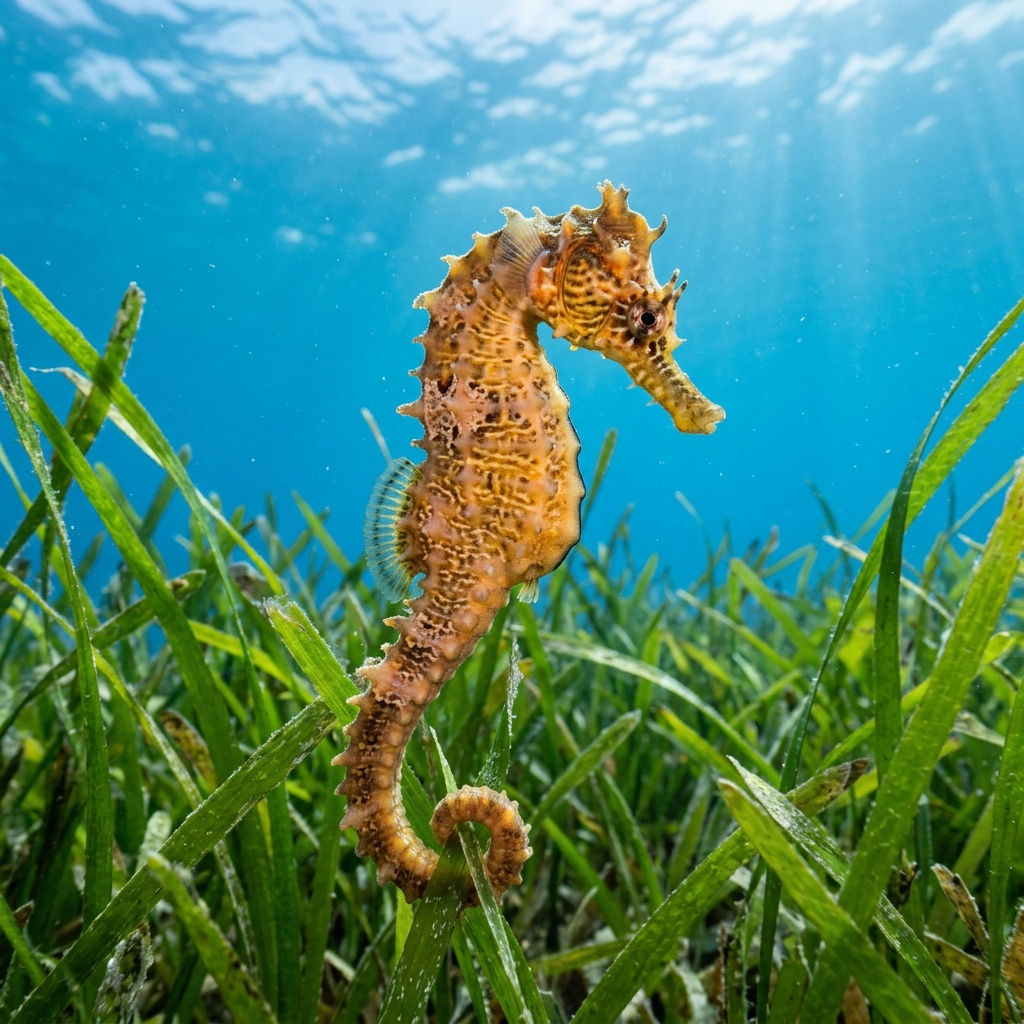
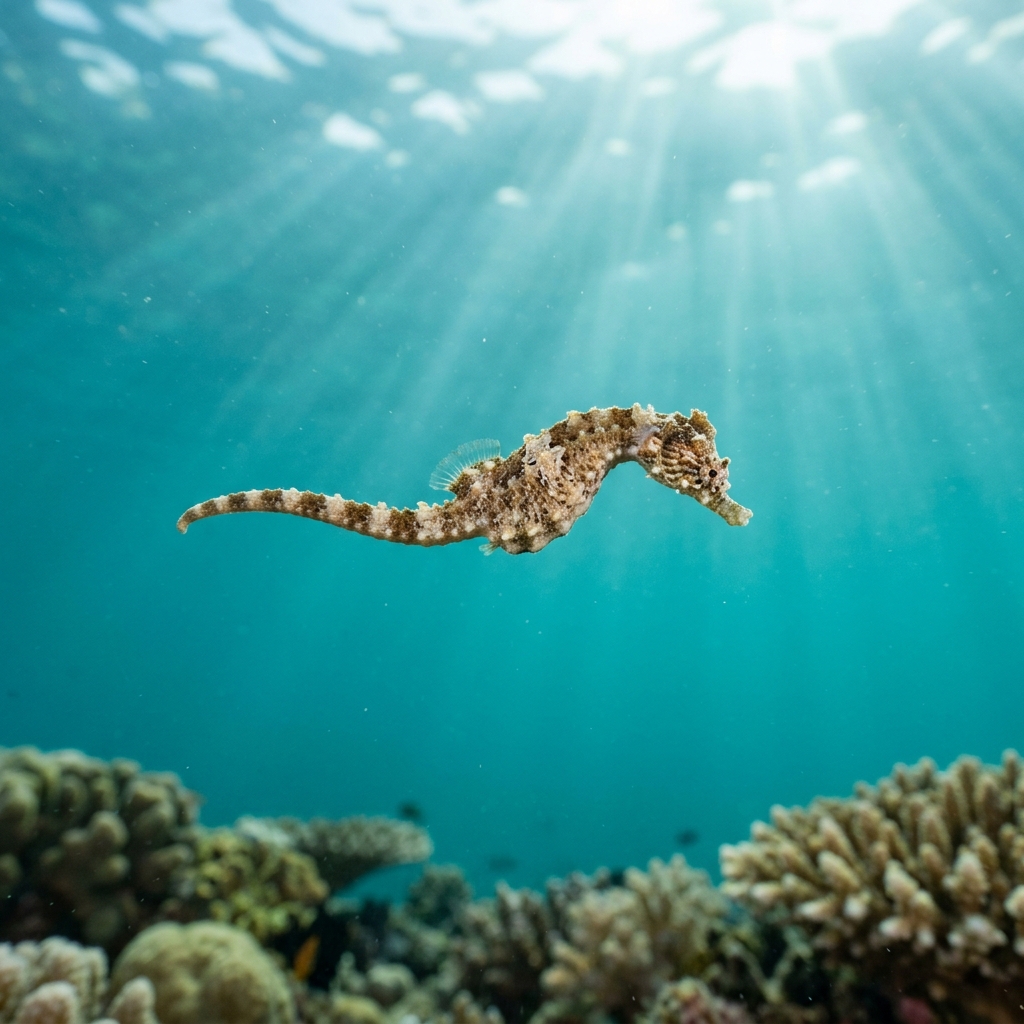
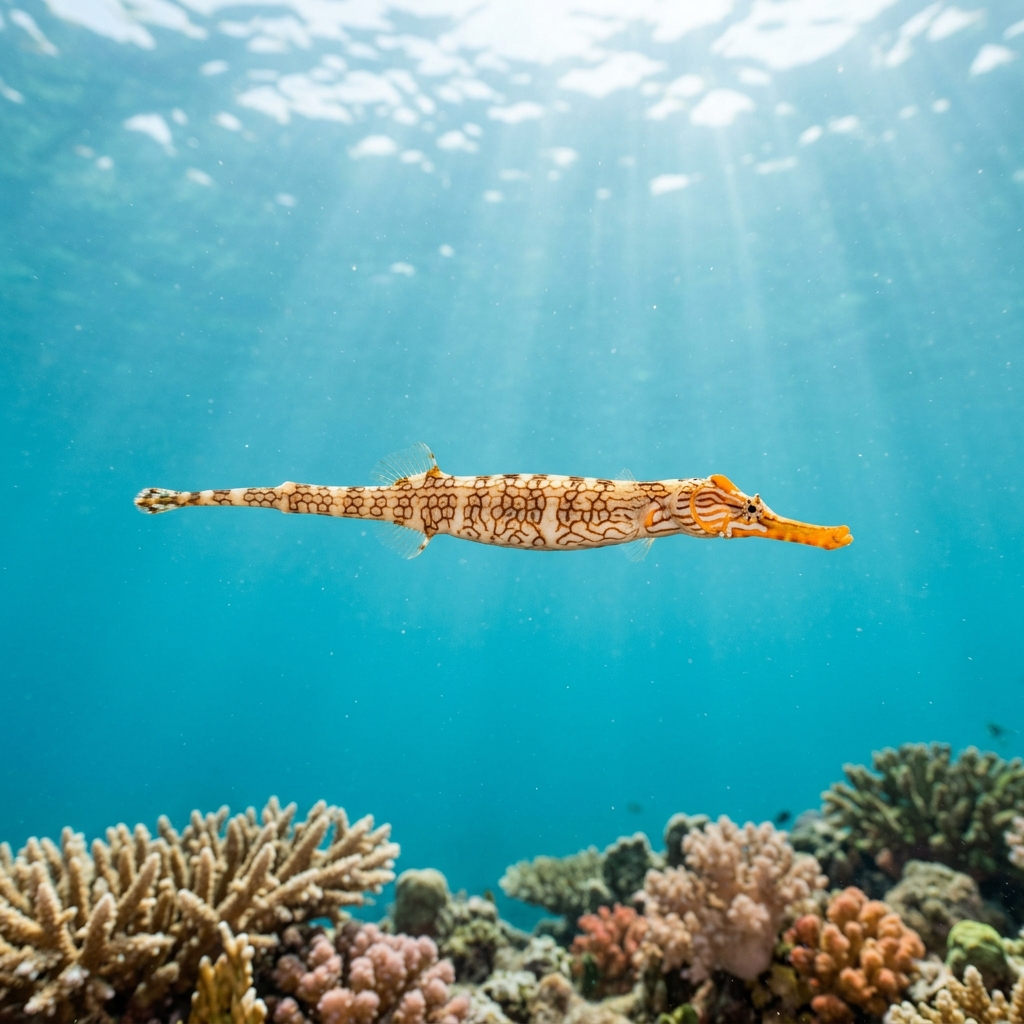
Reef neighbours a diver could mistake it for. Use the identification notes above to tell them apart.
The range model places this species most strongly across the Philippines and Indonesia, with the Visayas, Palawan and Apo Reef, and Maluku and Papua standing out as particularly well-represented regions. Australia's Queensland coast also has a solid presence, and Fiji, Malaysia's West Sabah and Labuan, and parts of the Coral Triangle round out the key destinations.
Mapping where Pygmy Seahorse is logged…
The strongest populations sit within the Coral Triangle, particularly in the Philippines (Visayas, Palawan and Apo Reef, Luzon) and Indonesia (Maluku and Papua, Nusa Tenggara and Banda Sea). Queensland in Australia, West Sabah in Malaysia, and Fiji are also reliable destinations. Look for healthy gorgonian sea fans at moderate depths on reef walls and slopes.
They are resident in warm tropical reefs year-round with no clear season detected in the data. Water temperatures around 26-29 °C suit them, which describes most Indo-Pacific dive destinations throughout the year. Picking your trip around other logistical factors, such as sea conditions or dive season at a specific site, is more useful than timing for this species alone.
Focus on gorgonian sea fans and look for the tubercles rather than a seahorse outline. The body matches the fan so closely that the shape only becomes clear once you have locked onto one. The coiled tail, stubby snout, and near-absence of a neck distinguish it from pipefish. Denise's pygmy seahorse is the most likely confusion species; it tends to be slightly slimmer and is found on different host fans, though the two overlap in range.
Adults typically reach around 2 cm in total length, making them among the smallest seahorses in the world. At that size, a single gorgonian polyp can be larger than the seahorse's head, which gives a sense of just how small they are in the water.
It matches its host gorgonian sea fan almost perfectly, developing the same colour and surface texture, including fleshy tubercles that mimic the coral's polyps. This is thought to be a developmental response to the specific fan the animal settles on, rather than a fixed colouration. Most individuals spend their entire adult life on a single fan.
Site and sighting data is aggregated from diver logs, iNaturalist and GBIF. For taxonomy and conservation status:
Seahorse
1,346 sites