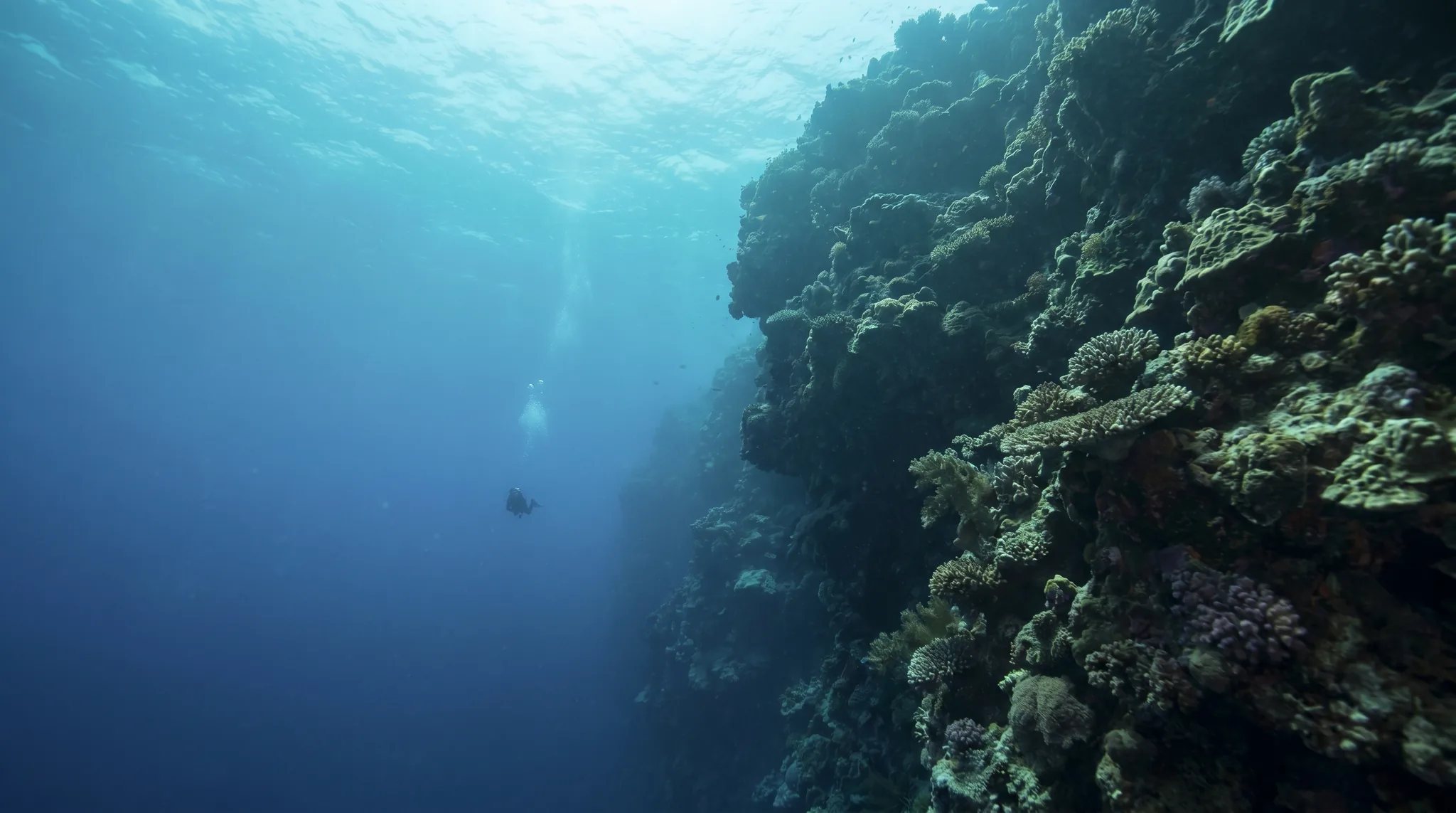
Haiti's North Coast is defined by the shallow-to-deep reef systems of the Cachal Reef and Shoals, which underpin the great majority of sites. The largest concentration of diving falls within Cap-Haïtien and Labadee, while Fort-Liberté and Caracol Bay add quieter outlying options. Site types range from compact shoal reefs and seagrass beds to walls and wrecks, with the wall at Liberty Wall dropping into serious depth. Conditions favour beginners across most of the region, though several sites reward intermediate divers. Artificial reef structures appear alongside natural coral at multiple sites, and observed marine life includes Cleaner Shrimp, Lettuce Coral, Flamingo Tongue, and Barracuda.
3 areas
 13
13A beginner-friendly reef system off Haiti's north coast, with wreck and artificial reef diving alongside natural coral.
 2
2Intermediate diving on Haiti's Atlantic north coast, with a deep wall reaching excellent visibility and a shallower reef with variable conditions.
1Monthly water temperature across North Coast's sites, from satellite sea-surface data corrected for depth. The band shows the site-to-site spread.
Water temperature stays warm throughout the year, rising slightly from late spring into autumn and peaking around September and October. The best-months data points to the cooler, calmer period from December through April as the preferred window for diving. Currents are generally mild at most Cachal Reef and Shoals sites, though a few sites note variable conditions that suit more experienced divers.
8 operators
Haiti
Water temperature around North Coast ranges from about 27°C in January to 30°C in September, based on satellite sea-temperature data for its dive sites.
With water around 27–30°C, a rash guard or 3mm shorty works in North Coast year-round.
Fin maps 16 sites in North Coast (16 scuba diving sites and 2 snorkelling spots, with some suited to both), organised into 3 areas.
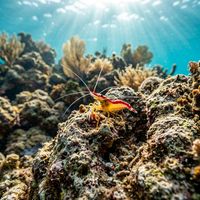
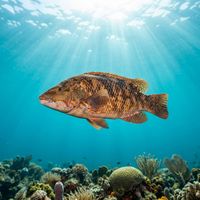
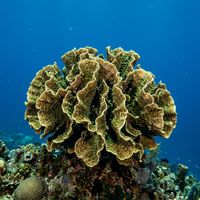
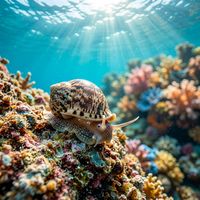
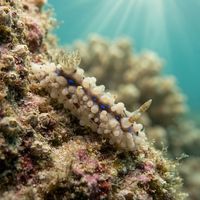
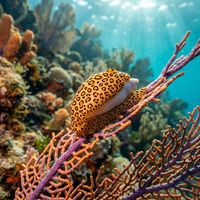
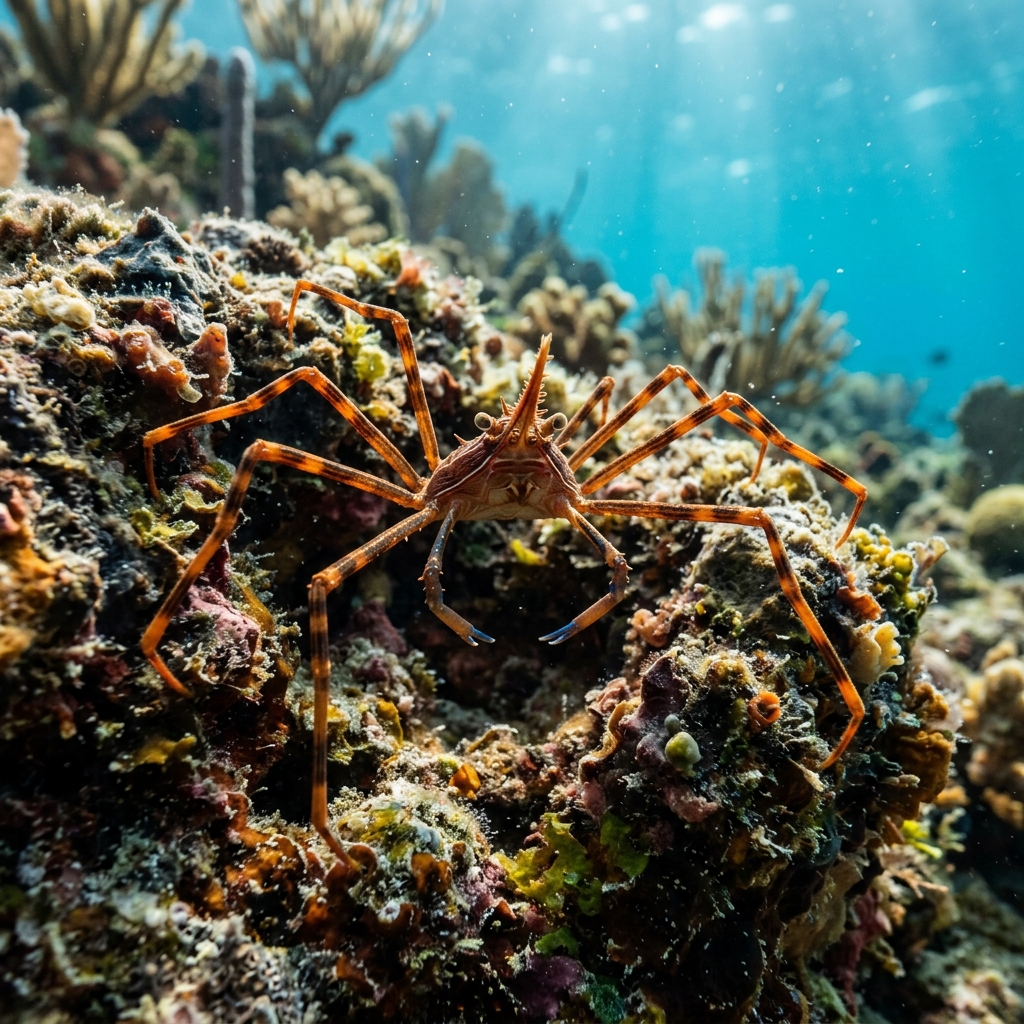
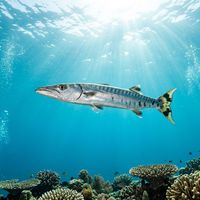
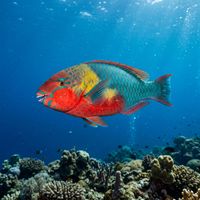
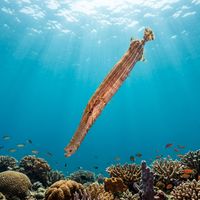
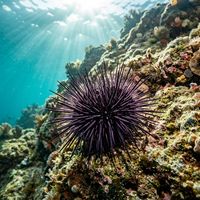
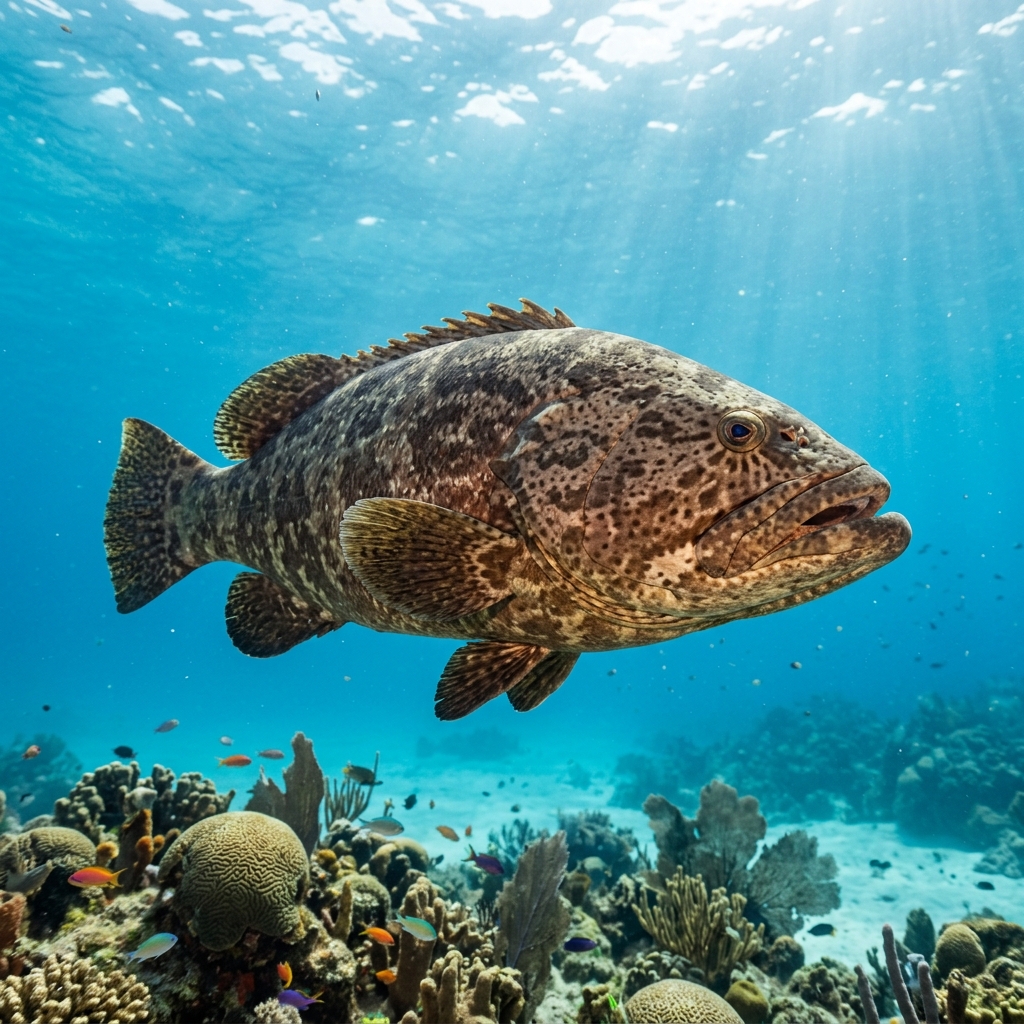
Observed species across the region include Cleaner Shrimp and Lettuce Coral, which appear consistently across sites. Divers have also recorded Flamingo Tongue, Arrow Crab, Barracuda, Trumpetfish, European Parrotfish, and Fire Coral. Wrasse sightings are occasional rather than reliable.
The majority of sites are rated for beginners, particularly those across the Cachal Reef and Shoals such as Jellyfish, The Cut, Tear Drops, and The Rust Bucket. These sites offer shallow profiles and mild currents. A handful of sites, including Liberty Wall and Trois Maries, are graded intermediate due to greater depth or more variable conditions.
Cap-Haïtien and Labadee holds the bulk of the region's dive sites and offers the greatest variety, from shallow shoal reefs to the deep wall at Liberty Wall and the wreck at The Rust Bucket. Fort-Liberté provides a smaller selection of sites in a quieter setting. Caracol Bay contributes a single site at the Caracol Barrier Reef, making it the most remote option.
Boat access is the standard entry method for the great majority of sites across the region. A small number of sites, including Liberty Wall, Powder Beach Reef, and Fort Labouque, offer both boat and shore entry. There are currently no listed operators in the region's data, so divers should research access arrangements carefully before travelling.