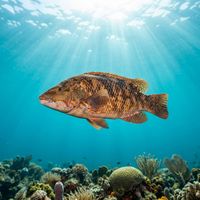
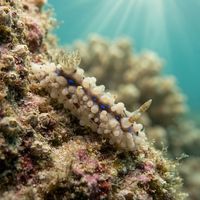
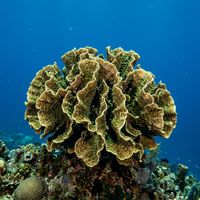
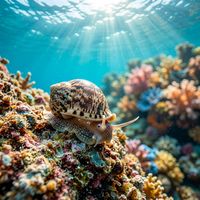
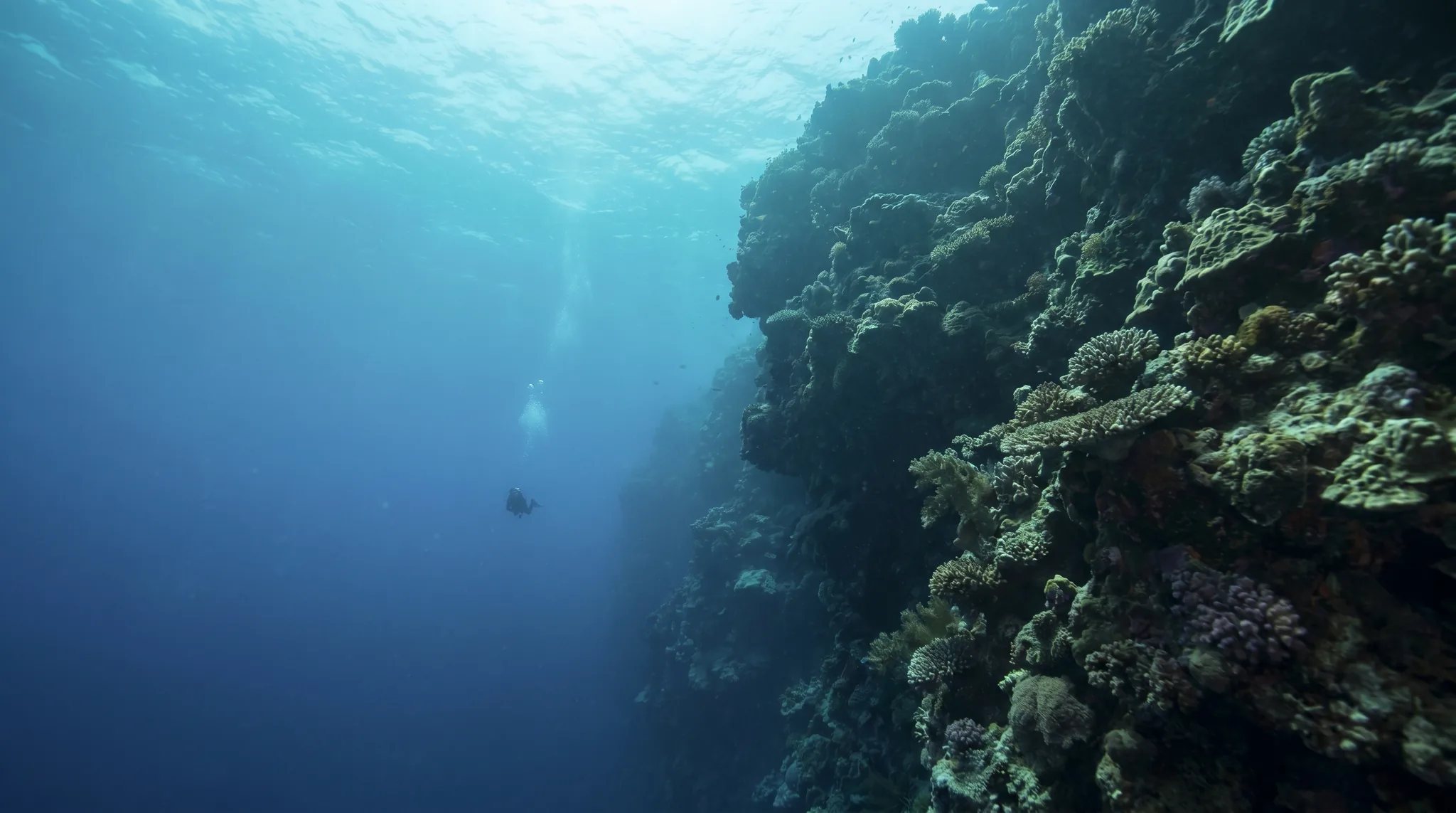
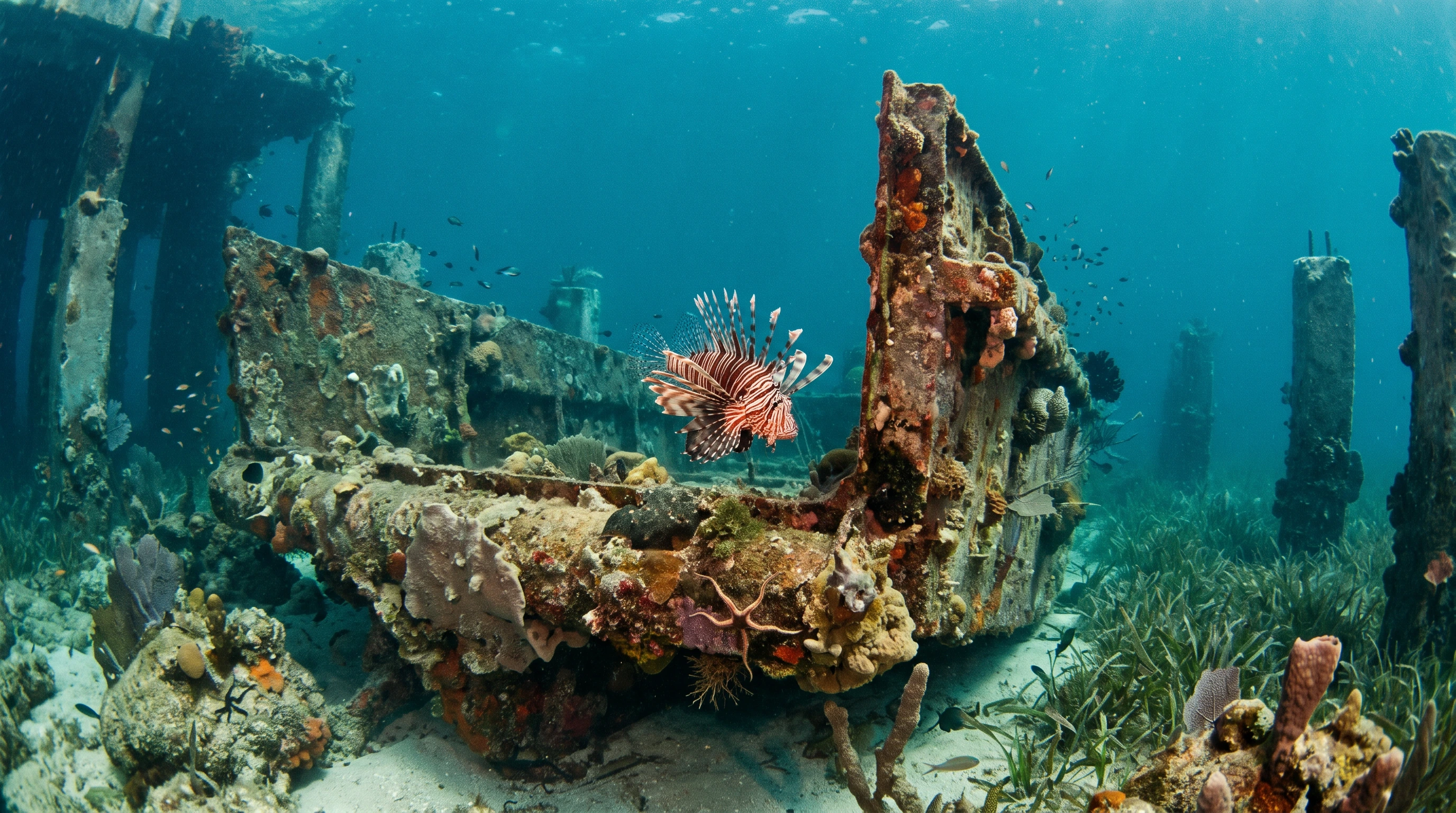
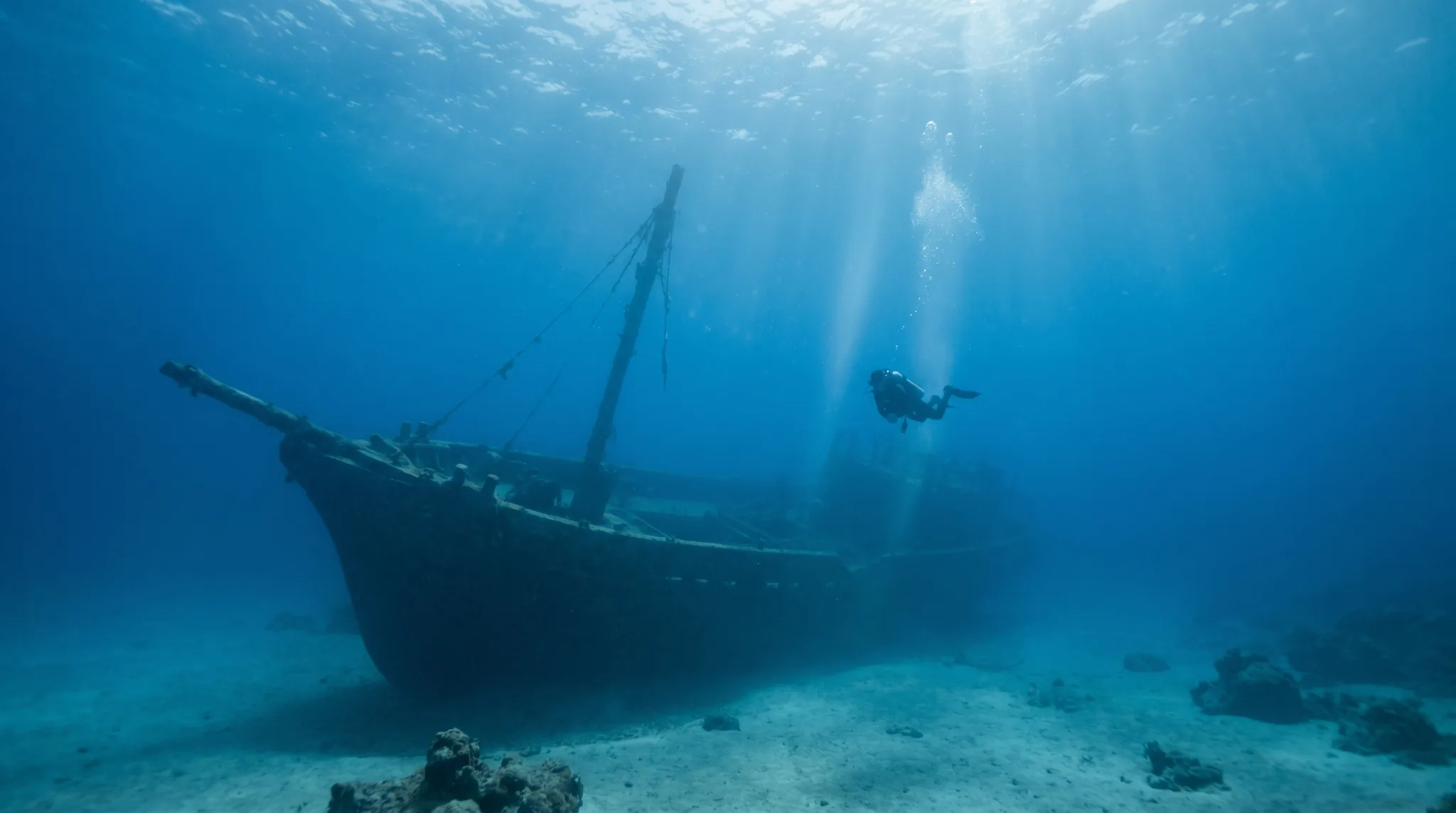
Cap-Haïtien & Labadee centres on the Cachal Reef and Shoals, a broad reef system that produces most of the dive sites in the region. The mix skews strongly towards beginner-friendly reef dives at modest depths, with a wreck at The Rust Bucket adding variety. Isla Amiga, Lemon Beach and Clover Leaf layer artificial structures onto natural reef, while Trois Maries offers a deeper profile for intermediate divers. Observation-backed species include Lettuce Coral, Flamingo Tongue and Wrasses.

Monthly water temperature across Cap-Haïtien & Labadee's sites, from satellite sea-surface data corrected for depth. The band shows the site-to-site spread.
Water stays warm throughout the year, climbing to its peak in the late summer and early autumn months. The best-months data points to the cooler, calmer period from late autumn through to early spring as the preferred diving window. Most sites report mild currents, which suits the region's predominantly entry-level site profile.
8 operators
Haiti
1 more site to explore
Water temperature around Cap-Haïtien & Labadee ranges from about 27°C in January to 30°C in September, based on satellite sea-temperature data for its dive sites.
With water around 27–30°C, a rash guard or 3mm shorty works in Cap-Haïtien & Labadee year-round.
Fin maps 13 sites in Cap-Haïtien & Labadee (13 scuba diving sites and 2 snorkelling spots, with some suited to both).
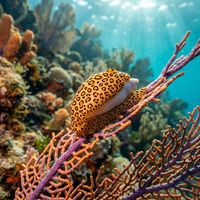
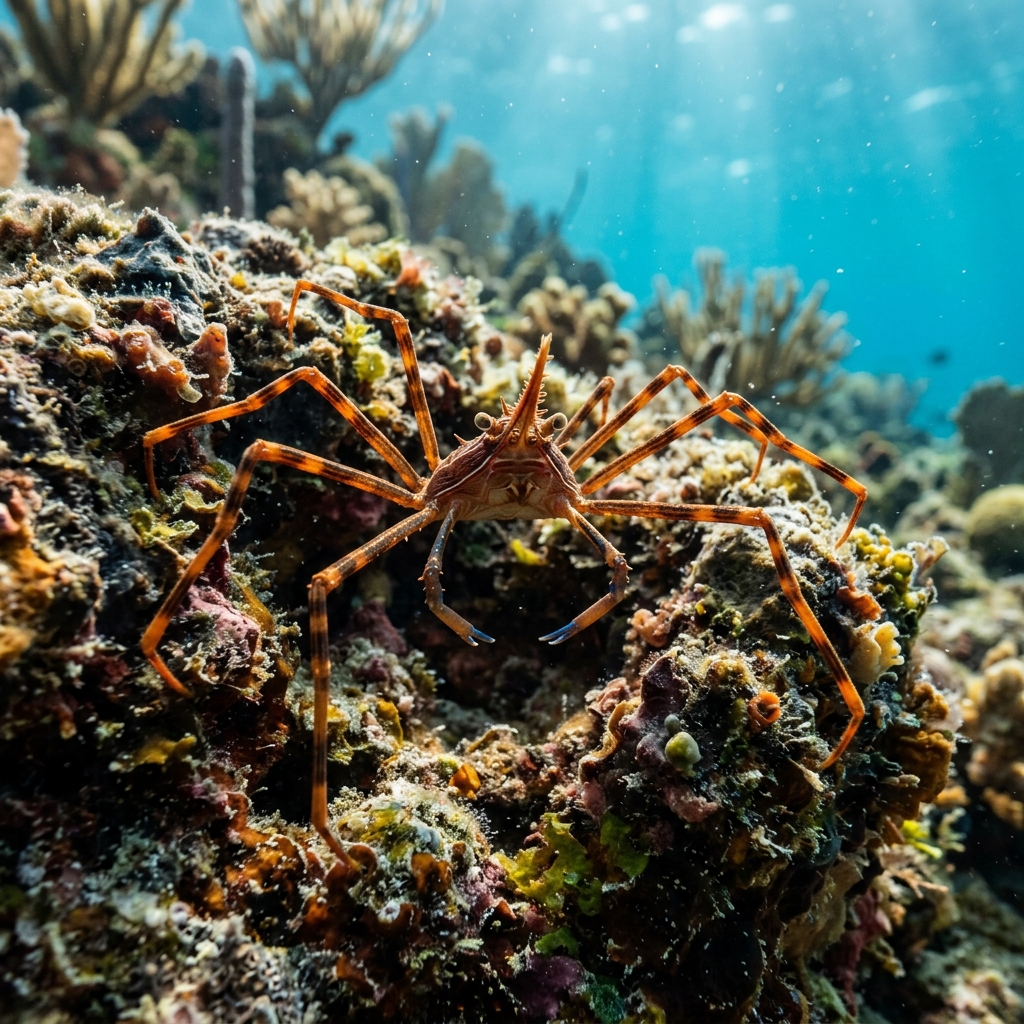
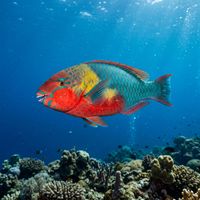
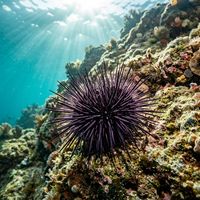
Observation-backed records include Lettuce Coral, Flamingo Tongue, Wrasses, European Parrotfish, Arrow Crab, Sea Urchin and Fire Coral. Snail is also frequently recorded across the reef system. The data does not support confirmed sightings of larger pelagics or sharks, so treat those as possible rather than expected.
The majority of sites are rated beginner level, with shallow to moderate depths and mild currents throughout the Cachal Reef and Shoals. Sites such as Jellyfish, The Cut and Tear Drops offer gentle introductions, while Cachal Point is noted specifically for practising buoyancy. Intermediate divers will find a step up at Trois Maries, which descends to a deeper profile.
Almost all sites are boat-access only, which reflects the offshore nature of the Cachal Reef and Shoals. Powder Beach Reef is the exception, offering both shore and boat entry. There are currently no listed operators in the region's data, so independent arrangements or visiting operators will need to be confirmed on the ground.
Natural reef dives make up the bulk of the offering, ranging from shallow patch reefs to a wall section at Powder Beach Reef. The Rust Bucket provides a wreck dive at accessible depths. Several sites, including Isla Amiga, Lemon Beach and Clover Leaf, combine natural reef with artificial structures, which tends to concentrate fish life and invertebrates.