Grenada Island offers a varied underwater landscape built around three distinct sub-areas: Grand Anse Bay, with its broad mix of reefs, walls, muck sites and wrecks; the dedicated Grenada Wrecks collection; and the Molinère Underwater Sculpture Park. Conditions range from shallow, calm reef dives suited to beginners through to deep, current-driven walls and purpose-sunk wrecks for advanced divers. The marine life is notably characterful: Frogfish, Brazilian Reef Octopus, Spotted Moray and Indian Lionfish are observed consistently across sites, alongside French Angelfish, Rock Beauty, Nurse Shark and Great Barracuda. Boat access is the norm across the island.
3 areas
 42
42A wreck-rich bay with exceptional cryptic life, from Frogfish to Brazilian Reef Octopus, across sites ranging from shallow reefs to deep drift walls.
15Artificial wrecks, sculpture reefs, and walls packed with Frogfish, morays, and Nurse Shark. A boat-access diving area suited to all levels.
5The world's first underwater sculpture park, off Grenada's west coast, where art meets artificial reef across sites for beginners and intermediates.
Monthly water temperature across Grenada Island's sites, from satellite sea-surface data corrected for depth. The band shows the site-to-site spread.
Water stays warm throughout the year, climbing to its highest in the October to November period and at its coolest, though still very warm, from January through March. The best-months data points clearly to January, February and May as peak periods, likely reflecting calmer seas and better visibility before and after the mid-year rainy season. Current exposure varies significantly by site: sheltered beginner reefs in Grand Anse Bay contrast with drift-heavy walls and deep wrecks that demand experience.
26 operators

Water temperature around Grenada Island ranges from about 27°C in January to 30°C in October, based on satellite sea-temperature data for its dive sites.
With water around 27–30°C, a rash guard or 3mm shorty works in Grenada Island year-round.
Fin maps 62 sites in Grenada Island (58 scuba diving sites and 12 snorkelling spots, with some suited to both), organised into 3 areas.
Across Grenada Island's dive sites, January, February, March, April, May and December are most often reported as the best months to visit.
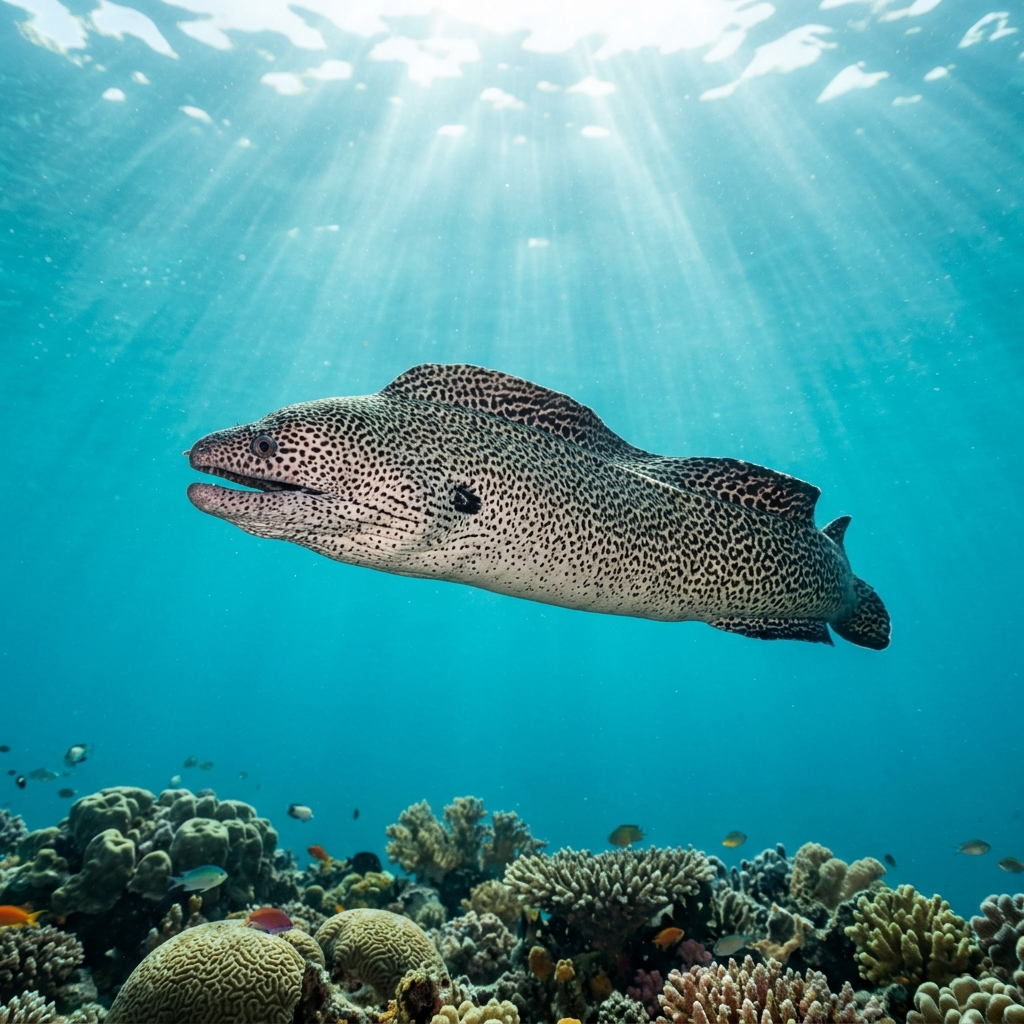
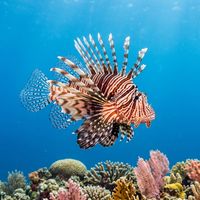
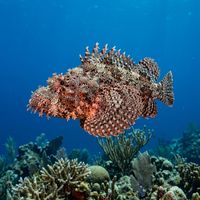
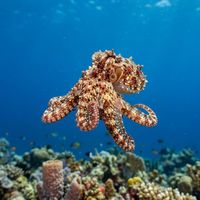
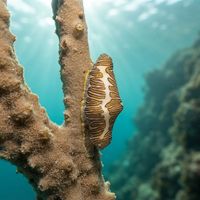
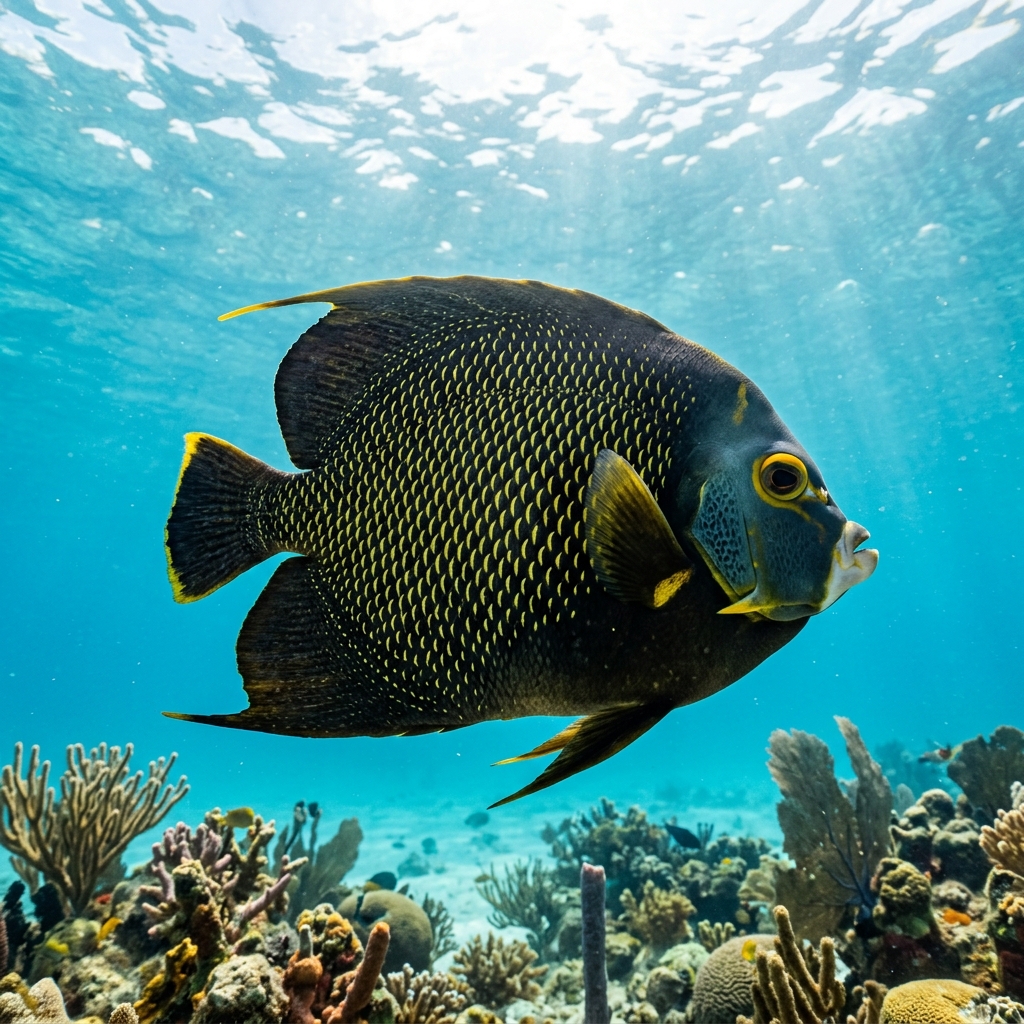
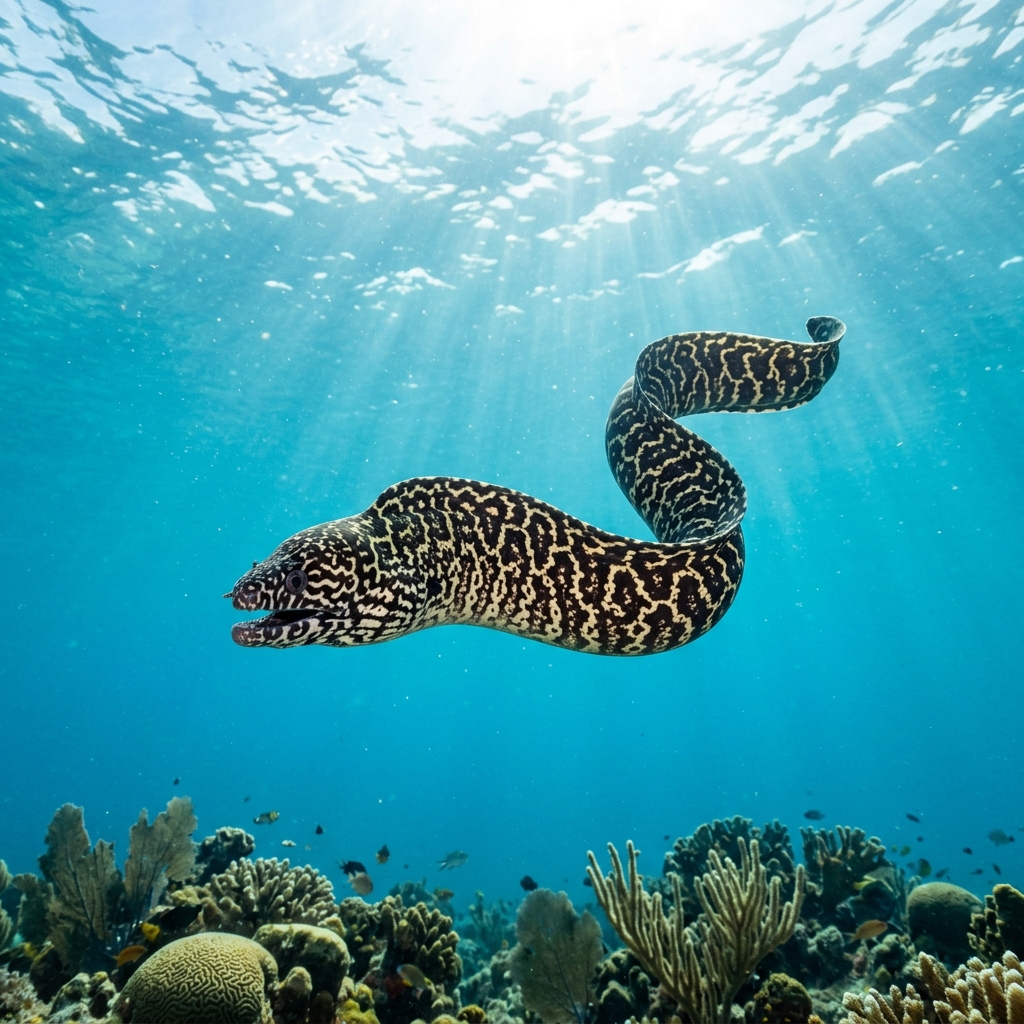
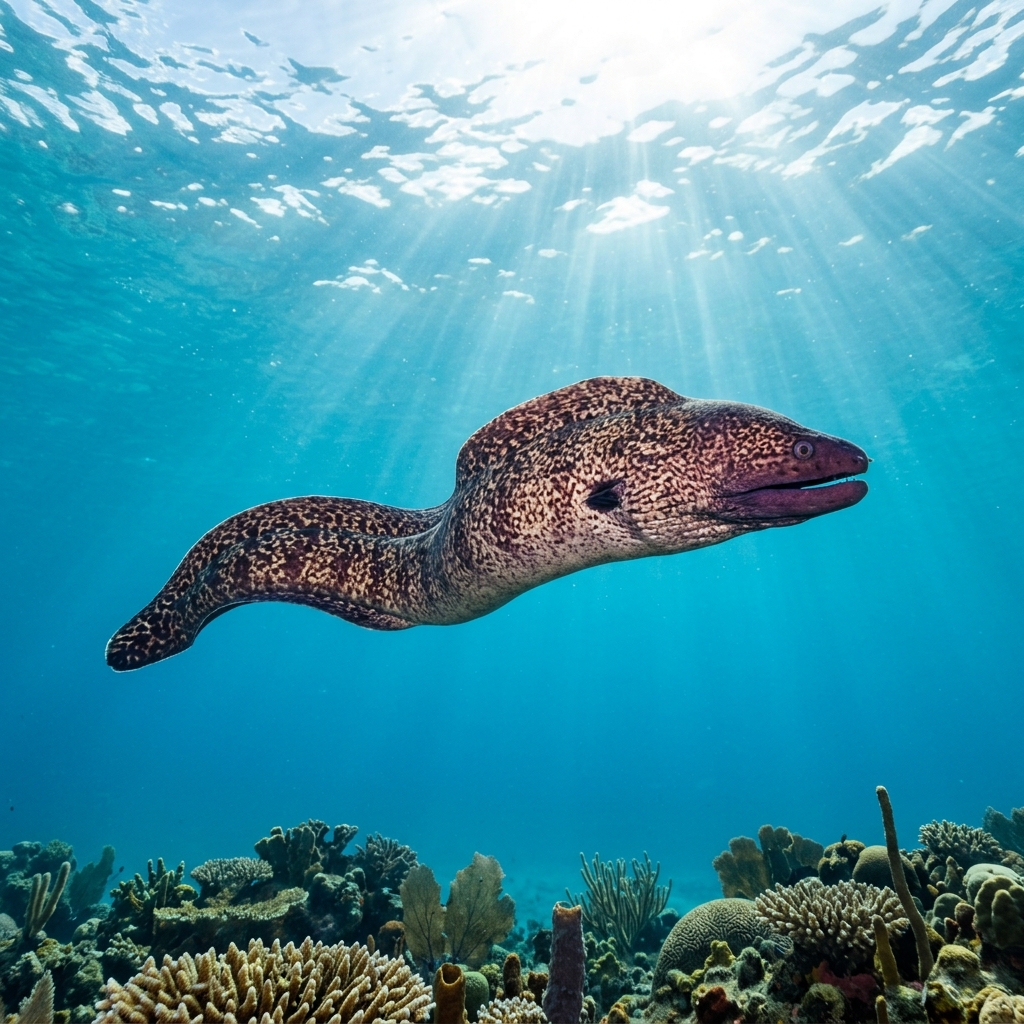
Grenada Island has a particularly strong showing of cryptic and reef species. Frogfish, Indian Lionfish, Spotted Moray, Chain Moray, Green Moray and Purplemouth Moray are all observed consistently across sites. Brazilian Reef Octopus, French Angelfish, Rock Beauty, Nurse Shark and Great Barracuda are also very commonly recorded. Purple Sea Fan, Snake Eel and Smooth Trunkfish add further variety to the reef communities.
Yes, several sites in Grand Anse Bay are rated for beginners. Dr. Grooms Garden and Spotters Reef are shallow reef dives accessible by boat, while the Courier wreck combines reef and muck at accessible depths. Grand Anse Beach also offers shore-based snorkelling suitable for those not yet diving. Operators including Dive Grenada, Aquanauts Grenada and Eco Dive are well placed to guide newer divers through these sites.
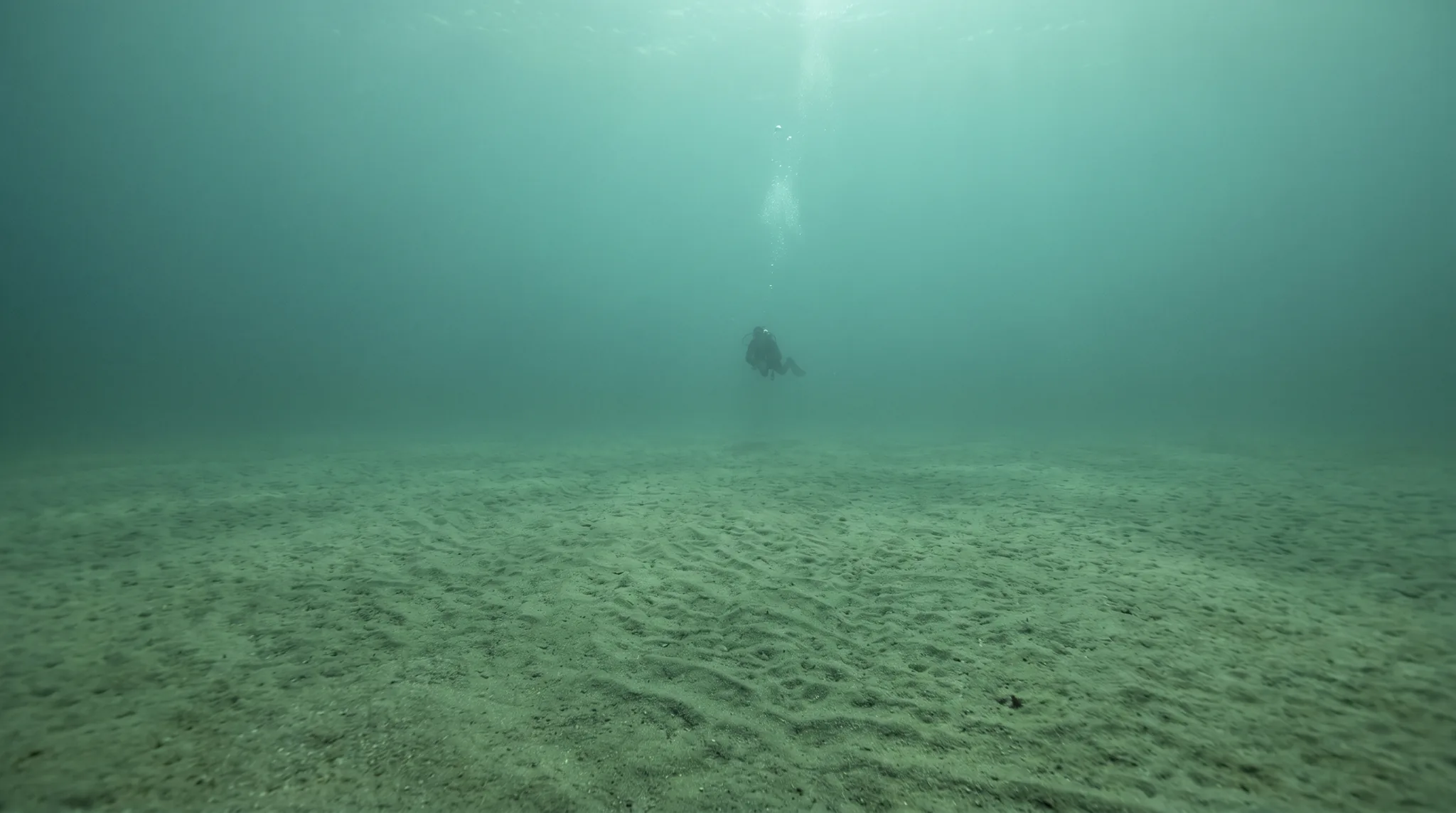
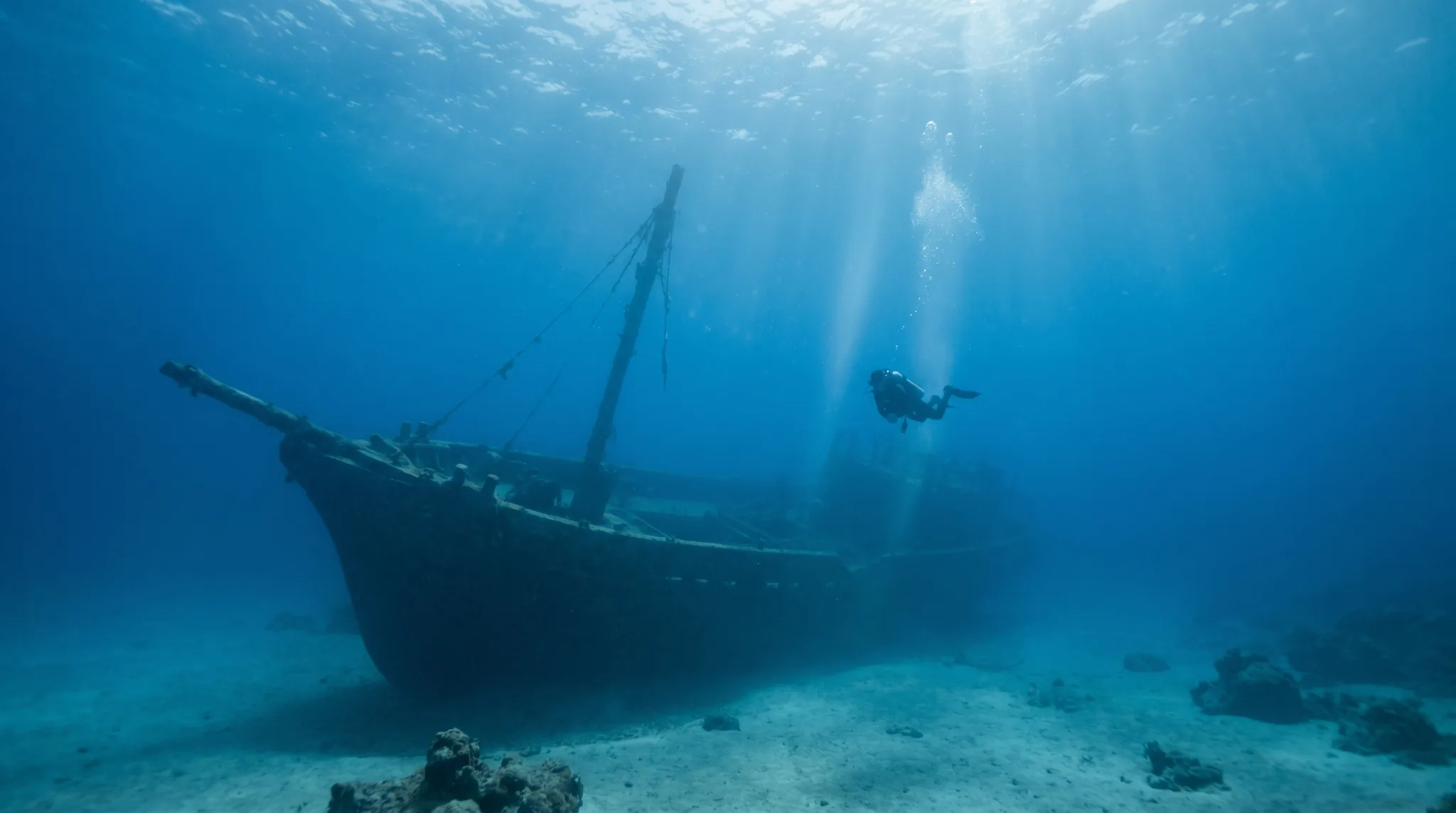
Grand Anse Bay is the largest sub-area and covers the widest variety of site types, from beginner reefs and muck diving to advanced walls and wrecks. The Grenada Wrecks sub-area focuses specifically on sunken vessels, including deep, current-exposed sites such as the Persia and the King Mitch that are reserved for advanced divers. The Molinère Underwater Sculpture Park is a compact cluster of sites centred on submerged sculptures, which also lend themselves to snorkelling in calm, shallow conditions.
Boat access dominates across Grenada Island. The vast majority of dive sites, including all the major wrecks and reef walls, require a boat to reach. Shore entry is available at Grand Anse Beach, which is primarily a snorkelling site suited to beginners. The island has a good number of operators, including Dive Grenada, Aquanauts Grenada, Native Spirit Scuba and Scuba West Indies, who run regular boat departures to sites across all three sub-areas.