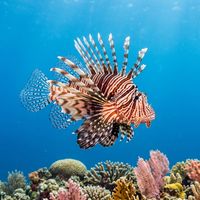
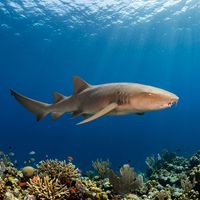
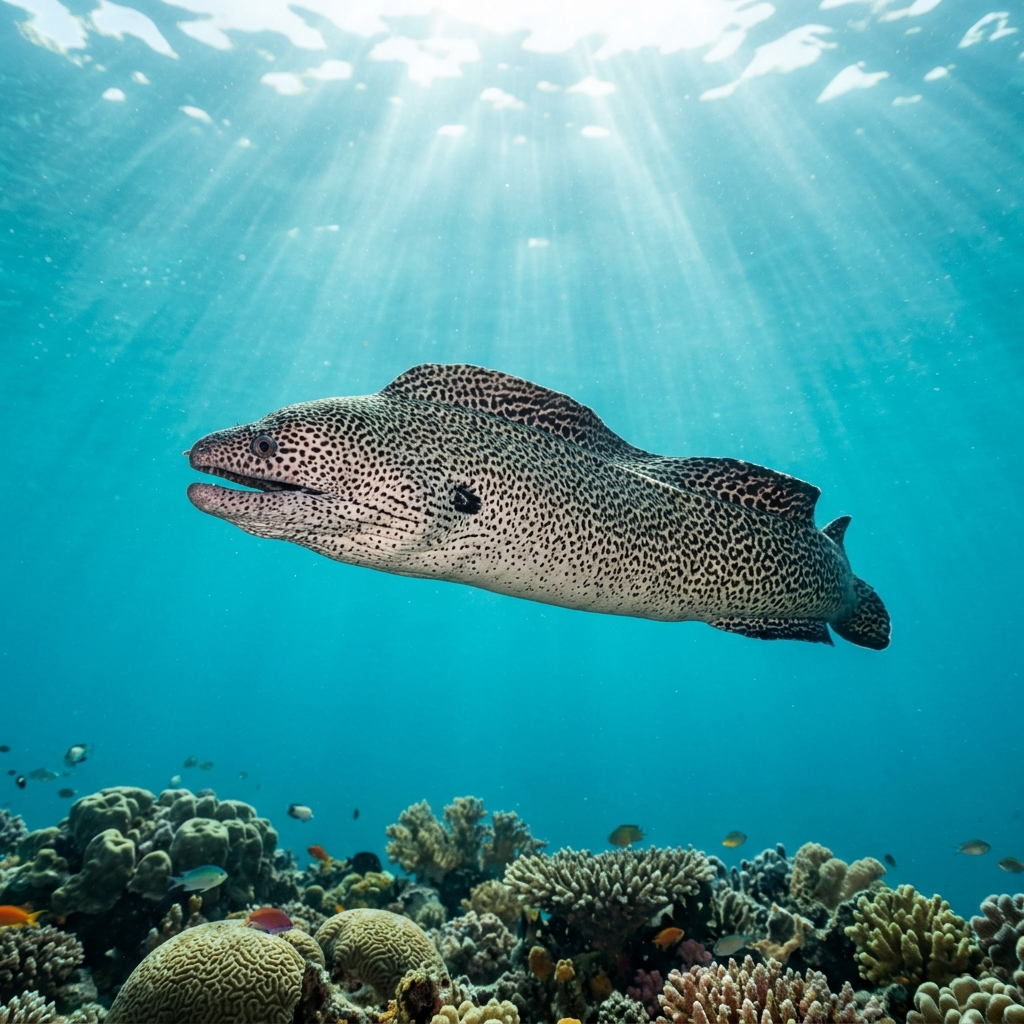
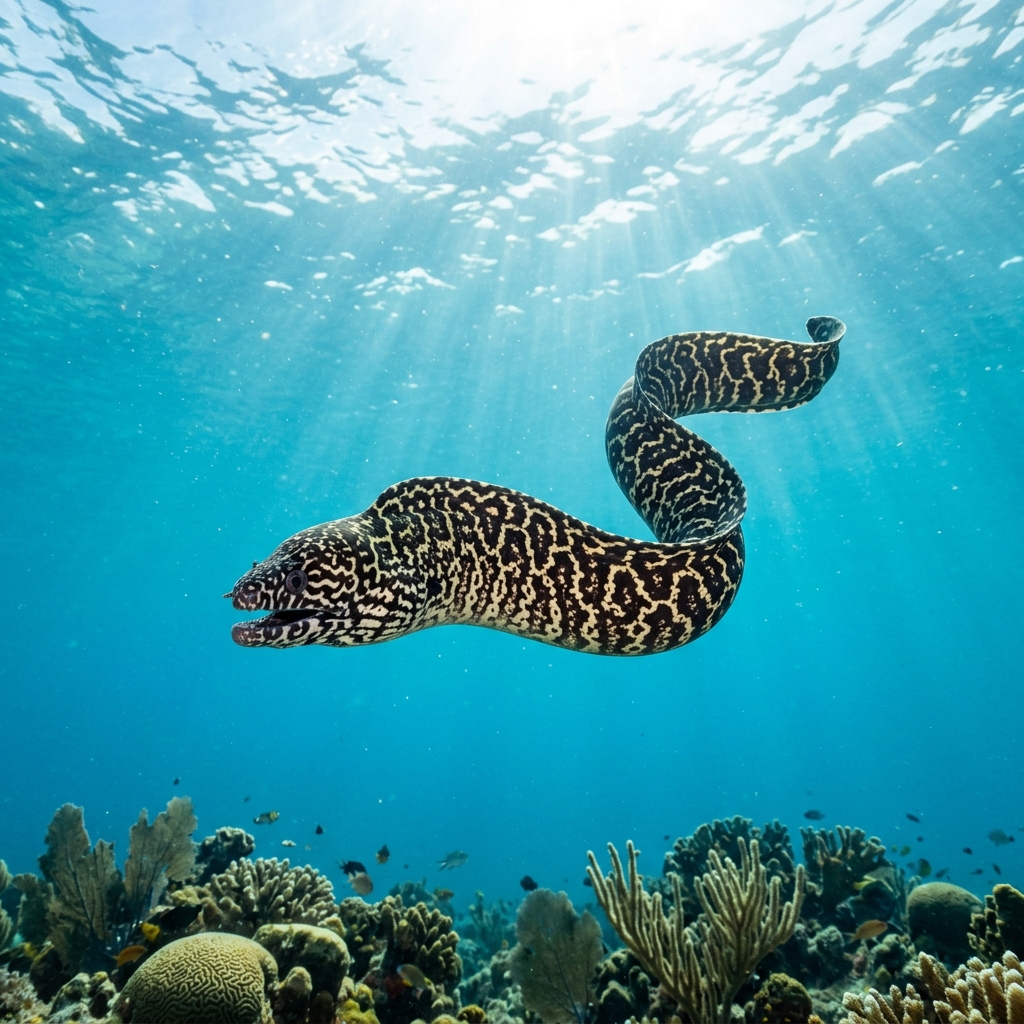
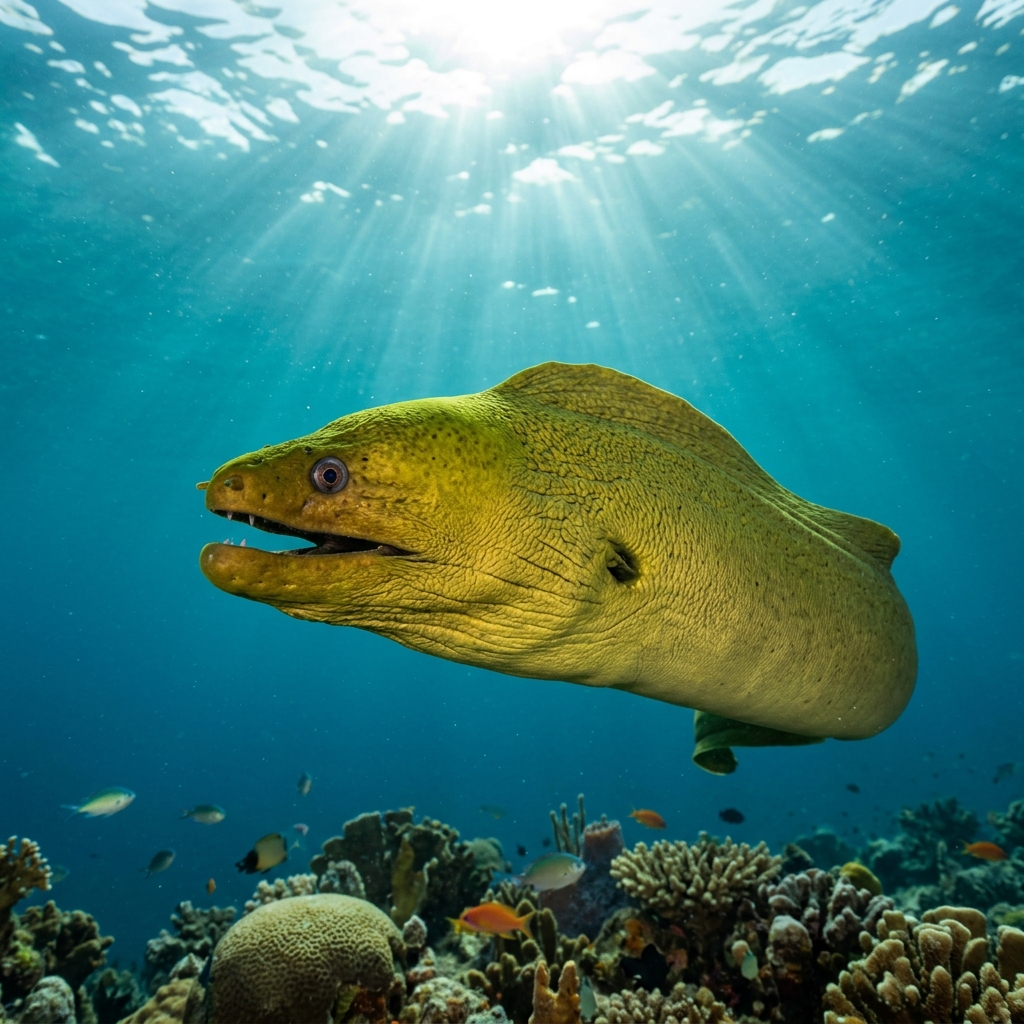
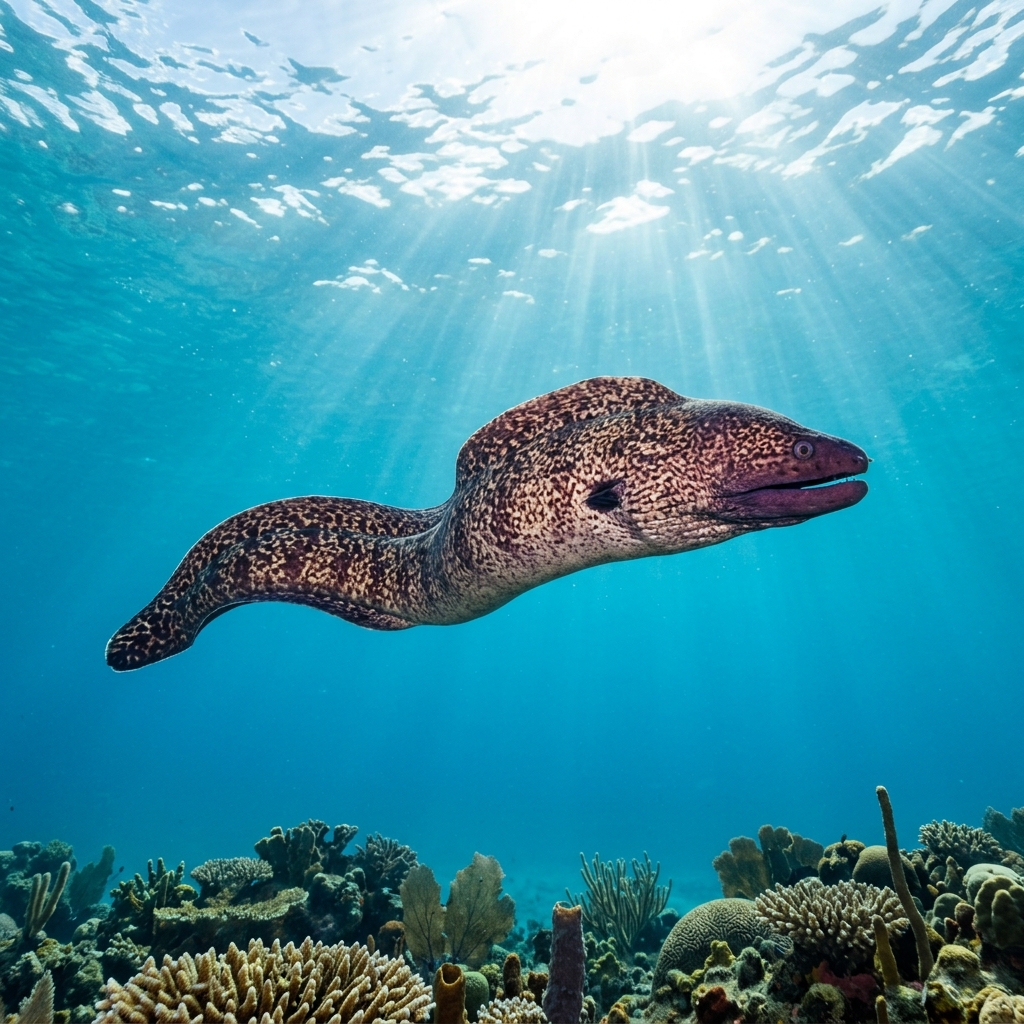
The Molinère Underwater Sculpture Park sits in the Caribbean Sea off Grenada's west coast, within the Molinère Beauséjour Marine Protected Area. Created by British sculptor Jason deCaires Taylor and established in the mid-two-thousands, it was the world's first underwater sculpture park, built partly to relieve pressure on nearby natural reefs damaged by Hurricane Ivan. The concrete sculptures, including the ring of figures known as Vicissitudes, now function as artificial reefs colonised by sponges, corals, and species such as nurse shark, frogfish, and moray eels. Sites range from shallow snorkelling depth down to wall dives well beyond recreational norms, accessible by boat from St. George's or Grand Anse Bay, and suit beginners through to intermediate divers.
Monthly water temperature across Molinère Underwater Sculpture Park's sites, from satellite sea-surface data corrected for depth. The band shows the site-to-site spread.
Water temperature stays warm year-round, peaking in autumn and sitting a few degrees cooler through the early months of the year. Visibility is generally at its best during the dry season from January through May, when calmer conditions reduce sediment and surface chop. Wet-season rainfall can noticeably reduce visibility, so conditions can vary between visits even at the same site.
9 operators
Hillsborough, Grenada
Grenada
Grenada
Water temperature around Molinère Underwater Sculpture Park ranges from about 27°C in January to 30°C in October, based on satellite sea-temperature data for its dive sites.
With water around 27–30°C, a rash guard or 3mm shorty works in Molinère Underwater Sculpture Park year-round.
Fin maps 5 sites in Molinère Underwater Sculpture Park (5 scuba diving sites and 1 snorkelling spots, with some suited to both).
2 more sites to explore