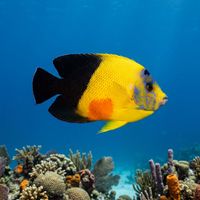
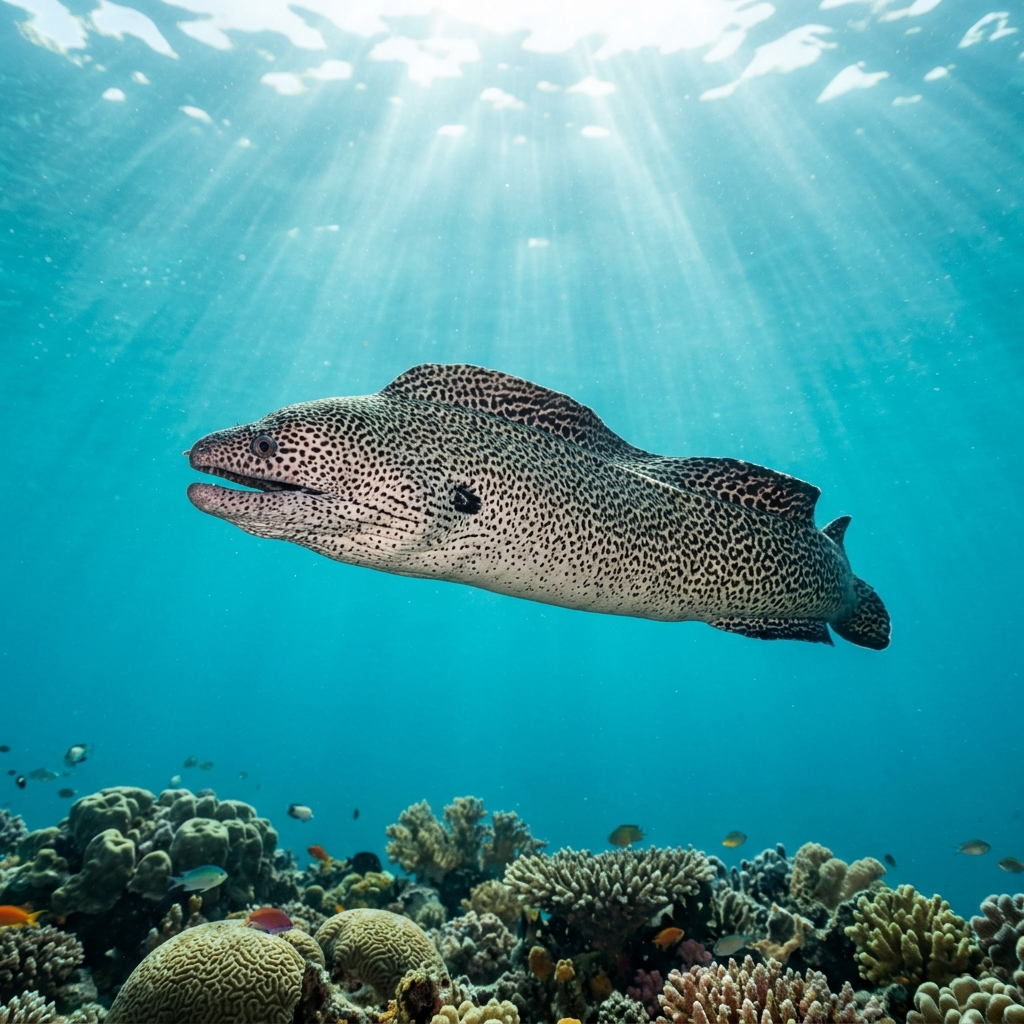
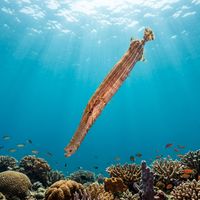
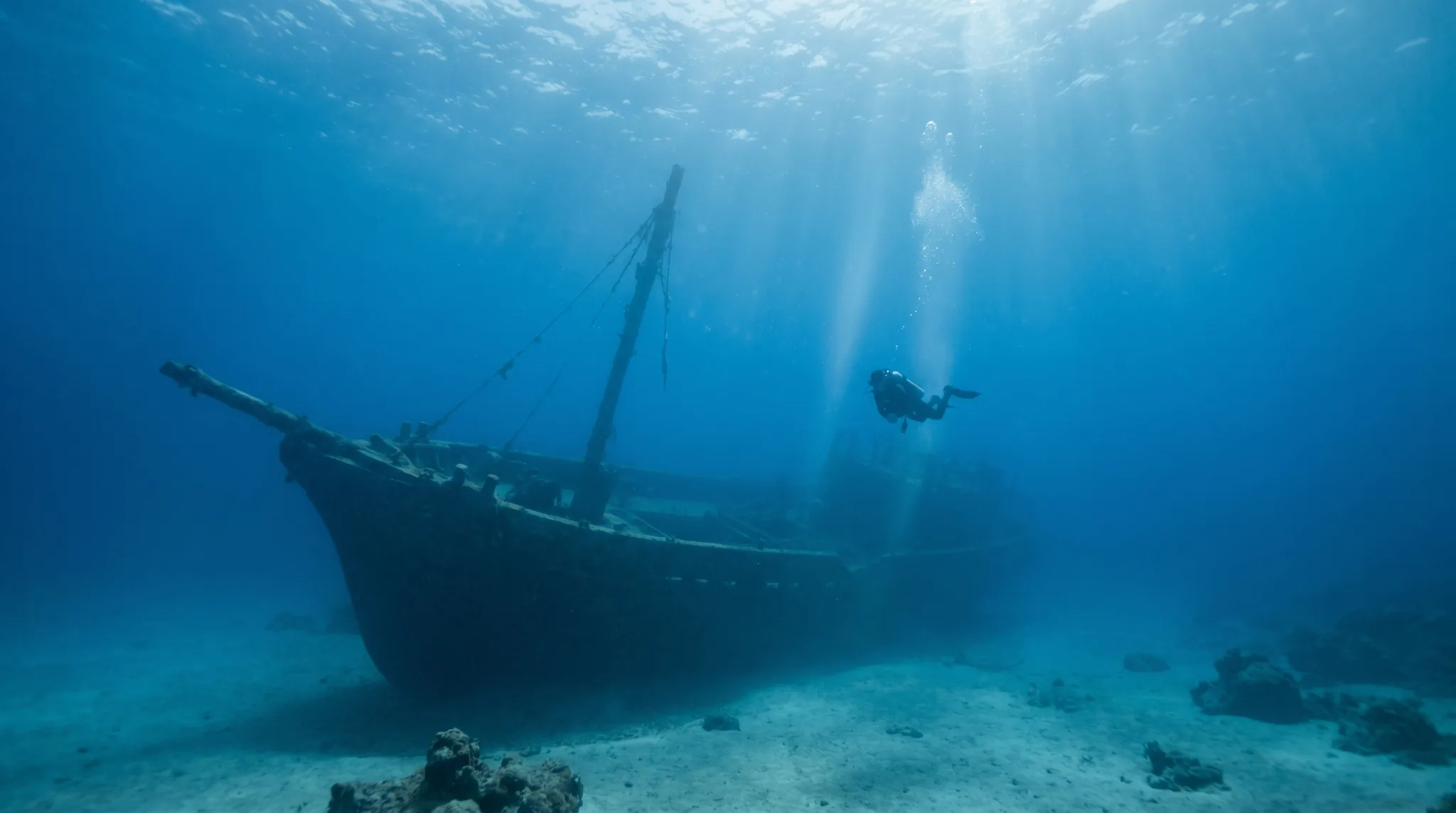
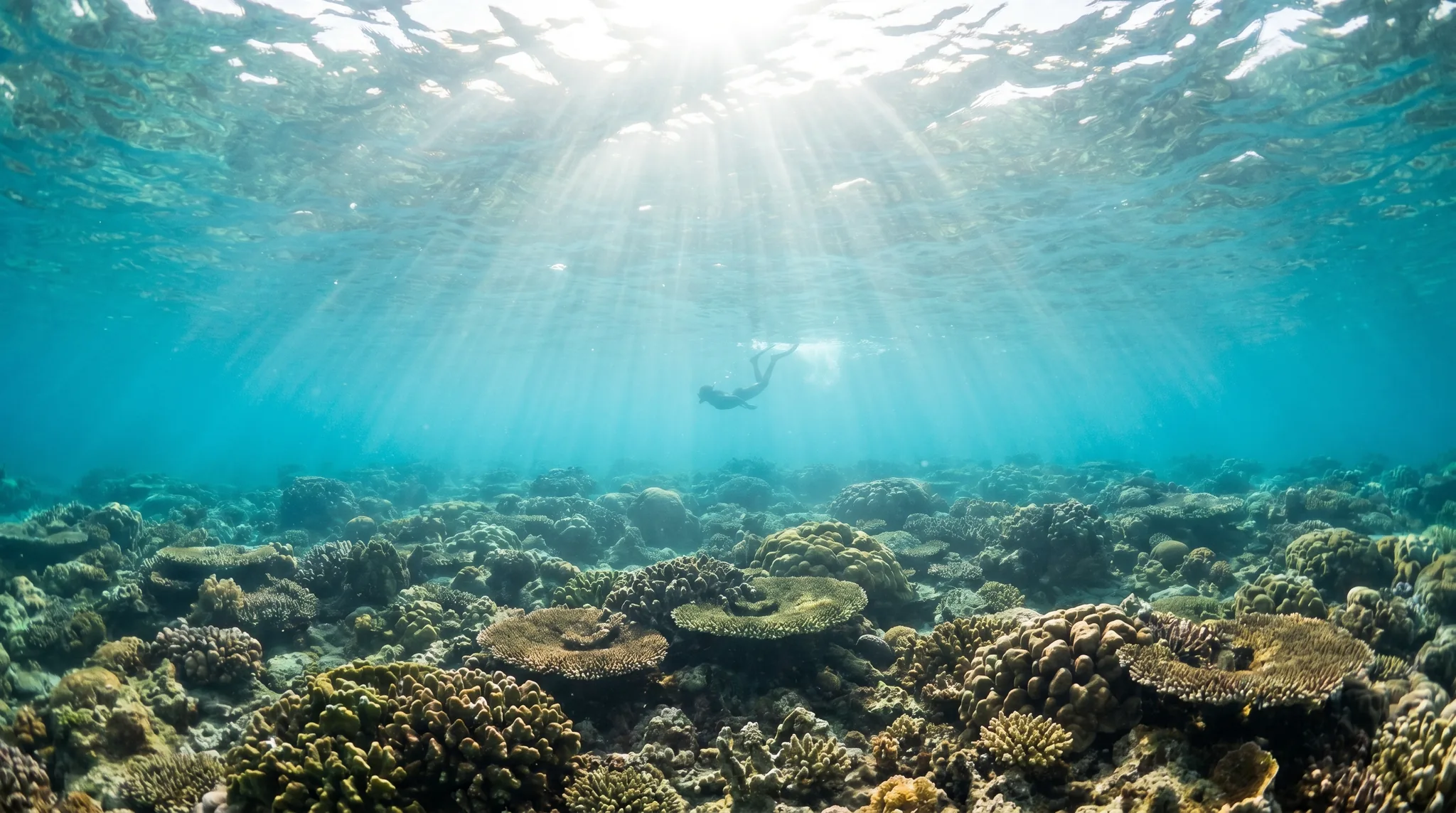
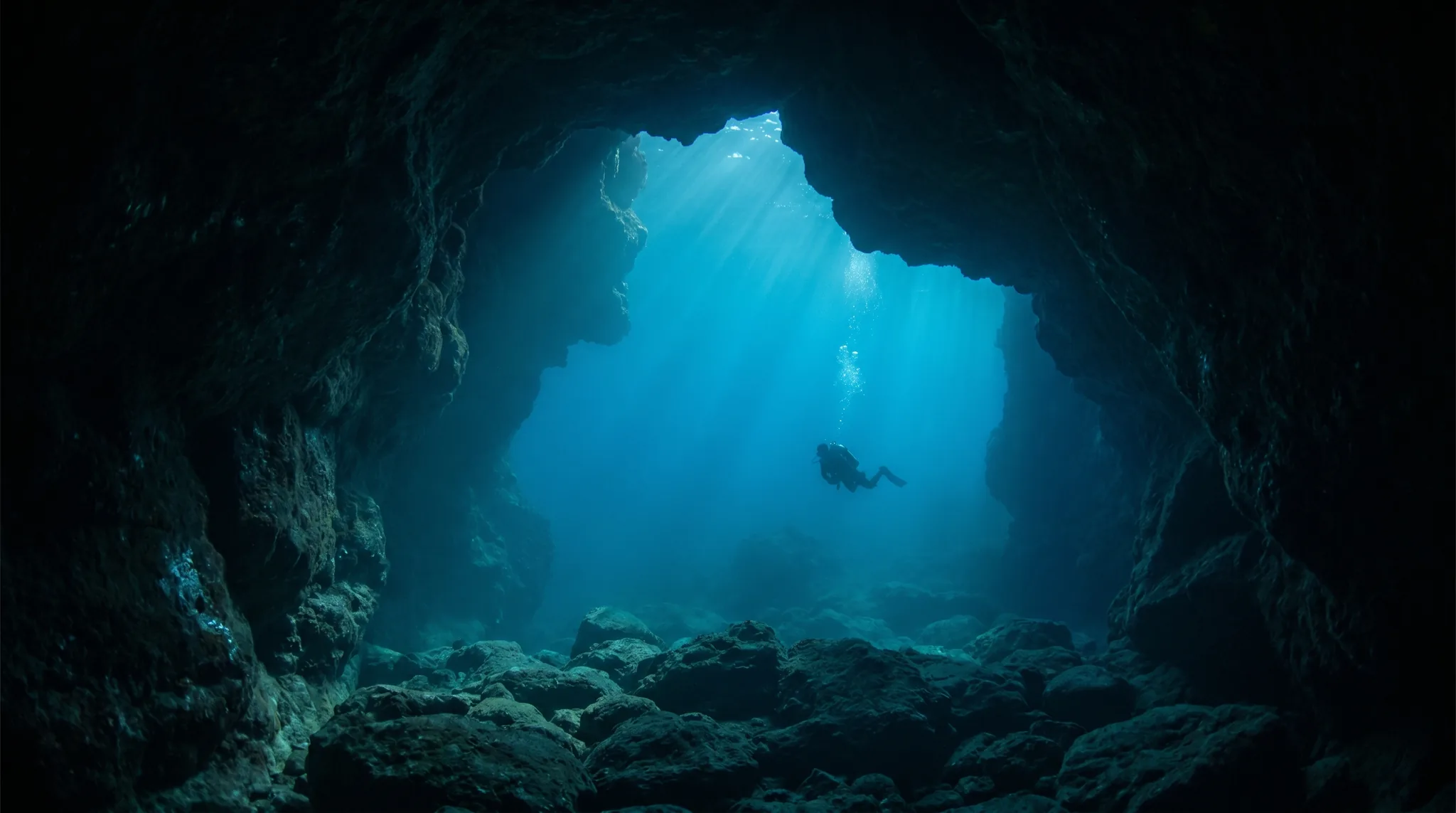
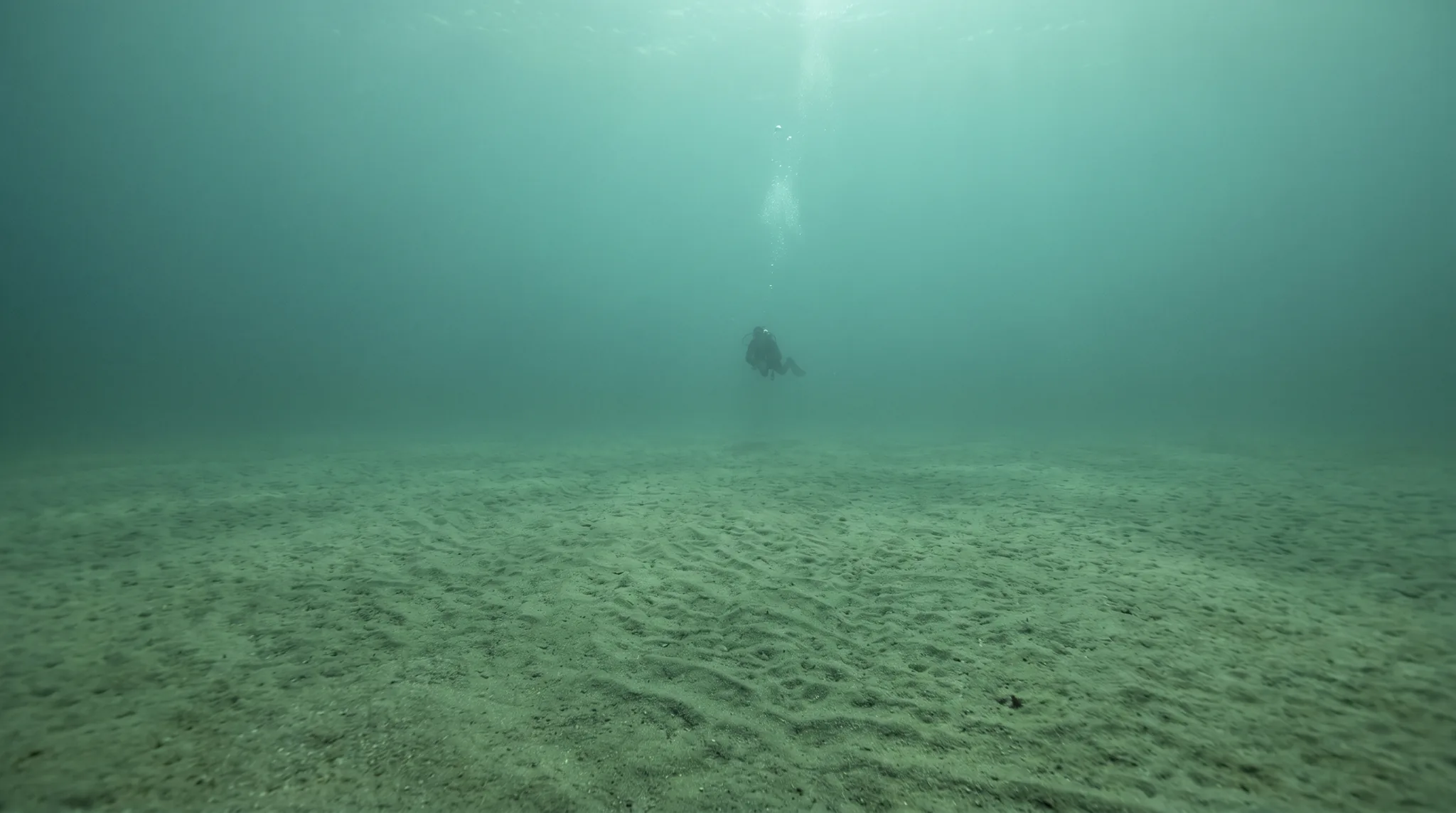
Saint Vincent's dive sites are dominated by reef diving, with wall, cave, drift and muck sites adding variety across the lineup. Most sites suit beginners, with shore entries at spots like Troumaca Bay, Rock Side and Wallilabou Bay keeping access straightforward. Bat Cave and Petit Byahaut step up to intermediate level, the latter offering a drift along a reef slope reached by boat. The muck site at Critter Corner rewards patient divers with a sandy substrate rich in cryptic life. Signature species include the Rock Beauty, Spotted Moray, Brazilian Reef Octopus and Flying Gurnard, alongside a wide cast of reef fish recorded across nearly all sites.
Monthly water temperature across Saint Vincent's sites, from satellite sea-surface data corrected for depth. The band shows the site-to-site spread.
Water stays warm year-round, rising to its peak through September and October and sitting at its coolest, though still comfortably warm, from January through March. Operator data points to December and May as the months most favoured by visiting divers. Sites with drift and exposed profiles such as Petit Byahaut can carry current, while sheltered shore entries remain calm in most conditions.
3 more sites to explore
Water temperature around Saint Vincent ranges from about 27°C in January to 30°C in September, based on satellite sea-temperature data for its dive sites.
With water around 27–30°C, a rash guard or 3mm shorty works in Saint Vincent year-round.
Fin maps 13 sites in Saint Vincent (13 scuba diving sites and 3 snorkelling spots, with some suited to both).
Across Saint Vincent's dive sites, May and December are most often reported as the best months to visit.
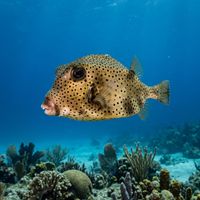
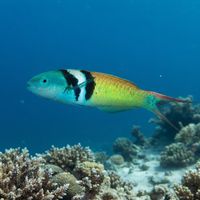
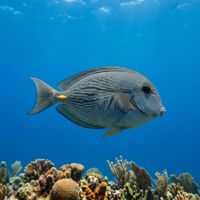
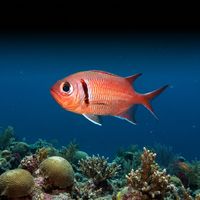
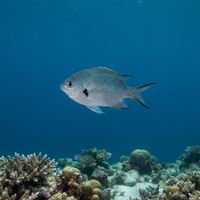
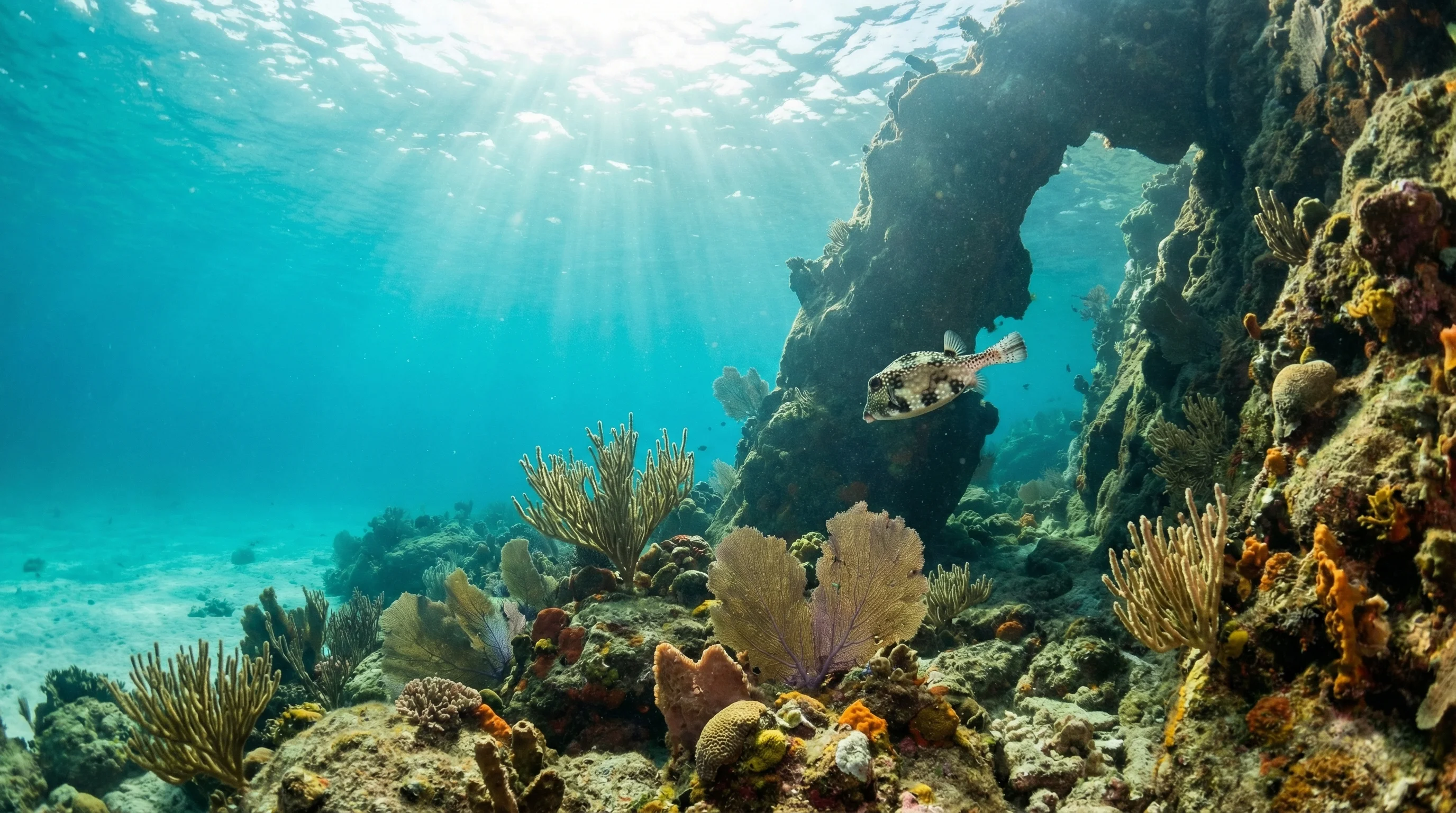
Reef fish are abundant and widespread, with Rock Beauty, Redband Parrotfish, Stoplight Parrotfish, French Grunt and Caribbean Ocean Surgeonfish observed across virtually every site. The Spotted Moray is a consistent presence, and the Sandy muck substrate at Critter Corner turns up Snake Eel, Lesser Electric Ray and the occasional Brazilian Reef Octopus. Divers with a good eye may also spot the Flying Gurnard, one of Saint Vincent's signature species.
The majority of sites are rated for beginners, including several with convenient shore entries such as Troumaca Bay, Rock Side and Wallilabou Bay. These offer shallow to moderate depths across reef and drop-off terrain where new divers can build confidence. Intermediate divers have options too, with Bat Cave's cave and reef topography and the drift conditions at Petit Byahaut providing more of a challenge.
Several sites are accessible directly from shore, making them practical for independent divers or those without a boat. Others, including Bat Cave, Critter Corner, Tucker Shallow and Indian Bay, require boat access. The mix means divers can combine easy self-guided shore dives with guided boat trips to reach the more varied topography further from the coast.
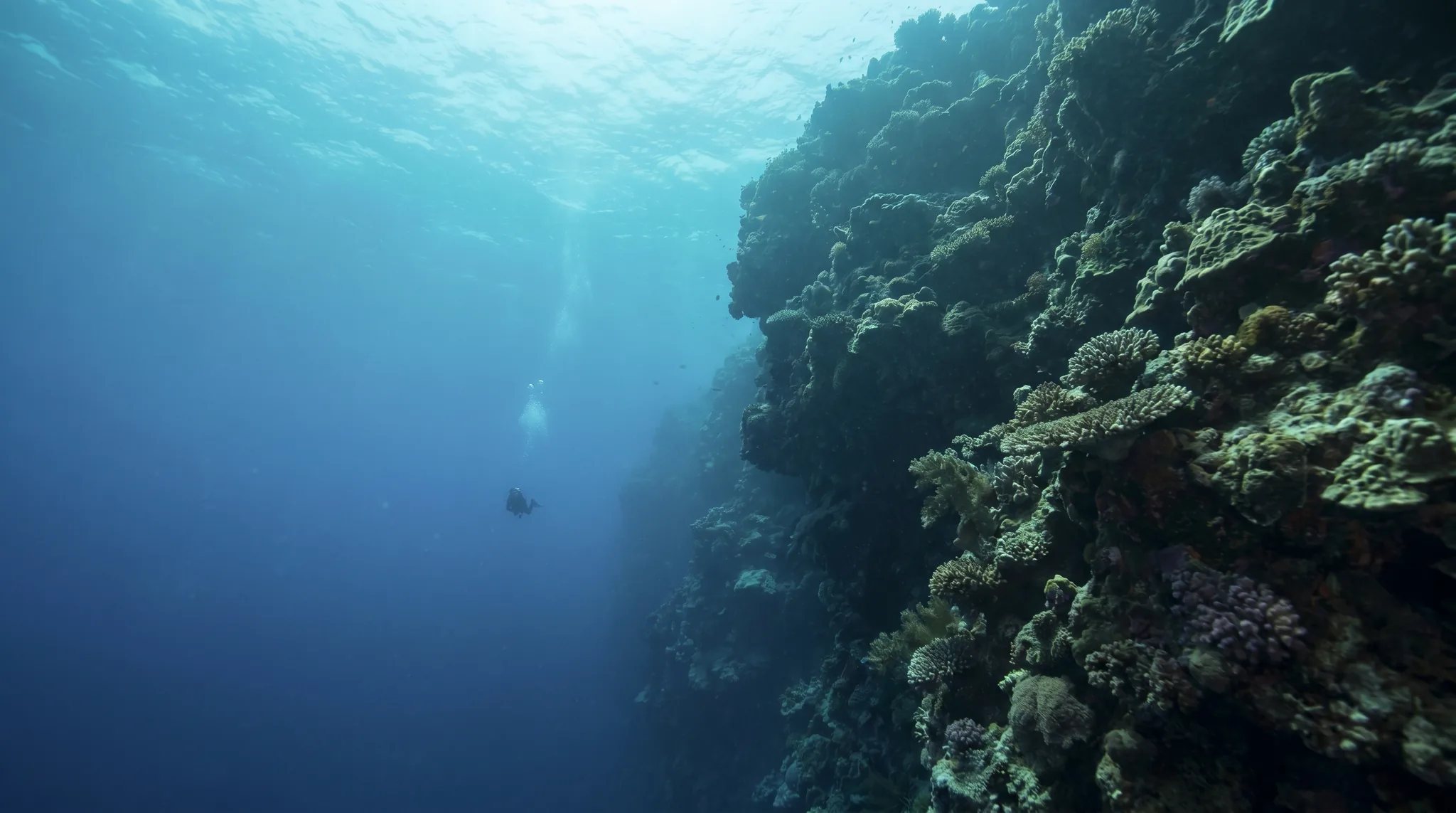
Reef diving forms the core of what Saint Vincent offers, but the site mix extends further. Larikai Point and Tucker Shallow both feature wall topography. Bat Cave combines reef with real cave diving. Petit Byahaut adds a drift element along a reef slope. For those interested in muck diving, Critter Corner provides a sandy substrate well worth exploring for smaller, cryptic species.