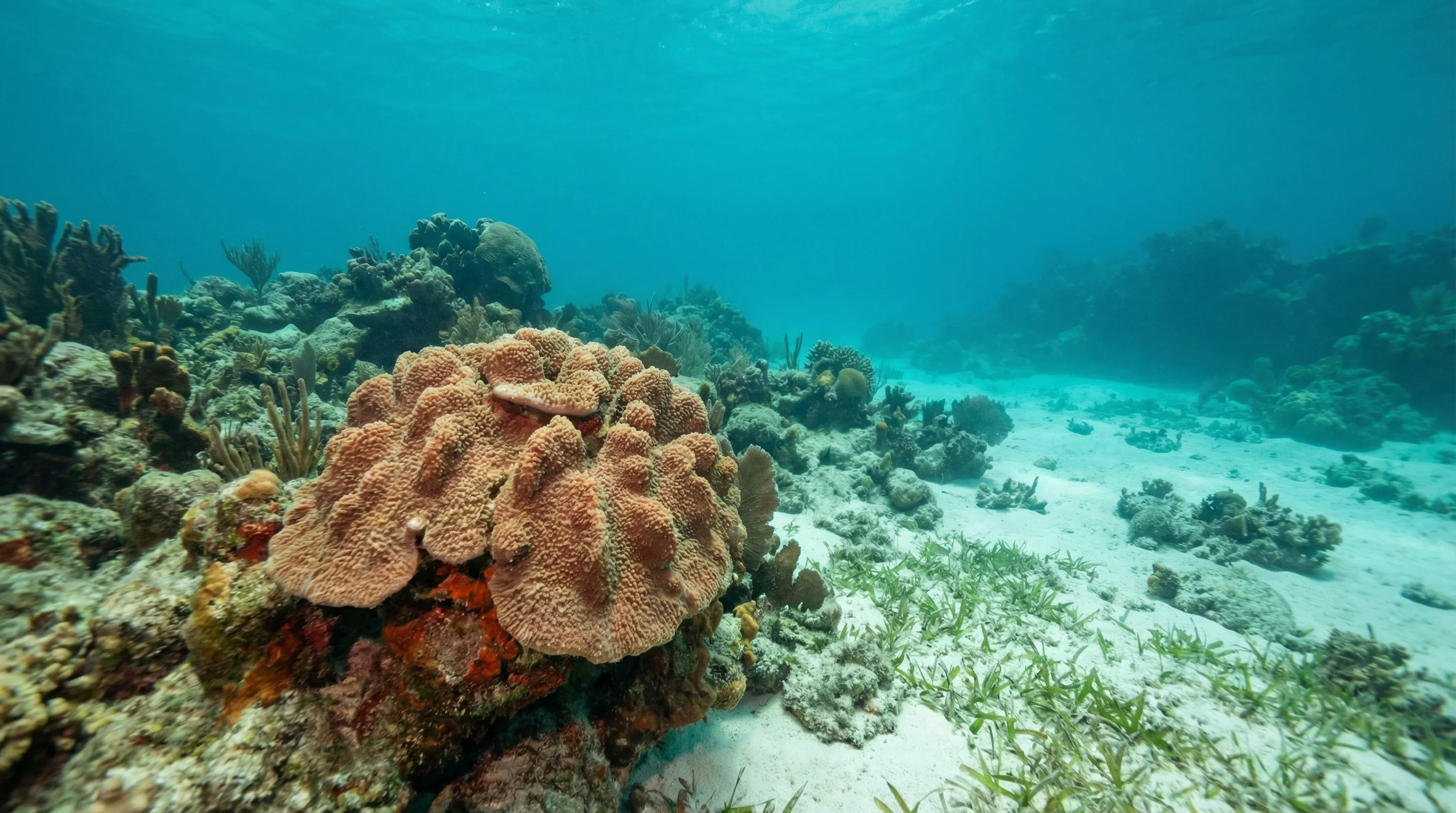
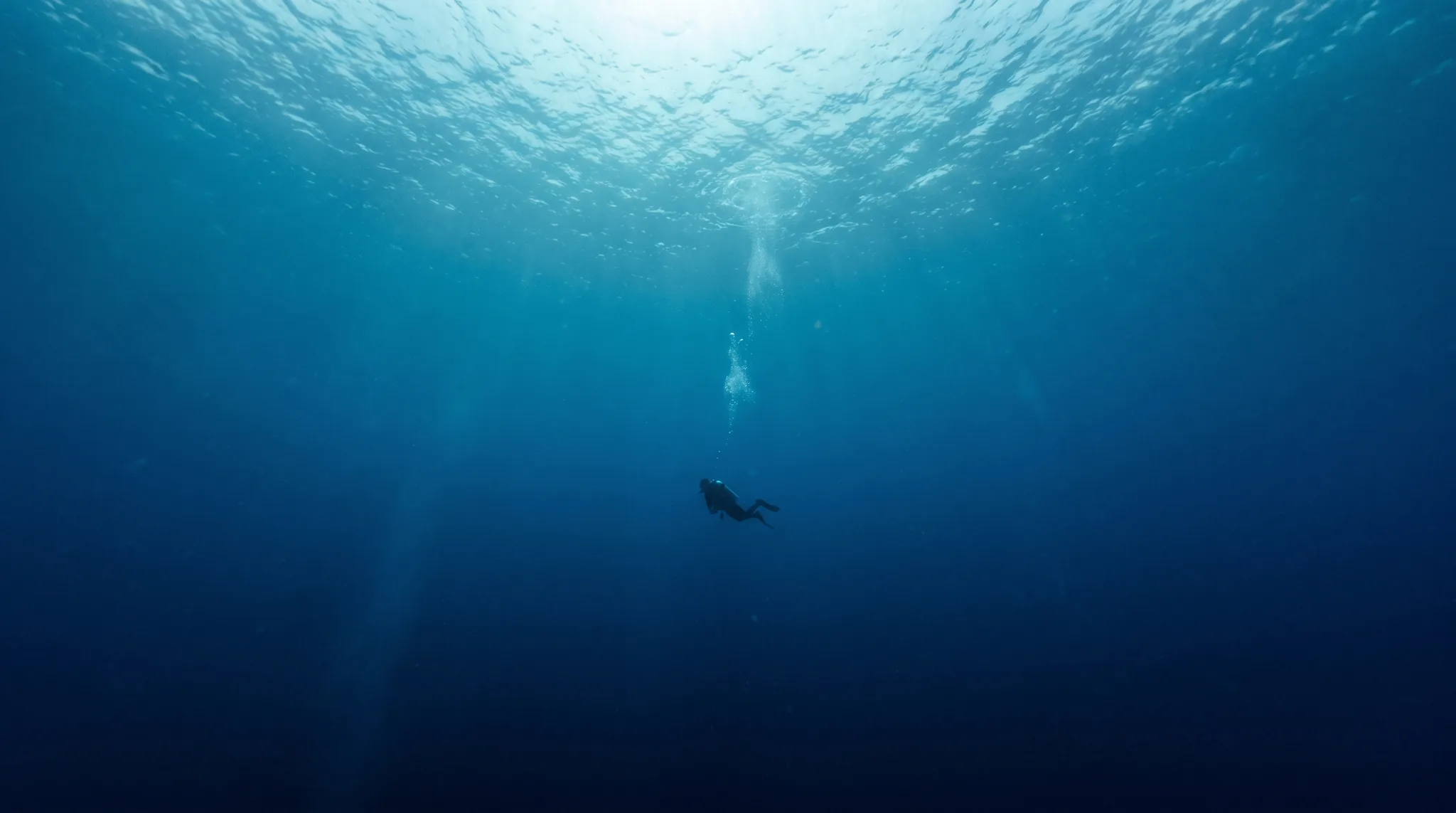
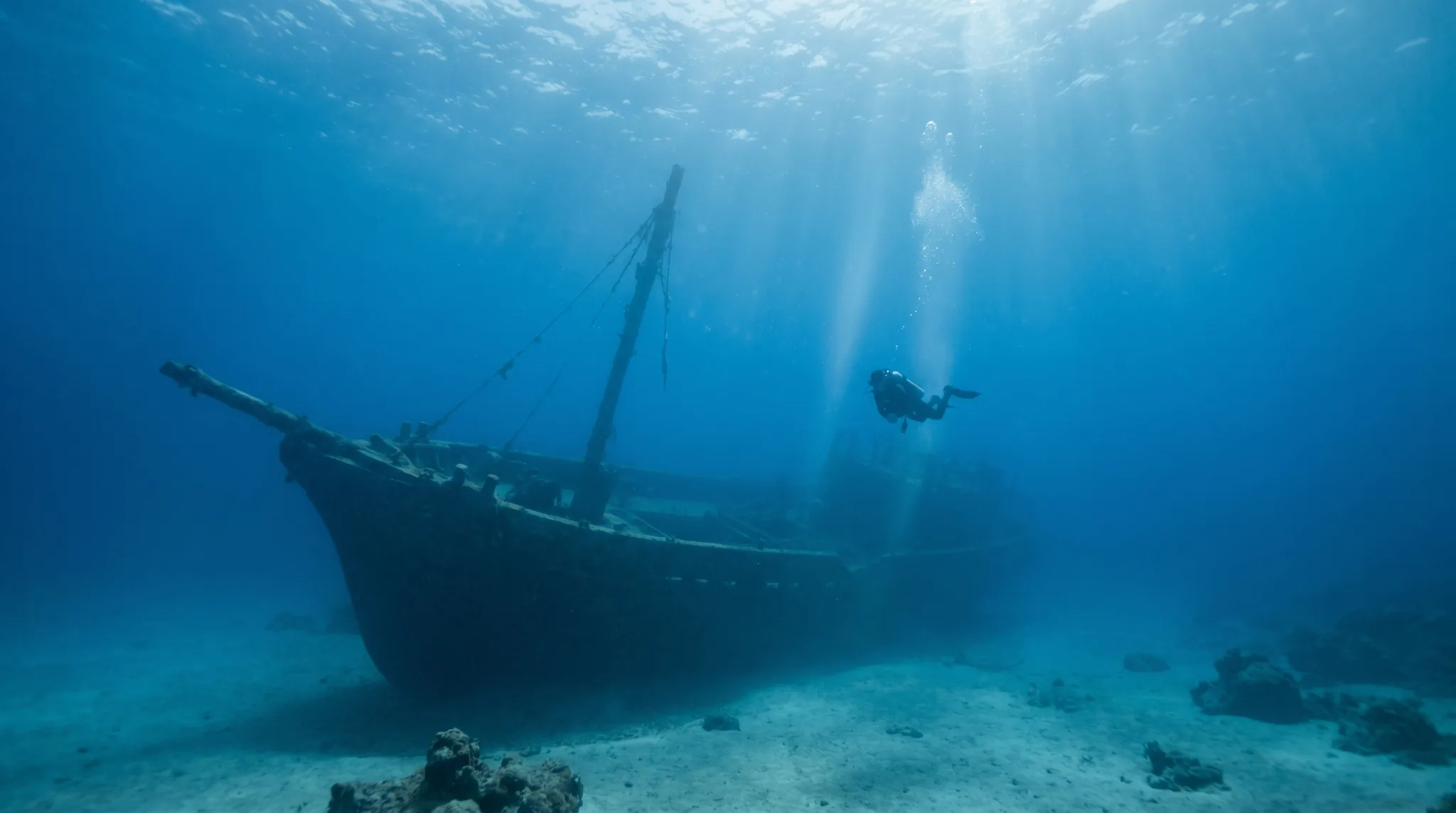
Grand Anse Bay offers a notably varied dive portfolio, spanning shallow beginner reefs, purpose-sunk wrecks, dramatic walls and dedicated muck sites. Cryptic species define the character here: Frogfish, Brazilian Reef Octopus, Spotted Scorpionfish and Indian Lionfish reward divers who look closely. Several sites carry strong currents, making drift diving a recurring theme. Boat access is the norm across the bay. Skill levels range from novice-friendly reef dives to deep wreck and wall profiles suited only to advanced divers.

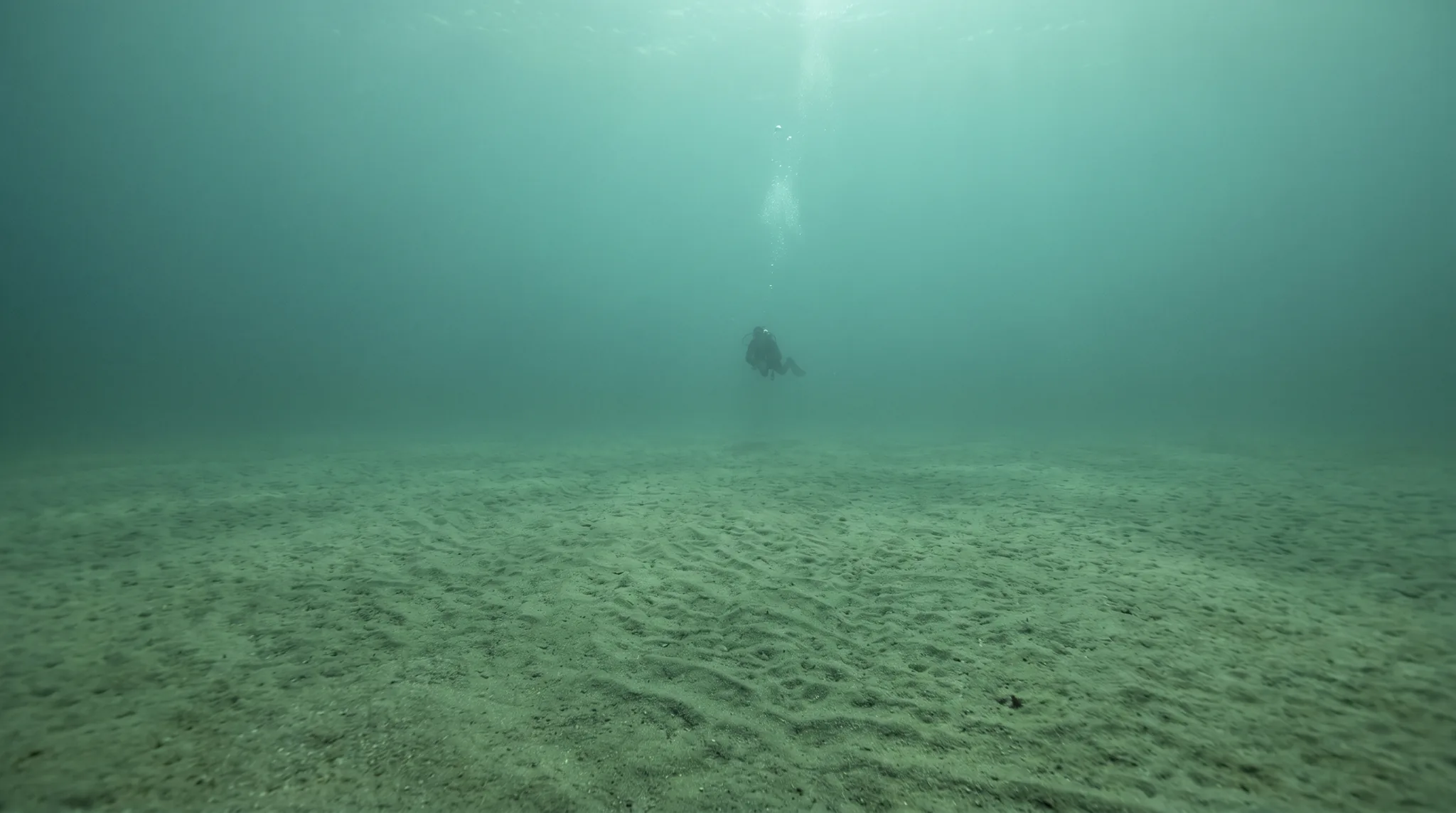
Monthly water temperature across Grand Anse Bay's sites, from satellite sea-surface data corrected for depth. The band shows the site-to-site spread.
Water stays warm throughout the year, rising to its peak through the late summer and early autumn months and sitting slightly cooler from January through March. Conditions are most favoured by local divers in January, May and the April shoulder period, suggesting calmer seas and better visibility outside the mid-year period. Sites exposed to current, including drift reefs and deep wrecks, are best approached when conditions are settled.
10 operators



Saint George's, Grenada
30 more sites to explore
Water temperature around Grand Anse Bay ranges from about 27°C in January to 30°C in October, based on satellite sea-temperature data for its dive sites.
With water around 27–30°C, a rash guard or 3mm shorty works in Grand Anse Bay year-round.
Fin maps 42 sites in Grand Anse Bay (39 scuba diving sites and 8 snorkelling spots, with some suited to both).
Across Grand Anse Bay's dive sites, January, February, March, April, May and December are most often reported as the best months to visit.
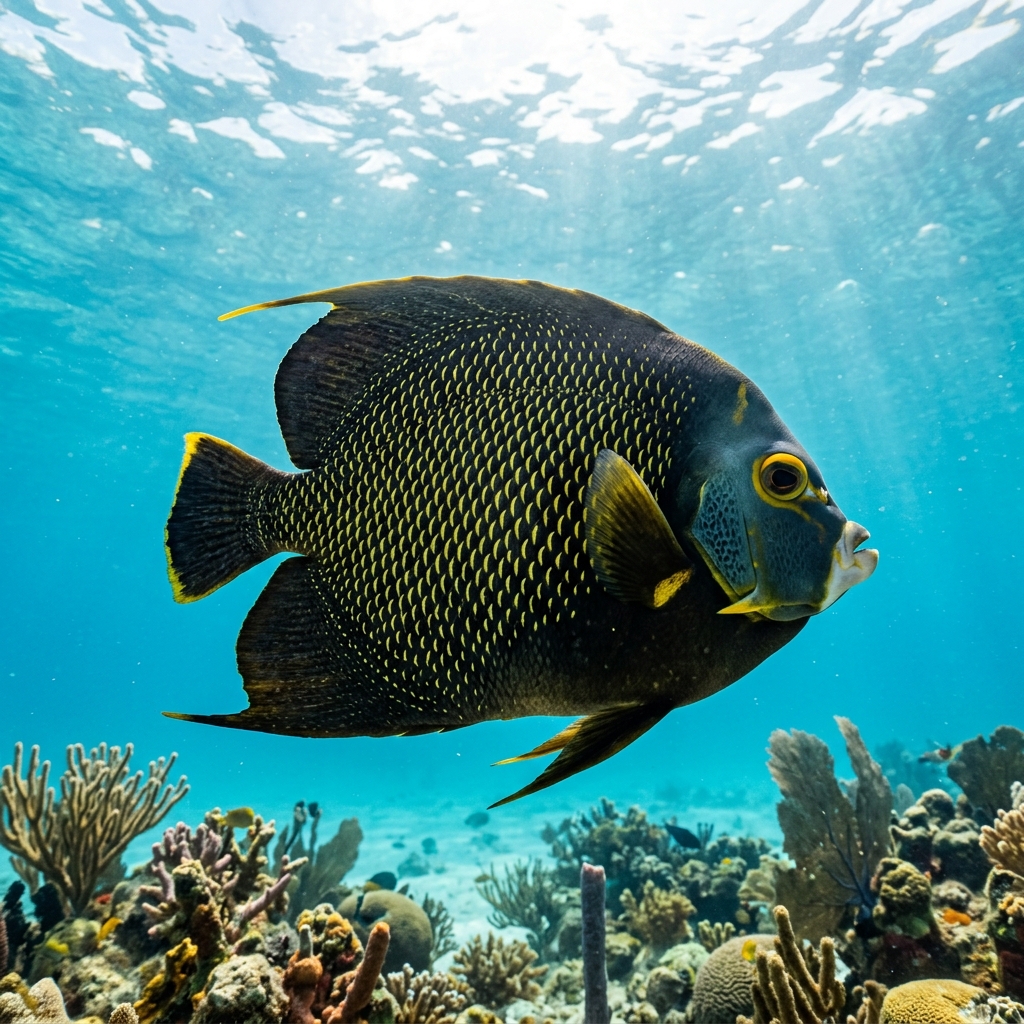
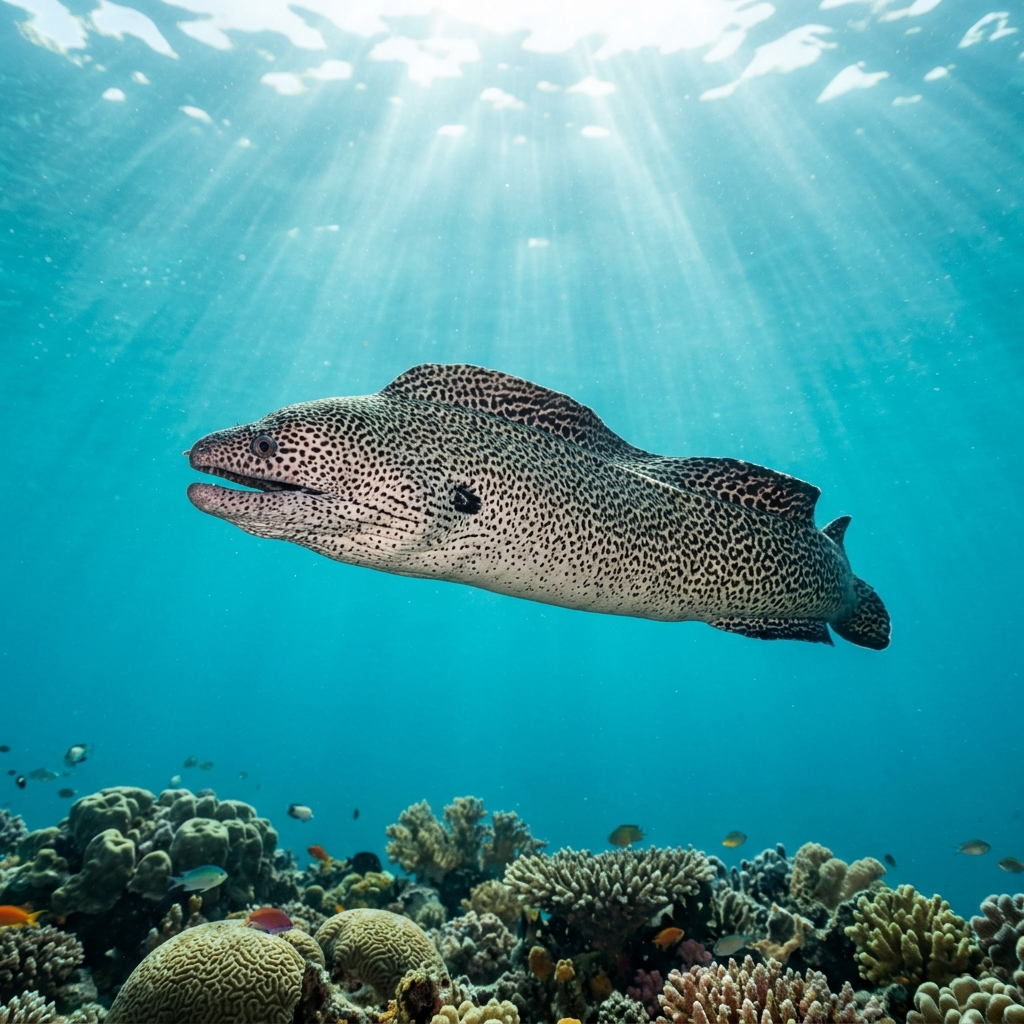
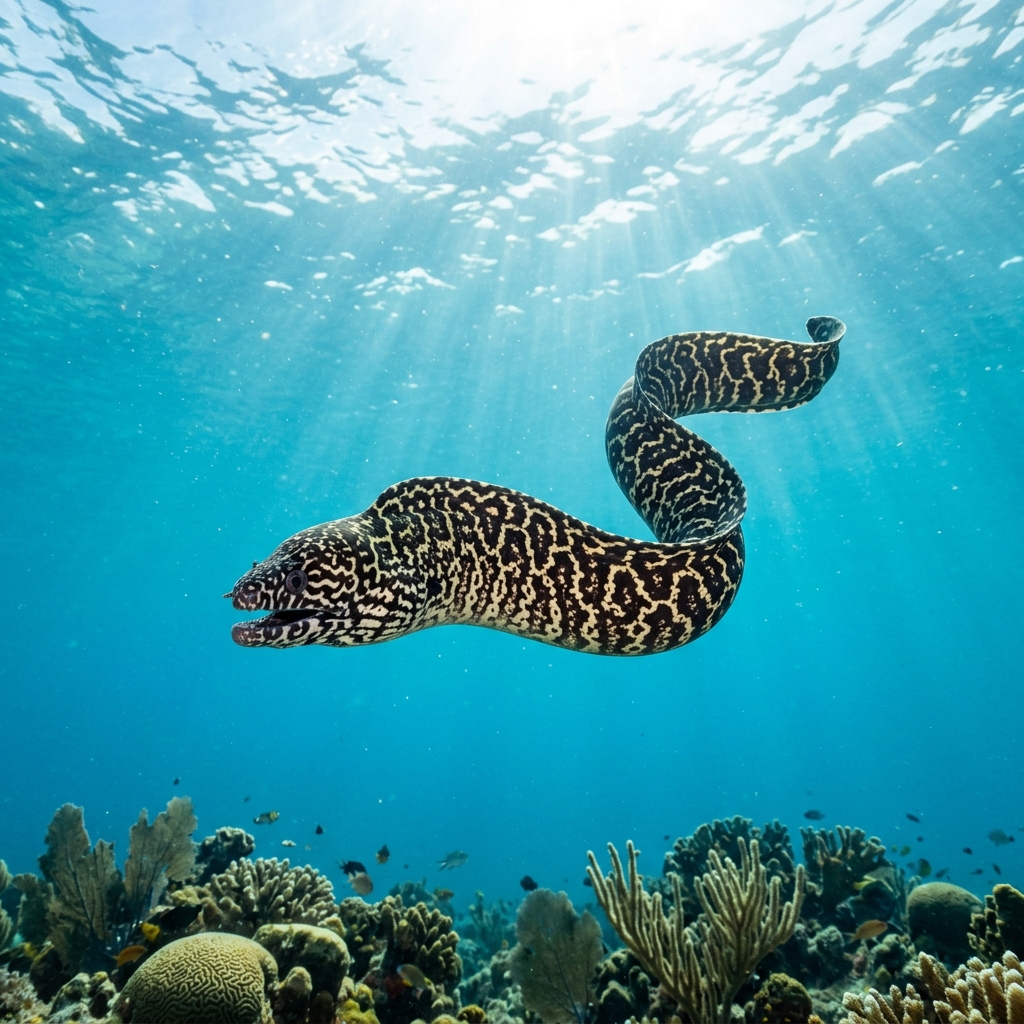
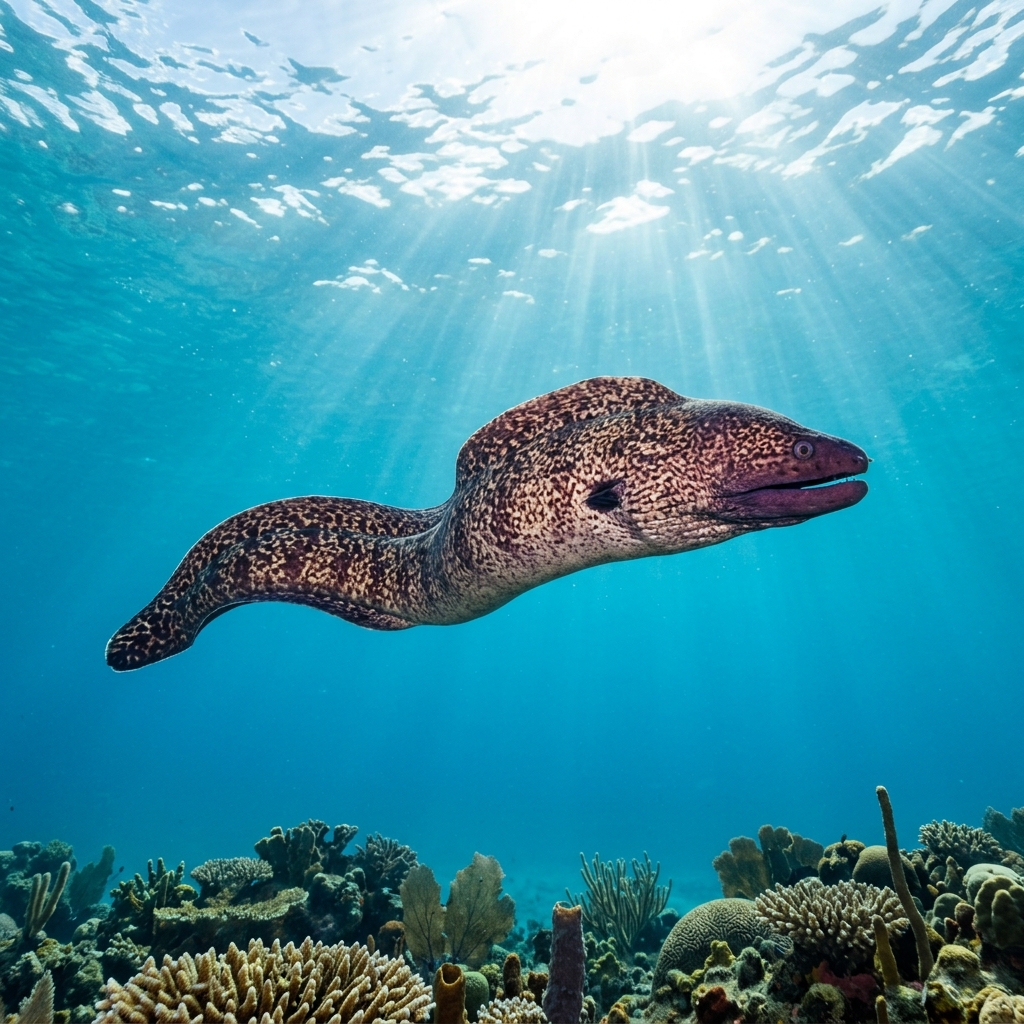
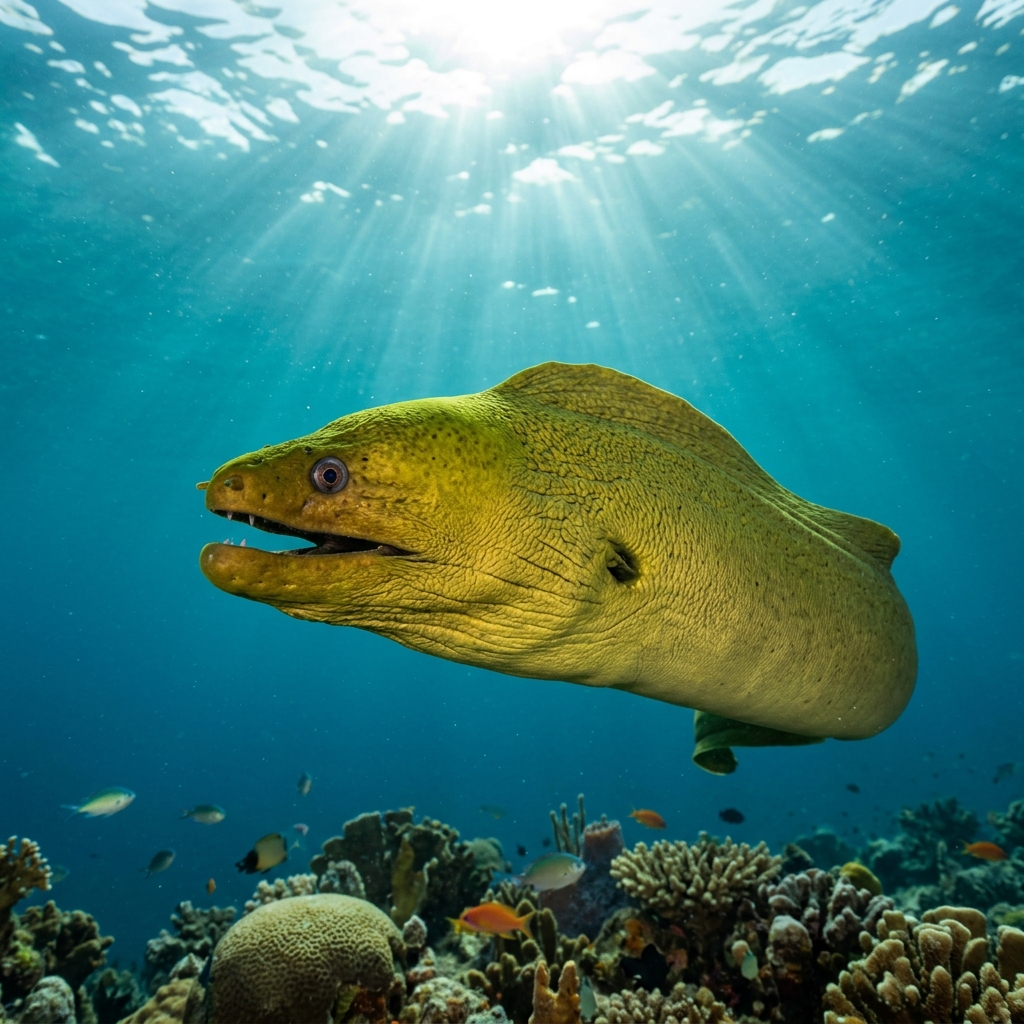
Grand Anse Bay has a strong reputation for cryptic and bottom-dwelling species. Frogfish, Brazilian Reef Octopus, Spotted Scorpionfish and Indian Lionfish are observed consistently across the sites. Morays are particularly well represented, with Spotted Moray, Chain Moray, Green Moray and Purplemouth Moray all recorded. Nurse Shark, Great Barracuda, Flying Gurnard and French Angelfish round out a notably diverse species list.
Yes, several sites are rated for beginners. Dr. Grooms Garden and Spotters Reef are shallow, boat-access reef dives well suited to newly certified divers. The Courier wreck also sits at a manageable depth range for beginners. That said, sites like Heartbreak Ridge, Hema One and the Persia wreck are strictly for advanced divers due to depth and strong currents.
Boat access is the standard for almost all dive sites in Grand Anse Bay. The operators serving the area, including Dive Grenada, Aquanauts Grenada, Eco Dive, Native Spirit Scuba and Scuba West Indies, run boat departures to the various reef, wreck and drift sites. Shore entry is not a common option for diving in this bay.
The bay covers a broad range of site types. Reef diving is the backbone, but wrecks are a significant draw, with purpose-sunk artificial reefs such as Hema One alongside older wreck sites like the Persia and King Mitch. Drift diving features at several locations, including Escape Reef and Heartbreak Ridge. Glovers Island adds a muck diving option for divers interested in finding small, well-camouflaged creatures.