

Carriacou offers a varied underwater landscape built around reef, wall, drift and wreck diving. The site mix runs from very shallow artificial reef structures suited to beginners through to deep walls and strong-current drift sites that demand advanced skills. Signature encounters include the Brazilian Reef Octopus, Flying Gurnard and Nurse Shark, all consistently observed across the island's sites. Green Sea Turtle and Frogfish are reliably present throughout the year. Water stays warm across all seasons, with visibility conditions at their most settled from late autumn through to early spring.
Monthly water temperature across Carriacou's sites, from satellite sea-surface data corrected for depth. The band shows the site-to-site spread.
Water temperatures in Carriacou remain warm year-round, rising to their peak through late summer and early autumn. The best-months data points firmly toward the cooler months from late autumn through to early spring as the most popular period for diving, likely reflecting calmer seas and improved visibility. Advanced drift sites such as Layer Cake and Deep Blue can carry strong, unpredictable currents regardless of season, so conditions at any given site should be checked before entry.
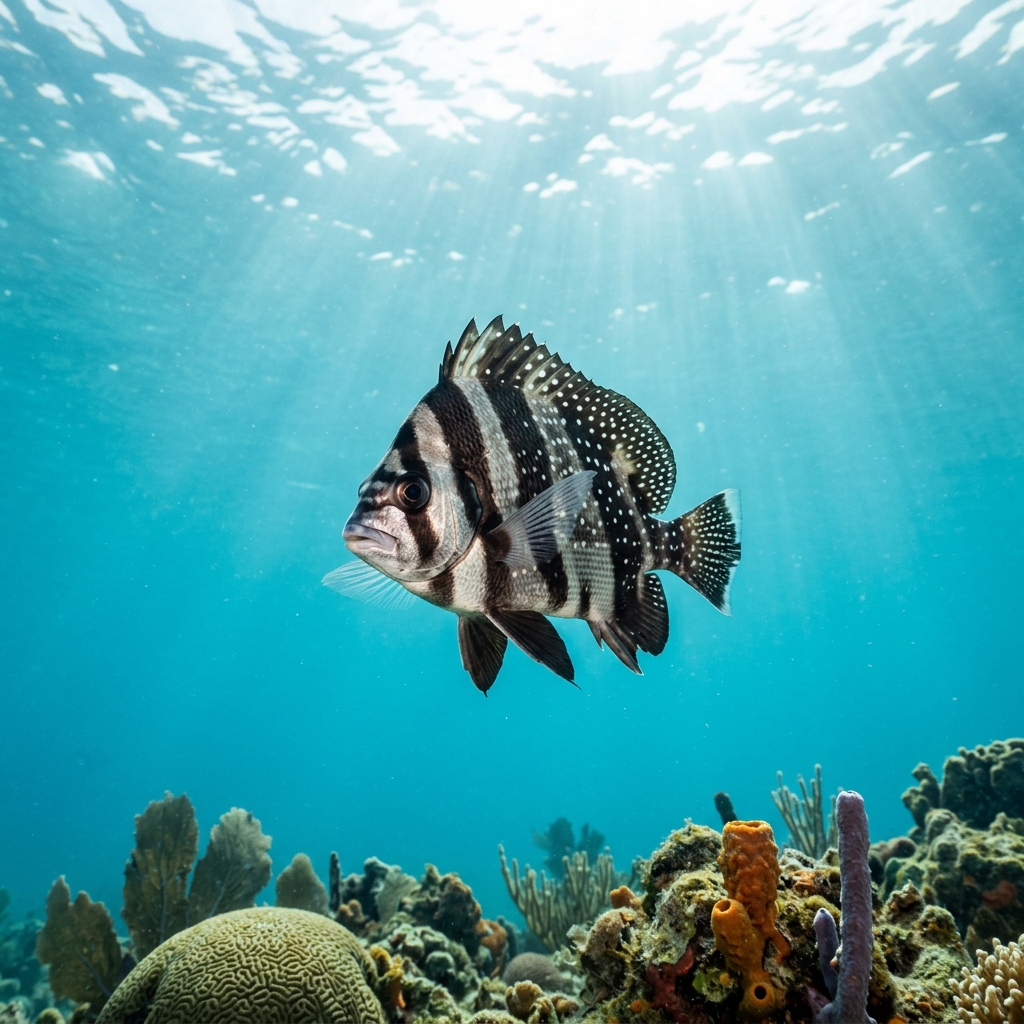
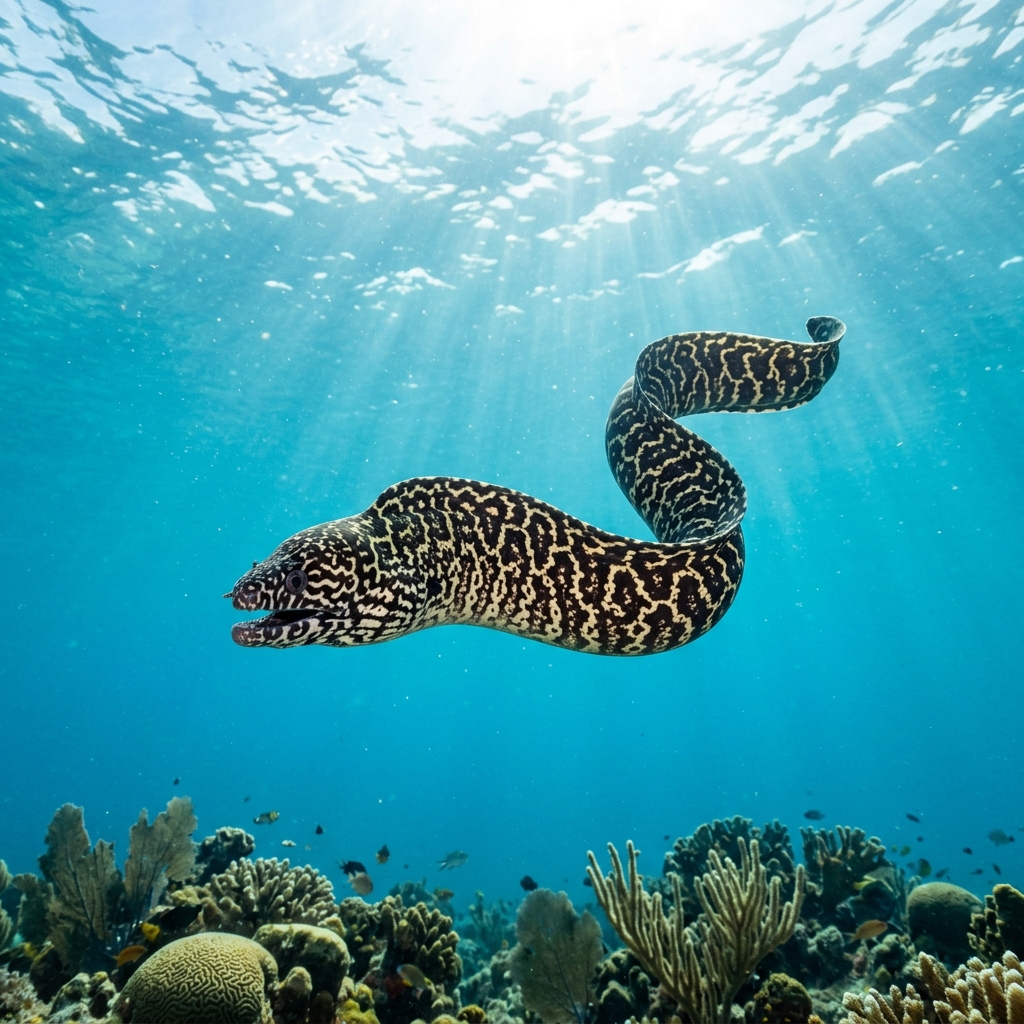
23 more sites to explore
Water temperature around Carriacou ranges from about 27°C in January to 30°C in September, based on satellite sea-temperature data for its dive sites.
With water around 27–30°C, a rash guard or 3mm shorty works in Carriacou year-round.
Fin maps 35 sites in Carriacou (35 scuba diving sites and 11 snorkelling spots, with some suited to both).
Across Carriacou's dive sites, January, February, April and May are most often reported as the best months to visit.
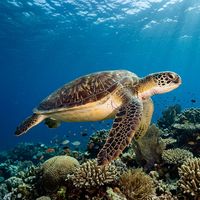
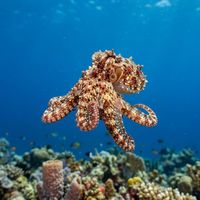
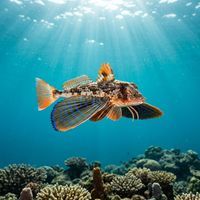
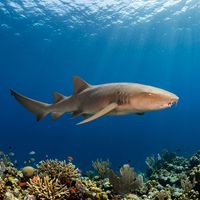
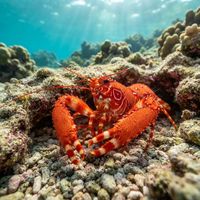
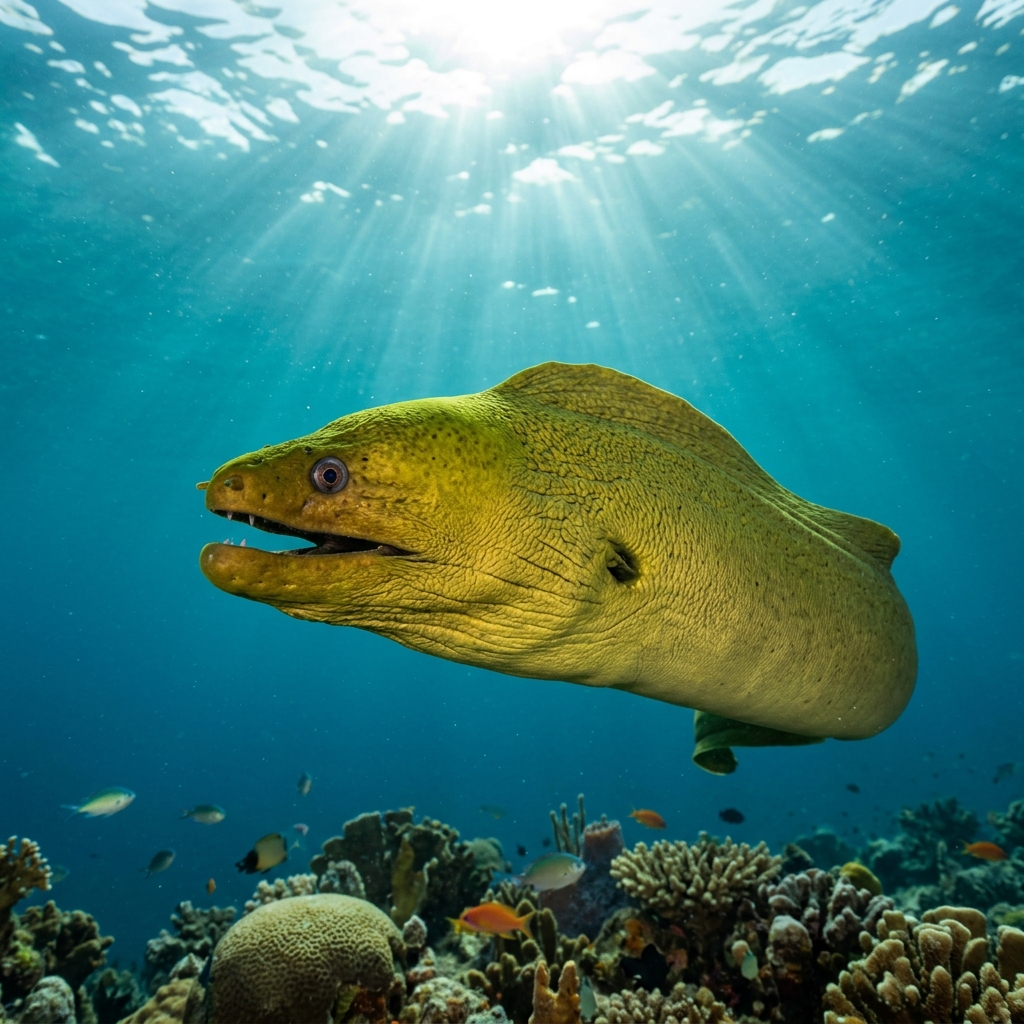
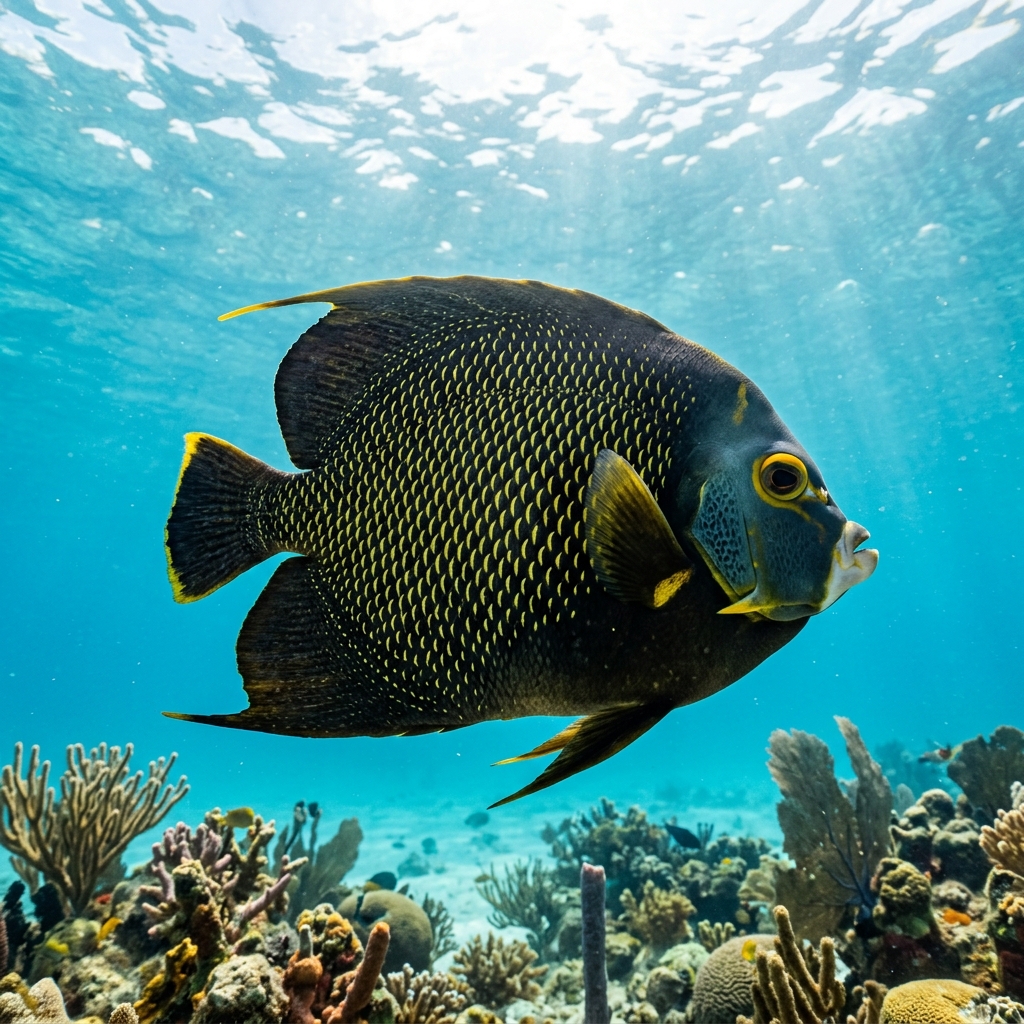
Carriacou has a particularly strong list of observed species. Nurse Shark, Brazilian Reef Octopus, Flying Gurnard and Spotted Scorpionfish are among the signature sightings, alongside Green Sea Turtle and Frogfish. Reef encounters regularly include Chain Moray, Spotted Moray, Green Moray, French Angelfish, Great Barracuda, Caribbean Spiny Lobster and Banded Coral Shrimp. The overall species list is extensive, making each dive truly varied.
Yes, a good portion of Carriacou's dive sites are rated for beginners. Options include the Coral Nursery, Jack-A-Dan West, Mabouya Whirlpool and Mabouya Garden, all of which are boat-accessed reef or artificial-reef sites with manageable depth ranges. These sites provide a solid introduction to Caribbean reef diving without exposure to the strong currents found at the advanced drift sites.
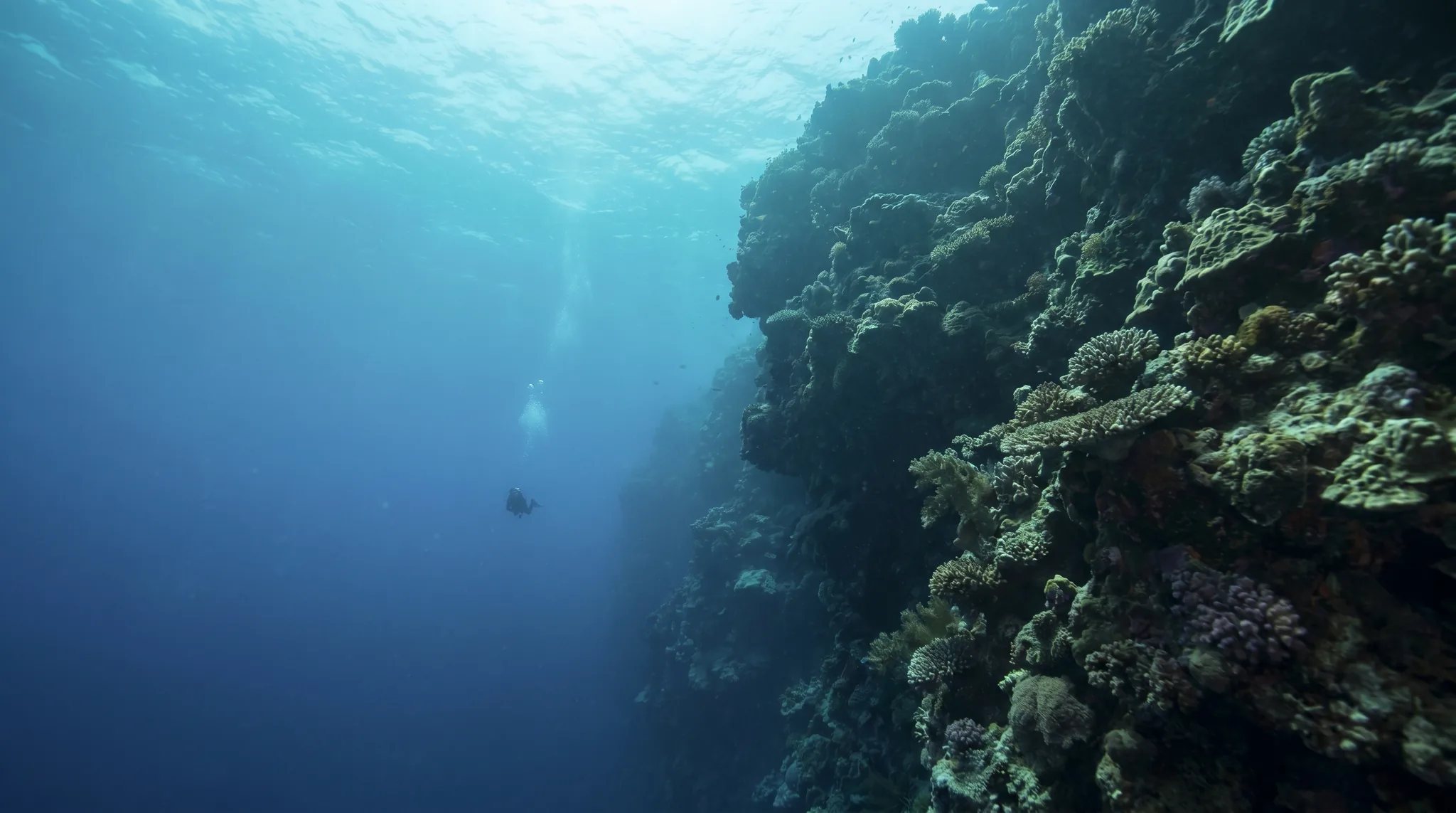
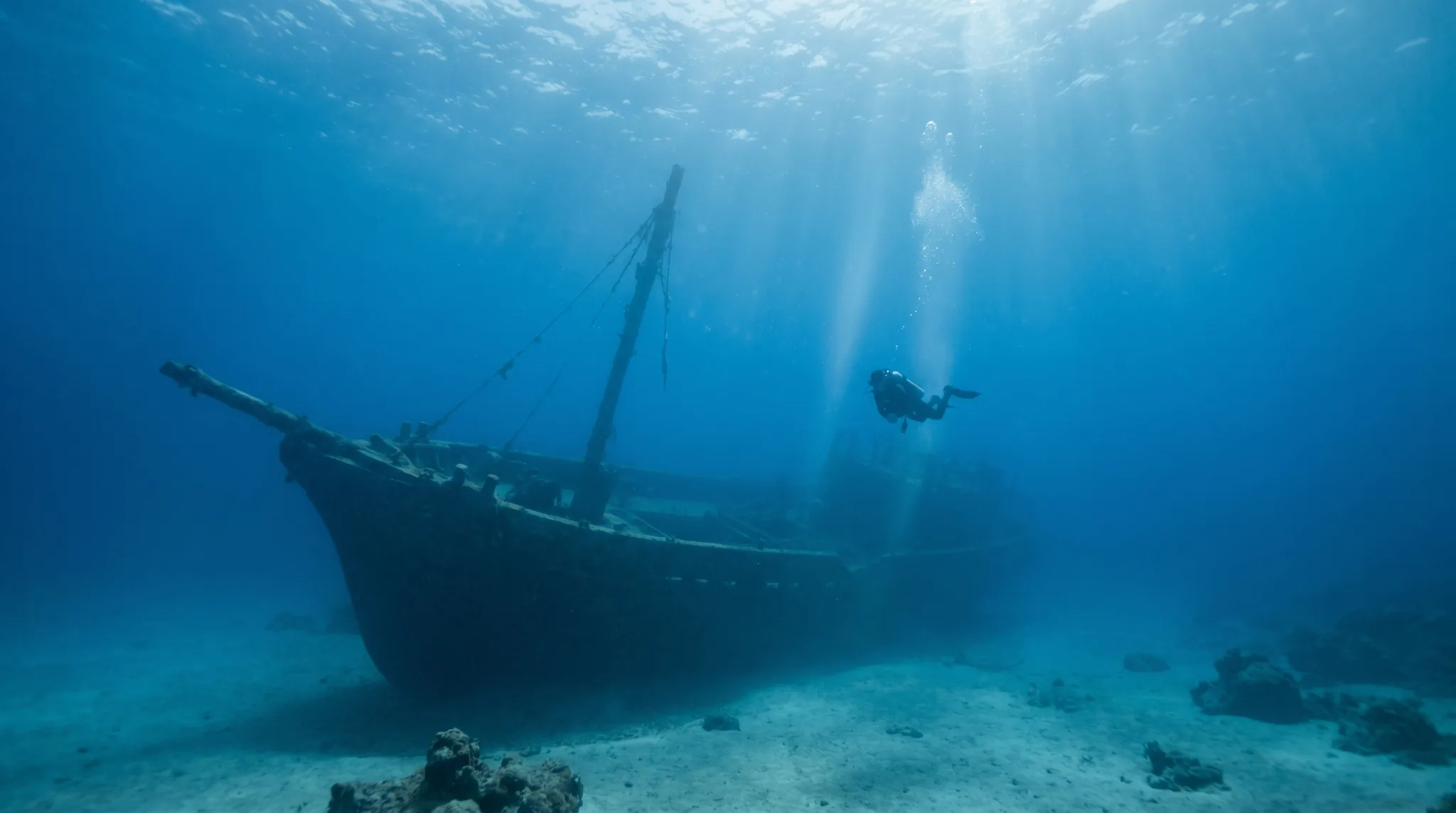
Carriacou's sites cover a broad range of terrain. Artificial reef and coral restoration structures sit at shallower depths and suit newer divers, while wall sites like Mabouya Garden add vertical topography for those wanting more variety. At the advanced end, drift sites such as Layer Cake and Deep Blue feature stepped reef terraces and strong currents, and Mabouya Whirlpool combines natural reef with wreck and artificial structures in a single dive.
The majority of sites in Carriacou require boat access, including nearly all of the advanced and mid-range dive sites. A small number of sites, such as La Jetée and Jack-A-Dan West, offer shore entry options for those who prefer it. Snorkellers should expect that most of the better reef sites will involve a short boat trip.
