Gymnothorax vicinus
Spot the purplemouth moray across Grenada, Cape Verde and Brazil in warm 23-29 °C water. Here's where divers log it and how to recognise it on the reef.
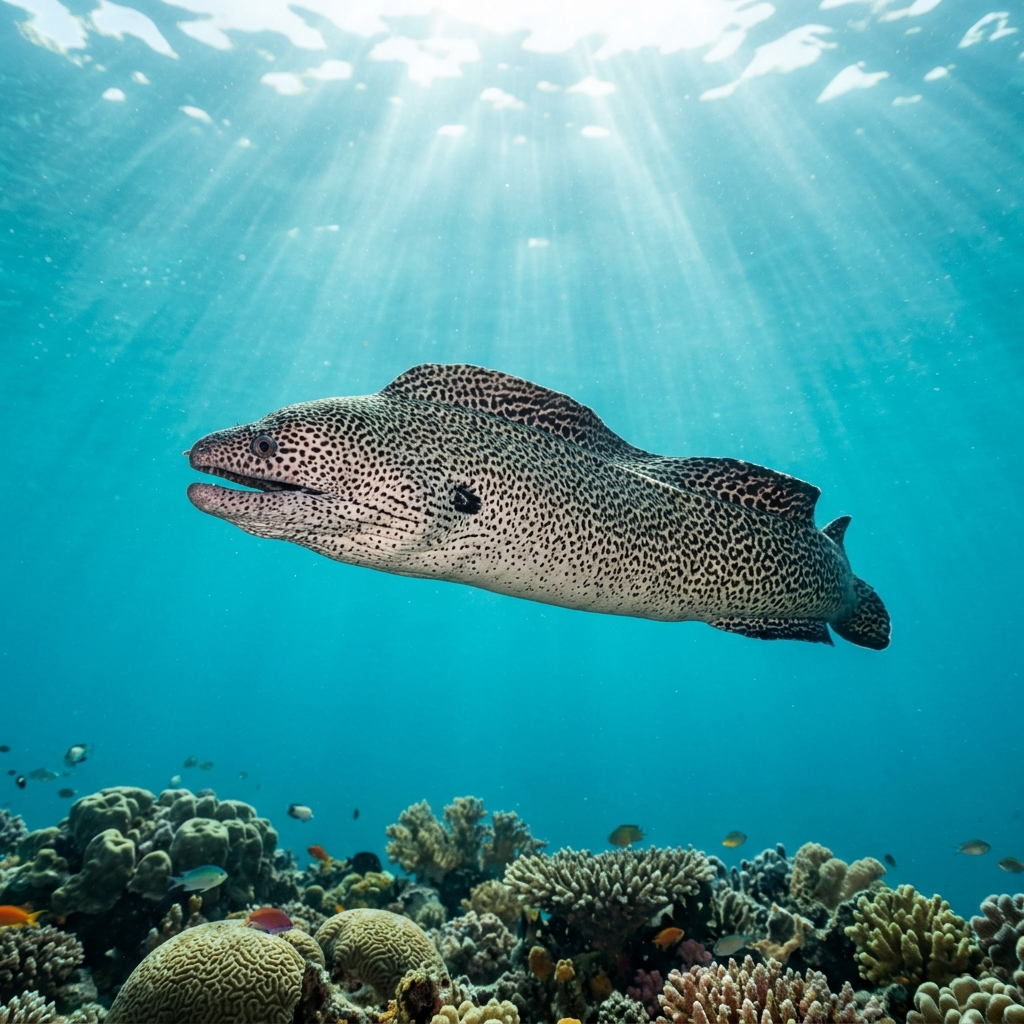
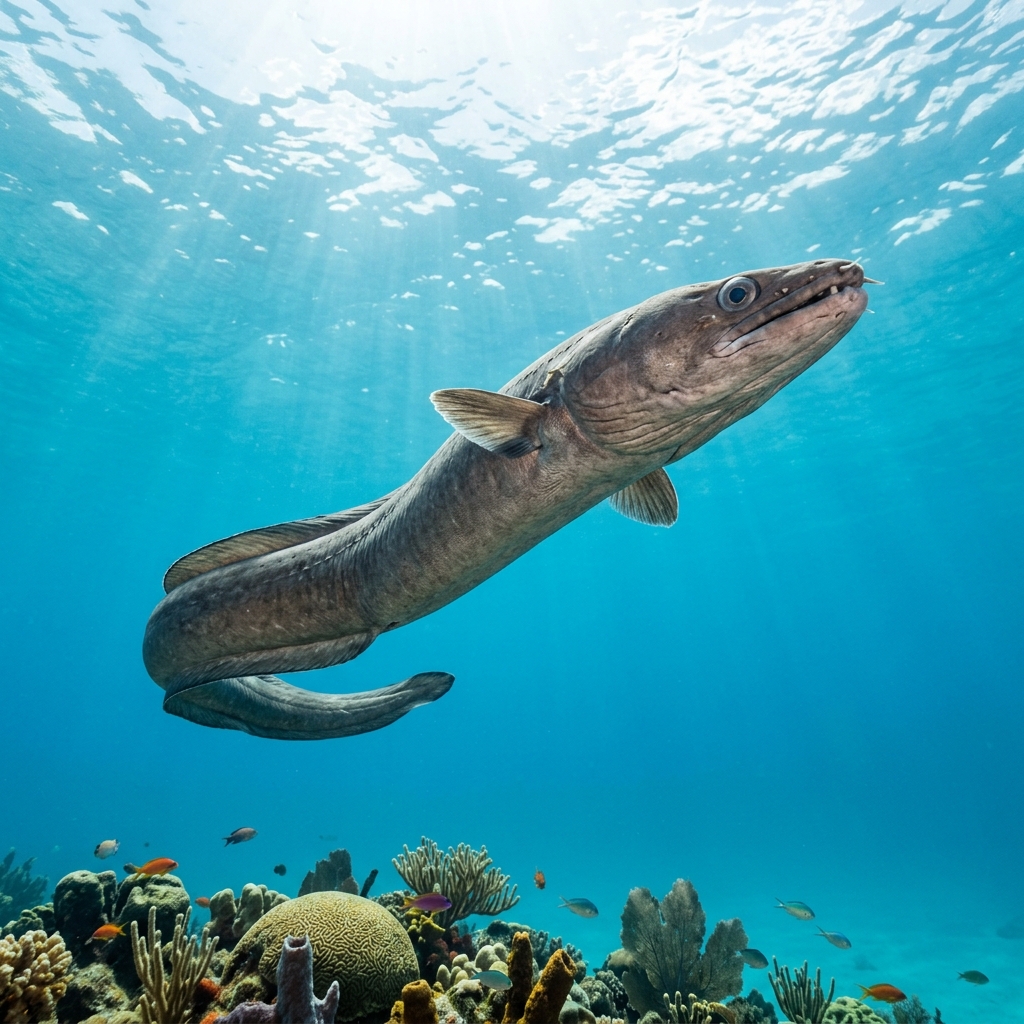
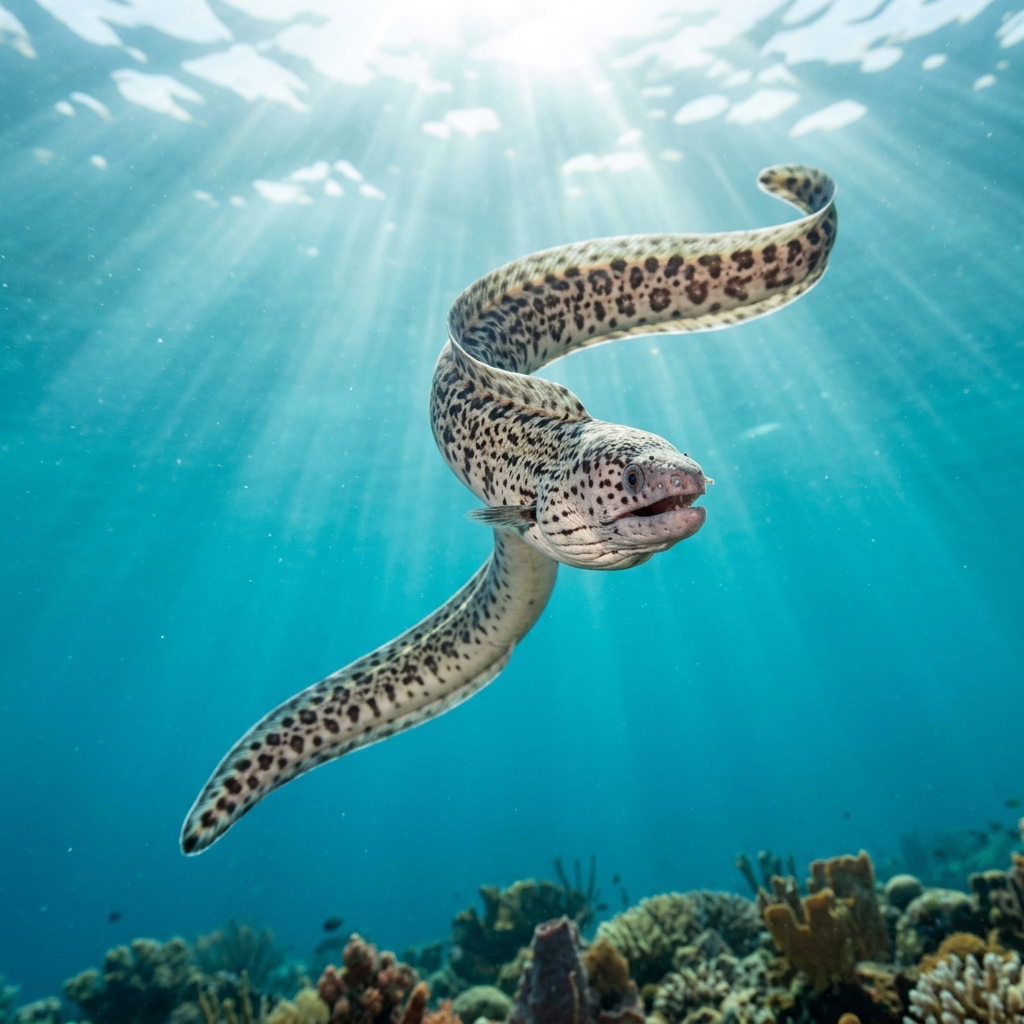
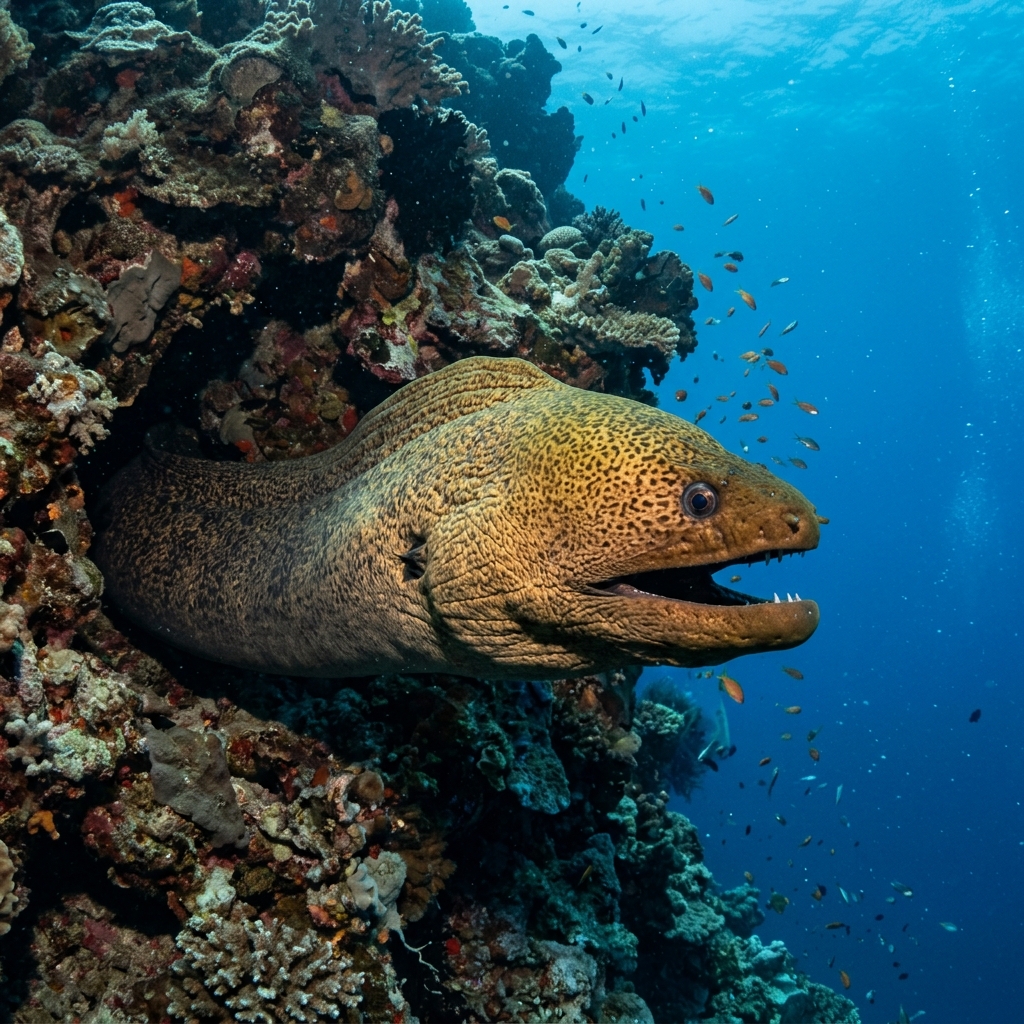
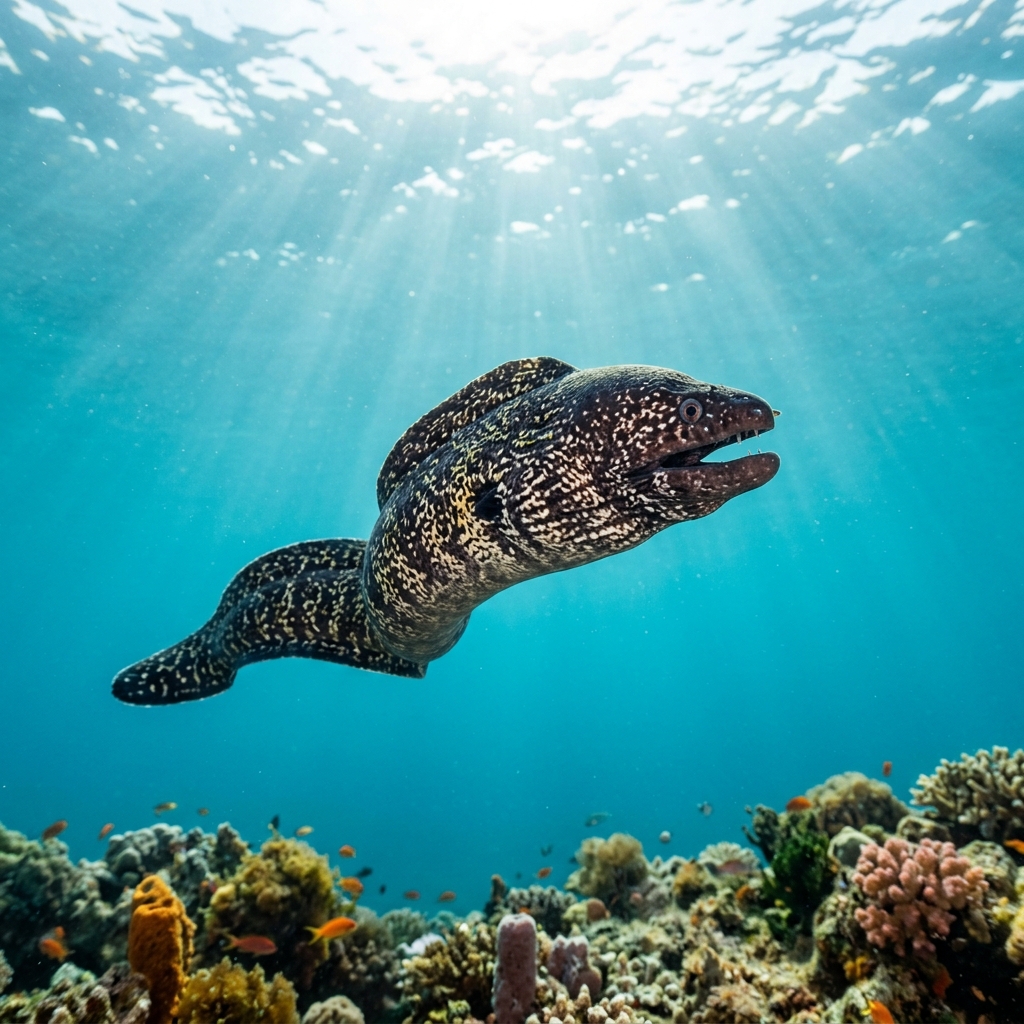
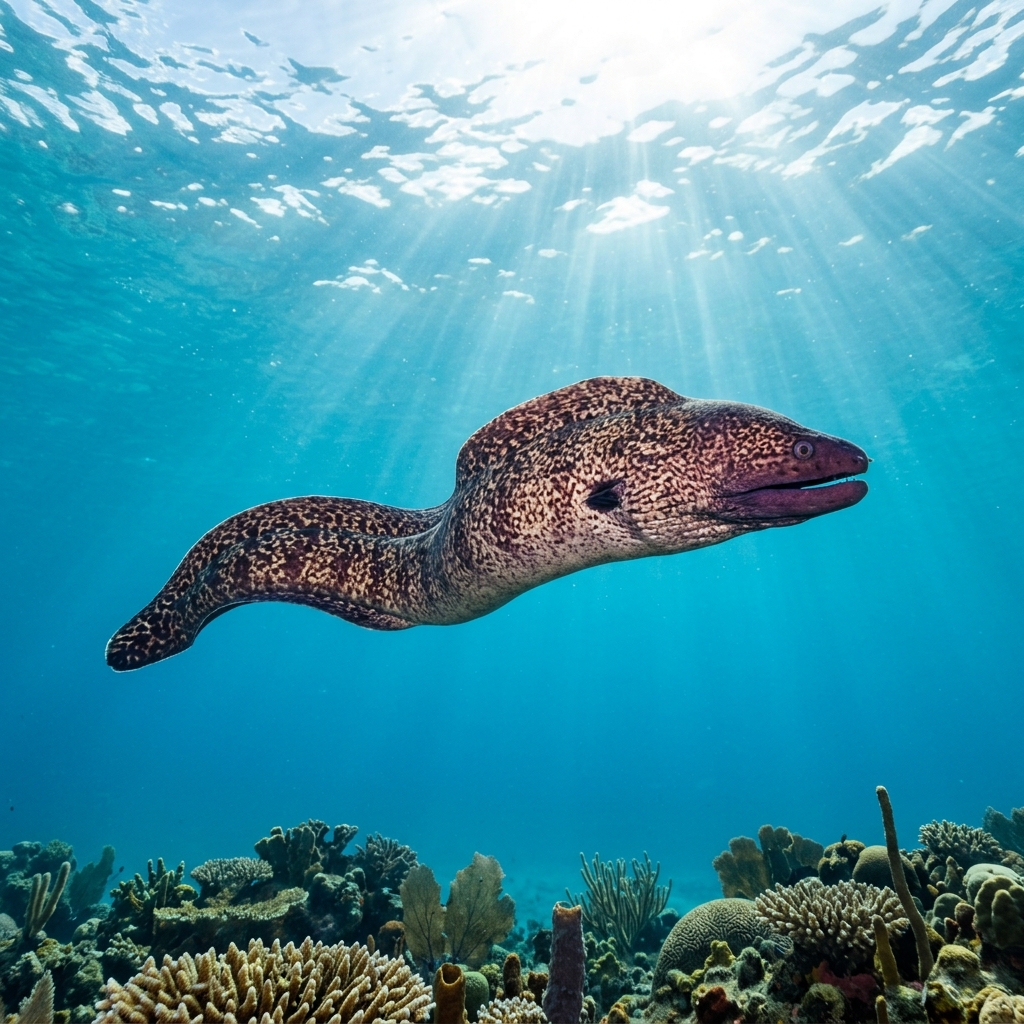
Look for a medium-to-large moray with a brown or olive-brown body covered in pale yellowish spots or a fine reticulated (net-like) pattern. The single feature that nails the ID is the inside of the mouth, which flushes a striking purple-violet colour, visible whenever the eel pumps water across its gills with that characteristic open-close gape. The head tends to be slightly paler than the body, and the eye has a yellow iris that catches the light well in a torch beam.
Like most morays, purplemouth morays spend the day tucked into reef crevices, rubble zones, or under coral heads, with just the head and forebody protruding. The repetitive mouth-opening looks threatening but is simply how morays breathe, pushing water over their gills. They tend to hold their position when approached calmly, giving divers a good opportunity to observe the purple interior of the mouth up close.
That purple mouth colouration is not just a novelty for divers; it is the single most reliable field mark separating this species from similar Atlantic morays, and it remains visible even on brief or poorly lit sightings whenever the eel gaps its jaws.
Northern Hemisphere records concentrate in August through October, aligning with the warmest water temperatures in that range. Across tropical Atlantic destinations like Grenada and Cape Verde, where water temperatures stay within the species' 23-29 °C comfort zone for much of the year, encounters are possible beyond that window.
Reef neighbours a diver could mistake it for. Use the identification notes above to tell them apart.
Most logged across Grenada Island, where sightings span a wide spread of sites, making it by far the best single destination. Strong records also come from Sal and Santiago in Cape Verde, and from the Rio de Janeiro and São Paulo coastline in Brazil. Sint Eustatius Marine Park, Dakar in Senegal, and Bermuda round out the reliable regions, with a handful of additional sightings from Mexico's Gulf coast.
Mapping where Purplemouth Moray is logged…
Grenada Island is where divers log this species most consistently, with strong records also from Sal and Santiago in Cape Verde, the Rio de Janeiro and São Paulo coastline in Brazil, Sint Eustatius Marine Park, Dakar in Senegal, and Bermuda. All are warm tropical or subtropical Atlantic sites.
The definitive feature is the purple-violet colour inside the mouth, visible when the eel opens and closes its jaws to breathe. The body is brown to olive-brown with pale spots or a reticulated pattern, and the eye has a yellow iris. If the interior of the mouth looks purple rather than pale, you have your ID.
In the Northern Hemisphere, diver records concentrate from August through October. At year-round tropical destinations like Grenada or Cape Verde, where water temperatures stay in the 23-29 °C range the species favours, encounters are possible outside that peak period too.
No. Purplemouth morays are not considered dangerous to divers. The repetitive mouth-gaping looks aggressive but is simply how morays breathe. Leave the eel undisturbed in its crevice, avoid putting hands near its head, and it will ignore you.
At the dive sites where it is recorded, the purplemouth moray is most often rated uncommon, with rare sightings at a significant portion of sites and only a handful of spots where divers consider it common. Patience and a good torch to peer into reef crevices improve your odds considerably.
Site and sighting data is aggregated from diver logs, iNaturalist and GBIF. For taxonomy and conservation status:
Garden Eel
2,448 sites