
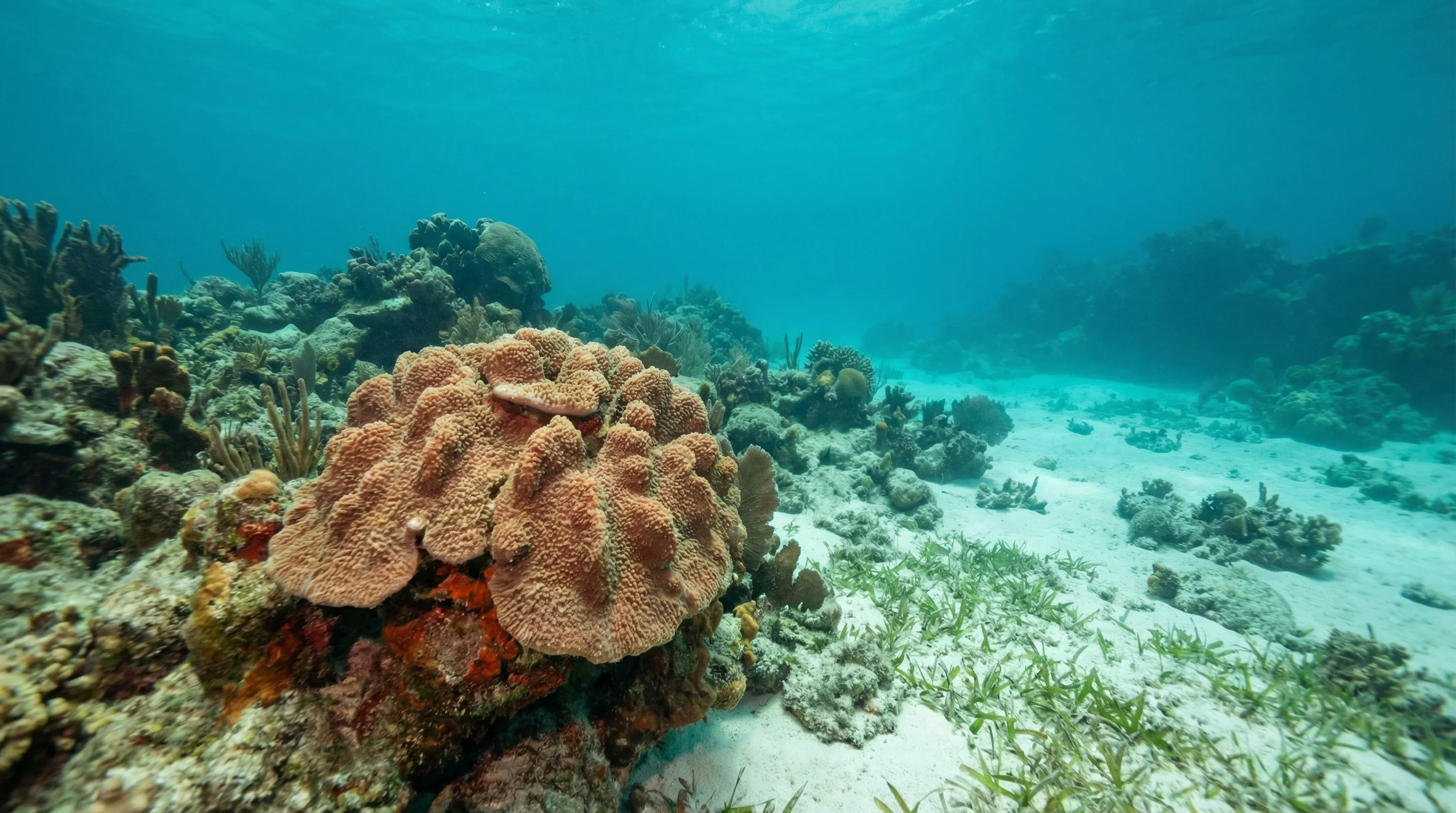
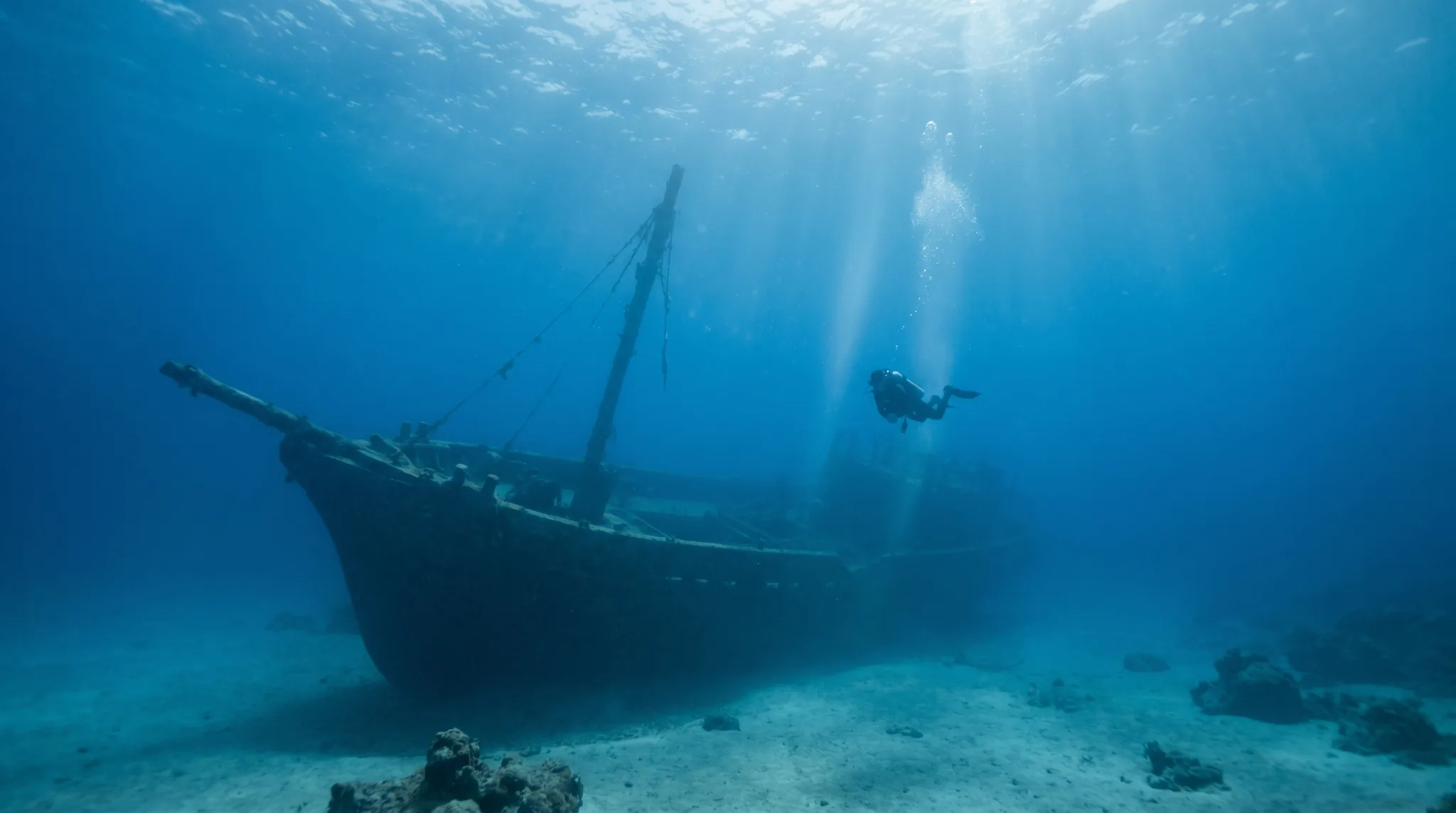
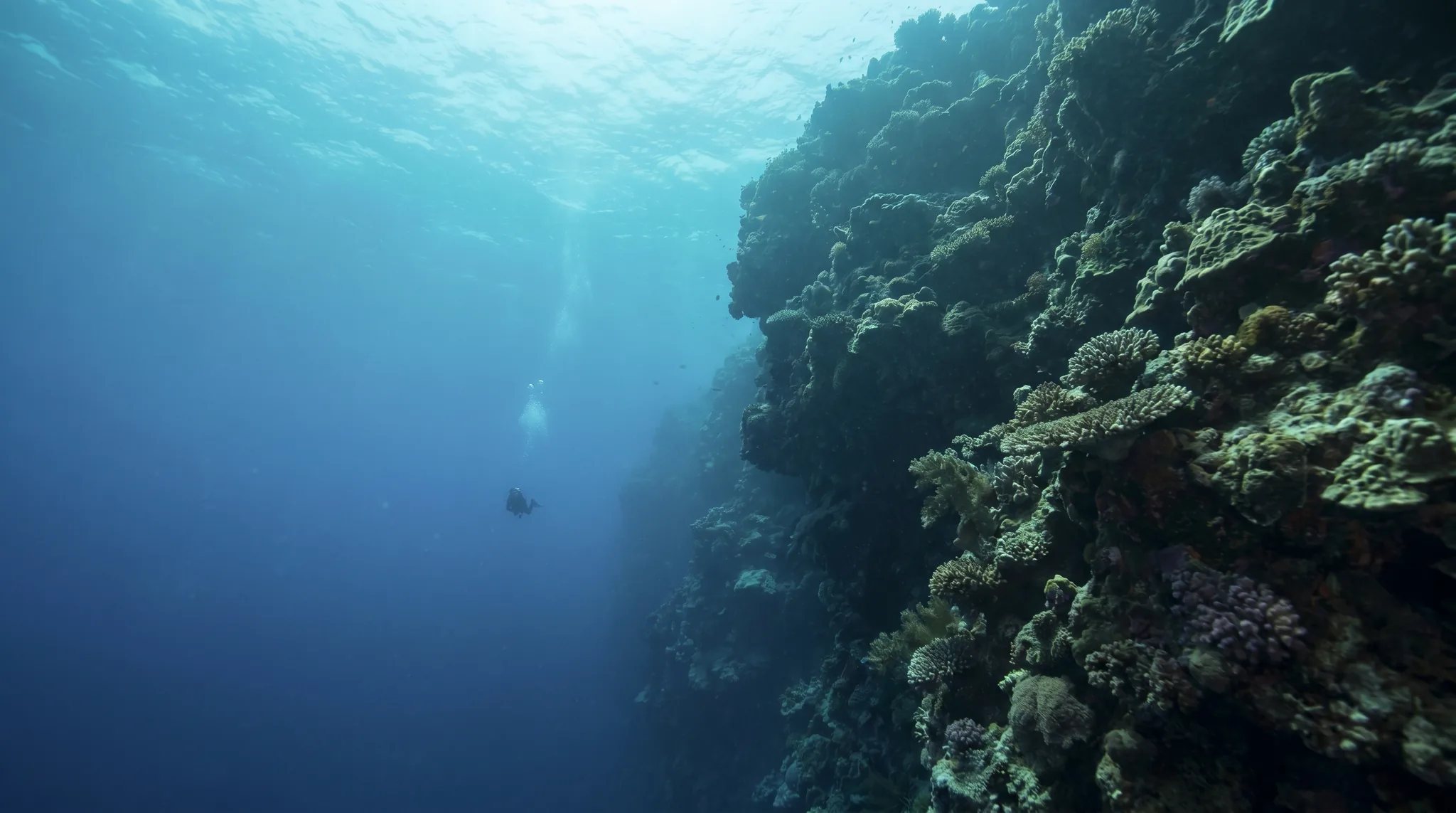
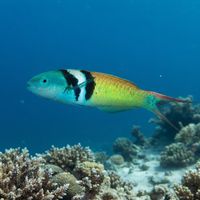
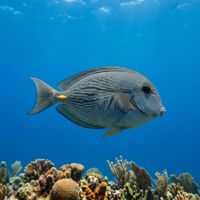
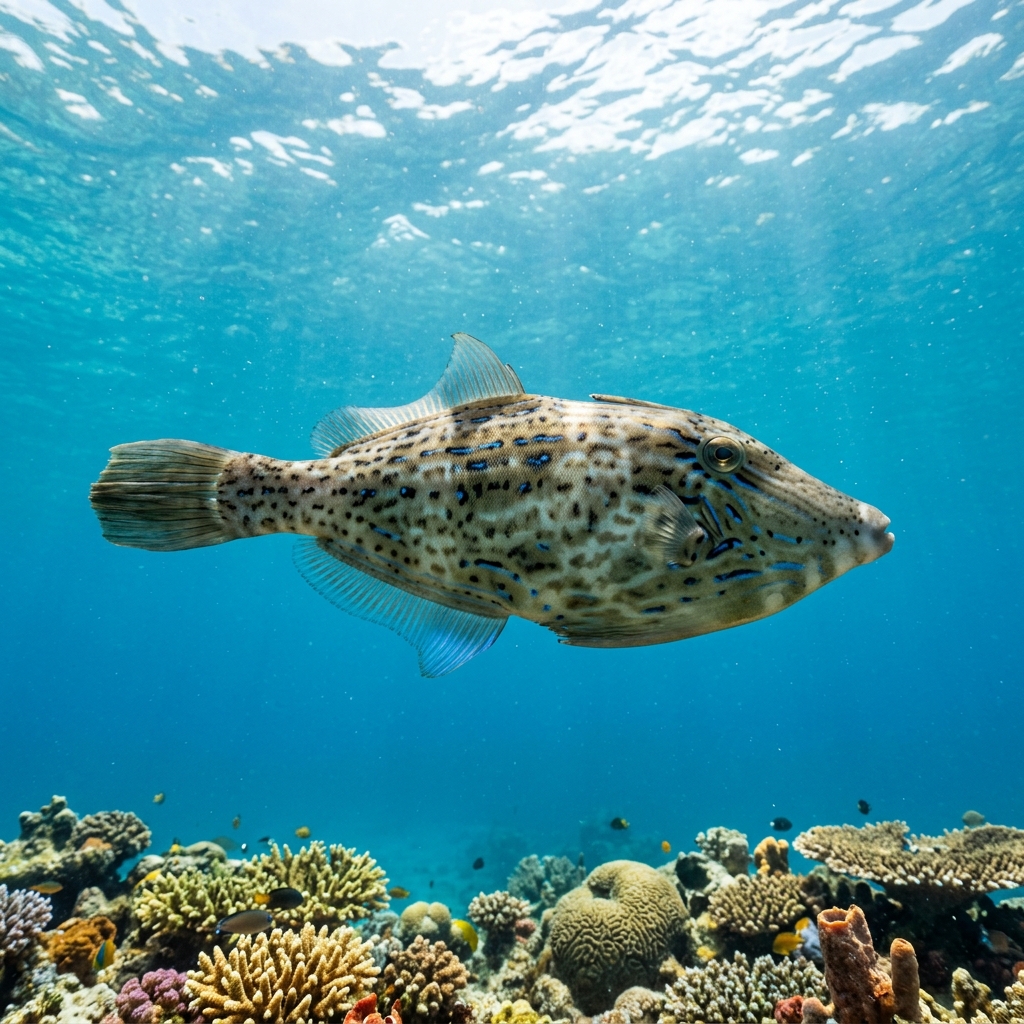
The Grenadines offer a diving landscape defined by contrast. Bequia, which holds the vast majority of sites, delivers drift dives along reef walls, a navigable wreck in the Stratmann Wreck, and deep-water pinnacles such as The Bullet for experienced divers. Tobago Cays and Union Island provide a calmer counterpoint, with sheltered lagoon, seagrass and reef habitats suited to beginners. Currents are a recurring theme across the region, shaping both site character and skill requirements. Moray eels are well represented, with Chain Moray, Spotted Moray and Goldentail Moray all observed frequently, alongside Brazilian Reef Octopus, Rock Beauty and widespread reef fish communities including Blue Tang and Scrawled Filefish.
2 areas

Monthly water temperature across The Grenadines's sites, from satellite sea-surface data corrected for depth. The band shows the site-to-site spread.
Water stays warm year-round, rising to its peak through the late summer and early autumn months. Conditions favour diving throughout the year, though scores from operators suggest June and July as a sweet spot, balancing good visibility with settled weather. Many sites involve persistent currents, so conditions can shift with tidal patterns and exposure.
16 operators
Kingstown, Saint Vincent and the Grenadines
Saint Vincent and the Grenadines
Saint Vincent and the Grenadines
Hillsborough, Saint Vincent and the Grenadines
Water temperature around The Grenadines ranges from about 27°C in January to 30°C in September, based on satellite sea-temperature data for its dive sites.
With water around 27–30°C, a rash guard or 3mm shorty works in The Grenadines year-round.
Fin maps 32 sites in The Grenadines (32 scuba diving sites and 7 snorkelling spots, with some suited to both), organised into 2 areas.
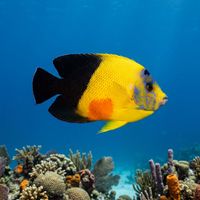
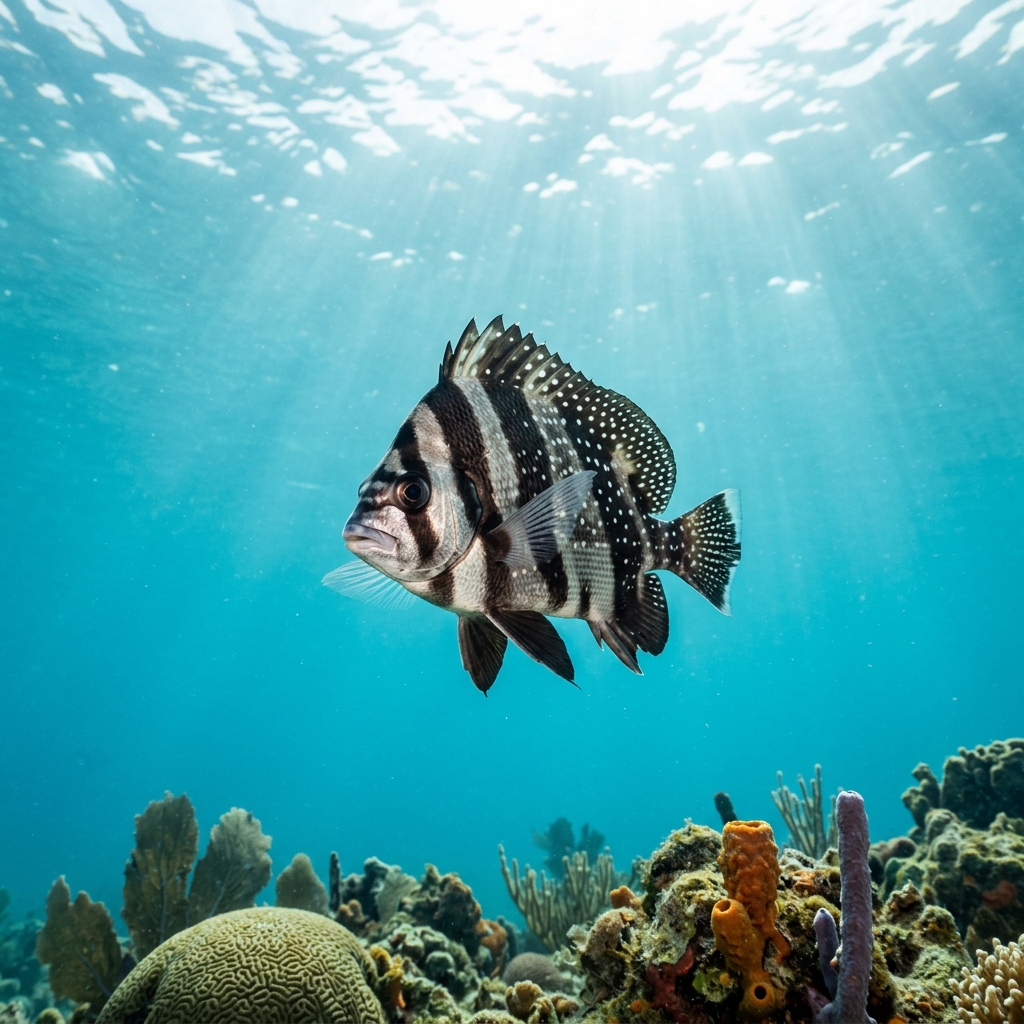
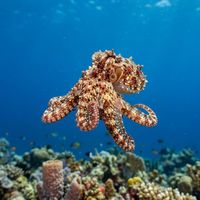
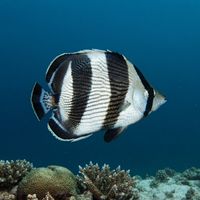
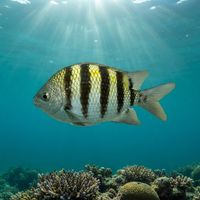
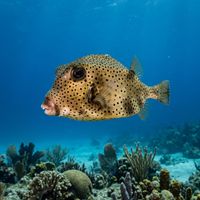
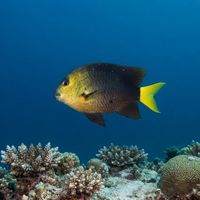
The Grenadines have a strong showing of eels, with Chain Moray, Spotted Moray and Goldentail Moray all observed across many sites. Brazilian Reef Octopus is one of the signature species of the region. Reef fish are diverse and widespread, including Rock Beauty, Blue Tang, Foureye Butterfly Fish, Scrawled Filefish and Smooth Trunkfish. Invertebrate life such as Arrow Crab, Banded Coral Shrimp and Reef Squid round out the picture.
The region accommodates a range of skill levels. Sites such as The Tobago Cays and Devils Table are rated for beginners, offering shallower reef environments with calmer conditions. However, many of the most prominent Bequia sites, including Bequia Head, The Bullet and West Cay Wall, involve strong or unpredictable currents and are rated intermediate to advanced. Beginners will find the Tobago Cays and Union Island sub-area particularly accessible.
Bequia dominates the region in terms of site variety, ranging from drift walls and a wreck to deep pinnacles. The diving here tends toward intermediate and advanced profiles, with currents featuring at many sites. Tobago Cays and Union Island offer a smaller selection of sites set within sheltered lagoon and seagrass environments, making them well suited to less experienced divers. The contrast makes the region workable for mixed-ability groups travelling together.
Almost all sites in The Grenadines are accessed by boat, which reflects both the geography of the island chain and the nature of the drift and reef diving on offer. Chatham Bay is a notable exception with shore entry available. Several operators serve the region, including Grenadines Dive Shop, Wild Turtle Scuba, Just Keep Dive'n and Petit St. Vincent Dive Center, among others.
