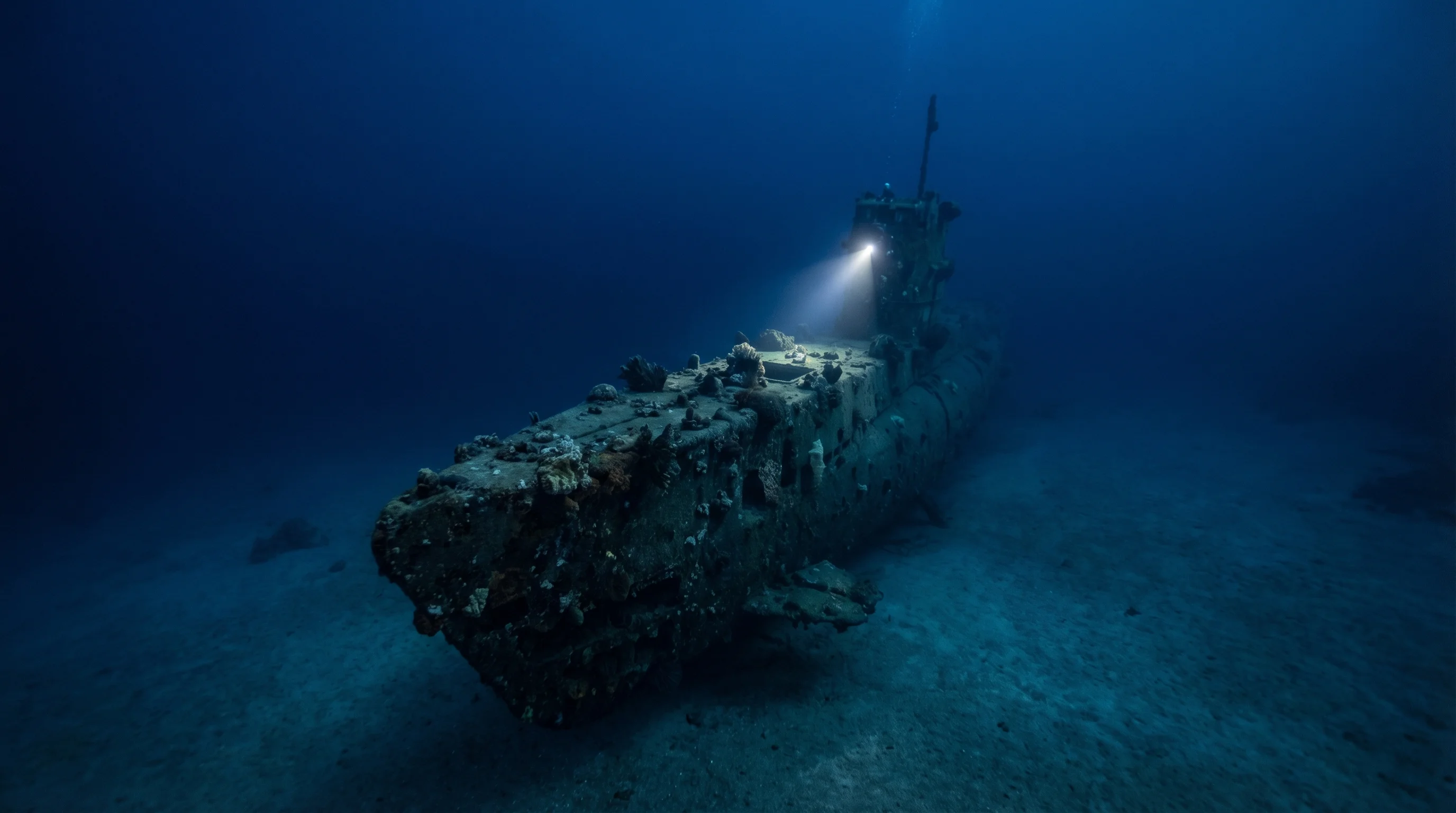
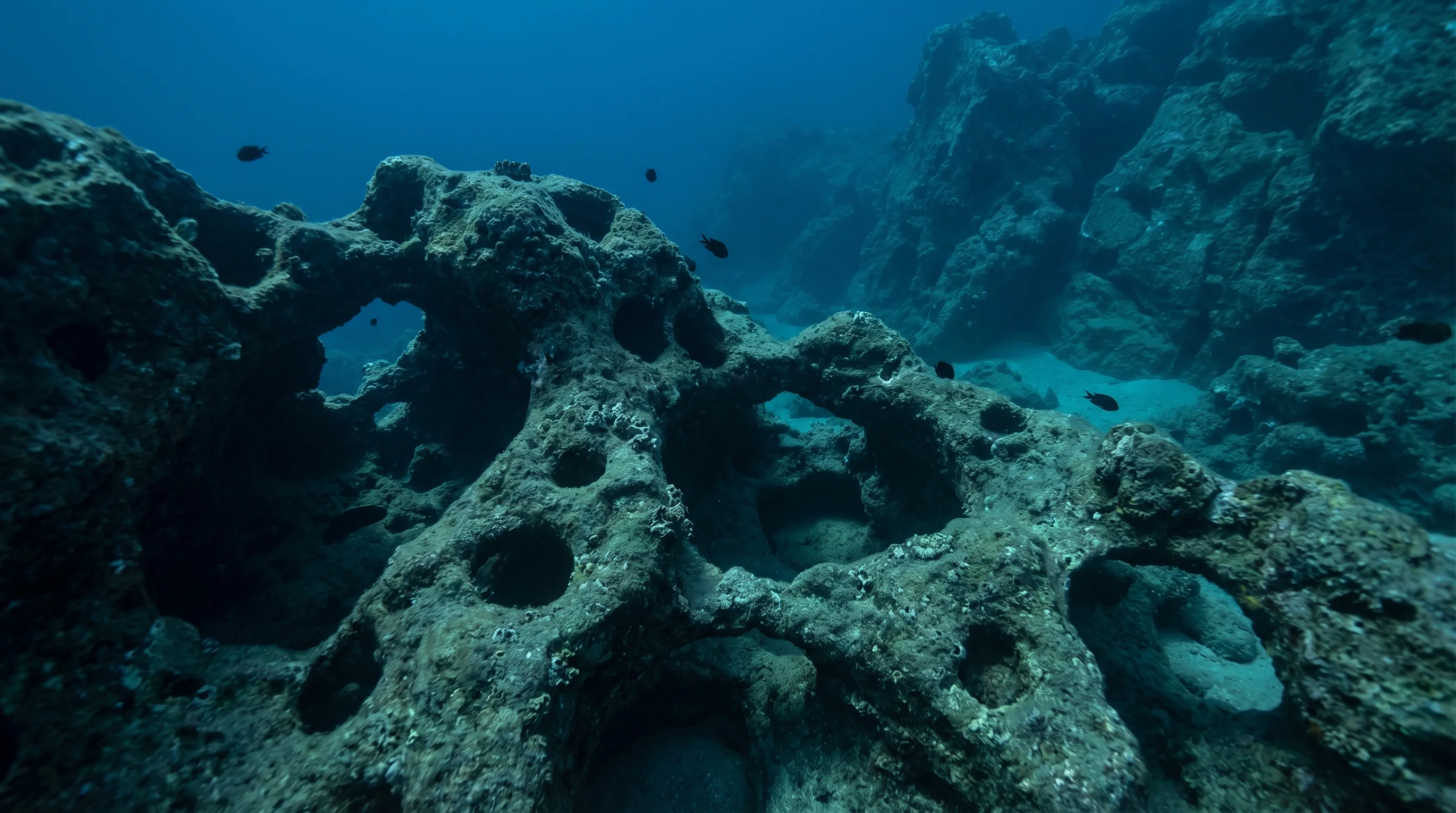
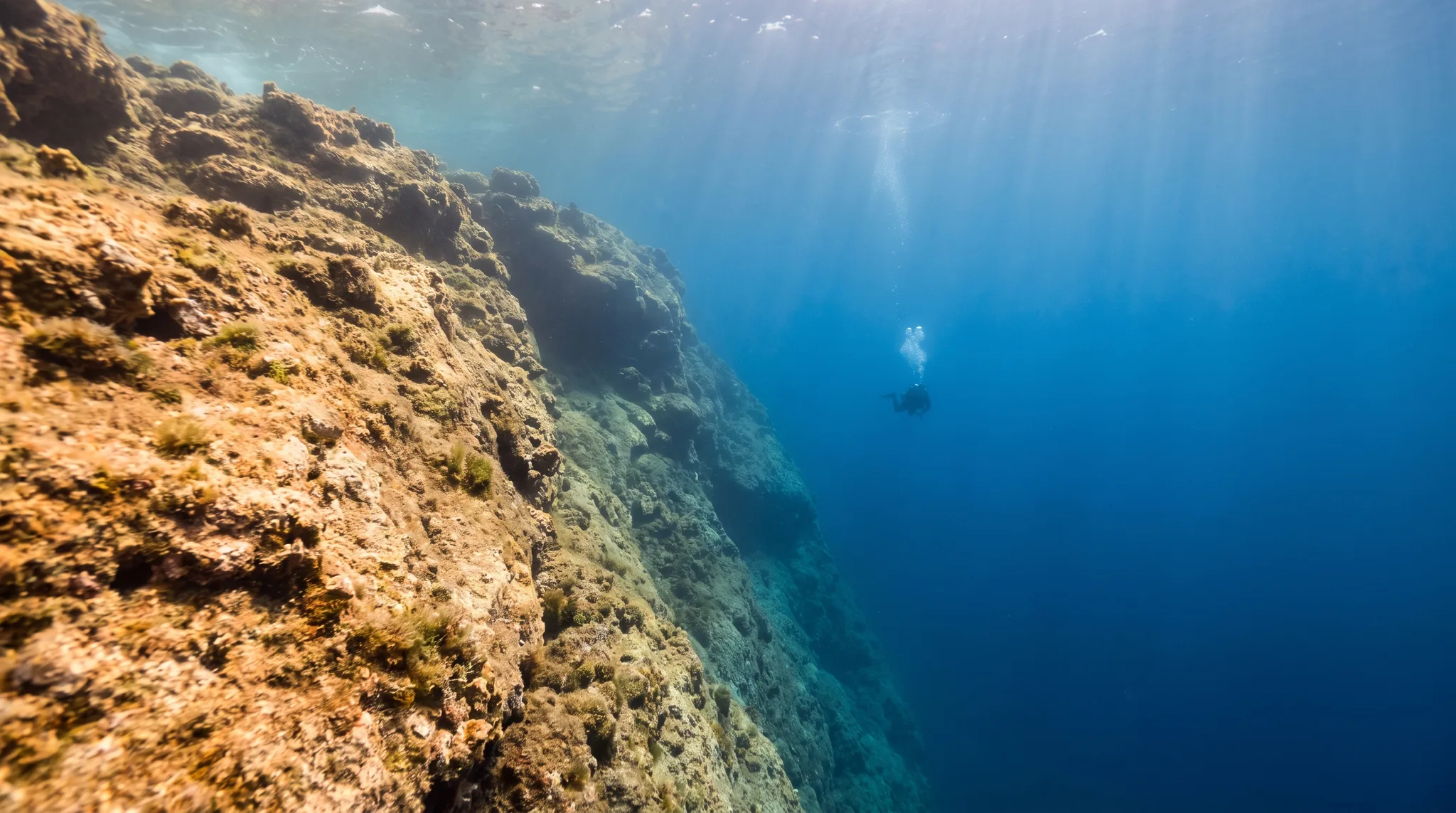
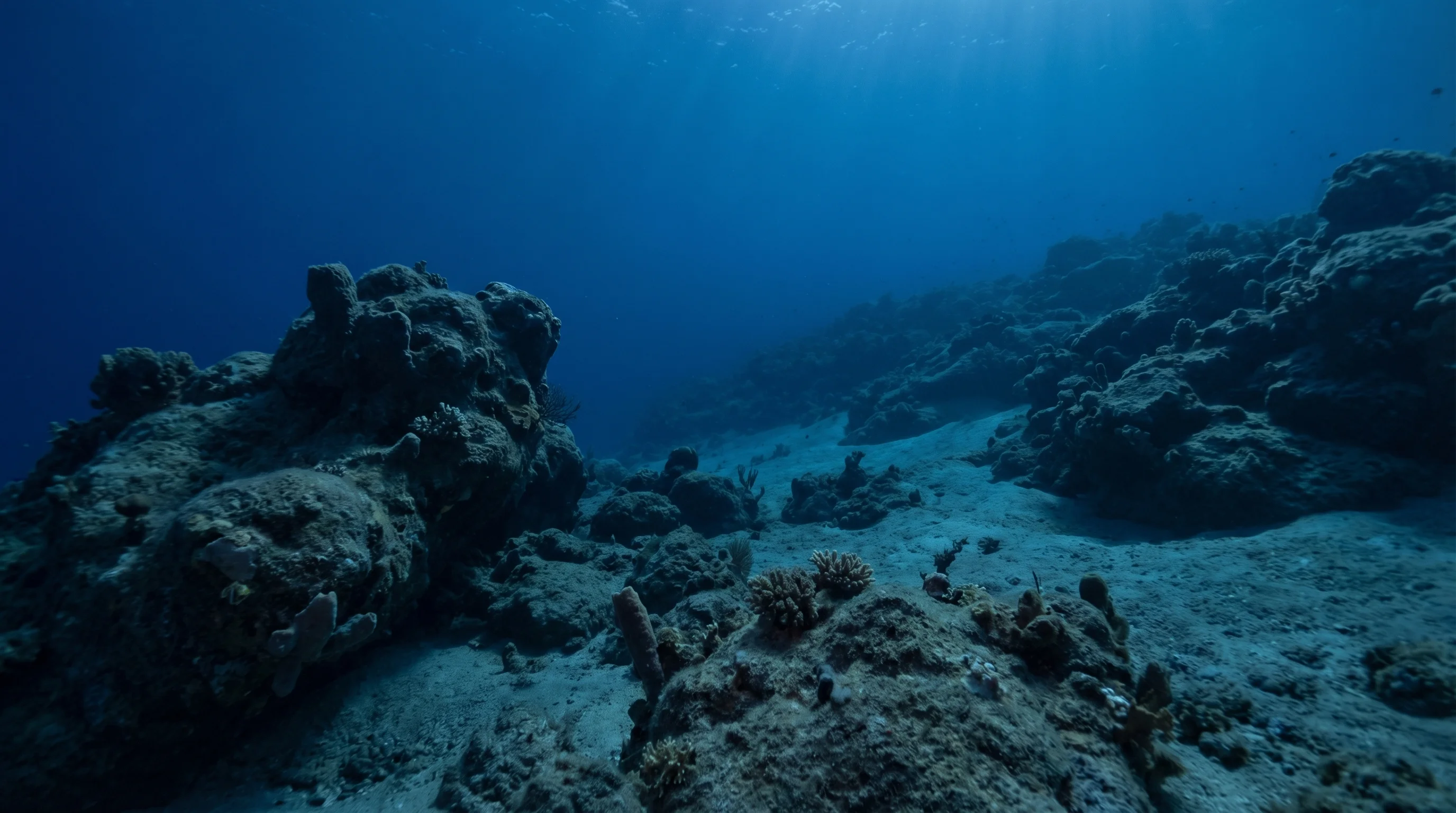
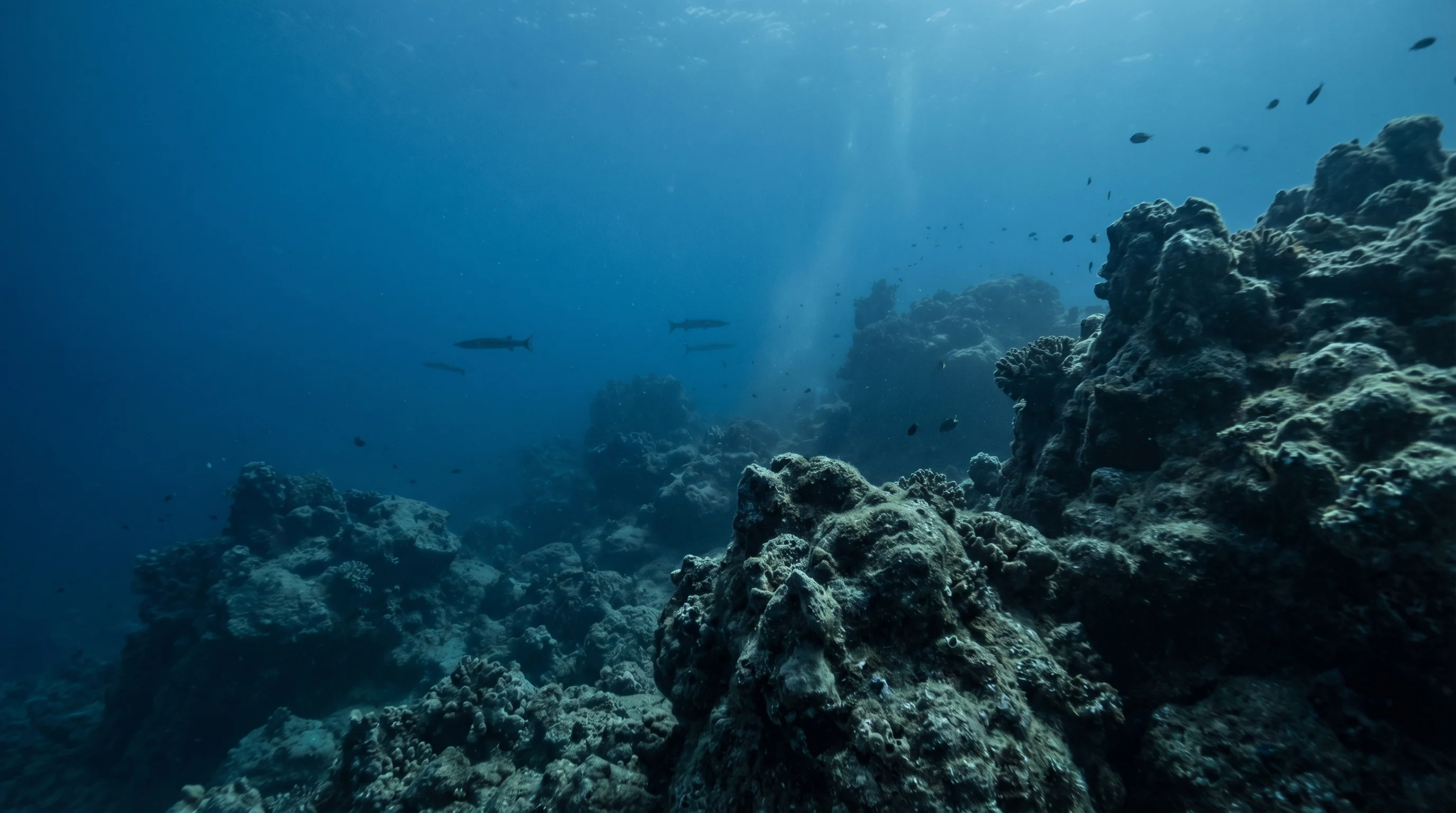
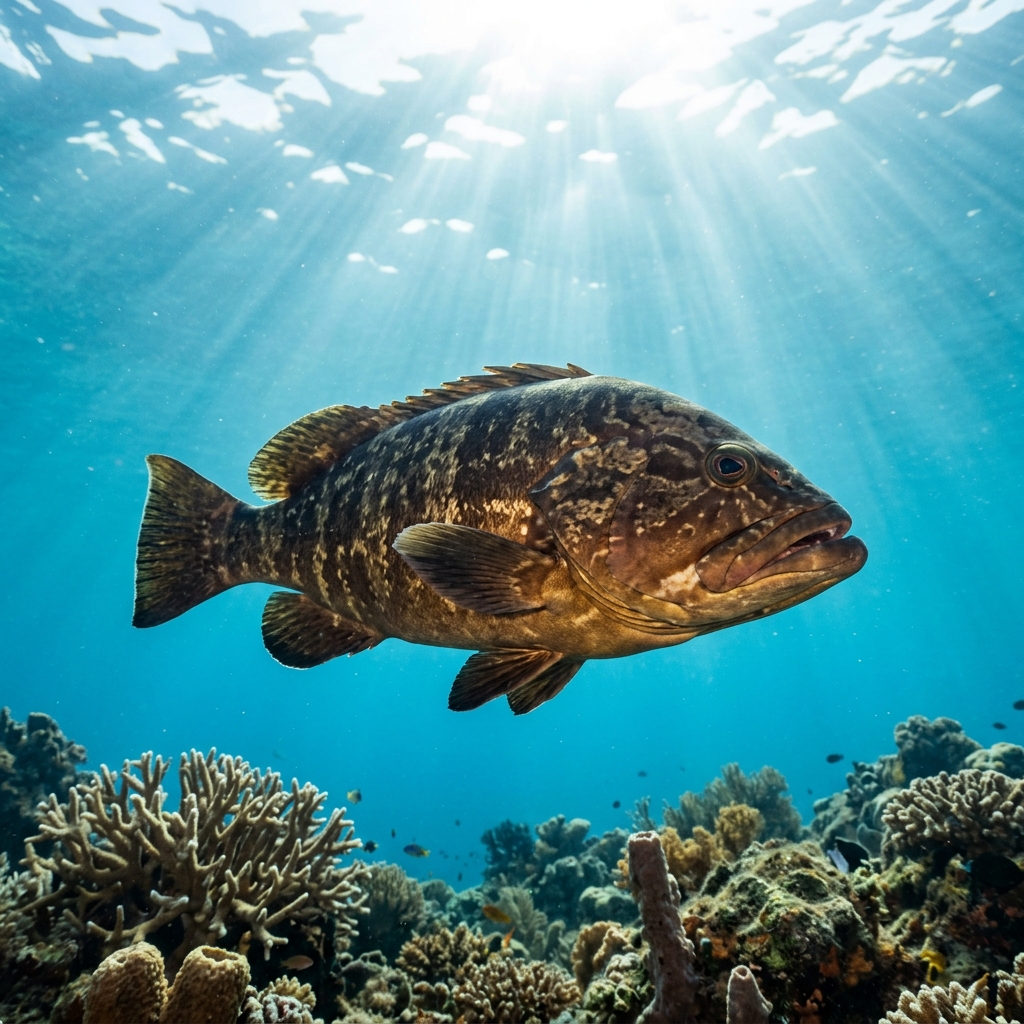
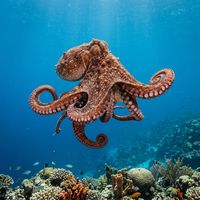
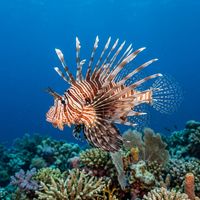
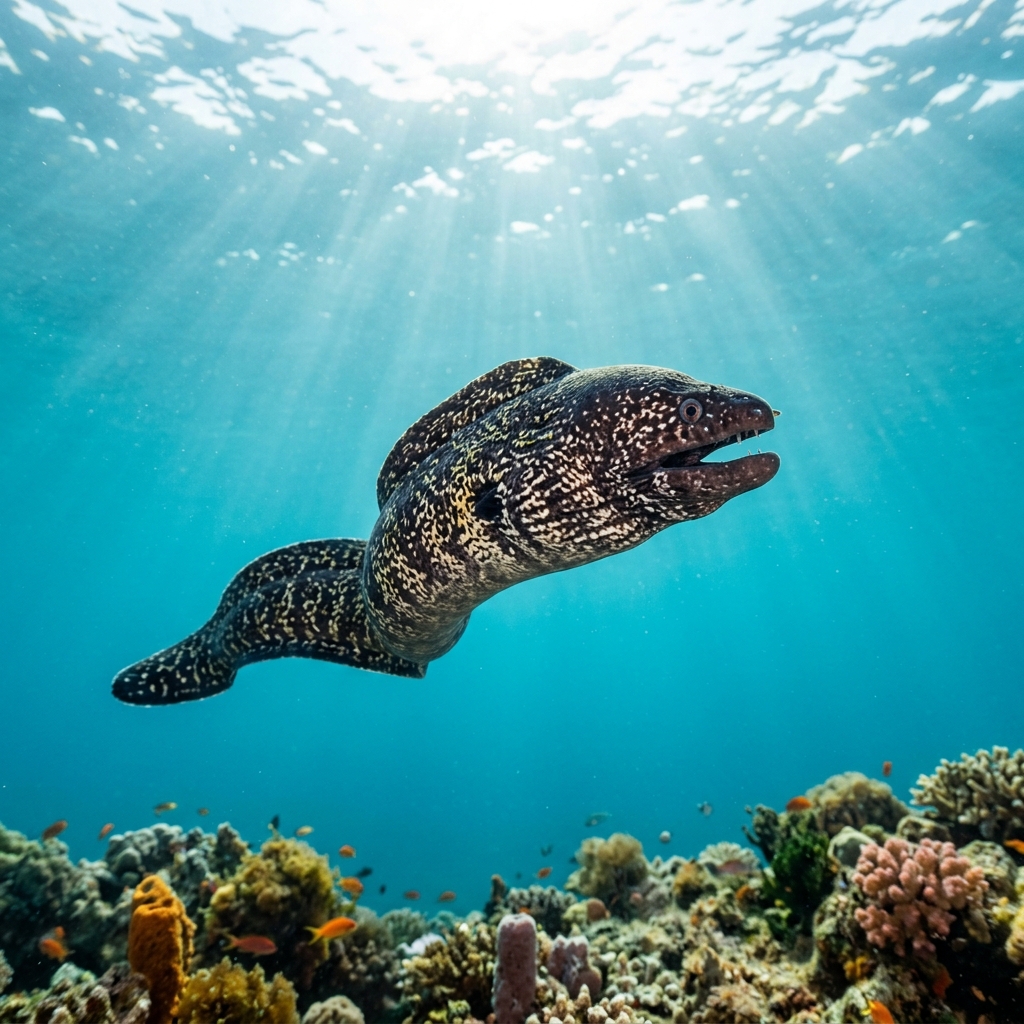
Zakynthos is defined by cave and cavern diving, walls that drop to serious depths, and one of the most consistent Loggerhead Sea Turtle encounters in the region. Nearly all sites are reached by boat. The mix runs from shallow beginner reefs to deep wall and cavern systems for intermediate divers. Alongside the turtles, the Common Octopus, Dusky Grouper, Mediterranean Moray, and Indian Lionfish are observed across the majority of sites. Snorkelling is well served at shallow sites around Marathonisi and Cameo Island.
Monthly water temperature across Zakynthos's sites, from satellite sea-surface data corrected for depth. The band shows the site-to-site spread.
Water temperature rises steadily from spring into late summer, peaking in September before cooling through autumn. The warmest months bring the most comfortable conditions for longer dives, particularly at deeper wall and cavern sites. Spring and autumn still offer good diving with cooler water and typically fewer visitors.
21 operators
13 more sites to explore
Water temperature around Zakynthos ranges from about 16°C in February to 25°C in September, based on satellite sea-temperature data for its dive sites.
In the warm season (about 25°C) a 3mm full suit is comfortable in Zakynthos; in the coldest months (about 16°C) step up to a 7mm or semi-dry suit.
Fin maps 25 sites in Zakynthos (21 scuba diving sites and 9 snorkelling spots, with some suited to both).
Across Zakynthos's dive sites, June, July, August and September are most often reported as the best months to visit.
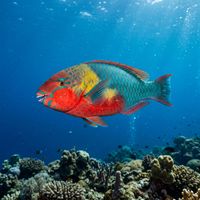
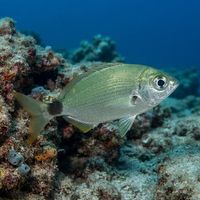
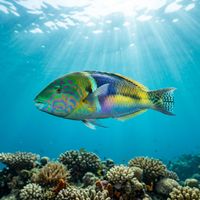
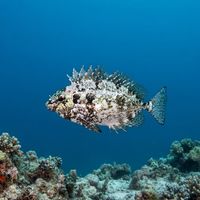
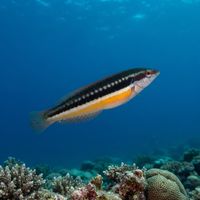
Zakynthos has an impressive list of observed species. The Loggerhead Sea Turtle is very commonly encountered, as are the Common Octopus, Dusky Grouper, Indian Lionfish, and Mediterranean Moray. Reef fish including the European Parrotfish, Turkish Wrasse, White Seabream, and Painted Comber are present across most sites, and the European Common Cuttlefish appears occasionally.
Yes, a good portion of the sites in Zakynthos are rated for beginners. Marathia, White Reef, Octopus Reef, and Little Bay all offer beginner-friendly conditions with relatively shallow average depths and reef or cavern topography. These sites are all boat-access, so you will need to go out with one of the local dive operators.
The vast majority of sites in Zakynthos are reached by boat. Cameo Island is a notable exception, accessible from shore and suitable for beginners and snorkellers. For almost everything else, including the cave systems at Keri Caves and the deeper walls, you will need to arrange a boat trip through one of the local operators.
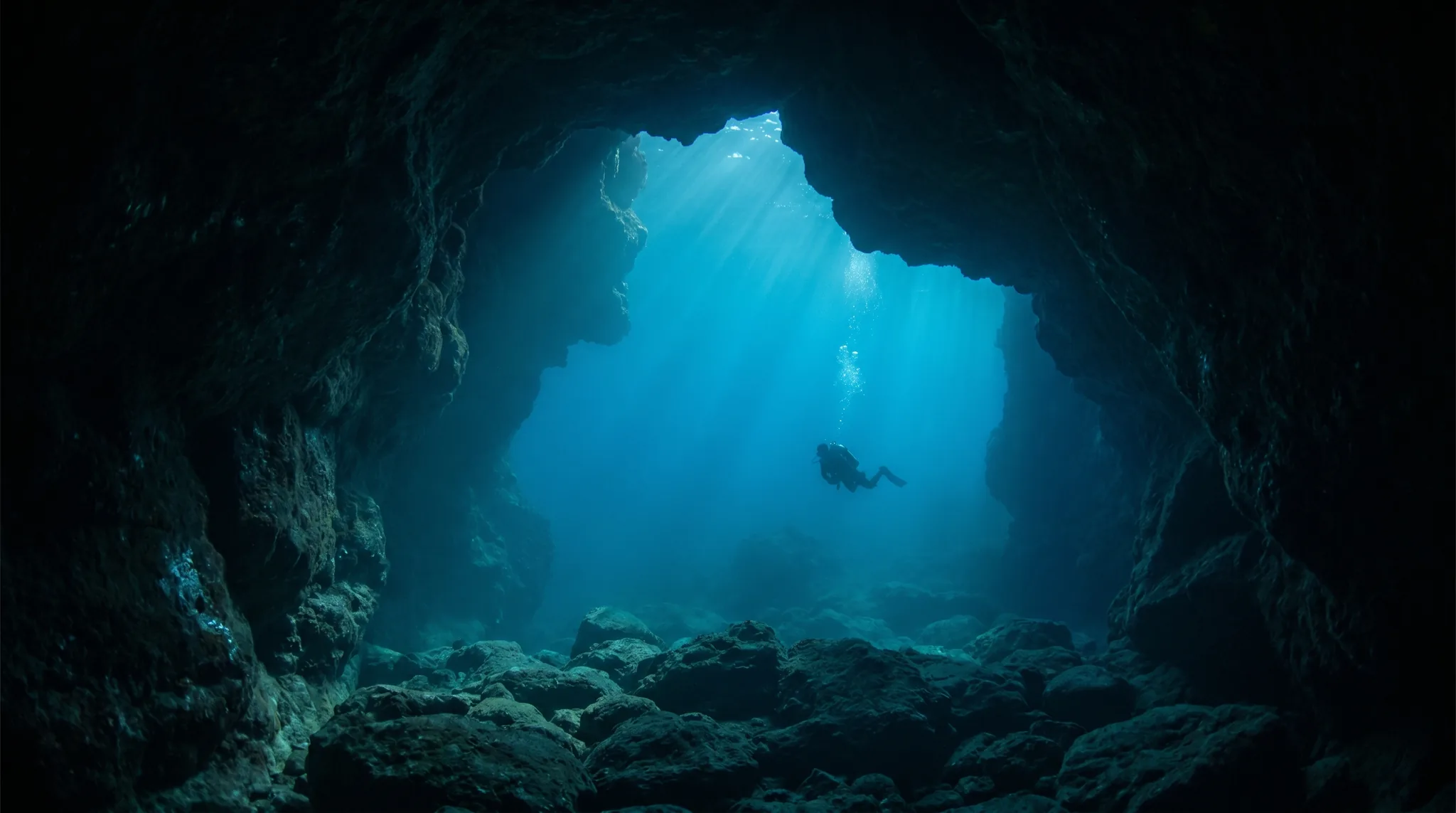
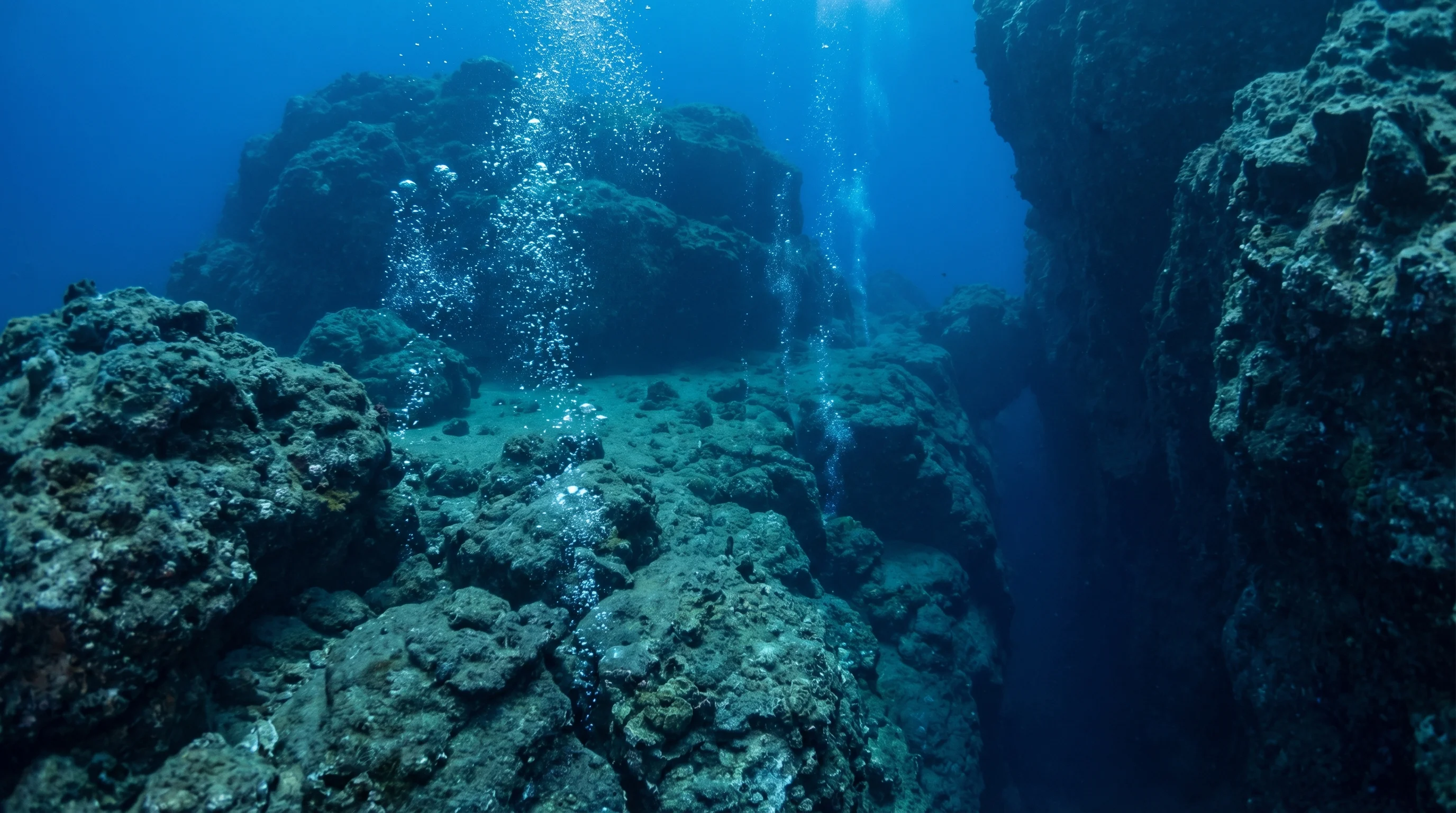
Zakynthos is particularly strong for cave and cavern diving, with sites like Keri Caves, Butterfly Cave, and Marathonisi Caves forming the centrepiece of the dive scene. Beyond caves, the area offers walls, reefs, pinnacles, canyons, and one natural arch formation. This variety means both shallow reef dives and deeper wall dives are available within the same region.