Best for beginner divers, 2-18m, boat entry, mild current.
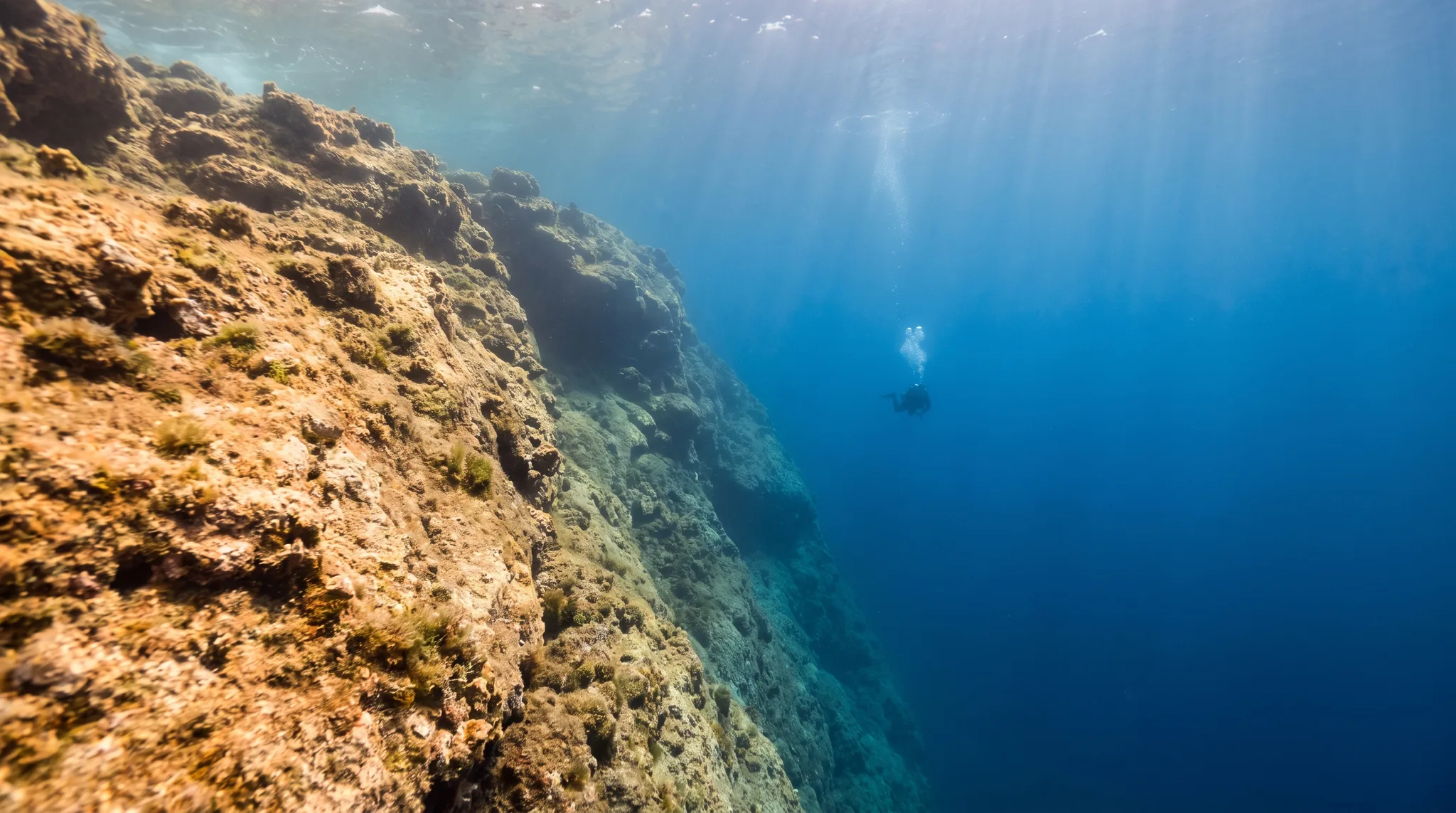
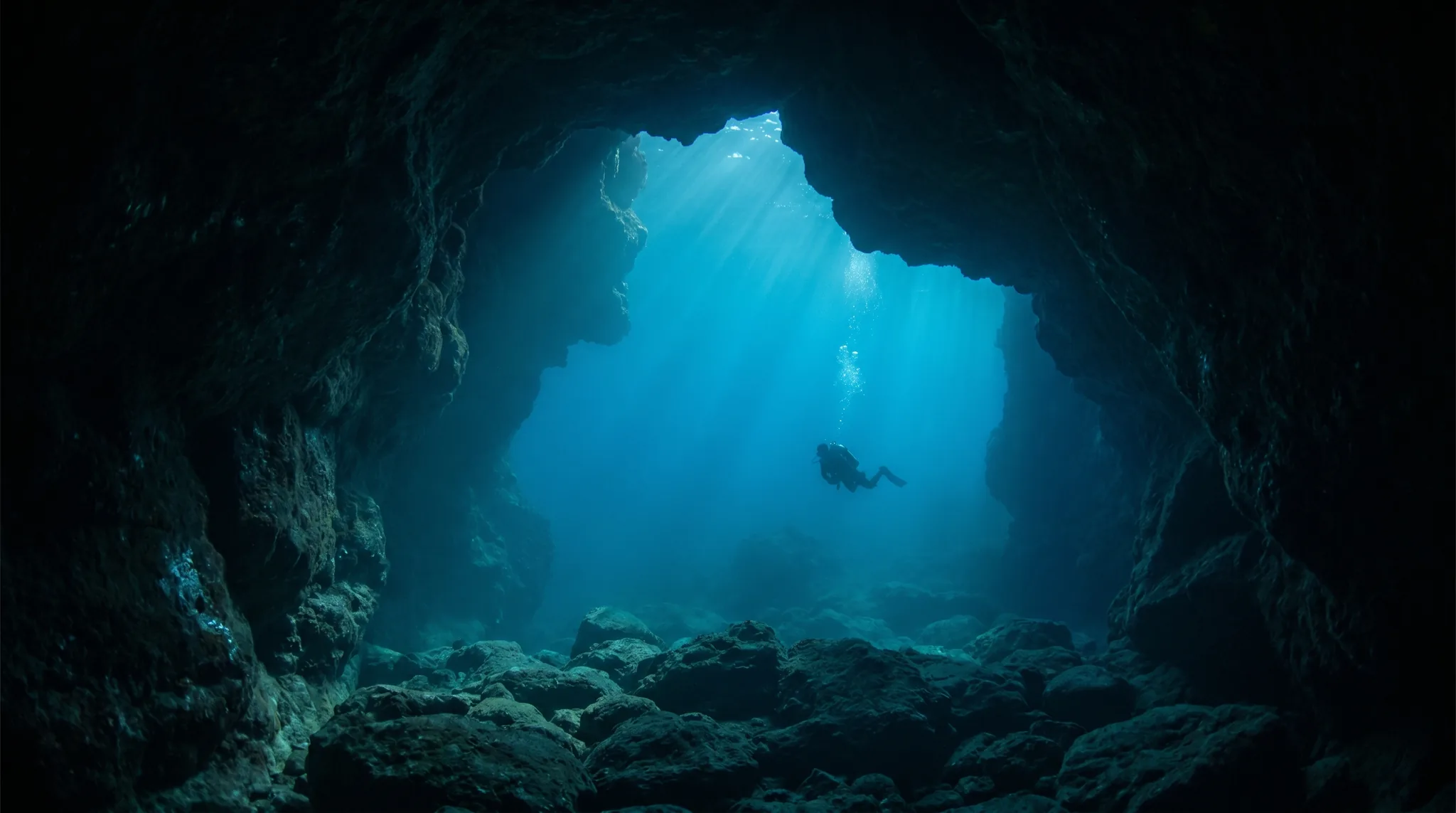
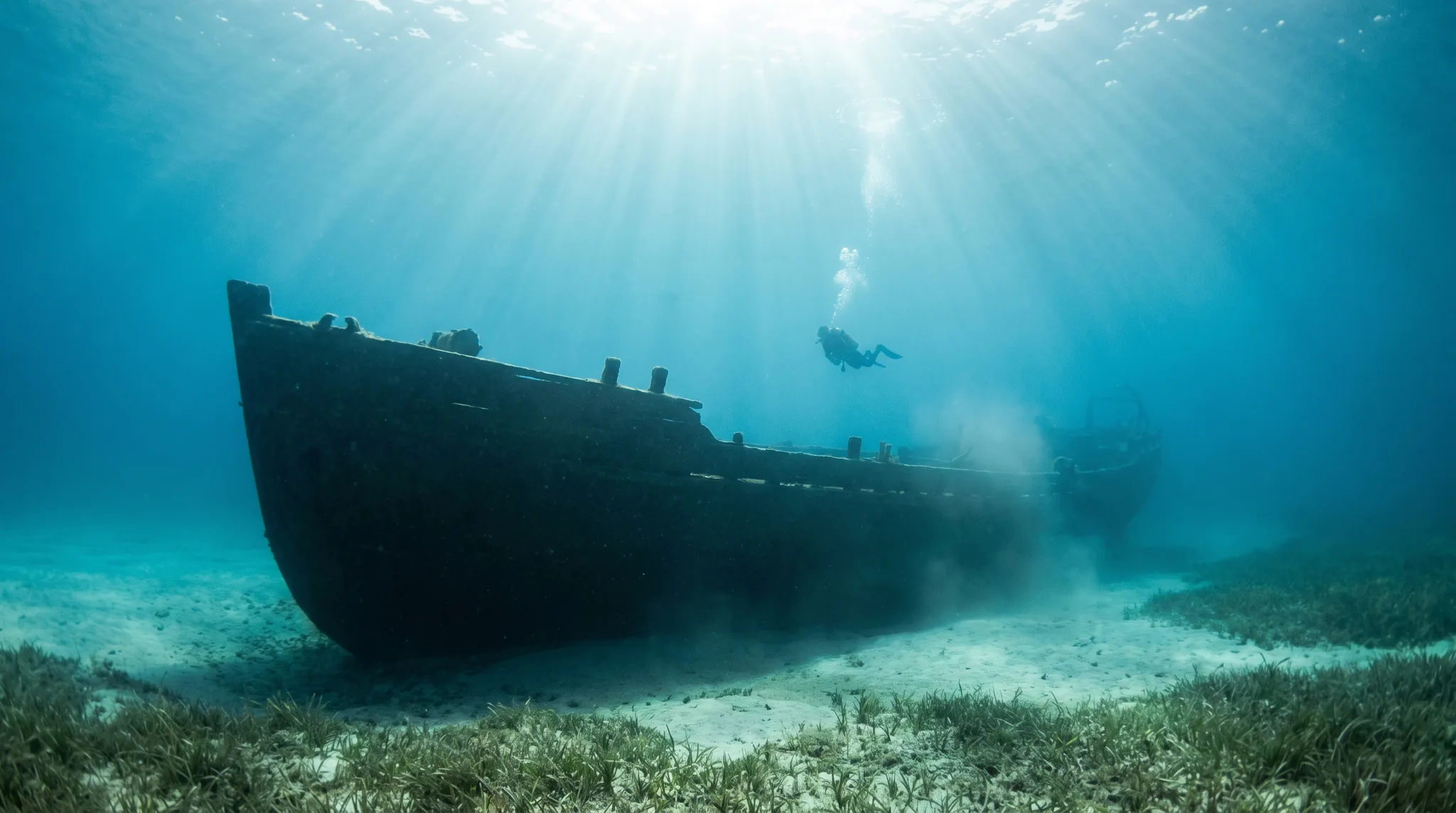
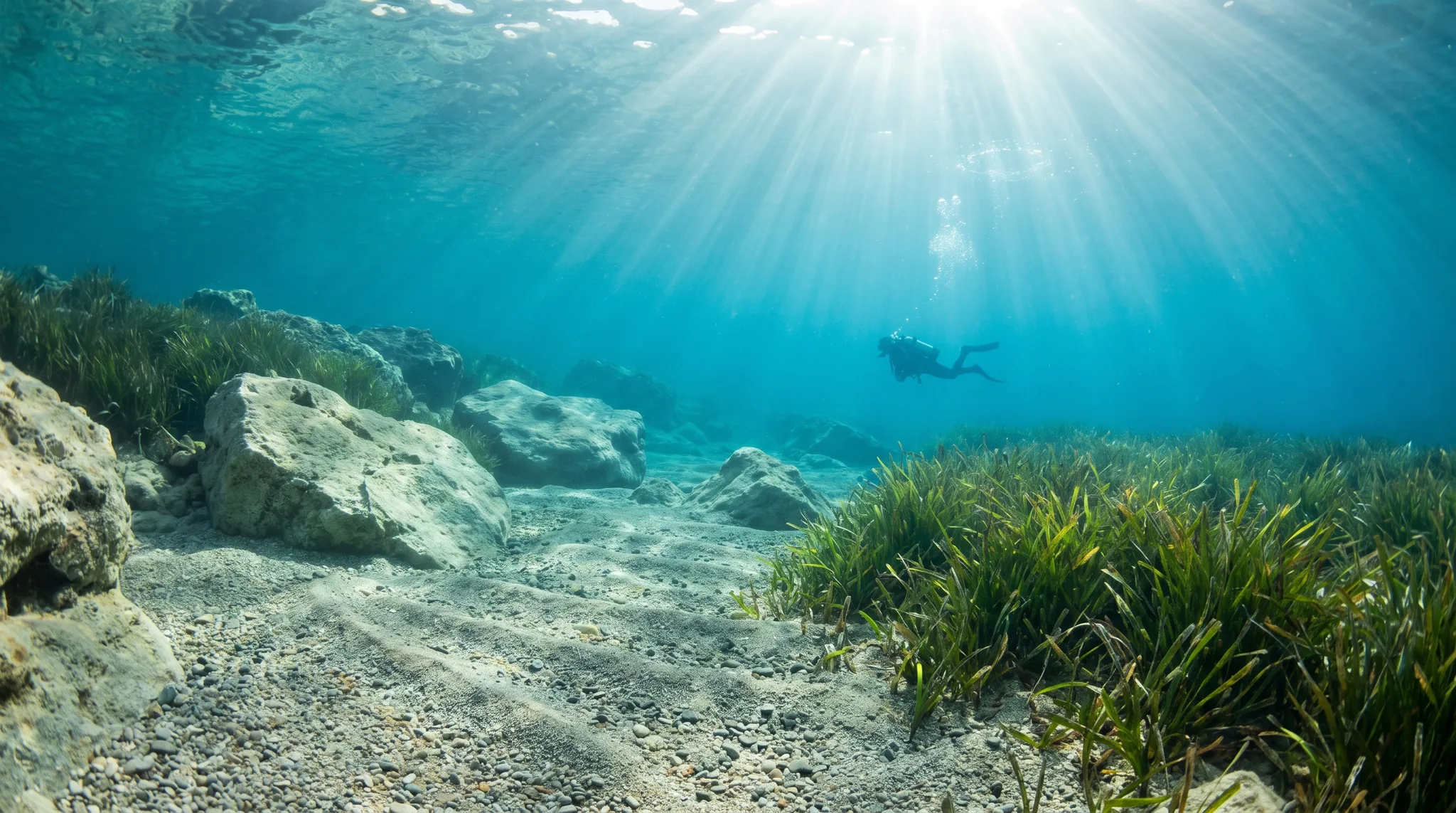
Drionisi is a boat-access site in Naxos, Greece, featuring a combination of rocky reef and seagrass beds. Divers can explore depths ranging from 2 to 18 metres, with an average depth of 10 metres. The site is suitable for beginners due to the mild currents and visibility typically ranging between 15 and 25 metres. The reef contains sharp rock surfaces, so divers should maintain buoyancy and avoid contact with the substrate. Wearing gloves and full exposure protection is recommended to prevent injury. Typical dives last approximately 55 minutes, allowing ample time to observe the varied topography and the marine life inhabiting the reef edges and seagrass.
36.99010, 25.23660
Take your time over the seagrass beds and rocky reef edges rather than rushing through the site, as the scorpionfish and octopus here are easy to miss if you move too quickly. June and September offer the most settled conditions, so plan your trip around those months if you can.
Access info coming soon
Recorded nearby, within 20km
Depth
Up to 18m
Visibility
15-25m
Skill Level
Beginner
Entry
Boat
Boat required
Water Temp
17-24°C
Current
Mild
Typical Dive
55 min
Best Time
Jun, Sep
Yes, the site is suitable for beginners due to the mild currents and manageable depths.
The site ranges from 2 to 18 metres deep, with an average depth of 10 metres.
Drionisi is a boat-access site and requires a boat to reach.
June and September offer the most settled conditions for diving at this site.
The reef features sharp rock surfaces, so divers should avoid touching the reef and wear gloves and full exposure protection.
Diving at Drionisi in Páros requires the following certifications: Open Water. Always dive within your training limits.
A 5mm wetsuit is recommended for diving at Drionisi in Páros. Water temperatures range from 17°C to 24°C.
Drionisi in Páros typically has mild currents that most divers can handle comfortably.
Visibility at Drionisi in Páros typically ranges from 15 metres to 25 metres. Conditions vary with weather, tides, and seasons.