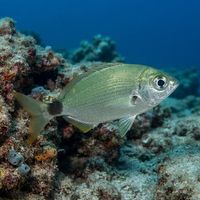
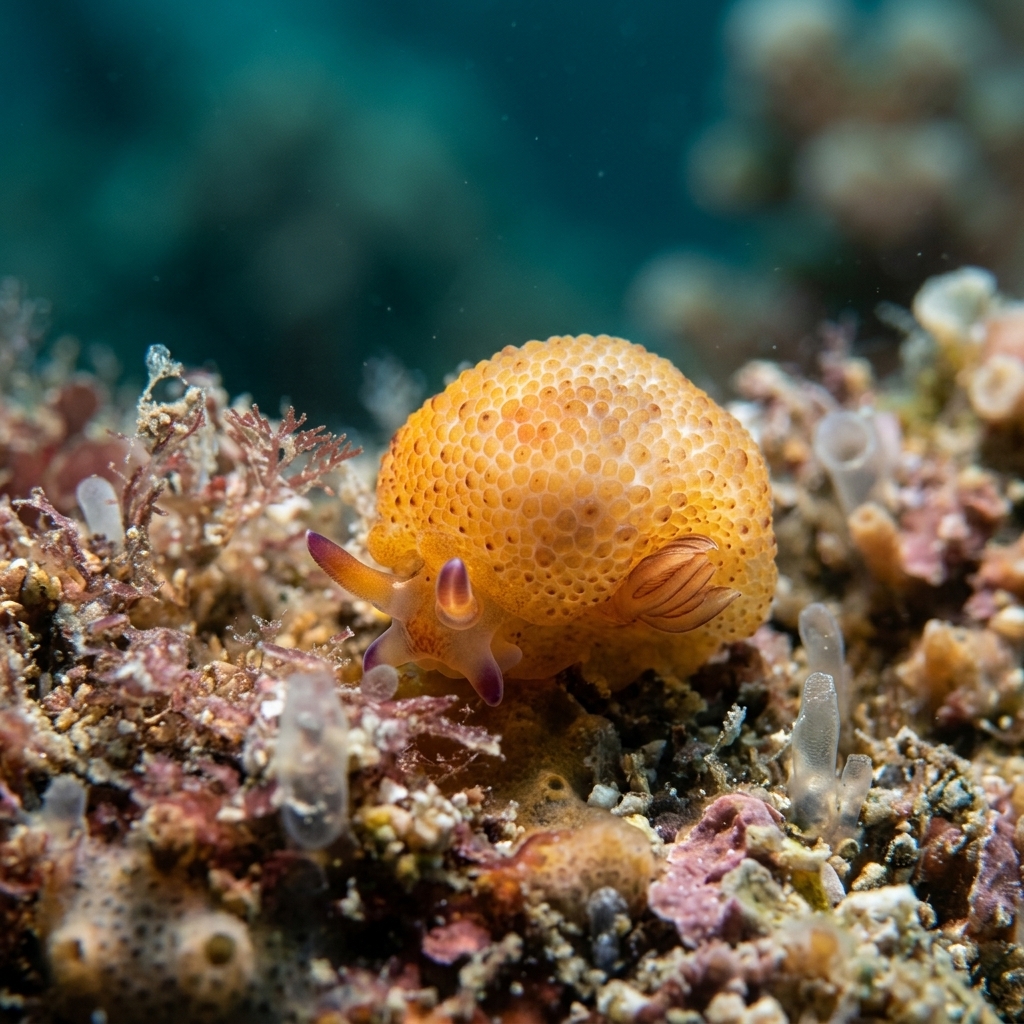
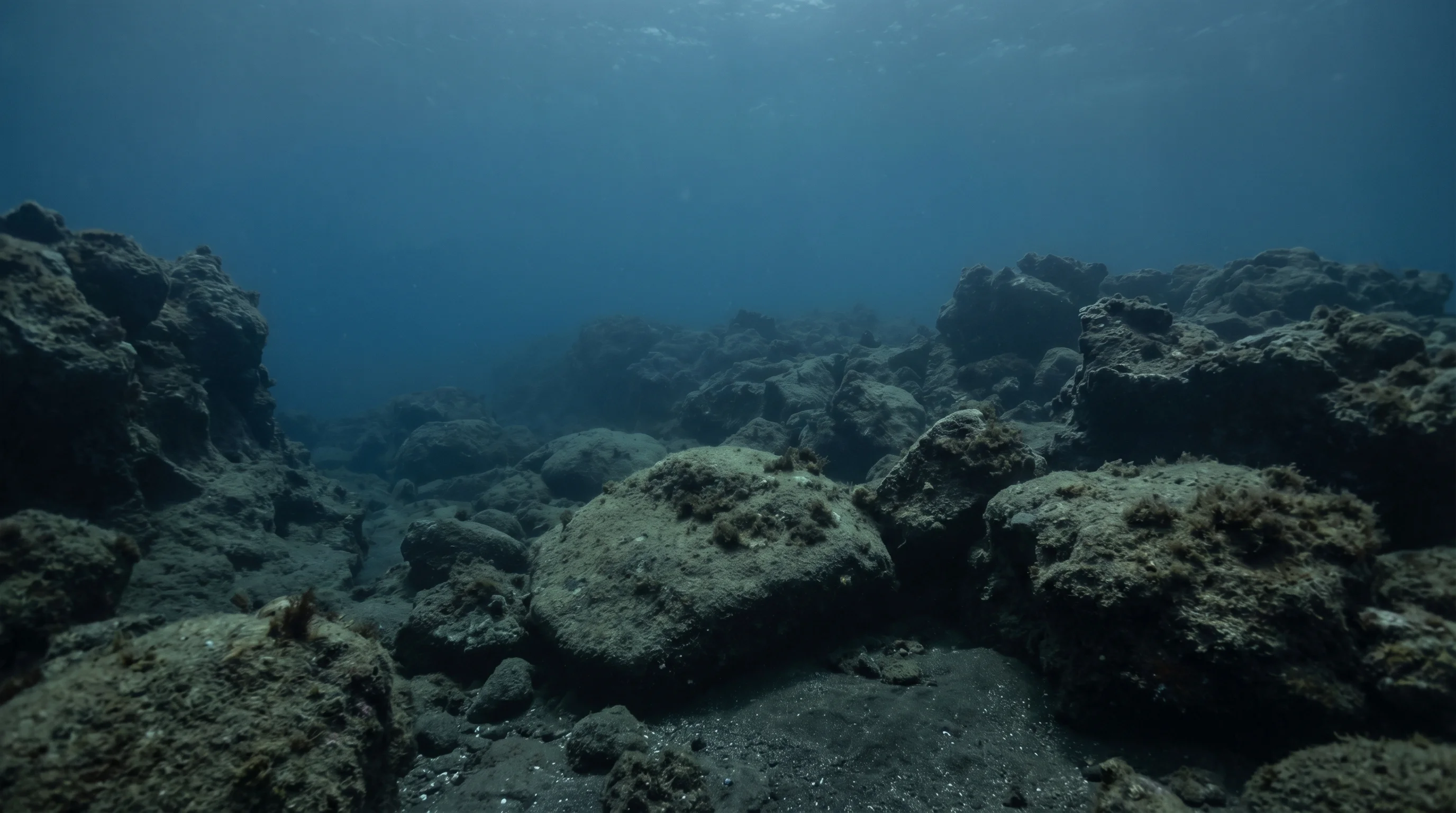
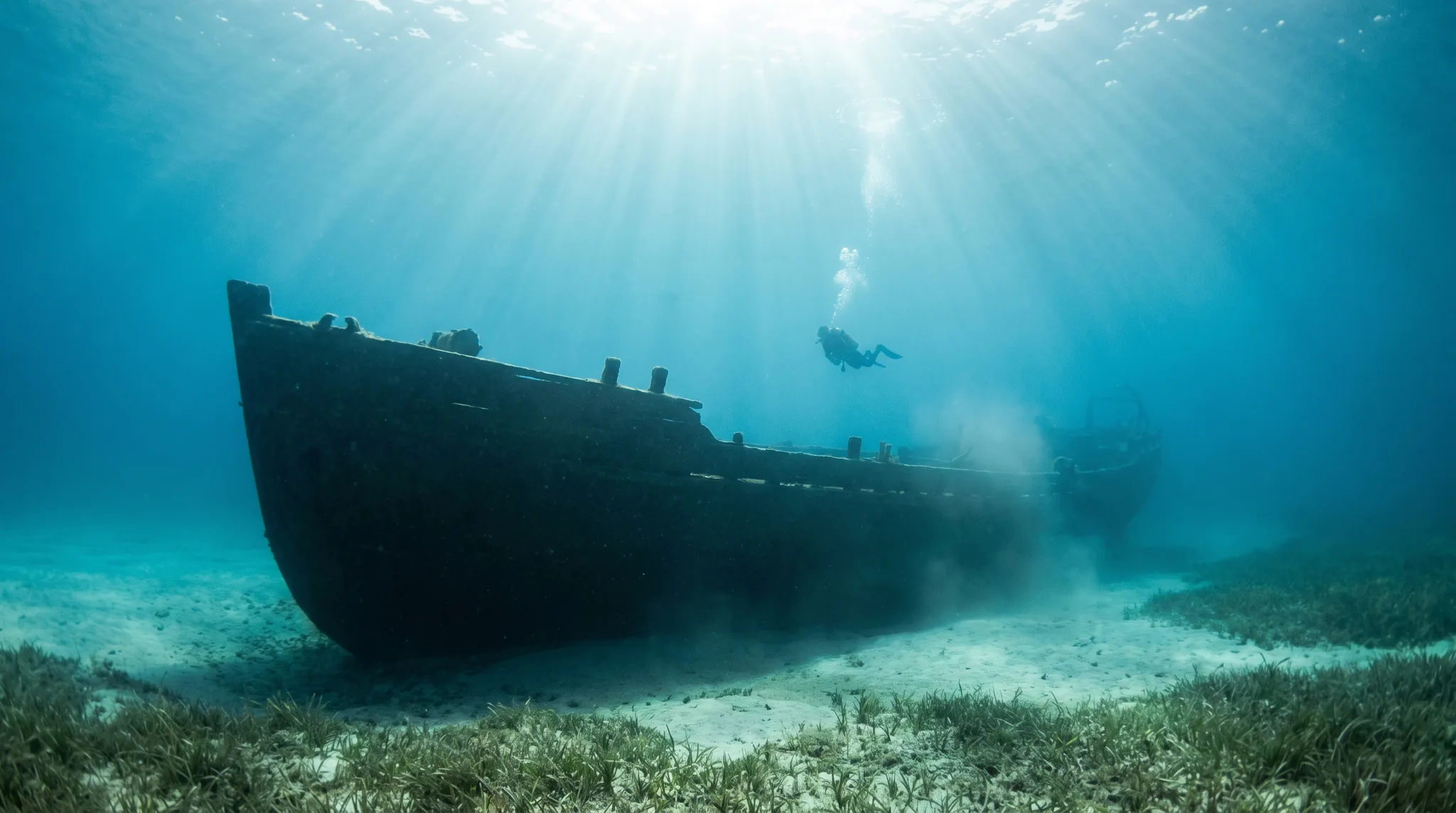
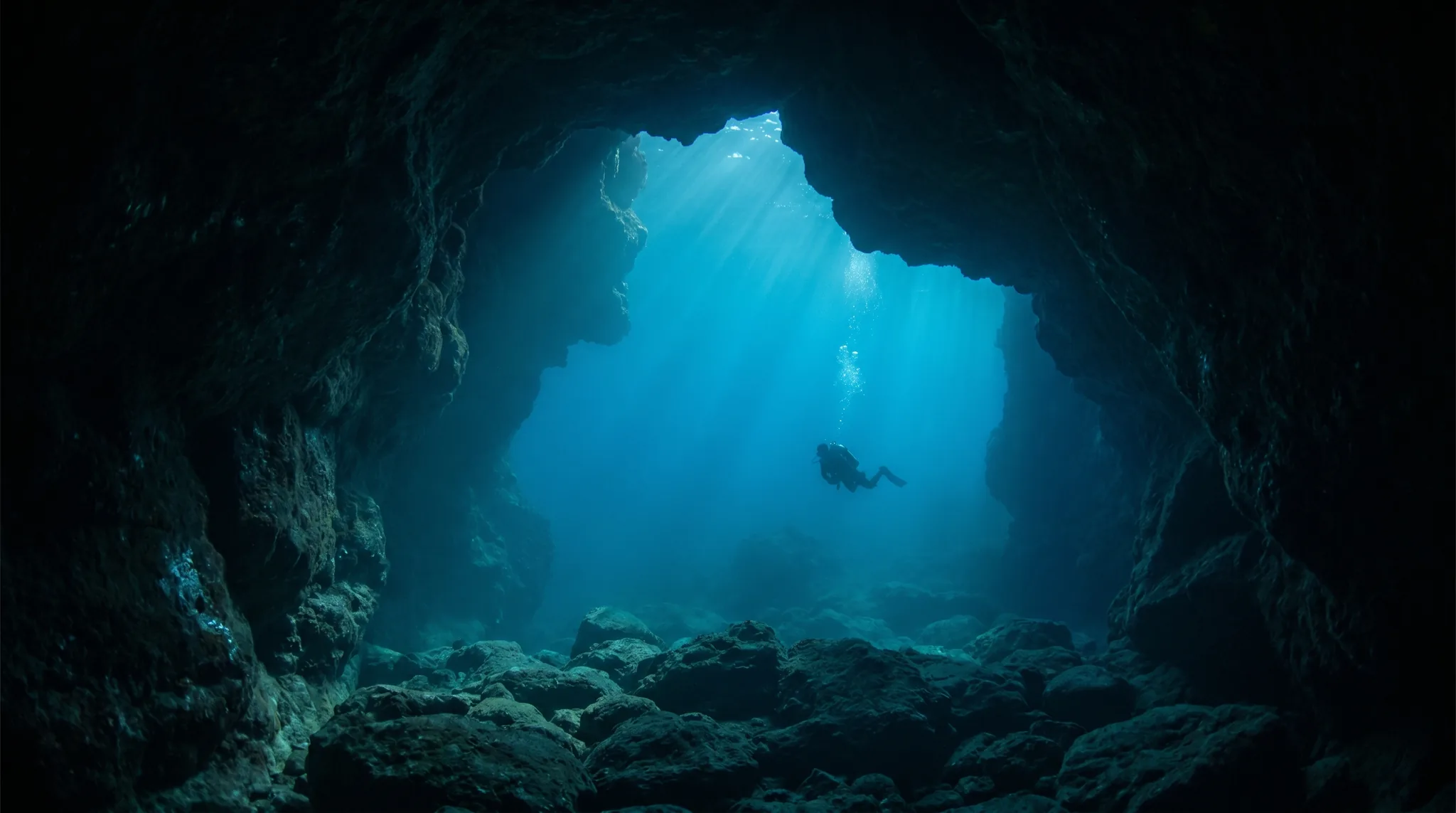
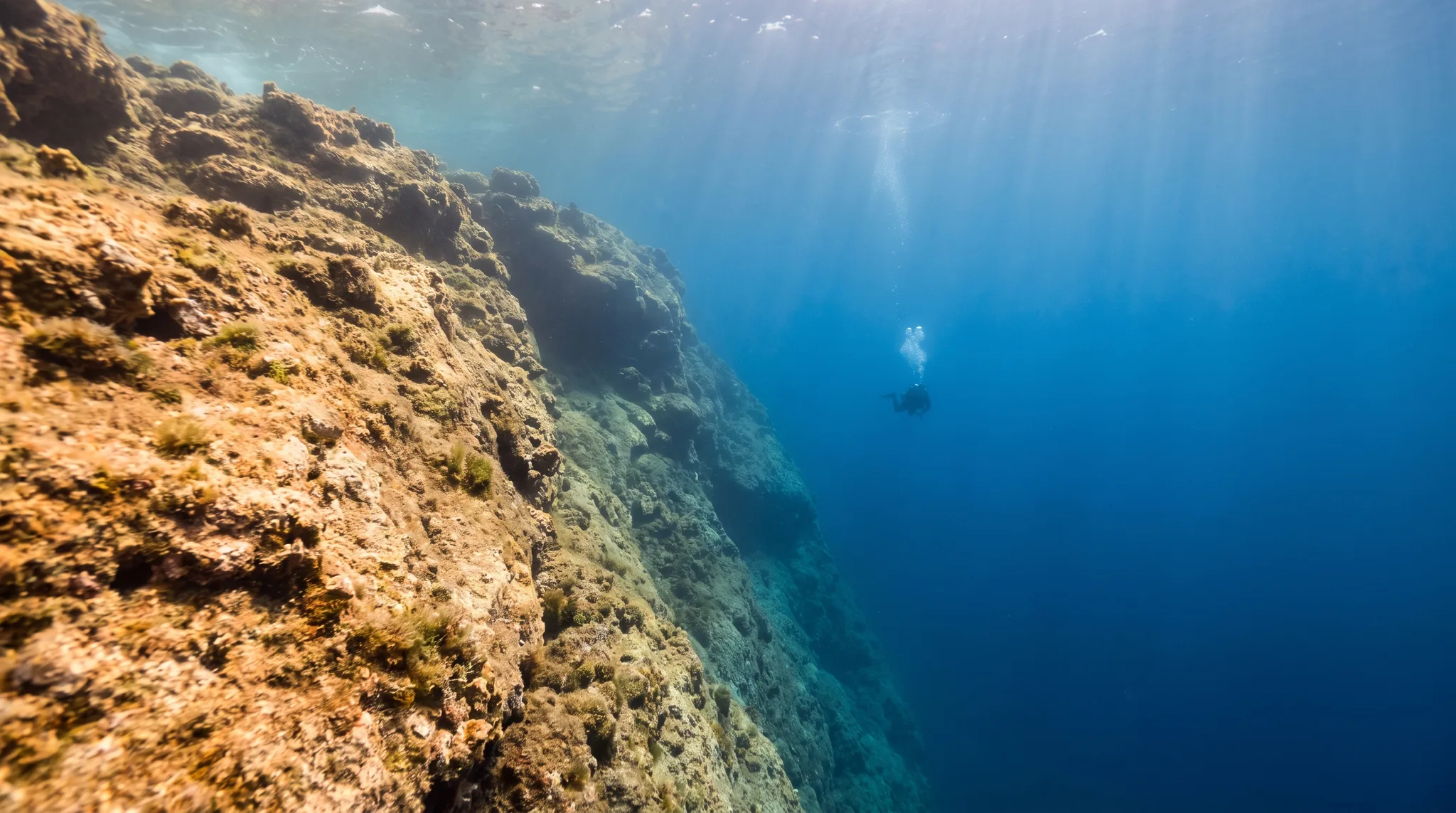
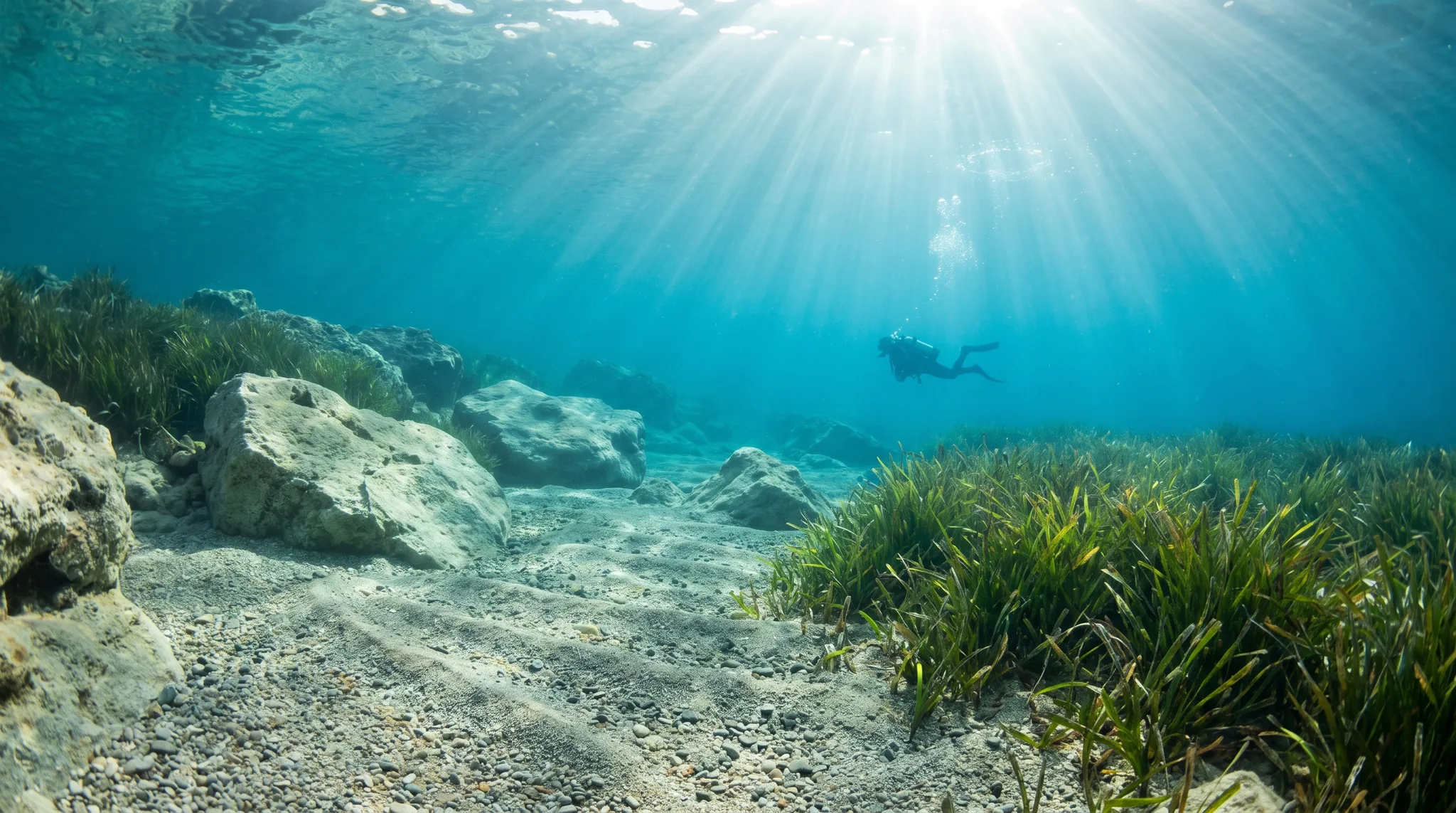
Chania's dive sites are defined by varied rock topography: chimneys, canyons, caverns, caves and long wall formations sit alongside seagrass beds, artificial reefs and at least one aircraft wreck. The Messerschmitt Bf 109 draws intermediate divers, while beginner-friendly sites such as Amphora Cave and The Island keep the region accessible. Marine life is rich in cephalopods and cryptic species, with Common Octopus, European Common Cuttlefish and Mediterranean Moray encountered across the sites. Most access is by boat.
Monthly water temperature across Chania's sites, from satellite sea-surface data corrected for depth. The band shows the site-to-site spread.
Water temperatures climb steadily from spring, peaking in late summer and early autumn, which aligns with the strongest concentration of diver activity from May through October. Winter months are quieter and cooler, though the region remains diveable year-round. Conditions are generally calm enough for boat access throughout the peak season.
12 operators
9 more sites to explore
Water temperature around Chania ranges from about 16°C in February to 25°C in September, based on satellite sea-temperature data for its dive sites.
In the warm season (about 25°C) a 3mm full suit is comfortable in Chania; in the coldest months (about 16°C) step up to a 7mm or semi-dry suit.
Fin maps 19 sites in Chania (18 scuba diving sites and 3 snorkelling spots, with some suited to both).
Across Chania's dive sites, May, June, July, August, September and October are most often reported as the best months to visit.
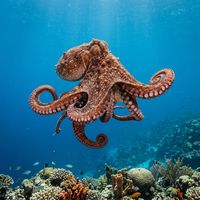
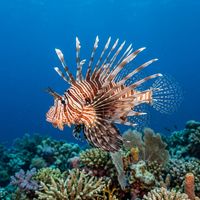
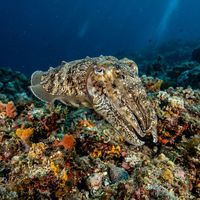
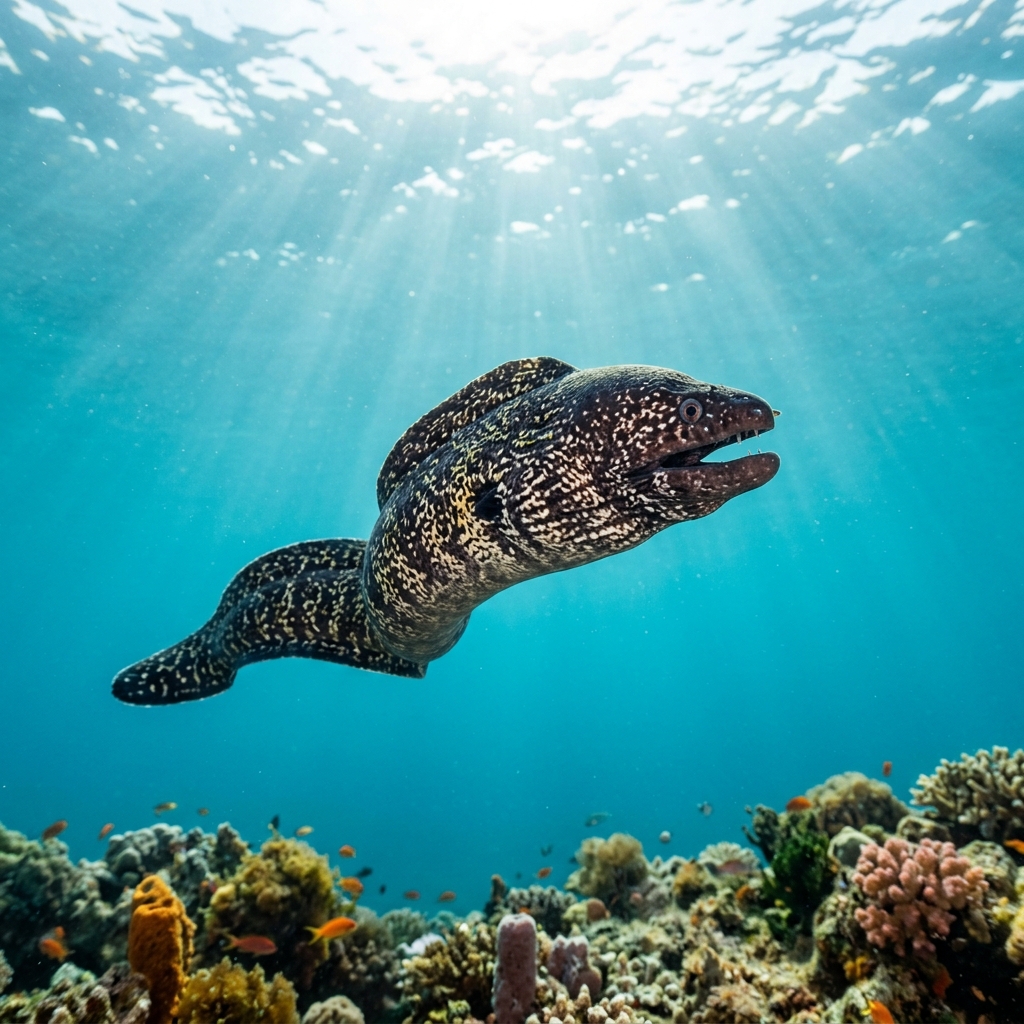
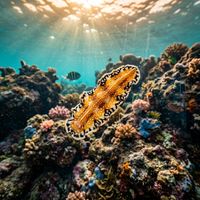
Chania's reefs are particularly strong for cephalopods and ambush predators. Common Octopus and European Common Cuttlefish are observed very frequently, while Mediterranean Moray, Great Barracuda and Indian Lionfish are consistently sighted across the sites. Nudibranch diversity is also notable, with species including Mediterranean Violet Aeolid, Cratena Slug and Felimare orsinii all recorded.
A good proportion of the sites are rated beginner level, including The Island, Amphora Cave, The Anchor, Bali and Leguria Beach. Several of these offer shallow starting depths and mixed topography that suits divers still building experience. Intermediate sites such as Mononaftis and the Messerschmitt Bf 109 are available once skills progress.
The majority of Chania's dive sites are reached by boat, with a smaller number accessible from shore or via both methods. Shore-accessible options include Mononaftis, which sits close to the coast. Operators such as Eco Diving Center, Stay Wet Diving Center and CRETANDIVERS are among those running boat departures across the region.
Chania covers a wide range of site types within a compact area. Rocky formations with chimneys, canyons and caverns feature at sites like Chimney and Mononaftis, while Balcony offers a long wall dive. The Messerschmitt Bf 109 provides a wreck experience, Amphora Cave adds an artificial element, and Bali combines reef with seagrass beds.