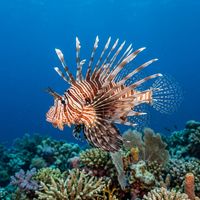
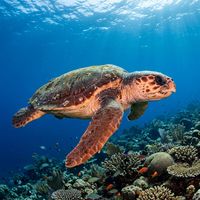
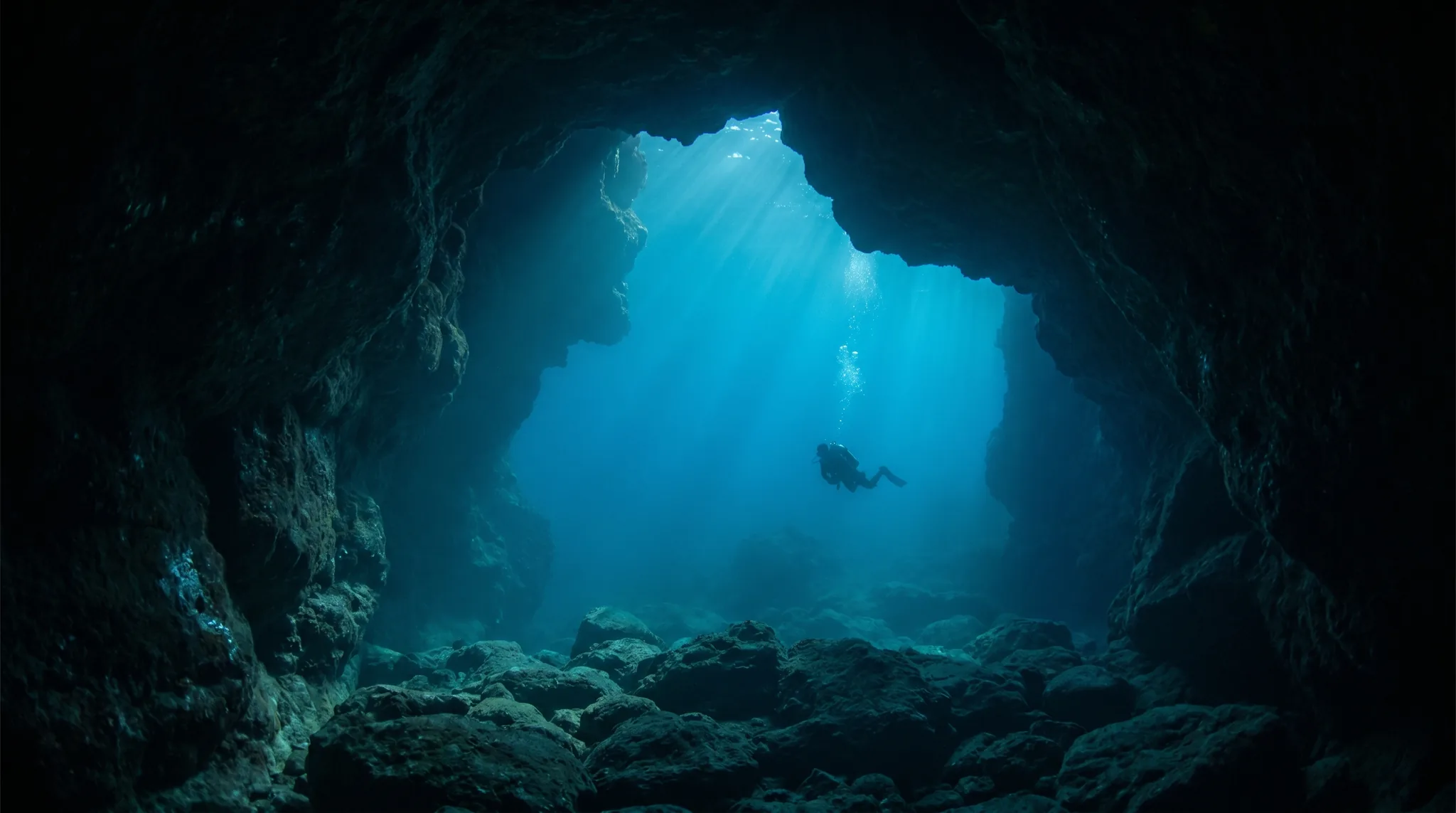
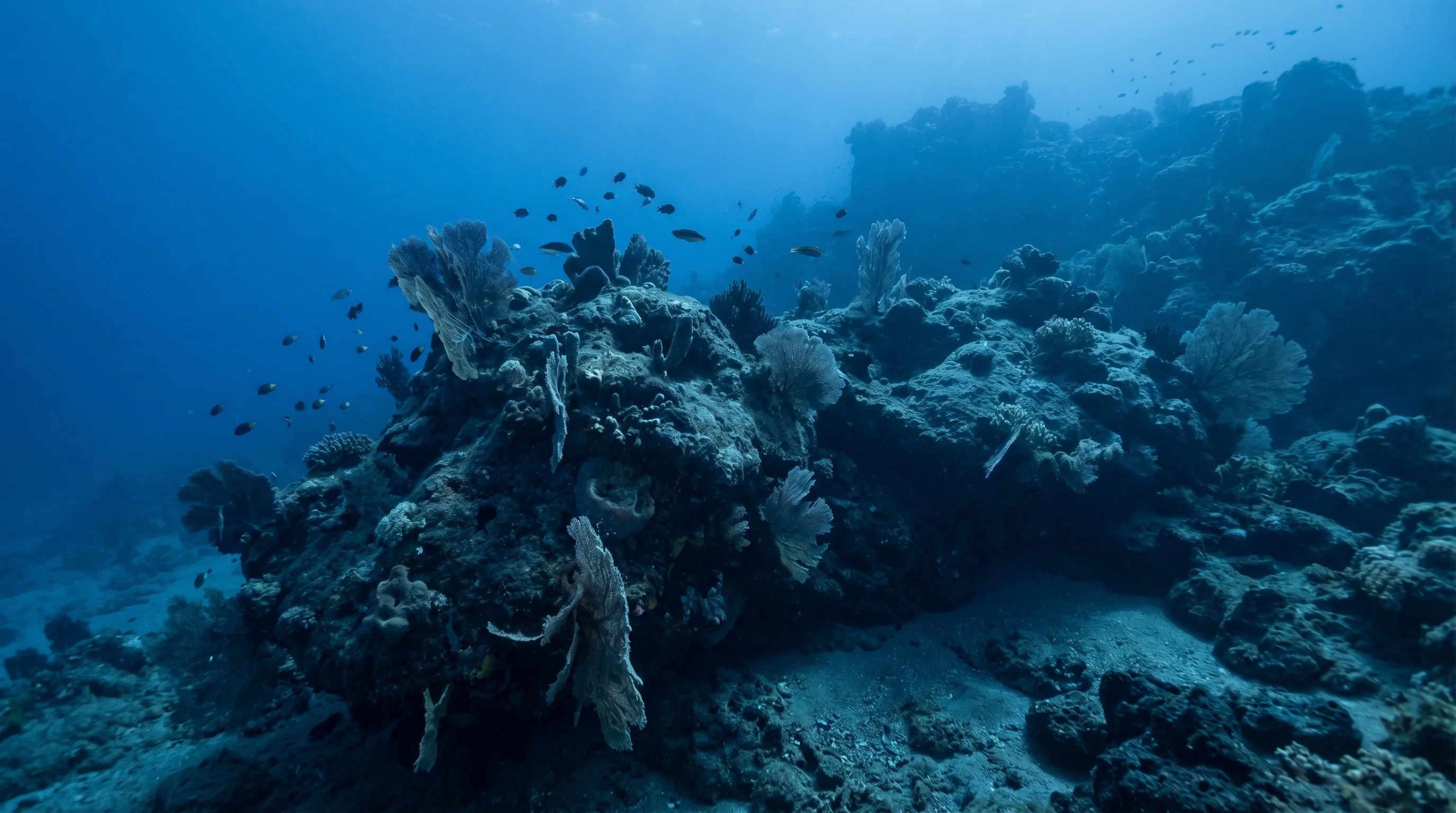
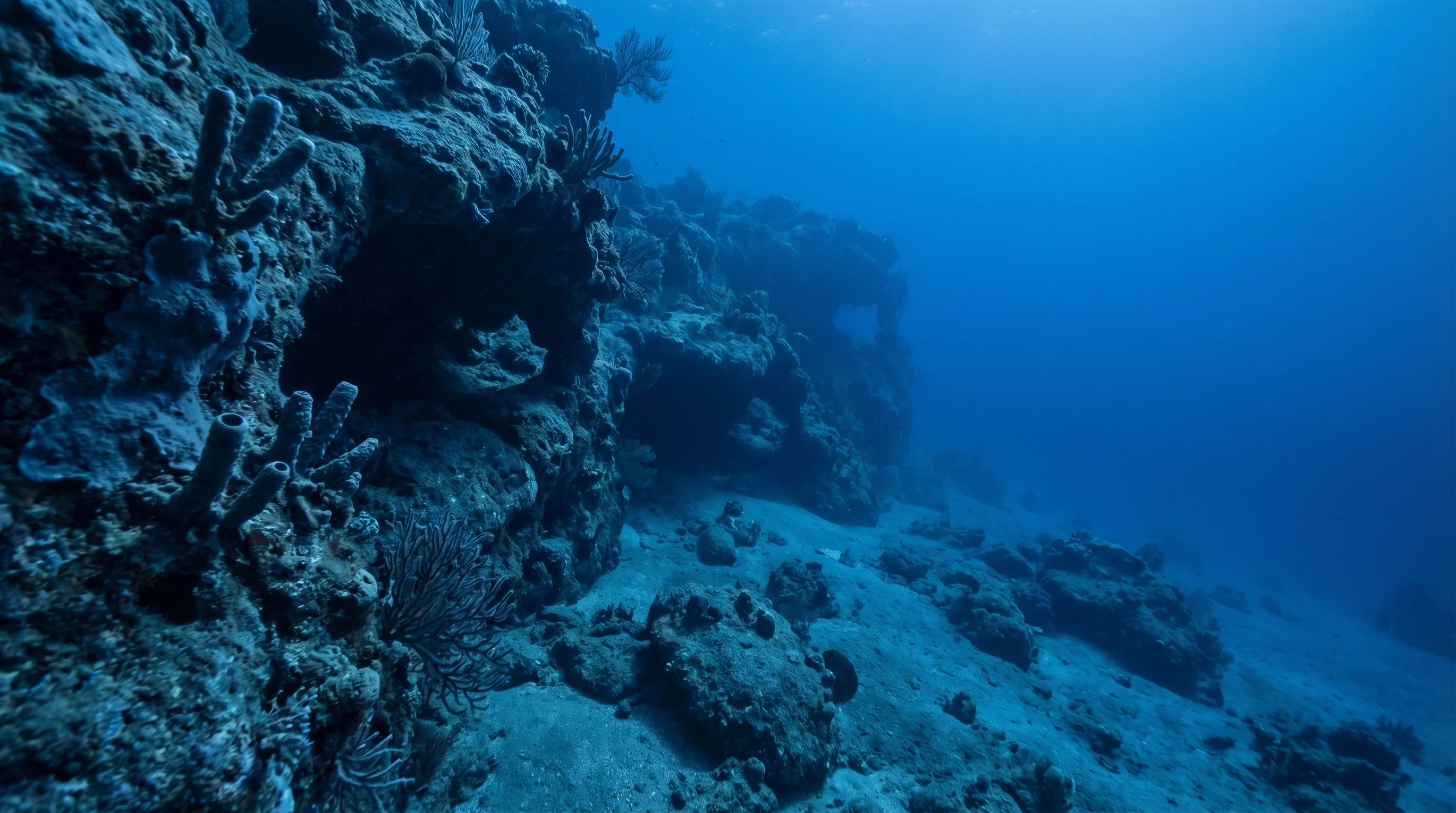
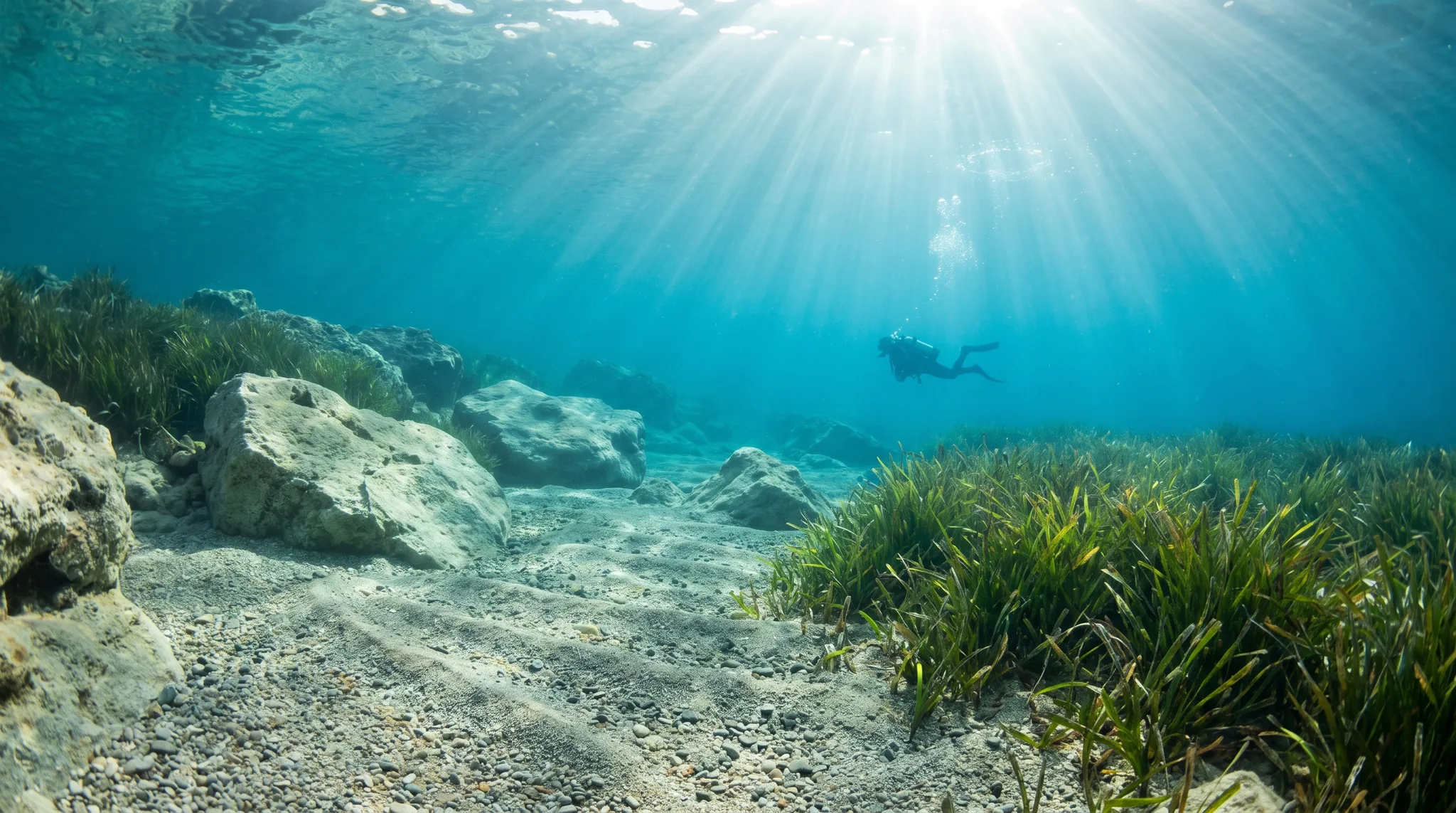
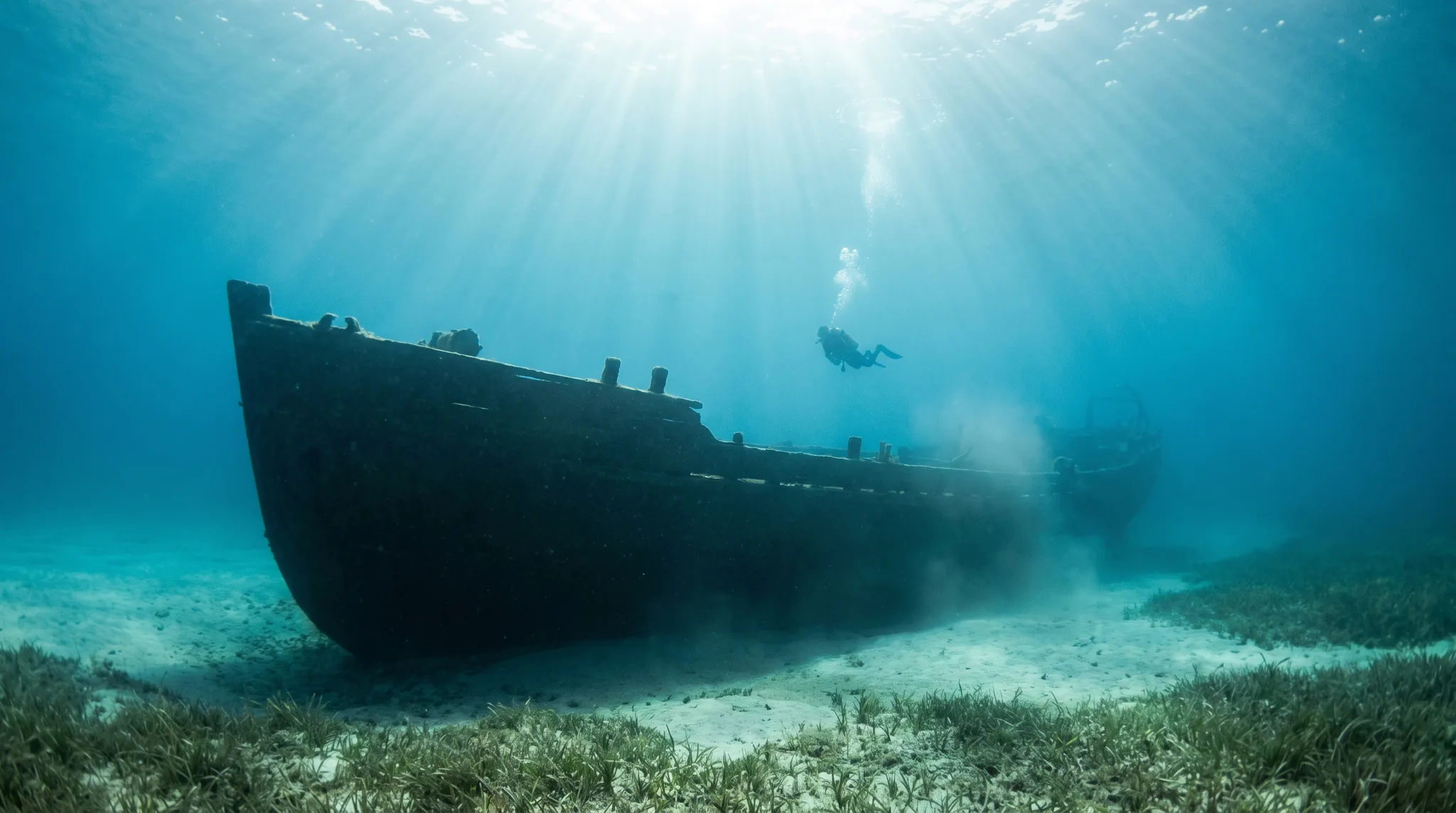
Rethymno's diving character is defined by an exceptional concentration of caves and caverns, from the light-filled Agios Pavlos Blue Cavern to the stalactite-draped domes of Elephant Cave, which holds fossilised elephant remains. Walls and drop-offs at sites such as Kalypso Walls and Agios Pavlos Wall add vertical drama, while shallow wrecks and open reefs keep things accessible for beginners. The mix of shore and boat entries suits a wide range of divers. Signature encounters include the Common Octopus, Indian Lionfish and occasional Loggerhead Sea Turtle.
Monthly water temperature across Rethymno's sites, from satellite sea-surface data corrected for depth. The band shows the site-to-site spread.
Water temperature rises steadily from spring through to late summer, peaking in August and September before a gradual autumn cool-down, making the warmer months the most comfortable for extended dives. The peak season runs from late spring through autumn, when visibility and conditions are at their most consistent. Winter diving remains possible, with temperatures dipping to their lowest in March before climbing again.
15 operators
Atsipopoulon, Greece
28 more sites to explore
Water temperature around Rethymno ranges from about 16°C in March to 24°C in August, based on satellite sea-temperature data for its dive sites.
In the warm season (about 24°C) a 3mm full suit is comfortable in Rethymno; in the coldest months (about 16°C) step up to a 7mm or semi-dry suit.
Fin maps 40 sites in Rethymno (40 scuba diving sites and 7 snorkelling spots, with some suited to both).
Across Rethymno's dive sites, May, June, July, August, September and October are most often reported as the best months to visit.
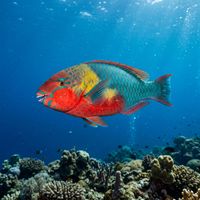
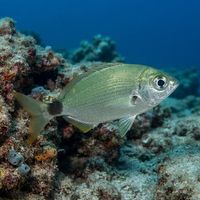
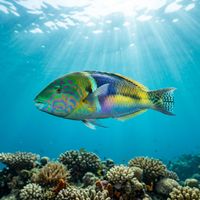
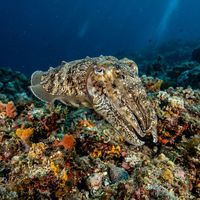
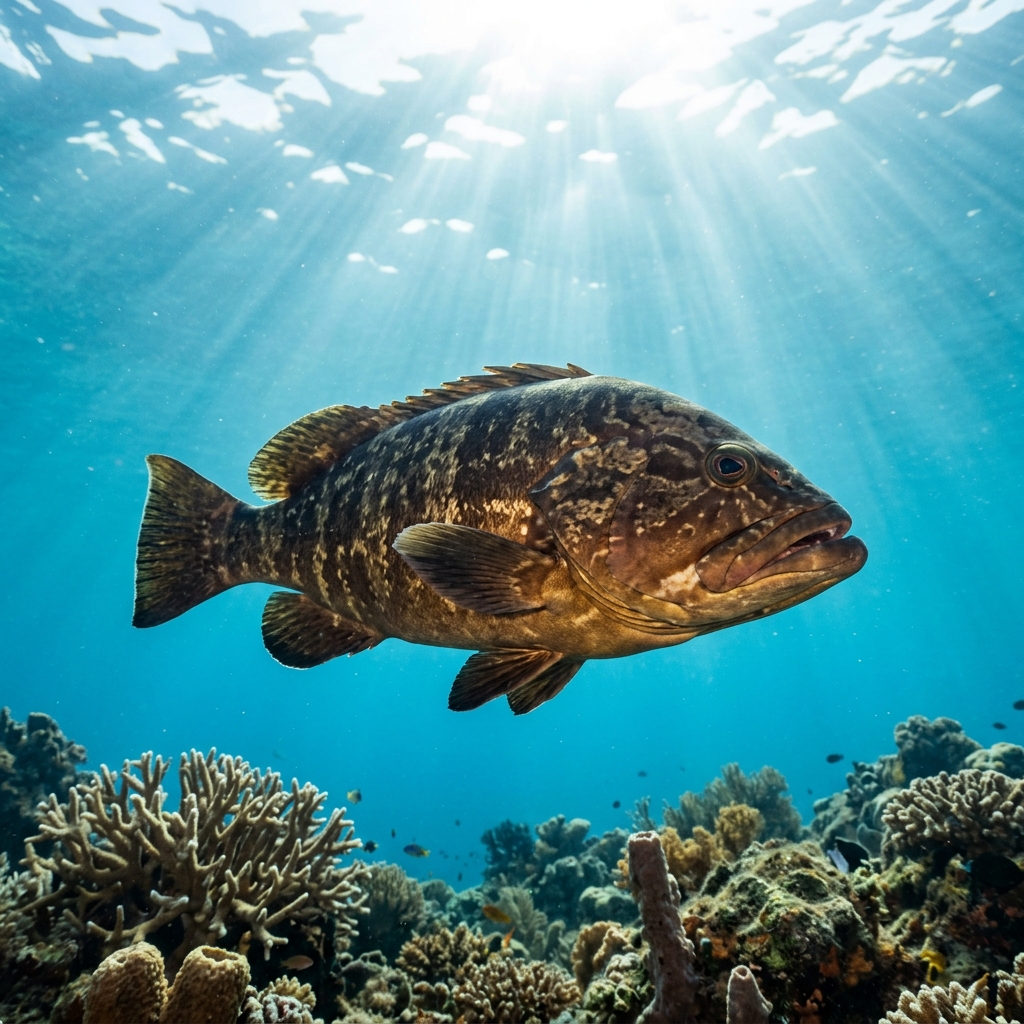
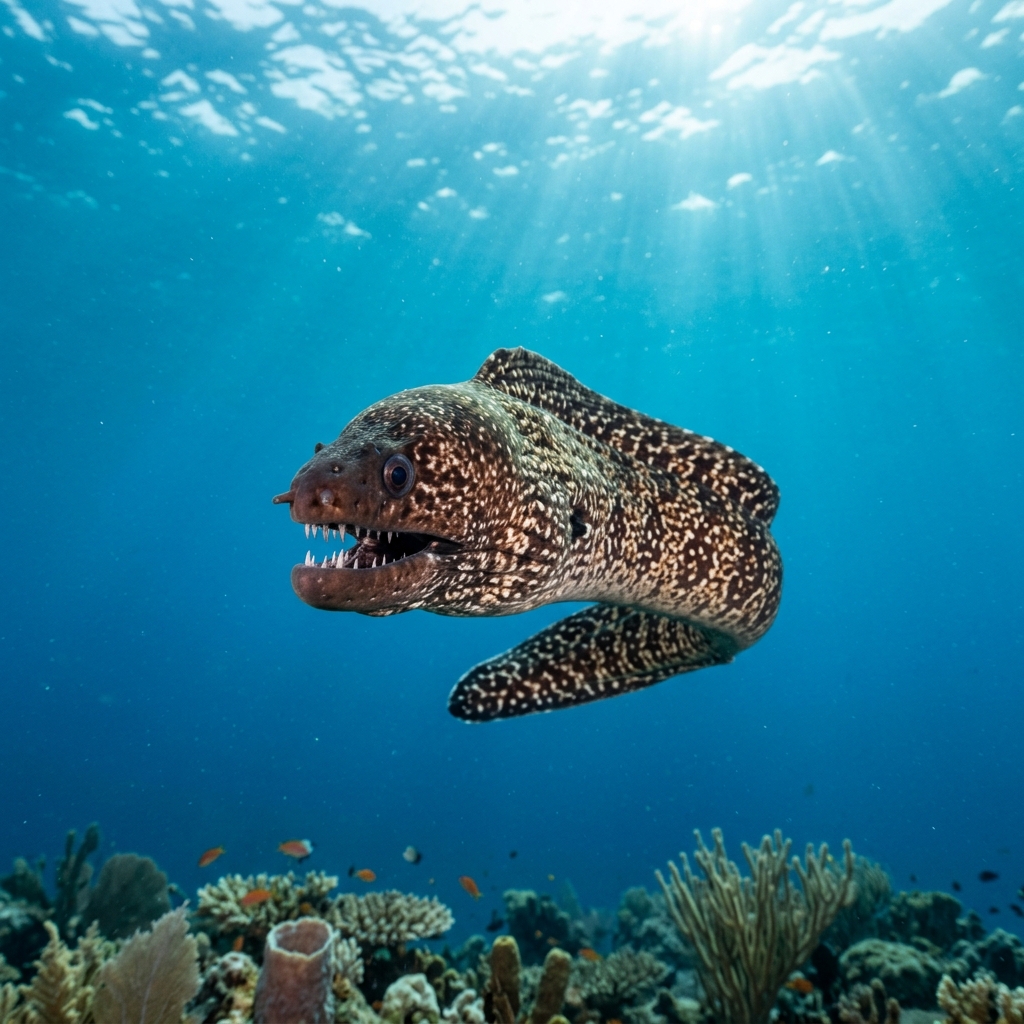
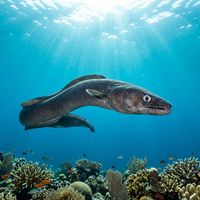
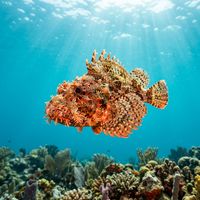
The Common Octopus and European Parrotfish are among the most reliably spotted species across the region. Divers also frequently encounter Banded Coral Shrimp, Scorpionfish, Slipper Lobster and Conger Eel. The Indian Lionfish and European Common Cuttlefish are regularly observed, and the Loggerhead Sea Turtle and Dusky Grouper make occasional appearances.
A good portion of Rethymno's sites are rated for beginners, including Chimney Cave, Agios Pavlos Blue Cavern, Kalypso Walls, Omprogialos Beach, the Sugar Hill Wreck and Shinaria. Several of these are accessible from shore, making entry straightforward. Intermediate-level sites such as Agios Pavlos Wall and Italian Cave are available for those looking to progress.
Rethymno offers a mix of both access types. Sites like The Arch and Shinaria are shore dives, while deeper cave systems such as Chimney Cave, Elephant Cave and Italian Cave require a boat. Several sites, including Kalypso Walls and Cape Plakias-Kalypso, can be reached by either method, giving operators flexibility depending on conditions.
The region has an unusually high number of cave and cavern sites relative to its overall dive count. Highlights include Elephant Cave, which contains fossilised elephant remains and two stalactite-draped domes, and Fresh Water Cave, where mixing freshwater and seawater creates a visible halocline and thermocline. God's Cave and Italian Cave offer deeper overhead environments for intermediate divers seeking a more challenging experience.