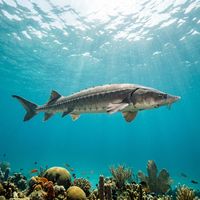
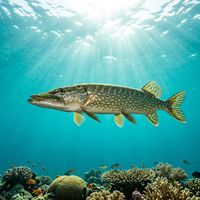
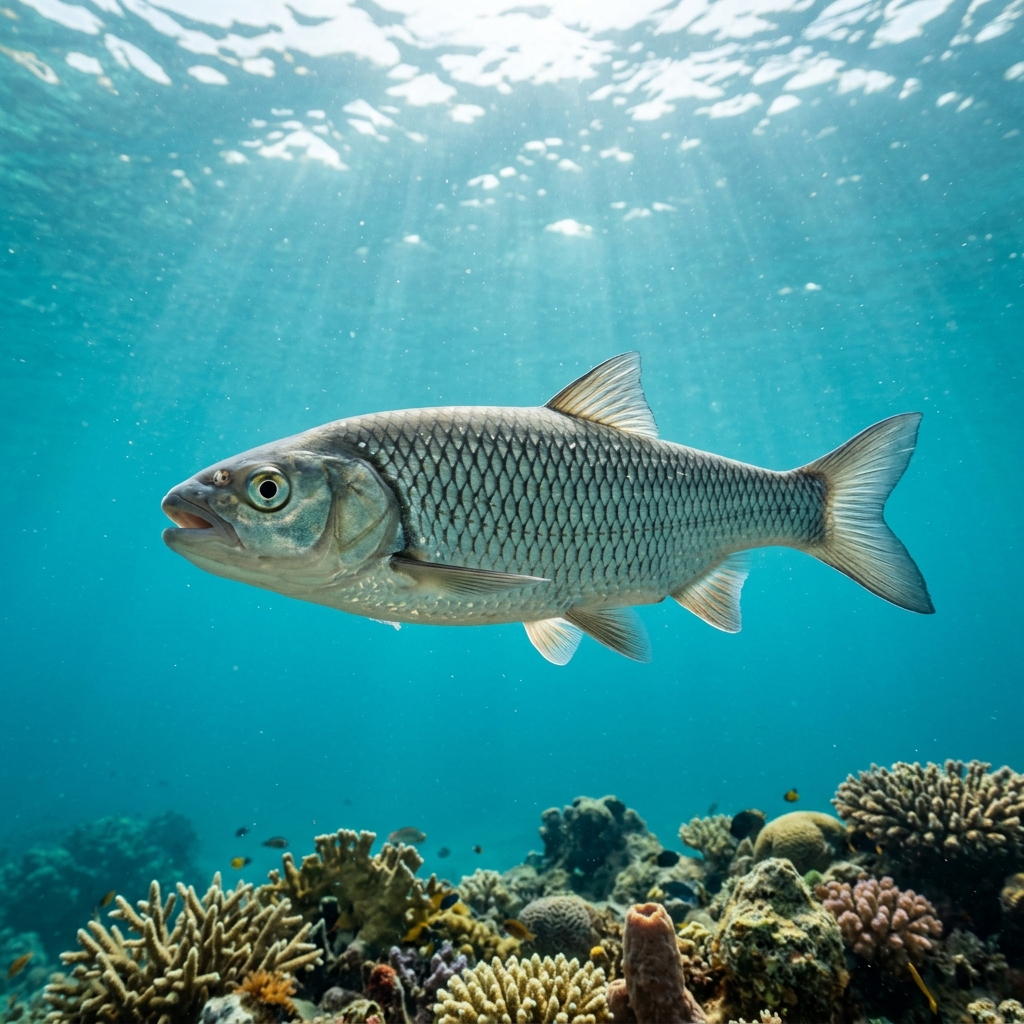
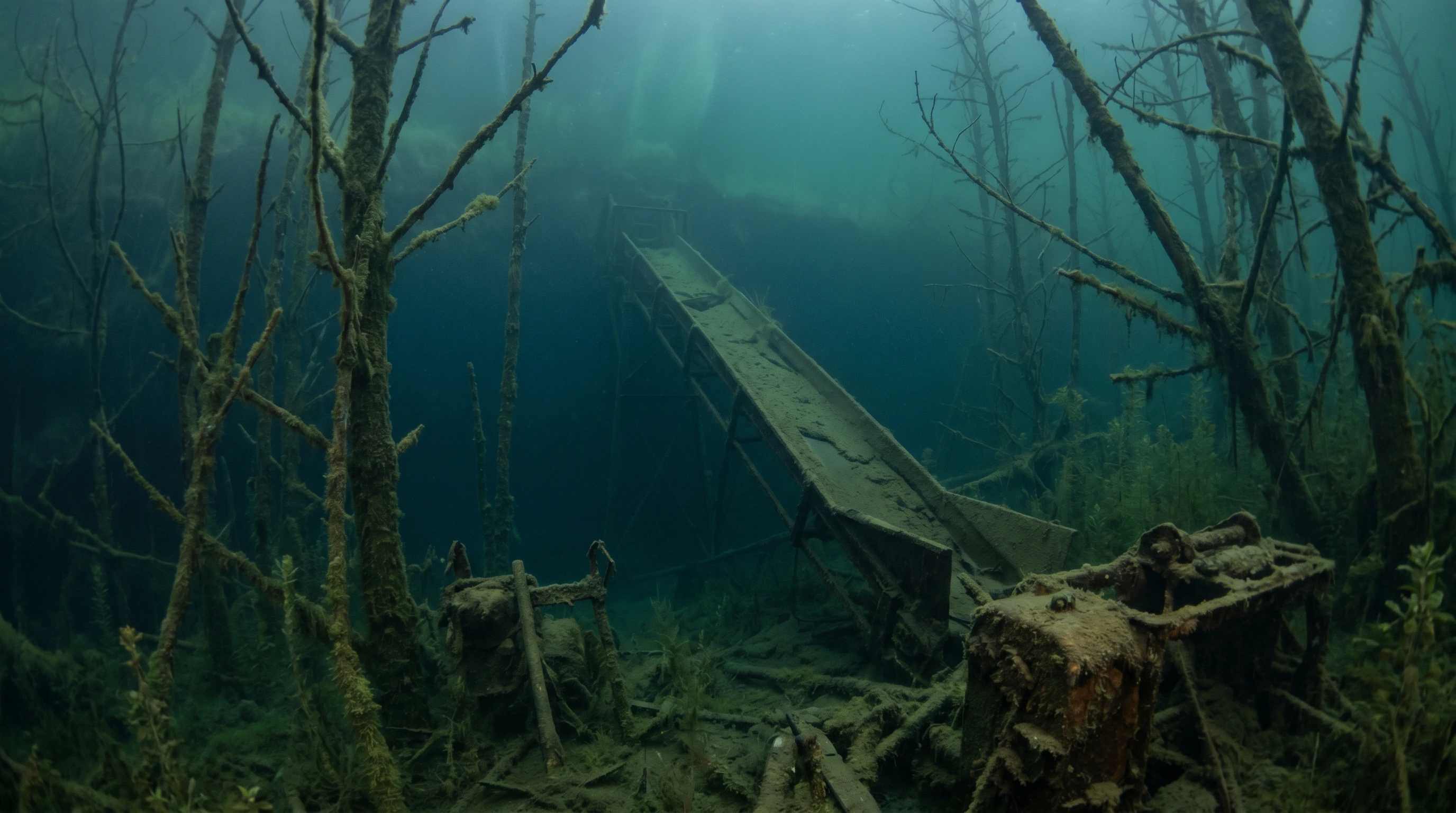
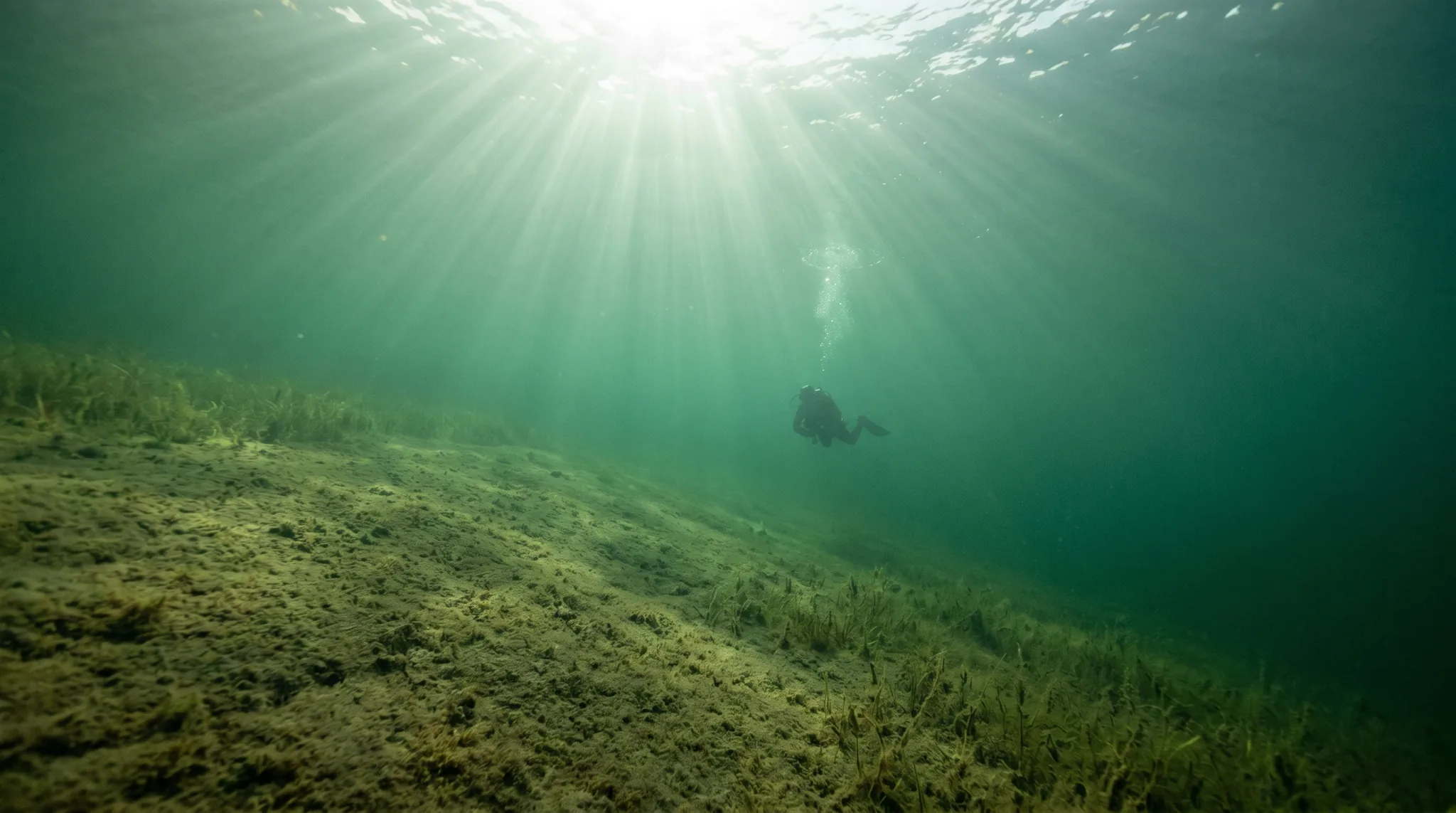
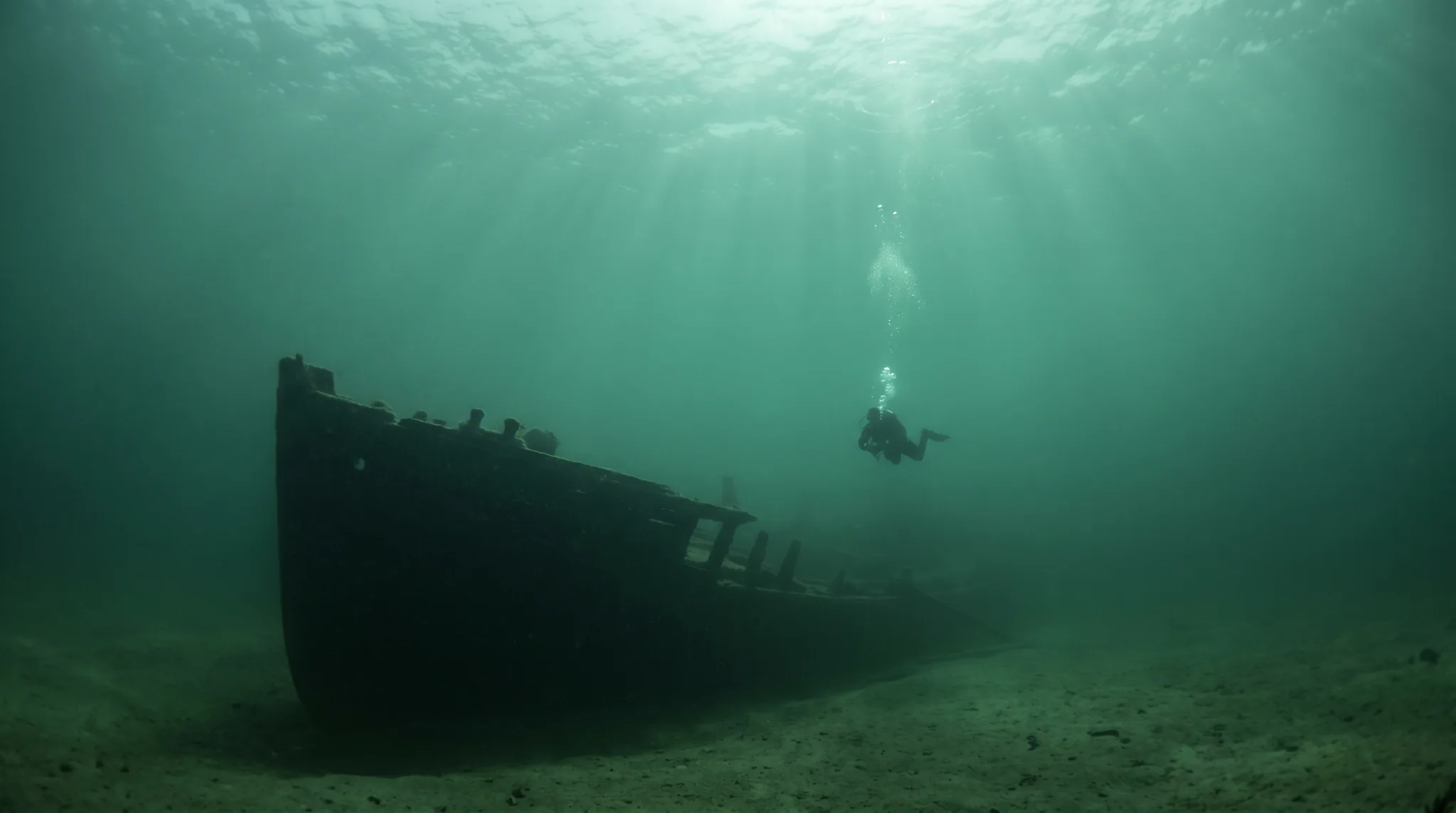
Kulkwitzer See is a freshwater diving region built almost entirely on flooded quarry lakes across Saxony. The site mix spans shallow beginner-friendly artificial reefs through to deep walls and sunken structures that challenge advanced divers. Wrecks, submerged forests, and purpose-built reef structures give each lake its own character. Common Carp, Pike, Catfish, and Sturgeon are regularly encountered, alongside Freshwater Sponge and the occasionally spotted Wels Catfish.
82 operators

Fin maps 71 sites in Kulkwitzer See (71 scuba diving sites and 5 snorkelling spots, with some suited to both).
59 more sites to explore
Across Kulkwitzer See's dive sites, May, June, July, August and September are most often reported as the best months to visit.
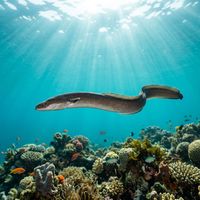
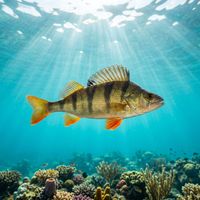
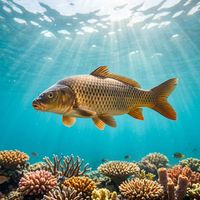
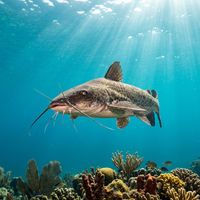
The lakes host a wide range of freshwater species that have been observed directly by divers. Common Carp, Common Perch, and Pike are seen very frequently, while Catfish, Sturgeon, European Eel, and Pike Perch are also common encounters. Less frequent sightings include Wels Catfish, Roach, American Crayfish, and Marbled Crayfish.
A large proportion of sites in the region are rated for beginners, including Cospudener See, Haselbacher See, Kiesgrube Leuben, and several others. These sites offer calm, current-free conditions with shore entry, making them well-suited to newly qualified divers. Advanced sites such as Goldgrube, Wetro and Tauchbasis Geiseltalsee are also available for those seeking deeper or more technical dives.
The great majority of sites are shore-entry, so a boat is not required for most of the region's diving. A small number of sites, including Versunkener Wald and Tauchbasis Geiseltalsee, are accessed by boat. Shore entries are generally straightforward, with several sites offering on-site parking and dive base facilities.
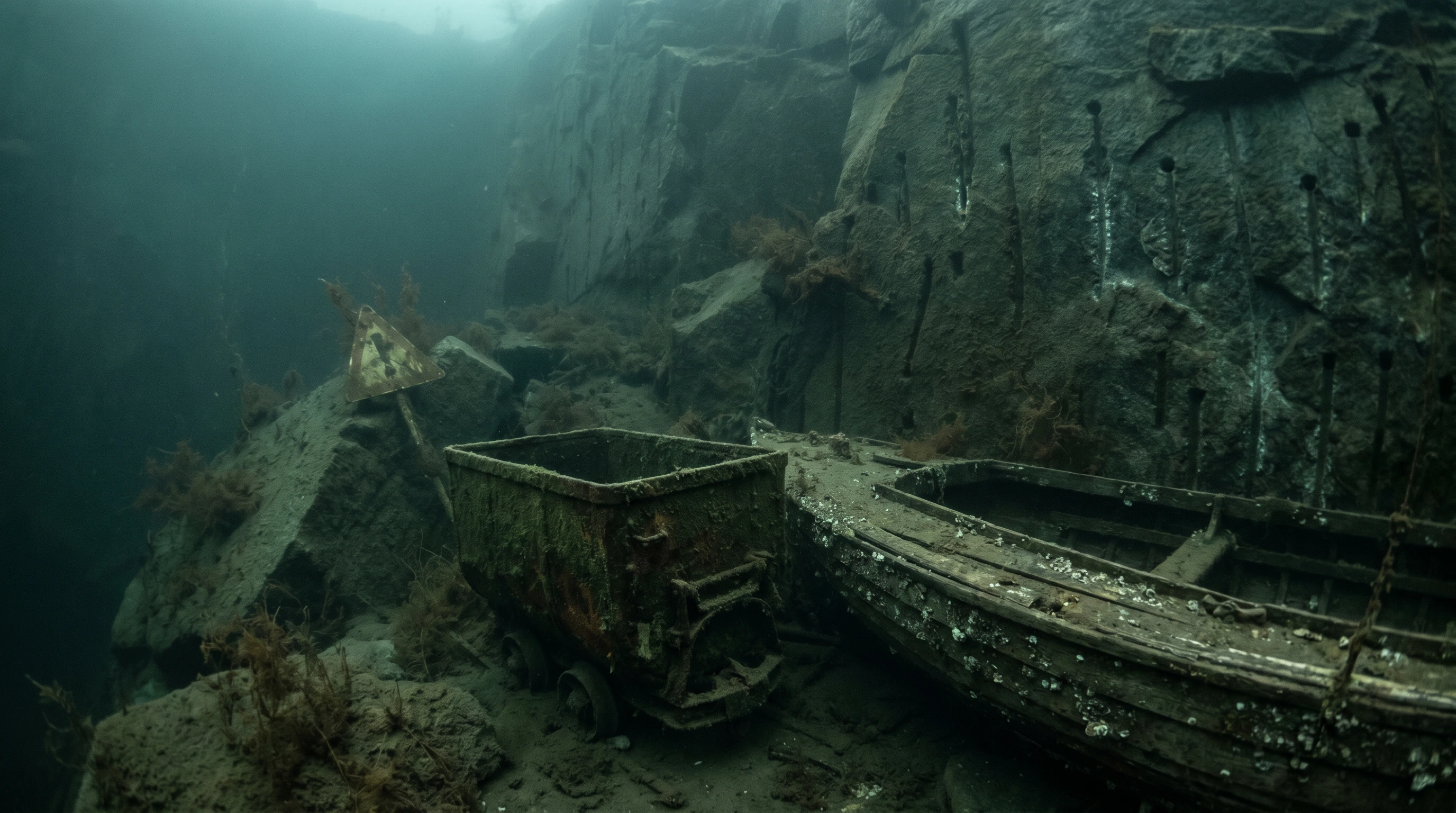
Flooded quarry topography dominates the region, meaning most sites feature a mix of artificial reefs, submerged walls, and wrecks rather than natural rock formations. Some sites, such as Versunkener Wald, add submerged tree structures to the mix. This variety means that even divers revisiting the area can find meaningfully different environments from one lake to the next.