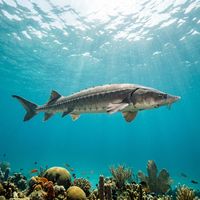
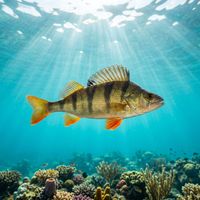
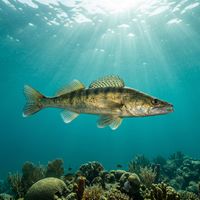
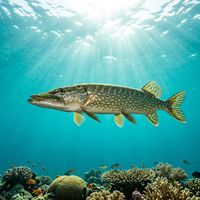
Hohenwarte-Stausee is a freshwater diving region in Thuringia built around flooded quarries, former mining lakes and reservoirs. Shore entry is the norm across the site mix, and artificial reef structures feature prominently. The region suits beginners and intermediate divers alike, with shallow, sheltered sites alongside deeper venues. Observed species include Sturgeon, Common Perch, Pike Perch, Carp, Pike and the occasional Wels Catfish, making freshwater fish encounters the defining draw.
23 operators


Wilkau-Hasslau, Germany
24 more sites to explore
Fin maps 31 sites in Hohenwarte-Stausee (29 scuba diving sites and 4 snorkelling spots, with some suited to both).
Across Hohenwarte-Stausee's dive sites, May, June, July, August and September are most often reported as the best months to visit.
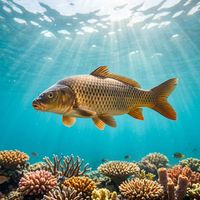
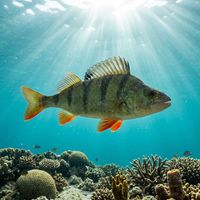
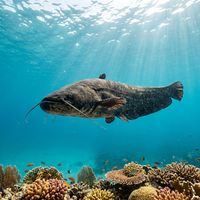
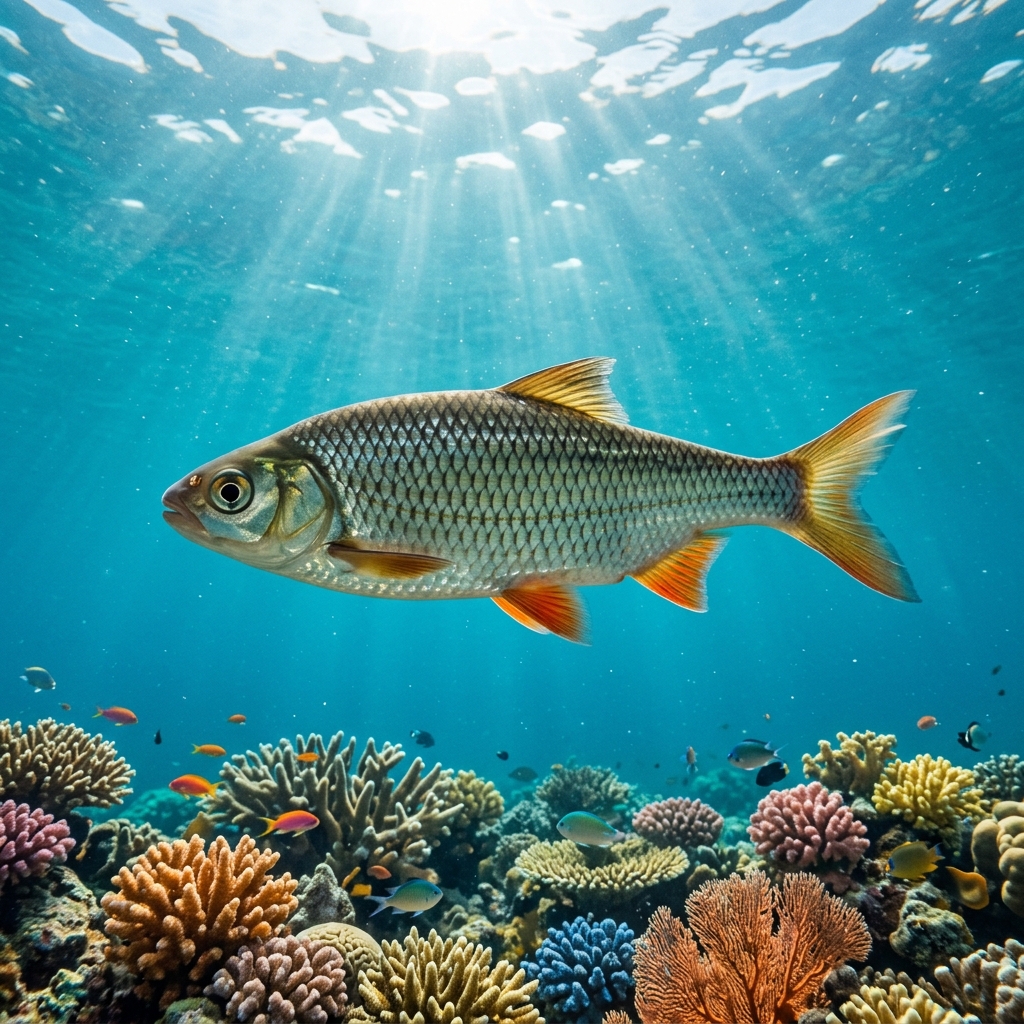
The region has strong observation records for Sturgeon, Common Perch, Pike Perch, Carp and Pike, all rated as very common across the site network. Wels Catfish are also observed occasionally, making them a worthwhile target on deeper dives. Roach has also been recorded at some sites.
Many sites are explicitly rated for beginner divers, including Steinbruch Pinkvoss, Happurger Baggersee, Talsperre Pirk and Talsperre Falkenstein, all of which offer shallow, calm, shore-entry conditions. Intermediate divers are also well served, with sites like Rutsch'n offering deeper water and a mix of reef and wreck structures. There is a good spread of skill levels across the region.
Shore entry is the standard access method across the region's sites, with no boat requirement at the listed venues. This makes logistics straightforward and the sites accessible to divers without specialised boat-handling experience. Several local operators, including Tauchclub Jena e.V. and Tauchschule Dive-Unlimited, are active in the region if guided access or instruction is preferred.
Artificial reef installations are the most common structure type, appearing at multiple sites including Steinbruch Pinkvoss, Brückelsee and Talsperre Falkenstein. Rutsch'n also combines reef and wreck elements alongside artificial reef, offering more variety for returning divers. The industrial origins of many lakes, as former quarries or mining pits, give the sites a distinctive character not found at natural freshwater venues.