Squalius spp.
Torpedo-shaped silver shoals over gravel in Zurich, Bavaria and Lake Lucerne, chub turn up on freshwater dives all year round.
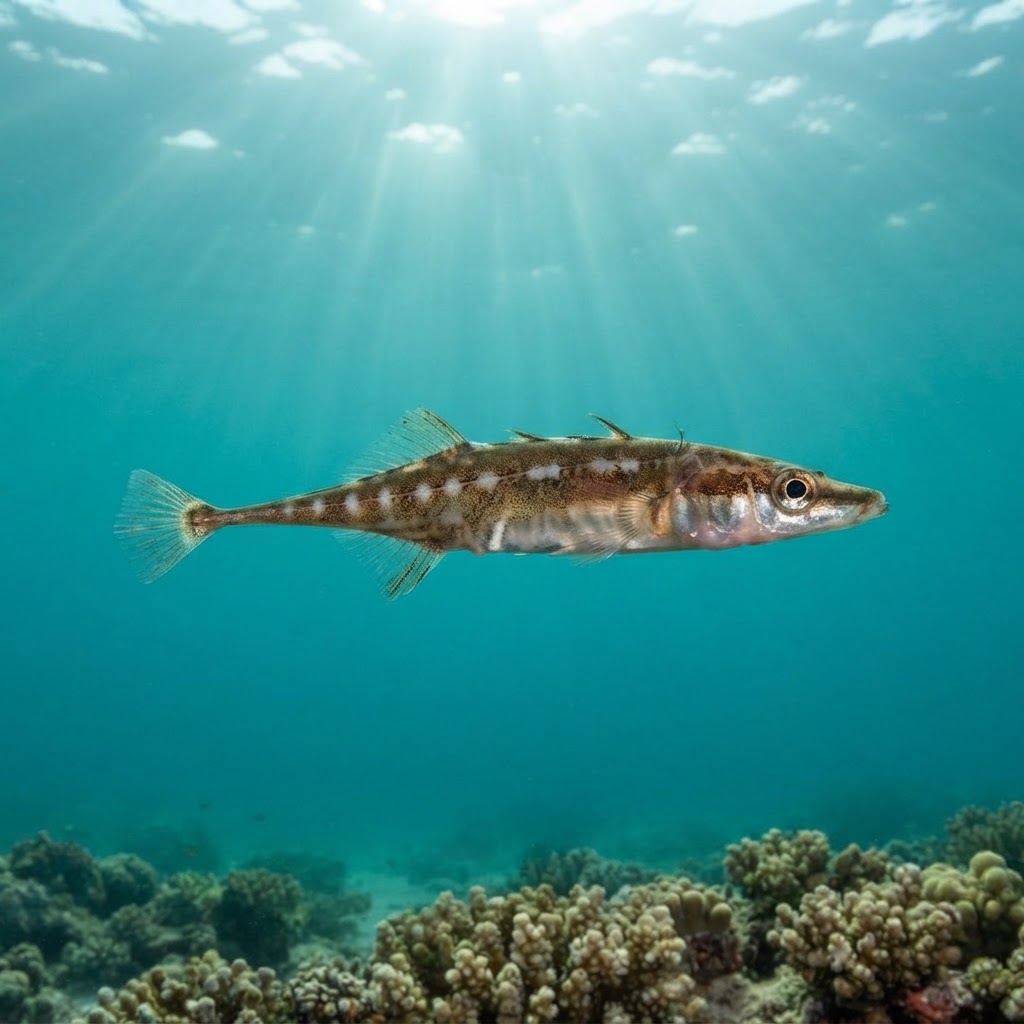
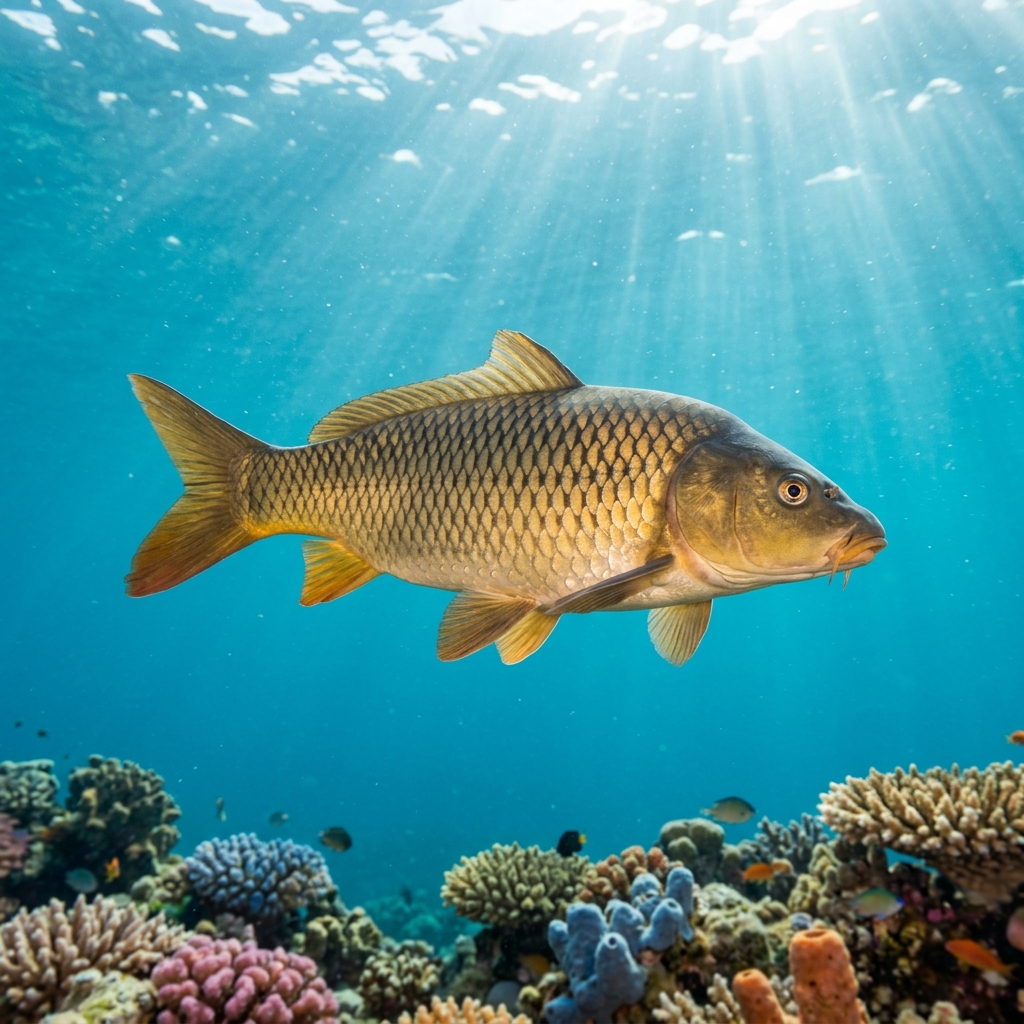
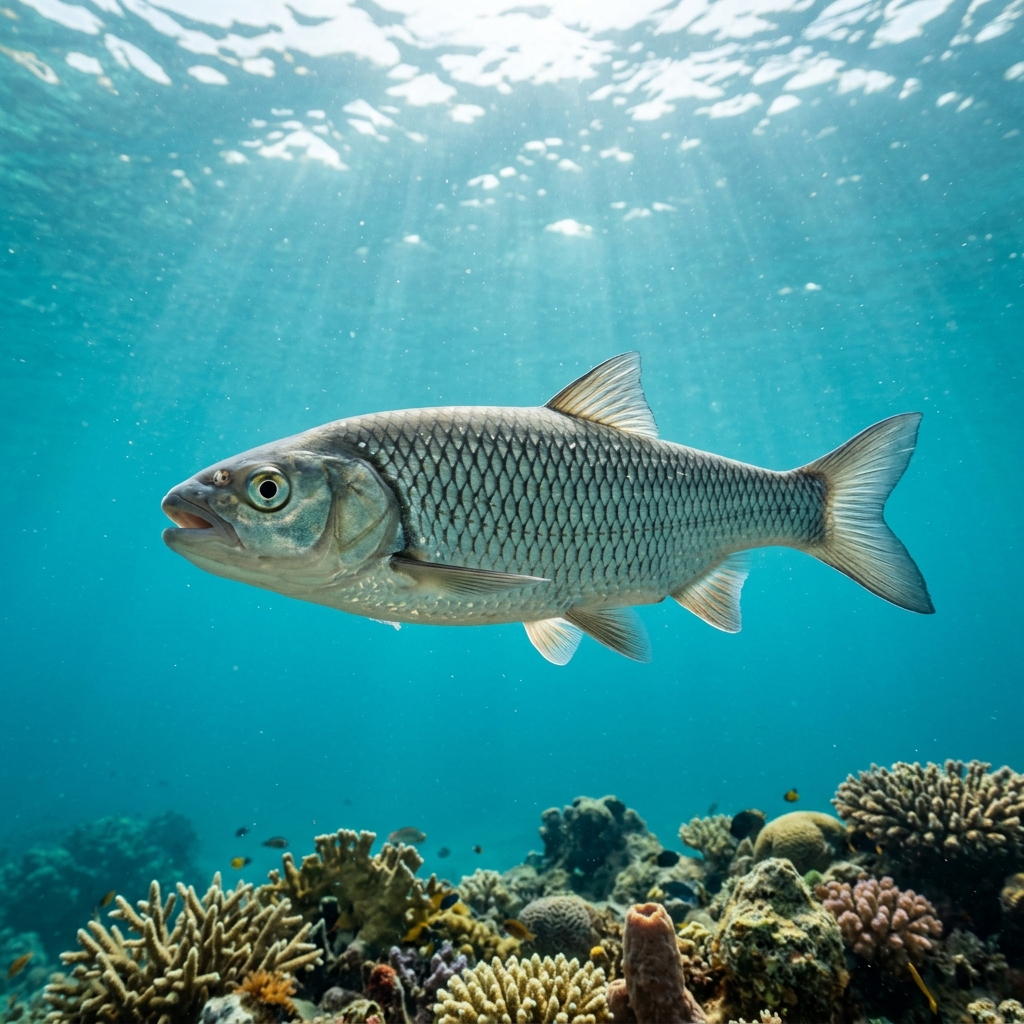
Torpedo-shaped body with large, dark-edged scales giving a faint cross-hatched look, and silvery flanks that flash pale gold in sunlight. Look for a slightly rounded snout, a wide mouth set low on the head, and reddish-tinged lower fins that stand out against the grey-green water. Chub typically hover in loose, unhurried groups rather than tight schools, holding position over rock or gravel rather than sand.
Expect to find chub hovering in loose, mid-water groups over rock or gravel, often near the surface in lakes or holding in slower stretches of river current. They spend a lot of time foraging, picking invertebrates off the bottom or intercepting bits of food drifting past, and they're curious about a diver who stays still. Approach slowly and they'll often hold their ground and let you watch; any sudden movement and the whole group scatters instantly.
Chub are opportunistic feeders that will intercept almost anything edible drifting past in the current, which is why they often gather near river inflows and areas with natural food drift.
No clear seasonal pattern shows up in the data, so chub are a year-round sighting wherever they're found. Lake and river diving conditions (visibility, temperature) will matter more for planning your trip than the calendar.
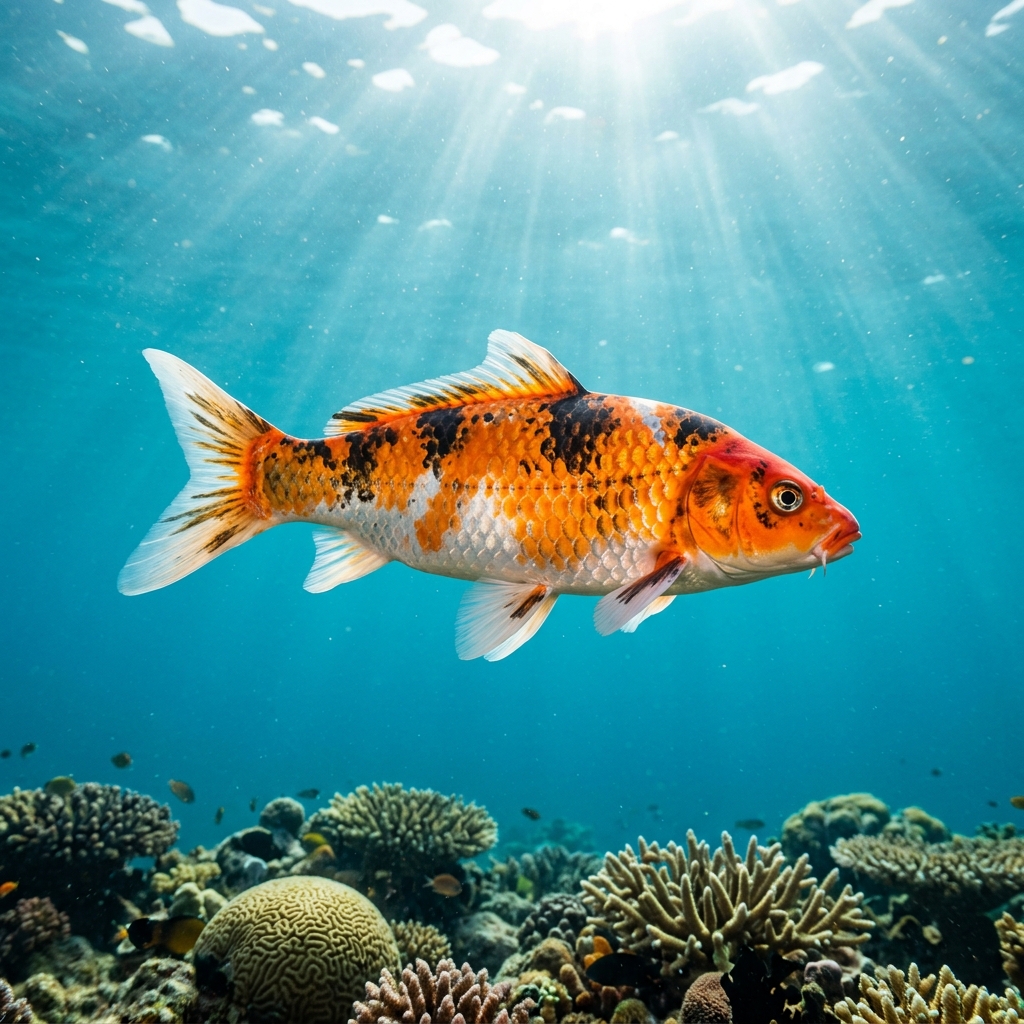
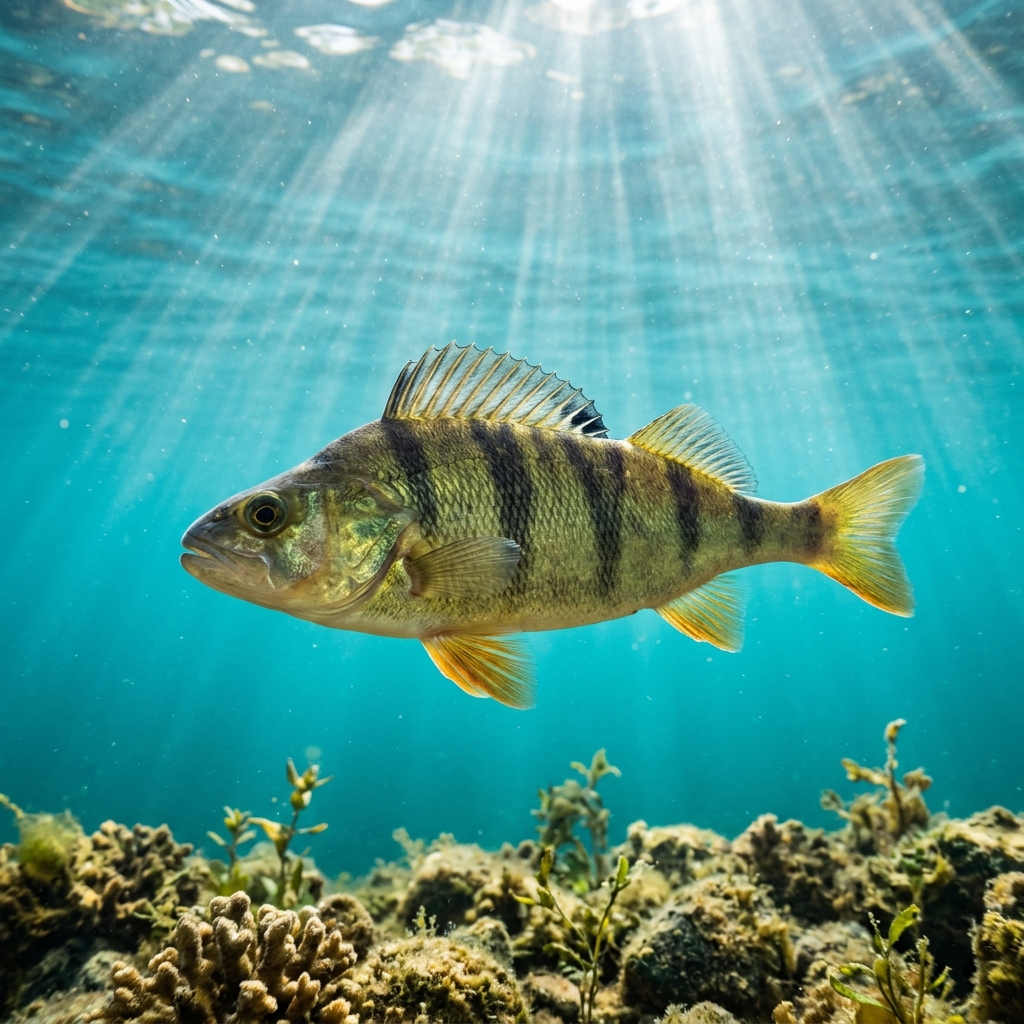
Reef neighbours a diver could mistake it for. Use the identification notes above to tell them apart.
This genus is a mainstay of freshwater diving in central Europe, most heavily logged in Switzerland (especially around Zurich, Lake Lucerne and the Three Lakes region) and in Germany, with Bavaria and Thuringia standing out. Strong numbers also turn up in Austria (Upper Austria, Carinthia), the Netherlands, Poland, Italy, France and Belgium, generally in lakes and slow river sections with rocky or gravelly bottoms.
Mapping where Chub is logged…
Chub are most reliably found in freshwater lakes and rivers across central Europe, particularly around Zurich and Lake Lucerne in Switzerland, and in Bavaria and Thuringia in Germany. Austria's Upper Austria and Carinthia regions are also strong spots.
There's no strong seasonal pattern in sightings, so chub can be seen year-round at the lakes and rivers where they occur. Local water clarity and temperature will affect your viewing more than the time of year.
Look for a torpedo-shaped silvery fish with large, dark-edged scales and reddish-tinged lower fins, usually hovering in a loose group over rock or gravel. They hold a relaxed, unhurried posture until disturbed, then scatter fast.
Exact size data isn't confirmed here, but chub are a mid-sized freshwater fish, typically recognisable in the water as a solid, elongated silver shape rather than a small minnow-type fish.
No, chub pose no danger to divers. They're skittish around sudden movement but otherwise harmless and simply swim off if approached carelessly.
Chub are active foragers that pick invertebrates directly off rocky or gravelly bottoms and will intercept food drifting downstream, making them a common sight near current lines and inflows in lakes and rivers.
Site and sighting data is aggregated from diver logs, iNaturalist and GBIF. For taxonomy and conservation status:
Sun Perch
2,182 sites