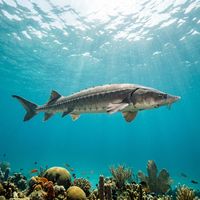
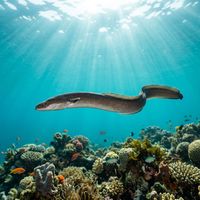
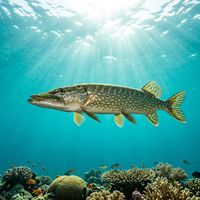
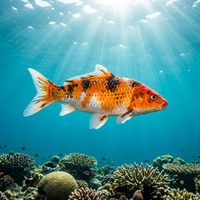
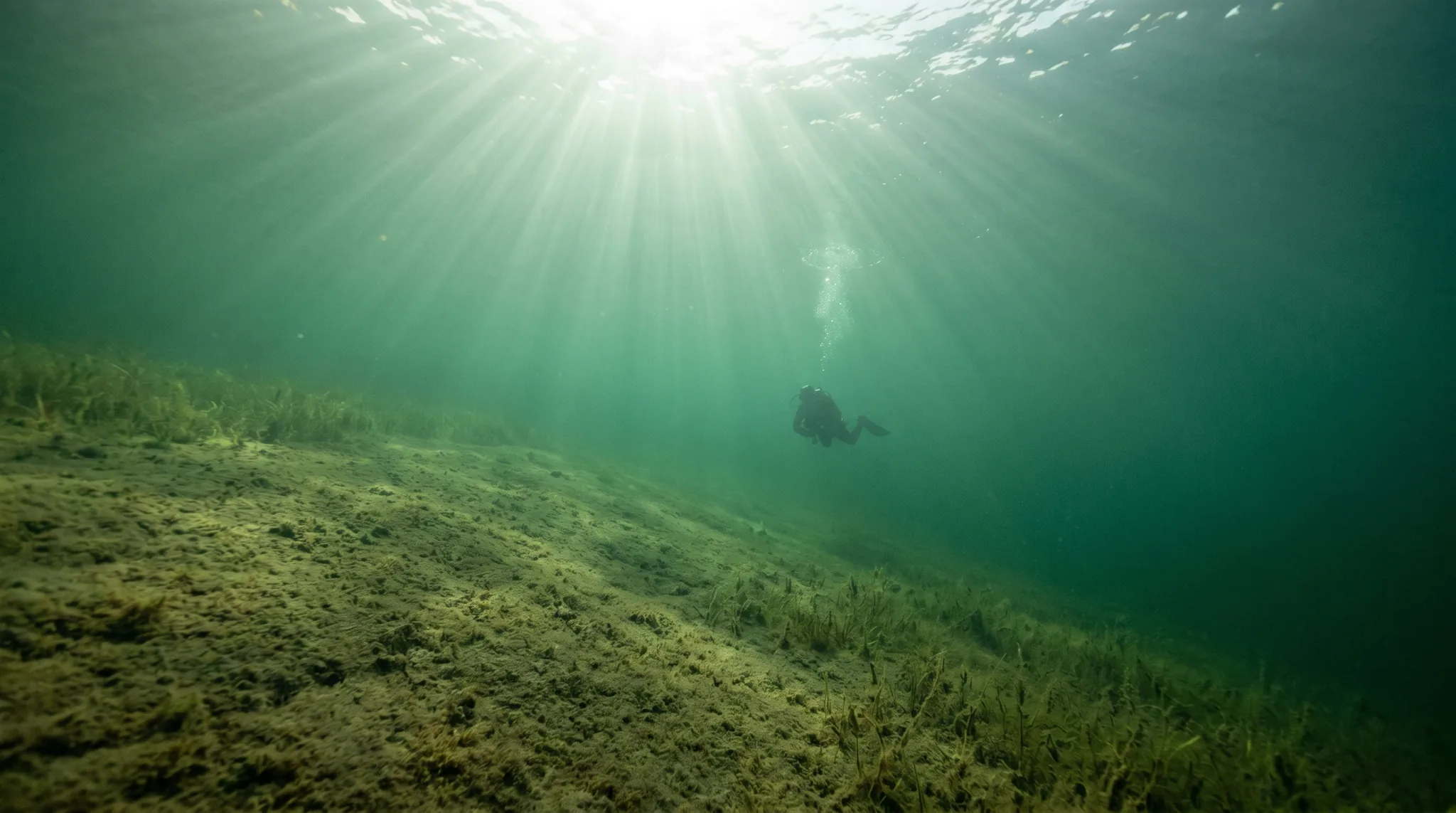
Saxony's diving is freshwater through and through: flooded quarries, former open-cast mining lakes and purpose-built artificial reefs spread across sites concentrated around Kulkwitzer See. The topography varies from shallow, current-free gravel pits suited to beginners through to deep basalt quarries with steep walls and submerged forests that reward advanced divers. Common Carp, Common Perch and Pike are observed across the majority of sites, with Catfish, European Eel and Sturgeon also regularly encountered. Shore entry dominates, keeping logistics simple, while a handful of boat-access sites add variety.
1 areas
82 operators

Fin maps 71 sites in Saxony (71 scuba diving sites and 5 snorkelling spots, with some suited to both).
Across Saxony's dive sites, May, June, July, August and September are most often reported as the best months to visit.
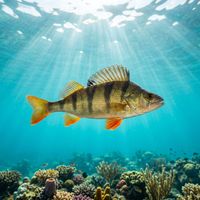
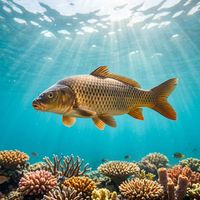
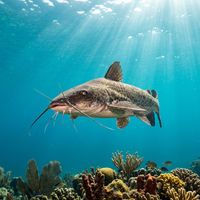
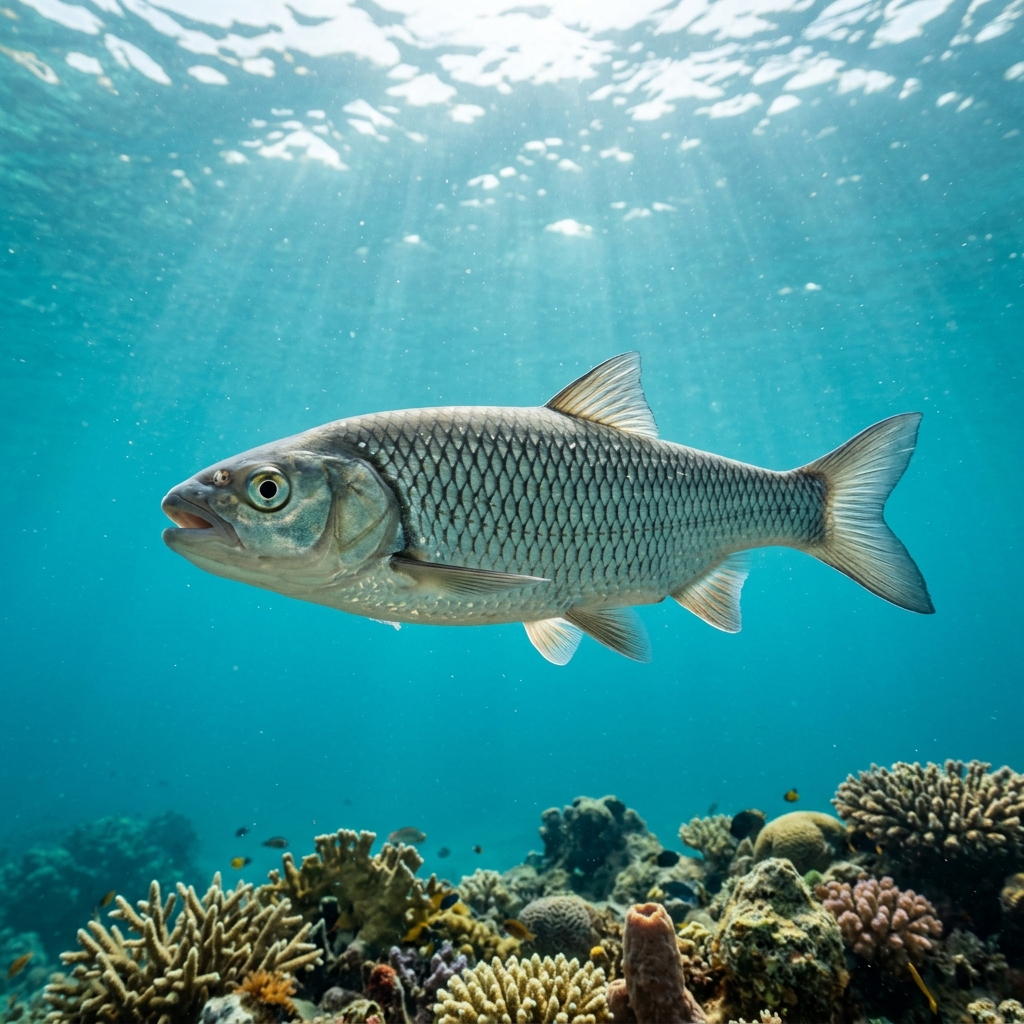
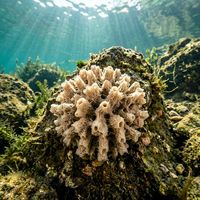
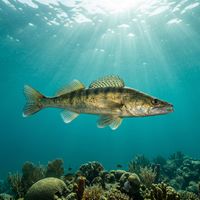
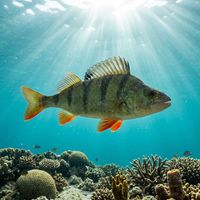
The lakes and quarries hold a diverse freshwater community. Common Carp and Common Perch are observed at the vast majority of sites, and Pike, Catfish, European Eel and Sturgeon are all commonly recorded. Wels Catfish, Roach, Tench and Rudd appear at a smaller number of sites, and American Crayfish and Marbled Crayfish have also been spotted. Freshwater Sponge colonises many of the artificial structures.
Many sites are well suited to divers at the start of their training. Sites such as Prelle Quarry, Cospudener See, Kiesgrube Leuben and Haselbacher See are all rated beginner level, offer shore entry and feature calm, current-free water. More experienced divers can progress to intermediate and advanced quarries with deep walls and complex topography, so the region covers a broad range of skill levels.
Shore entry is the norm across Saxony's sites, with most quarry lakes reached directly from the bank, often with on-site parking. A small number of sites, including Versunkener Wald and Tauchbasis Geiseltalsee, require boat access, adding a different angle on the deeper structures. Many operators, including Kulkidiving and Tauchzentrum Geiseltal, can assist with guided access and equipment.
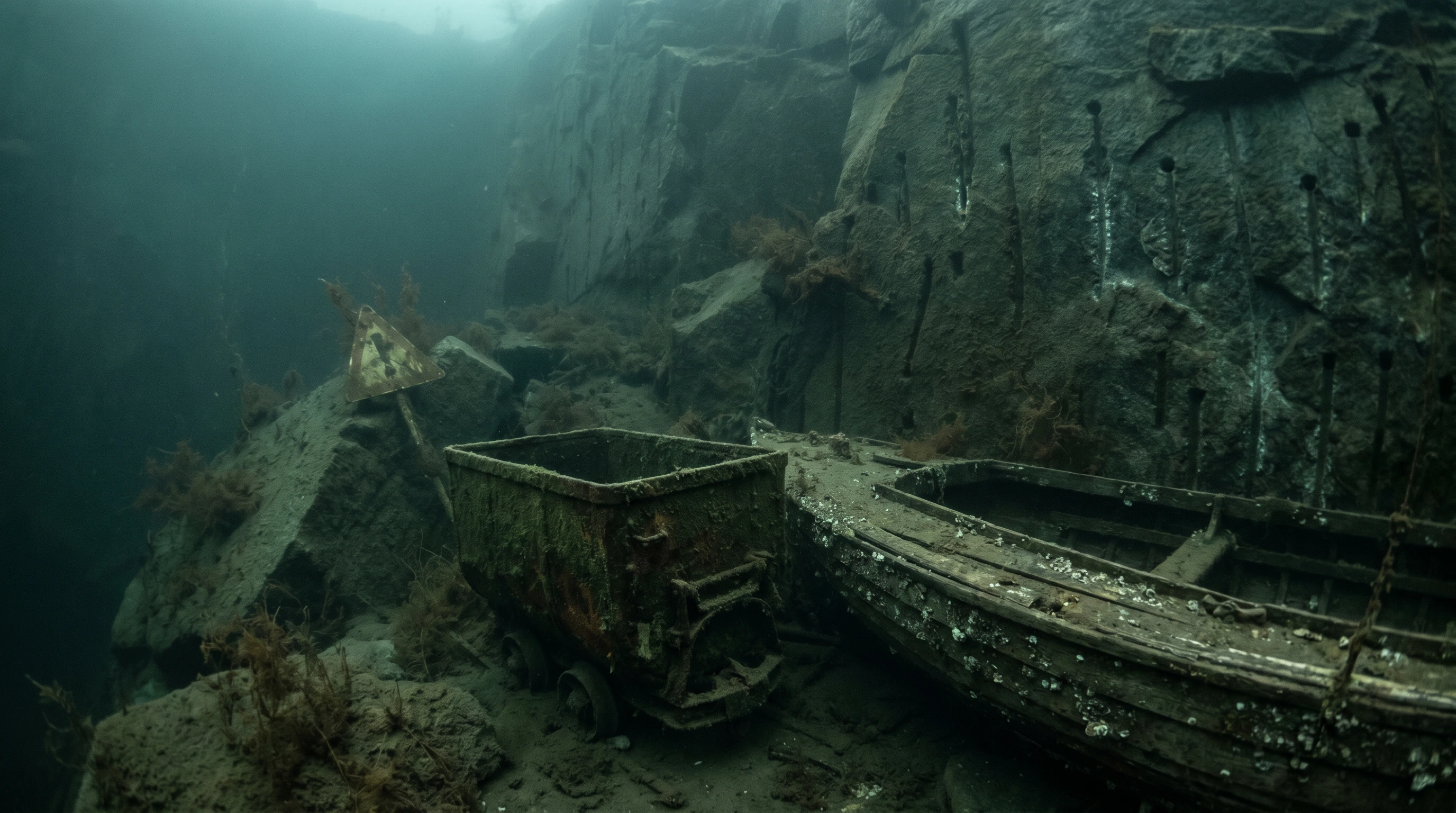
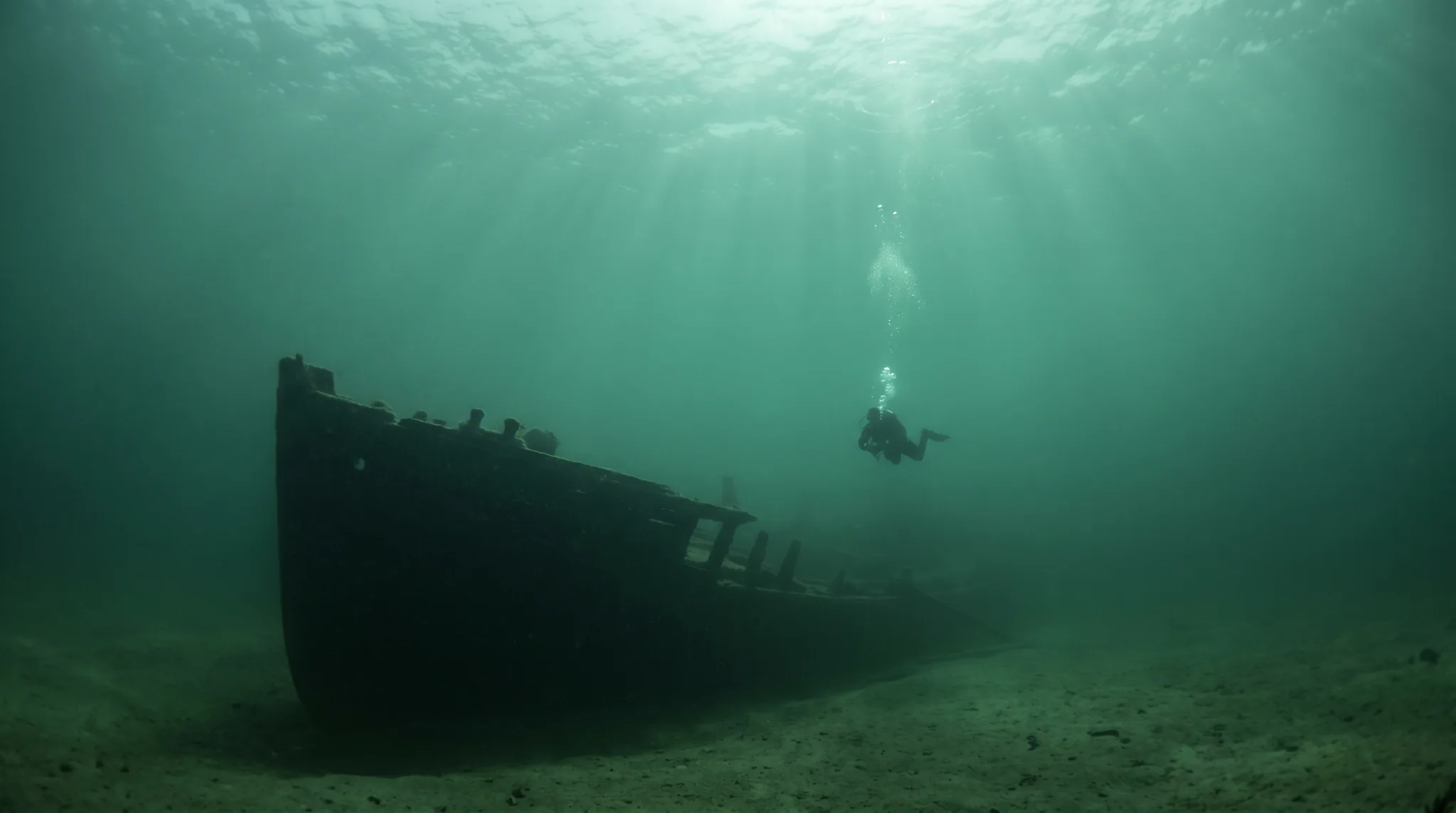
Kulkwitzer See is the hub, accounting for the large majority of listed sites and hosting a wide range of topographies from shallow reef structures to deep walled quarries and a submerged forest. Sites further afield, such as Goldgrube in Wetro, Steinbruch Horka and Großer Ammelshainer Steinbruch, offer quieter settings and their own character, from basalt rock faces to granite basins with wrecks and artificial structures.