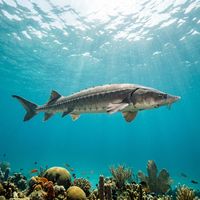
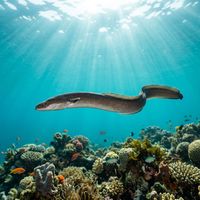
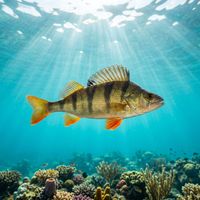
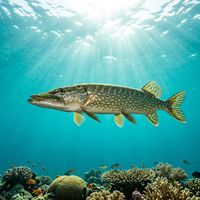
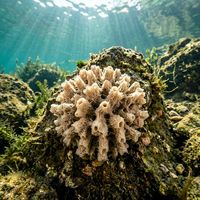
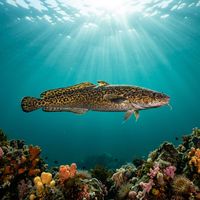
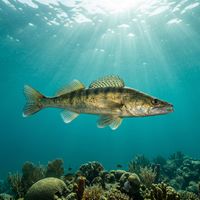
Mecklenburg-Vorpommern's diving scene is built almost entirely around freshwater lakes and quarry pits, with artificial reefs forming the backbone of the experience across many sites. Shore entry dominates, making the region accessible without boat logistics for most dives. Beginner and intermediate divers are well served by the site mix, though Tollensesee stands out with its sunken torpedo test facility remains for those seeking more advanced exploration. Common Perch, European Eel, Pike, and Sturgeon are all observation-backed regulars, and Freshwater Sponge adds an unexpected invertebrate dimension to many dives.
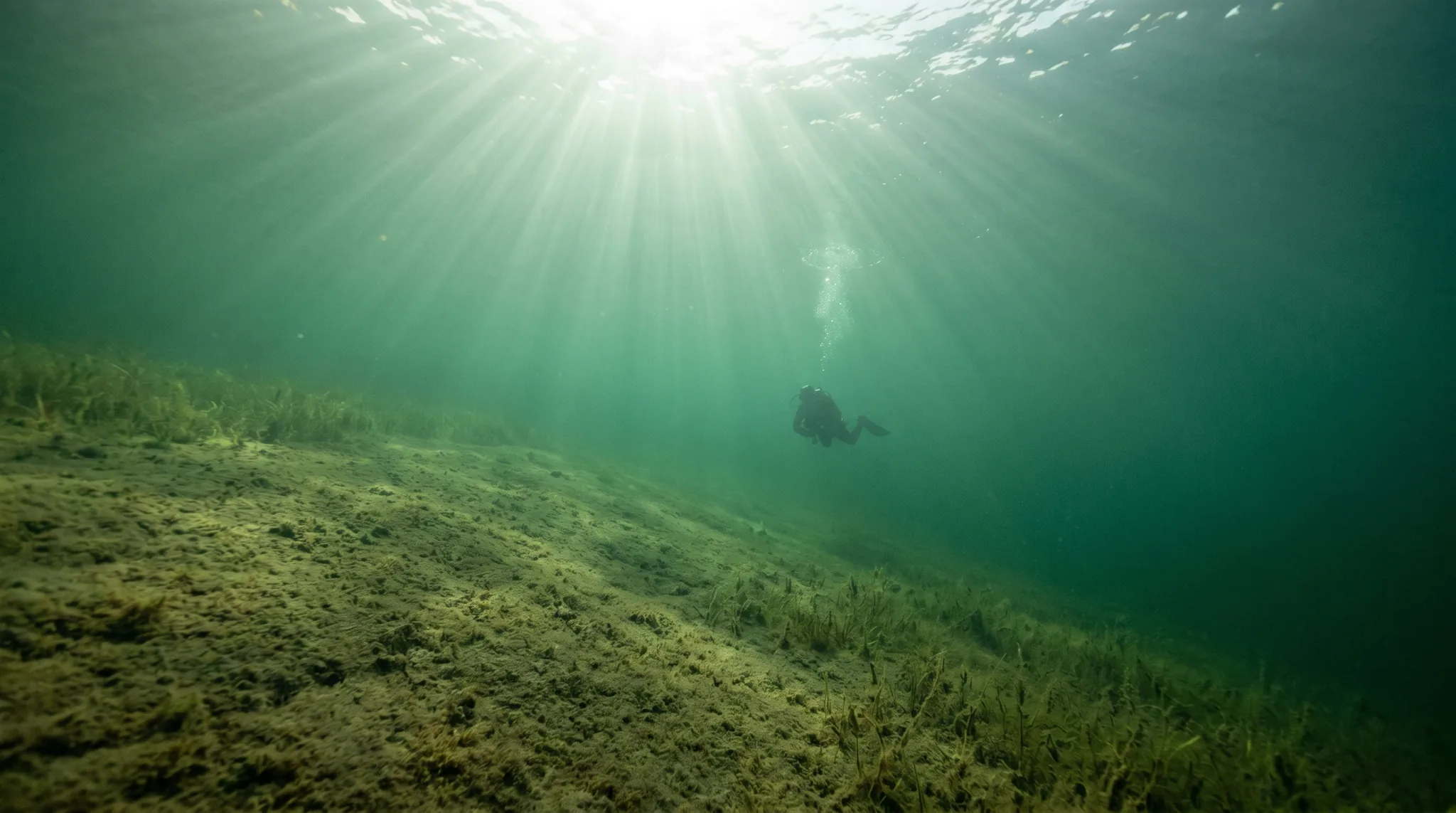
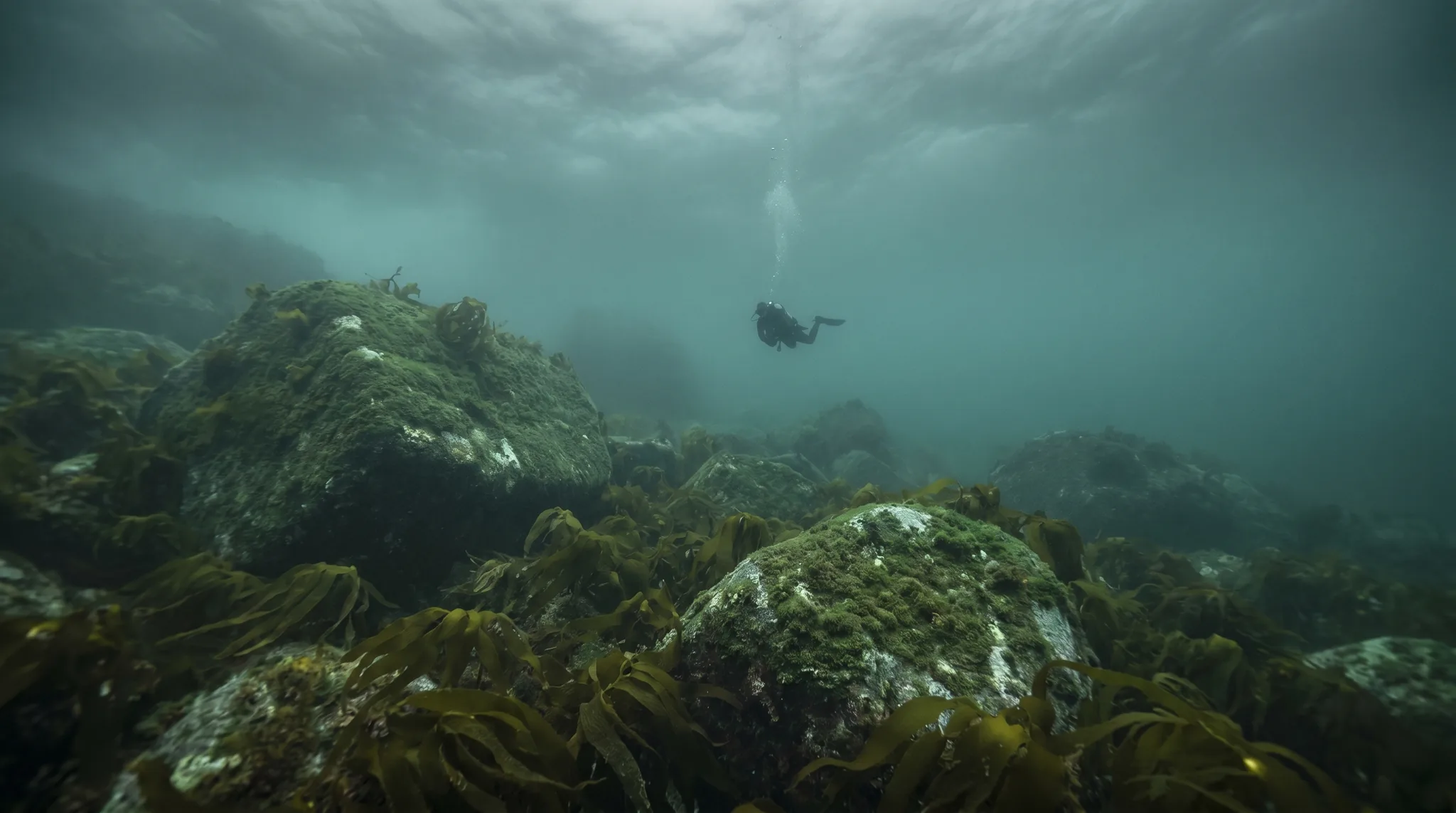
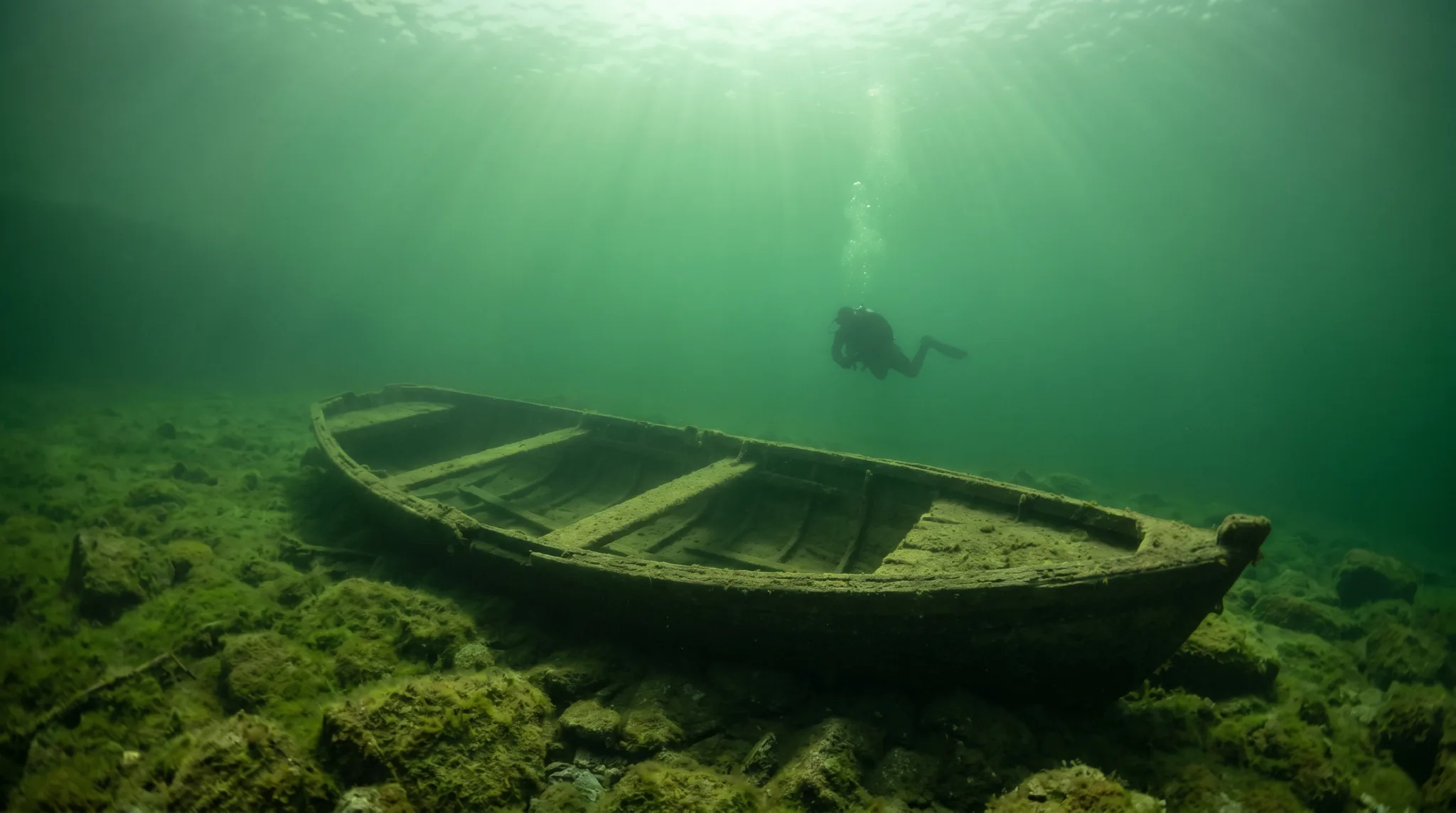
37 more sites to explore
Fin maps 49 sites in Mecklenburg-Vorpommern (48 scuba diving sites and 9 snorkelling spots, with some suited to both).
Across Mecklenburg-Vorpommern's dive sites, May, July, August and September are most often reported as the best months to visit.
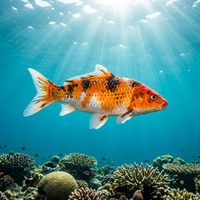
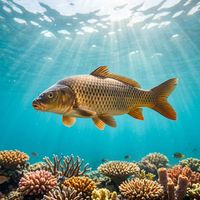
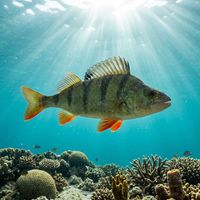
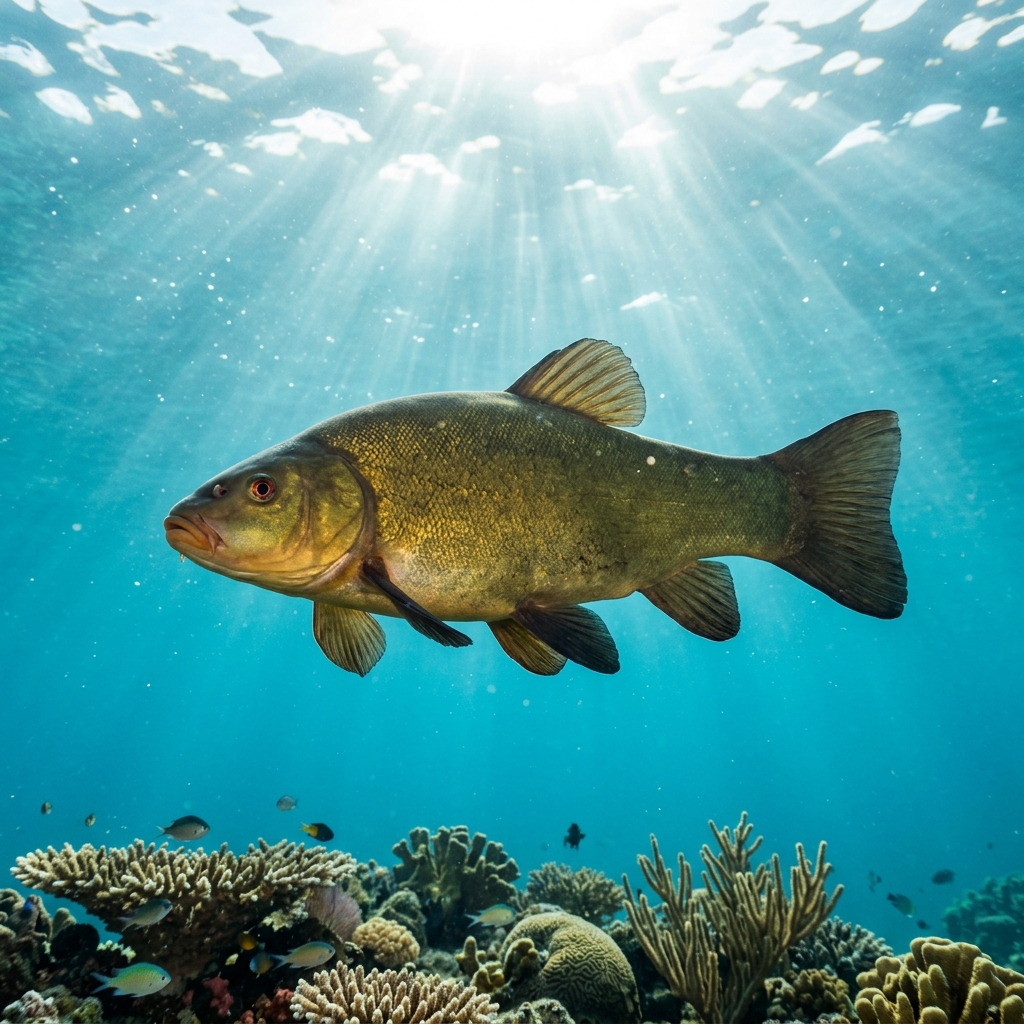
The region's freshwater sites host a well-documented range of species. Common Perch and European Eel are among the most frequently observed, while Pike, Pike Perch, Burbot, Common Carp, and Sturgeon are all recorded sightings across multiple sites. Freshwater Sponge also appears regularly, adding texture to the lake beds and artificial reef structures.
Much of the region is well-suited to those new to diving. A large proportion of sites are rated for beginners, feature calm and current-free conditions, and allow straightforward shore entry. Shallow quarry lakes and small inland lakes provide a forgiving environment for building skills and confidence before tackling the deeper or more complex sites.
Shore entry is available at the vast majority of sites, so boat access is not a requirement for most dives in the region. A small number of sites, including the Jan Heweliusz wreck, do require boat access, and Schmaler Luzin offers both options. For most visiting divers, shore-based diving covers a wide and varied selection of spots.
Tollensesee near Neubrandenburg is rated for advanced divers and reaches notably greater depths than most other sites in the region. It holds the remains of a former torpedo test facility, including various wrecks and torpedo-related structures, making it historically and structurally distinct. Access is possible from both shore and boat, and the site is among the few in Mecklenburg-Vorpommern that truly challenges experienced divers.