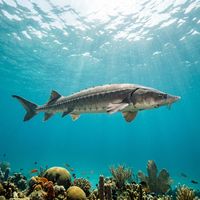
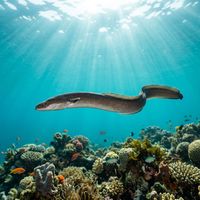
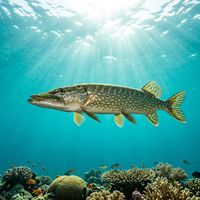
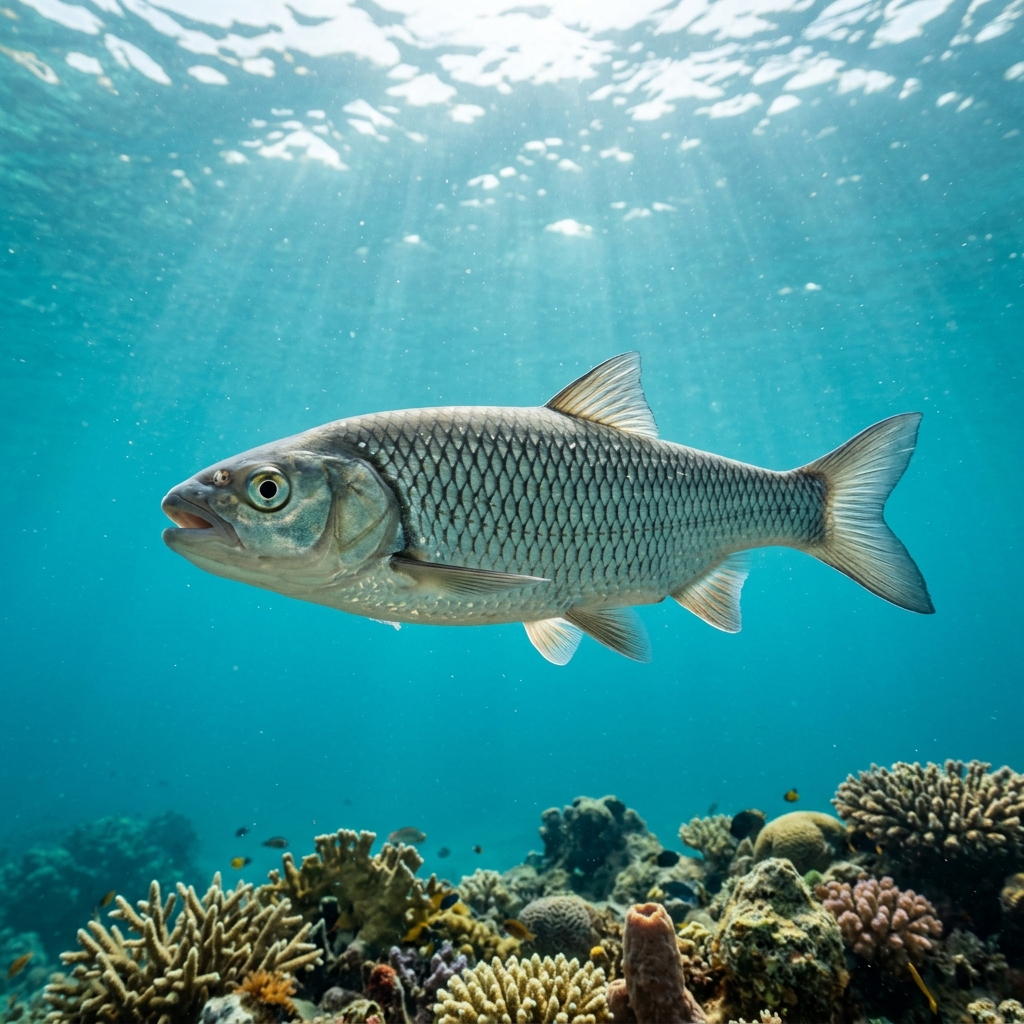
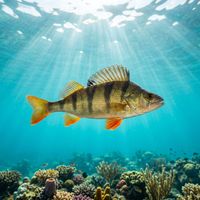
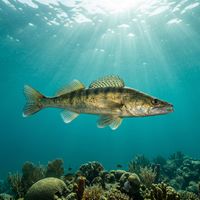
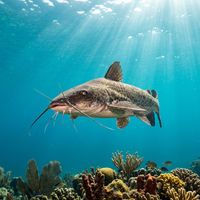
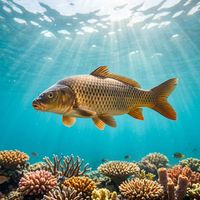
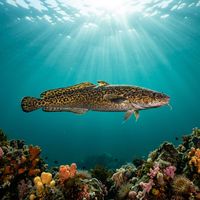
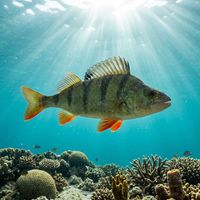
Bavaria's dive scene is built around mountain lakes, and three distinct sub-areas shape the experience: Walchensee leads with the greatest number of sites, Starnberger See offers a broad spread of freshwater dives, and Tegernsee rounds out the region with a smaller but varied selection. Site types range from steep walls and drop-offs to wrecks, artificial reefs, and seagrass-covered plateaux. Pike, Common Perch, Pike Perch, European Eel, and Sturgeon are all observation-backed regulars. Skill levels span beginner-friendly shallows through to advanced wall and wreck dives reaching serious depths. Most sites are shore-entry, making logistics straightforward.
3 areas
 55
55Freshwater wall dives and wrecks in the Bavarian Alps, with Pike, Pike Perch, and Catfish regularly observed at sites spanning beginner to advanced levels.
43Freshwater lake diving in Bavaria, with artificial reefs, shore-entry access and a rich cast of native fish including Pike, Sturgeon and Common Perch.
13Freshwater lake and quarry diving in the Bavarian Alps, with shore-access sites and a rich cast of freshwater fish including Pike, Carp and European Eel.
76 operators

Fin maps 111 sites in Bavaria (102 scuba diving sites and 13 snorkelling spots, with some suited to both), organised into 3 areas.
Across Bavaria's dive sites, May, June, July, August and September are most often reported as the best months to visit.
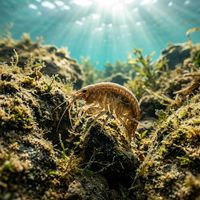
Bavaria's freshwater sites host a wide range of fish species, all observation-backed. Pike, Common Perch, Pike Perch, Common Carp, European Eel, and Sturgeon are among the most frequently reported. Catfish, Burbot, Trout, and Freshwater Shrimp also appear regularly across the three sub-areas.
A good portion of Bavaria's sites are graded for beginners, including shore-entry wall dives such as Wort des Lebens and shallow spots like Luberweiher. Intermediate divers are well served across Walchensee and Starnberger See, while advanced divers will find challenging walls and deep wrecks at sites like Pioniertafel and Desselwand. There is a real spread across skill levels.
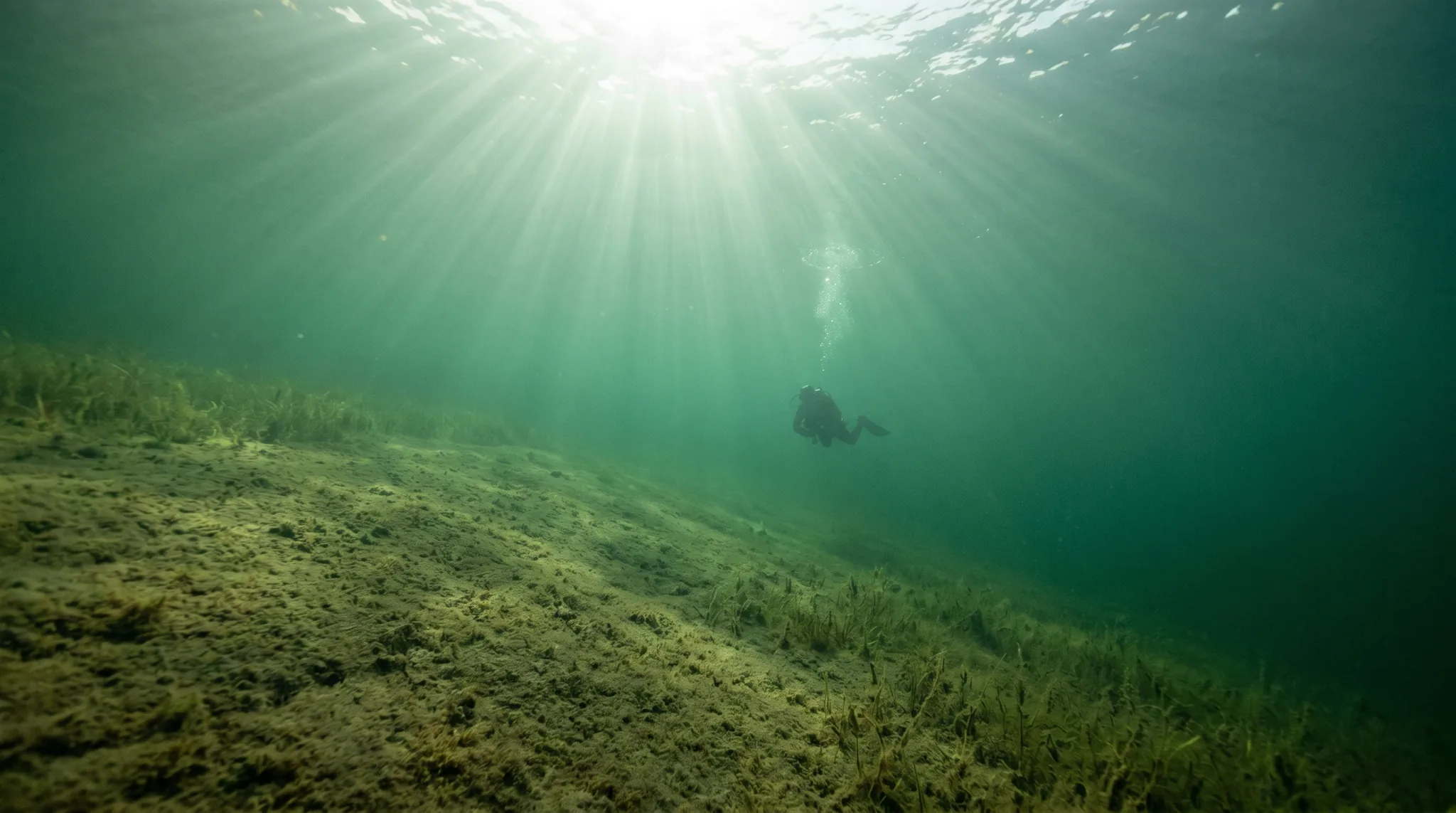
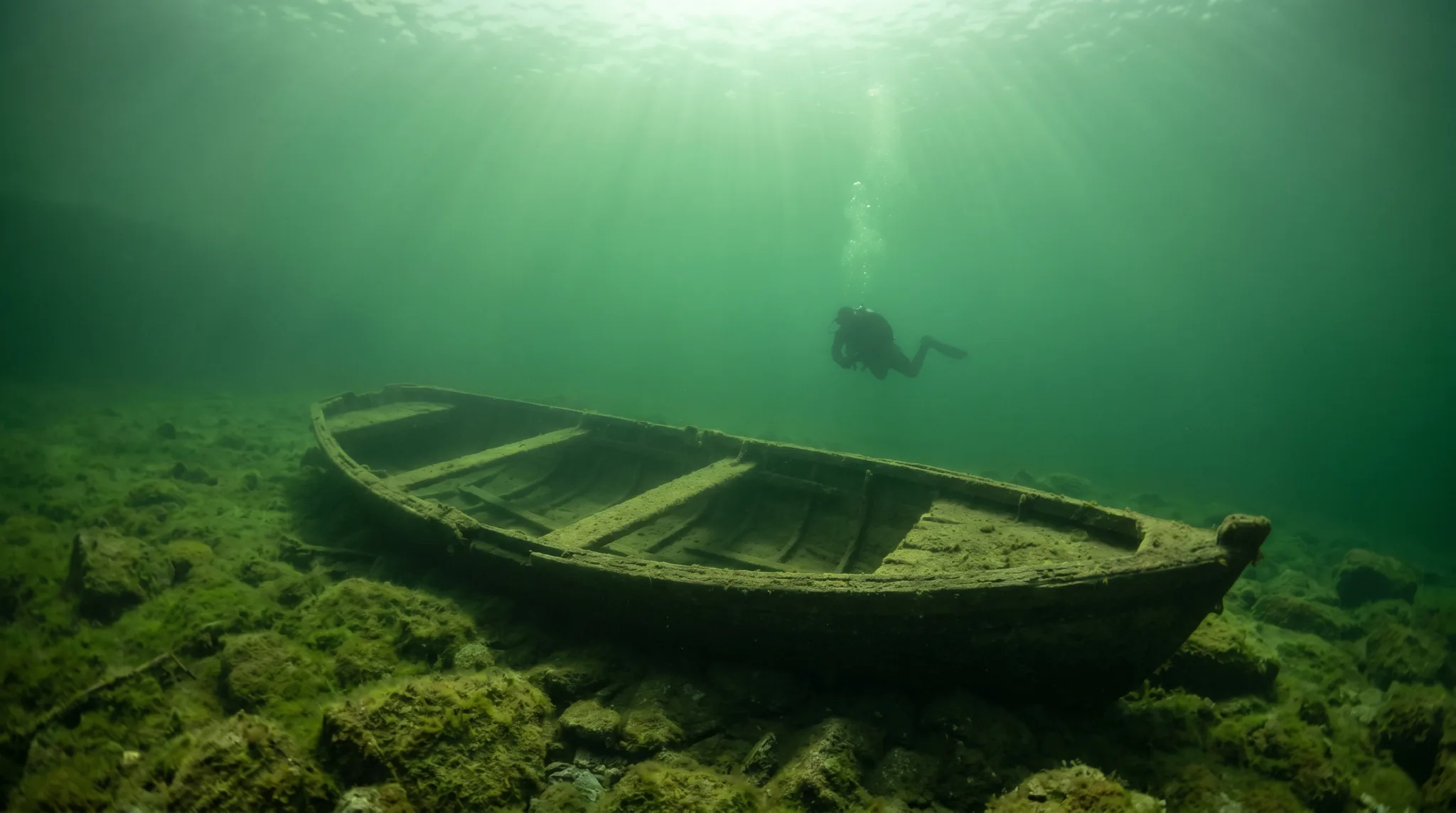
Walchensee is the largest sub-area by site count and offers the greatest variety, including wrecks, steep walls, former quarry topography at Steinbruch, and the shallow plateau at Paradies. Starnberger See adds a substantial number of sites with its own mix of wrecks and drop-offs, including the beginner-friendly Leonie wreck. Tegernsee is the smallest of the three but features both artificial and natural reef structures alongside wrecks and drop-offs.
Shore entry is by far the most common access type across Bavaria's lakes, covering the large majority of listed sites. A smaller number of sites, including Desselwand and Berg in Walchensee, also support boat entry, which is useful for reaching sites set further from the bank. Divers without a boat can still access a wide range of site types and depths.