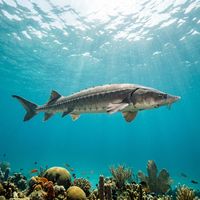
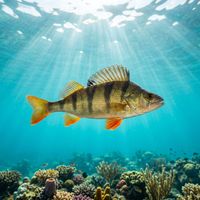
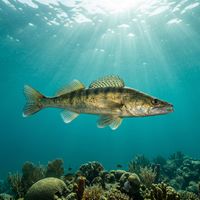
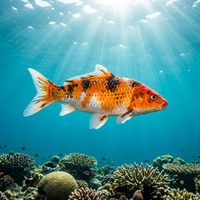
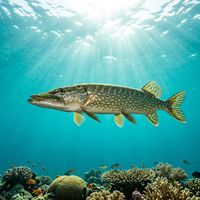
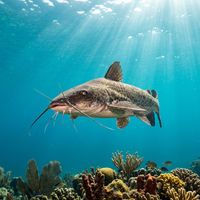
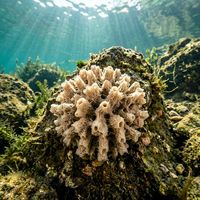
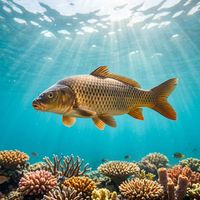
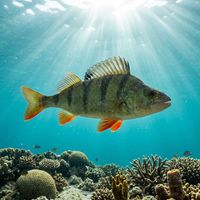
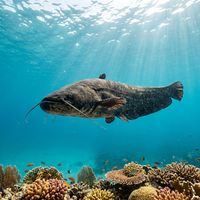
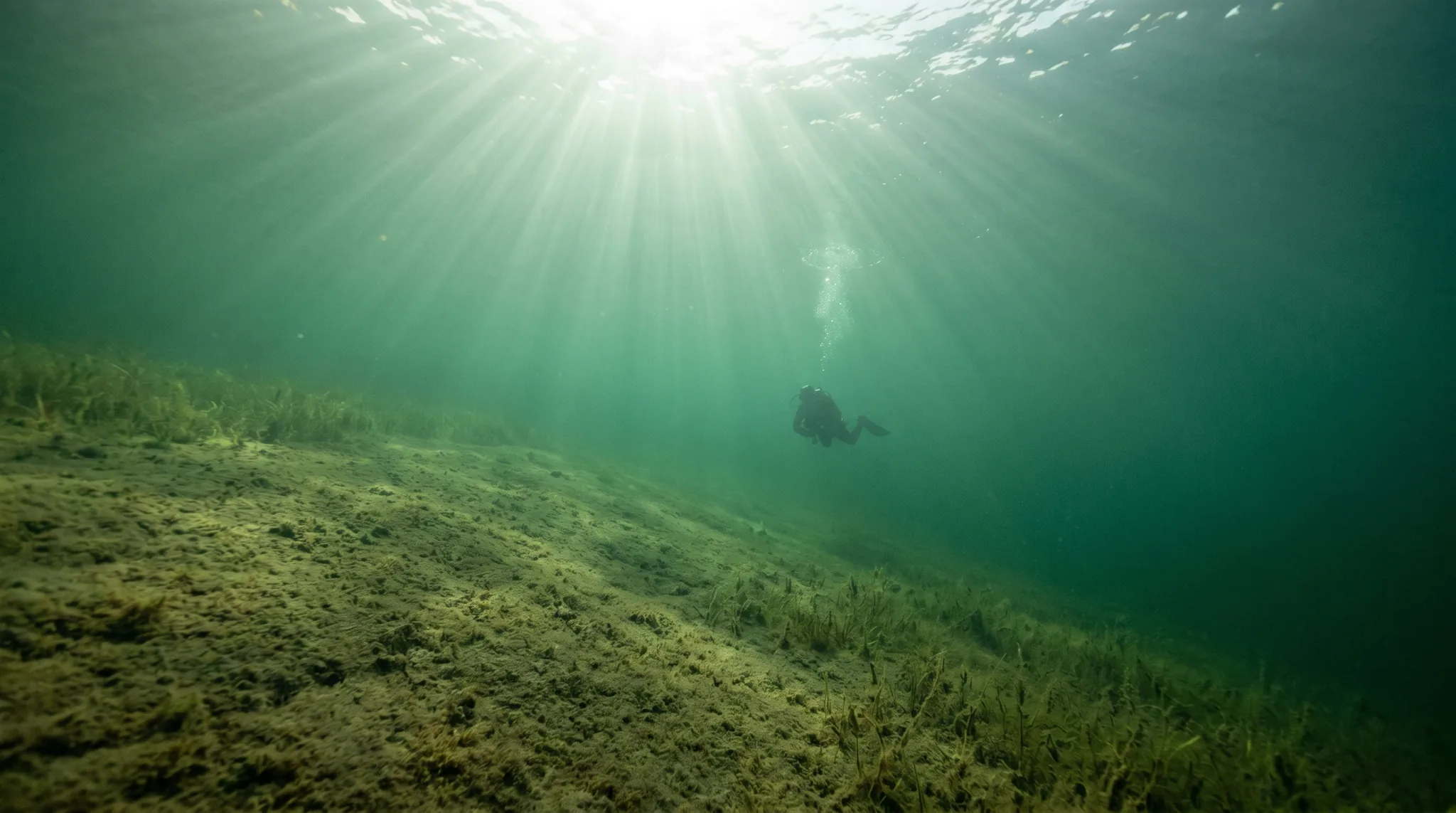
Thuringia's diving is built around flooded quarries, former open-cast mining lakes, and gravel pits, most of them accessed directly from the shore. The two main sub-areas, Sundhäuser See and Hohenwarte-Stausee, between them account for the bulk of sites, with Sundhäuser See offering the greater variety of structures including wrecks, walls, and artificial reefs. Sites range from very shallow training grounds to surprisingly deep descents. The fish life is the defining draw: Common Perch, Pike Perch, Common Carp, Catfish, and Sturgeon are all frequently observed, and Freshwater Sponge colonises many of the artificial structures.
2 areas
53 operators


Fin maps 73 sites in Thuringia (71 scuba diving sites and 5 snorkelling spots, with some suited to both), organised into 2 areas.
Across Thuringia's dive sites, May, June, July, August and September are most often reported as the best months to visit.
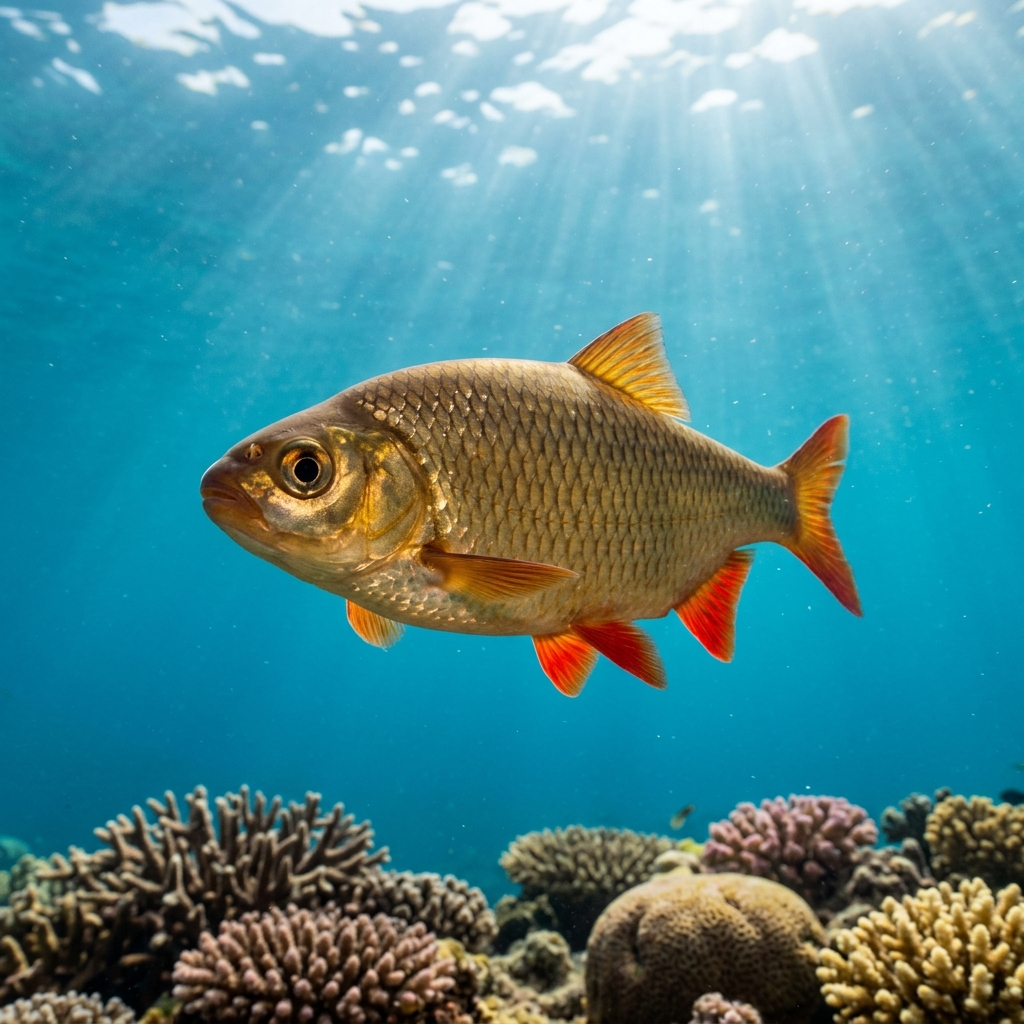
The freshwater fish life here is varied and frequently observed. Common Perch, Pike Perch, Common Carp, Catfish, and Sturgeon are all very commonly reported across sites. Pike and Wels Catfish are also regularly encountered, and patient divers may spot Rudd, Roach, Tench, or Freshwater Crayfish at quieter corners of the lakes.
The great majority of listed sites are rated for beginner divers. Shore entry is almost universal, currents are mild, and many sites are deliberately set up for training and navigation practice. Sites like Tauchsee Hänigsen and Beinhorner Kiessee are particularly shallow and well suited to early open-water dives.
Sundhäuser See holds the larger share of sites and offers the widest range of underwater structures, including wrecks, walls, and artificial reefs at sites such as Süplinger Canyon and Glöthe. Hohenwarte-Stausee is somewhat smaller in scale but includes sheltered flooded quarries like Steinbruch Pinkvoss, Kirchberg, which are particularly well suited to beginner divers seeking a calm, structured environment.
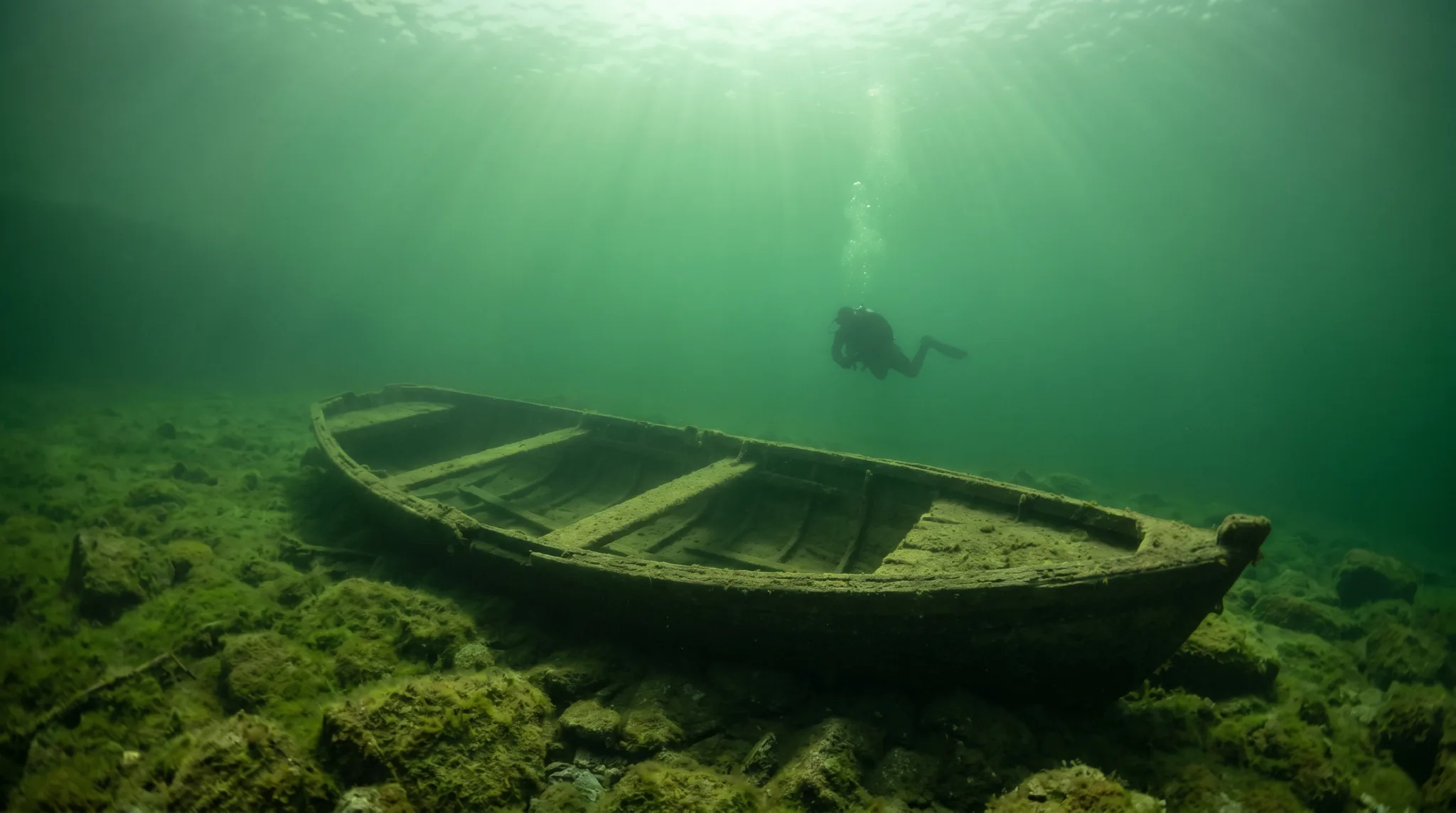
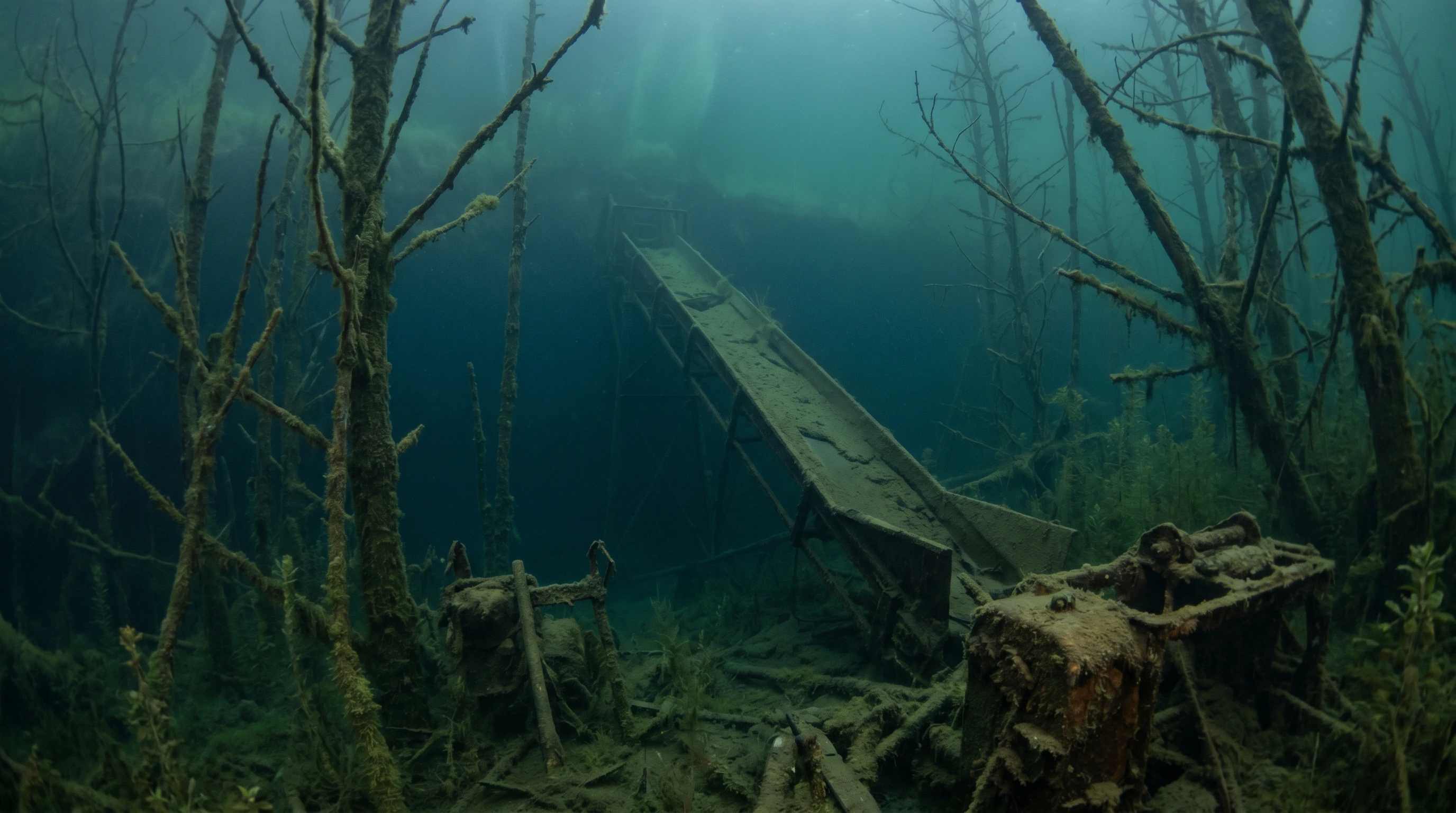
Artificial reefs are the dominant feature across the region, placed in former quarry lakes and mining pits to create habitat and diving interest. Several sites also include submerged wrecks and wall formations. Freshwater Sponge is commonly observed growing on these structures, adding biological texture to what are otherwise industrial settings.