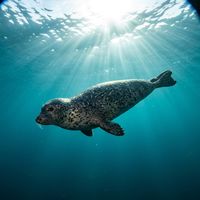
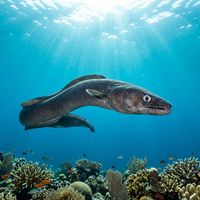
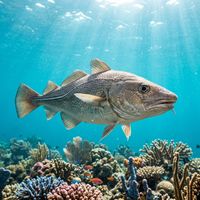
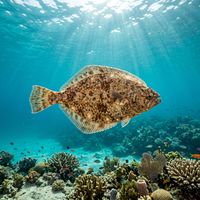
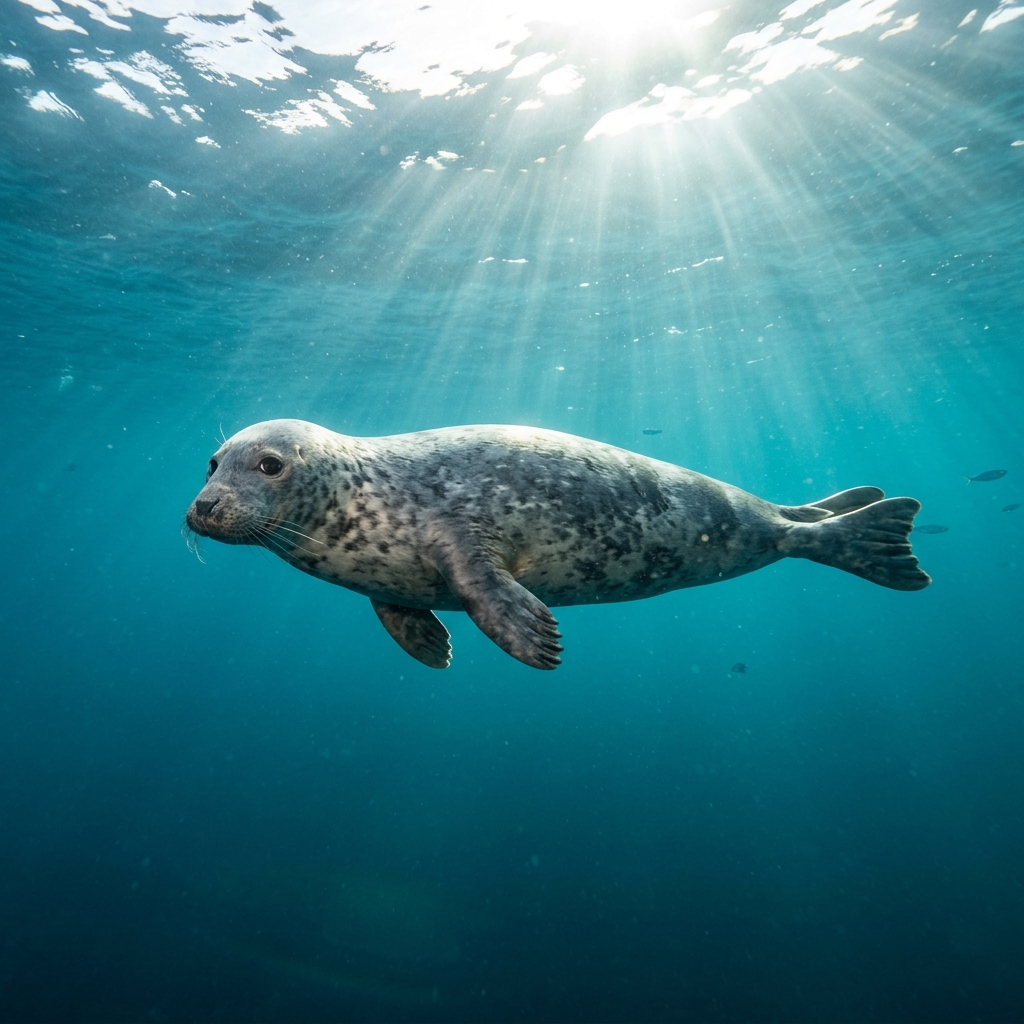
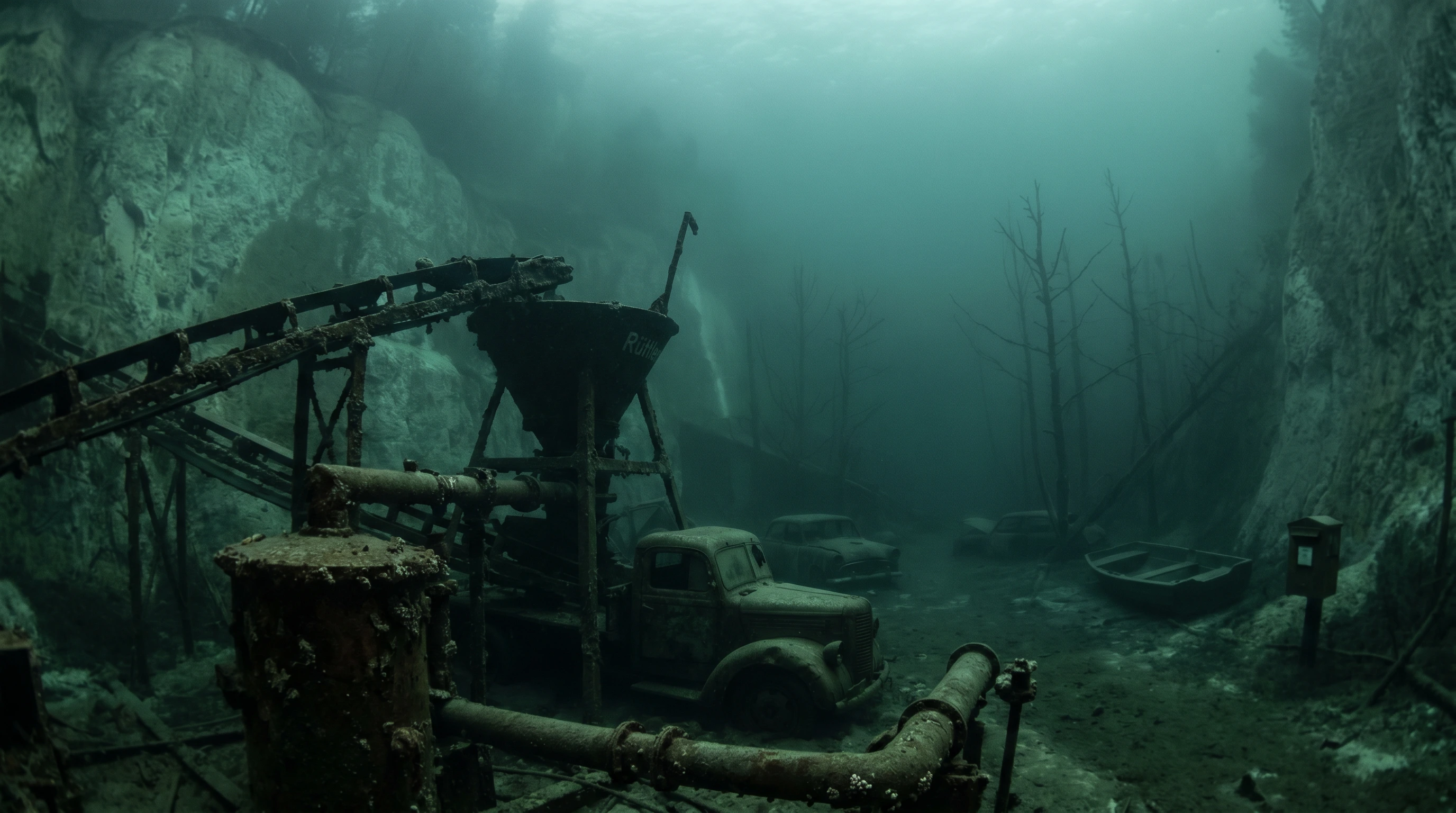
Lower Saxony's diving is built around flooded quarries, gravel pits and former industrial lakes, each shaped by freshwater conditions rather than coastline. The dominant sub-area, Kreidesee Hemmoor, defines the region's character with chalk walls, drop-offs, wrecks and submerged industrial structures across a wide depth range. Elsewhere, sites like Oortkaaten, Banter See and Dankerner See offer artificial reefs and wreck features accessible from shore. Most sites suit beginners, though Kreidesee Hemmoor and the Cimbria Wreck demand intermediate skills. Harbor Seal, Cod, Conger Eel and Righteye Flounder are reliably observed across the region.
1 areas
Monthly water temperature across Lower Saxony's sites, from satellite sea-surface data corrected for depth. The band shows the site-to-site spread.
Water temperatures are cold through winter and early spring, climbing through May and peaking in summer before dropping again in autumn. The warmest months align closely with the peak diving season from late spring through early autumn, when conditions are most comfortable for extended dives. A drysuit or well-configured wetsuit is appropriate outside the summer months given the significant temperature range across the year.
44 operators

Water temperature around Lower Saxony ranges from about 5°C in January to 19°C in August, based on satellite sea-temperature data for its dive sites.
In the warm season (about 19°C) a 5mm suit is comfortable in Lower Saxony; in the coldest months (about 5°C) step up to a drysuit.
Fin maps 53 sites in Lower Saxony (53 scuba diving sites and 3 snorkelling spots, with some suited to both).
Across Lower Saxony's dive sites, May, June, July, August and September are most often reported as the best months to visit.
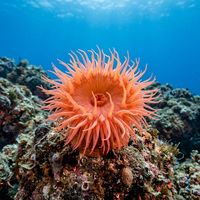
The region's freshwater lakes host a variety of species. Harbor Seal and Cod are among the most commonly observed, alongside Conger Eel, Righteye Flounder, Dead Man's Fingers and Sea Anemone. Common Perch, Common Carp and Pike are also regularly encountered, particularly at the inland lake sites.
The majority of sites in Lower Saxony are rated for beginners, including popular venues such as Moellersee, Oortkaaten, Banter See and Dankerner See. These are all shore-entry lakes with straightforward access and modest depths. Intermediate divers will find more challenge at Kreidesee Hemmoor and the Cimbria Wreck, which involve deeper water and moderate currents.
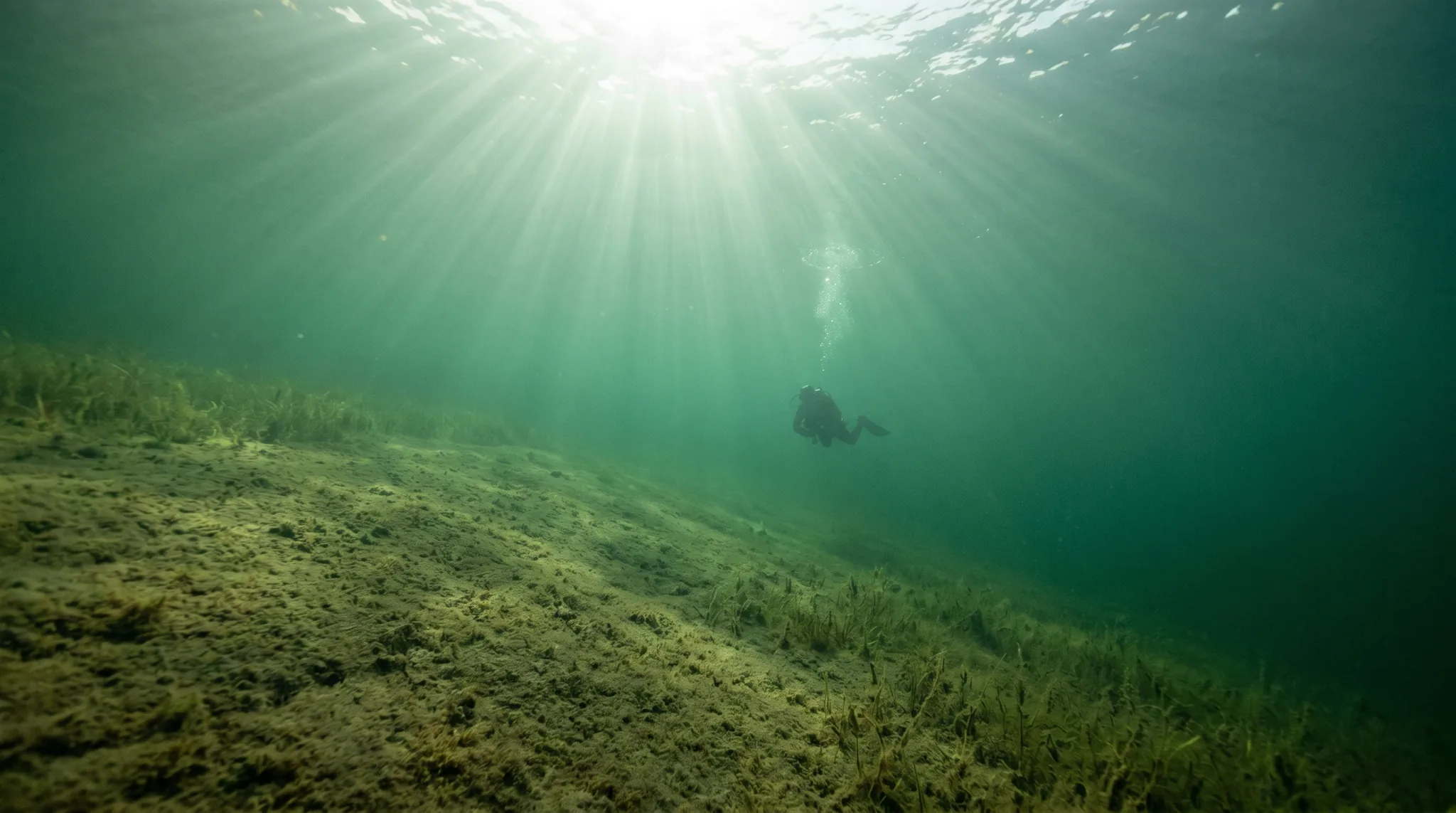
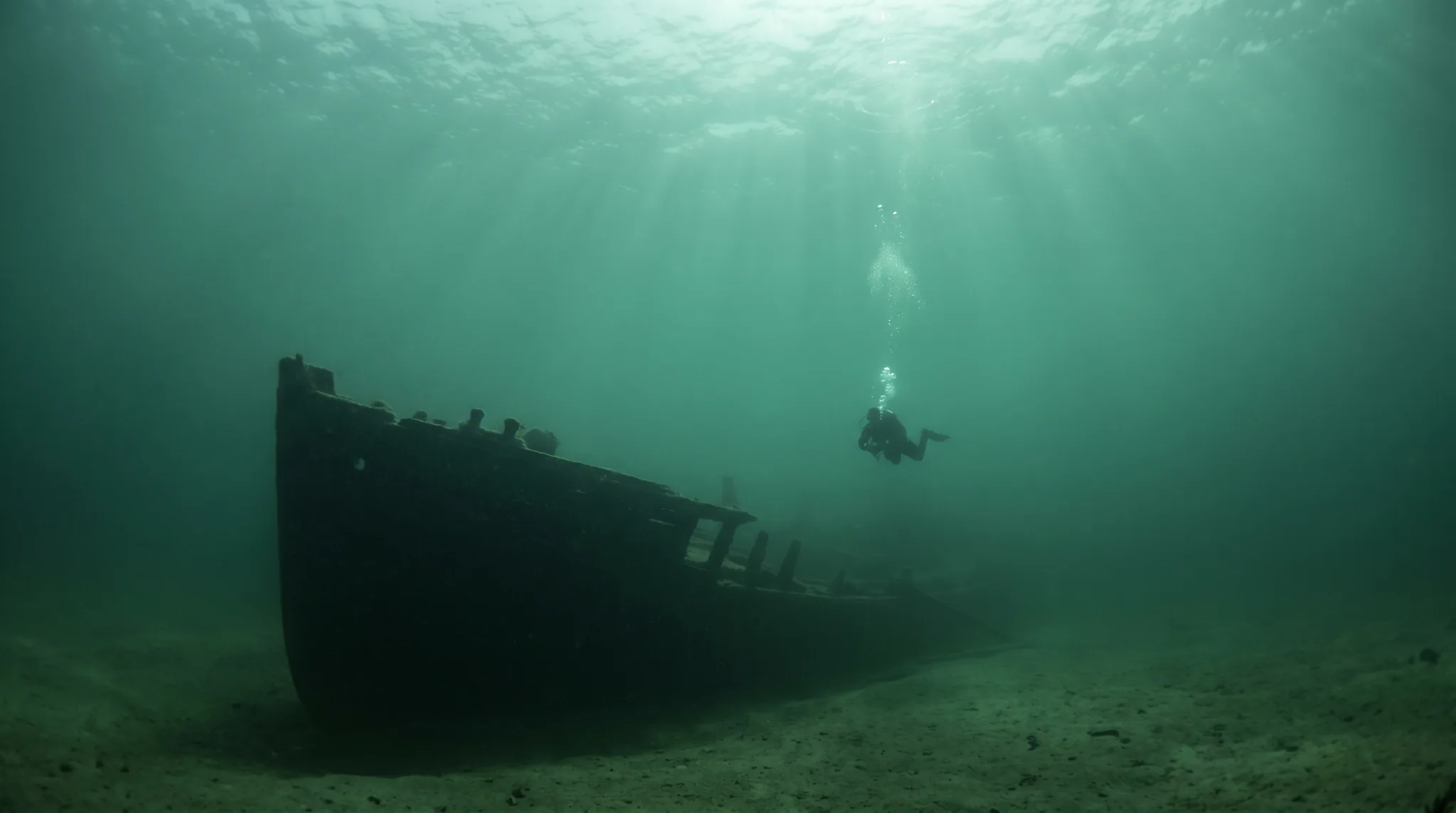
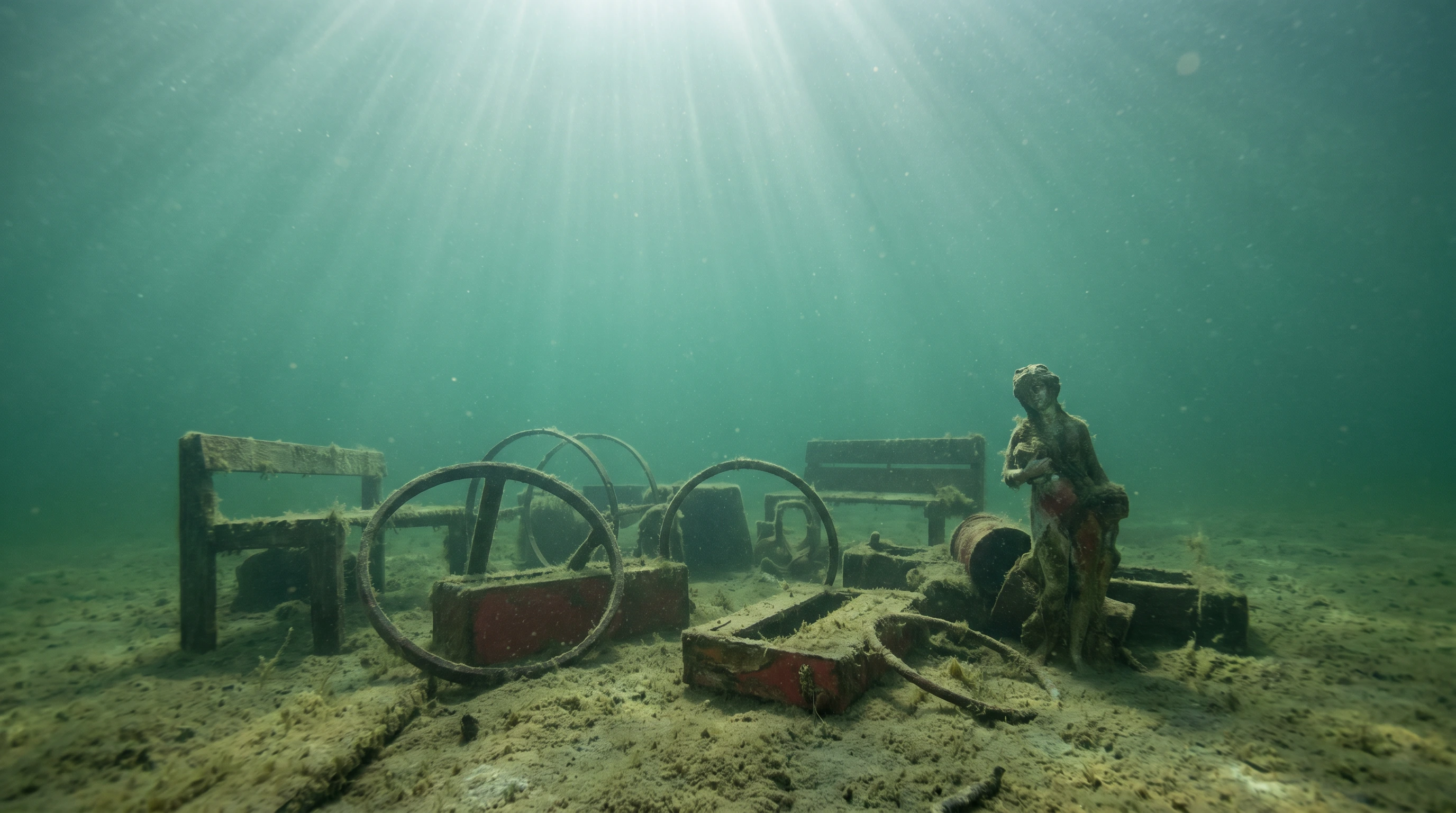
Most sites are flooded quarries or gravel pits with artificial reef features and shore entry. Kreidesee Hemmoor stands apart with chalk walls, significant drop-offs, wrecks and former industrial structures across a much greater depth range than other sites in the region. Banter See adds historical interest with harbour ruins and a submerged barge bow, while sites like Dankerner See and Hohendeicher See are better known as structured training and recreational venues.
The vast majority of sites in Lower Saxony are accessible directly from shore, which makes them convenient for independent divers. The Cimbria Wreck and Heike Wreck are notable exceptions, both requiring boat entry. Operators such as Tauchbasis Kreidesee Hemmoor and Into Abyss Technical Diving are among those listed in the region who can facilitate boat-based dives.