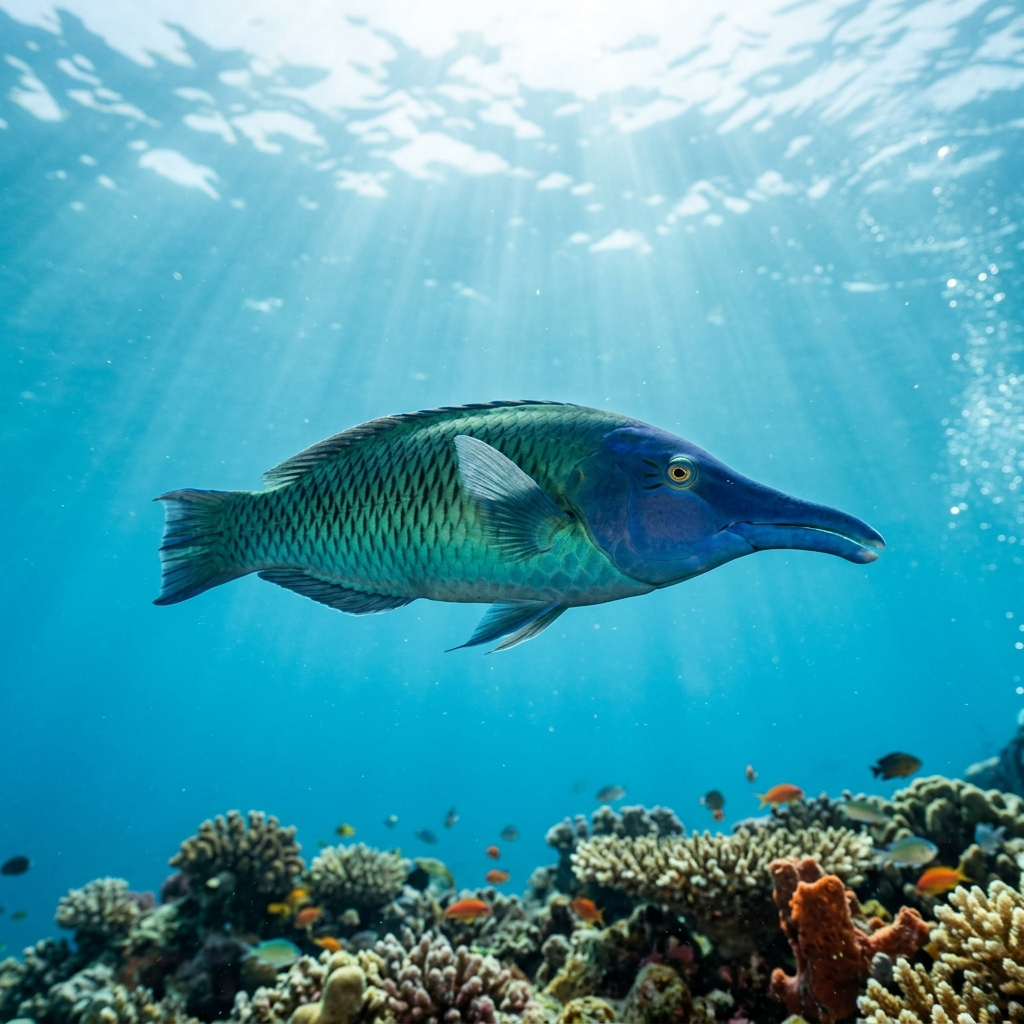
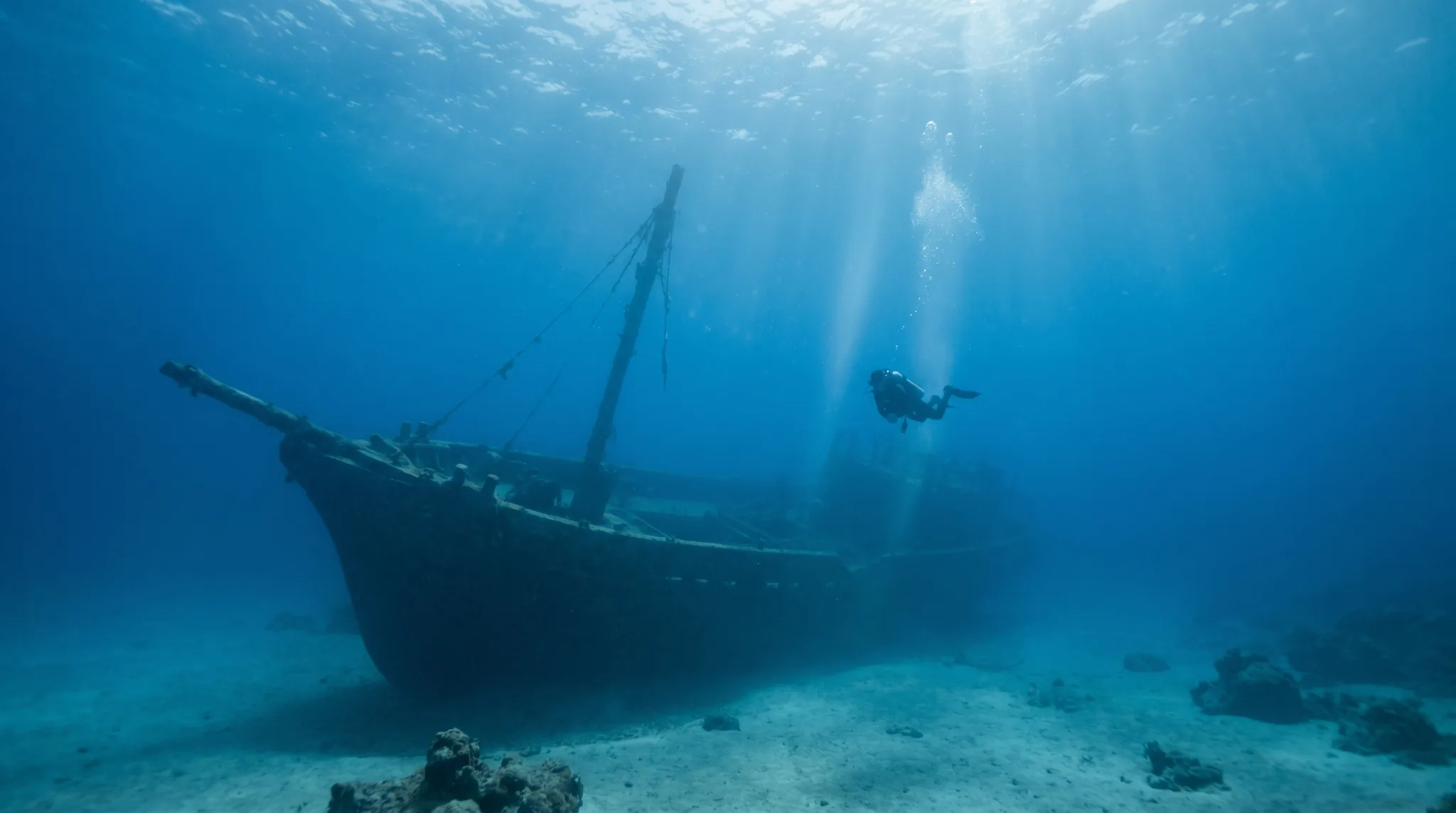
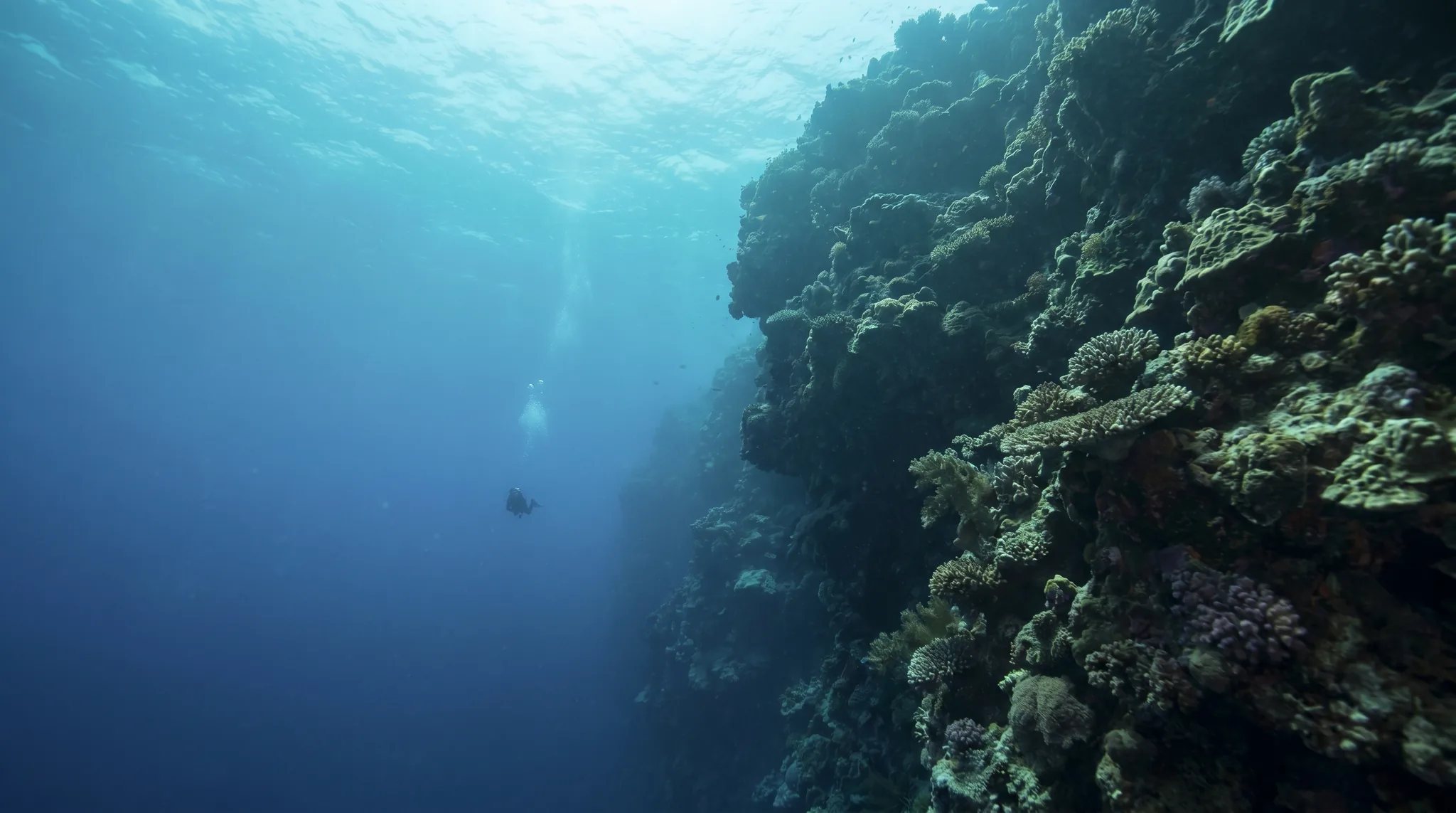
Tahiti Nui's dive sites are dominated by walls and drop-offs, with reef structures running from shallow coral gardens down to serious depths. The Catalina wreck adds variety as an artificial reef accessible to beginners, while sites like Pointe Venus and Radio Whisky suit intermediate divers comfortable with depth. Snorkelling is concentrated along the calmer west coast. The Moorish Idol, Orangestripe Triggerfish and Bird Wrasse are reliably present, alongside the Spotted Eagle Ray and Giant Moray.

Monthly water temperature across Tahiti Nui's sites, from satellite sea-surface data corrected for depth. The band shows the site-to-site spread.
Water stays warm year-round, with the coolest months running from July through November and the warmest period centred on the early months of the year. The best-months data points strongly towards the dry season from May through October, when conditions tend to be more settled and visibility improves. Exposed wall and drop-off sites can be affected by swell and current, so checking local conditions before heading out to sites like Radio Whisky or St Etienne Drop-Off is worthwhile.
13 operators
French Polynesia
French Polynesia
41 more sites to explore
Water temperature around Tahiti Nui ranges from about 27°C in July to 29°C in February, based on satellite sea-temperature data for its dive sites.
With water around 27–29°C, a rash guard or 3mm shorty works in Tahiti Nui year-round.
Fin maps 48 sites in Tahiti Nui (40 scuba diving sites and 12 snorkelling spots, with some suited to both).
Across Tahiti Nui's dive sites, May, June, July, August, September and October are most often reported as the best months to visit.
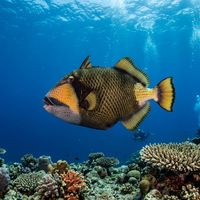
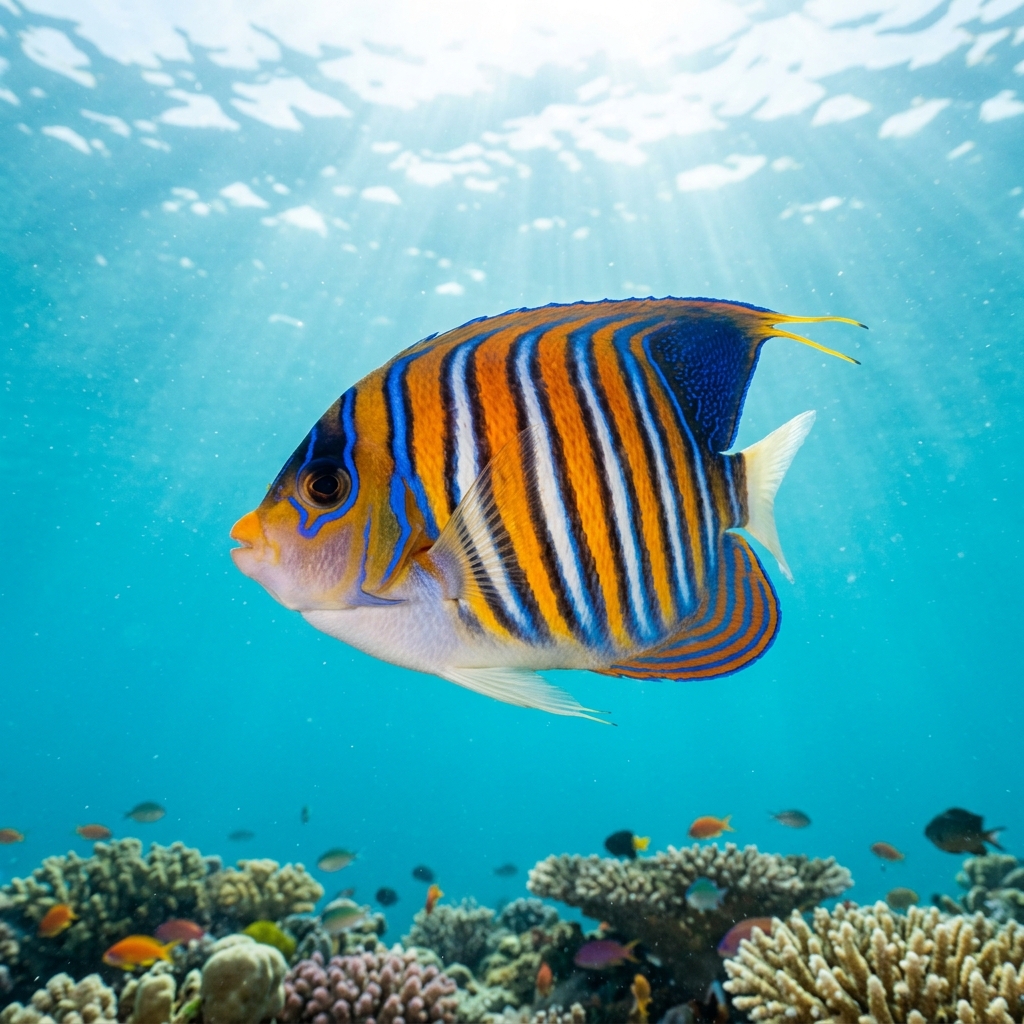
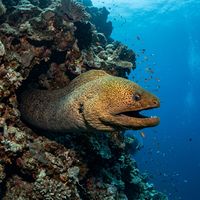
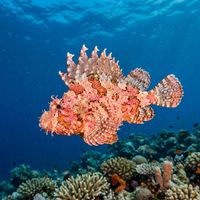
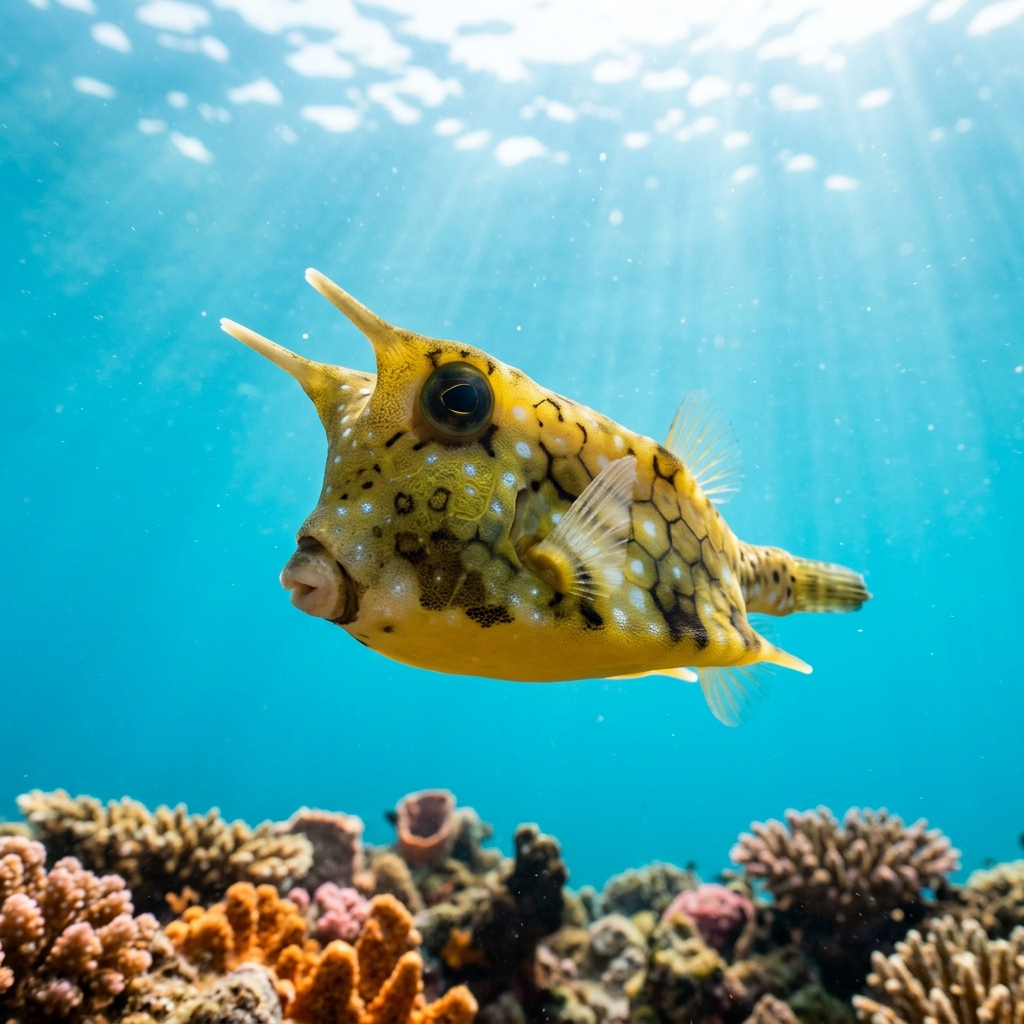
The reef fish community is particularly rich, with the Moorish Idol, Orangestripe Triggerfish and Bird Wrasse seen across nearly all sites. The Spotted Eagle Ray and Giant Moray are consistent highlights, and patient divers may also encounter the Leaf Scorpionfish and Longhorn Cowfish. The Regal Angelfish and Raccoon Butterflyfish add colour to most dives.
A good portion of the sites are rated at intermediate level, particularly the walls and drop-offs such as Pointe Venus and St Etienne Drop-Off, which demand careful depth management. However, The Catalina wreck is rated beginner-friendly and sits at manageable depths, making it a solid first wreck dive. Beginners would benefit from diving with one of the local operators such as Plongée Tahiti or ScubaTek Tahiti Dive Center.
Both options are available, though most of the deeper wall and drop-off sites are reached by boat. Shore diving is possible at Pointe Venus, and Arue Fault can be accessed from either shore or boat. Boat access opens up sites like Radio Whisky and St Etienne Drop-Off, which sit further from the coast. Several operators in the region run regular boat trips to these sites.
Walls and drop-offs are the defining feature, with reef structures providing the habitat that supports the area's diverse fish life. The Catalina wreck stands apart as the only dedicated wreck site, functioning also as an artificial reef. Arue Fault is notable for combining a wall, reef and cave system in a single dive.