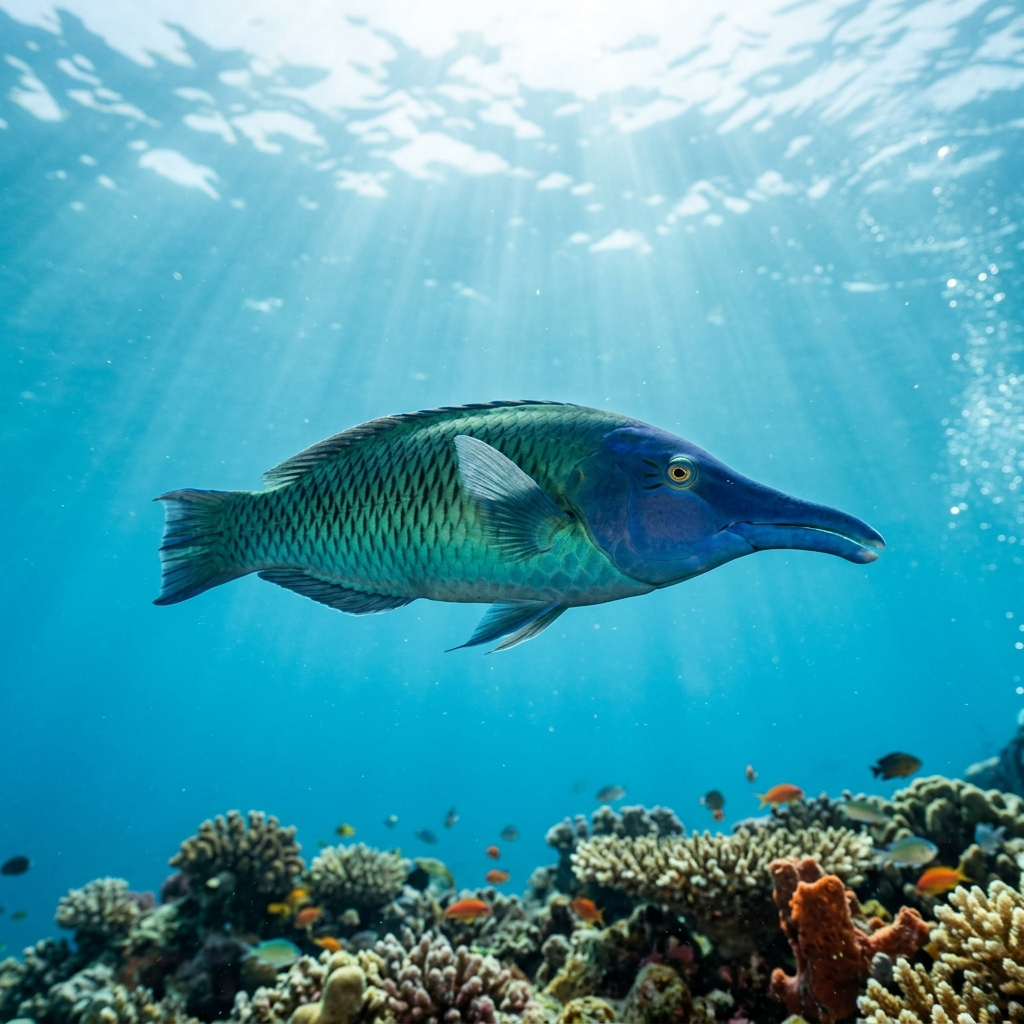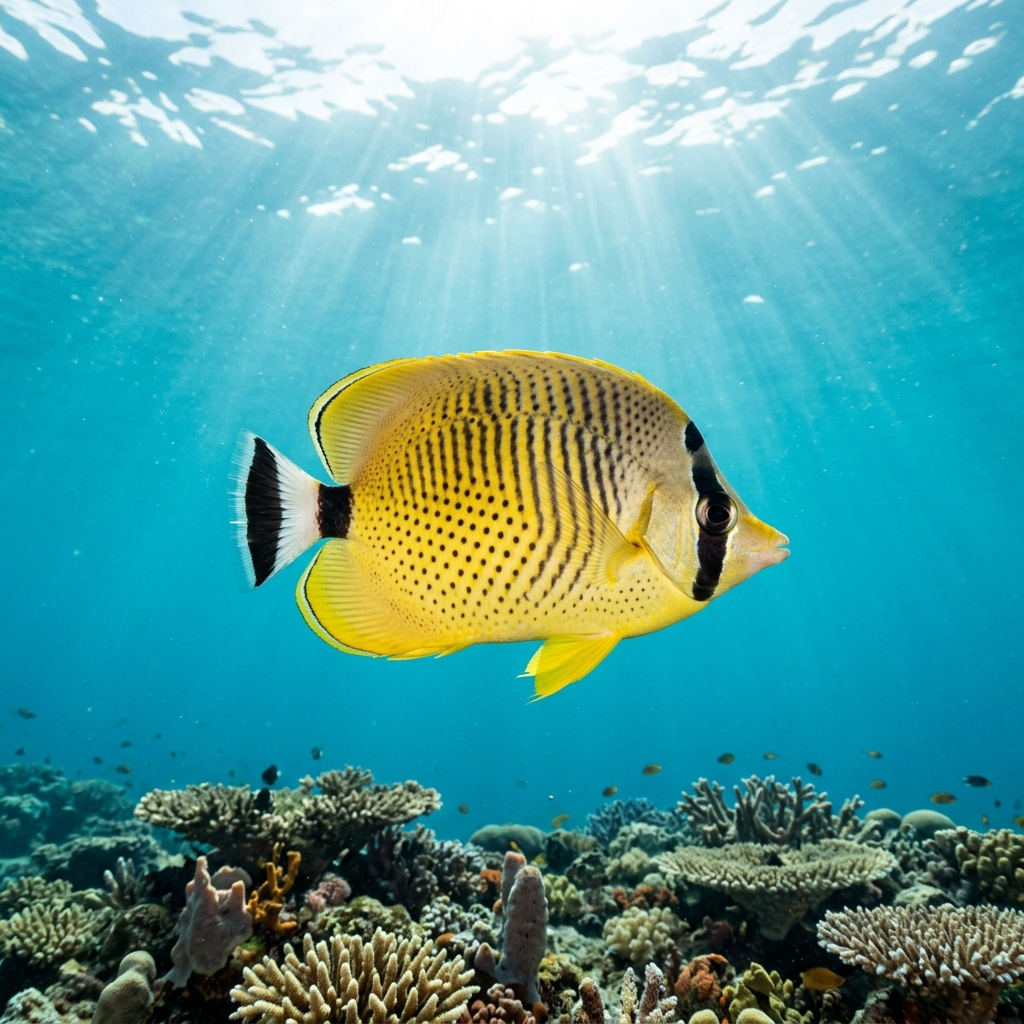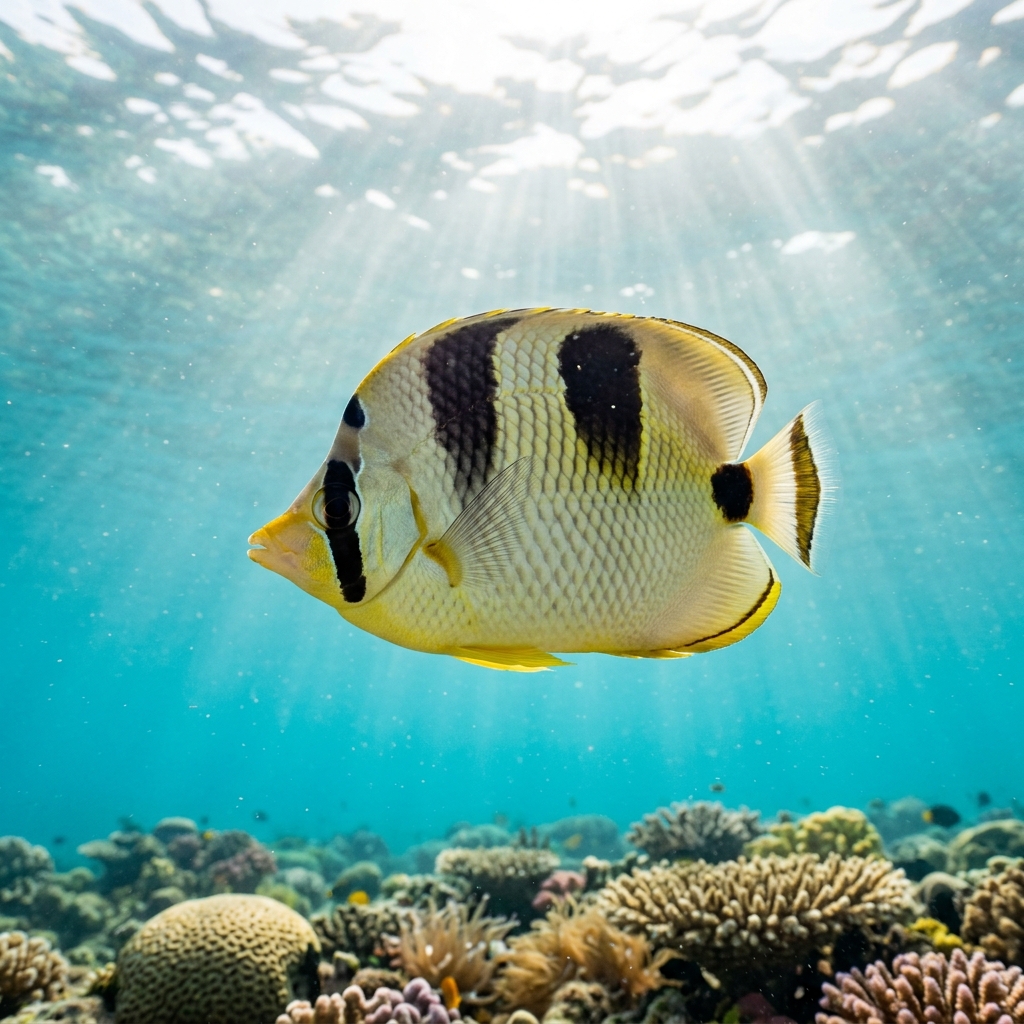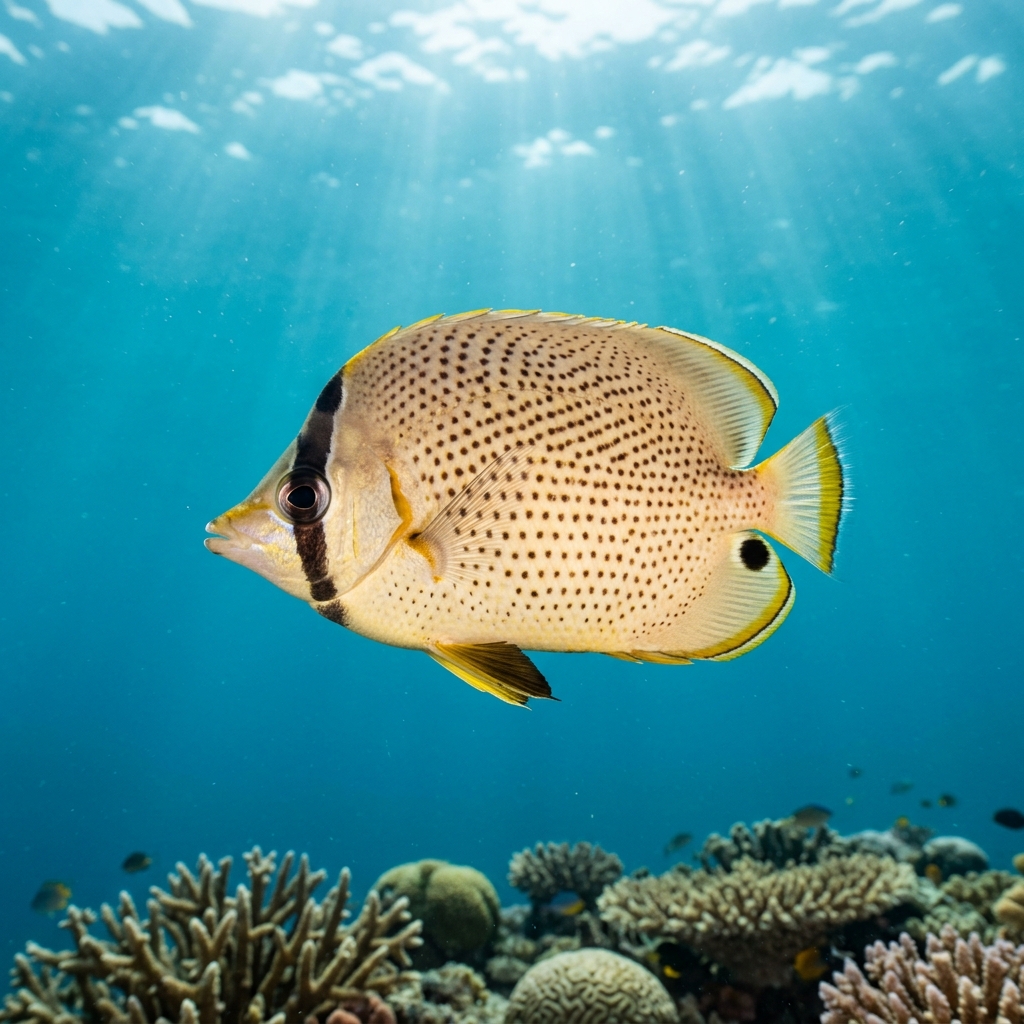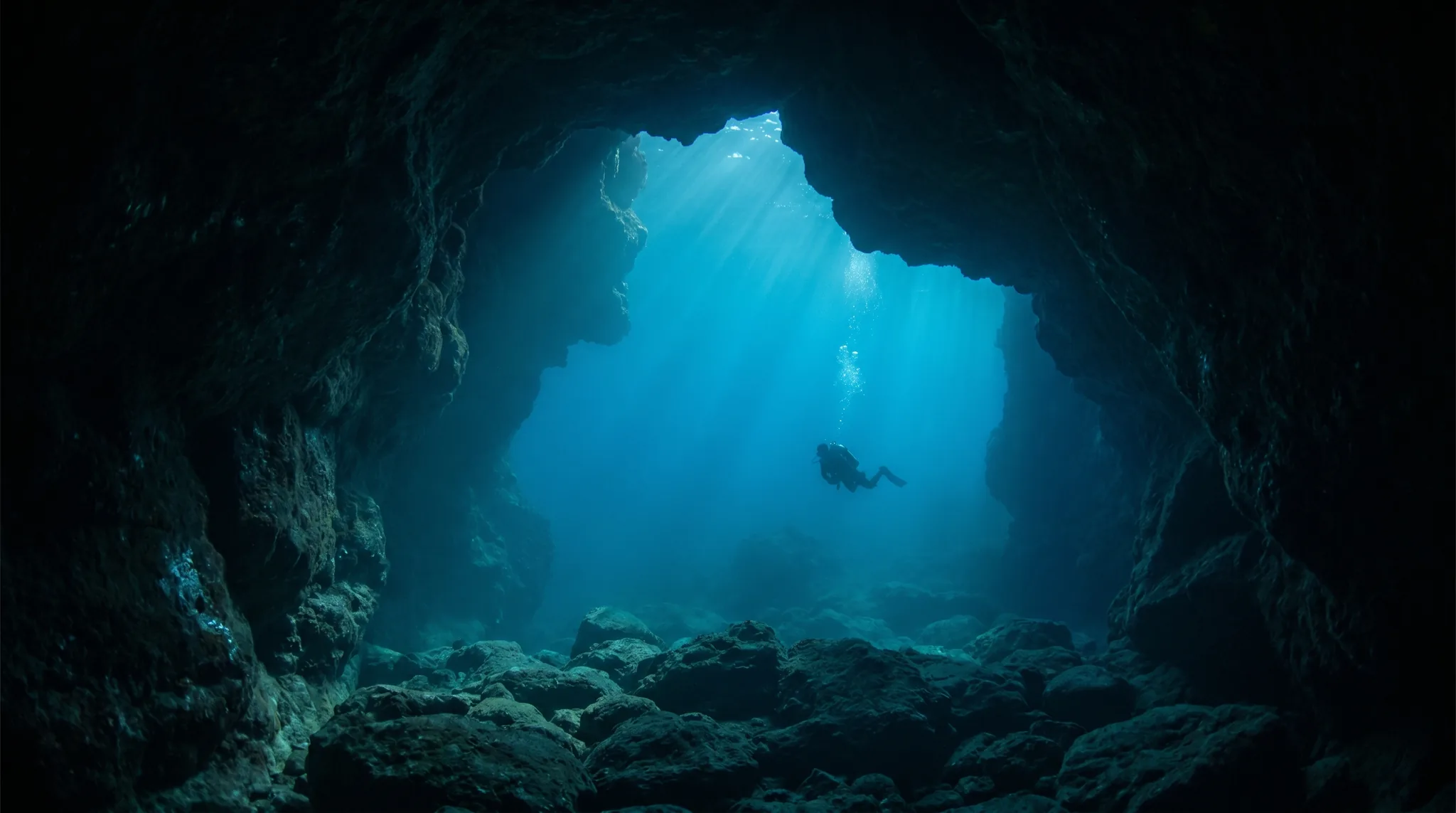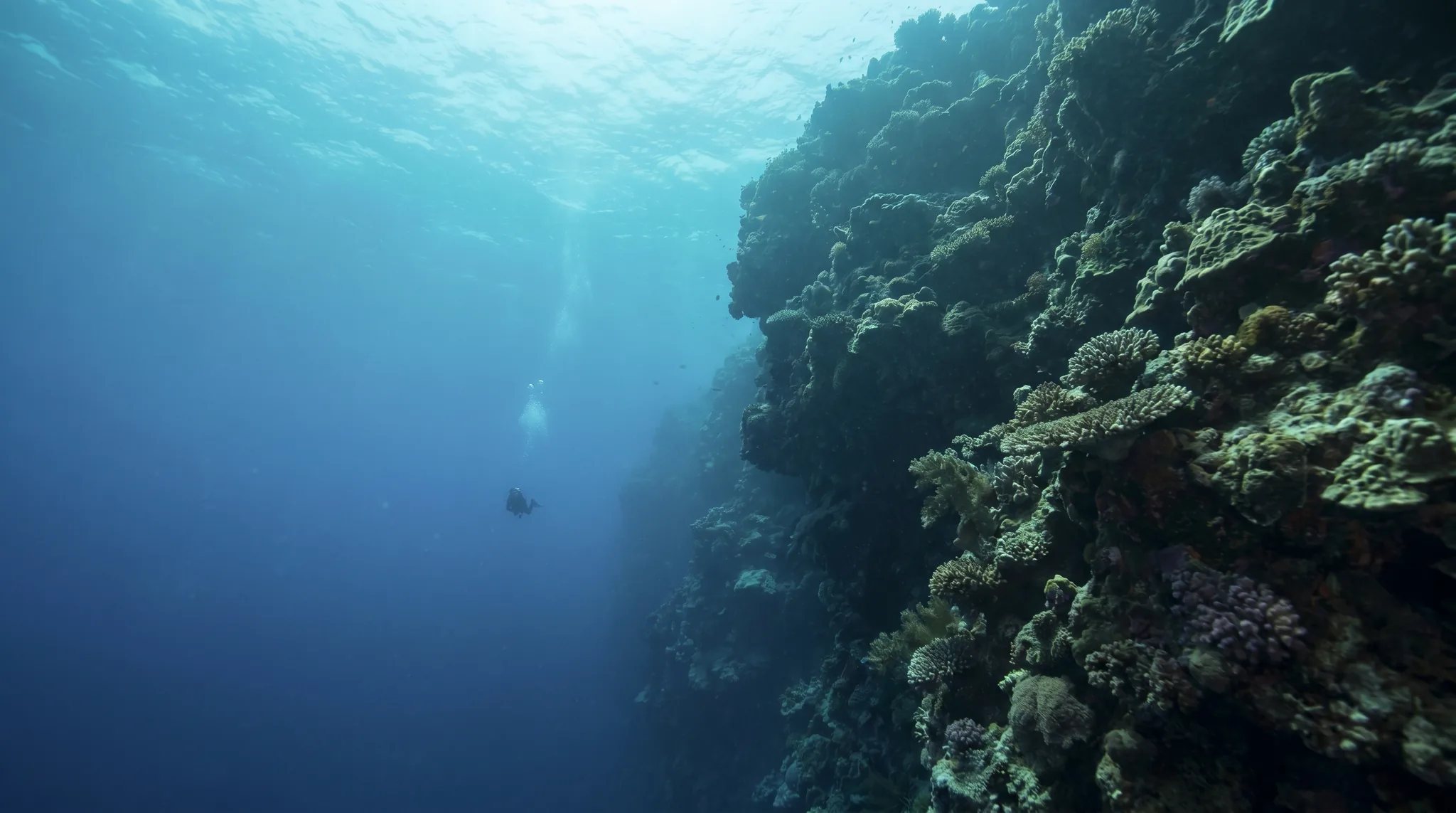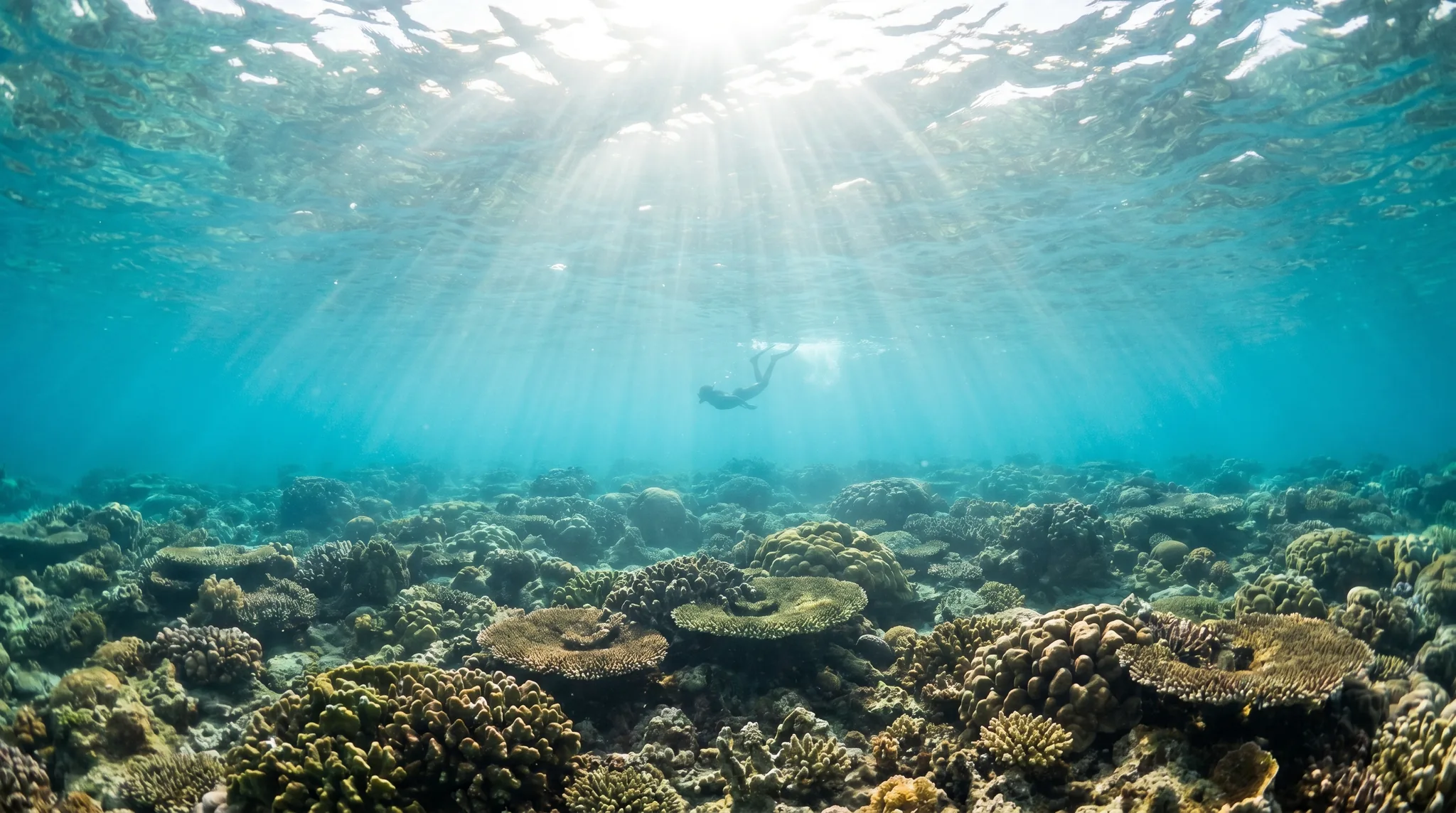
Best for beginner divers, 2-15m, shore entry, mild current.
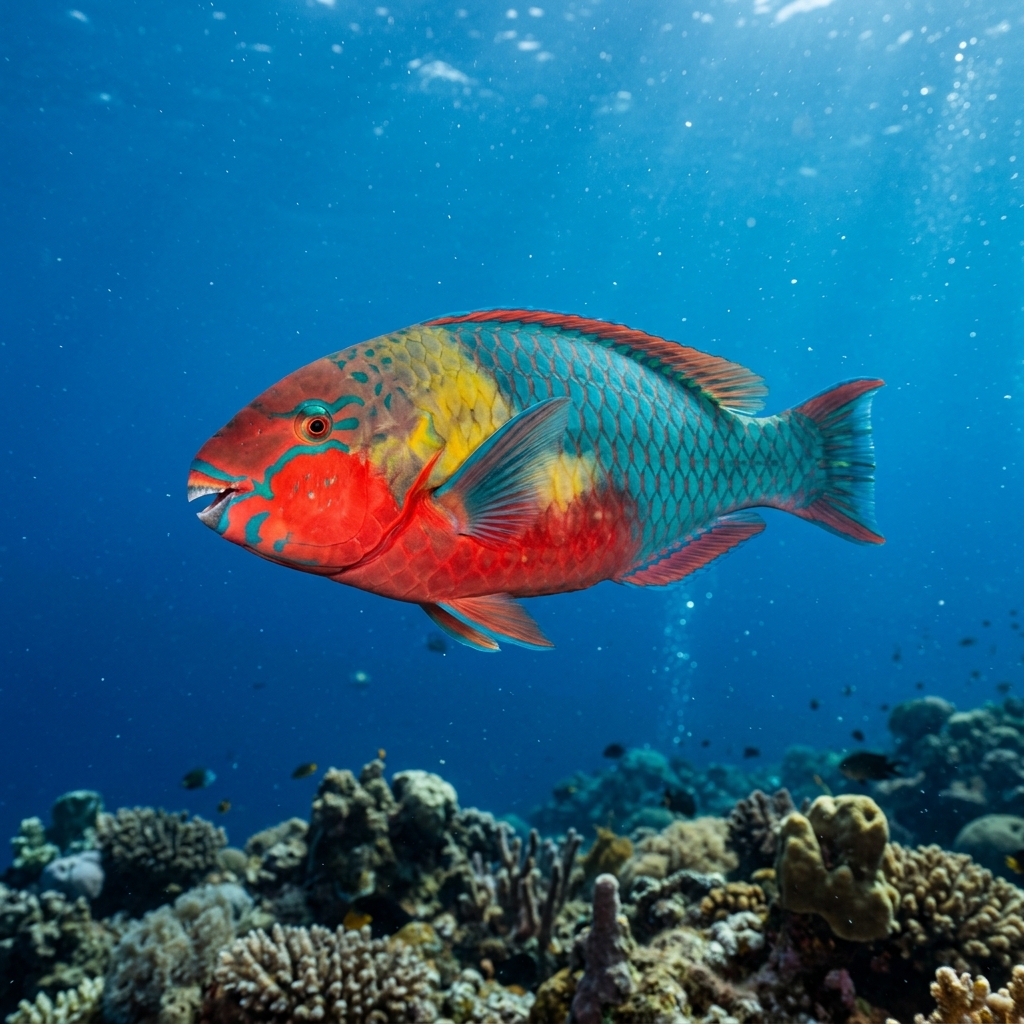
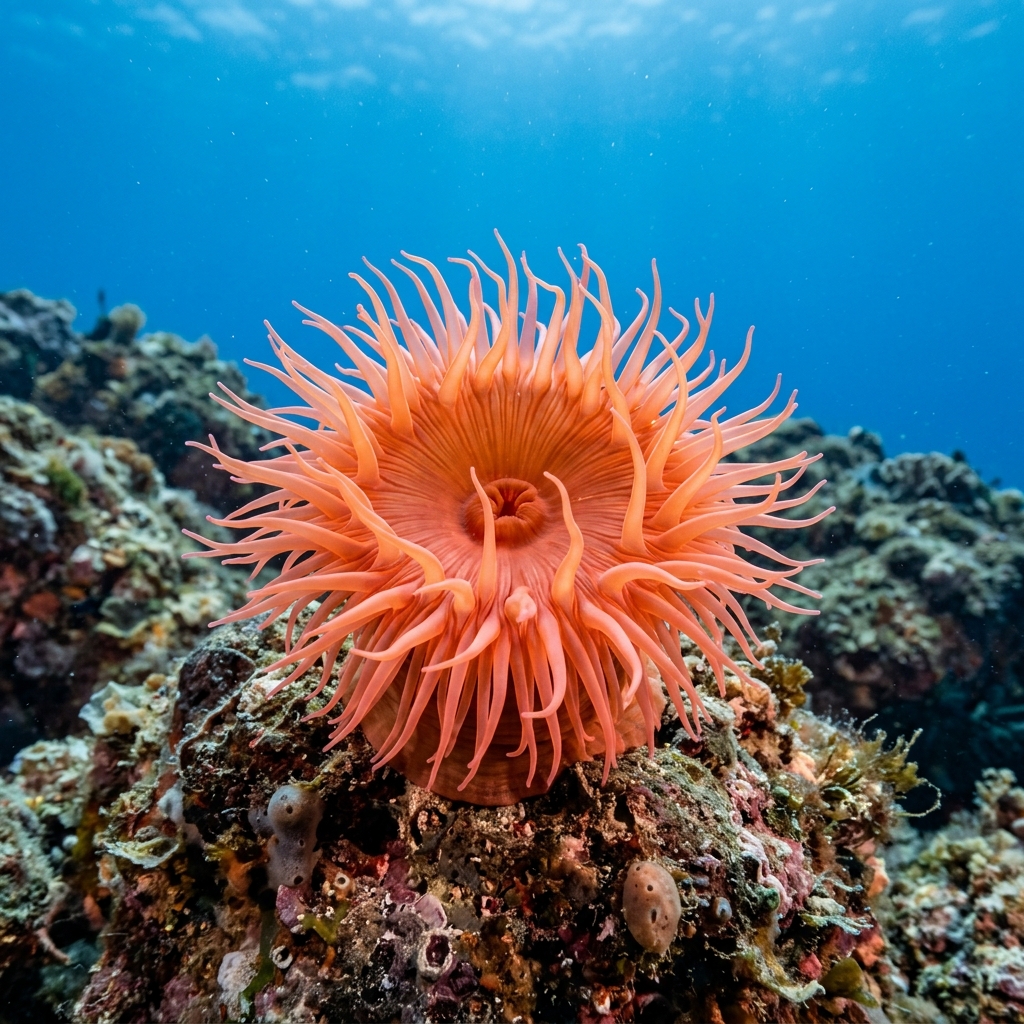
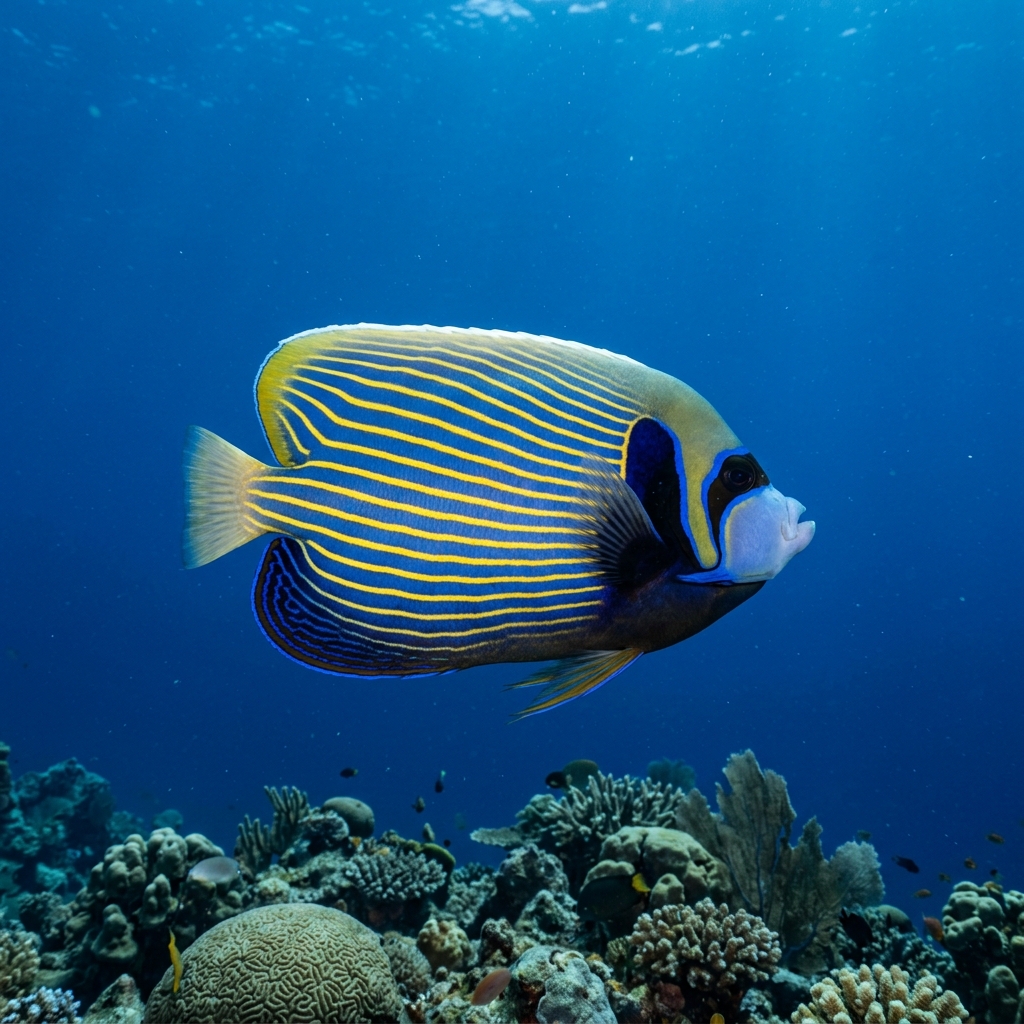
Tautira Beach on Tahiti Island offers a reef dive ranging from 2 to 15 metres, with an average depth of 8 metres. The site features mild currents and visibility between 10 and 30 metres. While shore entry is possible, the presence of sharp coral and surf makes boat entry advisable to avoid the shore break. Water temperatures remain between 26 and 29 degrees Celsius throughout the year. Facilities at the site include parking, showers, and toilets. This location is suitable for beginners, with typical dive times lasting approximately 45 minutes.
-17.74553, -149.16382
The shore entry has a surf break and sharp coral or rocks, so pull on your fins before you reach the water's edge and time your entry to avoid incoming sets. Showers, toilets, and parking are available at the site, so there is no need to rush your post-dive rinse.
Located in Taiarapu-Est, French Polynesia.
Recorded at this site
Depth
Up to 15m
Visibility
10-30m
Skill Level
Beginner
Entry
Shore
Water Temp
26-29°C
Current
Mild
Typical Dive
45 min
Best Time
May, Jun, Jul, Aug, Sep, Oct
Yes, the site is suitable for beginners due to the mild currents and manageable depths.
The reef depth ranges from 2 to 15 metres, with an average depth of 8 metres.
Boat entry is recommended to avoid the dangerous surf and sharp coral found at the shore entry point.
The site provides parking, showers, and toilets for divers.
Water temperatures range from 26 to 29 degrees Celsius throughout the year.
Diving at Tautira Beach in Taiarapu-Est requires the following certifications: Open Water. Always dive within your training limits.
A 3mm wetsuit is recommended for diving at Tautira Beach in Taiarapu-Est. Water temperatures range from 26°C to 29°C.
The best months to visit Tautira Beach in Taiarapu-Est are May, June, July, August, September, and October. Conditions outside these months can still be good but are less predictable.
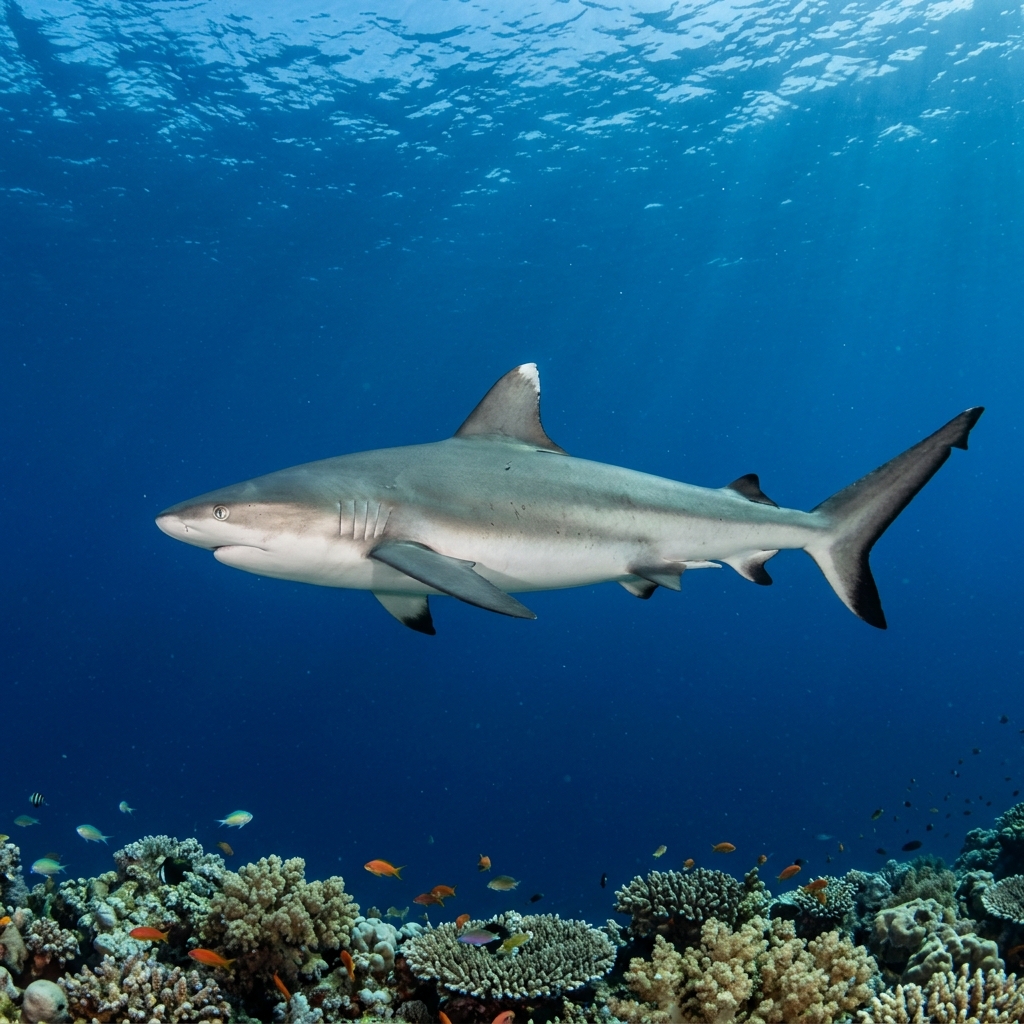
Divers at Tautira Beach in Taiarapu-Est should be aware of sharks. These encounters are generally rare and avoidable with proper awareness. Follow local safety guidance and maintain a respectful distance from all marine life.