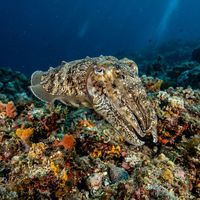
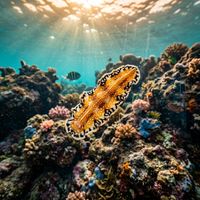
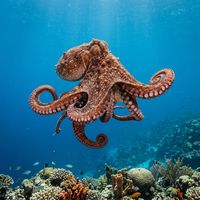
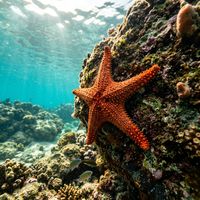
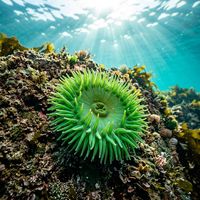
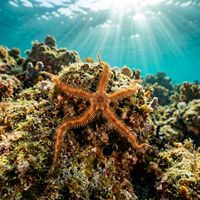
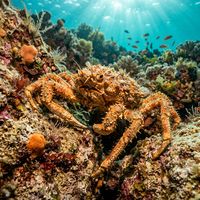
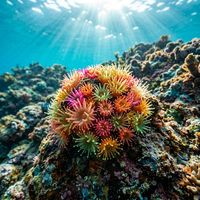
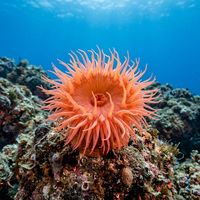
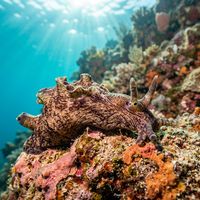
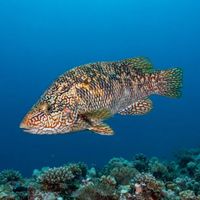
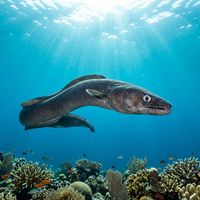
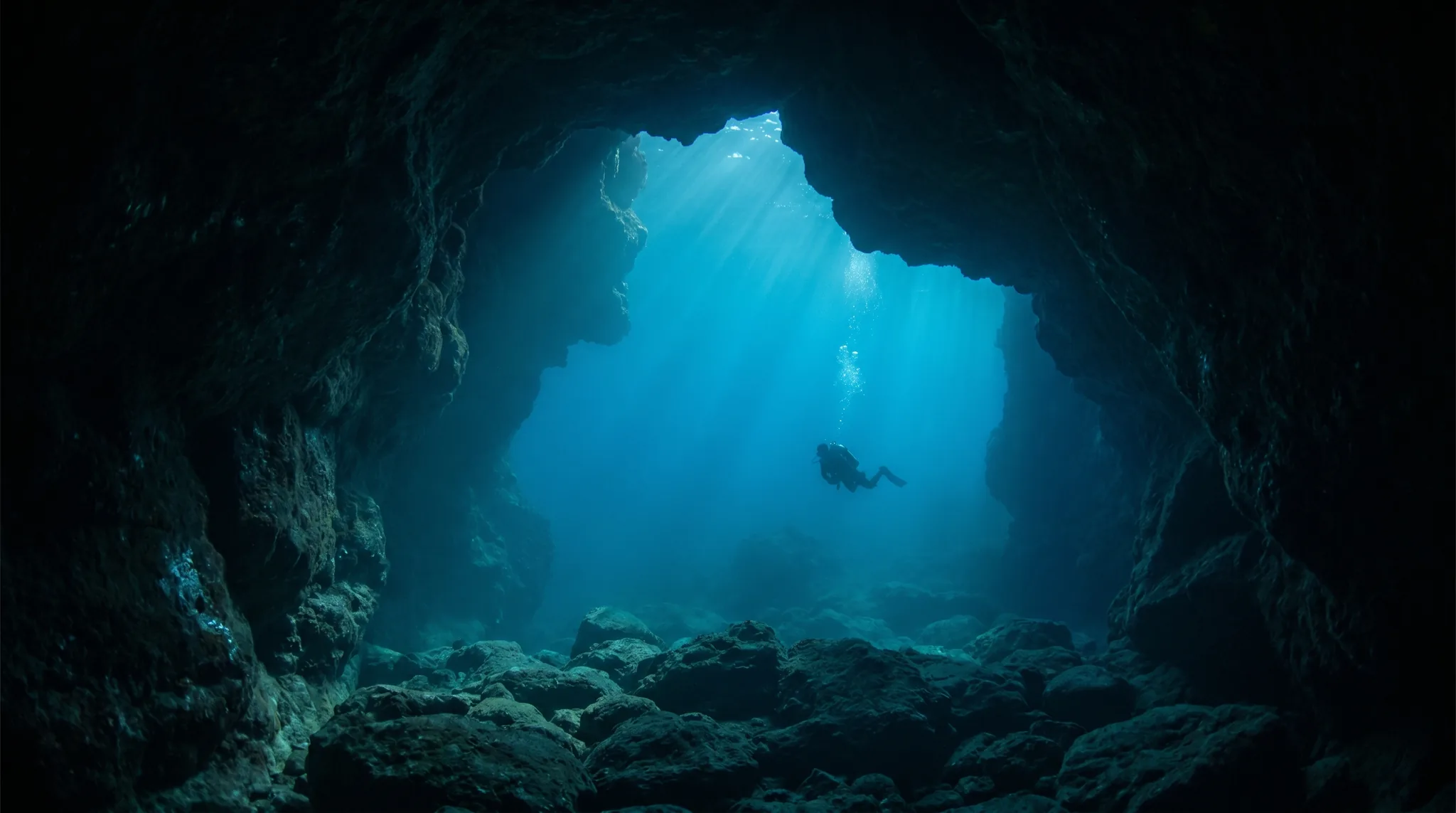
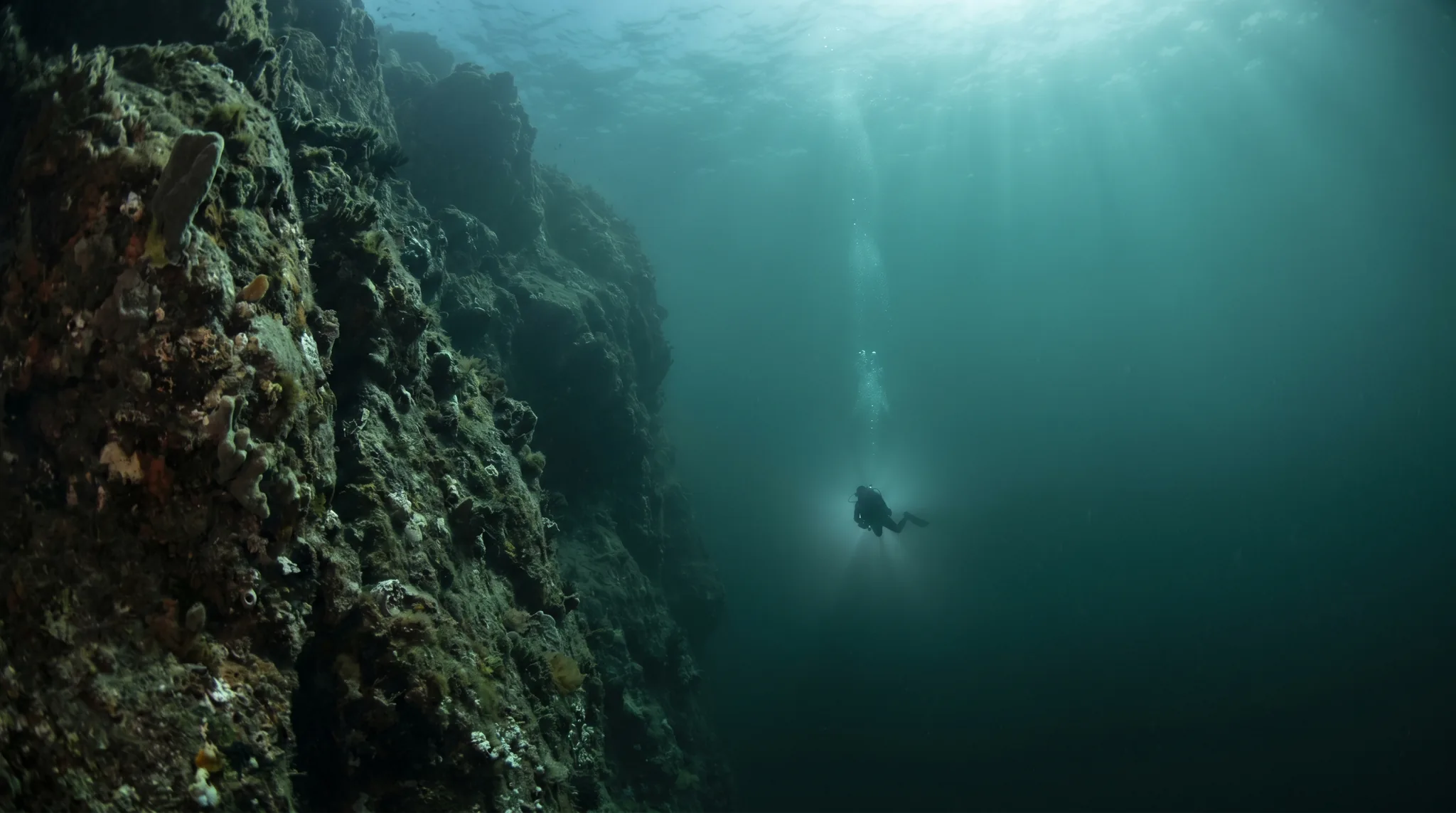
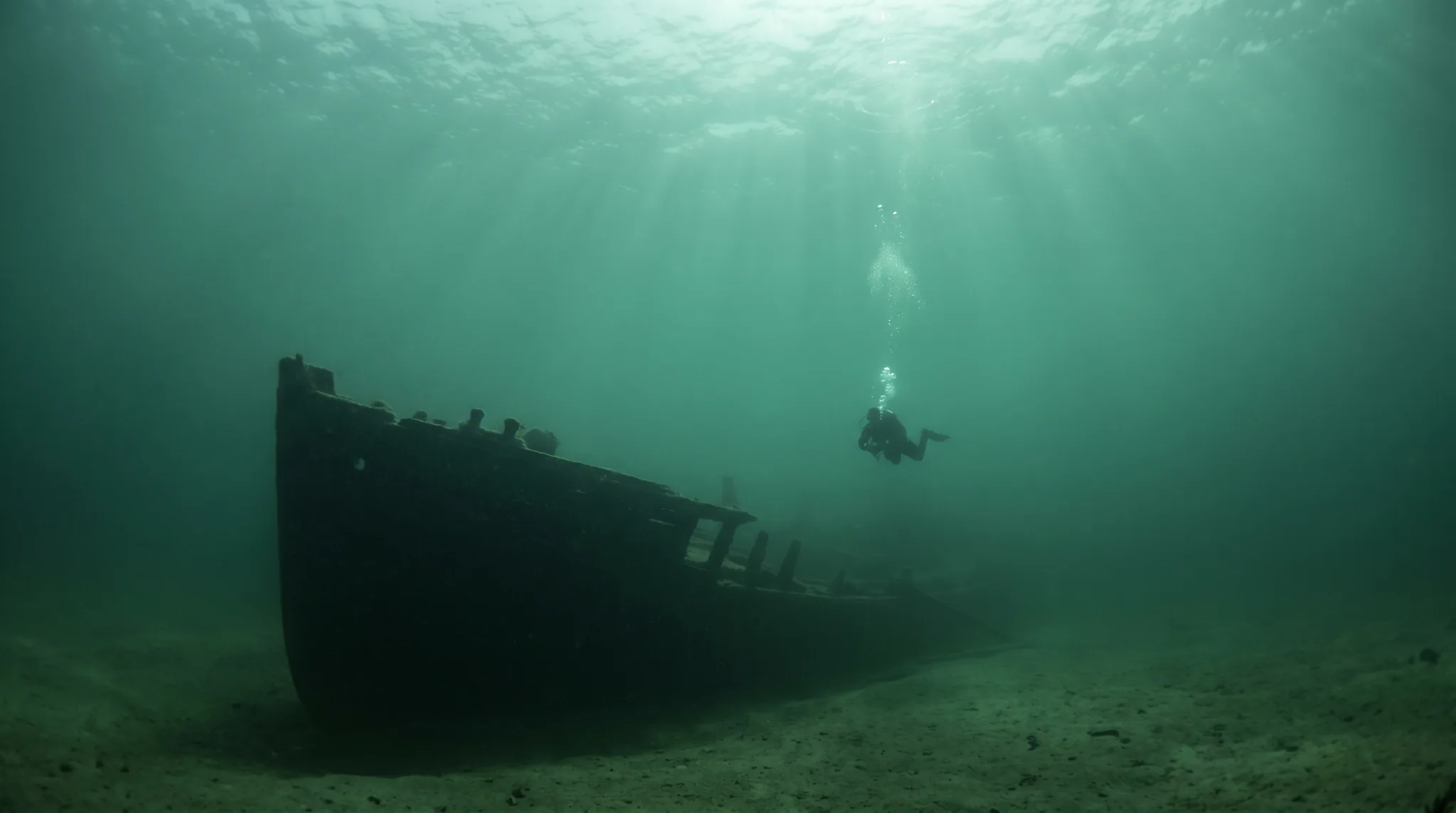
Iroise & Finistère divides between two distinct sub-areas: the Crozon Peninsula and the Molène Archipelago. The Crozon Peninsula offers sheltered beginner reefs, seagrass beds, and dramatic wall dives such as Tombant du Belge, while the Molène Archipelago concentrates wrecks and deep offshore sites where currents can be strong. Signature encounters include the Gray Seal, European Common Cuttlefish, and Common Octopus. The Squat Lobster, Spiny Spider Crab, Brittle Star, and Tompot Blenny are observed across a wide range of sites.
2 areas
Monthly water temperature across Iroise & Finistère's sites, from satellite sea-surface data corrected for depth. The band shows the site-to-site spread.
Water temperature stays cool year-round, rising slightly through summer and remaining at its warmest from late summer into autumn. The summer months draw the highest diver activity and generally offer the most settled conditions, though offshore sites in the Molène Archipelago can experience strong currents at any time of year. Spring and autumn remain viable, with April and October both featuring reasonable site scores.
29 operators

79 more sites to explore
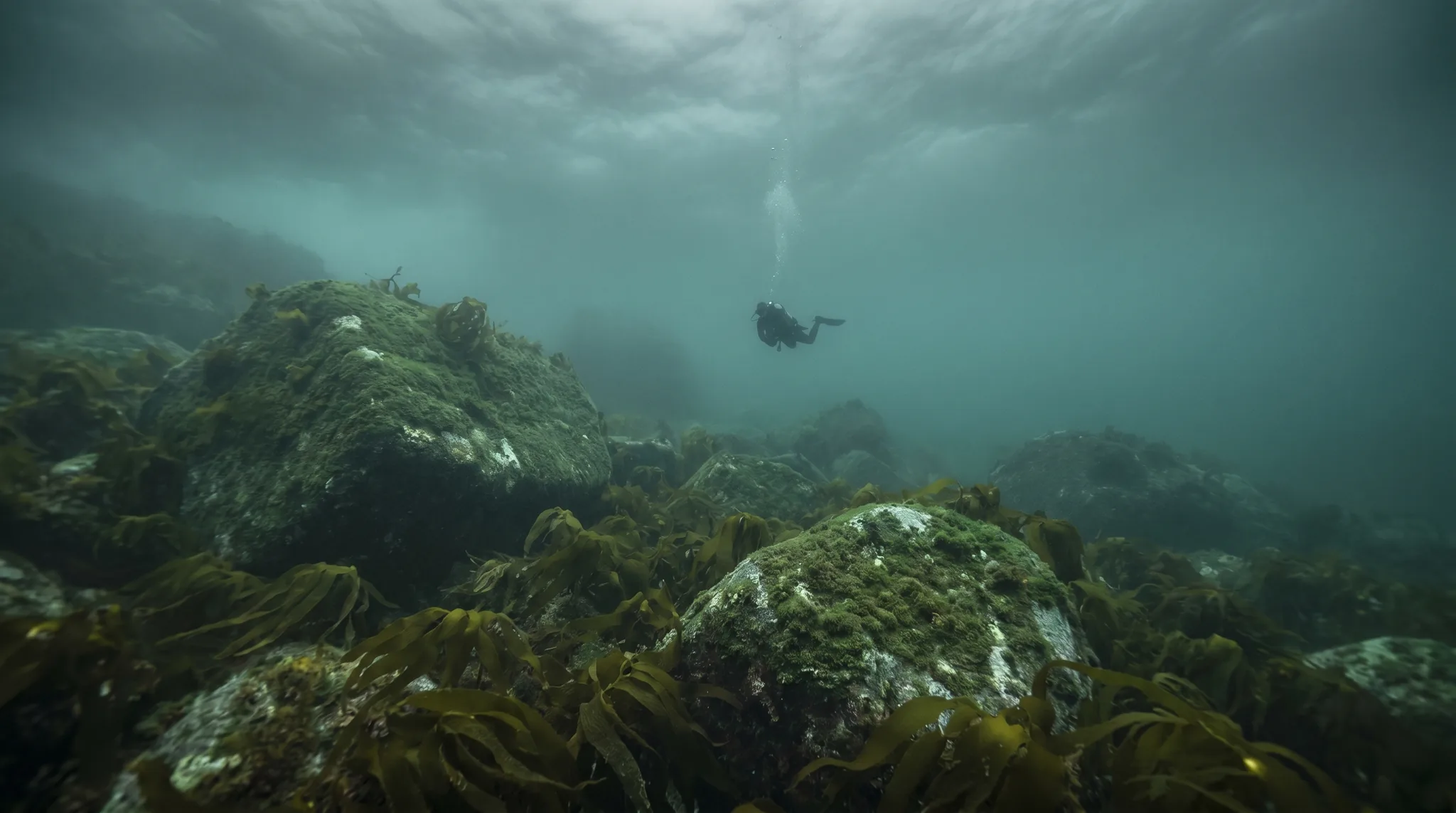
Diverse temperate diving with kelp forests, wrecks, caves and walls, rich in cuttlefish, nudibranchs and invertebrates.
Water temperature around Iroise & Finistère ranges from about 11°C in January to 14°C in July, based on satellite sea-temperature data for its dive sites.
In the warm season (about 14°C) a 7mm or semi-dry suit is comfortable in Iroise & Finistère; in the coldest months (about 11°C) step up to a drysuit.
Fin maps 91 sites in Iroise & Finistère (75 scuba diving sites and 18 snorkelling spots, with some suited to both), organised into 2 areas.
The region has a rich mix of observed species. The Squat Lobster, Sea Star, Brittle Star, and Spiny Spider Crab are very commonly encountered across sites. Signature sightings include the European Common Cuttlefish, Gray Seal, and Common Octopus. Conger Eel, Catshark, Cod, and Tompot Blenny are also frequently seen, and occasional encounters with Monkfish, Gorgonian, and Spiny Lobster are recorded.
Yes, there are several sites well suited to newly certified and beginner divers. Lanveoc on the Crozon Peninsula offers shallow reefs and seagrass in calm conditions with shore access, while Morgat provides a variety of features at gentle depths from the shore. Canons Santa Rosa and Canons du Rhone in the Molène Archipelago are also rated for beginners. More advanced divers will find deeper wrecks and demanding wall dives on offer too.
The Crozon Peninsula has a broader mix of site types including reefs, seagrass, caves, and walls, with several sites accessible from shore and good options for beginners. The Molène Archipelago is more wreck-focused and generally more exposed, with a number of sites requiring boat access and intermediate or advanced certification. Sites such as Kleber and the Peter Sif wreck in the Molène Archipelago sit at considerable depth and are strictly for experienced divers.
Access varies by site. A number of sites on the Crozon Peninsula, including Morgat and Lanveoc, can be reached directly from shore. The majority of dive sites across both sub-areas require a boat, particularly all sites in the Molène Archipelago. Several dive operators are based in the region, including Korejou Plongée, Ouessant-Subaqua, Madeo Plongée, and Abysse Plongée Brest, among others.