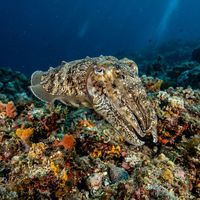
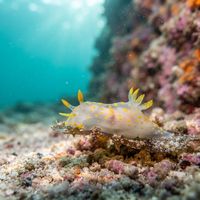
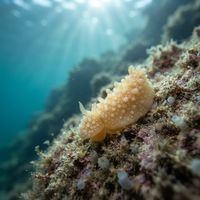
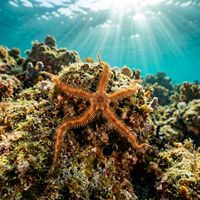
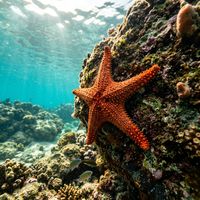
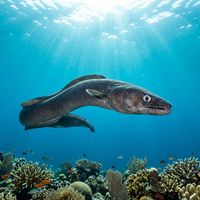
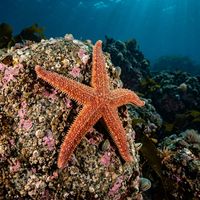
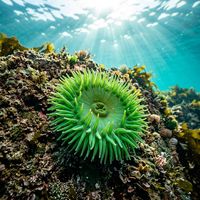
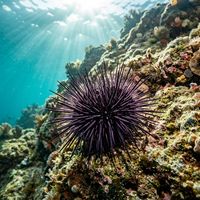
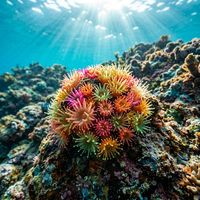
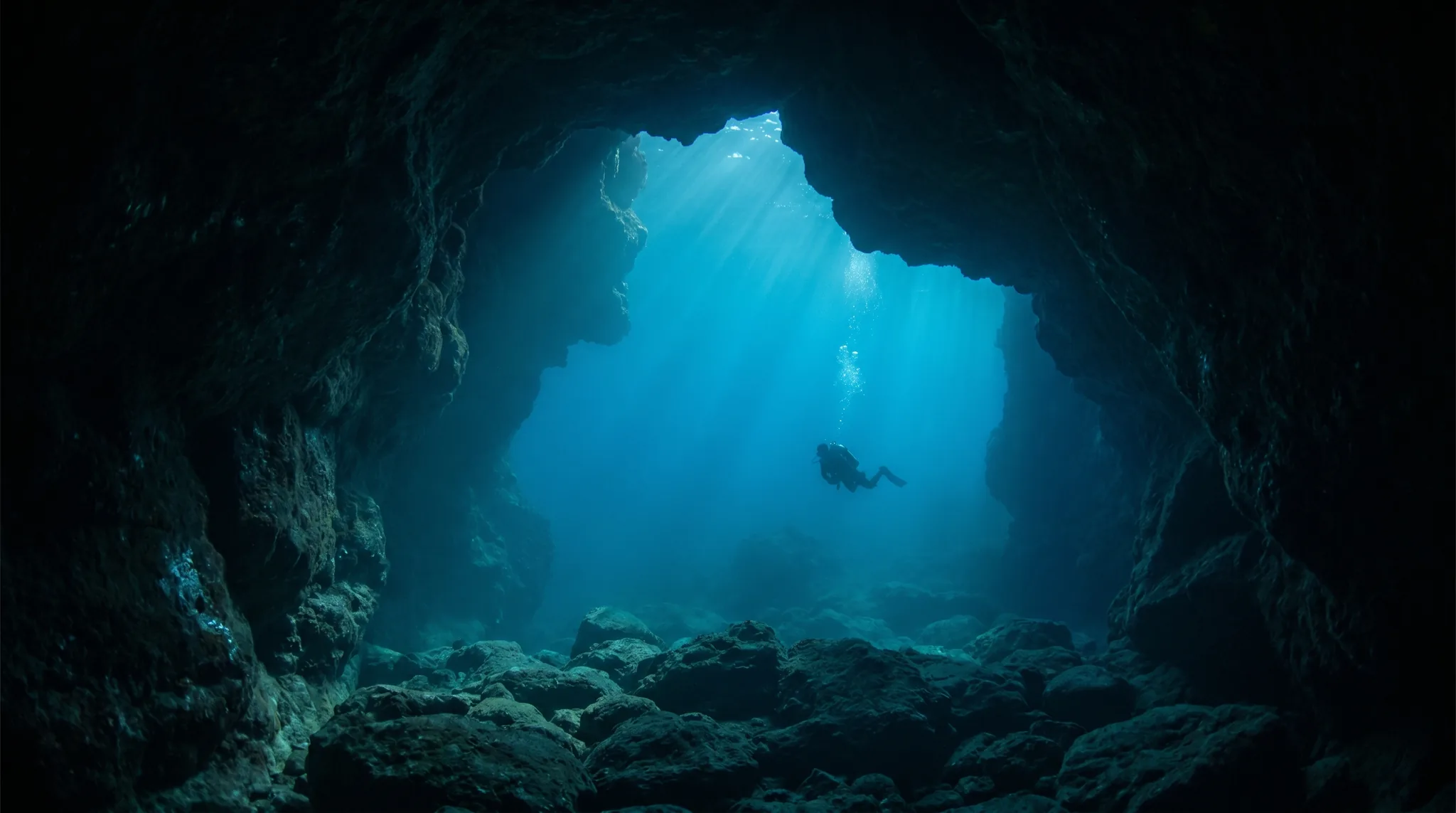
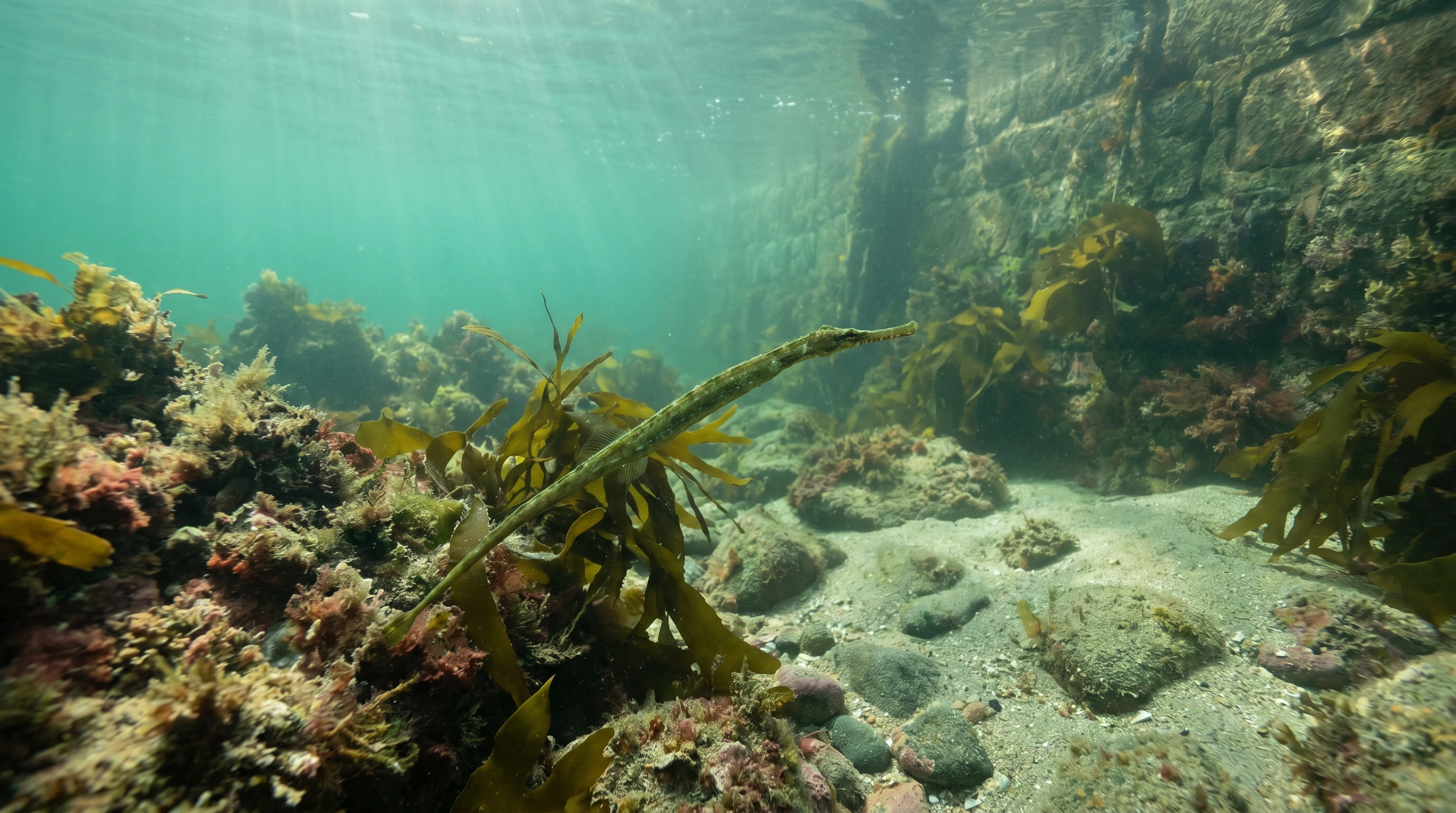
The Crozon Peninsula packs a wide range of site types into a compact stretch of coastline: kelp forests, walls, drop-offs, caves, wrecks and artificial reefs all feature across its dive sites. Most diving is boat-accessed and suits intermediate divers, though a handful of sheltered shore entries serve beginners well. Strong currents define several offshore sites, shaping both the challenge and the rich invertebrate life. Brittle Star, Jewel Anemone, Spiny Spider Crab and European Common Cuttlefish are consistently encountered, with nudibranchs including the Fourline Nudibranch and Warty Dorid adding colour to the reefs.
Monthly water temperature across Crozon Peninsula's sites, from satellite sea-surface data corrected for depth. The band shows the site-to-site spread.
Water temperature stays cool year-round, rising only modestly from late spring through autumn and dipping back in winter. The warmer months from late spring through October draw the most divers and coincide with the best visibility windows. Currents at exposed offshore sites remain a factor in all seasons and largely determine whether conditions are diveable on any given day.
17 operators
Le Relecq-Kerhuon, France
29 more sites to explore
Water temperature around Crozon Peninsula ranges from about 11°C in January to 14°C in July, based on satellite sea-temperature data for its dive sites.
In the warm season (about 14°C) a 7mm or semi-dry suit is comfortable in Crozon Peninsula; in the coldest months (about 11°C) step up to a drysuit.
Fin maps 41 sites in Crozon Peninsula (36 scuba diving sites and 5 snorkelling spots).
Across Crozon Peninsula's dive sites, June, July, August and September are most often reported as the best months to visit.
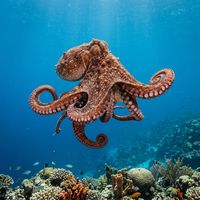
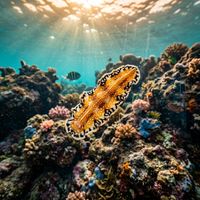
The peninsula is known for its cephalopods and invertebrates. European Common Cuttlefish and Common Octopus are regularly encountered, while Brittle Star, Common Sea Star, Jewel Anemone and Spiny Spider Crab appear across almost all sites. Nudibranchs, including the Fourline Nudibranch, Warty Dorid and Sea Lemon, reward those who search the reef closely. Conger Eel, Ballan Wrasse, Pollack and Tompot Blenny are the fish most frequently logged.
Most sites are rated intermediate, but there are beginner-friendly options. Lanveoc offers shallow reefs and seagrass beds with shore or boat entry, while Trez Rouz and Morgat provide accessible shore dives in calmer conditions. Beginners should be comfortable in cool, temperate water and check conditions carefully, as currents at more exposed sites can be strong.
The majority of sites require boat access, and there are many local operators to choose from, including Abysse Plongée Brest, Atlantis Bretagne Plongée and I.S.A Diving Center, among others. Shore entries are available at sites such as Pointe De Penharn, Trez Rouz and Morgat, making independent diving feasible for those with their own equipment. Lanveoc can be reached from either shore or boat.
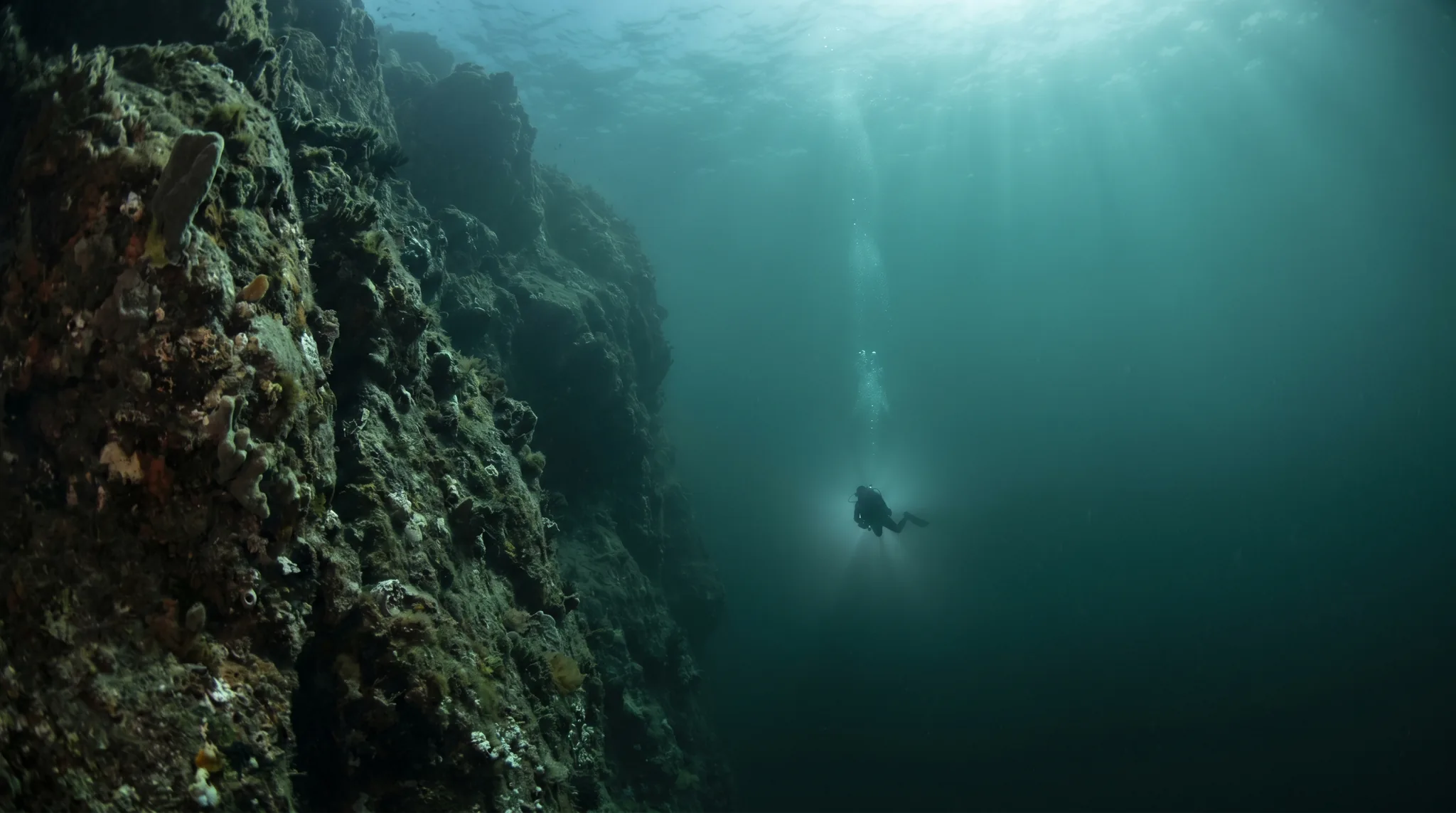
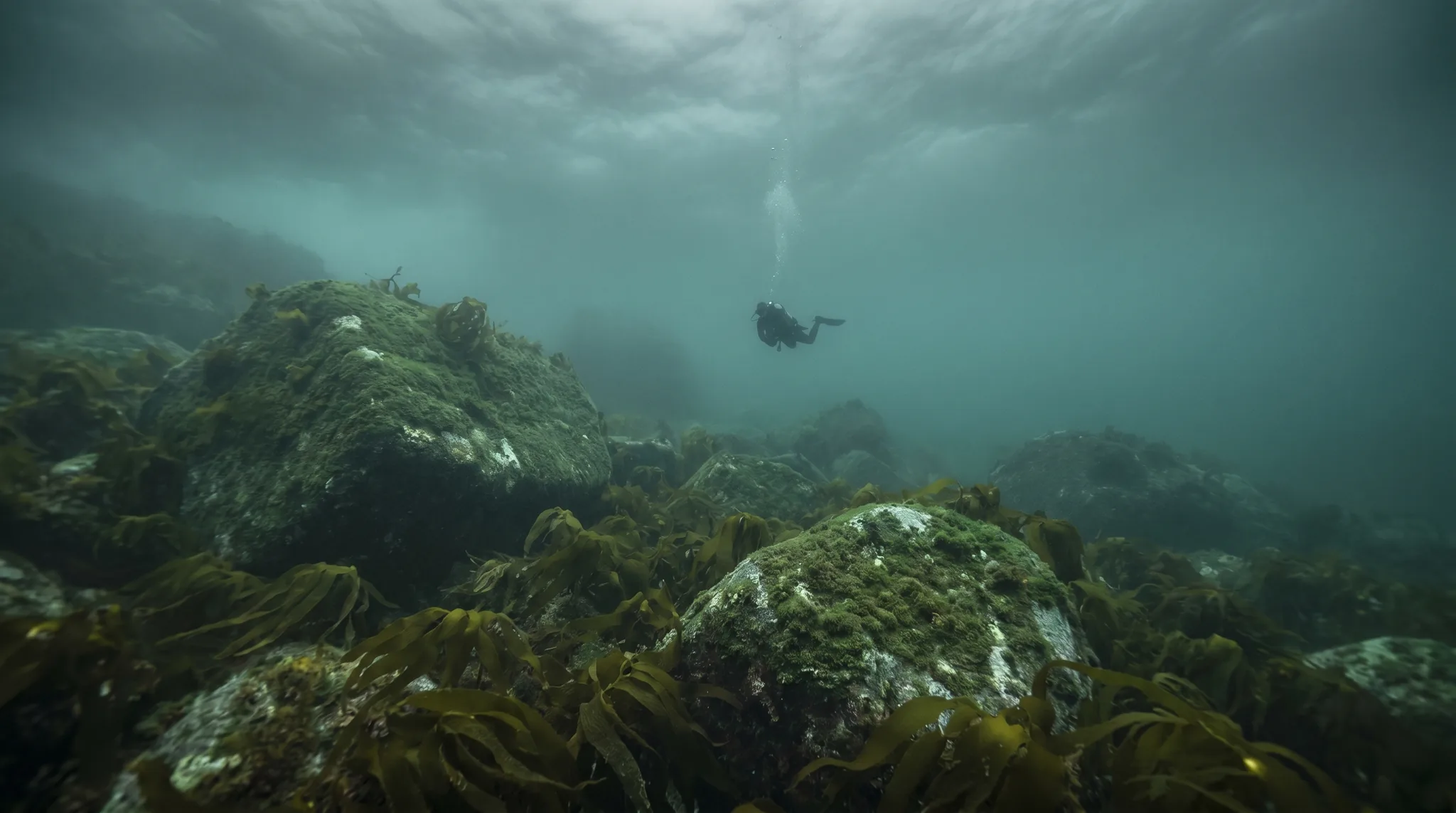
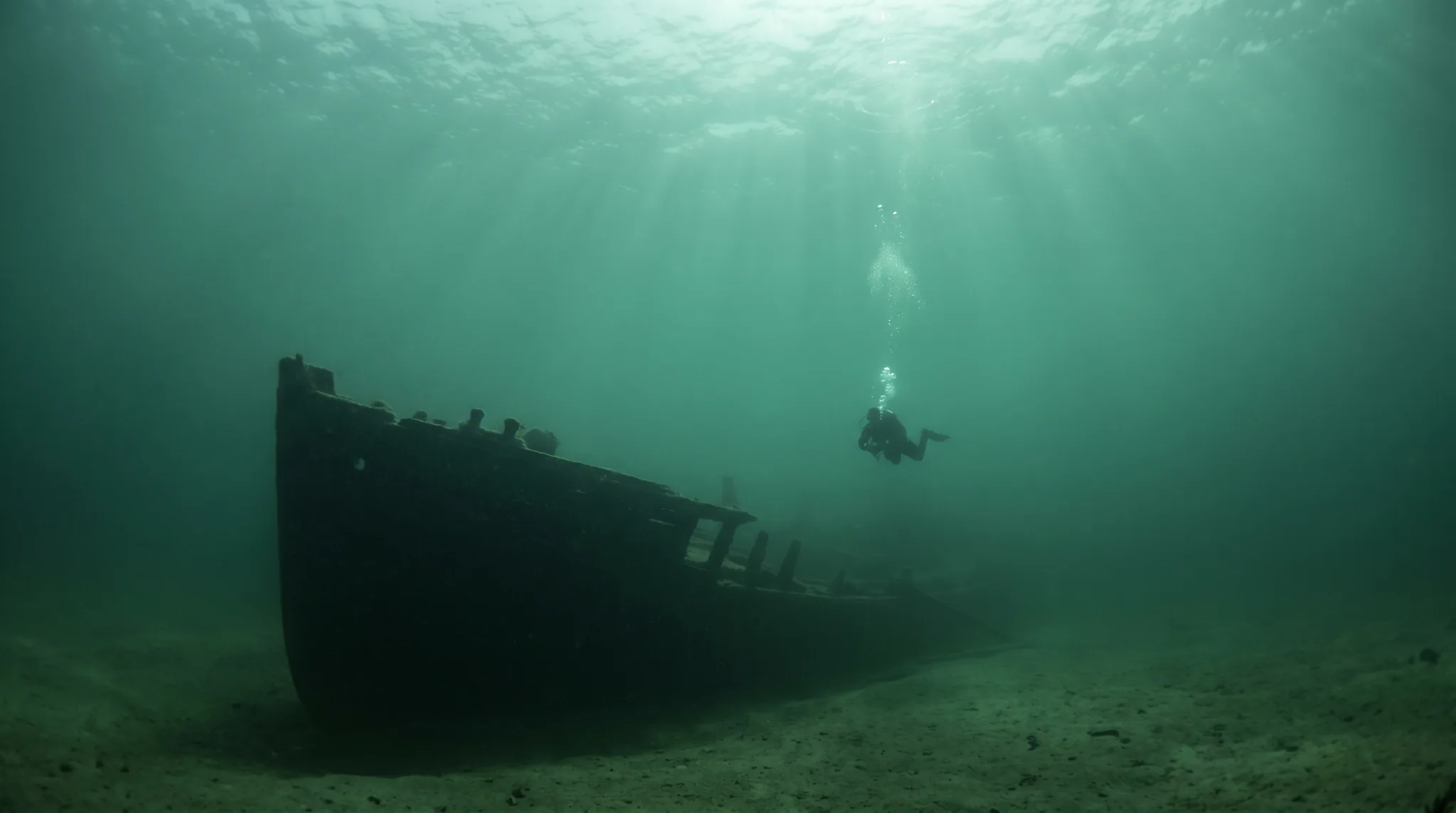
The range is broad. Kelp-covered reefs at sites like La Cormorandiere and Pointe De Penharn contrast with the steep wall at Tombant du Belge and the cave systems at Basse du Lys and Ducs d'Albes. Wreck divers can explore Marco Polo II, Swansea Vale and the mixed reef-and-wreck at Basse Rozen. Artificial reef structures also feature at several sites, adding extra habitat for invertebrates.