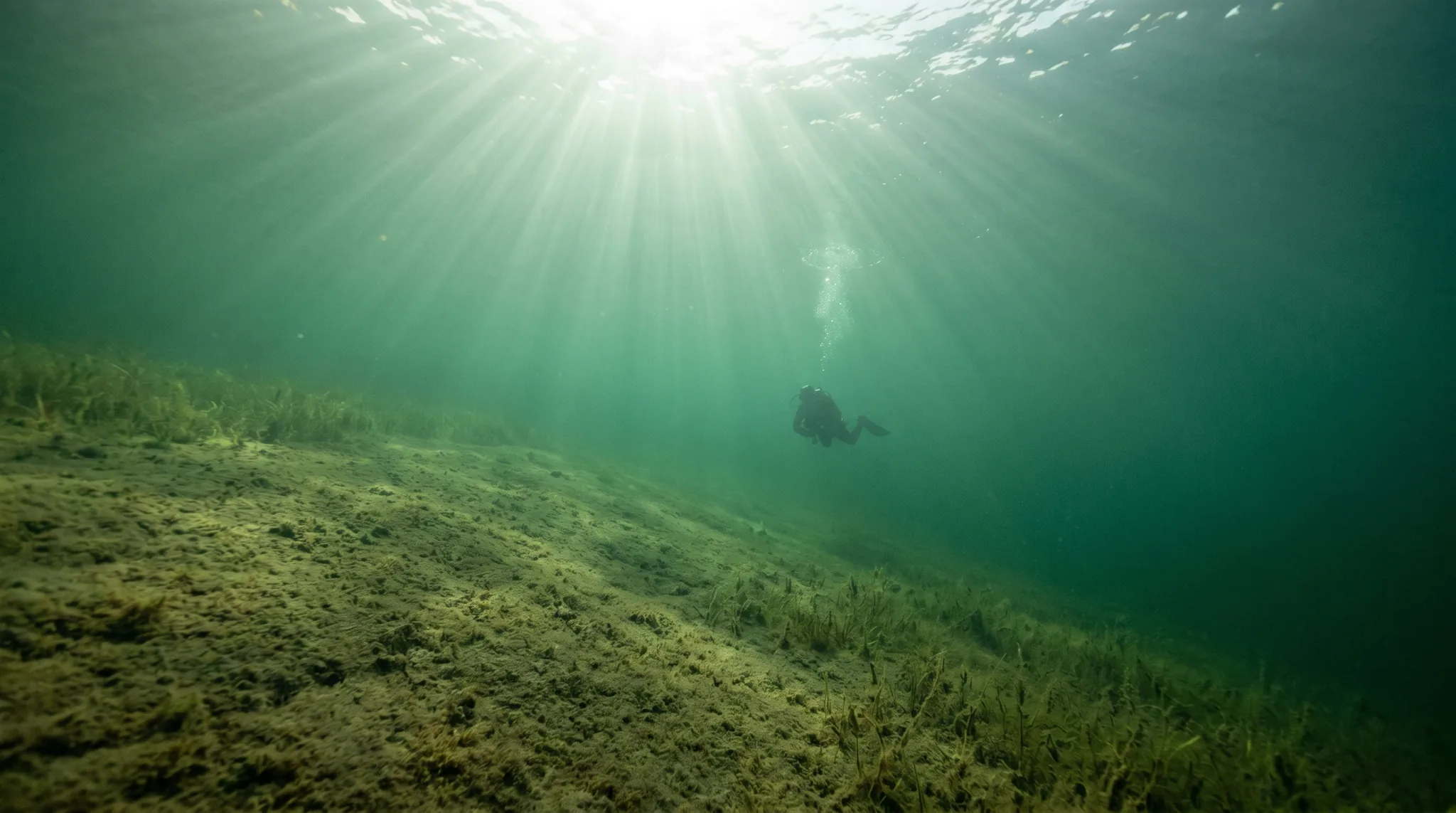
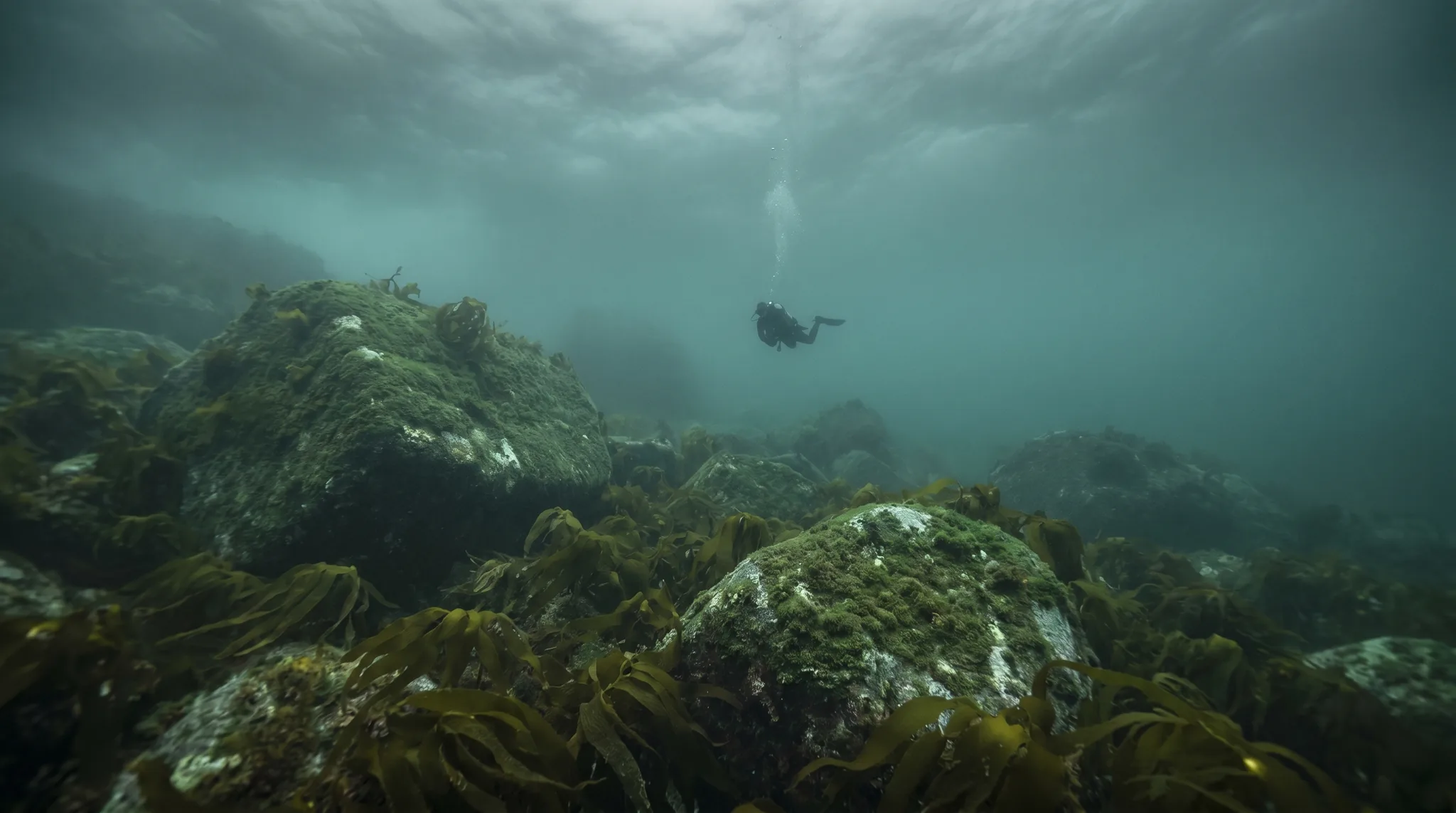
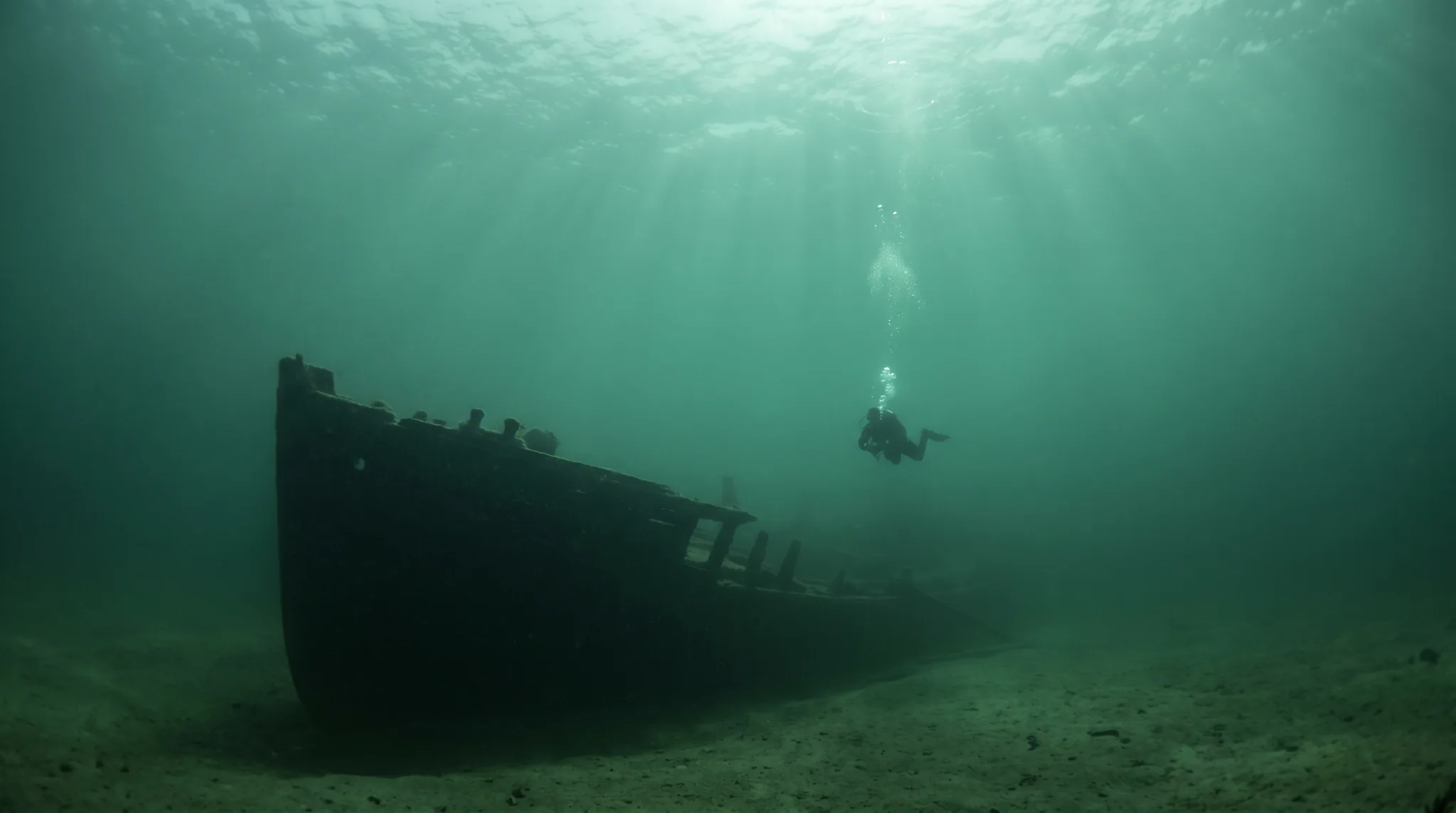
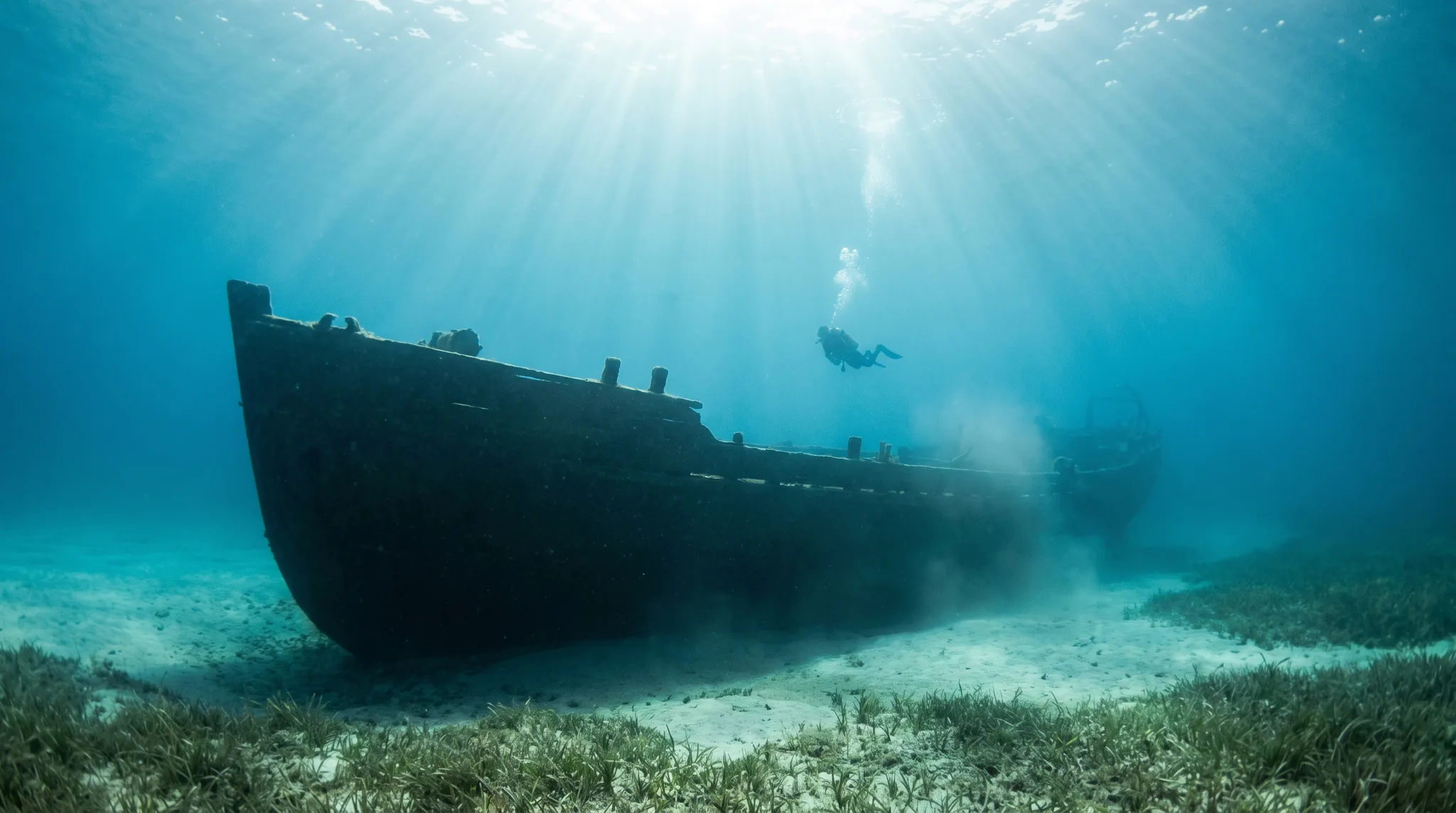
Hendaye's underwater character is defined by an exceptional diversity of nudibranch species across reef, artificial reef, cave and wreck sites. Beginners are well served by shore-accessible spots like Digue de Socoa and the artificial reef at Digue d'Artha, while advanced divers can explore the St. Sunniva wreck at depth. The Marbled Electric Ray, Common Octopus and European Common Cuttlefish add larger-animal interest. Conditions are at their most favourable from July through August, when water is at its warmest.
Monthly water temperature across Hendaye's sites, from satellite sea-surface data corrected for depth. The band shows the site-to-site spread.
Water temperature climbs steadily from cool winter conditions to its warmest in late summer, making July through September the most comfortable months for longer dives. The cooler shoulder months of spring and autumn still reward with good visibility and less surface activity. Sites range from sheltered artificial reefs to boat-access walls and a deep wreck, so conditions vary considerably by site type.
9 operators
France
Ciboure, France
18 more sites to explore
Water temperature around Hendaye ranges from about 12°C in January to 20°C in September, based on satellite sea-temperature data for its dive sites.
In the warm season (about 20°C) a 5mm suit is comfortable in Hendaye; in the coldest months (about 12°C) step up to a 7mm or semi-dry suit.
Fin maps 23 sites in Hendaye (20 scuba diving sites and 7 snorkelling spots, with some suited to both).
Across Hendaye's dive sites, June, July and August are most often reported as the best months to visit.
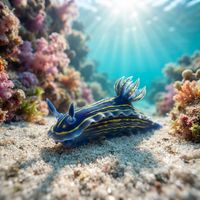
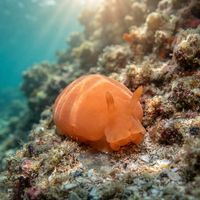
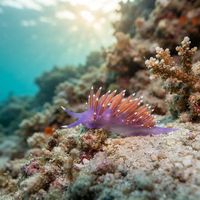
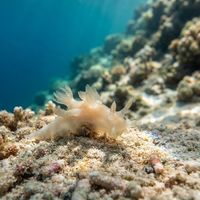
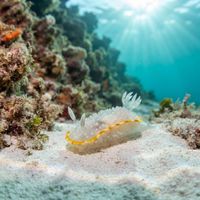
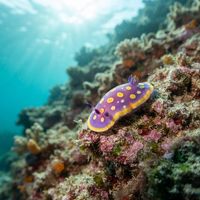
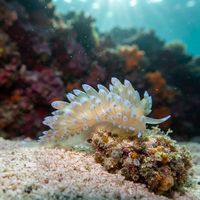
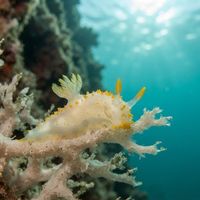
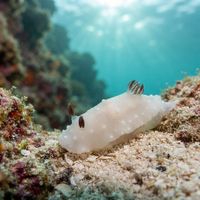
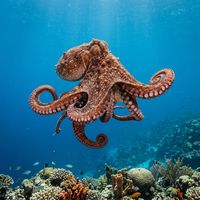
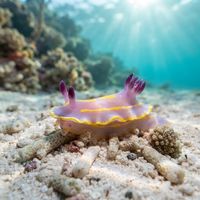
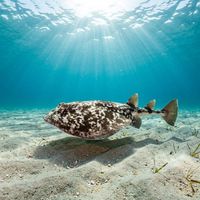
Hendaye is particularly notable for its nudibranchs, with species including the Violet Sea Slug, Felimare Cantabrica, Peach Seaslug, Yellow-dotted Doris, Candiella Odhneri and Diaphorodoris Alba all recorded as very common. Beyond sea slugs, divers regularly encounter the Common Octopus, Marbled Electric Ray and European Common Cuttlefish, along with reef fish such as Small Red Scorpionfish, Goldsinny Wrasse and Baillon's Wrasse.
Hendaye has a strong mix of beginner-friendly sites. Digue de Socoa, Digue d'Artha and Grotte à Balou are all rated for beginners, with shallower maximum depths and manageable conditions. The St. Sunniva wreck and the deep reef at Illarguita are reserved for advanced divers, so there is suitable progression for more experienced visitors too.
Both options are available depending on the site. Digue de Socoa is accessible from shore, and Digue d'Artha can be reached from either shore or boat. Sites such as Grotte à Balou, the St. Sunniva wreck and Illarguita require boat access. Several local operators, including BAB Subaquatique, Atlantic Pirogue and Tech-Océan, offer guided boat dives.
The area covers a variety of underwater environments: natural reefs, artificial reefs, a cave site at Grotte à Balou and the St. Sunniva wreck for deeper exploration. This range means that a single trip to Hendaye can include sheltered training-style dives on artificial structures as well as more dramatic natural reef walls and a proper wreck dive.