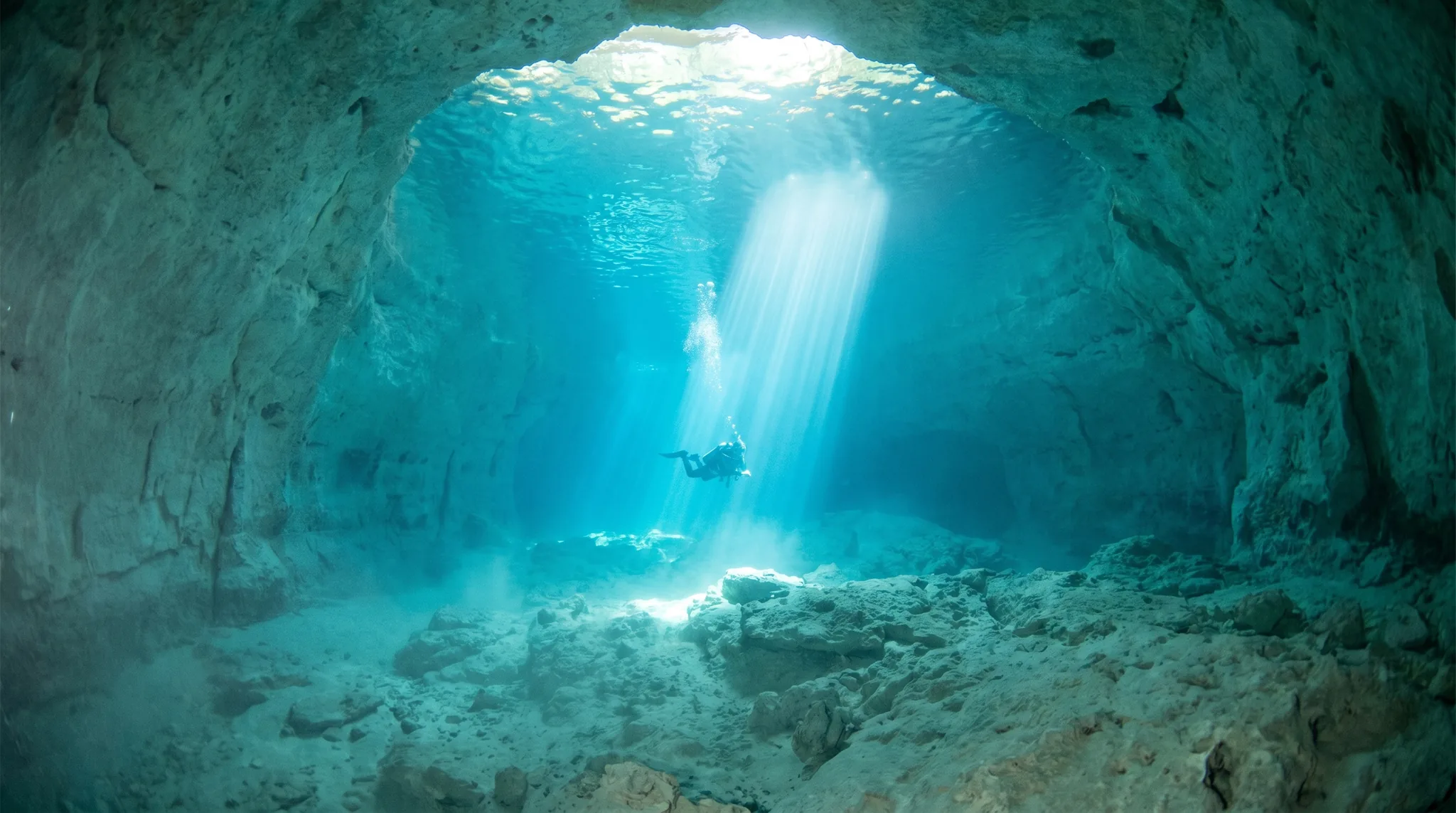
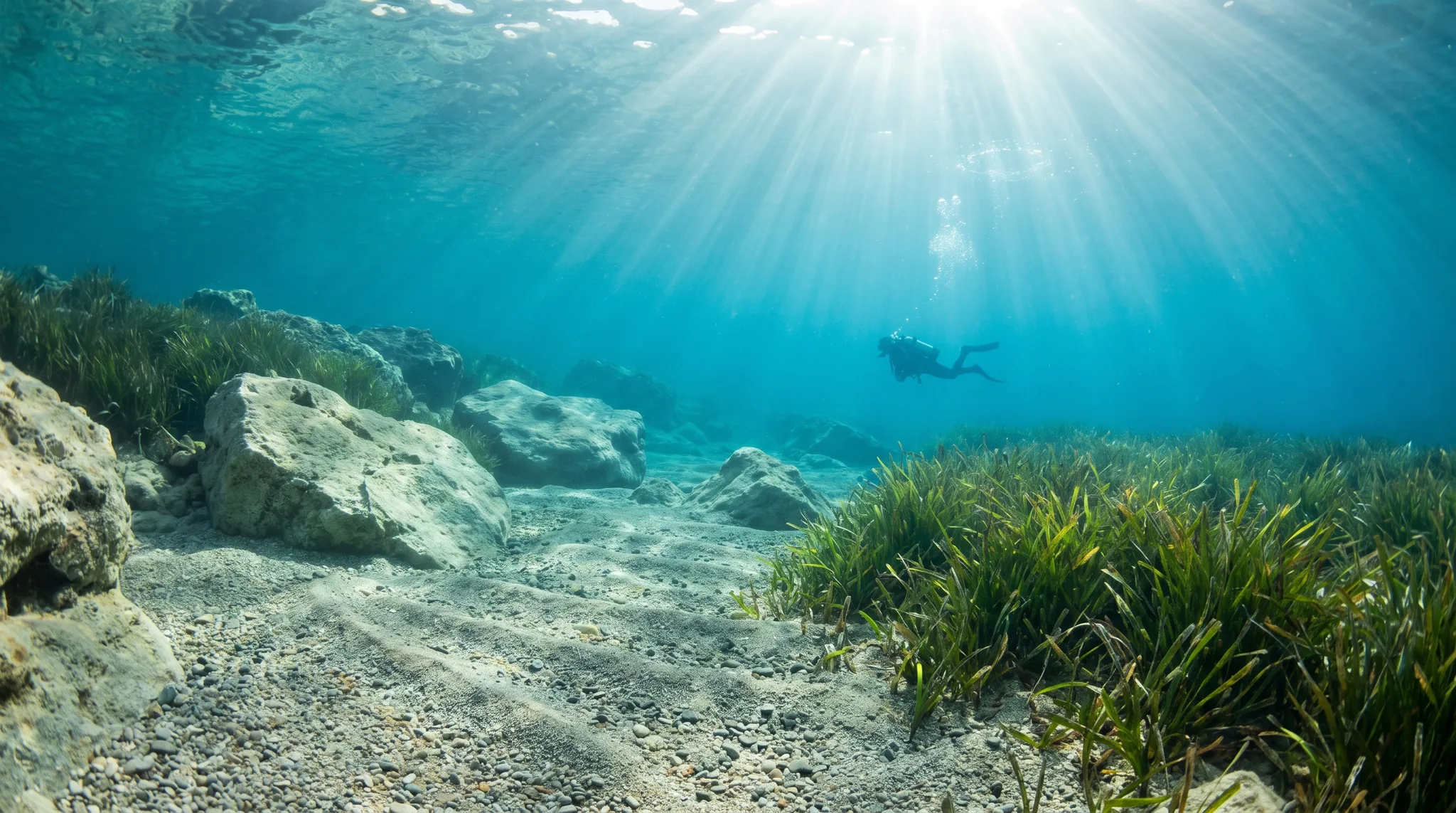
Arcachon's diving centres on a varied mix of wrecks, artificial reefs and seagrass beds spread across the bay and out toward Cap Ferret. Sites cater to all levels, from shallow shore entries like Fosse la Teste to the deeper structures at Chez Hortense and Hortense Cap Ferret. The signature marine life leans heavily toward cephalopods and nudibranchs: Common Octopus, European Common Cuttlefish and several nudibranch species are observed across almost every site, with Gray Seal sightings adding a notable draw.
Monthly water temperature across Arcachon's sites, from satellite sea-surface data corrected for depth. The band shows the site-to-site spread.
Water is coolest through winter and early spring, warming noticeably from June onward and peaking in late summer. The warmest months also coincide with the highest diver activity, making summer the most comfortable season for longer dives. Conditions in the bay tend to be more sheltered than exposed coastal sites, though current and visibility can vary depending on tides and weather.
22 operators
France
19 more sites to explore
Water temperature around Arcachon ranges from about 12°C in February to 20°C in August, based on satellite sea-temperature data for its dive sites.
In the warm season (about 20°C) a 5mm suit is comfortable in Arcachon; in the coldest months (about 12°C) step up to a 7mm or semi-dry suit.
Fin maps 26 sites in Arcachon (23 scuba diving sites and 7 snorkelling spots, with some suited to both).
Across Arcachon's dive sites, June, July and August are most often reported as the best months to visit.
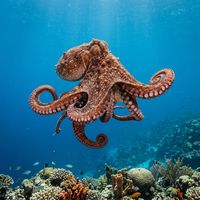
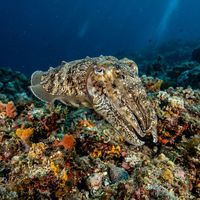
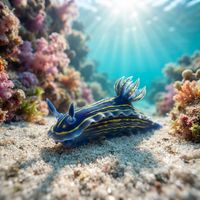
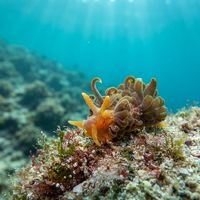
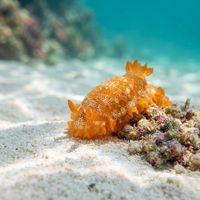
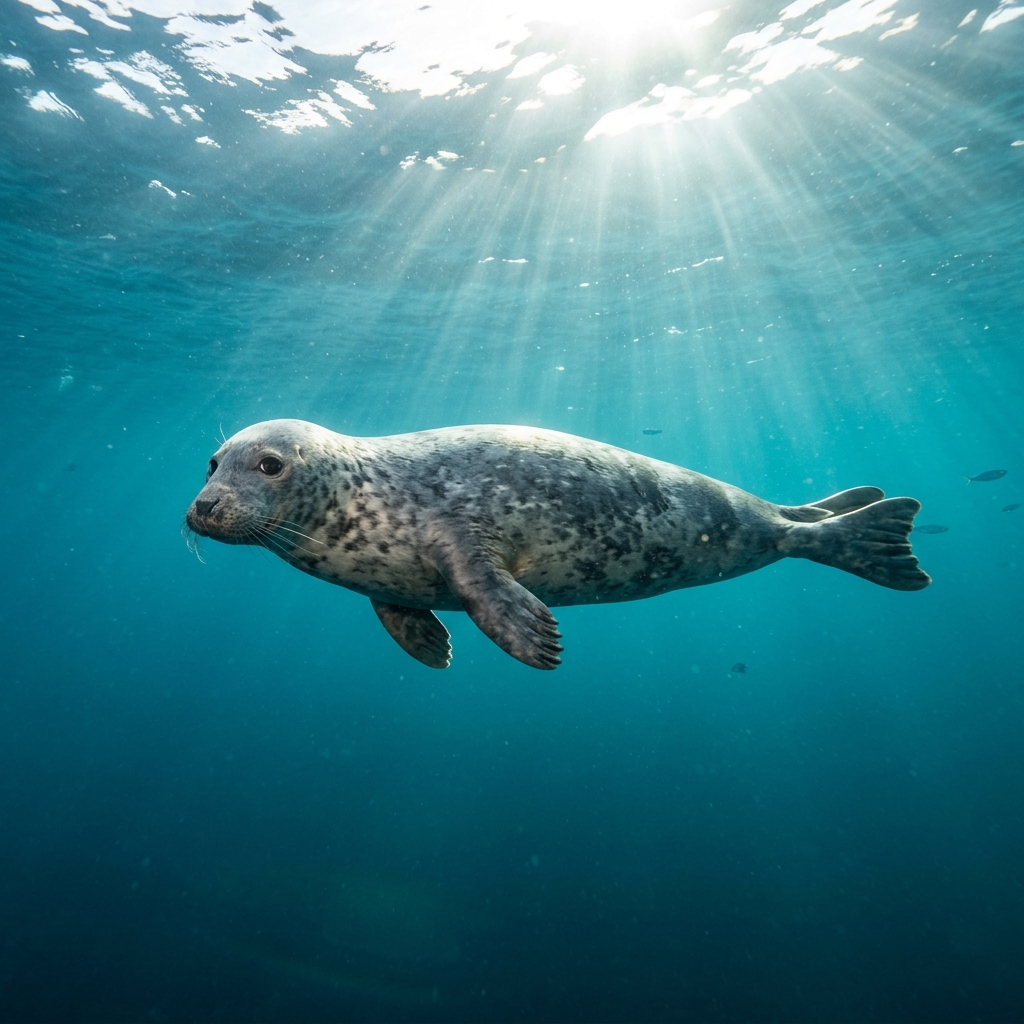
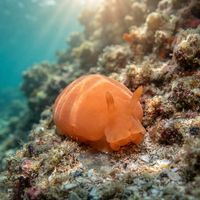
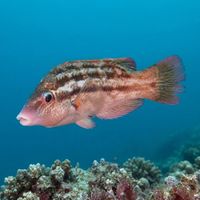
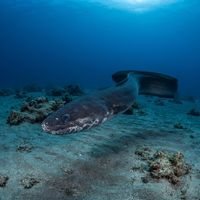
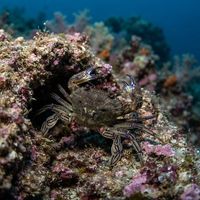
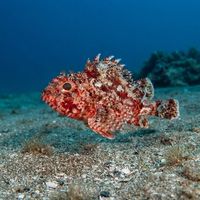
Arcachon is particularly strong for cephalopods and nudibranchs. Common Octopus and European Common Cuttlefish are observed across nearly every site, and nudibranch species including Doriopsilla Areolata, Felimare Cantabrica and Naples Spurilla are consistently recorded. Tompot Blenny, Jewel Anemone, European Conger and Velvet Swimming Crab are also very commonly sighted, and Gray Seal encounters have been logged across a broad range of sites.
Several sites are rated beginner level, including Fosse la Teste, L Herbe, La Vigne and Chez Hortense. Fosse la Teste is shore-accessible and starts very shallow before descending gradually, making it a good first choice. Intermediate divers have options too, such as Hortense Cap Ferret, which extends to greater depth.
Both options exist depending on the site. Fosse la Teste is one of the more accessible shore entries, while wrecks such as Le remorqueur and Chez Hortense require a boat. La Vigne and Hortense Cap Ferret offer the flexibility of either entry type. Most of the bay's sites are served by a wide range of local operators including Hydrosphère Plongée, NSA Plongée and L'ArcaDive, among others.
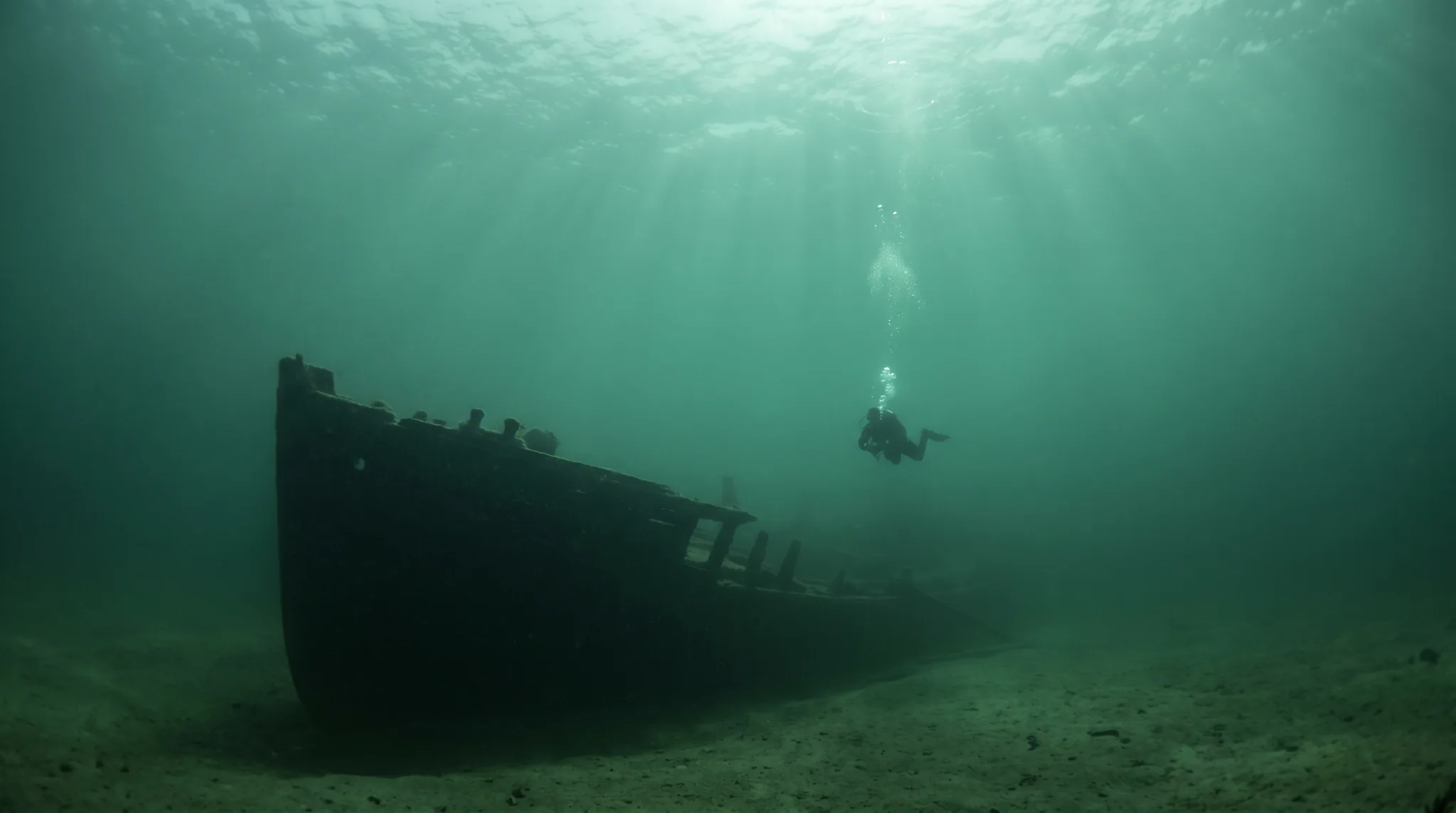
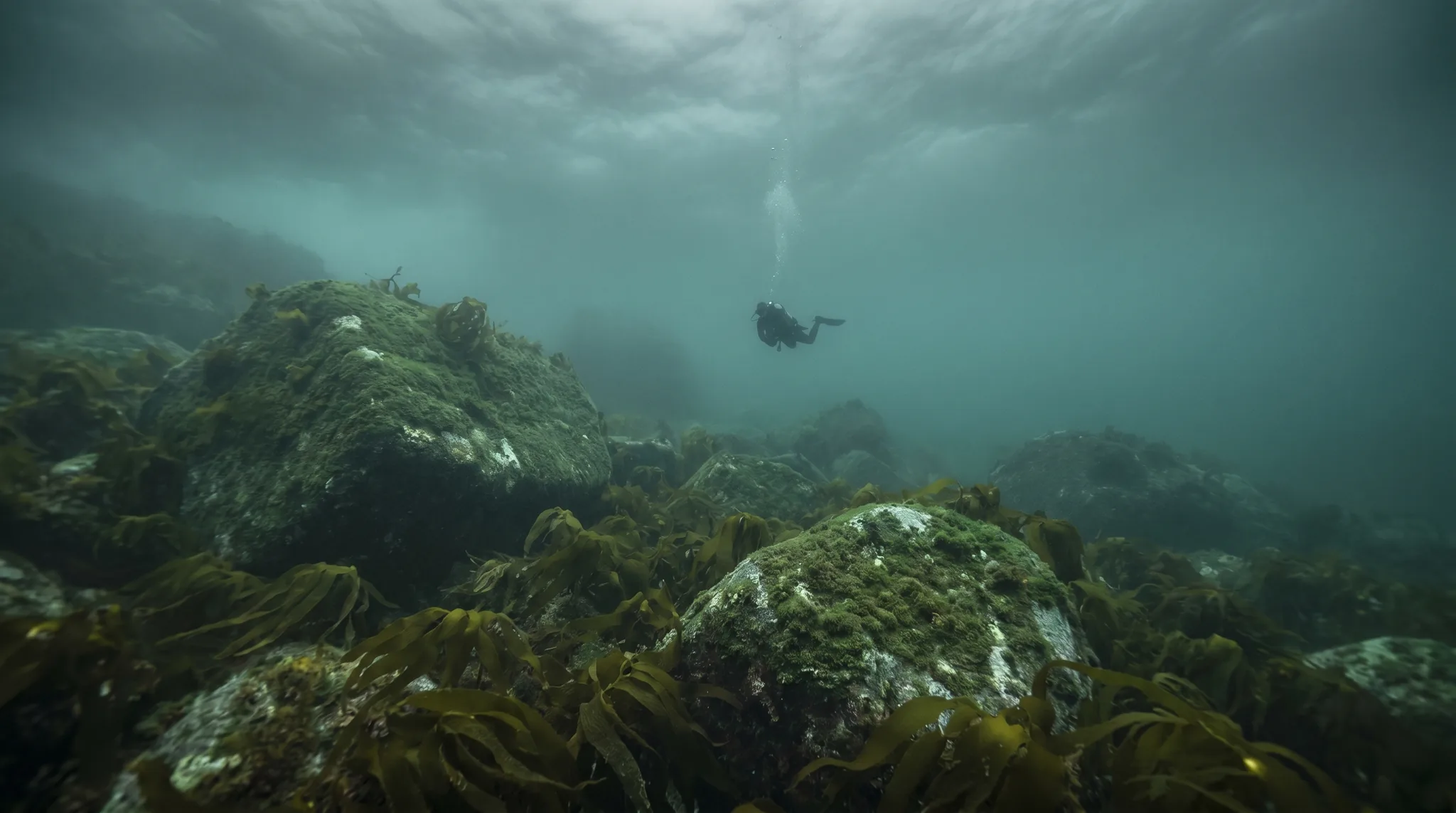
The site mix is truly varied for a single bay area. Wrecks feature prominently, with sites like Le remorqueur and Hortense Cap Ferret offering structural exploration. Artificial reefs are widespread and often combined with other features, as at Chez Hortense where wall, reef and wreck elements sit together. Seagrass beds appear at shallower sites such as L Herbe, rounding out the range of habitats available.