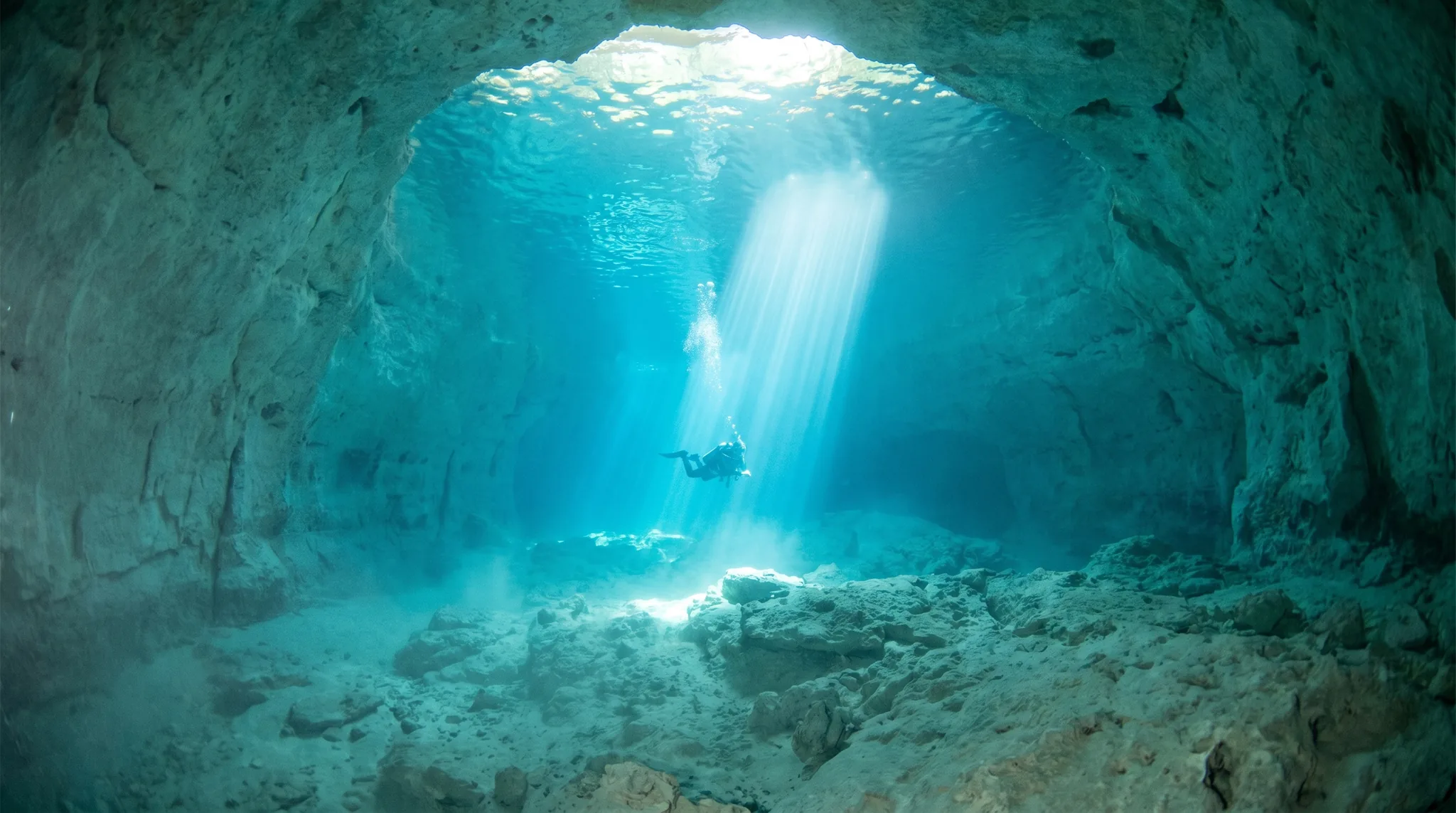
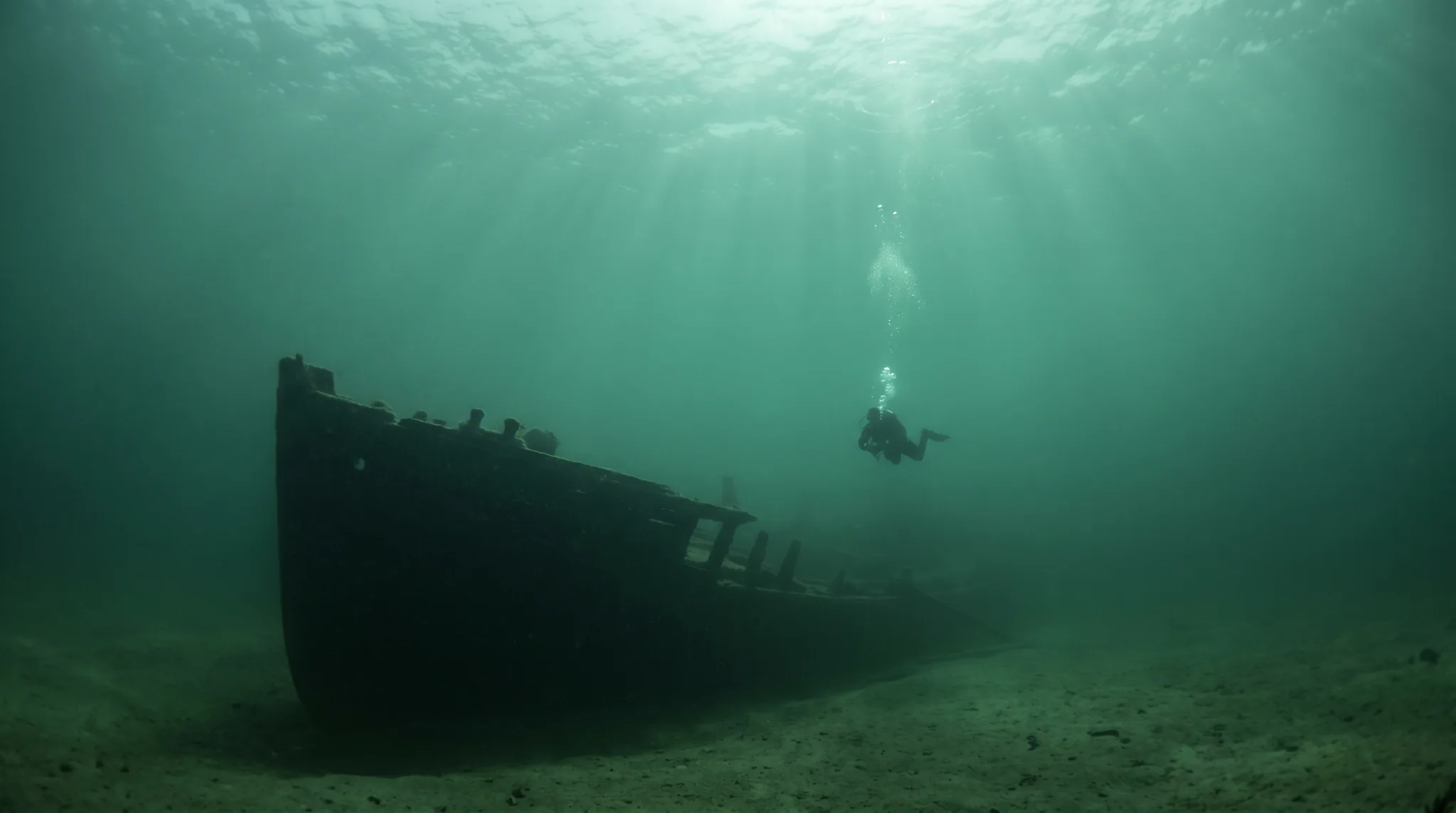
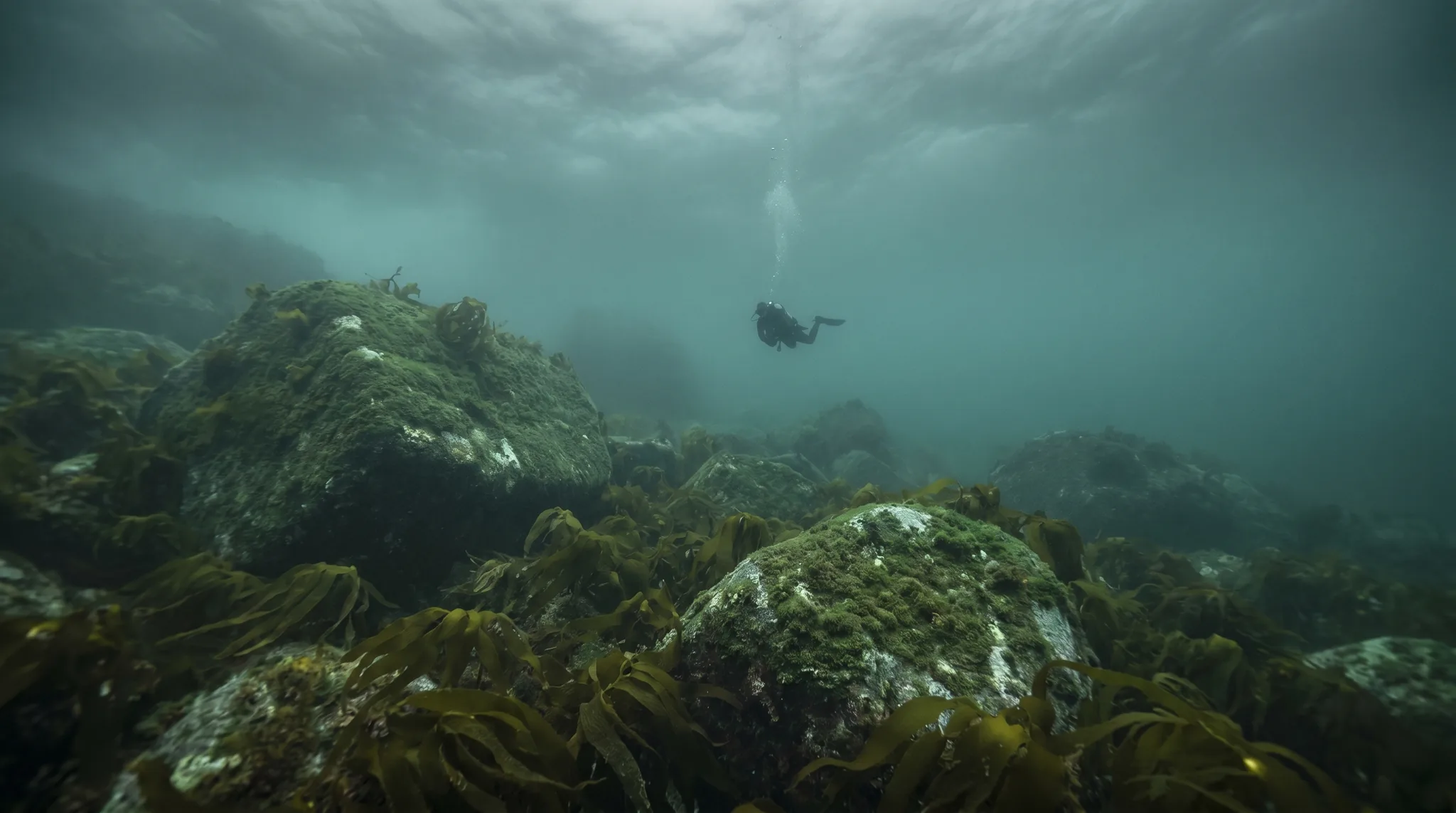
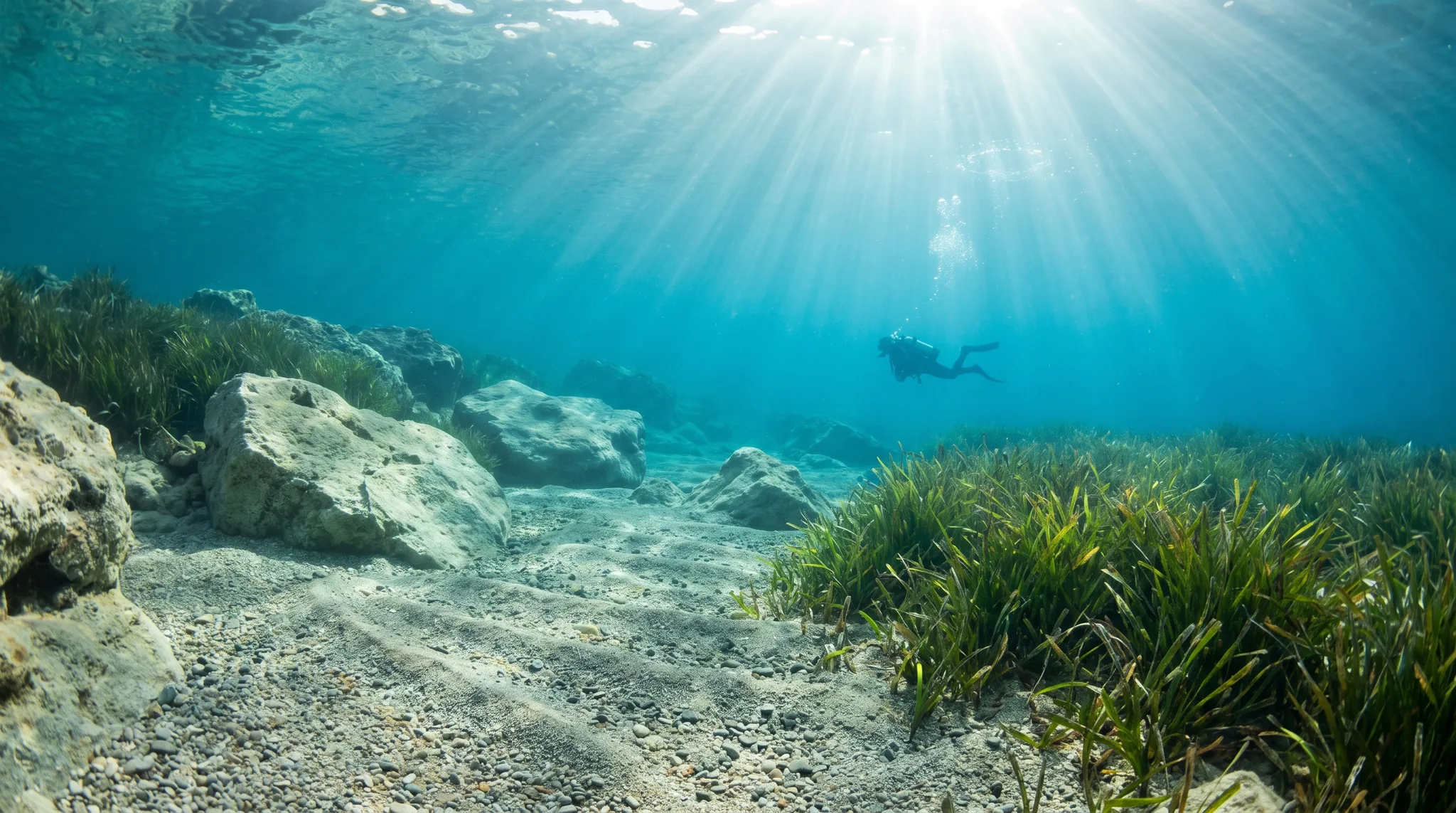
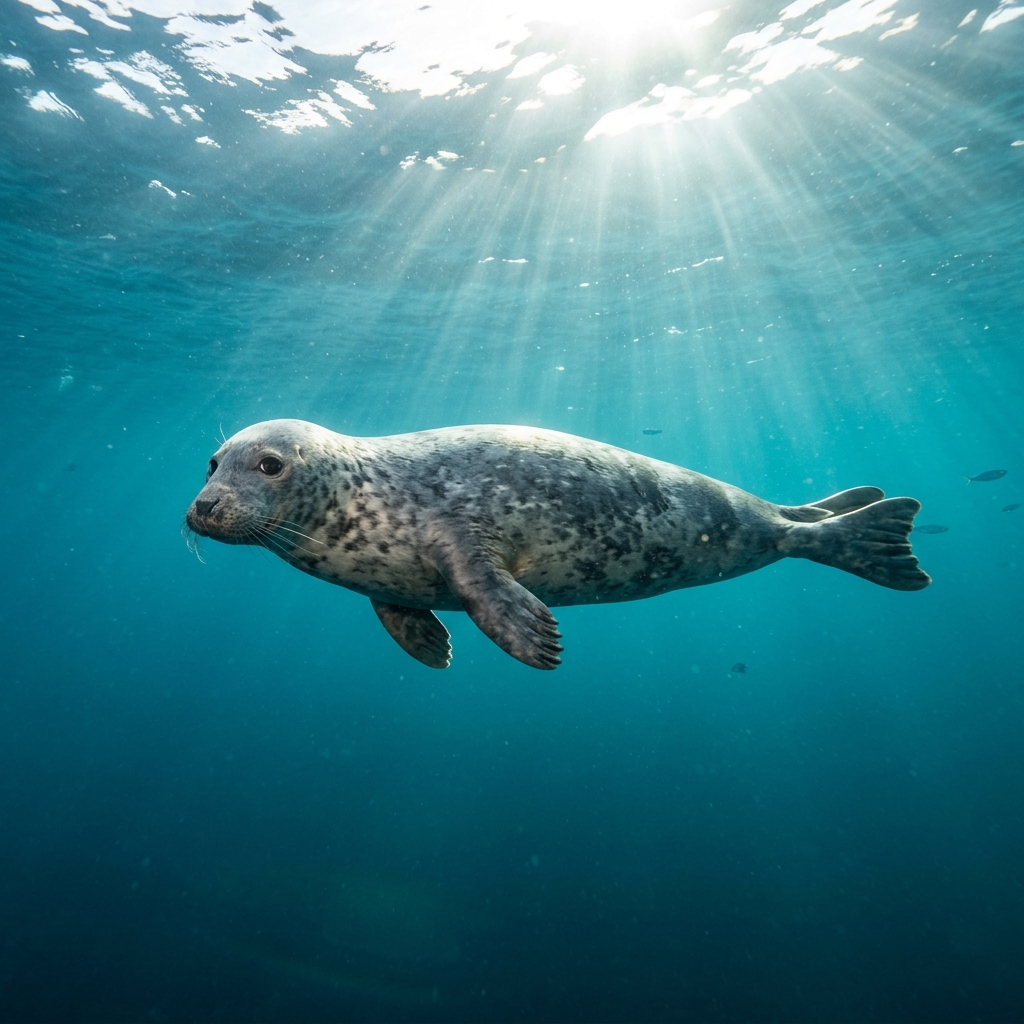
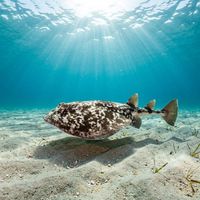
Cap Ferret offers a compact but varied underwater scene shaped by exposed coastal conditions and the influence of Arcachon Bay. Dive sites range from a wreck and artificial reef to deep reef structures, best reached by boat. Snorkellers find shallower ground within the bay's calmer waters. Common Octopus, European Common Cuttlefish, and Jewel Anemone are regularly observed, while the occasional Gray Seal or Marbled Electric Ray adds real surprise to any dive.
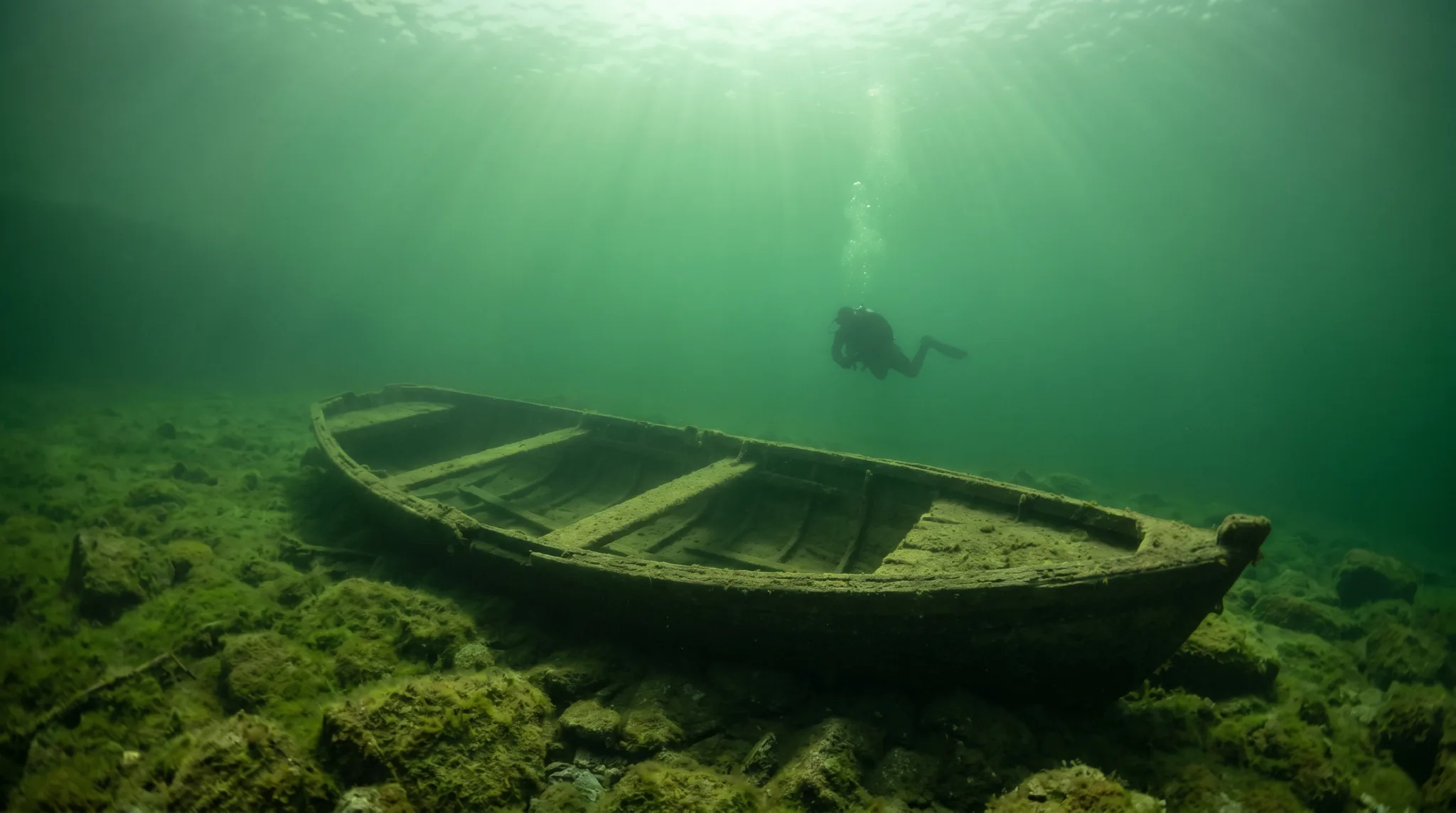
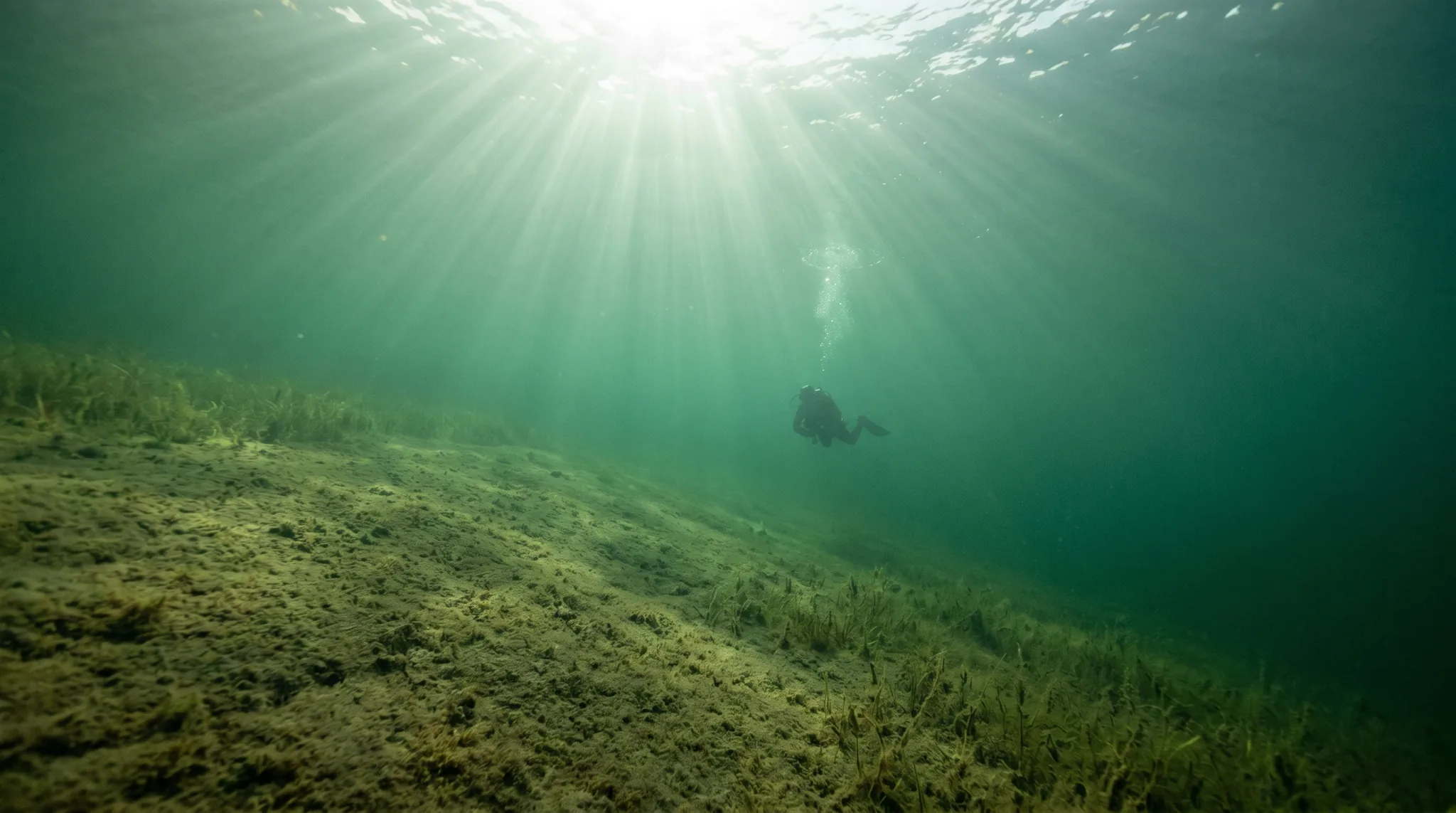
Monthly water temperature across Cap Ferret's sites, from satellite sea-surface data corrected for depth. The band shows the site-to-site spread.
Water stays cool through winter and early spring, warming gradually from late spring into summer and peaking in August and September. The warmest months draw the most divers and offer the most comfortable conditions. Exposed sites like Le Frigolin carry depth and current considerations that reward careful planning.
7 operators
13 more sites to explore
Water temperature around Cap Ferret ranges from about 12°C in February to 18°C in August, based on satellite sea-temperature data for its dive sites.
In the warm season (about 18°C) a 5mm suit is comfortable in Cap Ferret; in the coldest months (about 12°C) step up to a 7mm or semi-dry suit.
Fin maps 15 sites in Cap Ferret (9 scuba diving sites and 7 snorkelling spots, with some suited to both).
Across Cap Ferret's dive sites, June, July, August and September are most often reported as the best months to visit.
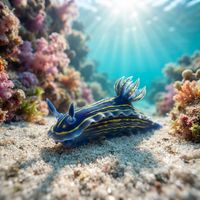
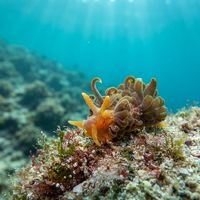
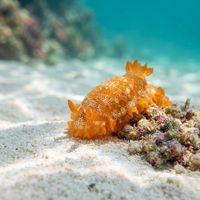
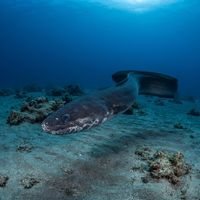
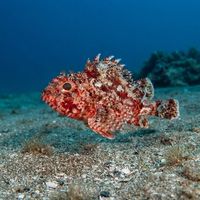
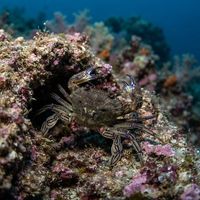
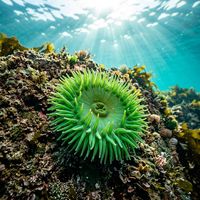
Common Octopus and European Common Cuttlefish are the most frequently observed species across dive sites. Jewel Anemone, Giant Green Anemone, and Brittle Star are common on the reef structures, while European Conger and Small Red Scorpionfish appear regularly. Occasional sightings include the Marbled Electric Ray, Gray Seal, and nudibranch species such as Doriopsilla Areolata and Felimare Cantabrica.
The top dive sites at Cap Ferret, including Le Chariot and Le Frigolin, are rated intermediate and reach considerable depths. Boat access is required for both. Beginners would be better suited to the shallower snorkelling sites, and those looking to dive should have solid buoyancy skills and relevant experience before attempting the deeper reef and wreck sites.
The main dive sites require boat access and are reached offshore from the peninsula. Several local operators, including Océana Ecole de Plongée and Dive In The World, run guided boat trips to these sites. Snorkelling spots within Arcachon Bay are more accessible and may allow shore entry at calmer locations.
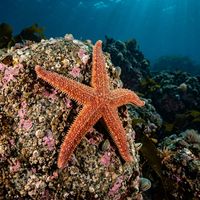
Diving takes you to offshore wrecks and deep reef structures where cephalopods, conger, and rays are the draw. Snorkelling is centred on shallower bay waters, where starfish, blennies, and anemones are the main attraction. The two activities cater to quite different skill levels and conditions, making Cap Ferret suitable for mixed-ability groups.